2027 Best AI Governance Courses for Supply Chain Management Teams

Co-Founder and Chief Data Scientist
Supply chain management teams face growing pressure to integrate artificial intelligence ethically while maintaining transparency and compliance. Missteps can lead to data misuse, bias in algorithms, and disrupted operations, risking reputational damage and regulatory penalties. Professionals without specialized training struggle to navigate these challenges effectively, hindering innovation and strategic advantage.
This article explores top AI governance courses tailored to supply chain teams, emphasizing accredited programs that offer practical knowledge on ethical frameworks, risk mitigation, and policy development. It aims to help readers identify flexible educational paths that enhance their skills and ensure responsible AI deployment in complex supply networks.
Key Things You Should Know
- By 2026, AI governance courses tailored for supply chain teams emphasize ethical frameworks and regulatory compliance to mitigate risks linked to automation and data management.
- Curricula commonly integrate real-world case studies demonstrating improved decision-making efficiency, with 68% of organizations reporting measurable supply chain performance gains post-training.
- Top programs increasingly offer interdisciplinary learning, combining AI technical skills with business strategy to prepare professionals for evolving roles in AI-driven supply networks.
Advance Your Career with AI Online Courses
Artificial Intelligence: Implications for Business Strategy
This program provides an introduction to Artificial Intelligence and their implications for business strategy. Earn an official digital certificate.

Oxford Artificial Intelligence Programme
Explore this Oxford Artificial Intelligence programme offered in a flexible learning environment and explore topics like machine learning, automation, and robotics.

Implementing Agentic AI: Building Your Organizational Playbook
This online MIT Agentic AI course offers a practical approach to deploying AI agents in your organization, including a custom playbook. 3 weeks, exclusive launch price.

AI Adoption: Driving Business Value and Impact
This online MIT AI Adoption: Driving Business Value and Impact offers practical frameworks to close the gap between AI potential and business reality.

Artificial Intelligence in Pharma and Biotech
Discover the applications and limitations of artificial intelligence in pharma and biotech with this MIT online short course.

What is AI governance in supply chain management and why do teams need specialized courses?
AI governance frameworks for supply chain teams establish the policies and controls necessary to ensure ethical, reliable, and effective use of AI technologies in supply operations. These frameworks focus on managing data quality, ensuring algorithm transparency, complying with regulations, and mitigating risks inherent in AI deployment. Specialized courses on AI governance in supply chain management teach professionals how to transform AI from a potential risk into a strategic asset.
Supply chain processes are complex and interconnected, meaning mistakes or biases in AI systems can cause widespread disruptions, from procurement through delivery. Effective governance addresses challenges such as algorithmic bias in supplier selection or flawed demand forecasting that leads to inventory shortages. Without proper expertise, teams may face inefficiencies, compliance issues, or lost trust from stakeholders.
These specialized courses train professionals to develop audit trails, create explainable AI models, and adapt to evolving regulations like the EU AI Act and U.S. data privacy laws. Real-world examples include optimizing inventory with AI while maintaining fairness and transparency to partners. Investing in governance training helps unlock AI's potential responsibly, driving innovation and efficiency in supply chain management.
According to McKinsey's global AI survey, organizations with mature AI governance are 1.6 times more likely to realize cost reductions of at least 10% from AI initiatives. For those exploring advanced education options, the data science master degree ranking offers valuable insights into affordable programs that can support specialized knowledge in AI governance and supply chain analytics.
Advance Your Career with AI Online Courses
Artificial Intelligence: Implications for Business Strategy
This program provides an introduction to Artificial Intelligence and their implications for business strategy. Earn an official digital certificate.
Oxford Artificial Intelligence Programme
Explore this Oxford Artificial Intelligence programme offered in a flexible learning environment and explore topics like machine learning, automation, and robotics.
Implementing Agentic AI: Building Your Organizational Playbook
This online MIT Agentic AI course offers a practical approach to deploying AI agents in your organization, including a custom playbook. 3 weeks, exclusive launch price.
What types of AI governance courses are best for supply chain management teams?
The best AI governance training for supply chain risk management emphasizes risk management, compliance, and ethical implementation focused on supply chain challenges. With the EU AI Act classifying 83% of AI systems in supply chains as "high-risk" or "limited-risk" by 2026, courses must address these regulatory frameworks and vendor oversight.
Such training prepares teams for the impact of these classifications on supplier selection and ongoing monitoring, ensuring legal compliance and operational transparency. Effective courses focus on:
- Regulatory requirements, including the EU AI Act and comparable global standards
- Risk assessment frameworks for AI-driven forecasting, logistics, and inventory management
- Data governance stressing data quality, privacy, and bias mitigation within supply chain datasets
- Vendor risk management and AI system auditing
- Ethical concerns in automating procurement and distribution decisions
Practical, scenario-based learning is essential. For instance, exploring how bias in AI demand forecasting could affect supply chain equity and cause financial losses. Hands-on modules in AI audit tools and compliance reporting better equip teams for real-world enforcement.
AI governance training for supply chain risk management in the U.S. should include comparative insights into U.S. and EU compliance mandates. Providers with industry experience deliver more actionable guidance. Firms unprepared for these demands face disruption, highlighting the value of specialized education. Prospective students can explore degrees in AI online that cater to these emerging governance needs.
How can supply chain leaders evaluate and choose the best AI governance course for their organization?
Supply chain leaders evaluating AI governance training programs for supply chain management must prioritize courses that focus on supplier data management, model transparency, and bias controls. Despite 74% of procurement leaders having deployed or piloted AI, only 27% have formal governance frameworks. Selecting a program that covers these governance gaps comprehensively is critical, as illustrated by Deloitte's CPO survey.
Key elements to look for include curriculum depth on ethical AI use, regulatory compliance, and supply chain-specific risk mitigation strategies. Strong programs provide case studies on managing biases in supplier selection algorithms and transparency in predictive demand models. Additionally, hands-on exercises and real-world procurement scenarios greatly enhance learning outcomes, helping supply chain leaders choose the best AI governance course for their teams.
Instructor expertise is another important criterion; affiliations with reputable research institutions or industry bodies ensure up-to-date content. Certifications aligned with industry standards, such as NIST's AI Risk Management Framework, add measurable value. Delivery formats should also be flexible-online, modular courses with live sessions and peer discussions aid retention and practical application.
Programs encouraging cross-functional collaboration between data scientists, procurement officers, and compliance teams streamline governance implementation. Participant feedback focusing on improved AI oversight, reduced risk, and better supplier accountability further guides course selection.
Professionals interested in advancing their knowledge can explore AI degree programs that incorporate governance training tailored to supply chain contexts.
What topics and skills are typically covered in AI governance courses for supply chain professionals?
AI governance frameworks for supply chain management emphasize the importance of data governance, ensuring data quality, integrity, and security across supply chain operations. Professionals learn to establish policies addressing bias in AI algorithms and maintain transparency in decision-making. Key skills in AI governance for supply chain teams include risk management, where identifying, assessing, and mitigating risks such as regulatory compliance and auditability are core components.
Training also focuses on accountability mechanisms and stakeholder management to facilitate clear communication of AI governance standards within cross-functional teams. Technical competencies cover AI ethics, explainability, and model validation to guarantee reliable AI system performance without unintended consequences. Continuous monitoring and evaluation methodologies are taught to prevent errors and model drift in AI-driven supply chains.
Practical case studies highlight the positive impact of robust data governance, with some programs showing forecast error reductions of 30-50% based on a global supply chain AI study by BCG. Courses further prepare supply chain professionals to navigate legal and social implications, ensuring compliance with privacy regulations such as GDPR and CCPA.
For those looking to deepen their expertise, pursuing a doctorate in data analytics online can provide advanced knowledge and skills to implement and improve AI governance frameworks effectively.
How do online, hybrid, and on-campus AI governance programs compare for working supply chain teams?
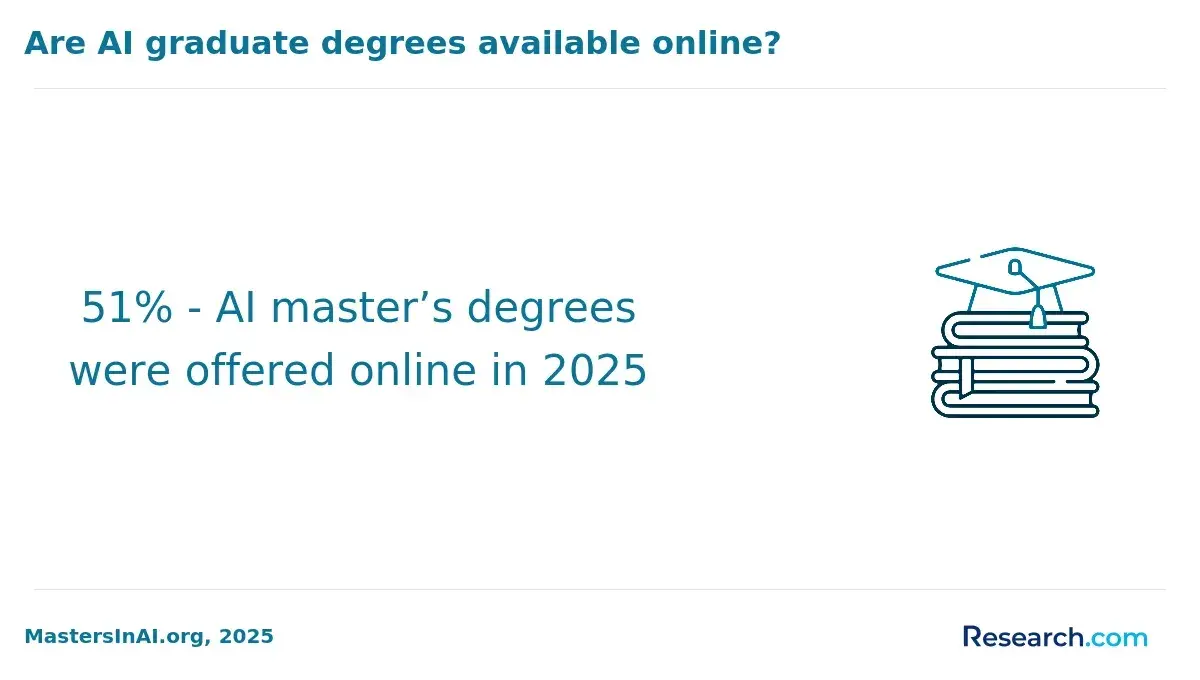
Online AI governance programs offer unmatched flexibility for supply chain teams balancing work and learning. These programs typically provide modular content accessible anytime, enabling targeted skill development in supplier risk management. This focus is vital since 60% of AI-related incidents in large enterprises originate from third-party AI tools rather than internal models, according to KPMG.
However, the lack of direct interaction and immediate feedback in online formats can limit hands-on problem solving and networking opportunities. Hybrid programs blend online convenience with essential in-person sessions. Teams benefit from workshops, simulations, or case discussions on-site that deepen practical understanding of governance challenges like compliance audits and ethical assessments of supplier algorithms.
This approach supports applying concepts directly to complex supply chain contexts while accommodating varied schedules. On-campus programs offer immersive environments ideal for deep engagement and peer collaboration. They often include guest lectures from industry experts and access to campus resources, perfect for teams seeking advanced credentials in AI risk and governance. The time and travel commitments may pose challenges for working professionals.
Each education mode serves different needs: online learning supports continuous education amid tight schedules; hybrid formats enhance experiential learning critical for managing risks from external AI vendors; on-campus programs foster in-depth mastery for strategic roles. Teams should weigh flexibility, interaction, and learning depth to govern AI tools effectively and mitigate third-party risks.
Which accreditation and industry standards matter most for AI governance training in supply chains?
Accreditation and industry standards play a vital role in ensuring the quality and relevance of artificial intelligence governance training for supply chain professionals. Leading credentials align with frameworks from bodies like IEEE, ISO, and NIST. For instance, the ISO/IEC 42001 standard focuses on AI management system requirements, gaining traction among organizations committed to strong governance.
IEEE's work on ethically aligned design also offers essential guidance for responsible AI deployment in supply chain operations. Effective training programs incorporate standards such as the NIST AI Risk Management Framework, which addresses risks related to bias, privacy, and security. Supply chain teams trained under these standards can better govern AI applications that influence sourcing, logistics, and demand forecasting.
Certification through accredited entities like the Supply Chain Management Association or the AI Ethics Institute enhances the value of training by ensuring alignment with current industry challenges and ethical norms. Research shows that supply chain organizations investing over 20 hours annually in AI and governance training per employee are 2.3 times more likely to advance AI pilots into production successfully.
Prospective learners should seek courses explicitly covering these industry standards and certifications to effectively manage AI-driven risks and comply with evolving regulations.
What are the common admission requirements and prerequisites for AI governance courses and certificates?
Admission to AI governance courses in supply chain management typically requires a bachelor's degree in business, engineering, computer science, or a related field. Many programs also expect prior knowledge or coursework in data analytics, machine learning, or supply chain fundamentals. Proficiency in statistics and programming languages like Python or R is often necessary to engage with technical governance frameworks.
Professional experience is a key factor, with most certificates demanding 1-3 years in supply chain roles or technology management. Executive or part-time tracks may require leadership experience in technological projects. Applicants might need to provide a statement of purpose explaining their interest in AI governance and its applications in supply chains. Letters of recommendation are sometimes requested, especially for programs focused on strategic or ethical topics.
Some advanced courses also expect familiarity with regulatory compliance, risk management, or ethics in technology use. These prerequisites equip participants with foundational knowledge essential for understanding AI governance frameworks. Implementing AI governance helps firms realize substantial benefits-including inventory cost reductions of 25% and service-level improvements of 15-20%, according to a benchmark by McKinsey & Company.
Prospective students should carefully review program details, as requirements vary between academic and industry-focused certificates, ensuring they meet standards to maximize outcomes in AI governance applications.
How long do AI governance programs for supply chain teams take, and what do they cost?
AI governance programs designed for supply chain management professionals vary from 4 weeks to 6 months, depending on course depth. Short certificate programs focus on regulatory compliance, risk management, and ethical frameworks within 4 to 8 weeks. More extensive professional certifications or part-time courses lasting up to 6 months cover AI model auditing, bias mitigation, and industry-specific governance challenges.
Program costs range according to type and provider. Entry-level workshops or online boot camps typically cost $500 to $2,000, ideal for targeted skill development. University-led or executive programs often charge between $3,000 and $8,000, providing live instruction, case studies, and practical exercises tailored for supply chain environments. Corporate pricing or team discounts may be available, offering cost benefits and collaborative learning for supply chain leaders.
Certain sectors like automotive and pharmaceuticals require more rigorous AI governance training. A cross-industry supply chain AI survey by Accenture found that 92% of automotive and 89% of pharma supply chain executives consider AI-related regulatory and safety issues a "very significant" factor. These programs often include advanced modules on ISO standards and FDA guidelines.
When selecting a program, consider industry relevance, course duration, and pricing. Team-based learning can enhance value by addressing shared supply chain challenges across functions.
What careers, roles, and responsibilities can AI governance training unlock in supply chain management?
AI governance training in supply chain management develops expertise for specialized roles that tackle ethical, regulatory, and operational challenges of AI integration. Key positions include AI compliance officers who ensure adherence to standards like the NIST AI Risk Management Framework and ISO/IEC 42001 AI management system. These professionals create policies and audit AI systems to reduce risks such as bias, data privacy issues, and operational setbacks.
Other vital roles are AI risk managers who identify and forecast system vulnerabilities affecting logistics or procurement, crafting mitigation strategies aligned with evolving governance standards and third-party assessments. AI ethics advisors guide responsible AI decision-making to avoid discrimination and enhance transparency in automated supply processes.
Skills in AI governance also empower careers in AI project management within supply chains, where professionals balance innovation with compliance. These managers lead cross-functional teams to deploy AI tools under strict governance frameworks, ensuring ethical and measurable results.
By late 2024, 41% of large enterprises using AI in supply chain had aligned their policies with the NIST AI Risk Management Framework, with 18% adopting ISO/IEC 42001, according to Gartner. Demand is rising for experts well-versed in regulatory frameworks, risk assessment methods, and ethical AI principles.
Training programs should focus on policy development, compliance monitoring, and strategic AI integration tailored to supply chain challenges to prepare professionals to meet these industry needs.
What salary ranges and job outlook can professionals expect after AI governance upskilling in supply chains?
Professionals with expertise in AI governance in supply chain management are seeing rising demand and salary benefits. A 2024 World Economic Forum report found job postings requiring both supply chain and AI skills increased by over 150% from 2020 to 2024, reflecting growing industry needs for this specialized knowledge.
Salary premiums for roles combining AI and supply chain skills range from 10% to 25% higher than comparable positions without an AI focus. For instance, U.S. supply chain analysts typically earn between $60,000 and $85,000 annually; with AI governance skills, salaries can rise to around $66,000-$106,000. Experienced senior supply chain managers or AI governance specialists may earn between $110,000 and $150,000 or more, depending on location and expertise.
Positions benefiting from upskilling in AI governance include:
- AI supply chain strategist
- Risk and compliance officers specializing in AI ethics
- Data governance managers focused on predictive logistics
- AI-integrated procurement analysts
These roles demand technical skills combined with a deep understanding of regulatory frameworks and ethical standards in AI use. Professionals skilled in these areas boost their competitiveness and ensure career resilience as AI-driven decisions become the norm.
For those pursuing AI education and career advancement, focusing on AI governance in supply chains offers clear pathways to greater earnings and job opportunities.
Other Things You Should Know About Artificial Intelligence
In 2027, top AI governance courses for supply chain management teams include MIT Sloan's "AI in Business" program, Stanford's "AI Ethics for Supply Chains," and the University of Oxford's "AI and Supply Chain Management." These courses cover risk management, ethical AI practices, and industry-specific governance frameworks to enhance supply chain efficiency.
AI governance enhances risk management by providing frameworks to identify, assess, and mitigate risks associated with AI deployment in supply chain processes. It helps establish accountability, reduces ethical and operational risks, and promotes reliable AI system behavior. This leads to improved resilience and fewer disruptions across supply chain operations.
Ethics is central to AI governance as it ensures AI applications in supply chains respect fairness, transparency, and accountability principles. Ethical governance prevents discriminatory practices, protects stakeholder interests, and fosters trust in AI-driven decisions. Supply chain teams must prioritize ethical guidelines to align AI use with organizational values and societal norms.
Yes, several industries have developed tailored AI governance frameworks to address unique supply chain challenges. These frameworks incorporate sector-specific regulations, data standards, and risk factors. Companies benefit from adopting such frameworks to ensure compliance and optimize AI system performance within their particular supply chain context.
References
- Top 5 AI Governance Certification Programs and How to Choose the Right One - AI Governance Library, Articles, Ressources https://aigouvernance.com/top-5-ai-governance-certification-programs/
- AI Governance and Compliance Roles Emerge in Supply Chain Operations https://www.traxtech.com/ai-in-supply-chain/ai-governance-and-compliance-roles-emerge-in-supply-chain-operations
- The AI regulation gap: Risk, cost, and competitive advantage - Supply Chain Management Review https://www.scmr.com/article/the-ai-regulation-gap-risk-cost-and-competitive-advantage
- AI Ethics, Governance and Responsible AI Use for Procurement Professionals Workshop https://upskilldevelopment.com/ai-ethics-governance-and-responsible-ai-use-for-procurement-professionals-workshop
- Certified AI Governance Professional (AIGP) | NobleProg Poland https://www.nobleprog.pl/en/aigp
- Supply Chain Security and AI Risk Governance Model for Critical Infrastructure under NIS2, CER, and CRA https://www.acigjournal.com/Supply-Chain-Security-and-AI-Risk-Governance-Model-for-Critical-Infrastructure-under,211823,0,2.html
- AI Governance Frameworks: Global Standards, Regulations, and Best Practices - EvalCommunity Academy https://academy.evalcommunity.com/ai-governance-frameworks/
- What New Job Will AI Create in Logistics & Supply Chain Management? | Inbound Logistics https://www.inboundlogistics.com/articles/what-new-job-will-ai-create-in-logistics-supply-chain-management/
- AI Runs the Supply Chain, But Who Writes the Rules? https://www.complianceandrisks.com/blog/ai-runs-the-supply-chain-but-who-writes-the-rules/
- AI+ Supply Chain Self-Paced Online Course & Examination https://www.itsmhub.com/products/ai-supply-chain-self-paced-online-course-examination