2027 Best Generative AI Courses for CIOs

Co-Founder and Chief Data Scientist
Chief information officers face increasing pressure to integrate generative AI solutions while managing tight budgets and limited technical expertise. Rapid advancements demand upskilling that aligns with strategic goals without disrupting ongoing operations. Typical programs often lack the flexibility or industry relevance required, leaving leaders unprepared for practical implementation. This article highlights top generative AI courses designed specifically for CIOs aiming to bridge this knowledge gap efficiently. It provides an informed review to help professionals select accredited, flexible education paths that enable a confident pivot into AI-driven leadership roles within technology-driven enterprises.
Key Things You Should Know
- Leading generative AI courses for CIOs in 2026 emphasize strategic integration, with 72% of programs focusing on real-world enterprise applications and ethical AI governance.
- Curricula increasingly include hands-on projects using latest AI models from 2024-2025, reflecting a 45% rise in course adoption compared to previous years.
- Certification from top programs boosts CIOs' leadership credibility, with 58% reporting enhanced decision-making skills in AI-driven digital transformation initiatives.
Advance Your Career with AI Online Courses
Artificial Intelligence: Implications for Business Strategy
This program provides an introduction to Artificial Intelligence and their implications for business strategy. Earn an official digital certificate.

Oxford Artificial Intelligence Programme
Explore this Oxford Artificial Intelligence programme offered in a flexible learning environment and explore topics like machine learning, automation, and robotics.

Implementing Agentic AI: Building Your Organizational Playbook
This online MIT Agentic AI course offers a practical approach to deploying AI agents in your organization, including a custom playbook. 3 weeks, exclusive launch price.

AI Adoption: Driving Business Value and Impact
This online MIT AI Adoption: Driving Business Value and Impact offers practical frameworks to close the gap between AI potential and business reality.

Artificial Intelligence in Pharma and Biotech
Discover the applications and limitations of artificial intelligence in pharma and biotech with this MIT online short course.

What is a generative AI course for CIOs and how does it differ from general AI programs?
A generative AI course designed for CIOs concentrates on how chief information officers can harness generative AI technologies to promote innovation, streamline operations, and manage organizational change. Unlike general AI programs, which cover a broad range of AI concepts suited for various roles, these courses emphasize leadership aspects such as strategic decision-making, governance, ethics, and integrating generative AI tools into current business frameworks. This focus on executive responsibility makes generative AI training programs for CIOs distinct and highly relevant.
Key areas covered include:
- Overview of generative AI models like GPT and DALL·E, explained through business value and risk frameworks.
- Leadership scenarios such as assessing AI vendor solutions, budgeting for AI adoption, and leading AI innovation teams.
- Compliance and data privacy challenges specific to wide-scale generative AI deployments.
- Change management tactics to boost AI literacy across organizational departments.
These specialized programs often feature industry case studies illustrating how CIOs align AI initiatives with corporate goals and address bias in AI-generated output. By contrast, general AI training tends to focus on technical skills like programming algorithms or creating machine learning models, which do not fully meet the strategic fluency CIOs require.
According to CIO, AI and digital fluency rank as the top leadership skill, highlighting why targeted generative AI courses are essential. For those exploring relevant educational paths, reviewing the data science major ranking can provide additional guidance on programs with strong AI components.
Advance Your Career with AI Online Courses
Artificial Intelligence: Implications for Business Strategy
This program provides an introduction to Artificial Intelligence and their implications for business strategy. Earn an official digital certificate.
Oxford Artificial Intelligence Programme
Explore this Oxford Artificial Intelligence programme offered in a flexible learning environment and explore topics like machine learning, automation, and robotics.
Implementing Agentic AI: Building Your Organizational Playbook
This online MIT Agentic AI course offers a practical approach to deploying AI agents in your organization, including a custom playbook. 3 weeks, exclusive launch price.
How can generative AI courses help CIOs drive digital transformation and business strategy?
Generative AI courses empower CIOs to lead digital transformation by equipping them with skills to integrate AI-driven solutions into business strategy. These programs deliver practical knowledge for implementing generative AI models that optimize workflows, enhance customer engagement, and improve decision-making. CIOs trained in generative AI training for CIO business strategy learn to identify opportunities to automate routine tasks, generate insights, and drive innovation across departments.
Course topics often include AI architecture, data management, and ethical implications, enabling CIOs to design responsible AI strategies aligned with organizational goals. This foundation helps mitigate risks while maximizing AI's benefits.
Mastering generative AI tools allows CIOs to guide teams in creating personalized customer experiences, speeding product development, and reducing costs. For instance, generative AI can automate content creation or simulate scenarios to forecast market trends for smarter resource allocation. The rising demand is clear as AI and machine learning certification pursuit increased from 17% in 2022 to 35% in 2024, according to Computerworld citing Gartner.
Generative AI courses for digital transformation leadership also improve CIOs' ability to evaluate vendors, selecting optimal AI platforms tailored to business needs. This reduces implementation errors and speeds time to value, supporting sustainable, data-driven digital transformation initiatives.
Professionals seeking to enhance their qualifications may consider exploring options among engineering degrees that integrate AI competencies to stay competitive in evolving technology landscapes.
What types of generative AI programs are available for CIOs (certificates, degrees, executive education)?
Generative AI certificate programs for CIOs include a range of options from brief, targeted courses to multi-month engagements typically offered on platforms like Coursera and Udemy. These certificates focus on practical skills such as prompt engineering, AI ethics, and model deployment. Prestigious institutions like Stanford and MIT provide professional certificates that highlight foundational knowledge and practical applications tailored for CIOs overseeing AI integration.
Degree programs, such as master's degrees in artificial intelligence or data science with a focus on generative AI, offer more extensive, research-driven education. Usually lasting one to two years, these programs prepare CIOs with advanced technical expertise and strategic insight for enterprise AI adoption. Universities including Carnegie Mellon and Northwestern have specialized AI tracks blending technical coursework with leadership development.
Executive education courses in generative AI for technology leaders are designed to deliver high-impact strategic insights without the need for full-time study. These include intensive workshops, webinars, and multi-day seminars on AI governance, innovation management, and compliance. Harvard Business School and INSEAD are examples of institutions offering such tailored executive sessions for AI leadership.
Enrollment in generative AI courses on Coursera and Udemy hit 3.5 million within 14 months after ChatGPT's launch, reflecting growing demand for flexible learning. CIOs choosing between rapid skill acquisition and comprehensive mastery should consider this trend. For those interested in more advanced study, exploring online AI PhD programs is recommended for deep research experience.
What should CIOs look for in the curriculum of a high-quality generative AI course?
High-quality generative AI course curriculum for CIOs should combine technical foundations with strategic business applications. Courses need to cover core concepts like transformers and diffusion models while showcasing practical uses such as optimizing supply chains or enhancing customer engagement. Ethical considerations and governance frameworks are essential to address risks related to bias, data privacy, and regulatory compliance.
Key skills in generative AI training for technology leaders include:
- Fundamental machine learning concepts and data requirements for training generative models
- Integration of AI outputs within existing IT infrastructure and workflows
- Strategies for AI model evaluation, performance monitoring, and continuous improvement
- Change management and organizational readiness for AI adoption
- Security risks associated with AI-generated content and mitigation techniques
Executive-focused courses often prioritize concise, actionable content. For example, AWS's generative AI primer offers five short videos tailored for leadership, exemplifying a balance of depth and brevity. Including hands-on exercises or scenario-based learning helps CIOs practice decision-making and understand operational impacts.
Diverse industry case studies further prepare leaders to tailor AI strategies to their unique environments. Prospective learners should also factor in aspects like computer science cost when selecting programs to enhance their expertise effectively. More information on affordability can be found in resources about computer science cost.
How do online generative AI courses for CIOs compare with in-person or hybrid formats?
Online generative AI courses for CIOs provide flexible learning that fits busy schedules, allowing executives to balance professional duties with skill development. While online formats may lack immediate face-to-face interaction, they often include interactive tools, real-time simulations, and modular content that boost engagement. The AWS Certified AI Practitioner certification, recognized by CIO as a standard for enterprise AI, machine learning, and generative AI expertise, supports remote learning with digital exams and ensures practical skills are attainable online.
In-person training offers direct mentorship, richer discussions, and collaborative peer learning, especially valuable for exploring complex topics such as AI ethics and strategy. Hybrid courses blend these benefits by combining virtual content with scheduled in-person workshops or projects, enhancing understanding without sacrificing convenience.
When selecting a course format, CIOs should weigh personal learning preferences, time constraints, and skill objectives. Practical exposure is essential, so seek programs offering labs or projects with real-world tools and frameworks. Ensuring certifications like the AWS Certified AI Practitioner match enterprise requirements helps maintain relevance.
The right mix of online, in-person, and hybrid learning elements typically delivers the most comprehensive outcomes for executive AI education.
Which accreditation and institutional quality indicators matter most for CIO-focused AI programs?
Accreditation and institutional quality play a crucial role in CIO-focused artificial intelligence programs, ensuring they meet rigorous standards and industry relevance. Regional accreditation recognized by the U.S. Department of Education, such as from the Higher Learning Commission or Middle States Commission on Higher Education, confirms that programs maintain nationally accepted curriculum and faculty quality. Additionally, specialized accreditations like ABET for technical programs or AACSB for business schools highlight a program's commitment to excellence in AI and leadership education.
Prospective CIOs and employers should prioritize programs where faculty have hands-on experience with applied AI systems and executive leadership. Artificial intelligence literacy tailored to CIO responsibilities-focusing on strategic business decisions, governance, and risk management-is essential. According to CIO, AI and digital fluency rank as the number-one CIO skill among key capabilities.
Look for programs offering practical exposure through capstone projects, enterprise partnerships, or access to AI-enabled technologies. These elements often correlate with post-graduate success and networking opportunities in the CIO career path. Programs lacking recognized accreditation or clear CIO-specific AI integration may leave learners underprepared for real-world challenges.
- Regional accreditation by recognized bodies
- Specialized quality accreditations
- Experienced faculty with applied AI knowledge
- Integration of AI with CIO strategic skills
- Project-based learning and industry partnerships
What are the typical admissions requirements for CIO-oriented generative AI certificates and degrees?
Admissions for generative AI certificates and degrees targeting CIOs usually emphasize professional experience, relevant education, and leadership potential. Most programs expect applicants to hold a bachelor's degree in computer science, information technology, business administration, or related fields. Equivalent professional experience in technology management can sometimes substitute for formal education, especially for senior executives.
Applicants typically need 3 to 5 years in IT leadership or similar roles to qualify. This background helps them understand strategic uses of generative AI in enterprise environments. Many programs also request a statement of purpose explaining career goals and motivation for pursuing AI education.
Standardized tests like the GRE are rarely needed for certificate programs but may be considered in master's level degrees. Professional certifications in cloud computing, data science, or project management can enhance applications. Candidates lacking prior exposure might have to complete foundational courses in programming, data analytics, or machine learning.
Microsoft and Google offer no-cost AI training courses as accessible introduction paths, helping CIOs meet baseline technical knowledge expectations. Letters of recommendation from technology supervisors and evidence of leadership in digital transformation projects strengthen applications, showing a blend of executive skills and technical understanding.
How long do CIO-targeted generative AI programs take, and what do they typically cost?
Generative AI courses tailored for CIOs typically last between four and twelve weeks, depending on their depth and format. Intensive bootcamps and certificate programs usually take about one month, emphasizing practical applications and leadership strategies. More comprehensive offerings, aimed at deeper insights into AI architectures and enterprise integration, can extend up to three months.
Course costs vary widely. Shorter, project-based programs generally cost between $800 and $2,500, while longer, university-backed certificates or executive education programs range from $3,000 to $7,000. Higher fees often reflect added features like personalized coaching or hands-on labs.
Popular platforms such as Coursera and Udemy have seen enrollments rise dramatically-reaching 3.5 million according to Computerworld citing Validated Insights-highlighting their accessibility for busy professionals seeking flexible, cost-effective AI education.
When selecting a program, CIOs should consider their schedule and look for modular curriculums that fit intense work demands. It's important to compare course content with industry needs, including ethical AI governance, data security, and innovation leadership.
- Choose courses with clear case studies and applied learning.
- Account for total costs, including materials and travel.
- Focus on certifications recognized in the tech industry for better credibility.
What career, promotion, and board-level opportunities can CIOs unlock with generative AI training?
CIOs who complete generative AI training gain access to advanced leadership roles and career growth. Mastery of generative AI enables CIOs to spearhead transformational initiatives that enhance innovation, operational efficiency, and competitive edge. This expertise often leads to promotions into C-suite positions such as chief digital officer or chief innovation officer, with responsibilities centered on emerging technologies.
Boardroom opportunities also expand as organizations seek leaders knowledgeable in AI ethics, risks, and governance. CIOs with generative AI skills offer critical strategic advice on technology adoption and data stewardship, becoming key contributors during discussions on digital transformation and AI regulation.
Key career outcomes of generative AI training include:
- Leading enterprise-wide AI projects that deliver measurable ROI and boost executive credibility.
- Incorporating generative AI into product development and customer experience to drive innovation.
- Strengthening cybersecurity through AI-powered threat detection and response.
- Negotiating AI vendor contracts with enhanced technical insight.
- Mentoring teams to foster a culture of continuous AI adoption.
Generative AI courses from providers like Google, DeepLearning.AI, Coursera, Udemy, MIT, and Oxford emphasize practical, hands-on learning tailored to various industries. Graduates report increased leadership influence, broader cross-functional impact, and readiness to navigate the ethical and regulatory challenges unique to AI at the executive and board level.
How should CIOs evaluate and choose the best generative AI course aligned with their industry and tech stack?
CIOs should select generative AI courses that align closely with their industry challenges and existing technology stacks. Prioritizing training with relevant use cases-such as natural language processing for customer service in retail or AI-driven automation in manufacturing-maximizes practical value. Courses that integrate with platforms like AWS, Azure, and Google Cloud or emphasize frameworks like TensorFlow and PyTorch better prepare professionals for real-world application.
Instructors' credentials and course providers' reputations are critical factors. Look for programs with transparent qualifications and positive peer reviews, especially those that update content regularly to reflect the latest developments in AI models and architectures. Hands-on experience through labs and projects is essential for mastering generative AI's capabilities and limitations beyond theory.
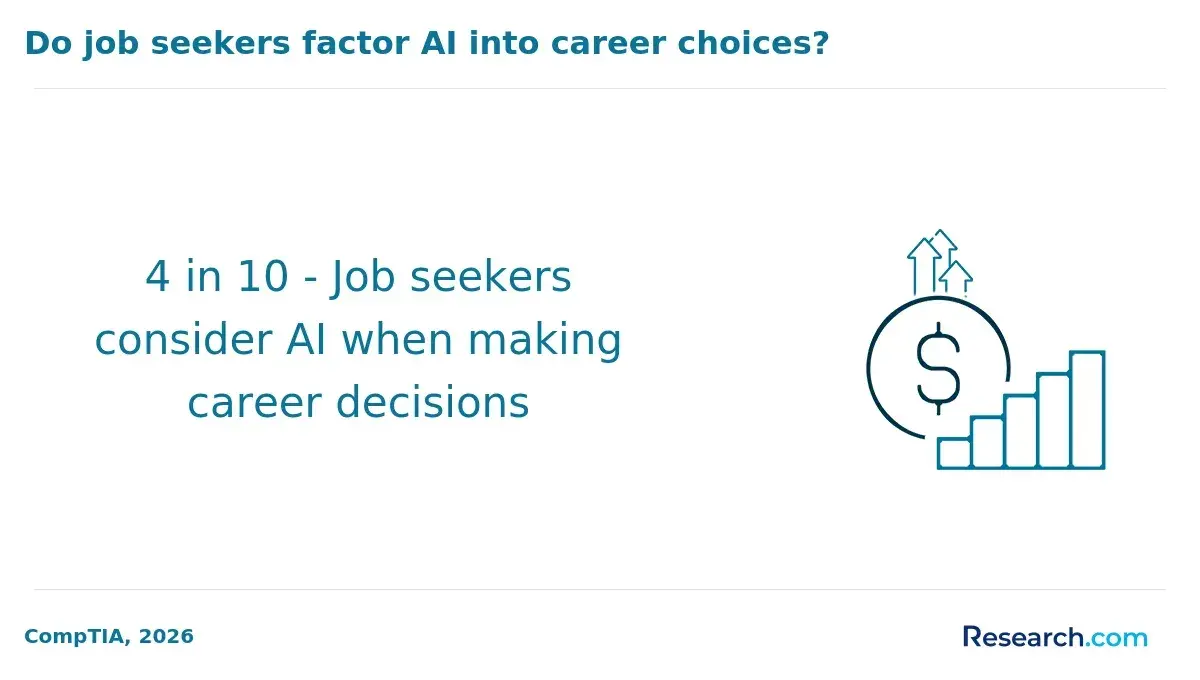
Certification is increasingly important; AI is the second most sought-after certification specialty among job seekers, according to Computerworld citing Gartner. Pursue certifications recognized in your industry to boost both personal credibility and organizational trust.
- Does the course address your industry's regulatory and ethical requirements?
- Is the training scalable and compliant with your organization's data privacy policies?
- Will it equip you to lead AI-driven digital transformation initiatives?
Other Things You Should Know About Artificial Intelligence
CIOs must consider privacy, bias, transparency, and accountability when deploying artificial intelligence solutions. Ensuring data is used responsibly and systems do not perpetuate discrimination is crucial. Ethics frameworks and compliance with regulations are essential components for sustainable AI initiatives in organizations.
Artificial intelligence is projected to advance in areas like natural language processing, autonomous systems, and AI explainability. These developments will improve machine understanding and trustworthiness. CIOs should prepare for increased integration of AI with edge computing and greater use of AI for predictive analytics.
In 2027, top generative AI courses for CIOs include “Generative AI Strategy” by MIT Sloan and “AI Leadership” by Coursera. These courses focus on strategic implementation, ethical considerations, and aligning AI with business goals, ensuring CIOs are equipped to lead effectively in the AI-driven landscape.
In addition to technical proficiency, CIOs need strategic vision, change management skills, and the ability to communicate AI benefits across teams. Understanding organizational culture and managing cross-functional collaboration are vital. These skills help align AI projects with business goals and ensure adoption success.
References
- Towards Generative AI for Course Content Production: Expert Reflections | European Journal of Open, Distance and E-Learning https://eurodljournal.com/articles/10.2478/eurodl-2024-0013
- mages.edu.sg: Verifying that you are not a robot... https://mages.edu.sg/blog/11-tips-to-choose-the-best-generative-ai-course-in-2025/
- Generative artificial intelligence (AI) in education https://www.gov.uk/government/publications/generative-artificial-intelligence-in-education/generative-artificial-intelligence-ai-in-education
- Traditional AI vs. generative AI: What's the difference? https://www.elastic.co/blog/traditional-ai-vs-generative-ai
- New AI Accreditation Standards Create Necessary Guardrails for AI Adoption - Social Current https://www.social-current.org/2026/05/new-ai-accreditation-standards-create-necessary-guardrails-for-ai-adoption/
- Generative AI Tech Stack: Guide to Choose the Right One https://www.talentica.com/blogs/generative-ai-tech-stack/
- AI for Business Transformation: Generative AI, Agentic AI and Beyond https://www.imperial.ac.uk/lifelong-learning/courses/ai-for-business-transformation/
- CIOs Harness Generative AI for Digital Success https://www.ust.com/en/insights/how-cios-can-leverage-the-power-of-generative-ai
- Generative AI Certificate Program - Central Global University https://www.centralglobaluniversity.org/generative-ai-certificate-program/
- Ultimate Guide: How to Choose the Right AI Training Course to Boost Your Career - ONLC https://www.onlc.com/blog/how-to-choose-ai-training-courses/