2027 Best AI Courses for Computer Science Students

Co-Founder and Chief Data Scientist
Many graduate students and working professionals face difficulty finding accessible, reputable courses to enter the artificial intelligence field without prior technical backgrounds. Navigating diverse programs with varying accreditation, flexibility, and specialization adds complexity to this transition. Choosing the right course can determine the success of a career pivot into AI roles across industries that demand both theoretical knowledge and practical skills. This article examines top AI courses designed for computer science students, focusing on flexible, accredited options that accommodate learners from unrelated undergraduate fields, ultimately guiding readers toward informed decisions to meet their career goals effectively.
Key Things You Should Know
- Top AI courses for 2026 emphasize hands-on experience with machine learning frameworks, with over 65% of programs updated recently to include ethical AI and bias mitigation modules.
- Demand for AI skills continues to grow, with a 34% projected increase in AI-related computer science jobs in the U.S. through 2030, making course selection critical for career success.
- Leading universities integrate interdisciplinary approaches combining AI theory, data science, and practical applications, ensuring students graduate with both technical and strategic problem-solving skills.
Advance Your Career with AI Online Courses
Artificial Intelligence: Implications for Business Strategy
This program provides an introduction to Artificial Intelligence and their implications for business strategy. Earn an official digital certificate.

Oxford Artificial Intelligence Programme
Explore this Oxford Artificial Intelligence programme offered in a flexible learning environment and explore topics like machine learning, automation, and robotics.

Implementing Agentic AI: Building Your Organizational Playbook
This online MIT Agentic AI course offers a practical approach to deploying AI agents in your organization, including a custom playbook. 3 weeks, exclusive launch price.

AI Adoption: Driving Business Value and Impact
This online MIT AI Adoption: Driving Business Value and Impact offers practical frameworks to close the gap between AI potential and business reality.

Artificial Intelligence in Pharma and Biotech
Discover the applications and limitations of artificial intelligence in pharma and biotech with this MIT online short course.

What are the best AI courses and programs for computer science students today?
Top AI courses and programs for computer science students emphasize practical skills in machine learning, natural language processing, computer vision, and data ethics. Leading universities such as Stanford, MIT, and Carnegie Mellon offer specialized tracks within their computer science degrees that include hands-on projects using frameworks like TensorFlow and PyTorch. These programs ensure strong foundations in algorithms, statistics, and programming languages such as Python and R, critical for the best artificial intelligence courses for computer science students.
Online platforms provide flexible options for targeted AI learning. Courses on Coursera and edX-offered by institutions like the University of Washington and DeepLearning.AI-balance theory with real-world projects. Capstone projects mimicking industry tasks help students create portfolios attractive to tech recruiters. Those exploring accelerated pathways might consider a 2-year computer science degree online to quickly gain relevant skills.
Industry-recognized certifications, such as Google's Professional Machine Learning Engineer and Microsoft's AI certifications, complement formal education and enhance employability. These credentials validate expertise in specific AI domains and deployment scenarios increasingly valued by employers.
Demand for CS and engineering roles requiring AI skills grew 42% year-over-year, compared with 7% growth for tech roles overall, according to LinkedIn's Future of Work Report: AI at Work. This trend highlights the importance for computer science majors to engage in applied AI projects alongside coursework.
Students benefit from prioritizing courses focused on ethical AI, algorithmic fairness, and data privacy. Practical internships or research projects with an AI emphasis are strongly recommended to complement coursework, certifications, and advanced programs recognized among top AI programs for computer science majors.
Advance Your Career with AI Online Courses
Artificial Intelligence: Implications for Business Strategy
This program provides an introduction to Artificial Intelligence and their implications for business strategy. Earn an official digital certificate.
Oxford Artificial Intelligence Programme
Explore this Oxford Artificial Intelligence programme offered in a flexible learning environment and explore topics like machine learning, automation, and robotics.
Implementing Agentic AI: Building Your Organizational Playbook
This online MIT Agentic AI course offers a practical approach to deploying AI agents in your organization, including a custom playbook. 3 weeks, exclusive launch price.
How do AI courses fit into computer science degrees at U.S. universities?
AI courses have become integral to computer science degree programs across U.S. universities, moving beyond optional electives to essential curriculum components. Many schools embed foundational AI and machine learning classes into core requirements or offer specialized tracks covering neural networks, natural language processing, computer vision, and reinforcement learning. This approach equips students with critical skills aligned with employer demands.
The role of artificial intelligence classes in American university computer science curricula is driven by clear job market incentives. Entry-level positions highlighting machine learning skills command a median salary premium of 18% compared to similar software engineering roles lacking this expertise. This motivates students to pursue AI coursework to enhance both their employability and earning potential.
Computer science programs often present multiple pathways for AI study:
- Mandatory introductory AI classes incorporated within algorithm or data structure courses.
- Elective sequences devoted exclusively to AI topics for deeper specialization.
- Capstone projects or research opportunities requiring practical AI application.
Universities frequently update syllabi to keep pace with rapidly evolving AI technologies, encouraging continuous learning. Graduates with solid AI foundations enjoy versatile career options in software development, data analytics, and autonomous systems-fields currently in high demand.
Prospective students exploring AI course integration in U.S. computer science degree programs may also consider an affordable online engineering degree as a flexible and cost-effective pathway to enter this growing field.
What's the difference between introductory, advanced, and specialized AI courses?
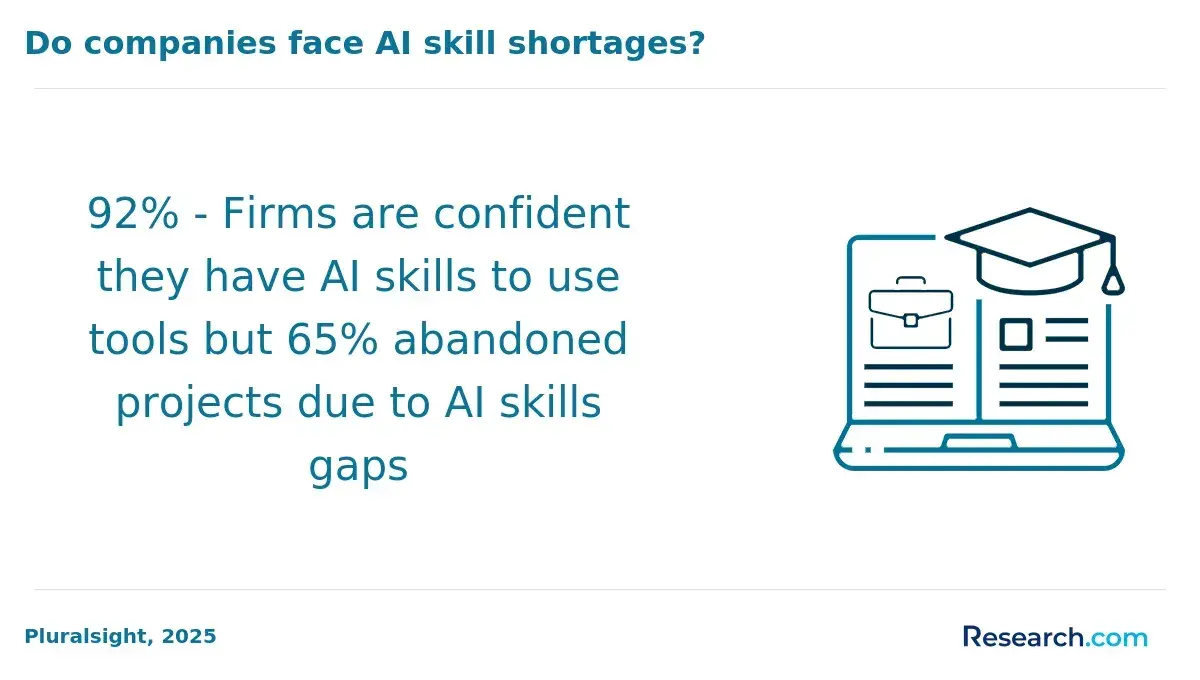
Introductory AI courses cover fundamental concepts such as machine learning basics, data preprocessing, and simple algorithms like linear regression or decision trees. These courses emphasize mastering the essentials of AI theory, programming in Python or R, and foundational math including statistics and linear algebra. They are ideal for beginners with limited or no prior experience in AI or computer science, offering a solid foundation before moving to more complex topics.
Advanced AI courses expand on this groundwork by addressing complex areas such as deep learning, reinforcement learning, and natural language processing. Students work with neural networks, convolutional networks, and recurrent networks, focusing on designing and tuning models for practical applications. These courses require prior programming experience and a strong math background. For instance, students might learn to implement TensorFlow models or explore advanced optimization techniques.
Specialized AI course differences explained reveal a narrower focus, targeting specific industries or applications like healthcare, autonomous vehicles, or ethical AI. These courses highlight domain-specific challenges and datasets, providing hands-on experience with tailored tools and regulatory considerations. Projects may involve medical imaging analysis or AI-powered robotics, preparing students for sector-specific roles.
The distinction between introductory versus advanced artificial intelligence courses is crucial for career readiness. Demand for deep learning engineers is expected to grow at a 33% compound annual rate through 2030, according to Grand View Research. Students aiming for such roles must progress beyond introductory material to advanced and specialized training. For those balancing other interests, exploring related fields such as game design in affordable online programs can be valuable, as seen in game design degrees.
How can students choose between online and on-campus AI courses in computer science?
Students weighing online vs on-campus ai courses for computer science students should consider their learning style, career goals, and available resources. Online formats offer flexibility ideal for self-motivated learners balancing work or internships, often featuring updated content and instructors from global institutions. This format benefits those far from universities with strong AI programs. Choosing the best format for AI education in computer science also means evaluating direct interaction, hands-on access, and networking opportunities, all strengths of on-campus courses. Real-time collaboration and exposure to specialized labs can be crucial for careers needing deep research or lab work.
Cost and time commitment are practical factors. Online programs reduce commuting and housing expenses, while on-campus options typically have higher living costs but offer more structured schedules. Curricula must keep pace with rapid advances; Gartner predicts 70% of new enterprise applications will embed AI or data science by 2025, up from under 10% in 2020, underscoring the need for application-focused training.
Ask these questions when evaluating programs:
- Does the program offer hands-on projects or internships?
- Can I access specialized AI tools and labs?
- What is the faculty's expertise and research focus?
- Does the course provide industry networking or career support?
- Is the schedule compatible with my work or personal commitments?
For veterans considering AI education, resources like military friendly online cybersecurity degree programs provide tailored support. Balancing flexibility, interaction, and hands-on experience remains key to preparing for AI roles demanding both technical skill and real-world application knowledge.
What core topics and skills do top AI courses typically cover?
Top AI courses for computer science students cover core topics that combine theoretical foundations with practical skills vital to the field. These courses include machine learning algorithms, statistics, and linear algebra, which support modern AI models. Programming skills are emphasized, particularly in Python and frameworks like TensorFlow or PyTorch.
Core areas focus on:
- Supervised, unsupervised, and reinforcement learning techniques
- Neural networks and deep learning architectures such as convolutional and recurrent networks
- Natural Language Processing (NLP) and large language models (LLMs), with skill demand growing 155% as reported by Lightcast's 2024 AI Workforce Outlook
- Computer vision for analyzing images and videos
- Ethical issues and biases in AI systems
- Data preprocessing, feature engineering, and model evaluation
Hands-on projects in speech recognition, autonomous systems, and recommendation engines help students master real-world problem-solving and deployment challenges. Advanced topics may include probabilistic models, generative adversarial networks, and interpretability methods.
Training in AI system scalability, cloud computing, and API integration prepares graduates to create production-ready applications. These skills align with the current industry demand, particularly in NLP and LLMs, enhancing career competitiveness in technology firms, research institutions, and startups specializing in advanced AI solutions.
Which accreditation and institutional factors matter most for AI-focused CS programs?
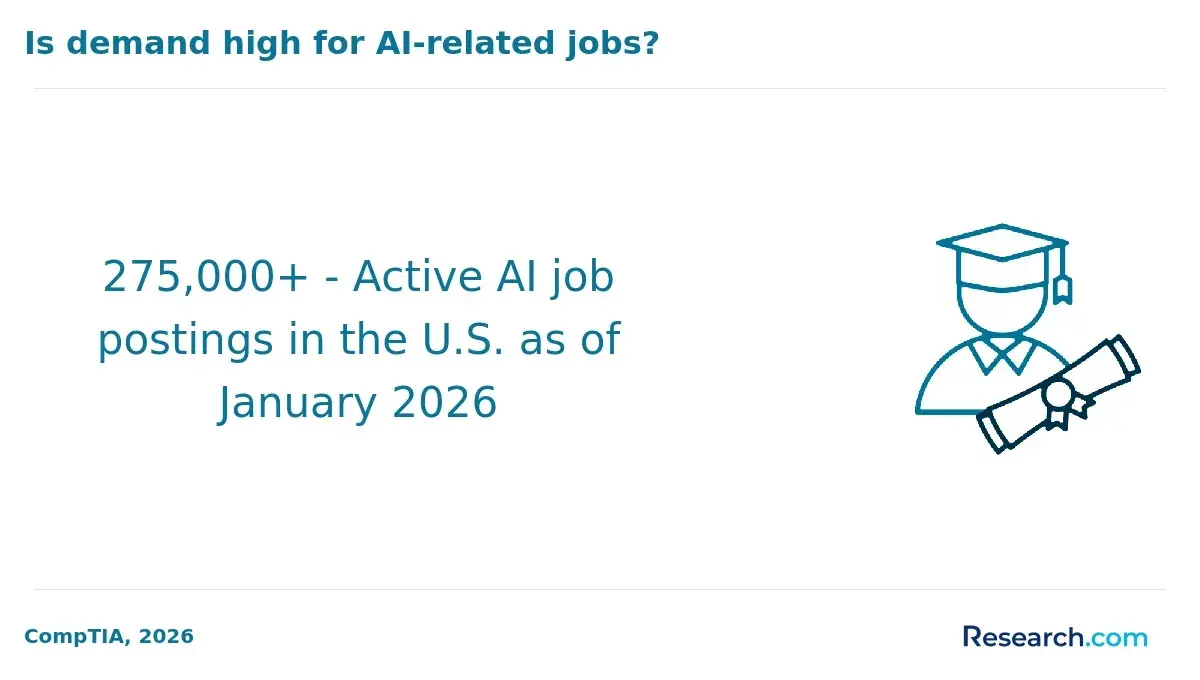
Regional accreditation by recognized U.S. agencies such as ABET ensures ai-focused computer science programs meet high standards in curriculum, faculty expertise, and student outcomes. ABET accreditation specifically for computer science confirms alignment with industry needs, which is crucial as ai fields evolve rapidly.
Institutional reputation plays a significant role in program quality. Research-intensive universities typically offer more resources for advanced AI research, stronger industry partnerships, and faculty involved in real-world applications. Institutions known for specialties like robotics or computer vision tend to excel, particularly as the global computer vision market is expected to reach $27.9 billion, growing at a 21.3% compound annual growth rate from 2023, according to MarketsandMarkets' 2024 report.
Faculty who actively publish in top AI journals or lead projects in machine learning, natural language processing, and autonomous systems enrich the learning experience. Graduate research labs equipped with specialized ai hardware and software frameworks further deepen program rigor.
Other key institutional factors include:
- Industry connections providing internships and job placement support
- Scalable online or hybrid course options catering to working professionals
- Curricula integrating ethical AI considerations alongside advanced technical skills
These elements prepare graduates to remain employable and adaptable within fast-changing AI landscapes.
What are typical admission requirements for AI-focused computer science programs?
Admission criteria for AI-focused computer science programs differ by level and institution but commonly require strong foundations in computer science and mathematics. Undergraduates typically need completed high school courses with high marks in calculus, statistics, and sometimes physics. Some universities may still request SAT or ACT scores, but these requirements are becoming more optional.
Graduate programs usually expect an online computer science degree, engineering, or a related technical field. Applicants must show proficiency in languages like Python or Java and understand algorithms, data structures, and linear algebra. Prior coursework in machine learning or data science is often recommended. Prospective students commonly submit GRE scores, recommendation letters, and statements of purpose emphasizing ai interests, along with resumes highlighting relevant projects or professional experience.
Working professionals pursuing specialized certifications or master's degrees increasingly benefit from practical experience. Portfolios showcasing AI models or contributions to open-source projects can boost admission chances. Employment in software development or data analytics is also valued.
The growth of roles such as ML engineer and MLOps engineer-expanding 62% year-over-year per LinkedIn Workforce Insights-emphasizes the need for specialized skills in AI engineering. Admissions frequently favor candidates with expertise in these areas over traditional data science, which only saw a 12% job posting increase.
How long do AI specializations take, and what do they cost to complete?
AI specializations typically last between three and nine months, depending on the program format. Part-time online courses on platforms like Coursera and edX usually take around six months to complete. In comparison, full-time bootcamps or university-affiliated specializations are often shorter, lasting three to five months. More comprehensive programs, which include capstone projects and real-world case studies, generally require six or more months to master complex topics such as machine learning, neural networks, and ethical AI considerations.
Costs vary widely based on the type of program. Most online specializations charge between $300 and $1,200 for certification, with typical Coursera offerings around $400. University-led courses can exceed $1,000, while intensive bootcamps range from $5,000 to $15,000, reflecting personalized instruction and career support services. Free courses are available but generally exclude certification, which can be crucial for employment verification.
Ethics training is increasingly crucial, with IBM's "Global AI Ethics and Governance Study" reporting 73% of organizations faced ethical or compliance issues related to AI. Prospective students should prioritize courses with clear coverage of AI biases, governance, and regulatory policies to avoid future compliance risks and improve job prospects.
Students balancing work and study should seek flexible, self-paced options. Those pursuing specialized roles may benefit more from longer, mentor-supported programs that foster portfolio development. Comparing course content and pricing helps match educational paths with personal goals and schedules.
What AI-related career paths can computer science students pursue after these courses?
Computer science students with AI coursework have access to a wide range of careers combining skills in machine learning, data analysis, and intelligent system design. Research roles in academia or industry focus on developing new algorithms and advancing theoretical frameworks. Elsevier's 2025 "Research Intelligence: AI in Scholarly Publishing" report notes that AI-related articles accounted for about 18% of all computer science publications in 2024, highlighting growing opportunities in research.
Industry careers include machine learning engineer positions, responsible for creating predictive models and embedding AI into various products. Data scientists apply AI techniques to extract meaningful insights from complex datasets in sectors like finance, healthcare, and marketing. AI software developers build AI-powered applications and tools for diverse platforms.
Additional roles involve AI ethics specialists, who ensure fairness and reduce bias in AI systems, and AI product managers, overseeing the full lifecycle of AI projects. Emerging fields such as autonomous vehicle engineering and natural language processing offer specialized prospects for students focused on robotics or language technologies.
Challenges in the field include staying current with fast-evolving frameworks, ensuring data integrity, and balancing innovation with ethical responsibilities. Internships and collaborative research projects are valuable for practical experience. Graduate studies support research aspirations, while certifications and lifelong learning maintain competitiveness in technical roles.
What salaries and job outlook can graduates expect in AI and machine learning roles?
AI and machine learning specialists remain among the fastest-growing roles worldwide, with hiring increasing 3.5 times from 2018 to 2024 according to the World Economic Forum's Future of Jobs Report 2025. Entry-level salaries in the U.S. typically range from $90,000 to $120,000 annually, rising to $130,000-$170,000 for mid-level positions, and exceeding $200,000 for senior experts and managers.
Job titles in this field include data scientist, AI research scientist, machine learning engineer, and AI product manager, each with unique skill requirements and salary paths. Specializing in subfields such as natural language processing, computer vision, or reinforcement learning can significantly boost employability and earning potential.
Industries like healthcare and finance actively seek AI talent to drive innovation and automation. Ethical AI, explainability, and AI governance offer growing career avenues focused on responsible AI development and compliance.
Graduates and professionals benefit from interdisciplinary study combining AI with statistics, software engineering, or industry-specific knowledge. Continuous skills development through practical projects and internships is essential to stay competitive and capitalize on expanding opportunities.
Other Things You Should Know About Artificial Intelligence
In 2027, top AI courses for computer science students include "Deep Learning Specialization" by Andrew Ng on Coursera, Stanford's "CS229: Machine Learning," and MIT's "6.S191: Introduction to Deep Learning." These courses offer comprehensive coverage of AI techniques, from foundational to advanced topics.
Artificial intelligence is widely applied in fields like natural language processing, computer vision, robotics, and recommendation systems. Understanding these use cases helps students connect theoretical knowledge with real-world problems. AI technologies are also used in healthcare diagnostics, autonomous vehicles, finance, and cybersecurity.
Mathematics is a significant component of artificial intelligence education, often involving linear algebra, calculus, probability, and statistics. While this can be challenging, many courses provide resources to develop these skills alongside AI topics. A solid grasp of math fundamentals will greatly enhance understanding of AI algorithms and models.
Most AI courses include discussions on ethics, covering issues like bias in algorithms, privacy concerns, and the societal impact of AI technologies. These topics are critical as AI systems increasingly influence decision-making across industries. Awareness of ethical challenges prepares students to develop responsible AI solutions.
References
- How NC university computer science programs are adapting to an AI world https://carolinapublicpress.org/72528/how-nc-university-computer-science-programs-are-adapting-to-an-ai-world/
- 16 Artificial Intelligence Career Paths https://www.calmu.edu/news/artificial-intelligence-career-paths
- Best Online AI Degrees: 2025 Rankings & Program Directory - MastersInAI.org https://www.mastersinai.org/degrees/online-artificial-intelligence-degrees/
- AI Engineering Colleges in India and Their New Learning Models https://www.universalai.in/the-new-wave-of-ai-engineering-colleges-in-india-and-their-learning-models/
- What Topics are Covered in an Artificial Intelligence online Course? | H2K Infosys Blog https://www.h2kinfosys.com/blog/topics-covered-in-artificial-intelligence-course/
- Crafting Thoughtful AI Policy in Higher Education: A Guide for Institutional Leaders - Faculty Focus | Higher Ed Teaching & Learning https://www.facultyfocus.com/articles/academic-leadership/crafting-thoughtful-ai-policy-in-higher-education-a-guide-for-institutional-leaders/
- Top 25 AI Degrees: The Best Bachelor’s Programs in the US (2026) - Programs.com https://programs.com/programs/ai-bachelor-degree-programs/
- 10 best AI engineering courses for developers (I reviewed 50 so you don’t have to) https://dev.to/dev_tips/10-best-ai-engineering-courses-for-developers-i-reviewed-50-so-you-dont-have-to-76n
- 7 Best Artificial Intelligence Courses to Learn AI in 2025 https://www.pwioi.com/technology/blogs/best-artificial-intelligence-courses
- Top 10 Careers in Artificial Intelligence and Machine Learning https://apollouniversity.edu.in/blog/building-a-high-flying-career-in-artificial-intelligence-and-machine-learning/