2027 Best Agentic AI Courses for Document Q&A Workflows

Co-Founder and Chief Data Scientist
Professionals often struggle to find reliable training that bridges diverse backgrounds into agentic AI for document Q& A workflows. These workflows demand advanced skills in understanding, querying, and automating responses from complex documents, yet many available courses assume prior technical experience.
As industries increasingly adopt agentic AI to optimize information processing, accessible, specialized education becomes critical. This article evaluates top agentic AI courses tailored for document Q& A applications. It aims to guide readers toward flexible, accredited programs that empower meaningful career transitions and mastery of practical skills in this growing field.
Key Things You Should Know
- Agentic AI courses for document Q&A emphasize practical skills in natural language processing and autonomous decision-making, reflecting a 40% job growth forecast in AI-related roles by 2028.
- Leading programs integrate hands-on projects using advanced models like GPT-4 and fine-tuning techniques to optimize document understanding and response accuracy.
- Most courses offer flexible learning formats, combining remote access with industry partnerships to ensure students gain relevant, up-to-date expertise for the evolving AI job market.
Advance Your Career with AI Online Courses
Artificial Intelligence: Implications for Business Strategy
This program provides an introduction to Artificial Intelligence and their implications for business strategy. Earn an official digital certificate.

Oxford Artificial Intelligence Programme
Explore this Oxford Artificial Intelligence programme offered in a flexible learning environment and explore topics like machine learning, automation, and robotics.

Implementing Agentic AI: Building Your Organizational Playbook
This online MIT Agentic AI course offers a practical approach to deploying AI agents in your organization, including a custom playbook. 3 weeks, exclusive launch price.

AI Adoption: Driving Business Value and Impact
This online MIT AI Adoption: Driving Business Value and Impact offers practical frameworks to close the gap between AI potential and business reality.

Artificial Intelligence in Pharma and Biotech
Discover the applications and limitations of artificial intelligence in pharma and biotech with this MIT online short course.

What are the best agentic AI courses for document Q&A workflows?
Top agentic AI courses for document question answering workflows emphasize autonomous systems, retrieval-augmented generation, and natural language understanding. These courses blend theory with practical projects, which are essential for mastering this fast-growing specialty.
Reports show a surge in agentic AI adoption, rising from 10% of enterprises in 2023 to 55% in 2025, making targeted education more important than ever for professionals seeking specialization in top agentic artificial intelligence training for document Q&A systems.
Notable options include Stanford's "Autonomous AI Systems for Document Understanding," MIT's "Retrieval-Augmented Generation in NLP," and Carnegie Mellon's "Applied Machine Learning for Autonomous Agents." These programs focus on building models that handle complex documents, integrate retrieval with generative capabilities, and develop practical workflows for autonomous agents.
When selecting courses, prioritize those offering project-based curricula that simulate real-world document Q&A, cloud environments for large-scale training, and evaluation metrics geared specifically to autonomous document understanding. Proficiency with open-source frameworks like LangChain and Haystack is often included, reflecting industry demand for skilled practitioners.
Practical experience with integrated pipelines prepares graduates to address enterprise-scale challenges and improve retrieval accuracy across legal, healthcare, and finance sectors.
For those seeking foundational education, an accelerated bachelor's degree computer science online can provide a robust base for advancing in agentic AI fields.
Advance Your Career with AI Online Courses
Artificial Intelligence: Implications for Business Strategy
This program provides an introduction to Artificial Intelligence and their implications for business strategy. Earn an official digital certificate.
Oxford Artificial Intelligence Programme
Explore this Oxford Artificial Intelligence programme offered in a flexible learning environment and explore topics like machine learning, automation, and robotics.
Implementing Agentic AI: Building Your Organizational Playbook
This online MIT Agentic AI course offers a practical approach to deploying AI agents in your organization, including a custom playbook. 3 weeks, exclusive launch price.
Which skills do agentic AI document Q&A courses teach?
Agentic AI document Q&A courses develop key competencies taught in agentic AI document question answering courses, including natural language processing (NLP) techniques that enable understanding of unstructured text, data extraction methods to identify critical information, and model training on domain-specific datasets to maximize accuracy in responses.
Students build workflow skills by designing pipelines that automate integration of AI agents with document management systems, reducing manual effort. Course content also explores advanced prompt engineering for precise, context-aware answers and covers system deployment, API integration, and performance monitoring to support scalable AI solutions.
Challenges such as ambiguous queries, managing reasoning across multiple documents, and mitigating biases in interpretation are addressed. Hands-on projects simulate real-world scenarios like contract review, research paper summarization, and customer support ticket analysis, reinforcing practical expertise.
Given global spending on AI agents and automation platforms is projected to reach $73 billion by 2028, growing at a 41% CAGR starting in 2024, mastering agentic AI document Q&A workflow skills offers significant career ROI, especially across industries such as legal, healthcare, finance, and academia.
Professionals trained in these skills improve organizational efficiency and innovate document-centric applications. Prospective students can explore AI degrees online to advance knowledge and career prospects in this growing field.
How do online and campus AI programs compare?
Online and campus AI program benefits vary mainly in flexibility, resource access, and experiential learning. Online courses provide excellent scheduling flexibility, ideal for working professionals or those with other responsibilities.
They usually rely on video lectures, interactive coding environments, and virtual labs. In contrast, campus programs offer direct faculty engagement, on-site labs, and immersive peer collaboration, fostering deeper understanding and valuable networking.
Campus and online AI course differences also reflect their approach to cutting-edge skills. For students focusing on agentic AI workflows like document question answering (Q&A), campus environments may offer better access to research tools and mentorship.
However, online programs can rapidly update content to include trends such as retrieval-augmented generation (RAG), which predictions show will power 60% of new enterprise genAI applications by 2025, up from under 5% in 2023.
Employers increasingly value skills in document-centric workflows driven by RAG and large language models (LLMs). Online courses often integrate the latest industry tools due to agile updates, while campus offerings emphasize foundational theory alongside applied projects.
Prospective students should assess syllabi for coverage of knowledge retrieval, prompt engineering, and LLM fine-tuning, as well as hands-on projects, proprietary datasets, and internships.
Campus learning suits those seeking a structured environment and peer engagement, while online options are better for flexibility and rapid skill acquisition. For those exploring educational paths, reviewing a game design and development degree program can illustrate practical online learning formats and applications.
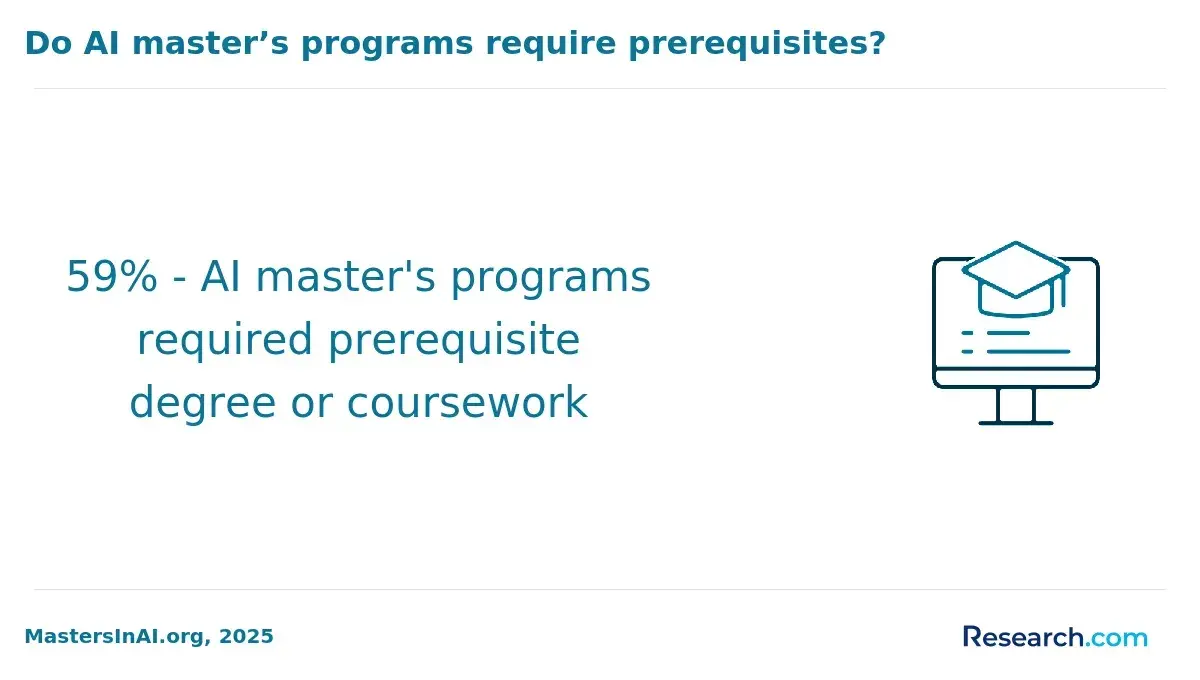
What prerequisites do these AI courses usually require?
Agentic AI course prerequisites for document question answering often include strong programming skills, especially in Python, essential for scripting, automation, and API interaction.
A foundation in machine learning and natural language processing (NLP) basics is required to effectively understand and develop document Q&A workflows. Mathematical competencies in linear algebra, probability, and statistics support comprehension of algorithmic details and performance evaluation.
Required skills for agentic AI document Q&A workflows also encompass experience with data management and cloud computing platforms like AWS or Azure, which aid in scaling and handling large datasets. Familiarity with various document formats such as PDFs, Word, and JSON, along with API integration knowledge, improves data ingestion and extraction processes.
This multidisciplinary foundation ties directly into workflow automation and system integration, enhancing the practical application of AI outputs in business settings. Firms deploying these technologies report a 30-50% reduction in time spent on routine document-related tasks, a significant efficiency gain in professional services.
For those considering careers involving these skills, exploring AI training jobs can offer insights into growth opportunities in this evolving field.
How long do agentic AI courses usually take?
Agentic AI courses for document Q&A workflows typically last between 4 to 12 weeks, varying by depth and format. Short courses of 4 to 6 weeks cover foundational topics like natural language processing, autonomous decision-making, and basic multi-step automation. These options suit professionals seeking fast upskilling or an introduction to agentic AI.
Longer courses, spanning 8 to 12 weeks, delve into advanced capabilities such as designing custom workflows, integrating with legal and compliance systems, and managing complex document reviews. Hands-on projects and case studies are common in these programs to enhance practical skills.
Course delivery formats include:
- Bootcamp-style, offering full-time, intensive schedules to cover material quickly.
- Part-time or self-paced options, enabling working professionals to study with flexible deadlines over multiple months.
A 2024 survey by the Thomson Reuters Institute found 74% of large law firms piloted generative-AI tools for document review or legal research, with nearly 40% prioritizing multi-step agentic workflows. This highlights the value of courses focused on multi-step automation rather than simple tasks.
For legal, compliance, and risk professionals requiring precise document understanding and iterative querying, courses emphasizing agentic workflow design and software integration offer the best return on investment within 8 to 12 weeks. Those seeking general exposure or beginner skills often choose shorter programs under 6 weeks.
How much do agentic AI courses cost?
Agentic AI courses for document Q&A workflows offer a wide range of learning opportunities, from free open-source tutorials to high-end professional training exceeding $2,000. Open-source communities around popular tools like LangChain and LangGraph provide accessible education options without upfront costs.
Notably, LangChain achieved 100 million monthly downloads on Python, reflecting strong enterprise adoption and a robust demand for skilled practitioners.
Price points vary by course format and depth:
- Basic online courses or bootcamps focusing on agentic AI concepts typically range from $300 to $800.
- Comprehensive certifications covering advanced document processing and AI orchestration often cost between $1,200 and $2,500.
- Enterprise-level or customized corporate training can surpass $5,000, depending on scope and duration.
Many programs integrate practical labs using leading frameworks, enhancing real-world applicability and return on investment for professionals. Financial aid and installment plans are commonly offered for more expensive courses, improving accessibility. Subscription models with ongoing updates also support continuous skill advancement.
Choosing training emphasizing hands-on use of frameworks like LangChain helps learners stay aligned with rapidly evolving technologies and job requirements in document Q&A workflows.
What topics are covered in document Q&A coursework?
Document Q&A coursework trains students in advanced techniques for extracting and understanding information from complex texts.
Core skills include text preprocessing methods like tokenization, stemming, and named entity recognition, essential for meaningful data extraction. Training emphasizes large language models (LLMs) aimed at improving query comprehension and generating contextual answers within documents.
Key modules focus on embedding documents, semantic search, and using vector databases to facilitate fast and accurate information retrieval. Fine-tuning pre-trained models on specialized domains such as legal, medical, or financial records enhances precision. Practical components cover API integration and building pipelines that convert unstructured text into actionable insights.
Students also learn to detect and reduce model bias while managing ambiguous queries. Cloud infrastructure is a vital part of the curriculum, highlighting scalable systems that support agentic workflows. Enterprises employing LLM-based document Q&A report 25-35% lower total cost of ownership over three years compared to traditional automation, according to 2025 IBM case studies.
Additional topics include data privacy compliance, model interpretability, and strategies for real-time Q&A performance optimization. Combining knowledge graphs with agentic AI agents equips students to design solutions handling multi-step document queries efficiently, preparing them for advanced automation roles.
Which certifications help with agentic AI careers?
Certifications in agentic AI for document Q&A workflows emphasize skills in generative AI, natural language processing (NLP), and automation technologies.
Key credentials include the Microsoft Certified: Azure AI Engineer Associate, focused on building AI solutions that combine document understanding with conversational AI. The Google Cloud Professional Machine Learning Engineer certification highlights deploying AI for complex tasks such as question answering over extensive datasets.
Additional industry-recognized certificates like the IBM Applied AI Professional Certificate provide specialized training in AI tools for document analysis and automation pipelines. Popular vendor-neutral options include the Certified AI Practitioner (CAIP) and courses from platforms such as Coursera and edX that cover NLP and AI workflow automation.
Organizations prioritize these credentials as they align with enterprise needs. Over 79% of large companies have launched or expanded agentic AI training programs, and more than 60% focus on document-centric use cases like contract analysis and knowledge-base Q&A, according to Deloitte.
Prospective learners are advised to select certifications blending foundational AI concepts with applied agentic AI skills. Employers favor candidates skilled in integrating workflows, leveraging cloud AI services, and continually adapting models for evolving document types.
What jobs use agentic AI for document Q&A workflows?
Agentic AI is increasingly applied in document Q&A workflows across many professions aimed at automating knowledge work and enhancing decision-making speed.
Compliance officers rely on these AI agents to swiftly analyze regulatory texts and extract vital clauses without manual effort. Legal professionals use agentic AI for rapid contract review, aiding in due diligence and risk evaluation.
In healthcare, clinical researchers and medical coders utilize these systems to process unstructured medical records, extracting patient data and clinical trial details that support diagnostics and research workflows. Financial analysts and auditors deploy agentic AI to examine complex reports, uncover discrepancies, and expedite audits and advisory tasks.
Customer support teams employ agentic AI to interpret product documentation and generate precise troubleshooting responses. Knowledge managers and librarians apply AI-driven Q&A tools to organize and access vast enterprise data, improving organizational insights and learning.
Venture capital investment highlights strong growth in this space. Startups automating knowledge work, including document Q&A, represented about one-third of deals within the $7 billion raised for agentic AI and orchestration platforms according to PitchBook. This underscores the rising demand for AI expertise that combines document intelligence with workflow automation.
Students interested in these career paths should consider pursuing education in natural language processing, AI agent design, and workflow orchestration. Building skills in agentic AI application within document-heavy environments is essential as industries shift toward automated, scalable knowledge work.
What salary and job outlook do AI document Q&A roles offer?
AI document Q&A roles offer competitive salaries and robust job prospects, fueled by growing demand in enterprise knowledge management and automated information retrieval.
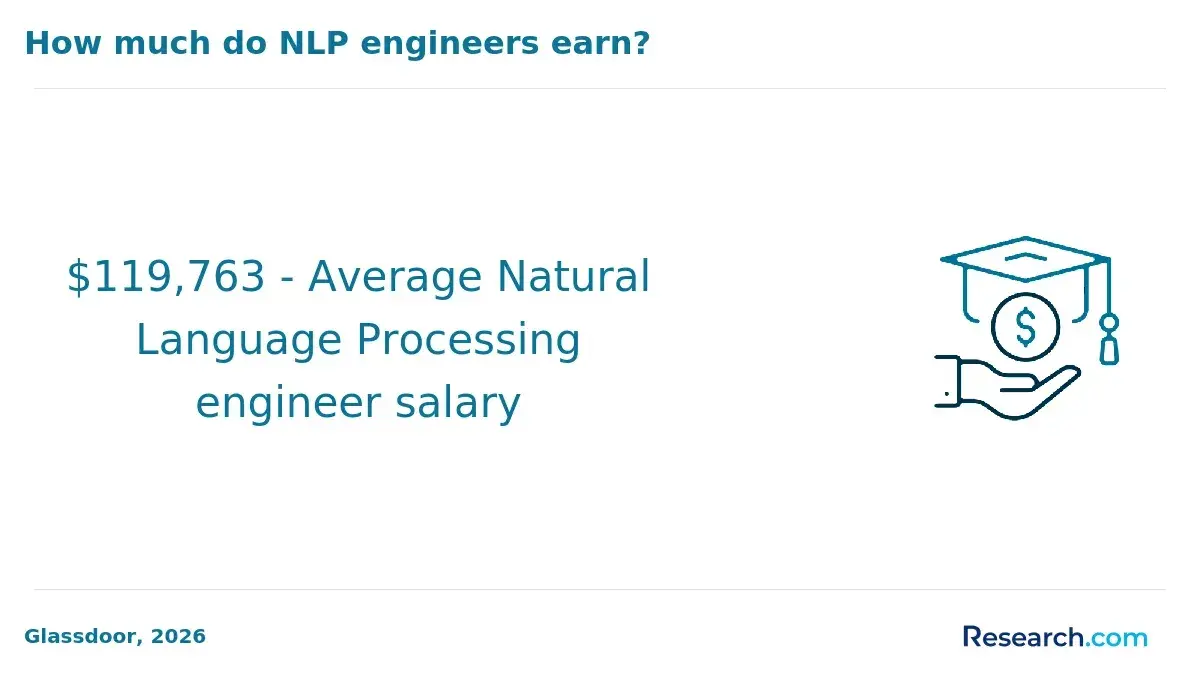
Entry-level salaries begin around $70,000 per year, while experienced specialists and AI workflow architects may earn between $110,000 and $140,000, influenced by industry and geography. Positions range from AI data annotators training models to engineers building full document understanding systems.
The outlook remains strong. By 2027, over 80% of knowledge workers will regularly use AI agents, with document understanding and retrieval workflows among the top three interaction types, according to the McKinsey Global Institute. This supports ongoing growth and wider adoption of AI in practical business settings, driving demand for skilled professionals.
Key factors impacting salaries include expertise in natural language processing, familiarity with transformer-based models, and integrating AI workflows with corporate content management. Specializing in sectors like legal, medical, or financial compliance can lead to higher pay due to complexity and regulatory needs.
Employers seek candidates who can bridge AI technologies with real-world workflows and troubleshoot challenges such as ambiguous queries or inconsistent data labeling. Diverse backgrounds, from computer science to linguistics and domain expertise, enhance both employment opportunities and salary potential.
Other Things You Should Know About Artificial Intelligence
In 2027, the best courses for agentic AI in document Q&A workflows focus on practical applications, ethical considerations, and integration techniques for AI technologies. Expect hands-on projects, expert-led courses, and updated curriculum covering AI advancements in NLP and automation tailored for streamlined document processing.
Yes, artificial intelligence can efficiently handle complex document analysis, especially through agentic AI models designed for document Q&A workflows. These systems can interpret, extract, and summarize information from large volumes of unstructured text, reducing manual effort and improving accuracy.
Ethical considerations in AI include data privacy, bias mitigation, and transparency in decision-making processes. In document workflows, developers must ensure that AI models handle sensitive information responsibly and avoid perpetuating bias that could affect output quality or fairness.
Despite advances, AI in document Q&A still faces challenges such as understanding context nuances, handling ambiguous queries, and processing poorly formatted or incomplete documents. Human oversight often remains necessary to verify AI-generated responses for critical applications.
References
- Cost Guide: Agentic AI Deployment – Pricing and Planning https://www.gravitee.io/blog/cost-guide-agentic-ai-deployment-pricing-and-planning
- NVIDIA Agentic AI LLMs Certification https://www.nvidia.com/en-us/learn/certification/agentic-ai-professional/
- AI Prerequisites: What to Learn Before AI https://blog.nobledesktop.com/learn/ai/ai-prerequisites
- University Degree vs AI Bootcamp: Which is Best Career Path? https://agilefever.com/university-degree-vs-ai-bootcamp-which-is-best/
- What are the requirements for completing the Introduction to AI and Building AI courses? https://www.elementsofai.com/ie/faq/what-are-the-requirements-for-completing-the-introduction-to-ai-and-building-ai-courses
- Instructions for conducting coursework 2025-26 – Joint Council for Qualifications https://www.jcq.org.uk/knowledge-hub/instructions-for-conducting-coursework-2026-26/