2027 Best AI Courses for People Operations Teams Using Generative AI

Co-Founder and Chief Data Scientist
People operations teams face growing pressure to optimize talent management and employee engagement while leveraging generative AI tools. Many professionals lack the specialized knowledge to implement these advanced technologies effectively, risking missed opportunities and inefficiencies. As generative AI reshapes workforce analytics, recruitment, and performance evaluation, upskilling becomes critical for HR specialists aiming to stay competitive.
Navigating a rapidly evolving education landscape with diverse course options can be challenging without clear guidance. This article outlines the best courses tailored to people operations professionals, focusing on practical skills and accredited programs to facilitate a successful transition into AI-driven HR roles.
Key Things You Should Know
- Generative AI skills are crucial for People Operations teams to improve recruitment, employee engagement, and HR analytics, with 72% of companies adopting AI-powered HR tools in 2025.
- Top AI courses emphasize ethical AI use, bias mitigation, and data privacy, addressing growing concerns in HR applications as regulatory frameworks evolve.
- Demand for AI proficiency in HR roles is rising; certified AI training can increase salary potential by up to 20% for People Ops professionals, according to 2025 labor market data.
Advance Your Career with AI Online Courses
Artificial Intelligence: Implications for Business Strategy
This program provides an introduction to Artificial Intelligence and their implications for business strategy. Earn an official digital certificate.

Oxford Artificial Intelligence Programme
Explore this Oxford Artificial Intelligence programme offered in a flexible learning environment and explore topics like machine learning, automation, and robotics.

Implementing Agentic AI: Building Your Organizational Playbook
This online MIT Agentic AI course offers a practical approach to deploying AI agents in your organization, including a custom playbook. 3 weeks, exclusive launch price.

AI Adoption: Driving Business Value and Impact
This online MIT AI Adoption: Driving Business Value and Impact offers practical frameworks to close the gap between AI potential and business reality.

Artificial Intelligence in Pharma and Biotech
Discover the applications and limitations of artificial intelligence in pharma and biotech with this MIT online short course.

What are AI courses for people operations teams and who should take them?
AI courses for people operations teams teach how to apply generative AI training for HR professionals to optimize talent acquisition, employee engagement, performance management, and workforce analytics. These programs cover automating routine HR tasks, designing AI-driven recruitment workflows, and creating chatbots for employee support while ensuring practical knowledge of AI models, data privacy, and ethical use within HR contexts.
HR managers, people operations professionals, and workforce analysts benefit from these courses to stay current as AI adoption in HR rose from 26% to 43% between 2024 and 2026, according to SHRM's "State of AI in HR 2026" report. Professionals aiming to lead digital transformation or transition into tech-savvy HR roles find these trainings valuable for making data-driven decisions and increasing efficiency.
Course offerings vary from introductory studies covering AI fundamentals for HR generalists to advanced programs focused on custom AI models for predictive workforce analytics. Topics often include AI-powered candidate screening and automated interview scheduling to reduce administrative workload and improve employee experience.
Those interested in expanding their skills can also consider pursuing a computer science degree online to deepen their technical expertise and support AI integration in HR functions. Responsible AI adoption also entails understanding regulatory compliance and ethical guidelines, a critical component of people operations today.
Advance Your Career with AI Online Courses
Artificial Intelligence: Implications for Business Strategy
This program provides an introduction to Artificial Intelligence and their implications for business strategy. Earn an official digital certificate.
Oxford Artificial Intelligence Programme
Explore this Oxford Artificial Intelligence programme offered in a flexible learning environment and explore topics like machine learning, automation, and robotics.
Implementing Agentic AI: Building Your Organizational Playbook
This online MIT Agentic AI course offers a practical approach to deploying AI agents in your organization, including a custom playbook. 3 weeks, exclusive launch price.
How can generative AI training improve HR and people operations workflows?
Generative AI training significantly improves HR workflows by automating repetitive tasks and enhancing data-driven decisions, ultimately boosting employee engagement. Mastering prompt engineering for HR allows professionals to create specific queries that extract meaningful insights from AI, increasing efficiency in candidate sourcing and performance assessments. Incorporating people operations process improvement with generative AI training helps teams analyze complex workforce data using Python, uncover trends, and anticipate turnover risks for proactive talent management.
Skills in AI tool evaluation enable HR teams to choose and deploy generative AI technologies aligned with organizational goals, streamlining recruitment, onboarding, and training. The use of retrieval-augmented generation (RAG) in HR chatbots provides accurate, real-time responses to employee inquiries, reducing support burdens and improving satisfaction. Additionally, training in AI ethics and bias detection ensures fair system operation, promoting inclusive workplace environments.
Analysis of 2,400+ HR-AI job postings in India highlights prompt engineering, people analytics with Python, AI tool evaluation, RAG for HR chatbots, and AI ethics/bias detection as the most sought-after skills. These proficiencies help reduce manual screening time and identify niche candidates swiftly and precisely. Equipping people operations teams with generative AI capabilities addresses challenges like data overload and biases, enabling more strategic HR functions.
For those interested in expanding their expertise, exploring the cheapest online masters in artificial intelligence can provide essential knowledge to advance in this evolving field.
What types of AI and HR analytics courses are best for people operations teams?
People operations professionals benefit from AI-powered hr analytics courses that combine foundational AI literacy with practical data analysis tailored to human resources. These courses teach core AI concepts, ethical considerations, and applied use cases like talent acquisition and employee engagement. According to a 2025 LinkedIn Workplace Learning Report, employees completing foundational AI upskilling were 39% more likely to report higher productivity and 29% more likely to note improved decision-making.
HR analytics training often includes workforce data collection, predictive analytics, and employee sentiment analysis. Many programs cover integrating AI-driven dashboards and predictive models to forecast attrition and enhance recruitment strategies. Such skills help teams anticipate turnover risks and optimize hiring decisions.
Courses with hands-on projects using real HR datasets deepen practical understanding. Advanced modules may involve natural language processing for resume screening or generative AI training programs tailored for HR and people operations teams, including personalized employee learning paths. These variations support diverse needs like workforce planning or compliance management.
Upskilling in AI implementation frameworks and change management prepares HR leaders to guide AI adoption and communicate insights effectively across organizations. Choosing programs that blend AI foundations, HR analytics, and applied projects offers strong preparation for leveraging generative AI technologies in people operations roles.
For professionals seeking deeper expertise, pursuing a data science degree online can further enhance analytical capabilities and career prospects.
What core topics and skills do top generative AI courses for people operations cover?
People operations teams can greatly benefit from generative AI skills tailored to recruit, onboard, and manage talent more effectively. Core topics in generative AI courses for HR professionals often include mastering AI-driven candidate sourcing tools that analyze resumes beyond human capabilities and using AI-powered interview analysis to gain behavioral insights and sentiment evaluation.
Many courses emphasize deploying AI chatbots to engage candidates and automate routine communications, freeing up HR time. Ethical considerations are also critical, with training focusing on AI bias mitigation and data privacy compliance due to the sensitivity of personal information.
Generative AI content creation is another key area, enabling personalized onboarding materials and training modules to support faster learning. Practical skills include integrating AI with Applicant Tracking Systems (ATS) and interpreting AI-generated analytics that track diversity, hiring speed, and retention metrics.
Given that 87% of companies use AI in recruitment-and 99% of Fortune 500 firms do so-these courses often showcase case studies demonstrating efficiency gains, including a 30-50% reduction in time-to-hire (Parakeet AI, cited by Hakia). Building competence in prompt engineering for targeted job descriptions and automated scheduling tools is also common.
For those interested in expanding their skills in related fast-growing fields, consider pursuing a fastest cyber security degree, which can complement expertise in generative AI for people operations teams.
How do online, hybrid, and campus-based AI programs for HR professionals compare?
Online, hybrid, and campus-based artificial intelligence programs for HR professionals each offer unique benefits suited to various learning styles and career objectives. Online programs are ideal for working professionals, providing flexible schedules and practical skills like AI-driven workforce planning and people analytics. These courses often enable quick upskilling, such as certificates focusing on Generative AI in talent acquisition, completed within months.
Hybrid programs blend in-person and virtual learning, striking a balance between flexibility and direct interaction. They support networking and hands-on experience with AI tools under expert guidance, often involving collaboration with industry platforms. This approach prepares students to harness AI for enhancing employee engagement and retention.
Campus-based programs deliver immersive experiences, offering access to faculty expertise and peer networks. They suit students seeking deep theoretical knowledge alongside strategic HR leadership. Master's degrees integrating AI and human capital management typically include capstone projects centered on workforce analytics.
Deloitte's 2025 Human Capital Trends report highlights that organizations using advanced people analytics and AI-driven workforce planning are 2.3 times more likely to exceed financial goals and 3.1 times more likely to see high employee engagement. Selecting a program depends on available time, career aims, and the needed level of AI expertise for making measurable impacts in HR roles.
What admission requirements and prior experience do AI programs for HR usually expect?
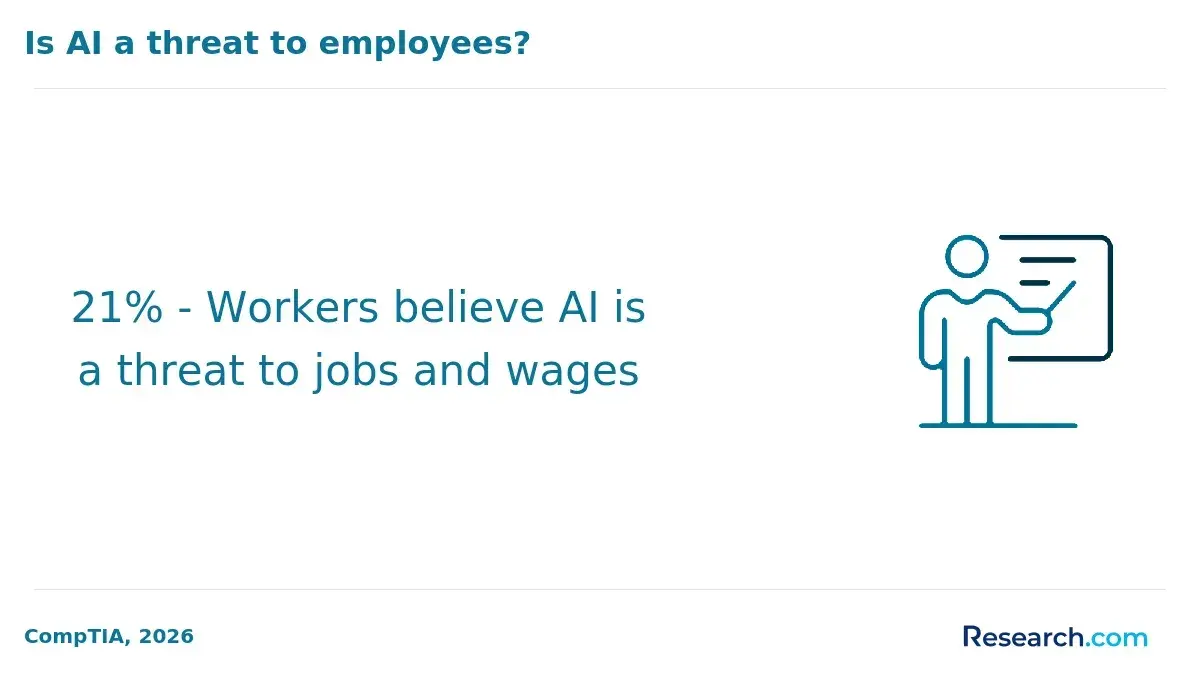
AI programs for people operations often require candidates to hold a bachelor's degree in fields such as human resources, business, computer science, or related disciplines. Many advanced courses also ask for professional experience in HR or data analysis, highlighting the interdisciplinary nature of applying AI tools in workforce management. Technical tracks typically expect familiarity with programming languages like Python or R and experience with data analytics platforms.
Applicants with backgrounds in HR information systems (HRIS) or workforce analytics gain practical insights, as they better grasp the challenges AI is designed to solve. Basic knowledge of machine learning concepts or previous coursework in AI is frequently required to prepare students for advanced topics. Some accelerated certificate programs even require completion of introductory AI or statistics modules before admission.
For non-technical professionals, beginner-friendly courses focus on strategy and ethical use of AI in HR, with no prior coding knowledge needed. These programs often include hands-on labs that teach chatbot implementation or deploying internal knowledge assistants, reflecting AI's transformative impact on HR workflows.
According to IBM's 2025 AI in the Enterprise study, organizations implementing AI chatbots in HR achieved up to a 75% reduction in routine inquiry times and a 24% decrease in HR service center costs. As demand grows for skills in AI chatbot development and natural language processing, many programs now prioritize candidates with these experiences.
How long do these AI courses typically take, and what do they cost?
AI courses tailored for people operations teams vary in duration and depth, typically spanning 4 to 12 weeks. Shorter courses focus on foundational topics like AI basics, automation tools, and practical recruitment applications. Extended programs up to 12 weeks delve into advanced areas such as natural language processing, ethical AI use, bias mitigation, and compliance frameworks. These longer courses often blend theory with hands-on projects addressing HR-specific challenges.
Pricing ranges widely depending on the course level and features: entry-level options cost between $300 and $800, mid-tier programs fall between $1,000 and $2,500, and premium certification or specialized bootcamps with instructor support can exceed $3,000.
According to DemandSage's 2026 AI in Recruitment snapshot, 40% of HR leaders point to bias and fairness as top AI hiring concerns, while 58% of organizations plan to increase spending on responsible AI and bias mitigation education. This highlights the importance of choosing programs with dedicated bias identification and legal compliance modules, even if they require longer commitments or higher fees.
When selecting a course, consider program flexibility: self-paced models accommodate balancing work and study over months, whereas live cohorts offer structured timelines with peer interaction, enabling learners to maximize practical benefits and cost-effectiveness.
How can learners evaluate accreditation and quality of AI programs focused on HR?
Accreditation is a key factor when evaluating AI programs for HR professionals. Choose courses from institutions recognized by reputable bodies like the Accreditation Council for Business Schools and Programs (ACBSP) or the Association to Advance Collegiate Schools of Business (AACSB). This guarantees the program meets high academic and professional standards relevant to people operations.
Program quality also relies on curriculum focus. Effective AI in HR courses should include applied generative AI methods tailored for tasks such as talent analytics, employee engagement, and performance management, rather than generic AI overviews. For example, Lattice's 2025 "AI at Work" survey shows teams with role-specific AI training are 52% more likely to try new AI tools monthly and 41% more likely to achieve significant time savings.
Instructor expertise is crucial. Look for educators with real-world AI experience in HR or connections with leading tech companies. Hands-on projects using real HR datasets or AI-powered case studies are valuable for developing practical skills.
Evaluate program outcomes including certification credibility, employer recognition, and alumni success stories. Verified certificates from respected platforms can enhance job prospects. Peer and graduate feedback also offers useful insights into course relevance and teaching quality.
What HR and people operations roles use generative AI, and what are the salary ranges?
Generative AI is reshaping several HR roles by automating routine tasks and improving decision-making processes. Key positions benefiting from AI include talent acquisition specialists, HR operations managers, employee experience coordinators, and workforce planning analysts. For instance, talent acquisition teams use AI-based tools for faster resume screening, enhancing both hiring speed and quality. Meanwhile, HR operations managers apply AI to streamline payroll and benefits, significantly cutting manual workloads.
Salaries vary depending on experience, geography, and organization size. Talent acquisition specialists with AI expertise typically earn between $60,000 and $95,000 annually. HR operations managers usually earn from $75,000 up to $120,000. Roles like employee experience coordinators and workforce analysts, which combine HR knowledge with data literacy, have salary ranges of $65,000 to $100,000. Increasingly, proficiency in AI-driven platforms and data analysis is essential for these positions.
According to McKinsey & Company's 2025 report, generative AI can automate about 30% of HR tasks, enabling a 20-30% productivity increase in recruitment and HR operations. This shift allows HR professionals to focus more on strategic areas such as employee engagement and policy-making rather than routine processes.
Aspiring HR professionals should develop strong AI and data skills, including familiarity with natural language processing tools for employee surveys and automated compliance reporting. Additionally, understanding AI's ethical challenges-such as bias and transparency-is crucial for responsible HR decision-making.
- Talent acquisition uses AI to speed up resume screening.
- HR operations benefit from automation in payroll and benefits.
- AI can boost talent acquisition and HR operation productivity by up to 30%.
- Salary ranges vary widely depending on role and expertise.
- Ethical understanding of AI use is vital in HR.
What is the job outlook for HR professionals who upskill in AI and people analytics?
HR professionals who upskill in artificial intelligence and people analytics are positioned for significant career growth. According to AIHR's 2025 "State of AI in HR Skills" report, organizations with a formal AI upskilling roadmap are 1.8 times more likely to have an AI project in production and 2.4 times more likely to be viewed as strategic partners by business leaders.
HR roles enhanced by AI skills include predictive workforce planning, talent acquisition optimization with machine learning, and improving employee engagement through sentiment analytics. For instance, generative AI can automate candidate screening to reduce bias and increase hiring efficiency. People analytics supports data-driven retention strategies, cutting turnover costs effectively.
Emerging positions such as AI project manager for HR systems, people analytics consultant, and HR data strategist offer higher salaries and greater influence. The integration of AI tools requires continuous learning, with structured 90-day programs on AI fundamentals recommended for staying competitive.
- Implement predictive workforce planning to anticipate hiring needs
- Use AI-driven tools to improve talent acquisition and reduce bias
- Leverage people analytics for retention and engagement strategies
- Pursue ongoing education to lead transformative HR initiatives
Continuous education in artificial intelligence equips HR professionals to solve complex workforce challenges and secure future-ready careers in people operations.
Other Things You Should Know About Artificial Intelligence
People operations teams must prioritize transparency and fairness when implementing artificial intelligence. It is important to avoid biases in AI algorithms that can affect hiring, performance evaluation, or employee development. Organizations should regularly audit AI tools to ensure compliance with ethical standards and legal regulations regarding employee data privacy.
Artificial intelligence systems often handle large volumes of sensitive employee data, making privacy protection critical. People operations must implement strict data governance policies to control access and usage. Compliance with laws such as GDPR and CCPA is essential to safeguard personal information and maintain employee trust.
Integrating artificial intelligence with legacy HR systems can be complex due to compatibility issues and data silos. Organizations may face challenges in data quality, system interoperability, and change management. Successful integration requires careful planning, stakeholder involvement, and possible investment in updated infrastructure.
In 2027, key ethical considerations for people operations teams using generative AI include ensuring transparency in AI systems, preventing bias in AI-generated recommendations, protecting employee data privacy, and maintaining human oversight to ensure fair and humane decision-making.
References
- Employers Want New Grads with AI Experience, Knowledge https://www.shrm.org/topics-tools/news/technology/employers-want-new-grads-with-ai-experience--knowledge
- AI & People Analytics for Professionals - Informa Connect Academy https://informaconnect.com/digital-hr-leveraging-ai-people-analytics-for-impact/
- How to use AI in HR: 5 Examples for 2025 https://www.talenthr.io/blog/how-to-use-ai-in-hr/
- AI Agents Can Help HR Transform the Employee Experience https://www.oracle.com/pl/artificial-intelligence/ai-agents/ai-agents-hr/
- Best AI courses for hr professionals in 2026 https://www.upskillist.com/blog/best-ai-courses-for-hr-professionals/
- HR and People Analytics Trends for 2025 - Analytics Tuts https://www.analytics-tuts.com/hr-and-people-analytics-trends-for-2025/
- AI in HR: How Artificial Intelligence Is Changing Human Resources for the Better https://hcm.sage.com/white-papers/ai-in-hr
- 5 Ways AI Can Improve HR Operations https://www.retorio.com/blog/ai-improve-hr-operations
- Top 10 AI Skills Every Employee Needs in 2025 https://www.opensesame.com/blog/top-10-ai-skills-every-employee-needs-in-2025
- How long will the courses take? https://www.elementsofai.com/ie/faq/how-long-will-the-courses-take