2027 Best AI Courses for Hospitality Executives

Co-Founder and Chief Data Scientist
Hospitality executives face increasing pressure to integrate technology that enhances customer experience and operational efficiency. Many struggle to find targeted education that bridges their industry knowledge with advanced artificial intelligence skills. This gap can hinder career growth and limit innovation within their organizations.
Navigating a fast-evolving field without a clear, flexible learning path compounds these challenges. This article examines top AI courses designed for hospitality professionals, focusing on accessible, accredited programs that support career transitions. It aims to guide readers toward the best options to develop relevant expertise and drive meaningful change in their field.
Key Things You Should Know
- Top AI courses for hospitality executives emphasize practical applications like predictive analytics and customer experience optimization, critical for enhancing operational efficiency and guest satisfaction.
- By 2025, over 65% of hospitality firms plan to invest heavily in AI training to remain competitive, highlighting the urgent need for executive upskilling in these technologies.
- Leading programs integrate case studies and tools reflecting evolving AI trends such as natural language processing, equipping executives to lead data-driven digital transformations effectively.
Advance Your Career with AI Online Courses
Artificial Intelligence: Implications for Business Strategy
This program provides an introduction to Artificial Intelligence and their implications for business strategy. Earn an official digital certificate.

Oxford Artificial Intelligence Programme
Explore this Oxford Artificial Intelligence programme offered in a flexible learning environment and explore topics like machine learning, automation, and robotics.

Implementing Agentic AI: Building Your Organizational Playbook
This online MIT Agentic AI course offers a practical approach to deploying AI agents in your organization, including a custom playbook. 3 weeks, exclusive launch price.

AI Adoption: Driving Business Value and Impact
This online MIT AI Adoption: Driving Business Value and Impact offers practical frameworks to close the gap between AI potential and business reality.

Artificial Intelligence in Pharma and Biotech
Discover the applications and limitations of artificial intelligence in pharma and biotech with this MIT online short course.

What are the best AI courses specifically designed for hospitality executives?
Top artificial intelligence training programs for hotel management professionals focus on practical skills that enhance operational efficiency, customer experience, and revenue growth. Notable offerings include Cornell University's "AI for Hospitality Leadership" and eCornell's "AI in Hospitality Management" certificate, both integrating hospitality-specific case studies with AI tools like predictive analytics and personalized guest services.
These courses address key challenges such as automating routine tasks, managing dynamic pricing, and improving concierge services with AI. For example, training on AI-driven revenue management systems helps forecast demand more accurately, boosting profitability and reducing costs.
Industry experts project that by 2028, AI in hospitality could reduce operational costs by up to 30% for adopters, according to a McKinsey & Company report. Executives completing these programs learn to deploy AI chatbots for guest interactions, optimize staffing with AI scheduling, and enhance supply chain management through machine learning.
Choosing courses with strong practical components or industry ties is important. Programs offering hands-on projects with real hospitality data give executives actionable insights. Flexible online options also cater to busy professionals, ensuring depth without scheduling conflicts.
Those seeking comprehensive knowledge might explore related options like an online computer science degree for broader AI foundations. Overall, the best AI courses for hospitality executives enable leaders to leverage technology for measurable operational advantages and sustained competitiveness.
Advance Your Career with AI Online Courses
Artificial Intelligence: Implications for Business Strategy
This program provides an introduction to Artificial Intelligence and their implications for business strategy. Earn an official digital certificate.
Oxford Artificial Intelligence Programme
Explore this Oxford Artificial Intelligence programme offered in a flexible learning environment and explore topics like machine learning, automation, and robotics.
Implementing Agentic AI: Building Your Organizational Playbook
This online MIT Agentic AI course offers a practical approach to deploying AI agents in your organization, including a custom playbook. 3 weeks, exclusive launch price.
How can AI skills help hospitality executives improve operations, revenue, and guest experience?
AI skills empower hospitality executives to improve operations, revenue, and guest experience through targeted ai applications in hospitality management. Operational efficiency benefits from AI-powered demand forecasting and resource allocation, enabling optimal staffing, inventory, and maintenance schedules. Predictive analytics, for example, help reduce labor costs while maintaining service quality during both peak and off-peak times.
Using AI to enhance guest experience and revenue, hotels apply AI-driven dynamic pricing and personalization, significantly boosting profitability. According to a Deloitte hospitality revenue study, properties employing these tools see revenue per available room (RevPAR) rise by 10-15% over competitors. Real-time analysis of market trends, competitor rates, and guest behavior allows pricing adjustments and tailored promotions that maximize revenue without alienating price-sensitive guests.
AI also elevates guest satisfaction via personalized marketing, customized in-stay services, and intelligent chatbots that respond instantly to requests. Skilled executives leverage AI to anticipate guest preferences and optimize service delivery, fostering loyalty and increased repeat bookings.
Hospitality leaders with AI expertise can:
- Integrate machine learning algorithms for smarter operations
- Use data-driven insights to make informed pricing decisions
- Deploy personalization engines that increase guest engagement
- Monitor and improve real-time operational workflows
These AI capabilities address challenges such as fluctuating demand, competitive pricing pressure, and evolving guest expectations. Those seeking to build such skills may consider the best online master's in artificial intelligence to gain a strong foundation in this transformative field.
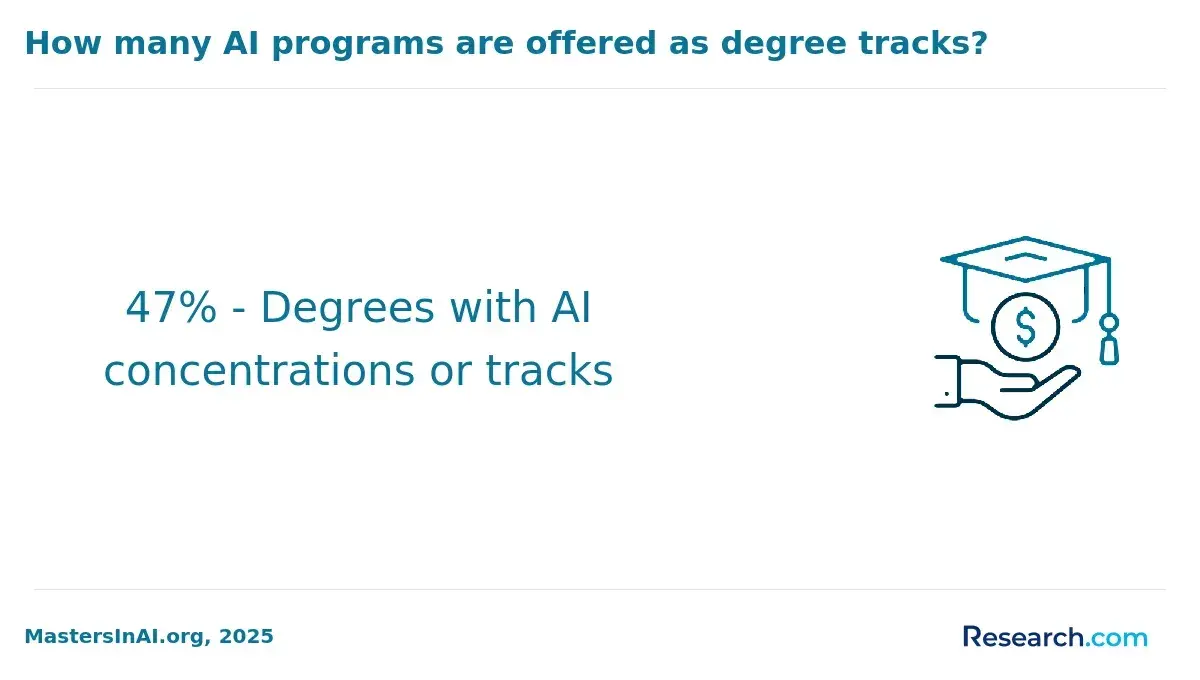
What types of AI programs are available for hospitality leaders, from short courses to degrees?
AI programs for hospitality leaders range from brief certificate courses to fully accredited degree programs, catering to diverse professional needs. Short courses lasting a few weeks emphasize practical AI applications such as automation tools, predictive analytics, and customer data management. These courses suit busy executives seeking immediate upskilling to reduce operational burdens and enhance guest experience.
Topics often include AI-driven revenue management and chatbots, which help address labor shortages and improve efficiency.
More extensive hospitality executive AI training programs, including professional certificates and diplomas, explore data science, machine learning, and AI strategy tailored specifically for the hospitality industry. These courses, typically spanning several months, prepare leaders to integrate AI solutions across departments such as front office and supply chain management. They combine case studies with hands-on projects involving real industry data.
Graduate degrees, like master's programs in AI or business analytics with hospitality concentrations, offer deep theoretical and technical training. These programs target executives seeking strategic roles focused on AI frameworks, ethics, and innovation leadership. Usually lasting one to two years, they often require prior experience or a bachelor's degree.
Because 82% of U.S. hotels reported understaffing, executives utilizing AI-based automation have reduced frontline workloads by 20-30% without sacrificing service quality. Selecting the appropriate program depends on your timeline, skill level, and career goals. For those comparing options across fields, cyber security schools online also offer valuable insights into effective program structures and cost considerations.
How do online AI courses for hospitality executives compare with on-campus and hybrid options?
Online AI courses versus on-campus hospitality training offer distinct advantages tailored to busy professionals. Online programs provide greater flexibility and self-paced learning, allowing hospitality executives across the U.S. to balance demanding schedules without geographic limitations.
These courses often include accessible digital resources and can quickly update curriculum to match emerging technologies, such as AI-driven guest personalization tools. Data highlights that 73% of hotel guests prefer brands that use AI to remember their preferences, emphasizing the value of practical, real-world AI skills frequently found in online modules.
On-campus courses, while requiring more time and relocation investment, deliver hands-on experiences and face-to-face networking that deepen learning through real-time interaction. Hybrid learning benefits for hospitality executives in AI seek to combine these strengths but may still demand physical attendance, which can challenge tight schedules.
Key considerations for executives selecting a format include depth of mentorship and opportunities for live coaching. Online education tends to be more budget-friendly, while campus programs might offer stronger personal interaction. Many professionals prioritize online programs for rapid skill acquisition, especially when seeking an affordable online computer science degree that supports ongoing career advancement.
What should hospitality executives look for in an AI curriculum and learning outcomes?
Hospitality executives benefit most from ai curricula focused on practical applications that address real-world industry challenges. Mastering ai tools for demand forecasting, dynamic pricing, and revenue management is crucial.
Research from the Cornell Center for Hospitality Research shows that ai-powered demand forecasting enhances forecast accuracy by 20-30% over traditional time-series methods, directly improving pricing strategies. Programs should blend ai theory with actionable insights to help leaders boost operational efficiency and guest satisfaction.
Essential curriculum components include:
- Data literacy: interpreting large datasets on customer behavior, occupancy, and market trends.
- Ai model evaluation: understanding accuracy, bias, and suitability for hospitality settings.
- Technology implementation: hands-on training with common ai platforms in hospitality.
- Ethical considerations: addressing privacy and compliance in ai customer interactions.
- Cross-functional collaboration: preparing executives to lead teams bridging technical and operational roles.
Students should look for programs offering case studies or projects simulating dynamic room rate optimization and automated guest services. Additionally, curricula that emphasize scaling ai initiatives and evaluating return on investment (ROI) empower executives to justify technology investments confidently.
Which accreditations and industry recognitions matter for AI programs in hospitality management?
Accreditation plays a vital role in evaluating AI programs for hospitality management. Recognized bodies like the Accreditation Council for Business Schools and Programs (ACBSP) and the Association to Advance Collegiate Schools of Business (AACSB) ensure quality standards that blend management expertise with technological proficiency.
Industry-endorsed certifications from established tech companies and professional organizations add practical value. Examples include Microsoft Certified: Azure AI Engineer and credentials from the Hospitality Financial and Technology Professionals (HFTP). These certifications verify skills in AI applications such as automated customer service, predictive analytics, and AI-driven revenue management within hospitality.
According to PwC's Global Artificial Intelligence Survey, 74% of hospitality and travel executives aim to adopt formal AI governance frameworks by 2026, yet only 23% have implemented one. This gap fuels demand for education emphasizing governance, risk management, and ethical AI deployment.
Programs integrating AI governance training that align with compliance and data privacy standards offer strategic advantages to executives, reducing organizational risks.
Prospective students should focus on courses with dual accreditation in business and technology combined with recognized industry certifications. This approach ensures comprehensive knowledge, positioning graduates as leaders capable of responsibly managing AI innovations in hospitality.
What are typical admission requirements for AI courses aimed at experienced hospitality professionals?
Admission to AI courses tailored for experienced hospitality professionals typically emphasizes industry experience and foundational business knowledge over technical expertise. Most programs require three to five years in hospitality management or executive roles to ensure a practical understanding of sector challenges that AI solutions address. Applicants usually need a bachelor's degree in business, hospitality, or related fields, although equivalent professional experience may be accepted.
Demonstrated interest in technology adoption and prior use of digital tools in hospitality are often requested. Submission of a professional statement outlining AI-related career goals can be required. Unlike technical AI programs focused on coding, prerequisites like programming or statistics are generally not mandatory, highlighting a strategic rather than technical approach.
Flexible learning paths often introduce AI concepts from a business perspective before progressing to practical applications. Leadership data from the LinkedIn Workplace Learning Report shows executives completing AI strategy courses are significantly more likely to lead AI initiatives with positive ROI within a year.
Familiarity with data-driven decision-making tools such as Excel or basic analytics is encouraged. Letters of recommendation from industry leaders or employers can also enhance applications for competitive or executive MBA-linked AI courses.
How long do AI programs for hospitality executives take, and what do they typically cost?
AI programs tailored for hospitality executives range from 4 weeks to 6 months, depending on curriculum depth and format. Shorter courses, typically 4 to 8 weeks, cover foundational AI concepts focused on hotel operations, customer experience, and revenue management. Longer programs, often from universities or executive education platforms, explore advanced analytics, AI-driven decision-making, and cross-departmental integration of AI tools.
Costs vary widely by provider and program scope:
- Basic certificate courses may cost between $500 and $1,500, ideal for quick upskilling.
- More comprehensive executive programs can range from $5,000 to $20,000, including live instruction, case studies, personalized coaching, and access to AI software tailored for hospitality.
A 54% increase in enrollment for executive and non-degree AI programs from 2022 to 2024, highlighted by the Graduate Management Admission Council's "AI for Business Education" brief, reflects a growing demand within the hospitality industry.
Prospective students should evaluate business needs, budget, and schedule flexibility. Mid-level managers often benefit from short, focused programs on AI in revenue optimization, while senior executives may prefer longer, multi-module courses combining AI strategy with leadership skills. Effective programs emphasize practical AI applications like demand forecasting, customer personalization, and automated service improvements to meet daily hospitality challenges.
What executive and leadership roles can AI training open up in the hospitality industry?
AI training is increasingly vital for hospitality professionals in leadership roles, enabling strategic decision-making and operational excellence. Executives such as chief technology officers (CTOs) and chief operations officers (COOs) depend on AI expertise to lead digital transformation initiatives that enhance guest experiences and automate service processes.
Professionals with AI fluency often move into positions like director of revenue management, utilizing predictive analytics to optimize pricing strategies and boost profitability.
General managers in hospitality leverage real-time AI analytics to improve staff scheduling, minimize waste, and allocate resources efficiently, all of which support managing large teams and complex operations effectively. Directors of guest experience apply AI-driven insights to craft personalized marketing efforts and elevate service quality based on customer data trends.
Human resources executives trained in AI drive faster talent acquisition and onboarding processes. Studies show AI-enhanced training tools can reduce new staff time-to-competency by up to 40% compared to traditional methods, allowing organizations to scale teams without compromising service standards. Emerging leadership roles also include AI ethics officers, who ensure responsible AI application, and innovation managers, who integrate AI solutions across hospitality workflows.
These AI-skilled leaders often bridge technical departments with customer service and marketing, playing a crucial role in developing future-ready hospitality enterprises.
What salary impact and job outlook can hospitality executives expect after completing AI training?
Hospitality executives with AI training see substantial salary gains and better job prospects. According to a hospitality executive compensation benchmark by HVS, C-level and VP leaders responsible for AI or data analytics earn 18-25% more than colleagues without this expertise. This pay premium highlights how valuable AI fluency has become for strategic decision-making and enhancing operational efficiency.
Executives using AI to optimize revenue, personalize guest experiences, and manage resources become indispensable. For example, a VP of Operations leveraging AI-driven predictive analytics can cut costs by anticipating demand shifts, directly boosting financial results. These skills justify higher salaries and stronger job security.
The demand for leaders skilled in AI is rising as hospitality adopts automation, customer insights, and supply chain improvements. Those with AI capabilities are more likely to be tapped for innovation leadership and digital transformation roles.
Hospitality professionals aiming for executive roles should focus on practical AI training, including machine learning integration and data visualization. Certifications or courses featuring real-world AI case studies in hotel or restaurant management enhance employability and salary potential.
Overall, AI training not only increases compensation by nearly a fifth to a quarter but also opens doors to career advancement. Developing concrete AI skills is essential for hospitality executives to stay competitive and succeed in leadership positions.
Other Things You Should Know About Artificial Intelligence
Artificial intelligence is reshaping hospitality by automating routine tasks such as booking, customer service, and inventory management. It enables personalized guest experiences through data analysis and predictive modeling. Additionally, AI improves operational efficiency by optimizing staff allocation and energy usage in hotels and restaurants.
Hospitality executives should develop skills in strategic thinking, leadership, and data analysis. Understanding customer experience management is also crucial. These skills will help executives effectively implement AI solutions while driving innovation and maintaining a customer-centric approach in the rapidly evolving industry.
Yes, AI can support sustainability by analyzing energy consumption patterns and suggesting ways to reduce waste and lower carbon footprints. Smart systems powered by AI can automate lighting, heating, and cooling to optimize energy use. Additionally, AI-driven supply chain management can reduce food waste and improve resource allocation.
References
- Expected Salary After IIT KGP AI Certification https://online.iitkgp.ac.in/blog/salary-after-iit-kgp-ai-certification
- How AI is changing the hospitality industry | Codelevate https://www.codelevate.com/blog/how-ai-is-changing-the-hospitality-industry
- 10 ways AI can make hospitality learning more engaging https://blog.typsy.com/10-ways-ai-can-make-hospitality-learning-more-engaging
- The ultimate guide to AI software for small hotels: Simple steps, real results https://www.mylighthouse.com/resources/blog/ai-software-for-small-hotels
- AI for Hospitality: The Complete Industry Guide 2026 https://www.tommasomariaricci.com/blog/ai-for-hospitality-industry-guide
- AI in Hospitality Industry 2026: How AI Is Transforming Hotels - Servo Hospitality School https://servohotelschool.com/ai-in-hospitality-industry-2026/
- The future of hotel check-ins: Evaluating generation Z's acceptance of facial recognition technology using AIDUA-PMT model approach https://oeconomia.pl/oc/article/view/3235
- AI in the hospitality industry: how technology is shaping the guest experience https://www.glion.edu/magazine/ai-hospitality-guest-experience/
- AI for Hospitality & Guest Experience Staff Course - Workplace AI Institute https://workplaceaiinstitute.com/courses/ai-for-hospitality-guest-experience-staff/
- AI in Hospitality: How Hotels Cut Costs 25% While Improving Guest Experience https://www.aimakers.co/blog/ai-hospitality-hotels/