2027 Best AI Strategy Courses for Financial Services Leaders

Co-Founder and Chief Data Scientist
Financial services leaders face increasing pressure to harness artificial intelligence to drive innovation and maintain competitive advantage. Yet, many struggle to find educational programs that balance technical depth with strategic insight and flexible formats suitable for working professionals.
This gap leaves decision-makers unequipped to implement AI solutions effectively within complex regulatory environments and evolving market demands. Identifying the right AI strategy courses can empower leaders to navigate these challenges, build relevant expertise, and lead transformative initiatives confidently.
This article reviews top courses designed to enhance strategic AI knowledge and practical skills tailored specifically for financial services executives seeking career advancement and organizational impact.
Key Things You Should Know
- Leading AI strategy courses for financial services in 2026 emphasize practical applications like risk assessment and fraud detection tailored to evolving regulatory environments.
- Over 70% of financial institutions reported improved decision-making after leaders completed advanced AI coursework integrating machine learning and data analytics.
- Programs increasingly offer hybrid and flexible formats to accommodate professionals, with curricula updated annually to reflect 2025 breakthroughs and market demands.
Advance Your Career with AI Online Courses
Artificial Intelligence: Implications for Business Strategy
This program provides an introduction to Artificial Intelligence and their implications for business strategy. Earn an official digital certificate.

Oxford Artificial Intelligence Programme
Explore this Oxford Artificial Intelligence programme offered in a flexible learning environment and explore topics like machine learning, automation, and robotics.

Implementing Agentic AI: Building Your Organizational Playbook
This online MIT Agentic AI course offers a practical approach to deploying AI agents in your organization, including a custom playbook. 3 weeks, exclusive launch price.

AI Adoption: Driving Business Value and Impact
This online MIT AI Adoption: Driving Business Value and Impact offers practical frameworks to close the gap between AI potential and business reality.

Artificial Intelligence in Pharma and Biotech
Discover the applications and limitations of artificial intelligence in pharma and biotech with this MIT online short course.

What is an AI strategy course for financial services leaders and who should enroll?
An AI strategy course for financial services leaders is designed to equip senior professionals with skills to effectively integrate AI technologies into their organizations.
These courses emphasize understanding AI's strategic impact, identifying practical use cases, managing associated risks, and leading digital transformation within banks, insurance firms, asset managers, and fintech companies.
Leaders learn to align AI initiatives with business objectives, comply with regulatory demands, and cultivate innovation cultures that maximize AI's value.
Such artificial intelligence training programs in financial services management are vital for C-suite executives, senior managers, product heads, and strategy directors driving AI adoption or overseeing AI-powered operations.
Mid-career professionals aiming for leadership or innovation roles also benefit by gaining critical technical insights and strategic frameworks tailored specifically to the financial sector. For instance, a chief risk officer may focus on AI's role in fraud detection, while a head of wealth management might prioritize AI-enabled customer personalization.
According to McKinsey's Global AI Survey, financial services firms leading in AI generate on average 9-15% of their annual pretax income from AI, compared with 0-1% for late adopters. This highlights the pressing need for leaders to sharpen AI competencies to sustain competitive advantage and profitability.
Courses typically cover AI governance, ethics, data strategies, vendor evaluation, and ROI measurement. They include case studies on credit underwriting, automated trading, customer service automation, and compliance monitoring. Participants engage in scenario planning and cross-functional collaboration to tackle real-world AI challenges effectively.
Prospective students interested in specialized AI education may explore the top US colleges for data science as part of planning their career development path.
Advance Your Career with AI Online Courses
Artificial Intelligence: Implications for Business Strategy
This program provides an introduction to Artificial Intelligence and their implications for business strategy. Earn an official digital certificate.
Oxford Artificial Intelligence Programme
Explore this Oxford Artificial Intelligence programme offered in a flexible learning environment and explore topics like machine learning, automation, and robotics.
Implementing Agentic AI: Building Your Organizational Playbook
This online MIT Agentic AI course offers a practical approach to deploying AI agents in your organization, including a custom playbook. 3 weeks, exclusive launch price.
How can AI strategy courses help financial services leaders drive business and risk results?
AI strategy courses provide financial services leaders with essential skills to integrate AI technologies effectively, enhancing business outcomes through better decision-making and risk management.
These programs focus on aligning AI initiatives with organizational goals to ensure measurable returns, while teaching leaders to evaluate high-value applications such as fraud detection, credit scoring, and customer segmentation within regulatory and ethical boundaries.
Risk management techniques using AI strategy training for financial executives emphasize navigating challenges like data governance, model transparency, and bias mitigation.
Practical exercises include scenario analysis and creating implementation roadmaps that help anticipate operational challenges and embed responsible AI use in tightly regulated financial environments.
Financial leaders also develop competencies in managing workforce transformation. Deloitte's analysis reveals that 71% of banks and insurers plan to boost hiring of professionals who combine AI expertise with business leadership skills within 12-18 months. Courses nurture communication skills necessary to lead cross-functional teams and foster an innovative culture while managing resistance.
Graduates gain frameworks for continuous AI performance measurement and risk assessment, enabling adaptability amid evolving technologies. Whether advancing digital transformation or addressing emerging cyber risks, these leaders become instrumental in driving AI programs that simultaneously enhance profitability and compliance.
For individuals interested in AI education with affordability in mind, exploring the cheapest online computer engineering degree options can provide a strong foundation to complement business-focused AI strategy courses.
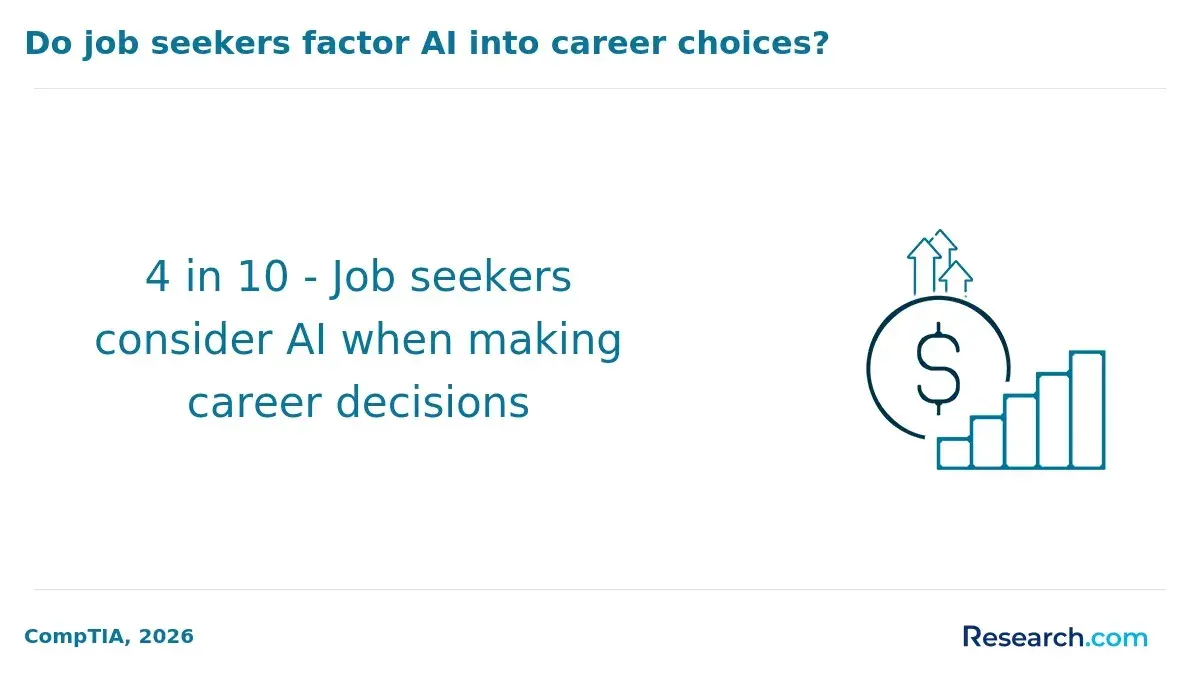
What types of AI strategy programs exist for financial services leaders, and which path fits my goals?
AI strategy programs designed for financial services leaders typically fall into three categories: executive certificates, targeted short courses, and comprehensive degree programs. Executive certificates emphasize strategic decision-making and embedding AI into business models, catering to senior leaders aiming to quickly apply AI concepts in innovation and risk management.
Targeted short courses provide focused skill upgrades on specific AI tools such as machine learning for fraud detection or algorithmic trading, ideal for technical managers.
Comprehensive degree programs, including MBAs with AI specializations, merge management and technical skills over a longer timeframe, fitting professionals aspiring to lead digital transformations strategically. These AI strategy courses for financial services leaders help navigate compliance and ethical challenges while fostering innovation.
Choosing the right ai programs tailored for financial sector executives depends on your career goals and time availability. If practical, immediate impact is your priority, executive certificates or short courses are preferable.
For long-term leadership and deeper understanding, degree programs are suitable. A 2024 GMAC survey highlights that executives completing AI-driven business programs experienced a median 8% salary increase within a year, surpassing peers in non-AI programs.
When selecting a program, consider curriculum relevance, faculty expertise, real-world case integration, and collaboration opportunities with AI practitioners. For those also interested in a cybersecurity degree online, these factors remain equally critical in maximizing educational investment.
How do online AI strategy courses for financial services compare with campus or hybrid options?
Online AI strategy courses vs campus programs for financial leaders offer distinct benefits. Online formats provide flexibility, allowing busy professionals to engage with content asynchronously, which supports continuous learning without career interruptions-a key factor as AI adoption accelerates in finance.
The 2024 EY Global Banking Outlook reveals that 64% of large banks increased their AI training budgets by over 20%, highlighting the demand for scalable online solutions.
Campus and hybrid options excel in networking, hands-on workshops, and real-time mentorship, fostering collaboration and interactive learning in immersive environments. Their fixed schedules and travel requirements, however, can limit accessibility for finance executives.
Online courses often compensate with interactive simulations, case studies, and peer forums, though these may lack immediacy compared to in-person experiences.
Hybrid and online AI strategy training benefits for finance executives include a blend of flexibility and direct interaction, though usually at higher costs and longer durations. When selecting programs, consider content relevance to banking challenges such as regulatory compliance and AI ethics, alongside personal learning preferences.
For those weighing costs, researching computer science cost and structure can help identify the best fit. Overall, online courses now rival traditional formats in quality and scope, making them a practical choice for many financial leaders aiming for rapid upskilling or comprehensive strategic frameworks.
What core topics and skills do top AI strategy courses for financial services typically cover?
AI strategy courses for financial services leaders emphasize a combination of technical knowledge and regulatory awareness. Core subjects include AI fundamentals specific to finance, such as machine learning applications for credit scoring, fraud detection, and algorithmic trading.
Risk management frameworks focus on AI-related model risks, emphasizing validation, explainability, and bias mitigation.
- Regulatory compliance with updates from entities like the SEC and Basel Committee, reflecting the PwC 2024 Global Risk Survey which found 82% of financial-services CROs expect greater AI scrutiny by 2026.
- Governance improvements to enhance board-level AI literacy, addressing the low 29% rating of highly AI-literate boards.
- Strategic integration of AI for competitive advantage via customer segmentation, personalized products, and operational efficiency.
- Ethical concerns and data privacy challenges aligned with GDPR and CCPA.
These courses build skills in interpreting AI outputs, crafting governance policies, and aligning AI initiatives with broader business objectives. Case studies exploring AI successes and failures help professionals weigh risks and rewards.
Hands-on training often includes developing AI implementation roadmaps and conducting impact assessments tailored to financial institutions.
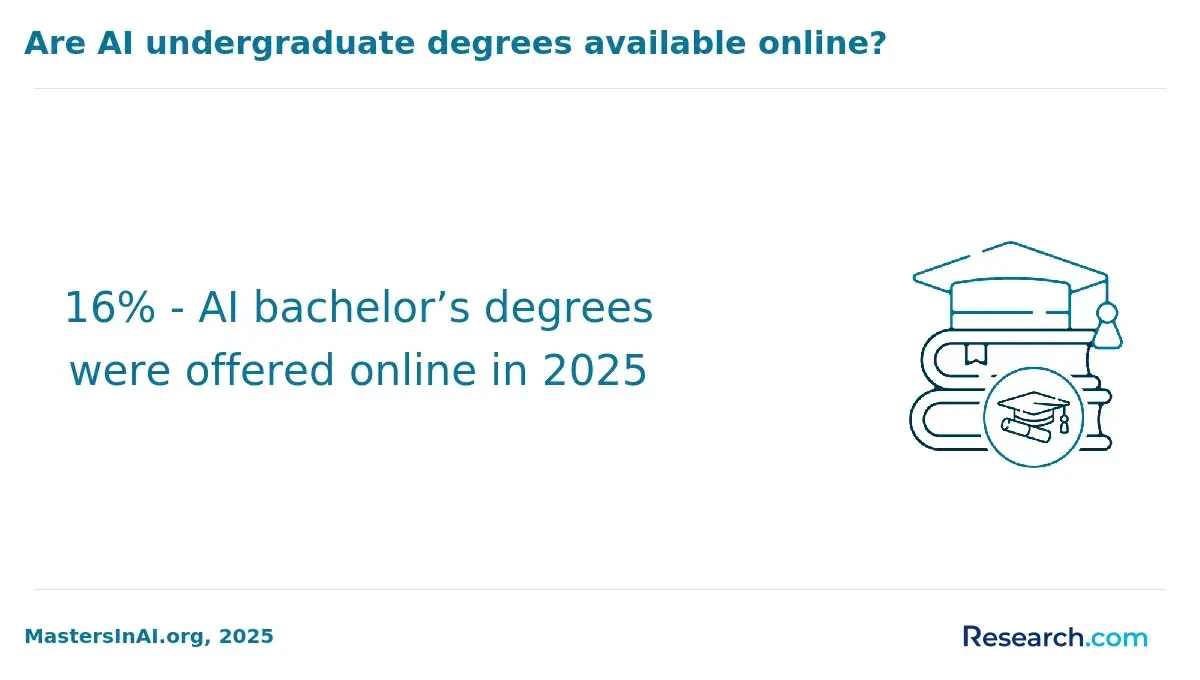
Which U.S. universities and business schools offer reputable AI strategy programs for financial leaders?
Top U.S. institutions like MIT Sloan School of Management, Stanford Graduate School of Business, and Wharton School at the University of Pennsylvania offer distinguished AI strategy programs specifically designed for financial services leaders.
These executive education programs blend technology insights with business leadership, focusing on real-world applications in finance.
MIT Sloan's "Artificial Intelligence: Implications for Business Strategy" highlights scalable AI initiatives based on financial case studies.
Stanford's "AI for Business Strategy" includes frameworks addressing regulatory, ethical, and compliance challenges unique to the financial industry. Wharton emphasizes data analytics, risk management, and AI-driven decision-making essential for banking and insurance leadership.
Other notable programs include Chicago Booth's AI and data analytics executive courses and Columbia Business School's finance-focused AI modules. These offerings often combine internal upskilling with expert external guidance.
According to Accenture's 2024 financial-services talent study, institutions relying solely on internal AI upskilling are 40% less likely to achieve scaled AI deployments than those blending internal academies with external programs.
How do I evaluate accreditation, institutional quality, and industry recognition for AI strategy programs?
Accreditation is a key factor when choosing an AI-focused financial services program. Verify if the institution is recognized by respected bodies such as AACSB, EQUIS, or ABET for technical courses. Institutional quality can be gauged by faculty expertise, research output, and partnerships with financial firms.
Faculty publishing in AI strategy or finance journals often reflects rigorous academic standards. Industry recognition comes through endorsements, alumni achievements, and collaborations with AI vendors or leading financial institutions.
Programs featuring capstone projects or guest lectures from industry professionals highlight practical relevance.
Programs should balance strategic AI concepts with technical skills. According to BCG's 2024 Generative AI in Financial Services report, pilot teams with generative AI training for managers achieved a 40-60% productivity increase versus 15-25% for frontline staff only. This underscores the value of leadership education beyond just technical training.
Prospective students should look for modules addressing AI governance, ethical considerations, and business model transformation. Certification from industry bodies or co-branded fintech programs can boost employability. Reviews from alumni and employment outcomes offer insight into a program's impact.
Consider course delivery formats-executive programs with flexible schedules often suit working professionals better. Additionally, strong career services or networking opportunities centered on AI strategy roles in finance can enhance your educational investment.
What are the typical admissions requirements, time commitment, and tuition costs for these programs?
Admissions for AI strategy courses aimed at financial services leaders typically require a bachelor's degree in fields such as business, finance, engineering, or computer science. Candidates usually need 3 to 5 years of professional experience in finance or related industries.
Some programs prefer applicants with knowledge of data analytics or basic AI concepts, while executive tracks may admit senior professionals based on leadership credentials alone. Prerequisites differ by program, though familiarity with statistics or machine learning is increasingly standard.
Time commitments vary by format:
- Part-time and online courses generally demand 8 to 15 hours weekly over 3 to 6 months.
- Intensive boot camps or executive seminars last 1 to 3 weeks with full-day sessions.
- Hybrid programs mix asynchronous learning with live workshops for flexible pacing, often spanning 12 weeks with biweekly sessions totaling 40 to 60 hours.
Tuition ranges widely:
- Certificate courses typically cost $3,000 to $8,000.
- Comprehensive professional or executive MBA programs integrating AI strategy can exceed $20,000 to $40,000.
- Employer subsidies, scholarships, and partnerships are common to ease financial barriers.
A 2024 Institute of International Finance survey found 76% of North American banks run formal AI or data-strategy programs for senior leaders, reflecting strong industry demand and increasing educational investment.
What leadership roles, career paths, and certifications can AI strategy training unlock in financial services?
Leadership roles like Chief AI Officer, Head of Digital Transformation, and AI Program Manager are increasingly common in financial services, requiring expertise to embed AI initiatives into core business strategies.
These roles drive innovation and operational efficiency while opening pathways to risk management, data science leadership, and AI compliance positions, which are key given the rising regulatory focus on AI ethics and governance.
Certifications such as the Certified Artificial Intelligence Practitioner (CAIP), Financial Data Scientist credentials, and specialized AI ethics and compliance certificates validate critical skills for these roles.
Knowledge in AI project management, backed by certifications like PMI-ACP with an AI focus, is also highly sought after by institutions aiming to deploy AI models aligned with financial regulations and risk frameworks.
AI strategy-trained leaders contribute to significant competitive advantages. A McKinsey analysis found that AI-mature financial institutions grow revenues 5-7 percentage points faster and reduce operating costs by 8-10% more than their less advanced counterparts, with this gap widening over time.
Professionals entering this field can boost capabilities in areas such as AI-driven credit risk analysis, algorithmic trading leadership, and fraud detection strategy. Training also equips compliance officers to handle evolving regulatory frameworks.
Both established banks digitizing legacy systems and fintech firms creating AI-powered financial products present growing opportunities in this space.
What is the salary outlook and long-term demand for financial services leaders skilled in AI strategy?
The salary outlook for financial services leaders skilled in AI strategy is notably strong, with many senior professionals earning between $150,000 and over $250,000 annually. This premium reflects their ability to integrate AI into financial planning, risk management, and customer experience, driving measurable business improvements while navigating complex regulatory environments.
Long-term demand for leaders with this expertise remains robust as financial institutions continue investing heavily in AI technologies to boost competitiveness.
A recent LinkedIn Learning and Workplace Intelligence survey found that 84% of senior financial leaders prioritize demonstrated impact on business metrics when choosing AI strategy courses, highlighting the emphasis on tangible results rather than course format or length.
Key roles for AI strategy leaders include digital transformation leadership, quantitative analytics, and compliance automation. These professionals add value not only by deploying technology but by aligning AI initiatives with goals such as fraud detection and portfolio optimization.
Prospective students and working professionals aiming to excel in this area should focus on measuring AI's impact, project management, data governance, and ethical AI use. Employers increasingly value proven results and practical experience over formal credentials, emphasizing the importance of case studies and real-world application.
Other Things You Should Know About Artificial Intelligence
Data privacy is a critical concern when implementing AI in financial services. Organizations must comply with regulations such as GDPR and CCPA, ensuring customer data is protected and used ethically. AI systems often incorporate anonymization techniques and secure data handling protocols to mitigate privacy risks.
Financial institutions often confront challenges such as data quality issues, integration with legacy systems, and regulatory compliance when adopting AI. Additionally, talent shortages in AI expertise and change management within organizations can slow down effective implementation of AI strategies.
In 2027, top AI strategy courses for financial services leaders include offerings from MIT Sloan School of Management, Stanford University, and INSEAD. These programs focus on integrating AI into financial strategies, addressing data privacy, ethics, and the latest technological innovations.
Explainability is essential for gaining stakeholder trust and meeting regulatory requirements in financial AI applications. It involves designing AI models whose decisions can be understood and justified by users and auditors. This transparency helps leaders make informed choices and reduces risk associated with complex AI algorithms.
References
- AI Leadership and Strategy Path – AI Professional Institue https://aipro.institute/en/paths/ai-leadership-and-strategy/
- Top 7 artificial intelligence courses 2025: Comparison of the best online programs https://xd-i.com/en/data-en/ai-courses/
- New Use of Artificial Intelligence Accreditation Policy and Procedures - Middle States Commission on Higher Education https://www.msche.org/2025/07/02/new-use-of-artificial-intelligence-accreditation-policy-and-procedures/
- Accreditation and AI: Ensuring Quality in an Era of Smart Learning https://www.qahe.org/article/accreditation-and-ai-ensuring-quality-in-an-era-of-smart-learning/
- Redefining Educational Accreditation in the Era of AI and Digital Disruption https://www.ieac.org.uk/44-Redefining-Educational-Accreditation-in-the-Era-of-AI-and-Digital-Disruption-blog.php
- Use of Gen AI in Accreditation https://a3stepaccreditation.org/f/use-of-gen-ai-in-accreditation
- What’s the Best Hands-on AI Training for Non-Technical Leaders (No Coding) in Financial Services? https://neurons-lab.com/articles/whats-the-best-hands-on-ai-training-for-non-technical-leaders-no-coding-in-financial-services/
- AI Strategy for Business Leaders Course https://trainingcred.com/training-course/ai-strategy-for-business-leaders-training
- The Future of Quality Assurance in Online and AI-Driven Learning: Ensuring Trust, Innovation, and Global Standards https://iacde.org/uncategorized/the-future-of-quality-assurance-in-online-and-ai-driven-learning-ensuring-trust-innovation-and-global-standards/
- Learning Tree’s Top 10 AI Courses for 2026 https://www.learningtree.co.uk/blog/learning-trees-top-ai-courses/