2027 Best AI Strategy Courses for Business Leaders

Co-Founder and Chief Data Scientist
Business leaders face growing pressure to integrate artificial intelligence into operations while lacking practical knowledge and strategic frameworks. This knowledge gap can hinder innovation, delay digital transformation, and reduce competitive edge in rapidly evolving markets. Without targeted education, decision-makers struggle to evaluate AI solutions effectively or align them with organizational goals. The increasing complexity of AI technologies demands clear strategies for adoption and risk management tailored to diverse business environments.
This article reviews the best AI strategy courses designed for executives and managers, highlighting flexible programs that equip leaders with skills to drive AI initiatives successfully and sustainably in their organizations.
Key Things You Should Know
- Business leaders increasingly prioritize ai strategy courses that combine technical understanding with leadership skills, preparing them to leverage ai for competitive advantage in dynamic markets.
- Recent data shows that 68% of executives believe ai education boosts decision-making efficiency and innovation, making targeted courses critical for future-ready leadership.
- Top programs in 2026 emphasize ethical ai use and risk management, addressing growing concerns about transparency, bias, and regulatory compliance in corporate environments.
Advance Your Career with AI Online Courses
Artificial Intelligence: Implications for Business Strategy
This program provides an introduction to Artificial Intelligence and their implications for business strategy. Earn an official digital certificate.

Oxford Artificial Intelligence Programme
Explore this Oxford Artificial Intelligence programme offered in a flexible learning environment and explore topics like machine learning, automation, and robotics.

Implementing Agentic AI: Building Your Organizational Playbook
This online MIT Agentic AI course offers a practical approach to deploying AI agents in your organization, including a custom playbook. 3 weeks, exclusive launch price.

AI Adoption: Driving Business Value and Impact
This online MIT AI Adoption: Driving Business Value and Impact offers practical frameworks to close the gap between AI potential and business reality.

Artificial Intelligence in Pharma and Biotech
Discover the applications and limitations of artificial intelligence in pharma and biotech with this MIT online short course.

What is an AI strategy course for business leaders and who should consider enrolling?
An AI strategy course for business leaders in the United States equips executives with skills to integrate artificial intelligence into organizational decision-making and operations. These courses emphasize aligning AI technologies with business goals, managing transformation initiatives, and addressing ethical and governance challenges. Leaders develop strategic roadmaps that enhance growth, efficiency, and innovation.
Executives, managers, and entrepreneurs driving digital transformation or innovation efforts benefit most from these programs. C-suite members like CEOs, CIOs, and CMOs, as well as product managers and business strategists eager to promote AI adoption, find value. For instance, a marketing director may explore predictive analytics tools, while a COO could focus on AI-enabled supply chain optimization.
While enrollees should have foundational business analytics or technology knowledge, deep technical expertise in AI programming is unnecessary. The curriculum typically includes AI fundamentals, strategic frameworks, risk management, and real-world case studies offering practical tools for navigating AI challenges. Understanding how to create an effective AI strategy for business growth is a key course outcome.
Demand for these skills is rising rapidly. LinkedIn's 2024 Future of Work report shows AI-related leadership and strategy skills increased more than 160% in member profiles year-over-year. For those exploring academic options, consulting the data science master program ranking can help identify affordable programs that support developing this expertise.
Advance Your Career with AI Online Courses
Artificial Intelligence: Implications for Business Strategy
This program provides an introduction to Artificial Intelligence and their implications for business strategy. Earn an official digital certificate.
Oxford Artificial Intelligence Programme
Explore this Oxford Artificial Intelligence programme offered in a flexible learning environment and explore topics like machine learning, automation, and robotics.
Implementing Agentic AI: Building Your Organizational Playbook
This online MIT Agentic AI course offers a practical approach to deploying AI agents in your organization, including a custom playbook. 3 weeks, exclusive launch price.
How can AI strategy courses help business leaders drive growth and competitive advantage?
AI strategy courses for business leaders driving growth equip executives with essential skills to harness artificial intelligence for measurable business expansion and sustainable competitive edge. Deloitte's 2024 State of AI in the Enterprise report reveals that organizations with "AI-forward" leadership are 2.5 times more likely to experience significant financial gains from AI initiatives.
These courses help leaders tackle challenges such as identifying impactful AI use cases, managing ethical risks, and seamlessly integrating AI into existing workflows. Practical tools include frameworks to assess AI readiness and implement scalable solutions that lower costs and boost revenue. Leaders also learn to prioritize data quality and promote collaboration between technical and business teams, critical for competitive advantage through artificial intelligence training.
AI strategy education enhances the capacity to anticipate market changes and customer needs shaped by AI advances. It covers AI governance, risk mitigation, and emerging technologies to avoid pitfalls like bias or regulatory issues. Many programs use case studies focused on real-world applications such as supply chain optimization and personalized marketing.
Ultimately, this training develops informed decision-makers who strategically direct AI investments, increasing organizational agility for the evolving 2026 business landscape. For those seeking formal education, exploring degrees in AI can provide further opportunity to deepen expertise.
What are the best types of AI strategy programs for executives and senior managers?
Effective AI strategy programs for executives and senior managers blend technical knowledge with business insight. The best ai strategy courses for executives emphasize integrating AI into business models, decision-making, and organizational change. These leading courses focus on three main pillars:
- AI fundamentals crafted for non-technical leaders, covering machine learning, data ethics, and automation;
- Strategic application involving AI-driven innovation, competitive analysis, and value chain transformation;
- Leadership and governance addressing risk management, regulatory compliance, and workforce impact.
Top artificial intelligence programs for senior managers often include case studies from various industries, offering practical guidance on AI adoption and scaling solutions. Many utilize modular online classes paired with intensive workshops, allowing executives to balance professional responsibilities with learning. Programs featuring mentorship or collaboration with AI practitioners tend to increase relevance and retention.
Data from Emeritus-Gallup reveals that professionals upskilled in AI and digital skills saw an average 21% salary increase, with 59% advancing faster in their careers within a year of completing such programs. This highlights the importance of programs focusing on applied AI strategy and leadership rather than solely technical training.
Executives should seek programs that promote strategic thinking about AI's business impact, not just technical details aimed at data scientists. The best courses prepare leaders to navigate data governance, ethical AI use, investment prioritization, and building AI-ready cultures. For those looking to advance further, pursuing a PhD in AI online can provide deeper expertise and research opportunities.
What core topics and skills do top AI strategy courses for business leaders cover?
Top AI strategy courses for business leaders emphasize practical expertise in integrating AI technologies within organizational frameworks. They cover AI fundamentals, including machine learning principles, natural language processing, and data analytics, equipping executives to make informed decisions. These courses foster the development of AI strategy frameworks for business leaders, helping them align AI adoption with corporate goals and customer needs.
Risk management and ethical considerations are vital. Executives learn to assess bias, privacy, and compliance issues to enable responsible AI deployment. Workforce transformation and change management strategies prepare leaders to reskill staff and address automation impacts effectively. Key skills developed in AI strategy courses for executives include evaluating governance structures and mitigating risks related to AI initiatives.
Data governance and infrastructure knowledge is critical. Business leaders gain the ability to oversee data quality, establish secure data architectures, and collaborate closely with technical teams to bridge the gap between AI capabilities and business value. For example, case studies and simulations simulate real-world AI integration challenges, guiding executives to craft agile, evidence-based strategies.
- Strategic alignment of AI with business objectives
- Technical foundations and data literacy
- Ethics, governance, and compliance
- Workforce transformation and change management
- Risk mitigation and performance measurement
With 75% of global knowledge workers using AI at work but 79% of leaders noting a lack of comprehensive AI training, closing this skills gap is essential. Many programs also highlight career roles such as AI trainers, emphasizing pathways for professionals advancing in this field.
How do online AI strategy courses compare with on-campus and hybrid executive formats?
Online ai strategy courses provide unmatched flexibility for busy professionals, allowing access to rigorous curricula anywhere and anytime without the need to travel. This format is ideal for business leaders who want to immediately apply concepts within their organizations while managing demanding work schedules. However, online learning may lack the spontaneous peer interaction and networking that on-campus courses offer through face-to-face mentorship and direct faculty engagement. Hybrid programs combine the benefits of both by mixing digital coursework and scheduled in-person sessions, though they require more logistical effort and some travel, which can reduce flexibility.
On-campus courses deliver immersive experiences through hands-on workshops and live collaboration, benefiting those who value deep engagement and structured schedules. Yet, their fixed times and location requirements limit enrollment to those able to commit fully. Hybrid models strike a balance, offering autonomy alongside periodic in-person interaction, though cohorts tend to be smaller and less frequent.
The McKinsey 2024 Global Survey on AI reveals that companies with a clearly defined AI strategy owned by the C-suite are 3.0 times more likely to achieve at least a 10% revenue uplift from AI initiatives. Continuous executive education alongside regular duties is essential for leadership, making online courses a strategic advantage.
Key factors to consider include:
- Schedule flexibility and immediate application (favor online)
- Opportunities for live collaboration and networking (favor on-campus)
- Balanced exposure with direct in-person access (favor hybrid)
How can I evaluate the quality and accreditation of AI strategy programs in the U.S.?
When selecting an AI strategy program in the U.S., ensure the institution holds regional or national accreditation recognized by the U.S. Department of Education. Accreditation confirms academic standards are met and that credits may transfer or contribute toward advanced credentials. Faculty expertise is crucial-programs led by professors or industry experts with proven experience in AI applications and business strategy tend to offer higher-quality education.
Look for courses affiliated with established business schools or universities, as these typically provide rigorous curricula and valuable networking opportunities. Comprehensive programs cover technical AI fundamentals alongside strategic business integration, ethical considerations, and implementation challenges. Topics often include machine learning applications, data-driven decision-making, and AI governance. Practical learning components such as capstone projects, case studies, or executive coaching are important indicators of skill development.
Cost and accessibility vary widely. Short, non-degree executive programs usually range from $2,000 to $7,000, offering flexible formats like online modules or weekend intensives suited for working professionals, contrasting sharply with $80,000+ tuition for full-time MBAs. Evaluate post-completion benefits such as industry partnerships, alumni networks, and career support services. Checking reviews or testimonials helps assess real-world relevance and employer recognition. Finally, verify that the program stays current with AI trends and regulatory environments to ensure ongoing market applicability.
What are the typical admission requirements and application materials for AI strategy courses?
Admission to AI strategy courses typically requires a blend of academic credentials, relevant professional experience, and detailed application materials that assess an applicant's preparedness for advanced learning. Most programs expect candidates to hold a bachelor's degree, often in fields like business or technology. Executive programs sometimes accept individuals with significant managerial experience instead of a formal degree. Work experience in areas such as technology, data analytics, or leadership is commonly required, with many top programs looking for three to five years in related roles.
Applicants usually submit:
- A completed application form outlining education and work history
- A professional resume or CV emphasizing leadership and AI-related skills
- A personal statement describing career goals and motivation for studying AI strategy
- Letters of recommendation from supervisors or industry professionals attesting to leadership potential and analytical abilities
- Standardized test scores like the GMAT or GRE, though this is becoming less common as holistic assessments rise
Additional evaluations such as interviews or case study presentations often assess strategic thinking and communication skills. Considering fewer than 28% of companies had advanced AI and analytics training for senior leaders by 2025, demonstrating a firm commitment to learning AI strategy can set applicants apart. Aligning your background to address the AI skills gap at the leadership level is crucial for prospective students pursuing this path.
How long do AI strategy programs for business leaders take, and what do they cost?
AI strategy programs for business leaders vary in length and intensity, from brief executive workshops lasting 2 to 5 days to certificate courses spanning 3 to 6 months. These programs blend live sessions, case studies, and project work to help leaders build actionable AI strategies. Longer online courses offer flexibility but typically require 40 to 60 hours of commitment.
Program costs differ based on content and delivery, with executive workshops priced between $2,000 and $7,000, targeting quick immersion for senior leaders. More comprehensive certificate or professional development options range from $5,000 to $15,000, often including personalized coaching. University-affiliated programs can exceed $20,000, offering academic credit or recognized credentials.
Investing in AI-literate leadership delivers measurable benefits. The Boston Consulting Group's "AI-Driven Enterprise" study reveals companies with top management actively using AI tools are 1.8 times more likely to rank as top financial performers. This underscores the value of such education for strategic decision-making and competitive advantage.
When choosing a program, consider key factors like scheduling flexibility, cost in relation to business objectives, and inclusion of real-world case studies or industry-specific content. These help ensure time and money spent build relevant capabilities aligned with your company's goals.
What career outcomes, roles, and promotion opportunities follow AI strategy training?
AI strategy training often leads to advanced roles such as AI strategist, chief AI officer, innovation manager, and digital transformation leader. Graduates frequently move into leadership positions where they shape technology roadmaps and align AI initiatives with business goals, managing cross-functional teams that implement generative AI solutions across organizations.
Career advancement opportunities include moving from middle management to executive roles like chief technology officer (CTO) or chief data officer (CDO). Professionals with AI strategy expertise accelerate their paths to the C-suite by translating AI capabilities into profitable business outcomes, a skill highly valued amid rapid digital disruption.
According to PwC's 2024 Global CEO Survey, 70% of CEOs personally invest in AI and technology education, with 62% planning significant business model changes within three years driven by generative AI. This reflects growing demand for leaders fluent in AI's strategic impact.
Typical career outcomes from AI strategy training include:
- Leading AI adoption projects that enhance operational efficiency and customer engagement
- Designing AI governance frameworks to ensure ethical and compliant use
- Consulting on AI-driven business model innovation across industries
- Driving AI-powered product development aligned with market needs
Additionally, professionals with this expertise often gain enhanced negotiating power for salary and promotions, as employers reward those who bridge AI technology with strategic business value.
What salary ranges and job outlook can AI-focused business leaders realistically expect?
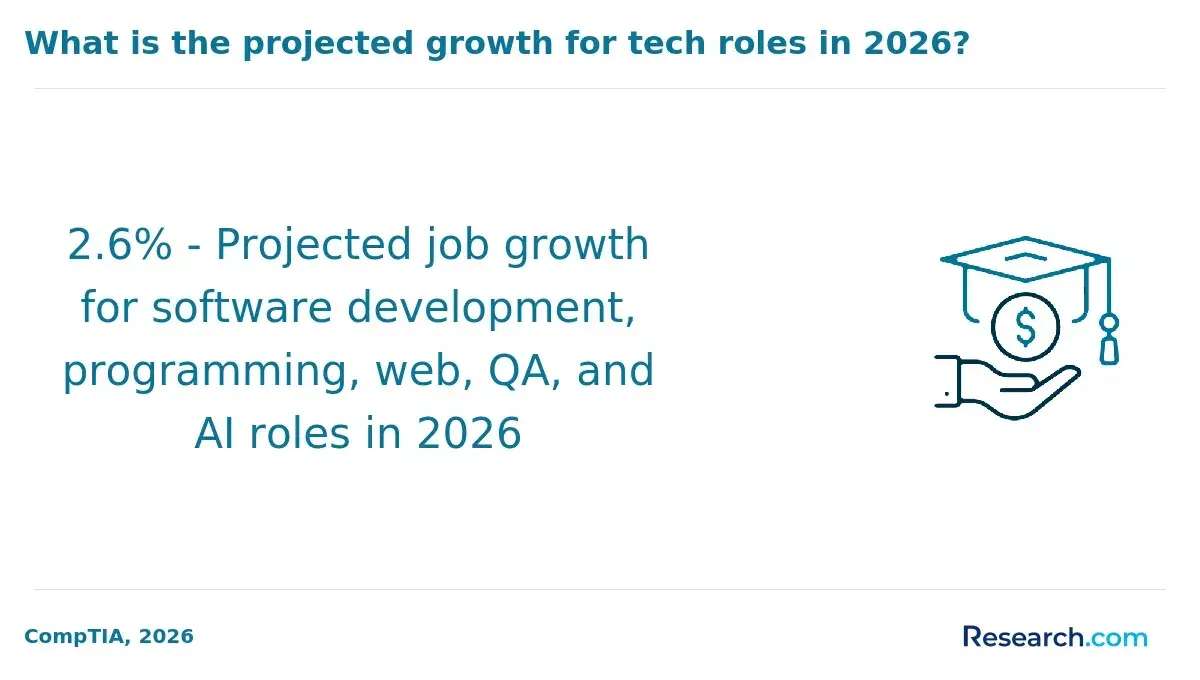
AI-focused business leaders in the U.S. can expect substantial salary growth fueled by strong job prospects. The U.S. Bureau of Labor Statistics projects a 23% growth rate from 2023 to 2033 for computer and information systems managers-key roles overseeing AI strategy-significantly exceeding average occupational growth. Demand is especially high for managers skilled in planning and directing AI and digital transformation initiatives.
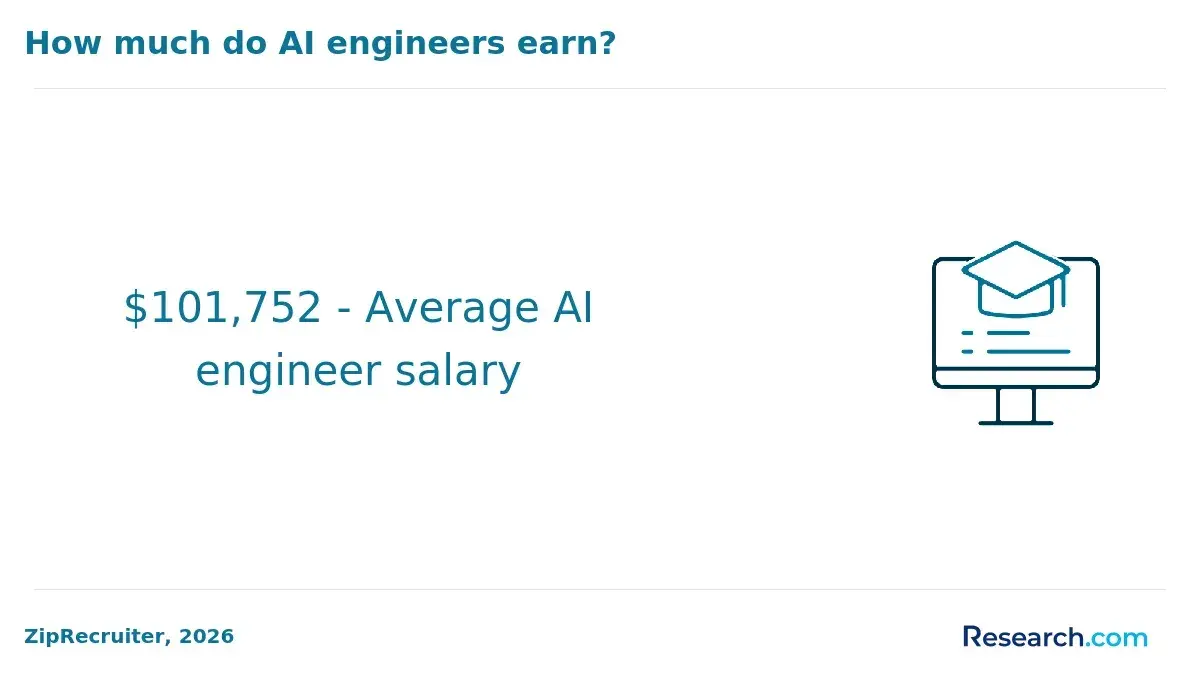
Salary levels depend on experience, industry, and responsibilities. Entry-level AI strategy managers typically earn between $90,000 and $120,000 annually. Mid-level professionals with 5 to 10 years of experience often command salaries from $130,000 to $180,000. Senior leaders and executives in major tech companies or sectors rapidly adopting AI can earn $200,000 or more, often supplemented by bonuses and stock options.
AI strategy roles are expanding beyond tech, with sectors like finance, healthcare, manufacturing, and retail investing heavily in AI transformation. Leaders who excel at integrating AI into business operations will find steady demand and career advancement opportunities.
- Key skills include AI project management, data governance, ethical AI usage, and cross-functional leadership.
- Focusing on these skills can boost employability and salary potential across multiple industries.
Other Things You Should Know About Artificial Intelligence
In 2027, top AI strategy courses for business leaders include MIT's "AI: Implications for Business Strategy," Stanford's "Artificial Intelligence: An Executive Guide," and Wharton's "AI for Business Leaders." These programs cover AI fundamentals and strategic deployment in business.
Artificial intelligence enhances decision-making by analyzing large datasets quickly and identifying patterns that humans may miss. It supports predictive analytics, automates routine choices, and provides insights to optimize strategies. However, human oversight remains crucial to interpret AI outputs and address contextual nuances.
Business leaders should develop skills in data literacy, strategic thinking, and change management to oversee AI initiatives successfully. Understanding AI capabilities and limitations helps in setting realistic goals and aligning technology with business objectives. Communication skills are also vital to coordinate cross-functional teams and stakeholders.
Regulatory frameworks influence how companies develop and implement AI by imposing standards on data use, privacy, and fairness. Compliance with laws such as GDPR in Europe or emerging U.S. regulations is essential to avoid legal risks. These regulations also encourage responsible AI deployment to protect consumers and maintain trust.
References
- Top 20 Predictions from Experts on AI Job Loss https://aimultiple.com/ai-job-loss
- AI and Analytics Programs https://esmt.berlin/executive-education/analytics-ai-programs
- 16 Artificial Intelligence Career Paths https://www.calmu.edu/news/artificial-intelligence-career-paths
- New Use of Artificial Intelligence Accreditation Policy and Procedures - Middle States Commission on Higher Education https://www.msche.org/2025/07/02/new-use-of-artificial-intelligence-accreditation-policy-and-procedures/
- AI for Business Leaders: Transforming Leadership with Artificial Intelligence https://www.infoprolearning.com/ai-for-business-leaders/
- How to Get into a BSc in AI Program | Admission Guide 2025 https://futurense.com/blog/bsc-ai-program
- BTech in Artificial Intelligence: Eligibility, Fees, Admission, Career 2025 https://www.tmu.ac.in/blog/btech-in-ai-course-eligibility-fees-admission-and-career
- Accreditation and AI: Ensuring Quality in an Era of Smart Learning https://www.qahe.org/article/accreditation-and-ai-ensuring-quality-in-an-era-of-smart-learning/
- AI and Business Strategy Online Course - Informa Connect Academy https://informaconnect.com/ai-driven-strategy-for-business-leaders/
- Artificial Intelligence (AI) Career Roadmap: Jobs and Levels Guide https://academyocean.com/blog/post/artificial-intelligence-ai-career-roadmap-jobs-and-levels-guide