2027 Best LinkedIn Learning AI Courses for AI Adoption

Co-Founder and Chief Data Scientist
Many professionals with non-technical backgrounds struggle to transition into the AI industry due to a lack of accessible, practical learning resources. Navigating the vast landscape of online courses can overwhelm those seeking relevant, up-to-date training that fits around busy schedules. Without guidance, learners risk investing time and money in programs that fall short in teaching essential AI concepts and skills needed for real-world application.
This article reviews top LinkedIn Learning AI courses designed to bridge this gap, focusing on flexible, accredited options that support effective adoption of AI skills for career advancement.
Key Things You Should Know
- LinkedIn Learning's AI courses in 2026 emphasize practical skills in machine learning, data analysis, and AI deployment, reflecting a 45% enrollment growth since 2024.
- Courses incorporate the latest 2024-2025 AI ethics and regulation frameworks to prepare learners for responsible AI adoption in business environments.
- Over 60% of these courses offer certification recognized by U.S. employers, aiding career advancement in AI-related fields across technology and finance sectors.
Advance Your Career with AI Online Courses
Artificial Intelligence: Implications for Business Strategy
This program provides an introduction to Artificial Intelligence and their implications for business strategy. Earn an official digital certificate.

Oxford Artificial Intelligence Programme
Explore this Oxford Artificial Intelligence programme offered in a flexible learning environment and explore topics like machine learning, automation, and robotics.

Implementing Agentic AI: Building Your Organizational Playbook
This online MIT Agentic AI course offers a practical approach to deploying AI agents in your organization, including a custom playbook. 3 weeks, exclusive launch price.

AI Adoption: Driving Business Value and Impact
This online MIT AI Adoption: Driving Business Value and Impact offers practical frameworks to close the gap between AI potential and business reality.

Artificial Intelligence in Pharma and Biotech
Discover the applications and limitations of artificial intelligence in pharma and biotech with this MIT online short course.

What are the best LinkedIn Learning AI courses for AI adoption?
The best LinkedIn Learning courses for AI adoption focus on practical applications, strategy, and technical fundamentals. Key offerings include "Artificial Intelligence Foundations: Machine Learning", which covers essential machine learning concepts, and "Artificial Intelligence Foundations: Neural Networks", providing detailed insight into deep learning architectures used in complex automation tasks. These form a solid base for individual learners and organizations alike.
Top LinkedIn Learning AI training programs for successful adoption also address leadership and strategy. Courses like "Artificial Intelligence Strategies for Business Leaders" help executives integrate AI effectively and overcome implementation challenges. Meanwhile, "Data Science and AI: Making AI Work in Your Organization" emphasizes scalable, actionable data science applications that support AI projects.
Common challenges faced by learners include converting AI capabilities into measurable business outcomes. Strategy-focused courses highlight governance, ethics, and ROI, essential for bridging this gap. Organizations combining AI investments with learning programs report a 36% greater chance of achieving over 10% revenue growth annually, emphasizing the importance of training in driving results.
Prospective students should consider their role and objectives when selecting courses to maximize impact. For those interested, exploring the data science master US ranking can provide additional guidance on affordable, reputable education pathways supporting AI adoption and growth.
Advance Your Career with AI Online Courses
Artificial Intelligence: Implications for Business Strategy
This program provides an introduction to Artificial Intelligence and their implications for business strategy. Earn an official digital certificate.
Oxford Artificial Intelligence Programme
Explore this Oxford Artificial Intelligence programme offered in a flexible learning environment and explore topics like machine learning, automation, and robotics.
Implementing Agentic AI: Building Your Organizational Playbook
This online MIT Agentic AI course offers a practical approach to deploying AI agents in your organization, including a custom playbook. 3 weeks, exclusive launch price.
Which LinkedIn Learning AI courses fit beginners, managers, and teams?
LinkedIn Learning offers specialized AI courses tailored for beginners, managers, and teams, making AI education accessible across various skill levels. For those wondering which LinkedIn learning ai courses are best for beginners, foundational options like "Artificial Intelligence Foundations: Machine Learning" present essential concepts clearly and practically. These courses cover vocabulary, algorithms, and real-world applications to help novices quickly grasp AI's possibilities.
Managers looking for LinkedIn learning ai training for managers and teams can benefit from leadership-focused courses such as "Artificial Intelligence for Business Leaders." These programs guide decision-making, ROI assessment, and ethical AI use, empowering managers to lead AI initiatives and align organizational strategies effectively.
Courses like "Applied AI for Teams" and "AI Project Management" support teams working jointly on AI projects. They focus on hands-on skills including model deployment, data pipelines, and cross-functional collaboration, essential for cohesive AI integration within organizations.
The demand for foundational AI and machine learning training has surged dramatically, increasing 21-fold from 2016 to 2024 according to LinkedIn's future of work report. This trend highlights the importance of choosing the right courses aligned with one's role-beginners learning concepts, managers developing strategies, and teams executing projects collaboratively.
Students and professionals seeking an affordable online engineering degree can greatly enhance their careers by combining formal education with these targeted AI learning paths.
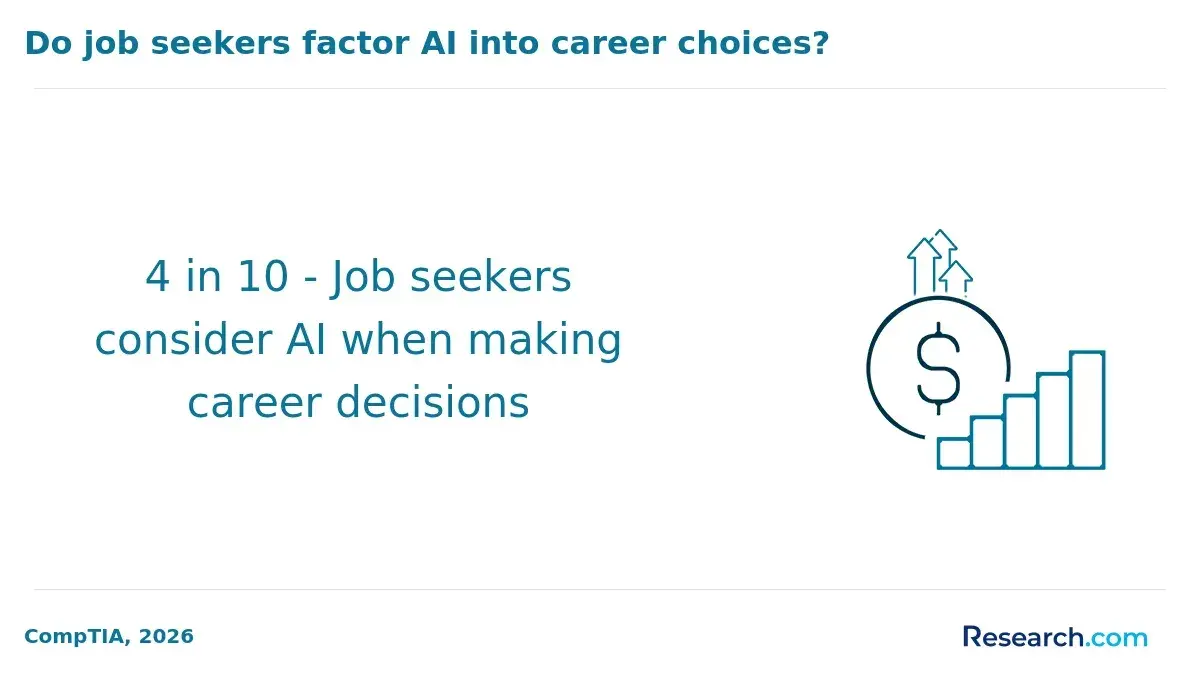
What AI skills do LinkedIn Learning courses teach for workplace adoption?
LinkedIn Learning courses equip professionals with critical AI skills for workplace adoption and digital transformation by focusing on practical knowledge such as data literacy and foundational machine learning concepts. Mastery of programming languages like Python and R supports building and customizing AI applications efficiently. Training also explores integration techniques using APIs and cloud-based AI services to automate routine tasks, boosting accuracy and reducing manual effort.
Specialized instruction in generative AI and prompt engineering prepares learners to design effective prompts, a skill increasingly valuable with a notable rise in recruiter interest, as reflected in LinkedIn Economic Graph data highlighting a 65% increase in InMail messages for those with prompt engineering expertise.
Business-focused AI applications include ethical considerations and bias mitigation, enabling professionals to responsibly deploy AI solutions and interpret AI-driven insights for improved decision-making. Skills in workflow automation, such as process mining and robotic process automation (RPA), further enhance operational scalability.
Courses emphasize AI model evaluation to ensure accuracy and robustness, with case studies spanning sectors like healthcare, finance, and marketing. Altogether, LinkedIn Learning supports individuals looking to apply artificial intelligence applications in business. Those pursuing broader education might also explore the best online cybersecurity degree programs of 2025 to complement AI expertise with critical security skills.
How do LinkedIn Learning AI courses compare with university AI training?
LinkedIn Learning AI courses differ notably from university AI programs in scope and audience. University AI education offers rigorous theoretical foundations, mathematical models, and a research-driven curriculum tailored for advanced technical roles. In contrast, LinkedIn Learning prioritizes practical skills, applied tools, and business-focused use cases, making it ideal for professionals without deep technical expertise. This distinction reflects the need highlighted in the IBM Global AI Adoption Index, where 72% of C-suite executives cited a lack of AI fluency among non-technical leaders as a barrier to scaling AI initiatives.
Key differences include:
- Universities emphasize algorithmic complexity, data science foundations, and AI ethics, often requiring prior coding and math skills.
- LinkedIn Learning focuses on AI applications such as automating workflows, interpreting AI outputs, and integrating AI into business processes.
- University programs usually span months or years, whereas LinkedIn Learning courses can be completed in hours or weeks, enabling faster upskilling.
For those considering AI education, understanding the benefits of online AI training compared to traditional university AI education can help align learning choices with career goals. Technical AI roles call for university-level study, while non-technical leaders gain from LinkedIn Learning's accessible content. Combining both approaches can foster continuous skill development.
Prospective students may also explore other related offerings like online cyber security courses to enhance their technology career pathways.
What credentials or certificates come with LinkedIn Learning AI courses?
LinkedIn Learning AI courses award certificates of completion that validate a learner's skills and can be showcased directly on a LinkedIn profile. These certificates demonstrate proficiency in areas like machine learning fundamentals, responsible AI practices, and AI-driven data analysis. Unlike formal industry certifications, LinkedIn Learning certificates serve as proof of self-paced education rather than official accreditation.
Employers view these certificates as evidence of continuous skill development, especially when supported by relevant project experience. For instance, earning a certificate in ethical AI frameworks may strengthen qualifications for roles focused on AI governance and compliance. Since many courses include expert-led tutorials and assessments, the certificates reflect both theoretical knowledge and practical application.
LinkedIn Learning certificates complement traditional credentials such as vendor certifications and university degrees, helping professionals stay current with rapidly evolving AI technologies. The platform's integration of course completion badges into the professional networking space enhances visibility to recruiters and peers, aiding career growth.
Responsible AI is increasingly important in business. Companies with mature responsible AI practices, including those engaging with LinkedIn Learning content, are 53% more likely to report significant financial benefits from AI use, according to Deloitte's 2024 State of AI in the Enterprise report. Displaying certificates in ethical AI fields can positively impact hiring and promotion decisions in organizations prioritizing responsible AI adoption.
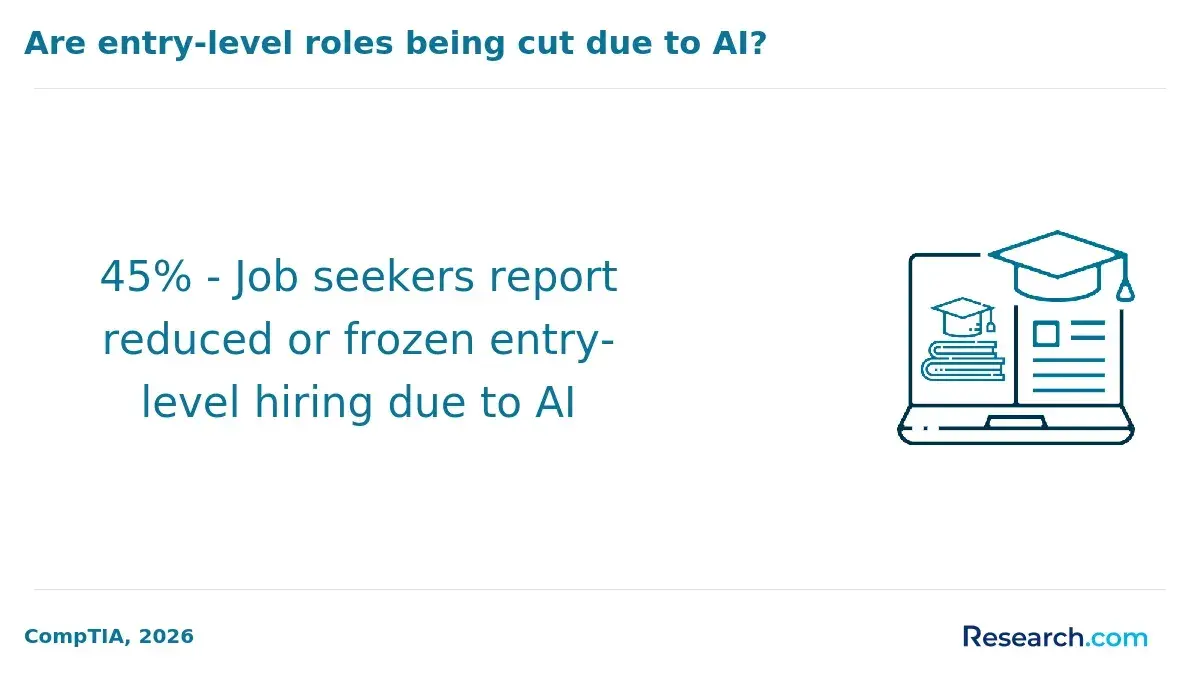
How much do LinkedIn Learning AI courses cost for individuals and teams?
LinkedIn Learning provides flexible AI course access through subscription plans tailored for individuals and organizations. Individual learners can subscribe monthly at $39.99 or annually at $299.88, unlocking unlimited courses ideal for building comprehensive AI skills over time. Most courses are bundled within these subscriptions, with fewer options for single course purchases.
For teams and enterprises, pricing scales with user count and administrative needs. Basic licenses start around $360 per user annually, offering extensive course access, progress tracking, and reporting tools. Larger companies often negotiate volume discounts and customized packages that support AI training at scale.
The growing emphasis on AI across industries highlights the value of these learning options. According to the 2024 MIT Sloan Management Review & BCG AI in Business report, by 2025, 60% of organizations in regulated sectors like healthcare and financial services will deploy AI use cases, up from 39% in 2022.
Individuals should consider their learning frequency: annual plans suit dedicated learners, while casual users may prefer monthly access. Teams benefit from exploring discounts, customized learning paths, and analytics to maximize training impact.
Ultimately, LinkedIn Learning's pricing and scalable solutions align with the evolving needs of both personal and professional AI education.
How long does it take to complete LinkedIn Learning AI courses?
LinkedIn Learning offers ai courses that vary significantly in length, typically from 1 to 15 hours. Introductory courses take about 1 to 3 hours and cover basic ai concepts and terminology, while more in-depth classes on topics like machine learning algorithms or MLOps can extend up to 15 hours. For instance, a neural networks course might last around 12 hours, whereas an AI ethics module could be just 2 hours.
These courses provide flexibility, ideal for working professionals and students balancing busy schedules. Many learners combine multiple classes to gain comprehensive knowledge, sometimes spending 20 to 30 hours over several weeks. Practical exercises and quizzes usually add 10-20% additional time beyond the video lessons.
With global spending on data infrastructure and ai platforms increasing by 28% year-over-year and reaching $154 billion according to IDC's Worldwide Artificial Intelligence and Analytics Spending Guide, fast, efficient learning is essential. Professionals seeking relevant, timely skills can benefit from LinkedIn Learning's just-in-time courses without extensive time commitments.
Course duration estimates are clear before enrollment, helping learners choose programs that fit their availability. This supports targeted upskilling whether for quick knowledge or sustained study paths.
Which LinkedIn Learning AI courses support business, marketing, and analytics roles?
LinkedIn Learning provides targeted AI courses for business, marketing, and analytics professionals seeking to integrate artificial intelligence into their workflows. For business leaders, courses like "AI for Business Leaders" focus on adopting AI strategically, helping managers understand its impact on operations and decision-making while emphasizing practical frameworks for AI-driven transformation and risk management.
Marketing professionals benefit from AI courses such as "Artificial Intelligence Foundations: Machine Learning" and "Marketing Tools: AI in Marketing". These classes teach leveraging AI for customer segmentation, predictive analytics, and personalized campaigns to enhance targeting accuracy and return on investment. They also cover AI-powered content creation and workflow automation to boost marketing efficiency.
Analytics specialists should explore courses like "Data Science and AI Foundations" and "Artificial Intelligence for Data Analysts". These programs introduce AI techniques, including natural language processing and predictive modeling, equipping professionals to extract meaningful insights from complex data and optimize reporting processes.
The Microsoft Work Trend Index Special Report highlights a 29% productivity gain and up to 60% faster task completion for knowledge workers using generative AI copilots, underscoring the practical value of acquiring AI skills. LinkedIn Learning's applied training supports measurable performance improvements across business, marketing, and analytics roles.
How can employers use LinkedIn Learning AI courses for workforce upskilling?
Employers can strategically upskill their workforce by using LinkedIn Learning AI courses tailored to specific job roles and business goals. Targeted learning paths focusing on machine learning fundamentals, data analysis, and natural language processing build practical skills that directly improve job performance.
Structured programs with clear milestones help track employee progress and identify skill gaps across teams. For example, marketing teams may emphasize ai-driven customer insights, while IT focuses on automating workflows using ai tools. This role-specific customization boosts relevance and retention.
Flexible, asynchronous learning formats accommodate diverse schedules and minimize downtime. Employers can promote course completion by linking results to performance reviews or project responsibilities, reinforcing real-world skill application.
- Workers completing at least one AI course reported a median 21% salary increase when changing jobs, compared to 12% without AI training, per data in Coursera's 2024 Global Skills Report.
- Encouraging peer collaboration around LinkedIn Learning content enhances knowledge sharing and innovation.
- Monitoring course analytics helps refine upskilling strategies by providing insights into engagement and skill development.
Effectively integrating LinkedIn Learning AI courses involves targeted course selection, alignment with daily job needs, performance incentives, and continuous progress monitoring, driving workforce readiness in an AI-driven economy.
How do you choose a credible AI learning path for career growth?
Select courses with structured, progressive content that start with foundational concepts before moving to specialized topics like machine learning, natural language processing, or AI ethics. Programs featuring hands-on projects or labs build practical skills necessary to apply theory in real-world settings.
Check the credentials of course providers. Reputable platforms collaborate with industry experts or academics, so look for instructor qualifications, endorsements, and learner reviews. Ensuring the curriculum includes tools and languages like Python, TensorFlow, or cloud AI services aligns you with current industry standards and boosts employability.
Choose flexible learning paths suited to your experience level and career goals. Some professionals may focus on AI for business applications, while others prioritize deep technical skills in neural networks. Paths that offer continuous skill updates are important because AI technology evolves rapidly.
Companies training over 70% of their workforce in AI are 3.4 times more likely to reach their AI transformation goals, according to PwC's 2024 Global AI Jobs & Skills Survey. This illustrates the value of comprehensive programs designed for organization-wide upskilling.
Career support such as mentorship, job placement help, and networking opportunities enhances the value of your learning investment and practical entry into AI roles.
Other Things You Should Know About Artificial Intelligence
In 2027, top LinkedIn Learning courses for AI adoption include "AI Foundations: Machine Learning Basics" and "Data-Driven Decision Making." These courses offer practical insights and techniques to effectively integrate AI into business processes, catering to both beginners and professionals.
Artificial intelligence can transform job roles by automating repetitive duties and enabling new tasks that require oversight and creativity. While some jobs may be displaced, AI also creates demand for skills in AI management, development, and maintenance. Reskilling and upskilling are essential for adapting to these changes in the workforce.
Ethical concerns in artificial intelligence include transparency, bias, privacy, and accountability. It is important to ensure AI systems are designed and used fairly, without discrimination, and protect user data. Organizations and developers must follow guidelines to maintain trust and social responsibility in AI deployment.
Beginners should start by understanding fundamental concepts like machine learning, data structures, and algorithms. Gaining basic programming skills, especially in Python, is highly beneficial. Structured online courses and hands-on projects help establish a practical foundation for further AI study and career development.
References
- Executives are spending on AI—but just 38% are actually training their workers on it https://www.cnbc.com/2024/03/06/linkedin-just-38percent-of-employers-provide-ai-training-to-workers.html
- LinkedIn Learning Pricing 2026: Costs, Discounts & Free Access https://www.outx.ai/blog/linkedin-learning-individual
- LinkedIn Learning Cost: Everything You Need to Know https://columncontent.com/linkedin-learning-cost-pricing-guide/
- OpenSkills AI vs LinkedIn Learning: AI Training 2026 https://open-skills.ai/vs/linkedin-learning
- AI career paths: 2026 job guide https://www.pluralsight.com/resources/blog/ai-and-data/ai-career-guide-2025
- Professional AI Training: How to Choose the Right Program https://www.strategicaileader.com/professional-ai-training-how-to-choose-the-right-program/
- 5Mins.ai vs LinkedIn Learning | Learning Platform Comparison https://www.5mins.ai/compare/5mins-ai-vs-linkedin-learning
- 7 Must-Know AI Tools for Learning and Career Growth https://zenvanriel.com/ai-engineer-blog/7-must-know-ai-tools-for-learning-and-career-growth/
- LinkedIn Learning Cost 2026: All Plans + Hidden Renewal Fees https://scrupp.com/blog/linked-in-learning-costs
- LinkedIn Learning Subscription Price 2025-2026: Full Cost Breakdown https://postiv.ai/blog/linkedin-learning-cost