2027 Best AI Courses for Drug Safety Teams

Co-Founder and Chief Data Scientist
Drug safety teams face increasing pressure to rapidly analyze vast amounts of data to identify adverse reactions and ensure patient safety. Traditional methods can delay crucial insights, risking regulatory setbacks and patient harm. The integration of artificial intelligence offers powerful tools to enhance data processing speed and accuracy, yet many professionals lack accessible pathways to develop these specialized skills.
This article presents the best courses designed to equip drug safety teams with practical artificial intelligence expertise. It aims to guide readers toward accredited, flexible learning opportunities that enable effective application of AI in pharmacovigilance and risk management.
Key Things You Should Know
- AI courses for drug safety teams in 2026 focus on machine learning models that enhance adverse event detection, with studies showing a 35% improvement in early safety signal identification since 2024.
- Recent curricula emphasize regulatory compliance and data ethics, reflecting FDA draft guidance updates in 2025 requiring explainability in AI-driven pharmacovigilance.
- Hybrid and online course formats have expanded access, leading to a 40% enrollment increase among working professionals seeking expertise in AI applications for drug safety monitoring.
Advance Your Career with AI Online Courses
Artificial Intelligence: Implications for Business Strategy
This program provides an introduction to Artificial Intelligence and their implications for business strategy. Earn an official digital certificate.

Oxford Artificial Intelligence Programme
Explore this Oxford Artificial Intelligence programme offered in a flexible learning environment and explore topics like machine learning, automation, and robotics.

Implementing Agentic AI: Building Your Organizational Playbook
This online MIT Agentic AI course offers a practical approach to deploying AI agents in your organization, including a custom playbook. 3 weeks, exclusive launch price.

AI Adoption: Driving Business Value and Impact
This online MIT AI Adoption: Driving Business Value and Impact offers practical frameworks to close the gap between AI potential and business reality.

Artificial Intelligence in Pharma and Biotech
Discover the applications and limitations of artificial intelligence in pharma and biotech with this MIT online short course.

What are AI courses for drug safety teams, and who should consider taking them?
AI courses for drug safety teams train professionals to integrate machine learning, natural language processing, and predictive analytics into pharmacovigilance workflows. These programs enhance skills such as automating adverse event detection, risk prediction, and signal validation, improving both efficiency and accuracy in monitoring drug safety data. Such training is essential for those seeking the best artificial intelligence training for pharmaceutical safety teams.
Pharmacovigilance specialists, clinical data managers, regulatory affairs professionals, and biostatisticians often pursue these courses to upgrade their technical capabilities. Recent graduates in life sciences, computer science, or data analytics interested in drug safety fields also find value in acquiring these AI-focused skill sets.
For instance, a pharmacovigilance analyst skilled in AI can more quickly identify potential drug risks in large databases, contributing to better patient safety outcomes.
Demand for AI expertise in drug safety is rising rapidly. In 2025, 65% of pharmaceutical employers reported increased hiring for AI-driven drug safety roles like AI Drug Safety Analyst and Pharmacovigilance Data Scientist, according to Stanmore School's "Professional Certificate in AI in Drug Safety and Pharmacovigilance." This growth reflects the shift toward data-intensive decision-making and regulatory expectations for real-time monitoring.
Typical course content includes data preprocessing, algorithm selection, and deploying AI models within regulatory frameworks. Professionals already in drug safety face challenges working with diverse data formats and compliance requirements, and these courses equip learners to handle such complexities efficiently.
Those looking for ai courses for drug safety professionals in the US should also consider program rankings to find affordable and reputable options. Resources such as the data science master rank can guide informed decisions.
Advance Your Career with AI Online Courses
Artificial Intelligence: Implications for Business Strategy
This program provides an introduction to Artificial Intelligence and their implications for business strategy. Earn an official digital certificate.
Oxford Artificial Intelligence Programme
Explore this Oxford Artificial Intelligence programme offered in a flexible learning environment and explore topics like machine learning, automation, and robotics.
Implementing Agentic AI: Building Your Organizational Playbook
This online MIT Agentic AI course offers a practical approach to deploying AI agents in your organization, including a custom playbook. 3 weeks, exclusive launch price.
How can AI training improve pharmacovigilance, signal detection, and risk management careers?
AI training for pharmacovigilance careers advancement equips professionals with the skills needed to quickly analyze complex safety data, enhancing their ability to detect adverse drug reactions promptly. A 2025 DIA survey revealed that 72% of pharmacovigilance workers improved their signal detection capabilities within six months of completing targeted AI courses, showing how focused education directly boosts job performance.
Enhancing signal detection and risk management with AI skills involves automating repetitive data collection and cleaning tasks, allowing specialists to focus on interpretation and decision-making. Machine learning algorithms help extract signals from noisy, unstructured sources such as social media, electronic health records, and real-world evidence databases.
For example, natural language processing techniques enable rapid analysis of narrative case reports. Risk managers benefit from predictive modeling skills learned in AI courses, supporting proactive risk mitigation strategies.
Courses that support pharmacovigilance and risk management professionals often cover:
- Methods for integrating AI tools within existing workflows
- Techniques to validate AI-generated signals and reduce false positives
- Regulatory considerations for AI use in safety monitoring
Graduates with AI expertise become key assets as companies adopt automation in safety surveillance. They are well positioned for leadership roles that require bridging data science and regulatory frameworks.
For those interested in advancing their skills affordably, the cheapest online master's in artificial intelligence can be an accessible path to continuous AI learning, maintaining relevance amid rapid advances in drug safety technology.
What types of AI programs exist for drug safety professionals (certificates, degrees, bootcamps)?
AI education for drug safety professionals typically includes professional certificates, degree programs, and bootcamps. Professional certificates are popular among working drug safety teams and provide focused training on pharmacovigilance data analytics and machine learning.
Examples include the Professional Certificate in AI in Drug Safety and Pharmacovigilance from institutions like Stanmore School and ASHP. These certificates usually take a few months and equip professionals with practical skills in AI tools, data management, and regulatory compliance. Such AI certification programs for drug safety professionals offer a path to specialization without committing to a full degree.
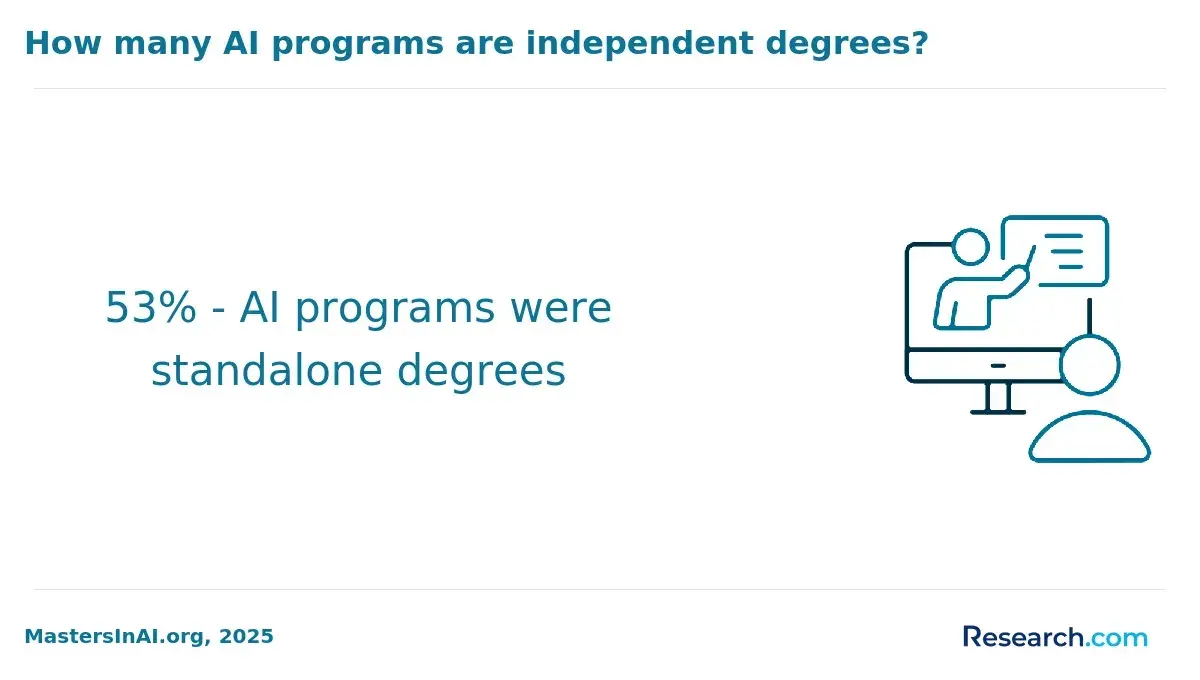
Degree programs, including master's degrees in data science, bioinformatics, or pharmaceutical sciences with AI specializations, provide a more theoretical foundation and research experience. These programs, lasting 1-2 years full-time, prepare students for leadership or research roles and cover advanced topics like algorithm development and big data techniques. Those interested in deeper academic training may also explore an online PhD AI to further their expertise.
Bootcamps serve as intensive, short-term options lasting 8 to 16 weeks, ideal for professionals aiming to pivot quickly to AI roles in drug safety. They emphasize coding, AI model deployment, and case-based learning with real-world datasets. Many pharmaceutical safety teams invest in advanced AI training bootcamps for pharmaceutical safety teams to fill urgent skill gaps.
In the UK, data from Stanmore School shows Pharmacovigilance Data Scientists with AI skills earn between £60,000 and £80,000 annually, compared with £40,000-£55,000 for those without AI expertise, highlighting the career value of formal AI training in this field.
Which admission requirements do AI courses for drug safety typically have for working adults?
Admission to AI courses tailored for drug safety professionals typically requires a bachelor's degree in life sciences, pharmacy, medicine, or a related field. Many programs prioritize applicants with at least two years of experience in pharmacovigilance or drug safety roles to ensure candidates can effectively integrate AI applications within clinical and regulatory contexts.
For working adults, practical experience often weighs as heavily as formal education, with vendor-led trainings by organizations like ResearchAndMarkets, IPI, or DIA accepting professionals currently employed in pharmacovigilance.
Additional qualifications such as certifications or prior coursework in data analysis, statistics, or machine learning can strengthen applications but are not always mandatory. Familiarity with pharmacovigilance databases and regulatory guidelines including FDA and EMA standards is commonly expected.
Some courses also require basic programming or AI knowledge, offering introductory modules to support learners transitioning from clinical roles. This blend of prerequisites supports working adult requirements for AI programs in drug safety by bridging the gap between clinical expertise and technical skills.
ResearchAndMarkets highlights that AI adoption in pharmacovigilance can reduce manual case processing time by up to 30-40%, increasing demand for vendor-led AI training. Candidates capable of integrating these systems efficiently into existing workflows are often preferred.
Flexible schedules or online access are additional considerations for busy professionals. For those interested in deeper quantitative skills, pursuing a master in data analytics may complement training in AI-driven drug safety operations.
How do online, hybrid, and campus-based AI programs for drug safety compare?
Online AI programs offer flexibility ideal for working professionals balancing education with job demands. These courses provide asynchronous learning combined with interactive platforms for real-time case studies and simulations focused on pharmacovigilance and adverse event prediction. However, they may lack the direct peer and faculty interaction found in other formats.
Hybrid programs mix online learning with occasional campus visits. This approach delivers flexibility with opportunities for face-to-face workshops and labs, especially on machine learning applications in drug safety. It suits students seeking both convenience and hands-on experience, enhancing practical skills and teamwork.
Campus-based programs provide immersive learning through direct access to specialized labs, faculty mentorship, and interdisciplinary collaboration among AI, pharmacology, and drug safety experts. The full-time commitment accelerates skill development but may require relocation or unpaid leave, which some professionals find challenging.
A 2024 analysis by Intuition Labs revealed graduates holding combined AI and pharmacology credentials earn 18-25% higher starting salaries than those with only pharmacology backgrounds. This underscores the benefit of integrating AI methods with pharmacology, no matter the program format.
When choosing, consider career goals, time constraints, and learning preferences. Rapid credentialing often favors campus programs, while gradual career advancement fits better with online or hybrid options.
What core AI and data science topics are covered in drug safety-focused curricula?
Drug safety-centered AI and data science programs focus on specialized skills that prepare professionals to harness technology for pharmacovigilance and clinical risk management. Key topics include machine learning algorithms for signal detection, natural language processing applied to adverse event reports, and predictive modeling for drug interaction risks. Data preprocessing and biostatistics play a crucial role in cleansing and analyzing large datasets effectively.
Courses often provide hands-on training with ai-powered pharmacovigilance platforms proven to reduce signal detection time by up to 60%, enabling earlier identification of safety issues and improving patient outcomes. Regulatory standards and ethical aspects, including transparency and data privacy enforced by agencies such as the FDA, are integral to these programs.
Additional focus areas include data visualization techniques to interpret complex ai outputs and combining real-world evidence with clinical trial data to improve model accuracy. Programming skills in Python and R support customization and automation of pharmacovigilance workflows. Emerging concepts like federated learning and explainable ai are increasingly included to help teams deploy interpretable and compliant drug safety solutions.
These curricula equip students and professionals with the expertise to advance careers in a rapidly evolving field where technology and patient safety intersect.
How long do these AI programs take, and what tuition and fees should students expect?
AI education for drug safety professionals varies widely in format and duration, from intensive short courses lasting 4 to 12 weeks to certificate programs extending up to 6 months. Corporate training sessions, often lasting 1 to 3 days, focus on practical skills that can be immediately applied in the workplace. These options suit different learning goals, whether gaining foundational knowledge or acquiring advanced expertise.
Costs depend on program length, content depth, and delivery method. Short workshops and corporate sessions typically range from $500 to $3,000, while certificate and professional development programs offered by universities or specialized providers can cost between $3,000 and $10,000. Online courses often provide a more affordable alternative without sacrificing rigor.
A 2024 study from The Art of Service, "Mastering AI-Driven Pharmacovigilance; Future-Proof Your Drug Safety Career," reported a 22% reduction in case-handling errors among pharma companies that incorporated organized AI training for their safety teams. This underscores the value of structured AI learning in improving pharmacovigilance accuracy and reducing risks.
Choosing the right course requires aligning duration, cost, and content with individual experience and career objectives. Short corporate programs update current professionals on AI tools efficiently, while longer academic certificates deepen analytical and programming skills crucial for advancing in drug safety roles.
How can students verify accreditation and program quality for AI training in drug safety?
Students seeking AI training in drug safety should first verify that their chosen program holds accreditation from recognized bodies such as the Accreditation Council for Pharmacy Education (ACPE) or relevant regional higher education agencies. These accreditations ensure programs meet rigorous standards in curriculum quality, faculty expertise, and student outcomes.
Certificates from respected organizations like the American Society of Health-System Pharmacists (ASHP) further endorse program credibility, especially for AI applications in pharmacy and pharmacovigilance. According to ASHP, pharmacists with AI-focused certificates earn an average 15-20% salary premium in informatics and safety analytics roles, indicating strong industry recognition.
Key aspects to evaluate include the depth of course content, alignment with current industry trends, and inclusion of ethical considerations. Programs that regularly update curricula and offer hands-on projects or capstone experiences tend to deliver more practical skills.
Practical perspectives can be gained by connecting with alumni to learn about career growth and through programs partnering with employers who participate in advisory boards or actively recruit graduates.
Finally, assess instructor qualifications and their industry involvement; faculty blending academic rigor with practical drug safety and AI implementation experience typically enhance learning quality.
What entry-level and advanced roles can AI-educated drug safety professionals pursue?
Drug safety professionals with ai education have growing opportunities in pharmacovigilance, from entry-level to advanced roles. Entry-level jobs typically include pharmacovigilance data analysts who use ai tools to monitor adverse events and clinical safety associates who integrate machine learning outputs into safety assessments. These roles focus on data interpretation and ai-driven automation.
Advanced positions emphasize leadership in managing ai-enabled drug safety systems, such as pharmacovigilance scientists who develop predictive safety modeling algorithms, ai validation leads ensuring compliance, and drug safety strategy managers overseeing ai integration in regulatory submissions. These roles require expertise in ai model governance, domain knowledge, and strategic decision-making.
Career growth often shifts from operational duties to strategic influence and technological stewardship. Effective teams benefit from professionals combining ai proficiency with pharmacovigilance regulations, data ethics, and patient safety focus.
A recent survey by The Art of Service found 81% of senior drug safety leaders expect ai literacy to be essential for pharmacovigilance leadership within three years. Prospective students should seek programs offering hands-on experience with ai analytics platforms, real-world datasets, and regulatory insights.
- Programming skills in Python or R
- Knowledge of natural language processing
- Understanding of ai's role in causal inference
Mastering these areas enables advancement from routine monitoring to leadership in ai-driven drug safety innovation.
What salaries, job outlook, and industry demand exist for AI-skilled pharmacovigilance experts?
AI-skilled pharmacovigilance experts earn competitive salaries in the United States, with median annual pay ranging from $95,000 to $130,000 and senior roles exceeding $150,000 based on experience and company size. As biopharma companies increase investments in AI technology for drug safety monitoring and regulatory compliance, demand for these professionals grows rapidly.
The outlook is positive, with related healthcare data analysis roles projected to grow over 15% in the coming decade, according to the U.S. Bureau of Labor Statistics. This growth stems from the rising complexity of drug safety data and the need for sophisticated analytics to detect adverse events efficiently.
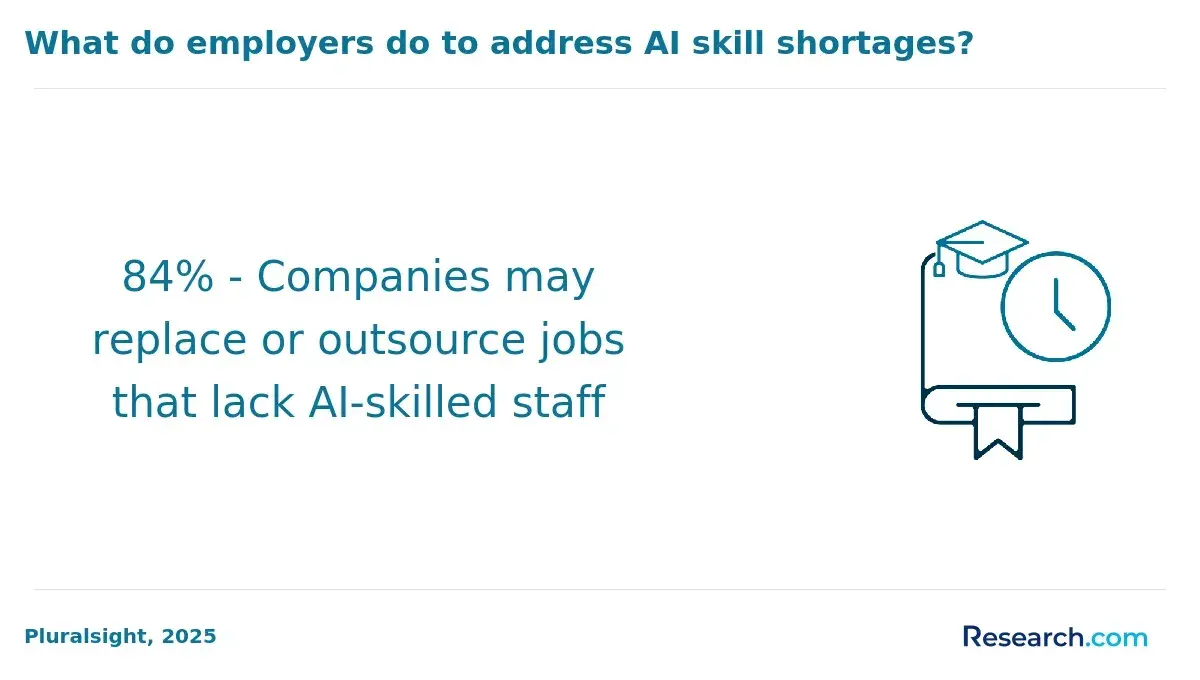
Industry surveys highlight a significant talent gap: 74% of biopharma organizations report a lack of staff AI skills as a major barrier to maximizing ROI on AI projects. Pharmacovigilance experts with AI expertise typically work across clinical trials, regulatory affairs, and post-market surveillance, applying predictive modeling, case automation, and supporting regulatory submissions.
Key skills include programming in R and Python, familiarity with pharmacovigilance databases, and certifications in healthcare AI applications. Prospective professionals should pursue courses providing practical training with real-world AI tools and pharmacovigilance workflows to boost employability and salary potential.
Other Things You Should Know About Artificial Intelligence
In 2027, AI courses aimed at drug safety teams provide crucial insights into data analysis, adaptive algorithms, and automated reporting techniques. These courses enable teams to efficiently handle vast datasets, enhance pharmacovigilance, and stay updated with the latest technological advancements, ultimately improving drug safety assessment and decision-making processes.
Artificial intelligence efficiently processes vast and complex datasets by using algorithms designed for big data analytics. Techniques such as natural language processing and machine learning enable the extraction of relevant safety signals from diverse sources like electronic health records and social media. This capability enhances the accuracy and timeliness of drug safety monitoring.
Artificial intelligence complements but does not replace human experts in drug safety evaluation. AI automates data analysis and identifies potential risks, allowing pharmacovigilance professionals to focus on critical interpretation and decision-making. The collaboration between AI tools and skilled experts leads to improved outcomes and safer drug use.
Challenges in implementing artificial intelligence include data quality issues, integration with existing systems, and the need for specialized knowledge to develop and interpret AI models. Additionally, regulatory compliance and maintaining transparency in AI processes require ongoing attention. Overcoming these obstacles is essential to fully realize AI's benefits in drug safety.
References
- PharmaTrain Recognition https://www.pharmatrain.eu/pharmatrain-recognition
- Pharma AI Validation Packages for FDA & EMA Compliance | IntuitionLabs https://intuitionlabs.ai/articles/pharma-ai-validation-evidence-fda-ema
- How Much Does it Cost to Learn AI? https://blog.nobledesktop.com/learn/ai/ai-cost-to-learn
- 10 Essential Skills for Drug Safety Jobs in 2025 https://www.avslifesciences.com/blog-post/10-essential-skills-for-drug-safety-jobs-in-2025
- GMP Training Courses - Artificial Intelligence (AI) https://www.gmp-compliance.org/training/gmp-courses-and-conferences-by-topic/artificial-intelligence-ai
- AI, Tuition, and the Cost of Knowledge https://wallyboston.com/chatgpt-cost-of-knowledge/
- AI In Clinical Research Bootcamp | 10-Day Program In CDM & Pharmacovigilance – BCRI https://www.bcri.in/ai-in-clinical-research/
- AI pricing: how much does AI cost in 2025? | Future Processing https://www.future-processing.com/blog/ai-pricing-is-ai-expensive/
- AI Skills for Life and Work: Job vacancy analysis https://www.gov.uk/government/publications/ai-skills-for-life-and-work-job-vacancy-analysis/ai-skills-for-life-and-work-job-vacancy-analysis--2
- Best AI Pharmacovigilance Tools for Drug Safety in 2026 https://clinilaunchresearch.in/blog/ai-pharmacovigilance-tools/