2027 Best AI Strategy Courses for Podcast Production Teams

Co-Founder and Chief Data Scientist
Podcast production teams often struggle to incorporate artificial intelligence strategies that enhance content quality and streamline workflow without disrupting creativity or increasing costs. Limited knowledge of AI's practical applications can lead to inefficient tools and missed opportunities for engagement and growth. Teams need tailored education that bridges the gap between technical AI concepts and their direct impact on podcast creation and distribution.
This article examines top AI strategy courses designed for podcast producers, focusing on accessible, accredited programs that empower professionals to integrate AI effectively and future-proof their productions in a competitive digital landscape.
Key Things You Should Know
- Leading ai strategy courses for podcast teams focus on integrating machine learning tools to streamline editing, optimize content, and enhance audience engagement, with 68% of users reporting productivity improvements in 2025.
- Courses emphasize practical skills in voice recognition and natural language processing, essential for automating transcription and improving show metadata accuracy, boosting discoverability by up to 40%.
- The trend toward hybrid learning models makes ai strategy courses accessible to working professionals, with 52% of enrollees in 2025 opting for part-time, online formats tailored to media production schedules.
Advance Your Career with AI Online Courses
Artificial Intelligence: Implications for Business Strategy
This program provides an introduction to Artificial Intelligence and their implications for business strategy. Earn an official digital certificate.

Oxford Artificial Intelligence Programme
Explore this Oxford Artificial Intelligence programme offered in a flexible learning environment and explore topics like machine learning, automation, and robotics.

Implementing Agentic AI: Building Your Organizational Playbook
This online MIT Agentic AI course offers a practical approach to deploying AI agents in your organization, including a custom playbook. 3 weeks, exclusive launch price.

AI Adoption: Driving Business Value and Impact
This online MIT AI Adoption: Driving Business Value and Impact offers practical frameworks to close the gap between AI potential and business reality.

Artificial Intelligence in Pharma and Biotech
Discover the applications and limitations of artificial intelligence in pharma and biotech with this MIT online short course.

What is an AI strategy course for podcast production teams and who should take it?
AI strategy courses for podcast production teams teach how to integrate artificial intelligence tools across creation, distribution, and monetization stages. These courses focus on using AI for content research, automated editing, personalized marketing, audience analytics, and optimized ad placement. This approach improves productivity and strengthens competitive positioning in the fast-growing podcast market.
Podcast teams seeking to use AI effectively include producers, editors, marketing managers, and content strategists. Editors, for example, can reduce manual audio cleanup time by up to 50% with AI-powered editing tools. Marketing professionals benefit from AI-driven audience segmentation to increase listener engagement. Entrepreneurs launching new podcasts can automate workflows and make data-driven decisions from the start.
Podcasting revenue in the U.S. is projected to reach $5.4 billion by 2027, nearly doubling from $2.3 billion in 2023 with a compound annual growth rate near 24%. Teams that do not adopt AI risk losing valuable ad dollars and market share, according to the Interactive Advertising Bureau's 2024 U.S. Podcast Advertising Revenue Study. Courses also discuss balancing automation with creative control and ensuring ethical AI use for content authenticity.
Participants gain actionable frameworks and skills tailored to their production scale and goals, positioning podcasts for sustainable growth. Access to updated data science rankings can guide further education choices, such as those listed at data science rankings.
Advance Your Career with AI Online Courses
Artificial Intelligence: Implications for Business Strategy
This program provides an introduction to Artificial Intelligence and their implications for business strategy. Earn an official digital certificate.
Oxford Artificial Intelligence Programme
Explore this Oxford Artificial Intelligence programme offered in a flexible learning environment and explore topics like machine learning, automation, and robotics.
Implementing Agentic AI: Building Your Organizational Playbook
This online MIT Agentic AI course offers a practical approach to deploying AI agents in your organization, including a custom playbook. 3 weeks, exclusive launch price.
How can AI strategy training improve workflows and content quality for podcast teams?
AI strategy training for podcast production workflow optimization significantly reduces turnaround times by automating routine tasks such as audio editing, transcription, and content tagging. This allows teams to focus more on creative elements like storyboarding and guest engagement. Smart editing tools powered by AI isolate background noise and refine speech patterns quickly, enhancing audio clarity without manual effort.
Improving podcast content quality with AI integration involves leveraging AI-driven audience analysis and trend detection to identify high-engagement themes and listener preferences. Teams trained in these skills can employ data-driven planning, producing more relevant episodes that boost audience retention. Additionally, AI-generated scripts help hosts prepare natural-sounding dialogues that balance spontaneity and structure effectively.
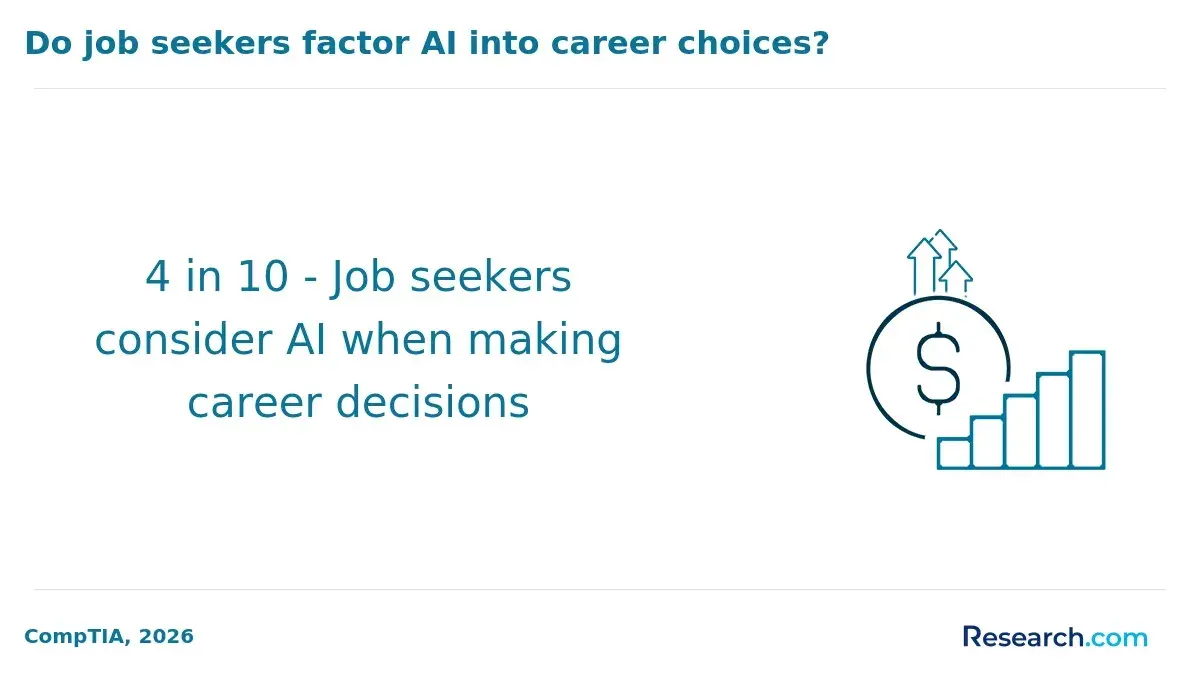
Teams also learn to implement AI-based personalization methods, such as dynamic ad insertion and customized show notes, enriching listener experience and monetization opportunities. These strategies encourage collaboration across production, marketing, and analytics. Given the 450% increase in job postings requiring generative AI skills in media and tech roles, proficiency in AI is increasingly vital.
For prospective students considering education options, understanding the mechanical engineering degree cost and how it compares to emerging AI career paths can guide investment decisions. Pursuing AI expertise provides a strong foundation for meeting evolving industry demands and enhancing creative production workflows.
What types of AI strategy programs exist for podcast producers, editors, and marketers?
AI strategy courses for podcast producers and editors focus on key workflow stages, enhancing efficiency across content creation, editing, and marketing. Courses centered on content creation and scripting help producers use AI tools for topic research, automated transcription, and script drafting. These trainings often cover natural language generation to quickly outline episodes or develop interview questions.
AI-driven solutions for audio editing and post-production equip editors with skills to apply machine learning for noise reduction, sound leveling, and automated cutting. This reduces manual editing time while maintaining audio quality, critical for increased productivity.
For marketers, AI strategy programs emphasize marketing and audience analytics that leverage predictive analytics and sentiment analysis to optimize podcast recommendations, targeted advertising, and audience engagement. Such programs ensure marketers can boost listener retention and tailor promotions effectively.
Many courses combine these aspects into comprehensive curricula, reporting up to 40% time savings on content creation and editing tasks, enabling teams to redirect focus toward creative work. Professionals interested in advancing their knowledge might explore options like online masters in data science to deepen their AI expertise.
Choosing programs aligned with specific roles is essential: producers benefit most from scripting-focused training, editors from mastering editing automation, and marketers from advanced analytics instruction. Hands-on experience with leading AI platforms ensures practical skills development across podcast production teams.
What core topics and tools do the best AI strategy courses for podcasts cover?
The core topics in ai strategy for podcast teams include scripting automation, where natural language processing is used to create or refine episode scripts, dramatically reducing manual effort. AI tools for podcast production workflow also cover advanced audio editing techniques using AI-driven platforms that remove background noise, balance audio levels, and suggest edits based on speech patterns.
Content personalization stands out as a valuable skill, teaching teams how to apply machine learning algorithms for tailored episode recommendations and targeted marketing. This is reinforced by data analytics fundamentals, enabling producers to analyze listener behavior and engagement-skills often enhanced through specialized programs such as a masters in data analytics.
Hands-on training involves mastering software like Descript for transcript-driven editing and Adobe Podcast Enhance for noise reduction and smart audio cleanup. Some courses integrate AI-driven voice synthesis tools, which allow for voiceovers without traditional recording sessions. According to McKinsey's 2024 update, automating creative tasks now occupies 20-30% of working hours for writers and content editors, easing scripting and post-production workflows significantly.
Ethical considerations are also addressed, including copyright concerns, voice impersonation risks, and transparency when using AI. By focusing on these areas, podcast production teams can improve efficiency while maintaining quality and creativity in their content.
How do online AI strategy courses for podcast teams compare with campus-based options?
Online ai strategy courses cater well to podcast production teams by offering flexibility and accessibility that campus programs may lack. Such courses enable professionals to learn while maintaining their production schedules and immediately apply AI tools like audience segmentation, predictive analytics, and content optimization. Conversely, campus-based courses provide structured environments and hands-on experiences, offering direct mentorship and networking advantages valuable for deeper technical learning or collaborative research.
Online programs also tend to update their curriculum more rapidly, reflecting the fast-paced developments in ai technologies relevant to podcasting. This includes integrating machine learning for audience retention metrics and natural language processing for transcription, often through real-time case studies. Many online platforms provide modular courses or micro-credentials, allowing teams to customize their education toward specific skills such as marketing analytics or workflow automation.
Campus courses typically require a full-time commitment and higher expenses but deliver immersive lab experiences. Online options, meanwhile, reduce costs and expand access to global instructors, enhancing educational diversity. Marketing teams using ai for advanced analytics report being 2.6 times more likely to achieve top-quartile revenue growth, highlighting the strategic value of these skills.
When choosing between online and campus ai education, consider factors like time availability, cost, depth of study, and the immediate applicability of AI tools within podcasting workflows.
How can I evaluate accreditation and instructor credentials for AI strategy programs?
Accreditation ensures an AI strategy program meets recognized academic and industry standards. For U.S. students, programs accredited by agencies approved by the U.S. Department of Education or the Council for Higher Education Accreditation (CHEA) provide credentials that carry professional value. Without such accreditation, degrees or certificates may be less meaningful for career advancement or continuing education.
Instructor credentials are equally important. Look for instructors with advanced degrees in computer science, data science, or business analytics combined with hands-on experience in podcast content creation using AI tools. For instance, instructors who have applied generative AI workflows that reduce content creation time by 60-70%, as reported by Boston Consulting Group in 2024, bring practical, actionable expertise.
Evaluate faculty profiles for evidence of ongoing research, publications, or case studies in generative AI and media production strategy. Partnerships with reputable industry organizations or research centers enhance program credibility. Also, verify instructors' up-to-date skills through involvement in current collaborations or research activities.
Consider class sizes and the balance between theory and applied learning, such as using AI-driven tools to repurpose long-form content for marketing campaigns. Alumni reviews and measurable productivity improvements in podcast teams serve as reliable indicators of instructional quality.
What are typical admission requirements and prerequisites for AI strategy courses?
Admission for ai strategy courses generally requires a bachelor's degree in business, computer science, engineering, or communications. Many programs expect prior knowledge of ai fundamentals, data analytics, or programming. Graduate-level courses may also ask for documented work experience in technology, media production, or project management, ensuring applicants align with podcast production teams.
Prerequisites often include proven skills in basic statistics and data interpretation. Candidates may need to complete preliminary modules or provide evidence of prior study in machine learning or digital media technologies. Advanced courses sometimes require familiarity with ai ethics and regulatory frameworks, reflecting the industry's focus on compliance and responsible ai use.
Training in ethical AI use is increasingly vital: 55% of companies adopting AI reported issues such as inaccuracy, intellectual property infringement, or privacy concerns, according to the IBM Global AI Adoption Index 2024. This highlights the importance of educational programs that emphasize legal and ethical safeguards in content workflows.
Admissions panels assess applicants' capacity to translate ai strategy into tangible content production improvements, valuing skills in cross-functional collaboration and adaptability to evolving ai tools. Many programs expect a portfolio or case study demonstrating understanding of ai-driven media challenges.
Bridging courses exist to help professionals without technical backgrounds but with relevant experience, allowing broader access to ai strategy education within podcast production fields.
How long do AI strategy courses for podcast professionals take and what do they cost?
AI strategy courses for podcast production teams vary in length and depth, from brief 4-6-hour workshops to detailed 6-12 week programs. Shorter courses typically provide an overview of AI applications and basic strategies, while longer formats offer hands-on experience with AI-assisted editing, content generation, and audience analytics. For instance, a 6-week course with twice-weekly sessions suits teams aiming to integrate practical AI skills into their workflow.
Costs for these courses depend on duration, content depth, and provider reputation. Entry-level workshops generally range from $300 to $500 per participant, whereas more comprehensive programs with mentoring and projects may cost between $1,200 and $3,500. Many providers offer tiered pricing and group discounts, making them accessible for podcast teams budgeting collectively.
There are self-paced online modules and live instructor-led sessions available. Self-paced courses tend to be more affordable but demand strong self-motivation, while instructor-led options provide essential personalized feedback, useful for applying advanced AI strategies effectively in podcast production.
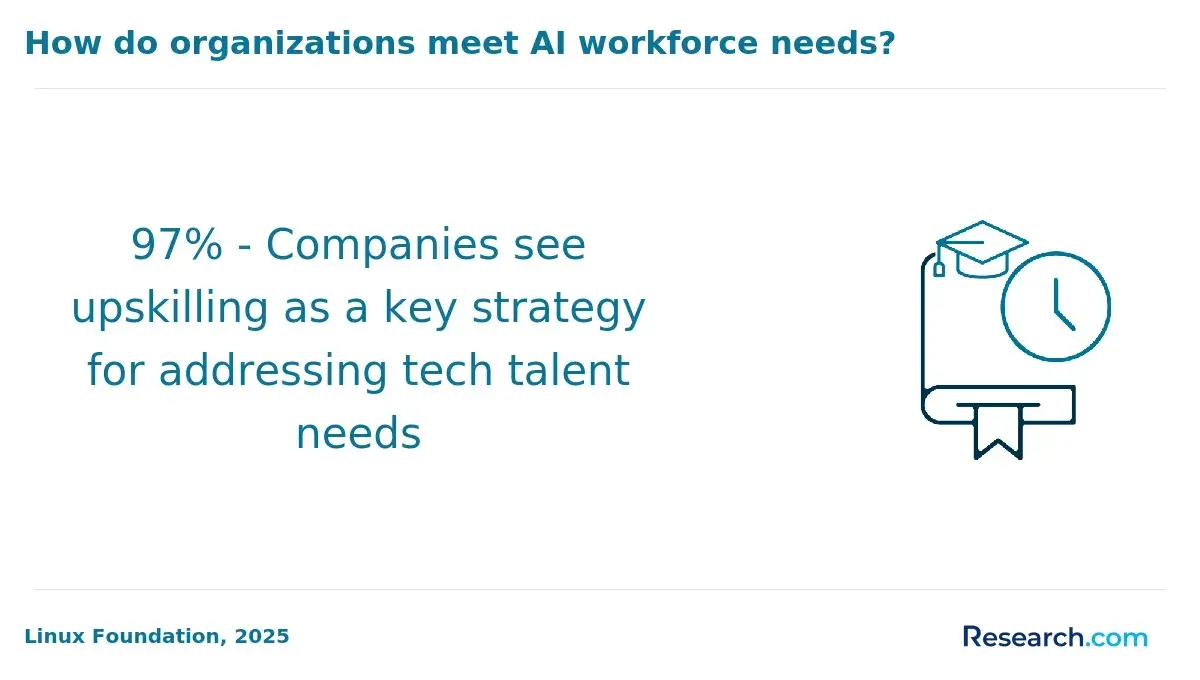
Studies like PwC's "Global Workforce Hopes and Fears Survey" from their AI Skills Supplement 2024 reveal that companies investing in employee AI training see productivity improvements of 20-30% and are 1.7 times more likely to reap significant financial gains. For podcast teams, this can mean faster editing workflows, enhanced content personalization, and smarter audience engagement strategies.
What career paths, roles, and freelance opportunities can AI-savvy podcast teams pursue?
Podcast production teams skilled in artificial intelligence can explore diverse career paths by combining content creation, editing, and data analytics expertise. Key roles include AI content strategists who streamline podcast workflows with generative AI tools to automate scripting and editing. Audio engineers with AI knowledge use machine learning to improve sound quality and speed up post-production.
Freelance opportunities expand with AI proficiency. For example, podcast editors using AI-driven software offer faster turnarounds by reducing manual tasks. AI consultants assist clients in integrating automation tools, enhancing content consistency and scalability. Content marketers leverage AI to develop promotional materials that boost audience engagement.
Programming and development roles focus on building custom AI models for voice recognition, sentiment analysis, and audience analytics, helping tailor content and support data-driven decisions. Podcast analytics specialists interpret AI insights to shape content strategies and advertiser targeting, a critical service as 59% of media teams report improved content quality due to AI use (HubSpot "State of Generative AI in Marketing & Sales" 2024).
With 92% of marketers producing more content using AI tools, the demand for professionals blending podcasting skills with AI fluency continues to rise. This hybrid expertise enhances career flexibility and value in the evolving podcast industry.
How does AI adoption in podcasting affect salary potential and long-term job outlook?
AI adoption in podcasting boosts salary potential and enhances long-term career prospects. Generative AI streamlines content creation, editing, marketing, and audience analysis, allowing podcast teams with AI skills to command higher salaries through increased productivity and technical expertise. According to McKinsey, generative AI could contribute $2.6 to $4.4 trillion annually to the economy by 2030, with media and entertainment-including podcasting-among the most transformed sectors.
Professionals integrating AI-driven tools in podcast production can deliver episodes faster and more personally, justifying pay premiums. Roles like AI-assisted sound engineering or data-driven marketing earn 15-25% more than traditional positions lacking AI skills.
The job market is shifting toward hybrid skill sets. Purely manual tasks such as basic editing risk automation and stagnant wages. However, mastering AI workflow design, content optimization, and ethical AI use strengthens job security and career growth.
- AI scripting assistance and audience engagement analytics expand strategic capabilities.
- Teams leveraging AI insights can negotiate better contracts and sponsorships.
- Education combining podcast production and AI applications is key for career sustainability.
As AI reshapes podcasting, professionals must develop both creative and technical expertise to remain indispensable in a competitive market.
Other Things You Should Know About Artificial Intelligence
In 2027, numerous affordable AI strategy courses cater to podcast production teams. Platforms like Coursera, edX, and Udacity offer specialized courses focusing on AI tools, scriptwriting automation, and analytics for podcasting, facilitating cost-effective learning experiences.
Yes, many AI strategy courses cover ethical issues such as data privacy, consent in using AI-generated content, and transparency with listeners when AI tools are involved. These discussions ensure podcast teams create content responsibly and comply with relevant legal standards.
AI tools streamline communication by automating routine tasks like transcription and scheduling, allowing teams to focus more on creativity and strategic planning. They also enable real-time collaboration through AI-enabled platforms that support shared editing and feedback processes.
Common challenges include the initial learning curve for complex AI tools, integration issues with existing software, and managing the cost of advanced AI solutions. Additionally, teams must stay updated with rapidly evolving AI technologies to maintain competitive advantages.
References
- Ultimate Guide: How to Choose the Right AI Training Course to Boost Your Career - ONLC https://www.onlc.com/blog/how-to-choose-ai-training-courses/
- The Best AI Training Courses for HR, Managers, and Employees in 2026 | Article | Lattice https://lattice.com/articles/ai-training-courses-for-every-team
- What are the requirements for completing the Introduction to AI and Building AI courses? https://www.elementsofai.com/ie/faq/what-are-the-requirements-for-completing-the-introduction-to-ai-and-building-ai-courses
- Digital Education Council | Certificate in AI for Higher Education https://www.digitaleducationcouncil.com/digital-education-council-certificate-in-ai-for-higher-education
- 5 AI Tools to Transform Your Podcast Production & Marketing Process - DigitalMarketer https://www.digitalmarketer.com/blog/ai-podcast-marketing/
- A Different Way to Think About AI and Assessment, with Danny Liu – Teaching in Higher Ed https://teachinginhighered.com/podcast/a-different-way-to-think-about-ai-and-assessment/
- 16 Artificial Intelligence Career Paths https://www.calmu.edu/news/artificial-intelligence-career-paths
- AI’s impact on Europe’s job market: A call for a Social Compact https://www.epc.eu/publication/ais-impact-on-europes-job-market-a-call-for-a-social-compact/
- Smarter, Not Harder: A Guide to AI Podcasting Tools and Workflows - Official Libsyn Blog https://libsyn.com/blog/smarter-not-harder-a-guide-to-ai-podcasting-tools-and-workflows/
- Using AI at Work: AI in the Workplace & Generative AI for Business Leaders https://podcasts.apple.com/us/podcast/using-ai-at-work-ai-in-the-workplace-generative-ai/id1724086897