2027 Best AI Courses for Graduate Students

Co-Founder and Chief Data Scientist
Graduate students from unrelated fields often struggle to find credible, flexible options to transition into the Artificial Intelligence industry. Many programs require extensive prerequisites or rigid schedules that do not accommodate professional commitments. This gap can delay career advancement or deter capable learners from entering the field. Navigating the vast landscape of AI courses adds to the confusion, especially when assessing program quality and accreditation.
This article evaluates the best AI courses designed for graduate students seeking accessible, accredited, and practical pathways. It aims to guide readers toward informed decisions that streamline their career pivot effectively and confidently.
Key Things You Should Know
- Top AI courses for graduate students in 2026 emphasize applied machine learning, ethical AI, and natural language processing, aligning with industry demands with 35% job growth expected by 2030.
- Leading programs integrate hands-on projects using real-world data, boosting practical skills and employability in sectors like healthcare, finance, and autonomous systems.
- Many courses offer flexible online and hybrid formats, making advanced AI education accessible nationwide, crucial as 60% of AI professionals pursue continuous learning to stay current.
Advance Your Career with AI Online Courses
Artificial Intelligence: Implications for Business Strategy
This program provides an introduction to Artificial Intelligence and their implications for business strategy. Earn an official digital certificate.

Oxford Artificial Intelligence Programme
Explore this Oxford Artificial Intelligence programme offered in a flexible learning environment and explore topics like machine learning, automation, and robotics.

Implementing Agentic AI: Building Your Organizational Playbook
This online MIT Agentic AI course offers a practical approach to deploying AI agents in your organization, including a custom playbook. 3 weeks, exclusive launch price.

AI Adoption: Driving Business Value and Impact
This online MIT AI Adoption: Driving Business Value and Impact offers practical frameworks to close the gap between AI potential and business reality.

Artificial Intelligence in Pharma and Biotech
Discover the applications and limitations of artificial intelligence in pharma and biotech with this MIT online short course.

What makes an AI course at the graduate level rigorous, relevant, and up to date?
A graduate level artificial intelligence course curriculum must blend rigorous theory with meaningful practical application. Such programs demand a solid foundation in mathematics and algorithms, including optimization, probabilistic models, and neural networks. Proficiency in programming languages like Python, alongside frameworks such as TensorFlow or PyTorch, is essential for students to design and test AI models effectively.
Graduate students benefit from AI programs that stay relevant to industry needs, using real-world datasets, case studies, and projects from fields like healthcare, autonomous systems, and natural language processing. These rigorous and relevant AI programs for graduate students often include partnerships with industry, internships, and access to current research publications, keeping content fresh and applicable.
Curricula typically update every one to two years to incorporate breakthroughs like transformer architectures and advances in reinforcement learning. Hands-on experience with cloud computing and scalable AI deployments prepares students to work on modern infrastructures. Courses frequently offer electives focused on ethics, fairness, and AI policy, addressing the broader social aspects of AI technology.
Employers highly value these program elements. A Burning Glass Institute analysis found that U.S. job postings requiring "machine learning" skills offer an 18-20% median salary premium over comparable tech roles without this expertise. Prospective students can consult the data science ranking to identify affordable programs that align with their career goals and educational needs.
Advance Your Career with AI Online Courses
Artificial Intelligence: Implications for Business Strategy
This program provides an introduction to Artificial Intelligence and their implications for business strategy. Earn an official digital certificate.
Oxford Artificial Intelligence Programme
Explore this Oxford Artificial Intelligence programme offered in a flexible learning environment and explore topics like machine learning, automation, and robotics.
Implementing Agentic AI: Building Your Organizational Playbook
This online MIT Agentic AI course offers a practical approach to deploying AI agents in your organization, including a custom playbook. 3 weeks, exclusive launch price.
Which universities offer the best graduate-level AI courses and specializations in the US?
Top US universities offering the best graduate AI courses include Stanford University, Massachusetts Institute of Technology (MIT), Carnegie Mellon University, and the University of California, Berkeley. These institutions provide rigorous curricula that cover core AI theories, machine learning, and deep learning techniques crucial for building production-ready AI systems. The top US universities offering AI specializations for graduate students emphasize different strengths: Stanford focuses on deep learning, computer vision, and natural language processing with support from the Stanford AI Lab. MIT highlights algorithmic foundations and robotics alongside interdisciplinary projects connecting AI with economics and healthcare.
Carnegie Mellon's practical approach integrates AI with autonomous systems and human-AI interaction frameworks, while UC Berkeley offers courses on AI ethics, reinforcement learning, and scalable machine learning pipelines. According to the 2024 IEEE Global AI Survey, 72% of AI-focused companies now use deep learning models in production, a rise from 58% in 2022. This underscores the value of hands-on experience with frameworks like TensorFlow and PyTorch that many graduate AI courses prioritize.
When selecting programs, prospective students should consider faculty expertise, research output, and strong industry links that enhance internships and job placement. Universities tied to tech hubs often provide superior networking and access to real-world AI challenges.
Additionally, some graduate programs offer joint degrees combining artificial intelligence with data science, policy, or business analytics to increase career flexibility. Those exploring affordable options may find the best online AI degree programs helpful for comparison and planning.
How do standalone AI graduate certificates compare with full master's programs in AI?
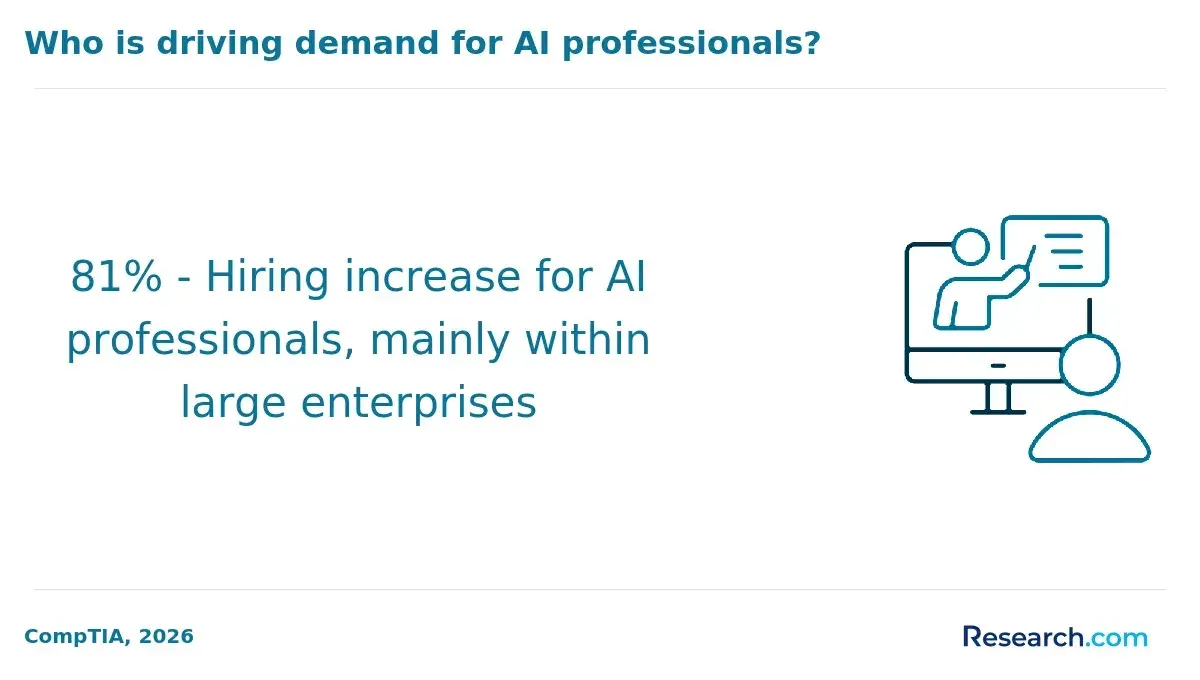
Standalone AI graduate certificates offer a focused curriculum designed for rapid skill acquisition, typically requiring six months to one year of study. These certificates emphasize practical, current technologies such as machine learning frameworks, generative AI, and natural language processing. In contrast, full master's programs in AI provide a comprehensive education including theoretical foundations, research methodologies, and often a thesis, lasting around two years. This comparison of standalone AI graduate certificates and master's programs highlights different paths depending on career needs.
Graduate certificates appeal to students and professionals aiming to quickly enter or pivot within the AI workforce. Demand for skills like generative AI and large language model expertise surged by 282% globally in one year, according to the World Economic Forum's 2024 Future of Jobs Report. Certificates tend to be more affordable and flexible, often available online or part-time, making them accessible for working students. However, they may lack the depth required for research, product leadership, or academia. Benefits of AI certificate programs versus master's degrees include faster completion and lower cost, which suits applied AI roles.
Master's programs excel at building a broad and deep AI knowledge base for advanced roles needing algorithmic theory, data ethics, and system design. These programs often include access to faculty-led research and industry collaborations, valuable for those targeting research scientist or engineer positions at leading tech firms. Students should consider program rigor, industry connections, and credential recognition when selecting a path.
For those exploring educational options, programs like game design online provide examples of flexible online delivery models that may mirror those found in some AI certificate offerings.
What core topics and skills should the best graduate AI courses cover?
Graduate AI courses should focus on core topics such as machine learning algorithms and deep learning techniques to equip students with practical skills. Essential areas include foundational knowledge of natural language processing, data preprocessing, feature engineering, and model evaluation metrics to align with current industry needs.
Courses often emphasize MLOps, reflecting findings from a 2024 Deloitte report which showed organizations with mature MLOps practices realize a 3.5× higher rate of successful AI deployments. This includes training on deployment strategies, continuous integration and delivery (CI/CD), and scalable model monitoring.
Students also develop proficiency in AI ethics, fairness, and explainability to address societal and regulatory priorities. Hands-on experience with large datasets, cloud computing platforms, and programming languages like Python-with frameworks such as TensorFlow or PyTorch-is critical.
Further skill development involves problem-solving in optimization, reinforcement learning, probabilistic modeling, and exposure to interdisciplinary fields like computer vision and robotics. Specific competencies graduates should master include:
- Designing and tuning neural networks and ensemble methods
- Development and deployment of scalable AI pipelines
- Implementing robust validation and testing for model generalization
- Addressing data bias and interpretability challenges
- Using version control and automated workflows for reproducibility
These comprehensive skills prepare graduates not only to innovate but to implement AI solutions reliably and responsibly. For those interested in related fields, exploring masters data analytics programs can provide complementary expertise.
How do online, hybrid, and on-campus AI graduate courses differ in quality and experience?
Online, hybrid, and on-campus AI graduate courses offer distinct experiences that impact learning quality and career readiness. Online programs provide flexibility for working professionals but often lack immediate hands-on lab access and real-time collaboration, which can hinder networking and problem-solving skills.
Hybrid courses blend online lectures with periodic in-person sessions, giving students access to research labs and real-world projects that enhance practical skills while retaining convenience. These formats are ideal for those seeking balance between study and other commitments.
On-campus courses deliver the most immersive environment with direct faculty interaction, live workshops, and peer collaboration crucial for mastering complex algorithms, especially in technical AI fields. Campuses also host seminars, hackathons, and internships connected to industry partnerships that foster innovation.
Curriculum rigor and instructor expertise vary, with top-tier universities often offering hybrid or on-campus courses taught by industry leaders. Fully online programs may emphasize accessibility but sometimes at the expense of depth. Accreditation and faculty credentials remain key for assessing program quality.
According to Robert Half's 2024 Technology Salary Guide, data scientists with advanced AI/ML skills earn 27% more than those without. This underscores the value of selecting programs that thoroughly develop these skills, which can influence career outcomes.
What accreditation and institutional quality indicators matter for graduate AI programs?
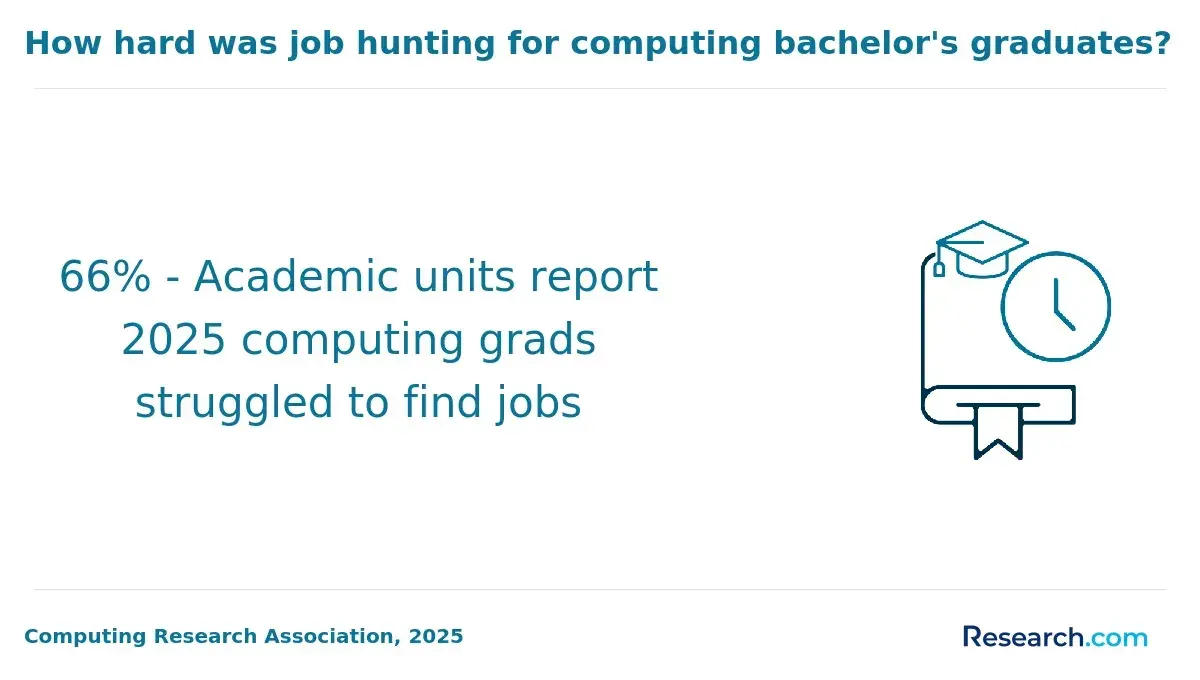
Accreditation plays a key role in evaluating graduate AI programs. Regional accreditation ensures institutions meet educational standards, while program-specific certifications like ABET for engineering and computer science signal curricula that align with both industry and academic expectations. These accreditations help validate program quality and relevance.
Faculty expertise is equally important. Programs with professors publishing in respected AI journals or leading funded projects demonstrate active engagement with cutting-edge research. Partnerships with industry and internship opportunities provide essential practical experience, preparing students for competitive careers.
Graduate programs at universities highly ranked in research funding-such as from the NIH or NSF-often offer enhanced resources, including advanced labs and large datasets. This infrastructure is critical, especially considering the growth in AI spending in healthcare and life sciences projected by the 2024 IDC Worldwide AI Spending Guide, with a 32.9% compound annual growth rate expected through 2027.
Curricula should cover core AI topics like machine learning and ethical AI, along with domain-specific applications. Flexibility through electives or collaboration with business, ethics, or data science departments adds value and adaptability to evolving industry needs.
- Check for regional and ABET accreditation
- Evaluate faculty's research and industry connections
- Consider programs at research-intensive universities
- Focus on curricula including ethics and domain applications
What are typical admissions requirements for top graduate-level AI courses and programs?
Top graduate programs in artificial intelligence typically require a bachelor's degree in computer science, engineering, mathematics, or a related STEM field, often with a minimum GPA of 3.0. Standardized tests like the GRE may still be requested by some schools, particularly emphasizing strong quantitative scores, though many programs have relaxed this requirement.
Applicants must usually submit letters of recommendation from academics or professionals who can attest to their technical skills and research potential. A solid foundation in algorithms, linear algebra, probability, and programming is essential. Experience with machine learning frameworks or coding projects is often necessary. Some programs ask for a statement of purpose to clarify research interests and career goals within artificial intelligence, aiding selection committees in matching candidates with faculty expertise.
Relevant work experience, internships, or published research can set candidates apart. Hands-on exposure to AI-enabled automation aligns well with industry trends, as highlighted by the IFR World Robotics 2024 report, which notes a 19% growth in operational industrial robots globally. International applicants generally need to demonstrate English proficiency through TOEFL or IELTS scores.
Many competitive programs also conduct interviews to evaluate problem-solving abilities and motivation. These combined factors ensure that candidates possess the readiness and skills needed for advanced AI coursework and research challenges.
How long do graduate AI programs take, and what do they usually cost?
Graduate ai programs usually span 1.5 to 2 years full-time, with master's degrees focusing on core ai concepts, machine learning, and elective specializations. PhD programs typically last 4 to 6 years and emphasize deep research and original contributions. Some institutions also offer part-time or accelerated options to accommodate working professionals.
Costs vary greatly depending on the type of school and residency status. Public universities may charge between $20,000 and $40,000 annually for in-state graduate tuition, while private institutions often exceed $50,000 per year. Online programs can provide more affordable routes, sometimes costing between $15,000 and $30,000 in total. Additional expenses may include lab fees, software licenses, and resources, which could add thousands of dollars to the overall cost.
Demand for expertise in ethical ai is rapidly growing. A recent Gartner survey highlighted that 74% of large enterprises intend to appoint AI governance or ethics leads by 2026, a substantial increase from 21% the previous year. This trend makes it important for prospective students to consider courses covering ai ethics and governance when selecting programs, as these areas offer promising career opportunities.
Candidates should weigh program length, cost, and specialization against their career goals. Those aiming for leadership roles in ai policy might prefer programs with strong ethics content, while working professionals may favor flexible online or part-time study options.
- Full-time master's programs: 1.5 to 2 years, $20,000-$50,000 per year
- PhD programs: 4 to 6 years, costs vary significantly
- Online/part-time options: often 1 to 3 years, $15,000-$30,000 total
What careers, roles, and industries do graduate AI courses best prepare students for?
Graduate AI courses equip students for diverse roles where data-driven decision-making and automation are essential. Popular career paths include AI research scientist, machine learning engineer, data scientist, and AI product manager. These roles demand skills in designing, developing, and deploying AI models to tackle complex challenges. Industries like healthcare, finance, automotive, and technology have a strong need for these capabilities.
According to McKinsey's 2024 Generative AI and the Future of Work report, approximately 75% of the economic value from generative AI comes from customer operations, marketing and sales, software engineering, and research and development (R&D). This emphasizes the growing relevance of cross-disciplinary roles involving backgrounds in business, psychology, or engineering, where professionals apply AI tools to improve workflows and foster innovation.
Examples of AI career applications include marketing analytics specialists using natural language processing for campaign personalization, software engineers integrating machine learning algorithms into scalable systems, and R&D professionals driving innovation through AI-based technologies. Customer operations roles leverage AI for service automation and enhanced customer interactions.
Emerging hybrid positions like AI ethicist, AI policy advisor, and AI consultant blend technical expertise with sector-specific knowledge. Prospective students should seek programs that emphasize hands-on experience with real-world data and encourage interdisciplinary collaboration to address evolving industry demands.
What is the salary outlook and job demand for graduates with advanced AI training?
Graduates with advanced AI training experience considerably stronger salary growth and job opportunities than those holding only undergraduate degrees. The National Association of Colleges and Employers (NACE) 2024 Salary Survey reports that U.S. master's graduates in computer science and AI-related fields start with an average salary of $118,400-around 31% higher than bachelor's degree holders in the same disciplines. This pay disparity highlights the premium employers assign to specialized AI expertise.
Job openings in AI and machine learning are expanding rapidly across industries like technology, healthcare, finance, and manufacturing. Employers increasingly seek professionals proficient in deep learning, natural language processing, computer vision, and data engineering. Roles such as AI research scientist, machine learning engineer, and data scientist are among the most in-demand with competitive pay.
Advanced AI education also facilitates entry into leadership and research roles involving complex algorithms and large-scale system design. Graduates frequently take on positions shaping AI strategy or developing cutting-edge AI models, which enhances marketability and earning potential.
To strengthen their profiles, job seekers should pursue hands-on experiences through internships or projects involving emerging technologies like reinforcement learning or ethical AI. Certifications further bolster credibility in a competitive talent market.
Key drivers of demand and salary growth include expanding AI adoption, industry-specific customization, and a talent shortage capable of applying AI theory to practical solutions.
Other Things You Should Know About Artificial Intelligence
Math knowledge is crucial in graduate-level AI courses, as concepts like linear algebra, calculus, and probability underpin most AI algorithms. A solid foundation in these areas is essential for grasping advanced material and engaging in meaningful research or projects in 2027.
Students typically engage in projects involving machine learning model development, data analysis, natural language processing, computer vision, and reinforcement learning. These projects often require applying theoretical concepts to real-world datasets and solving complex problems through experimentation and coding.
Graduate AI courses generally expect some background in computer science or related fields but vary in prerequisites. Professionals without prior AI experience can succeed if they meet foundational requirements and are willing to commit to intensive study in programming and mathematical concepts early in the program.
References
- Artificial intelligence and society https://psl.eu/en/education/master-s-degree-artificial-intelligence-and-society
- Top AI Courses After 12th to Kickstart Your Tech Career https://www.msruas.ac.in/blog/lead-the-future-of-artificial-intelligence-with-top-ai-courses-after-12th
- Choosing a master’s degree: data science or artificial intelligence | edX https://www.edx.org/resources/choosing-a-masters-degree-data-science-or-artificial-intelligence
- Which Course do you recommend after AI For Everyone? https://community.deeplearning.ai/t/which-course-do-you-recommend-after-ai-for-everyone/834556
- List https://www.datacamp.com/fr/blog/best-ai-courses
- Blog https://admissiongoals.com/post/ai-machine-learning-programs-europe-admission-guide-international-students
- Evaluating the Impact of Institutional Accreditation on Armenian Universities: An AI-Assisted Text Analysis Approach https://www.eua.eu/publications/conference-papers/evaluating-the-impact-of-institutional-accreditation-on-armenian-universities-an-ai-assisted-text-analysis-approach.html
- What Can Students Expect to Learn in AI Courses? | University of Bridgeport https://www.bridgeport.edu/news/ai-course-expectations/
- Hybrid Programs- Which Students Want Them? https://encoura.org/resources/wake-up-call/hybrid-programs-which-students-want-them
- Best AI Graduate Certificates - AIDegreePrograms.org https://aidegreeprograms.org/rankings/best-ai-graduate-certificates/