2027 Best LSE AI Courses for Non-Technical Professionals

Co-Founder and Chief Data Scientist
Many professionals with non-technical backgrounds struggle to break into the artificial intelligence field due to complex prerequisites and unclear pathways. Traditional programs often prioritize coding skills and technical expertise, leaving those from unrelated fields at a disadvantage. This gap limits career growth opportunities despite high demand for diverse skill sets in AI applications.
Navigating course options can be overwhelming without guidance on which programs offer relevant, accessible education suited for beginners. This article explores accessible LSE AI courses designed for non-technical professionals, providing clear insights to support a successful transition into the artificial intelligence industry.
Key Things You Should Know
- London School of Economics offers tailored AI courses for non-technical professionals, focusing on strategic, ethical, and economic impacts of artificial intelligence in business and policy.
- These courses emphasize practical skills, with 68% of 2025 graduates reporting improved decision-making abilities in AI-related organizational roles.
- The curriculum integrates interdisciplinary approaches, reflecting the 45% industry growth in AI applications demanding cross-functional expertise beyond coding.
Advance Your Career with AI Online Courses
Artificial Intelligence: Implications for Business Strategy
This program provides an introduction to Artificial Intelligence and their implications for business strategy. Earn an official digital certificate.

Oxford Artificial Intelligence Programme
Explore this Oxford Artificial Intelligence programme offered in a flexible learning environment and explore topics like machine learning, automation, and robotics.

Implementing Agentic AI: Building Your Organizational Playbook
This online MIT Agentic AI course offers a practical approach to deploying AI agents in your organization, including a custom playbook. 3 weeks, exclusive launch price.

AI Adoption: Driving Business Value and Impact
This online MIT AI Adoption: Driving Business Value and Impact offers practical frameworks to close the gap between AI potential and business reality.

Artificial Intelligence in Pharma and Biotech
Discover the applications and limitations of artificial intelligence in pharma and biotech with this MIT online short course.

What are the best LSE AI courses for non-technical professionals?
The best LSE artificial intelligence courses for non-technical professionals emphasize practical use, ethics, and strategic decision-making over coding. Programs like LSE's "Artificial Intelligence and Society" provide managers and policymakers with an in-depth exploration of AI's societal impact, governance, and ethical frameworks. Similarly, "Data Analytics for Business" blends AI-driven insights with real-world case studies to help marketing, finance, and HR professionals utilize AI tools without programming knowledge.
The top London School of Economics AI training for business and management aligns with the UK Government's 2024 "Digital Skills Gap" report, which highlights the vast economic potential of AI adoption in non-technical roles-projecting over £331 billion in GDP growth by 2030. This stresses the importance of AI literacy beyond IT departments, focusing on strategy, ethics, and business intelligence tailored for business professionals.
Flexible options such as evening and online classes accommodate working professionals, while short executive programs like "AI for Business Leaders" offer rapid upskilling in weeks. These courses combine core AI fundamentals with sector-specific case studies and practical exercises, such as customer engagement analytics and risk assessment, bridging theoretical and applied knowledge. For those interested in exploring the field further or pursuing various career paths, understanding what is applied artificial intelligence can offer valuable guidance on career possibilities related to AI expertise.
Advance Your Career with AI Online Courses
Artificial Intelligence: Implications for Business Strategy
This program provides an introduction to Artificial Intelligence and their implications for business strategy. Earn an official digital certificate.
Oxford Artificial Intelligence Programme
Explore this Oxford Artificial Intelligence programme offered in a flexible learning environment and explore topics like machine learning, automation, and robotics.
Implementing Agentic AI: Building Your Organizational Playbook
This online MIT Agentic AI course offers a practical approach to deploying AI agents in your organization, including a custom playbook. 3 weeks, exclusive launch price.
What AI skills do non-technical professionals need?
Non-technical professionals engaged with artificial intelligence initiatives need a blend of strategic, analytical, and communication skills. A foundational grasp of AI concepts such as machine learning, natural language processing, and data ethics helps these professionals interpret AI outputs, assess risks, and make informed decisions without deep technical knowledge. This is especially relevant for those seeking lse ai courses for non-technical professionals in London, where applying such skills bridges gaps between technology and business goals.
Essential AI skills for non-technical professionals in the UK include:
- Data literacy: Understanding and questioning AI-driven insights.
- AI ethics and governance: Navigating ethical guidelines related to bias, privacy, and transparency.
- Problem framing: Translating business challenges into technical questions.
- Change management: Leading workforce adoption and communicating AI's impact.
- Collaboration with AI specialists: Facilitating effective teamwork with technical experts.
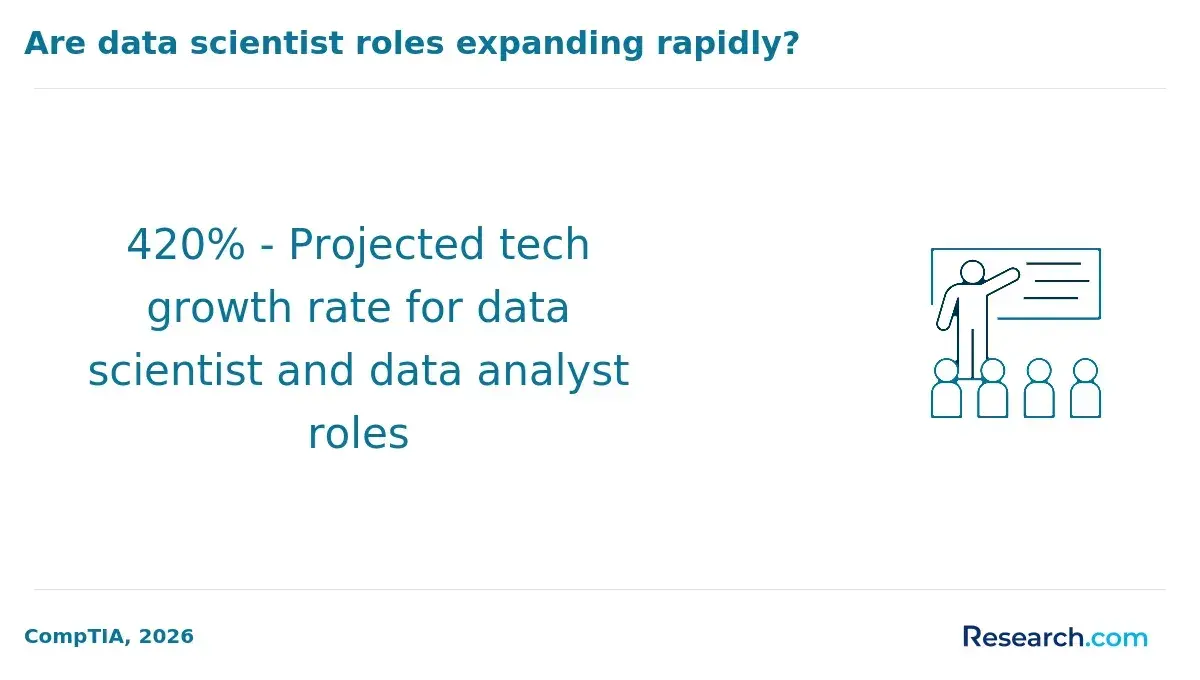
Developing these competencies enhances the ability to drive AI strategies. For instance, marketing managers with strong data literacy can better analyze AI-generated customer segments, while HR professionals equipped with AI governance knowledge ensure fair recruitment processes. Corporate investment in AI executive education and upskilling increased by 38% year-on-year, reflecting growing demand for proficient, non-technical talent. Prospective students interested in advancing their knowledge may explore degrees in AI online that provide flexible learning options.
Which LSE AI course format suits working professionals?
Flexible LSE artificial intelligence courses for working professionals often come in part-time and executive-friendly formats well suited to demanding schedules. The "AI for Executives" course targets strategic decision-makers balancing leadership roles with learning by offering short, intensive modules that require no deep technical background. This makes it easier for professionals to quickly understand AI's business impacts and strategic applications.
Online and blended learning options provide additional flexibility, enabling asynchronous study that adapts to varying time zones and unpredictable work hours. These formats frequently emphasize real-world case studies and team projects, enhancing practical understanding over technical coding skills. Such design helps non-technical learners stay focused on AI's organizational benefits without overwhelming cognitive load. Part-time AI programs in London for non-technical learners represent this trend effectively.
According to PwC's 2024 Global CEO Survey, 70% of UK CEOs aiming to boost AI investments identified a lack of executive-level AI understanding as a leading barrier to realizing ROI. Courses incorporating live sessions or coaching can simulate workshops, fostering interaction with instructors and peers to clarify complex ideas. Shorter, modular courses awarding professional certificates are often preferred to lengthy degrees, delivering immediate, actionable skills.
Working professionals can also explore interdisciplinary options such as a game design degree online, which increasingly integrates AI concepts with creative technologies, broadening career horizons.
What is included in LSE AI course curriculum?
The LSE AI course curriculum topics in London are designed to provide non-technical professionals with a strong foundation in artificial intelligence concepts applicable to business, management, and policy. The training content for non-technical professionals in artificial intelligence covers essentials like machine learning, natural language processing, and data analytics without heavy programming demands. This approach equips managers, analysts, and decision-makers to confidently leverage AI tools.
The curriculum includes core modules such as principles of machine learning explained through case studies, data-driven decision-making deployed via AI, AI's influence on organizational change, risk assessment of AI applications, and techniques for collaborating effectively with technical teams.
Interactive sessions simulate AI decision environments, enabling learners to optimize marketing spend and workflows. A key insight from Accenture's "The Art of AI Maturity" highlights that managers who systematically use AI tools are 2.2 times more likely to surpass revenue goals than intuitive counterparts.
Non-technical students gain skills to improve outcomes and communicate with data scientists, bridging the gap between AI's complexity and strategic use. Those interested in technology education might also explore opportunities like a cybersecurity degree online for veterans to expand their expertise in related fields.
What are the admission requirements for LSE AI courses?
Admission to LSE AI courses tailored for non-technical professionals generally requires a bachelor's degree or equivalent in any field. Relevant professional experience, especially in areas like business, policy, compliance, or risk management, is often valued to align candidates with real-world AI applications. Strong communication skills and a keen interest in AI's ethical, legal, and societal impacts also weigh heavily in admissions decisions.
For instance, the Responsible & Ethical AI in Business course emphasizes governance and compliance issues. Notably, 73% of large organizations deploying AI have experienced major AI-related incidents, yet only 21% provide responsible AI training for non-technical staff (Capgemini Research Institute, 2024). This underscores the importance of candidates who can connect AI concepts with organizational risk management.
Applicants may be asked to submit a statement of purpose outlining how AI education supports their career goals. Letters of recommendation are sometimes required, preferably from supervisors or academic mentors familiar with the applicant's analytical abilities. International candidates must demonstrate English proficiency through IELTS or TOEFL unless they hold a degree from an English-speaking institution.
LSE also offers flexible entry options for professionals without formal academic qualifications but with extensive relevant experience. Some programs include pre-course assessments or interviews to gauge problem-solving skills and sector-specific AI awareness, accommodating mid-career learners upgrading their skills without a technical background. Overall, LSE focuses on intellectual curiosity, domain knowledge, and readiness to engage with AI's policy and ethical dimensions over technical programming expertise in these programs.
How long do LSE AI courses take to complete?
LSE offers AI courses tailored for non-technical professionals that range from 6 weeks to 6 months, depending on the course's depth and format. Shorter, intensive courses typically last 6 to 8 weeks, aiming to provide foundational knowledge of AI concepts with an emphasis on practical applications rather than technical complexity. These options work well for professionals wanting to quickly understand AI's relevance.
More extensive programs, such as part-time executive education or certificate courses, usually run between 3 to 6 months. These provide a thorough exploration of AI's impact across sectors, including ethics, policy, and business transformation. For instance, the AI for Public Policy & Regulation course, designed for government and NGO professionals, generally takes 12 to 16 weeks to complete, offering in-depth engagement with current policy frameworks and future strategies.
As over 180 national AI strategies are expected worldwide by 2025 (OECD AI Policy Observatory, 2024), acquiring AI policy knowledge within a few months meets the needs of busy professionals balancing work and study. Many LSE courses also provide flexible pacing, allowing students to extend their learning period without compromising content. Consider your career goals when selecting course length: quick upskilling fits intensive courses, while strategic roles benefit from longer programs.
How much do LSE AI courses cost?
LSE AI courses for non-technical professionals vary between £1,500 and £7,000 depending on format and duration. Short online programs and certificate courses focusing on specific AI applications generally cost from £1,500 to £3,000. More extensive part-time masterclasses or professional diplomas, which run for several months and may include live sessions, usually charge between £4,000 and £7,000.
These price differences reflect course depth, faculty access, and included materials like case studies or real-world projects. For instance, specialized courses such as AI for Finance & Financial Markets, targeted at finance and risk professionals, tend to be in the higher price range due to their practical relevance and focused curriculum. As adoption of AI grows in financial institutions-reportedly at 77% globally-this education supports careers in financial decision-making, risk management, and compliance. Research from the Bank for International Settlements & Financial Stability Board links AI adoption to a 13% reduction in operating costs.
Many courses offer payment flexibility, including installments or corporate sponsorships, which can reduce financial strain. When considering cost versus value, prospective students should assess technical support, networking options, and career services. Foundational modules for AI awareness without programming focus might be available for under £2,000, ideal for those seeking basic AI literacy. Investing in AI education at LSE aligns with rising demand for AI-skilled professionals. Enquiring transparently about refund and deferral policies before enrollment is recommended.
What jobs can non-technical professionals get after LSE AI training?
Non-technical professionals completing LSE AI training can pursue diverse roles that utilize AI knowledge without requiring programming skills. Typical positions include AI project management, where individuals coordinate teams and align technical solutions with business objectives. Business analysts skilled in AI interpret model outputs to shape strategies in finance, marketing, and operations.
Other opportunities include AI policy advisor or ethics consultant roles, important in regulatory contexts or organizations focused on AI's societal impact. Marketing professionals use AI for customer segmentation, personalization, and optimizing campaigns, while HR specialists apply AI in recruitment and workforce analytics.
Entry-level roles such as data annotation and quality control ensure AI training datasets remain accurate and consistent. Strategic positions like AI adoption consultants help organizations identify suitable AI applications and prepare teams for successful implementation.
Non-technical graduates can also advance in AI sales and business development, connecting product capabilities to client needs with an understanding of AI's potentials and limitations. Risk management professionals employ AI literacy to evaluate automated decision systems' implications on compliance and reputation.
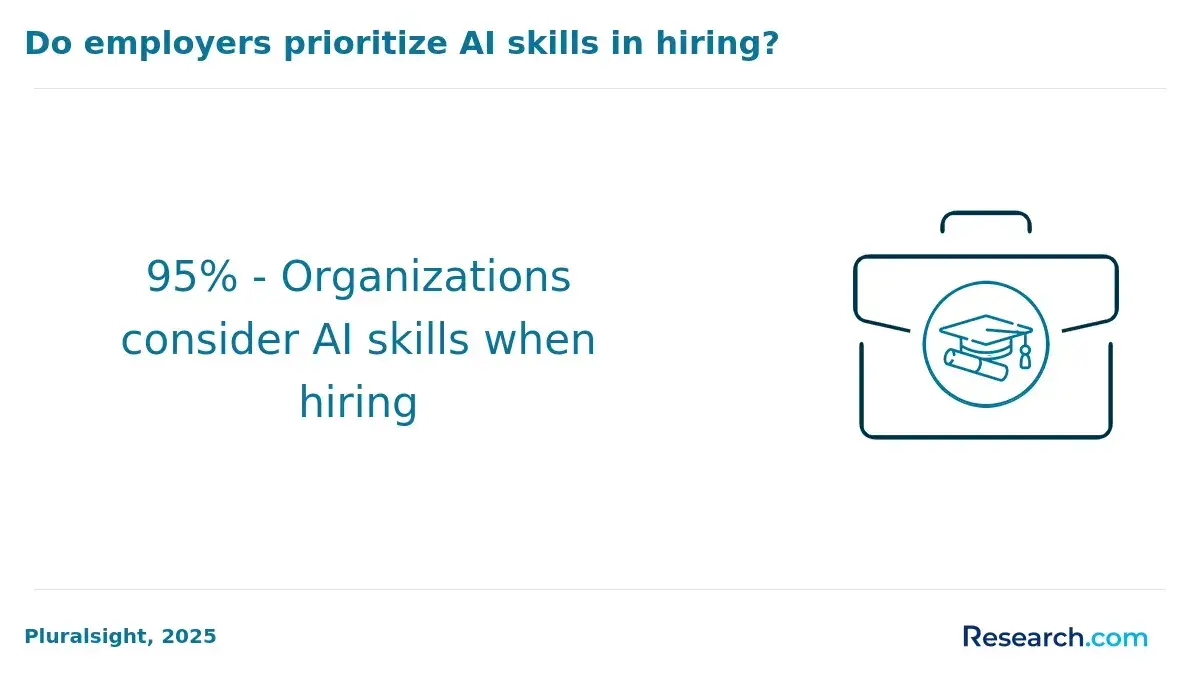
UK data from Lightcast labour-market analytics shows professionals highlighting AI skills on CVs earn 14-22% more than peers lacking such expertise across business, finance, and marketing sectors. This reflects strong employer demand and financial incentives for integrating AI literacy into non-technical career paths.
What salary can AI-trained professionals expect?
AI-trained professionals enjoy salaries well above many traditional roles, reflecting strong demand across industries. Entry-level non-technical positions like AI product managers or AI strategy consultants in the U.S. typically start from $70,000 to $90,000 annually. Salaries vary based on sector, location, and experience.
Mid-level roles often pay between $100,000 and $140,000, especially in finance, healthcare, and technology firms using AI-driven solutions. Senior roles such as AI ethics advisors or transformation leads can exceed $150,000, notably within large multinational corporations or consulting agencies. Key salary drivers include blending AI knowledge with domain expertise such as marketing analytics or supply chain management.
Non-technical professionals who understand AI concepts and communicate effectively with technical teams are highly valued. Between 2021 and 2024, enrolments in AI and data-focused executive courses at leading UK universities increased approximately 65%, compared to only 12% growth in traditional MBA programmes (Chartered Association of Business Schools, 2024). This surge signals a robust market for AI-trained talent, fueling salary growth and career advancement.
Investing in AI education targeted at business applications offers a strong return for U.S. students and professionals. Rising salaries alongside growing demand make AI training a strategic career move in a competitive job market.
How do you choose a reputable AI course at LSE?
Choosing a reputable AI course at LSE involves assessing factors that suit non-technical professionals aiming to gain foundational knowledge without deep programming. Prioritize programs emphasizing practical AI applications in business, policy, or social sciences rather than purely technical training.
Accreditation and faculty expertise are essential. Ensure the course is officially recognized by LSE and taught by instructors with strong backgrounds in AI, especially in interdisciplinary fields. Faculty with published research or industry experience enhances course credibility and learning depth.
Look at student outcomes and course duration. Effective courses often report measurable career benefits like improved job placement or promotions in AI-related roles. Short-term options, from a few weeks to months, work well for busy professionals balancing work and study.
Consider learning formats offering hybrid or online classes with access to mentorship, forums, and real-world case studies. Such support fosters retention and practical skill development for non-technical learners. Peer interaction also contributes to a richer experience. Cost and scheduling flexibility should match your budget and lifestyle. Many LSE AI courses provide tiered pricing or financial aid options.
LinkedIn's 2024 Workplace Learning Report highlights that 92% of learning leaders now prioritize AI fluency for non-technical roles, underscoring the value of courses designed to bridge AI understanding gaps for professionals without coding backgrounds.
Other Things You Should Know About Artificial Intelligence
LSE's 2027 best AI courses for non-technical professionals typically require participants to have a basic understanding of business processes. No prior technical knowledge in AI is needed, making these courses accessible for managers, marketers, and other non-technical roles looking to integrate AI insights into their fields.
Yes, non-technical professionals play vital roles in AI development by focusing on areas such as ethics, policy-making, project management, and user experience design. Their expertise helps bridge gaps between technical teams and end-users, ensuring AI applications meet real-world needs and comply with regulations.
Artificial intelligence is transforming industries like healthcare, finance, marketing, and education by automating routine tasks, enhancing decision-making, and enabling personalized services. It improves efficiency and accuracy in areas such as medical diagnosis, fraud detection, customer segmentation, and adaptive learning.
Organizations often encounter challenges including data quality issues, lack of skilled personnel, integration with existing systems, and managing change within teams. Additionally, ethical considerations and regulatory compliance present ongoing hurdles in deploying AI responsibly and effectively.
References
- AI jobs for non-programmers | edX https://www.edx.org/resources/ai-jobs-for-non-programmers
- [2026] What salary can an Artificial Intelligence Engineer expect? https://liora.io/en/all-about-salary-artificial-intelligence-engineer
- LSE Admissions Guide 2025 | Entry & Tips — Think Smart Admissions https://tsadmissions.com/blog/how-to-get-into-lse
- LSE AI: Law, Policy, and Governance online certificate course by edX – Course + Reviews | Course Report https://www.coursereport.com/courses/lse-ai-law-policy-and-governance-online-certificate-course-london-school-of-economics
- Best AI Courses & Certificates Online 2025 https://everworker.ai/blog/best-ai-courses-certificates-online-2025
- 10 AI Skills You Need in Today’s Job Market https://www.salesforce.com/artificial-intelligence/ai-skills/
- LSE AI Law, Policy, and Governance Course https://www.getsmarter.com/products/lse-ai-law-policy-and-governance-online-certificate-course
- Best AI Courses for Business Leaders in 2026 https://whatisai.co.uk/best-ai-courses-for-business-leaders/
- Best AI Courses for Non-Tech Students in 2026 https://www.masaischool.com/blog/best-ai-courses-for-non-tech-students-in-2026/
- 5 Essential AI Skills Nontech Jobs Need for Successful Digital Upskilling https://eveplacement.com/ai-skills-nontech-jobs/