2027 Best AI Courses for Recruiters Using Generative AI

Co-Founder and Chief Data Scientist
Recruiters face mounting pressure to efficiently identify top candidates amid growing talent shortages and rising competition. Traditional hiring methods often fail to leverage the power of generative AI, leading to missed opportunities and slower processes. Many recruiters lack formal training in advanced AI tools that can automate candidate sourcing, improve screening accuracy, and personalize engagement.
The AI-based knowledge gap can hinder career growth and organizational success. This article explores the best AI courses designed specifically for recruiters interested in mastering generative AI applications, helping professionals build essential skills to enhance recruitment outcomes and stay ahead in a transforming industry.
Key Things You Should Know
- Generative AI courses for recruiters emphasize practical skills like automating candidate sourcing and enhancing interviewing through AI-driven insights, reflecting a 37% increase in job placements using these tools in 2025.
- Programs increasingly combine AI fundamentals with HR technology applications, addressing a 2025 survey showing 68% of recruiters prioritize AI literacy for competitive hiring advantages.
- Flexible online formats dominate 2025 offerings, enabling working professionals to upskill rapidly amid a 42% growth in AI adoption in recruitment technology since 2024.
Advance Your Career with AI Online Courses
Artificial Intelligence: Implications for Business Strategy
This program provides an introduction to Artificial Intelligence and their implications for business strategy. Earn an official digital certificate.

Oxford Artificial Intelligence Programme
Explore this Oxford Artificial Intelligence programme offered in a flexible learning environment and explore topics like machine learning, automation, and robotics.

Implementing Agentic AI: Building Your Organizational Playbook
This online MIT Agentic AI course offers a practical approach to deploying AI agents in your organization, including a custom playbook. 3 weeks, exclusive launch price.

AI Adoption: Driving Business Value and Impact
This online MIT AI Adoption: Driving Business Value and Impact offers practical frameworks to close the gap between AI potential and business reality.

Artificial Intelligence in Pharma and Biotech
Discover the applications and limitations of artificial intelligence in pharma and biotech with this MIT online short course.

What are AI courses for recruiters using generative AI, and who should take them?
AI training courses for recruiters using generative AI technology focus on equipping talent acquisition professionals with skills to enhance hiring through advanced language models and automation tools. These programs cover AI-driven sourcing, resume screening, candidate ranking, chatbot interviewing, and personalized communication, helping reduce manual tasks while improving hiring quality.
Designed for recruiting managers, HR specialists, and recent graduates entering recruitment roles, the best generative AI programs for talent acquisition professionals offer foundational knowledge and advanced expertise. Experienced recruiters can deepen skills in ethical AI use, data privacy, bias mitigation, and platform-specific applications to stay competitive amid widespread AI adoption.
A 2024 LinkedIn Future of Recruiting report reveals that 74% of talent professionals expect generative AI to transform hiring within five years. Common course topics include:
- Fundamentals of generative AI and natural language processing relevant to recruitment.
- Using AI to automate resume screening and candidate ranking.
- Developing AI-powered candidate engagement and assessment tools.
- Ethical considerations and compliance in AI-driven hiring.
Recruiters committed to maintaining efficiency and fairness must integrate these innovations. For those exploring data-focused education options, the data science ranking offers valuable insight into affordable programs that complement AI training in recruitment.
Advance Your Career with AI Online Courses
Artificial Intelligence: Implications for Business Strategy
This program provides an introduction to Artificial Intelligence and their implications for business strategy. Earn an official digital certificate.
Oxford Artificial Intelligence Programme
Explore this Oxford Artificial Intelligence programme offered in a flexible learning environment and explore topics like machine learning, automation, and robotics.
Implementing Agentic AI: Building Your Organizational Playbook
This online MIT Agentic AI course offers a practical approach to deploying AI agents in your organization, including a custom playbook. 3 weeks, exclusive launch price.
How do AI courses for recruiters compare across certificates, bootcamps, and degree programs?
AI courses for recruiters vary notably between certificates, bootcamps, and degree programs in scope and application. Certificate programs concentrate on specific generative AI tools like automated candidate screening and AI-powered outreach, making them suitable for professionals seeking targeted skills quickly without extensive time or financial commitment. These certificates often include learning about algorithmic bias and integrating AI platforms with ATS software.
Bootcamps provide an immersive, project-driven experience over several weeks, focusing on practical application. Participants work on simulated hiring campaigns using AI algorithms, improving job readiness while addressing ethical and compliance considerations crucial for recruiters applying generative AI responsibly.
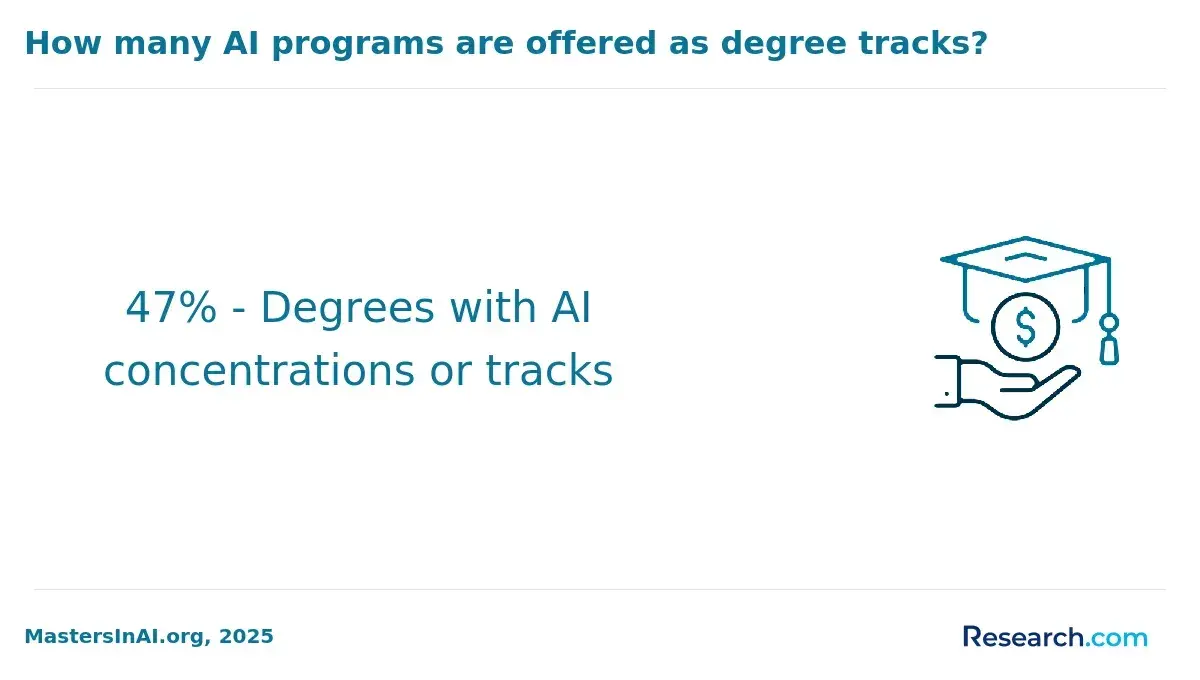
Degree programs—such as bachelor's or master's degrees in HR analytics or generative AI for recruiting professionals—deliver deep theoretical foundations covering data science, machine learning, and advanced algorithm design. These multi-year programs prepare recruiters to contribute strategically to AI tool development and deployment but require a greater financial and time investment. Some may consider paths like an online mechanical engineer degree for complementary technical skills.
The value of mastering AI skills is underscored by a recent survey showing organizations using generative AI cut time-to-fill by 19%. Choosing the right course depends on career goals: certificates for immediate upskilling, bootcamps for hands-on experience, and degrees for comprehensive expertise enabling leadership in AI-driven recruiting strategies.
What skills and generative AI tools should the best recruiter-focused AI courses teach?
Recruiter-focused AI courses must deliver both foundational skills and practical mastery of the best generative AI tools for recruiter training to stay relevant in rapidly evolving talent acquisition. Essential skills taught in recruiter-focused AI courses include data literacy for analyzing candidate databases, mitigating algorithmic bias to promote ethical hiring, and automating repetitive tasks like resume screening. Hands-on training with generative AI platforms that optimize recruitment workflows is critical.
Key AI tools involve natural language processing models to personalize candidate outreach and generate interview questions. Advanced chatbots help streamline communication and answer queries instantly. Recruiters learn to interpret AI-driven predictive analytics that improve workforce planning and candidate selection, enhancing data-backed decisions.
According to Coursera's 2025 Global Skills Report, AI-related courses grew 46% year-over-year among HR and recruiting professionals, highlighting the need for AI literacy combined with tool competence. Ethical AI implementation is vital; courses cover compliance, fairness, transparency, and real-world case studies on bias prevention in AI screening systems. Integrating AI with applicant tracking systems (ATS) is a technical skill emphasized in advanced curricula.
In addition to these skills, recruiters may consider further education in fields like data science. Programs such as an online data science masters can complement recruiter AI expertise.
Recruiter AI education typically includes:
- Data analysis for candidate sourcing and evaluation
- Use of generative AI for personalized candidate engagement
- Bias detection and ethical AI practices
- Application of AI-driven predictive hiring models
- Hands-on experience with AI-enhanced ATS integration
How can recruiters choose reputable, accredited AI programs and avoid low-quality options?
Recruiters should prioritize accredited programs when selecting AI education by verifying institutional credentials and accreditation status. Programs endorsed by recognized bodies such as the Accrediting Council for Continuing Education and Training (ACCET) or regional accrediting agencies provide added credibility. Affiliations with established universities or professional HR organizations also enhance curriculum quality and trustworthiness.
Course content must clearly emphasize practical uses of generative AI in recruiting. It is important to review syllabi for topics like automated candidate screening, reducing bias, and AI-driven talent analytics. Programs that include hands-on projects or case studies demonstrate real-world skills rather than purely theoretical knowledge. Such an approach helps identify accredited AI courses for recruiters focused on tangible outcomes.
Instructors' qualifications should be transparent; candidates need to confirm that teachers possess verifiable AI experience applied to HR or recruiting, backed by academic or industry expertise. Evaluating participant reviews and course completion rates can indicate program reliability and value.
Avoid low-quality AI certification programs characterized by exaggerated claims, overly brief durations, or outdated content. Beware programs lacking a clear learning pathway or failing to integrate current AI developments. Aligning with data-driven trends, such as Udemy's noted 62% growth in AI for HR course enrollments, supports investment in relevant, up-to-date training.
For those exploring further options, consider a reputable cyber security course as well, since cybersecurity skills complement AI expertise in talent acquisition roles.
What are the typical admission requirements for AI courses aimed at recruiting professionals?
Admission requirements for AI courses targeting recruiting professionals vary by course level and provider but share common prerequisites. Intermediate and advanced programs typically expect candidates to have foundational recruiting knowledge and basic data handling or analytics skills. Many require experience with HR technologies or recruiting software to connect AI concepts directly to talent acquisition challenges.
Entry-level courses often have minimal requirements, focusing mainly on a demonstrated interest in AI and human resources. More specialized programs using generative AI in recruiting may ask for a baseline assessment or an application detailing candidates' professional background and learning objectives. This ensures participants can manage complex technical content and practical scenarios.
Proficiency in Excel, SQL, or programming languages like Python can accelerate admission or allow exemption from introductory modules. Some institutions expect candidates to understand data privacy laws and ethical concerns critical to AI applications in recruiting. Mandatory pre-course materials or readiness assessments are sometimes required.
Research from DataCamp's State of Data & AI Literacy Report shows recruiters and HR business partners completing intermediate or advanced AI courses were 2.1 times more likely to see "significant" productivity improvements compared to those with only introductory training. This underscores the benefits of progressing beyond beginner-level learning.
How do online, hybrid, and campus-based AI programs for recruiters differ in format and support?
Online, hybrid, and campus-based AI programs for recruiters offer distinct experiences that impact learning and career benefits. Online formats provide maximum flexibility, enabling recruiters to study asynchronously through digital resources and discussion forums, making them ideal for full-time professionals who need adaptable schedules without commuting.
Hybrid programs blend online coursework with in-person sessions, offering both convenience and direct interaction. This format supports hands-on workshops and networking opportunities, appealing to those who value structured learning alongside digital access.
Campus-based programs immerse students in a face-to-face environment with immediate feedback, mentorship, and access to resources like labs and career services. Though requiring a greater time commitment, they often include internship support, enhancing practical recruitment skills using AI applications.
A 2024 Pearson VUE Value of IT Certification report highlights that 77% of hiring managers see AI/ML certifications as a plus in recruitment roles, while 41% say these credentials affect compensation. Choosing the right program format is essential to earn recognized qualifications efficiently, whether through flexible online learning, engaging hybrid models, or comprehensive campus offerings.
Tech Employees' AI Usage

What do curricula in top AI courses for recruiters usually include, from basics to advanced topics?
Top AI courses for recruiters focus first on fundamentals such as artificial intelligence basics, machine learning, and data literacy. Students explore how AI algorithms analyze resumes, parse candidate information, and enhance job matching accuracy. Early lessons emphasize ethical AI use, data privacy compliance, and reducing bias in automated recruitment decisions to promote responsible hiring practices.
Intermediate curriculum highlights practical tools including applicant tracking systems powered by generative AI, natural language processing for crafting job descriptions, and AI-driven candidate outreach. Learners engage with hands-on projects automating tasks like resume screening, interview scheduling, and personalized communication.
Advanced topics cover predictive analytics for forecasting hiring needs, sentiment analysis in candidate assessments, and optimizing talent pipelines using AI insights. Recruiters develop skills to configure and fine-tune AI models tailored to specific industries or company sizes, boosting efficiency and candidate quality.
Case studies frequently demonstrate improvements in recruitment KPIs, supported by data from LinkedIn's 2024 Global Talent Trends report, showing recruiters skilled in AI fill roles 25% faster and manage 21% more open positions.
Some programs also include modules on integrating generative AI with CRM systems and advanced reporting dashboards. This prepares recruiters to leverage AI fully in strategic workforce planning and employer branding, delivering both theoretical knowledge and actionable skills.
How long do AI programs for recruiters take to complete, and what do they cost?
AI programs for recruiters range from 4 weeks to 6 months depending on course depth and format. Short-term certificate courses typically last 4 to 8 weeks and focus on practical skills like generative AI tools for resume screening, candidate matching, and automated interview scheduling. More extensive offerings, such as professional certifications or specialized diplomas, take 3 to 6 months and cover broader topics like AI ethics, data analysis, and AI integration in talent acquisition strategies.
Costs vary widely, starting around $200 for brief online workshops and reaching $3,000 or more for comprehensive certificate programs. Pricing often depends on access level, with options for self-paced or instructor-led formats. Employers frequently subsidize these courses; according to SHRM's Workplace Learning & Development survey, organizations investing at least $500 per employee annually in AI and analytics training are 1.8 times more likely to exceed hiring goals.
When selecting a program, recruiters should look for hands-on experience with generative AI applications relevant to their workflow, such as AI-driven sourcing or strategic compliance and governance. Aligning course content with specific recruitment priorities maximizes the return on training investment.
What recruiting roles, career paths, and industries benefit most from AI training with generative tools?
Recruiting professionals such as talent acquisition specialists, sourcers, and recruitment coordinators increasingly rely on generative AI to automate candidate outreach, customize communication, and deliver actionable talent market insights. Workforce analytics and recruitment operations experience significant improvements, with AI enhancing data-driven decision-making and pipeline management. High-volume hiring industries like technology, healthcare, finance, and retail benefit most from AI integration in recruiting.
In technology sectors, recruiters use AI to efficiently source specialized roles like software engineers and data scientists. Healthcare recruiters leverage AI to filter large pools of licensed professionals quickly. Financial institutions apply AI tools to maintain compliance and minimize bias, while retail and customer service sectors utilize AI to identify candidates for seasonal or entry-level roles faster.
A Beamery Talent Index study reveals recruiters who consistently deploy AI for outreach, market research, and pipeline management are 32% likelier to be top performers. Mastering AI-driven content creation, analytics interpretation, and automation is crucial for career advancement.
Generative AI expertise aids in optimizing candidate engagement, enhancing diversity hiring, and decreasing time-to-fill. Familiarity with industry-specific AI use cases empowers recruiters to use these tools effectively, improving talent matching and overall hiring outcomes.
How does AI training affect recruiter salaries, job security, and future hiring demand?
Recruiters with expertise in generative AI tools often earn higher salaries due to their enhanced ability to streamline candidate sourcing, automate tasks, and improve hiring quality. These skills translate into significant time savings and better recruitment outcomes, which employers financially reward. AI training is therefore a valuable investment for professionals aiming to increase their earning potential.
Job security in recruiting is increasingly linked to proficiency in AI technologies. With 82% of companies planning to expand generative AI use in HR and recruiting over the next 12 to 18 months, those lacking AI skills risk becoming obsolete. The Deloitte 2025 Global Human Capital Trends report reveals that only 17% of talent teams currently feel well-prepared for this transformation, highlighting the urgent need for continuous AI education.
Future demand favors recruiters who leverage AI to source passive candidates, reduce hiring bias, and personalize engagement. AI-driven predictive analytics enable recruiters to forecast candidate success more accurately, a crucial advantage in competitive hiring environments.
To stay competitive, recruiters should focus on courses covering AI fundamentals, machine learning applications in HR, and ethical use of AI. Regularly upgrading AI knowledge ensures professionals remain relevant and effective in meeting evolving industry standards and challenges.
Other Things You Should Know About Artificial Intelligence
Artificial intelligence significantly impacts industries such as healthcare, finance, retail, and manufacturing by automating tasks, improving decision-making, and optimizing operations. In recruiting, AI enhances candidate sourcing and screening processes, making talent acquisition faster and more efficient. These changes are driving widespread adoption across sectors seeking competitive advantages through data-driven solutions.
AI improves recruitment by automating repetitive tasks like resume screening, scheduling interviews, and analyzing candidate data for better fit predictions. Natural language processing and machine learning models help reduce unconscious bias and increase efficiency in identifying qualified candidates. This results in faster hiring cycles and improved candidate experience.
While advanced AI roles may require coding skills, many recruiter-focused AI courses do not mandate programming expertise. Instead, these courses often emphasize understanding AI applications, data interpretation, and using AI-powered recruiting tools. Basic familiarity with technology is helpful but not always essential for leveraging AI effectively in talent acquisition.
References
- AI Certification vs. Traditional Degree: What Actually Gets You Hired in 2026? https://www.nplus.global/blogs/ai-certification-vs-traditional-degree/
- AI vs Traditional Recruitment: Cost & Efficiency Compared https://www.cloudapper.ai/talent-acquisition/ai-vs-traditional-recruitment-comparing-cost-and-efficiency/
- Strategic Talent Community Platform | Jobful https://jobful.io/ai-productivity
- AI Agents in recruitment: the practical guide (2025) https://www.herohunt.ai/blog/ai-agents-in-recruitment-the-practical-guide/
- How to Choose the Best AI Hiring Software for Your Company https://vervoe.com/guide-to-choosing-ai-hiring-software/
- Top 30 AI Recruitment Software for High Volume Hiring https://fabrichq.ai/blogs/top-30-ai-recruitment-software-for-high-volume-hiring
- Professional AI Training: How to Choose the Right Program https://www.strategicaileader.com/professional-ai-training-how-to-choose-the-right-program/
- Use Cases for Generative AI in Workforce Development https://www.jff.org/idea/use-cases-for-generative-ai-in-workforce-development/
- How to Use Generative AI as a Recruiter - Learning Path https://www.socialtalent.com/course-library/learning-path/how-to-use-generative-ai-as-a-recruiter
- AI's Impact on Graduate Jobs: A 2025 Data Analysis | IntuitionLabs https://intuitionlabs.ai/articles/ai-impact-graduate-jobs-2025