2027 Best AI Implementation Courses for Executives

Co-Founder and Chief Data Scientist
Executives in traditional industries often struggle to implement artificial intelligence strategies effectively due to gaps in technical knowledge and rapidly evolving technology landscapes. This challenge can lead to missed opportunities, inefficient investments, or inability to lead digital transformation initiatives.
Navigating these complexities requires targeted education that bridges business leadership with technical proficiency. The article explores top AI implementation courses designed specifically for executives, focusing on flexible and accredited options that accommodate professional schedules. It aims to guide readers in identifying the best programs to build relevant skills, drive innovation, and stay competitive in a tech-driven market.
Key Things You Should Know
- Executive courses in AI implementation focus on strategy, ethical considerations, and real-world applications, with 67% of participants reporting immediate business impact within six months.
- Top programs increasingly integrate hands-on labs and case studies from 2024-2025 data, emphasizing leadership in AI-driven digital transformation for competitive advantage.
- Demand for AI skills among executives has grown 45% since 2024, driven by a surge in AI adoption across finance, healthcare, and manufacturing sectors.
Advance Your Career with AI Online Courses
Artificial Intelligence: Implications for Business Strategy
This program provides an introduction to Artificial Intelligence and their implications for business strategy. Earn an official digital certificate.

Oxford Artificial Intelligence Programme
Explore this Oxford Artificial Intelligence programme offered in a flexible learning environment and explore topics like machine learning, automation, and robotics.

Implementing Agentic AI: Building Your Organizational Playbook
This online MIT Agentic AI course offers a practical approach to deploying AI agents in your organization, including a custom playbook. 3 weeks, exclusive launch price.

AI Adoption: Driving Business Value and Impact
This online MIT AI Adoption: Driving Business Value and Impact offers practical frameworks to close the gap between AI potential and business reality.

Artificial Intelligence in Pharma and Biotech
Discover the applications and limitations of artificial intelligence in pharma and biotech with this MIT online short course.

What is an executive AI implementation course and who are these programs designed for?
Executive AI implementation training programs for business leaders are designed to equip senior managers, C-suite executives, and other decision-makers with the strategic skills to integrate artificial intelligence into their organizations. These courses emphasize AI strategy courses designed for corporate executives by focusing on decision-making, change management, and aligning AI initiatives with business goals rather than technical coding skills.
Participants often include CEOs, CTOs, CIOs, innovation managers, and departmental heads who oversee AI projects or shape their company's AI direction. The curriculum typically features case studies, real-world applications, and frameworks promoting ethical AI use. This prepares leaders to tackle challenges such as workforce disruption, regulatory compliance, and data governance effectively.
According to the World Economic Forum's 2024 Future of Jobs report, by 2027, 47% of all job roles will be disrupted and 42% of business tasks automated by AI. Moreover, 60% of workers will need upskilling or reskilling, highlighting the critical executive role in workforce planning and training. Understanding these dynamics helps leaders make informed investments in AI tools and human capital strategies to maintain competitive advantage and operational resilience.
Professionals interested in expanding their expertise may also explore options like a computer science degree online to deepen their technical foundation alongside executive training.
Advance Your Career with AI Online Courses
Artificial Intelligence: Implications for Business Strategy
This program provides an introduction to Artificial Intelligence and their implications for business strategy. Earn an official digital certificate.
Oxford Artificial Intelligence Programme
Explore this Oxford Artificial Intelligence programme offered in a flexible learning environment and explore topics like machine learning, automation, and robotics.
Implementing Agentic AI: Building Your Organizational Playbook
This online MIT Agentic AI course offers a practical approach to deploying AI agents in your organization, including a custom playbook. 3 weeks, exclusive launch price.
How do AI implementation courses for executives differ from general AI or data science programs?
AI implementation courses tailored for executives emphasize strategic decision-making and leadership applications of artificial intelligence, which sets them apart from general AI or data science programs focused solely on technical skills and coding. These executive courses highlight business integration and the real-world impact of AI, offering a broader organizational context.
The curriculum prioritizes how to integrate AI into business models, manage change, and align AI initiatives with corporate goals rather than technical proficiencies like machine learning algorithms. Executives learn to address challenges such as identifying viable AI use cases, securing stakeholder buy-in, and mitigating ethical risks through modules on risk management, governance, and leadership.
Typical structures include case studies from industries like finance, healthcare, and manufacturing to demonstrate successful AI integration. Practical exercises in scenario planning and vendor evaluation prepare leaders to make informed decisions when investing in AI projects. This approach aligns with executive artificial intelligence strategy programs that equip business leaders with frameworks specific to AI adoption rather than data manipulation.
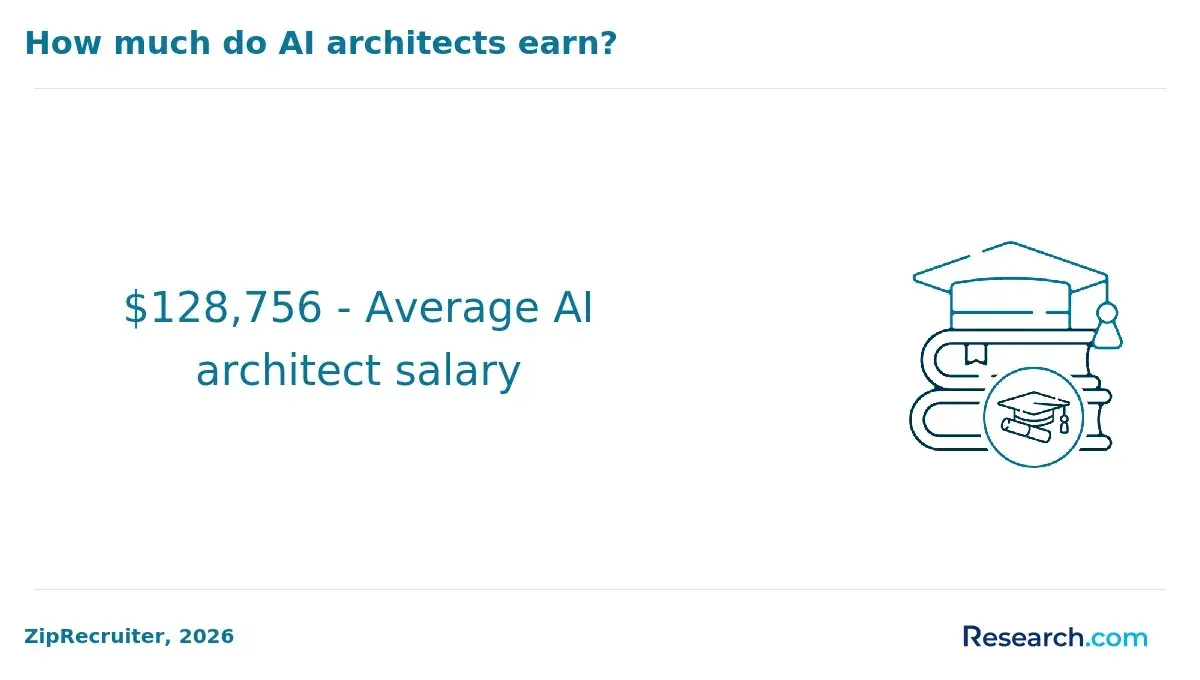
According to The Conference Board's C-Suite Outlook survey, executives who effectively adopt AI report an average 18% increase in total compensation over their peers. This highlights the career advantage tied to AI leadership training for business executives. Prospective students interested in expanding their AI expertise can explore reputable online AI degree programs to complement executive education.
What skills and learning outcomes can executives expect from top AI implementation courses?
Top AI implementation courses equip executives with concrete skills essential for strategic leadership in AI-driven environments. Participants learn to critically evaluate AI technologies, master data governance principles, and develop competency in integrating AI solutions with existing business models.
These executive skills for AI implementation success include interpreting AI outputs, managing cross-functional teams, and overseeing ethical considerations and regulatory requirements. Additionally, courses focus on measuring AI project ROI to empower informed investment decisions.
Key learning outcomes from top artificial intelligence courses for executives include:
- Developing fluency in AI concepts such as machine learning, natural language processing, and automation relevant to business contexts
- Creating AI strategies aligned with organizational goals and market demands
- Leading organizational change by fostering AI adoption and overcoming resistance
- Establishing data-driven decision-making frameworks for improved operational efficiency
- Addressing AI risk management including bias mitigation and privacy concerns
Through case studies, executives gain practical insights into AI deployments across sectors like finance, healthcare, and manufacturing. Exposure includes AI's role in customer segmentation and supply chain optimization, preparing leaders to handle workforce reskilling challenges and data silos.
According to McKinsey's State of AI report, companies training business leaders in AI and analytics are 2.1 times more likely to outperform in revenue growth. This confirms the critical impact of these competencies on competitive advantage.
For those seeking foundational knowledge, programs ranging from certificate courses to online master's data science can provide structured pathways to mastering AI implementation.
What types of AI implementation programs are available for executives, and how do online and campus formats compare?
Executives selecting AI implementation courses for executives online versus campus formats benefit from distinct advantages depending on their needs. Campus-based programs emphasize immersive engagement through case studies, peer collaboration, and expert faculty access, fostering hands-on learning and strong networks. This format suits leaders managing complex AI projects requiring cross-department coordination, with experiential labs and live simulations enhancing practical skills.
Online executive AI implementation program types and format comparison reveal flexibility as a key benefit. Virtual courses allow busy professionals to balance work and study, featuring recorded lectures, webinars, and global expert insights. They cater to those needing rapid acquisition of targeted skills without relocation, often using scalable content delivery.
Common offerings include:
- AI strategy and governance courses aligning initiatives with business goals.
- Technical overviews for non-technical executives to grasp AI capabilities and limits.
- Workshops on change management and ethical AI use, vital for enterprise adoption.
- Industry-specific applications in finance, healthcare, and manufacturing.
Data from a BCG global AI readiness study shows that 74% of top companies have at least one C-suite leader overseeing AI strategy, compared to 38% in others. This highlights the value of tailored AI education. Professionals exploring advanced credentials may consider programs like a doctorate in data analytics online, which deepens expertise relevant to AI leadership.
How can executives evaluate the accreditation, institutional reputation, and industry recognition of AI programs?
Executives evaluating AI programs must confirm accreditation by respected agencies such as ABET, AACSB, or other regional bodies. Accreditation ensures the curriculum meets rigorous academic standards and maintains quality controls, which is essential for program credibility.
Institutional reputation is equally important. Key factors include faculty expertise, research contributions, and the school's history in AI or technology education. Programs linked with renowned universities or business schools that have dedicated AI research centers often offer insights into the latest developments. The success of alumni in AI leadership roles also reflects an institution's industry influence.
Industry recognition can be identified through partnerships with technology companies, certifications offered, and endorsements by AI professionals. Programs incorporating collaborations with major AI platforms or real-world project access demonstrate practical relevance. Given that only 11% of companies report mature AI risk management and 36% have faced significant AI compliance or ethical incidents, emphasizing governance and ethical AI in programs is crucial.
Executives should also evaluate course content for comprehensive coverage of AI regulation, ethics, and risk frameworks to prepare for emerging industry challenges. Additionally, networking opportunities and mentoring within the program can significantly boost post-graduate impact and influence in AI initiatives.
What core curriculum topics are covered in leading AI implementation courses for executives?
Leading AI implementation courses for executives provide a focused curriculum aimed at developing strategic, technical, and ethical skills essential for driving ai-led transformation. Core topics include machine learning, natural language processing, and data analytics, helping leaders grasp both the potential and limits of ai technologies. A strong emphasis is placed on aligning ai strategies with business objectives and effectively measuring return on investment.
Risk management and ethics are integral, covering data privacy, algorithmic bias, and compliance to create responsible ai frameworks. Operational aspects such as model deployment, scaling, and organizational change management are also key components.
Courses often utilize case studies from finance, healthcare, and manufacturing to illustrate real-world implementation challenges and innovation chances. Hands-on modules or simulations bridge theory with practice, enhancing participants' readiness. Additional focus areas include leadership communication, fostering cross-functional teamwork, and managing ai talent to address key decision-making and innovation hurdles.
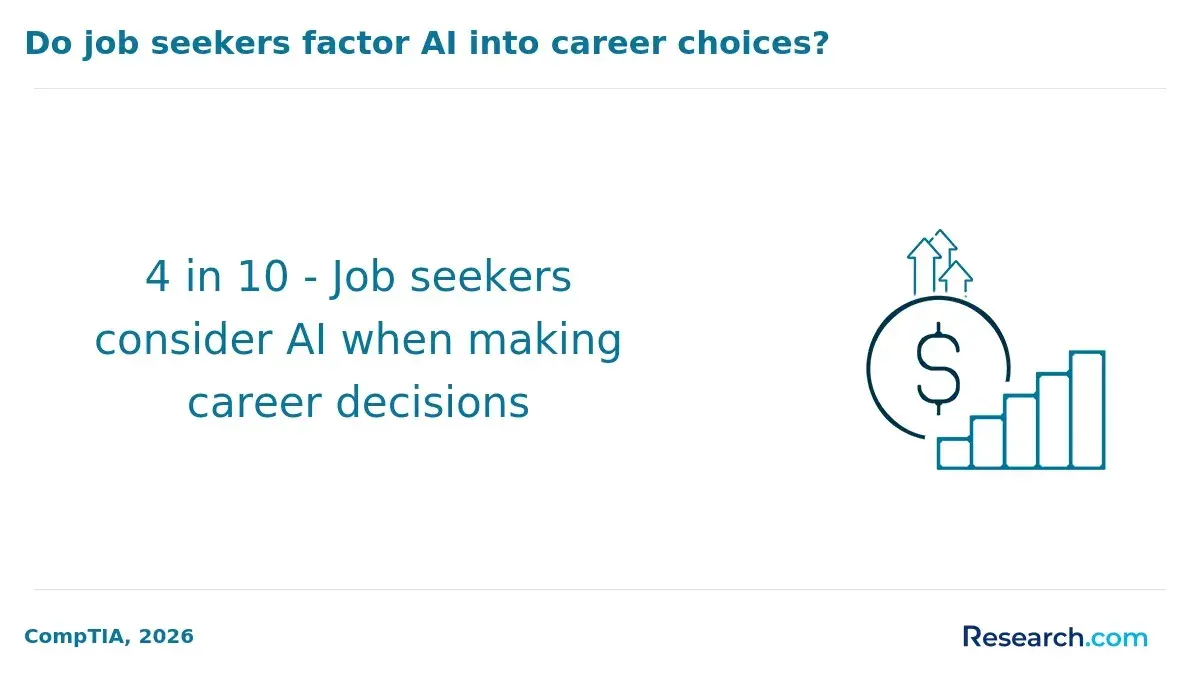
Corporate investment in ai training is rapidly increasing, expected to reach $8.3 billion in 2025 from $2.5 billion in 2023, highlighting the fast-growing demand for executive ai education, as noted by IDC's 2024 Worldwide AI Skills Forecast.
What are the typical admission requirements, program lengths, and schedules for executive AI courses?
Executive AI courses typically prioritize extensive professional experience, often requiring five to ten years in leadership roles related to technology, strategy, or operations. While some programs ask for a bachelor's degree, the emphasis rests more on an applicant's proven ability to lead digital transformation initiatives rather than academic credentials. Standardized tests like the GRE or GMAT are usually not required, aligning these programs with practical expertise.
Course lengths vary from short boot camps lasting three to five days to comprehensive certificate programs that extend up to six months. Many programs accommodate busy executives through modular schedules offered on weekends or evenings. Delivery formats include fully online, hybrid, and intensive in-person sessions, providing flexibility for global participants and diverse time zones.
Key program features include asynchronous learning content paired with live expert instruction, enabling executives to learn at their own pace while engaging with practical ai applications. This blend supports skill-building without disrupting professional commitments.
Organizations investing in structured ai education for senior leaders report significant gains: they are 3.4 times more likely to achieve notable productivity improvements and 2.6 times more likely to enhance strategic decision quality, as shown in IBM's Global AI Adoption Index.
How much do AI implementation programs for executives cost, and what funding options are available?
AI implementation programs for executives typically cost between $3,000 and $15,000, influenced by the length, depth, and prestige of the course. Shorter programs lasting a few days usually range from $3,000 to $7,000, while more extensive certificate programs that span weeks or months can reach up to $15,000 or more, especially at top business schools.
Online courses tend to be more affordable, averaging $2,000 to $8,000, whereas in-person programs often command higher fees due to the immersive nature of the experience.
Various funding options help ease these expenses. Many organizations offer tuition reimbursement if the program aligns with an executive's role or career goals.
Employer sponsorships, either partial or full, are increasingly common, as AI literacy becomes a baseline skill-supported by PwC's 2024 Annual Global CEO Survey, which found 82% of executives expect AI proficiency within three years. Additional funding possibilities include scholarships, early registration discounts, and tax deductions where applicable.
Executives can explore these funding strategies:
- Corporate sponsorship or tuition reimbursement agreements.
- Employer partnerships offering professional development allowances.
- Program-affiliated scholarships.
- Tax deductions for qualifying education expenses.
Choosing programs with modular payment or installment plans also improves affordability by spreading out costs. This helps bridge the gap for those currently less confident in leading AI initiatives, facilitating timely, high-impact AI education to meet industry demands.
What leadership roles, career paths, and ROI can executives expect after completing an AI implementation course?
Executives who complete AI implementation courses often move into key leadership roles such as chief AI officer, head of data strategy, or director of digital transformation. These positions focus on integrating ai technologies into core business functions, enabling leaders to drive innovation and scale operations.
Career advancement may also lead to roles in ai governance, ethics, or technology portfolio management, where executives coordinate AI adoption strategies and guide cross-functional teams.
The return on investment is significant. According to an Accenture 2024 banking and ai study, companies with AI-skilled leadership reduced operating costs by 22% and increased revenue by 15% from AI initiatives. In contrast, firms without such leadership achieved only a 7% cost reduction and a 5% revenue increase. This highlights the financial benefits of embedding AI knowledge at the executive level.
Beyond financial gains, executives develop crucial skills for informed decisions about AI investments, risk management, and ethical considerations, which sustain competitive advantage. For instance, a CFO with ai expertise can better forecast project returns, while a marketing executive can lead personalized customer engagement strategies driven by machine learning insights.
Executives enhance their strategic influence, contribute directly to digital transformation, and improve business agility. They learn to overcome challenges like organizational resistance, data quality issues, and aligning AI projects with business goals, resulting in stronger leadership effectiveness in an ai-driven economy.
Are there recommended certifications or professional frameworks that complement executive AI implementation training?
Certifications and professional frameworks play a crucial role in enhancing executive AI implementation training by validating skills and aligning leadership with industry standards. Credentials like the Certified Artificial Intelligence Practitioner (CAIP) and the AI Leadership Certificate from institutions such as MIT Sloan demonstrate strategic and operational AI expertise for executives.
Frameworks including Deloitte's AI Maturity Model and the AI Capability Framework from the AI Institute assist executives in assessing organizational readiness and guiding systematic AI integration. These tools support structured decision-making, risk management, and governance across AI projects.
Executives are encouraged to pursue certifications in related fields such as data governance, ethics in AI, and change management to tackle the complex challenges of AI adoption. For example, the Certified Data Management Professional (CDMP) from the Data Management Association strengthens knowledge of data quality and regulatory compliance-key components for AI success.
Practical experience combined with recognized credentials significantly improves leadership prospects. Research by Heidrick & Struggles reveals that executives with AI transformation experience are 1.7 times more likely to be appointed to CEO, COO, or Business Unit Head positions within five years than those without such expertise.
When evaluating AI education programs, look for those offering case studies, strategic frameworks, and certification exams that reflect current industry trends. Successful AI leaders integrate ongoing learning and real-world application to maintain relevant and actionable skills in rapidly evolving corporate environments.
Other Things You Should Know About Artificial Intelligence
While understanding common challenges like data privacy, integration, and employee resistance is crucial, executive courses in 2027 focus more on equipping leaders with strategies to navigate these issues effectively, leveraging AI to drive innovation and business growth without getting bogged down by challenges.
Data governance is critical for the success of AI projects, as it ensures data accuracy, security, and consistency across the organization. Proper governance frameworks help manage data privacy risks and maintain compliance with legal regulations. Without strong data governance, AI models may produce unreliable results or expose organizations to legal liabilities.
Yes, executives without a deep technical background can successfully lead AI initiatives by focusing on strategic vision, cross-functional collaboration, and understanding AI's business impact. They should partner closely with technical teams to translate complex concepts into actionable decisions. Leadership skills and a willingness to learn AI fundamentals are more critical than coding expertise.
Executives must consider issues such as bias, transparency, and accountability in AI deployment. Ensuring that AI systems do not reinforce discrimination or unfair treatment is essential. Leaders should implement ethical guidelines and monitoring processes to promote responsible AI use and maintain stakeholder trust.
References
- International Board for AI Accreditation | Professional Accreditation Body https://www.aiaccreditationboard.org/
- Artificial Intelligence and Data Science for Executives | Making better decisions through machine learning | SDA Bocconi https://www.sdabocconi.it/en/on-campus-executive-education/artificial-intelligence-and-data-science-for-executives-315580/
- The AI upskilling guide for executives https://www.bvp.com/atlas/the-ai-upskilling-guide-for-executives
- Best AI Compliance Certification Guide 2025: Compare AICP, ISO, IAPP & ISACA https://www.exin.com/article/best-ai-certification-guide-2025/
- AI - Artificial Intelligence | London Business School https://www.london.edu/executive-education/ai
- Best AI Strategy Courses - Emeritus Online Courses https://emeritus.org/blog/b-best-ai-strategy-courses/
- Top 68 Executive Courses in Artificial Intelligence (AI) - Europe | EXECUTIVE COURSES https://executivecourses.com/schools/europe/subject/artificial-intelligence-ai
- Ultimate Guide: How to Choose the Right AI Training Course to Boost Your Career - ONLC https://www.onlc.com/blog/how-to-choose-ai-training-courses/
- 50 Exec Ed Courses To Get Smart About AI - Europe - Bluesky Thinking https://bluesky-thinking.com/50-exec-ed-courses-to-get-smart-about-ai-europe/
- Shortlisted & Invitee Institutions | World Data Science & AI Initiative (WDSAI) https://www.wdsai.org/invitee-institutions