2027 Best AI Courses for AI System Architecture Basics

Co-Founder and Chief Data Scientist
Many professionals from non-technical backgrounds struggle to grasp the foundational concepts of AI system architecture, hindering their ability to contribute effectively to AI projects. Without a clear understanding of component interactions and system design, driving innovations or managing developments becomes challenging. This gap limits career growth in the fast-evolving AI industry. This article addresses these issues by highlighting carefully selected courses that cover core principles, providing structured learning paths adaptable to busy schedules. Readers will discover educational options that equip them with essential skills to transition confidently into AI system architecture roles and advance their careers successfully.
Key Things You Should Know
- AI system architecture courses in 2026 emphasize foundational design principles and integration of hardware with AI software, preparing students for industry roles with 35% job growth predicted by 2030.
- Top programs prioritize hands-on experience with cloud platforms and edge AI, reflecting 2025 market trends toward distributed and scalable AI solutions in sectors like healthcare and finance.
- Certification completion rates increased by 40% from 2024, highlighting growing learner demand for practical AI system skills and employer recognition of specialized architecture training.
Advance Your Career with AI Online Courses
Artificial Intelligence: Implications for Business Strategy
This program provides an introduction to Artificial Intelligence and their implications for business strategy. Earn an official digital certificate.

Oxford Artificial Intelligence Programme
Explore this Oxford Artificial Intelligence programme offered in a flexible learning environment and explore topics like machine learning, automation, and robotics.

Implementing Agentic AI: Building Your Organizational Playbook
This online MIT Agentic AI course offers a practical approach to deploying AI agents in your organization, including a custom playbook. 3 weeks, exclusive launch price.

AI Adoption: Driving Business Value and Impact
This online MIT AI Adoption: Driving Business Value and Impact offers practical frameworks to close the gap between AI potential and business reality.

Artificial Intelligence in Pharma and Biotech
Discover the applications and limitations of artificial intelligence in pharma and biotech with this MIT online short course.

What are AI system architecture basics?
AI system design principles are essential for creating effective AI applications by focusing on foundational components like data ingestion pipelines, model training environments, inference engines, and deployment strategies. Balancing compute resources is crucial; for instance, GPU clusters often handle training, while optimized CPUs manage inference to meet latency needs.
Fundamentals of AI architecture emphasize modularity, scalability, and interoperability. Modularity enables updating AI models independently, scalability supports handling growing data volumes via distributed systems or tools like Kubernetes, and interoperability ensures smooth integration with IT infrastructures using RESTful APIs or data formats such as JSON.
Security and compliance remain critical, requiring measures for data privacy and model robustness against adversarial threats. Monitoring tools help detect model drift or failures in production environments, maintaining system integrity over time.
Organizations that invest in advanced AI architectures see tangible benefits. Deloitte's State of AI report highlights that high-performing AI systems are 2.6 times more likely to generate significant financial returns. For those exploring education in this field, pursuing a data scientist degree can provide a strong foundation in these principles and improve career prospects.
Advance Your Career with AI Online Courses
Artificial Intelligence: Implications for Business Strategy
This program provides an introduction to Artificial Intelligence and their implications for business strategy. Earn an official digital certificate.
Oxford Artificial Intelligence Programme
Explore this Oxford Artificial Intelligence programme offered in a flexible learning environment and explore topics like machine learning, automation, and robotics.
Implementing Agentic AI: Building Your Organizational Playbook
This online MIT Agentic AI course offers a practical approach to deploying AI agents in your organization, including a custom playbook. 3 weeks, exclusive launch price.
Which AI courses teach AI system architecture fundamentals?
Several leading AI courses focus explicitly on AI system architecture fundamentals, preparing students for roles in design, deployment, and management of AI infrastructure. These programs cover critical topics such as AI model integration, cloud-based AI deployment, data pipeline architecture, and scalable system design. Online platforms like Coursera and edX offer specialized courses from top universities that include modules on architecture principles and real-world case studies, making them highly relevant for students seeking AI system architecture fundamentals courses online.
Highly recommended courses include AI engineering tracks that teach how to structure AI workflows, optimize compute resources, and ensure model interpretability and maintenance. Prestigious institutions such as Stanford and MIT often blend theory with hands-on labs focusing on cloud services, containerization, and microservices architecture, all crucial for robust AI systems. These best AI system design training programs are designed to meet evolving industry demands.
For professionals interested in targeted learning, programs like Udacity's Machine Learning Engineer Nanodegree cover architectural considerations such as model serving and deployment pipelines, essential for operationalizing AI in production. The World Economic Forum Future of Jobs Report 2025 projects a 39% employment growth in AI architect and engineer roles by 2030, creating over 1.4 million new jobs worldwide. This growth highlights the value of investing in comprehensive AI system architecture education.
Prospective learners should review course syllabi that include topics like:
- Design patterns in AI system architecture
- Cloud-native AI deployment
- Automated machine learning pipelines
- Scalability and fault tolerance in AI models
- Integration of AI components with existing IT infrastructure
Students and working professionals aiming for success in this field may also explore online mechanical engineering degrees, which can provide additional technical foundation beneficial for AI system roles.
What prerequisites do AI architecture courses require?
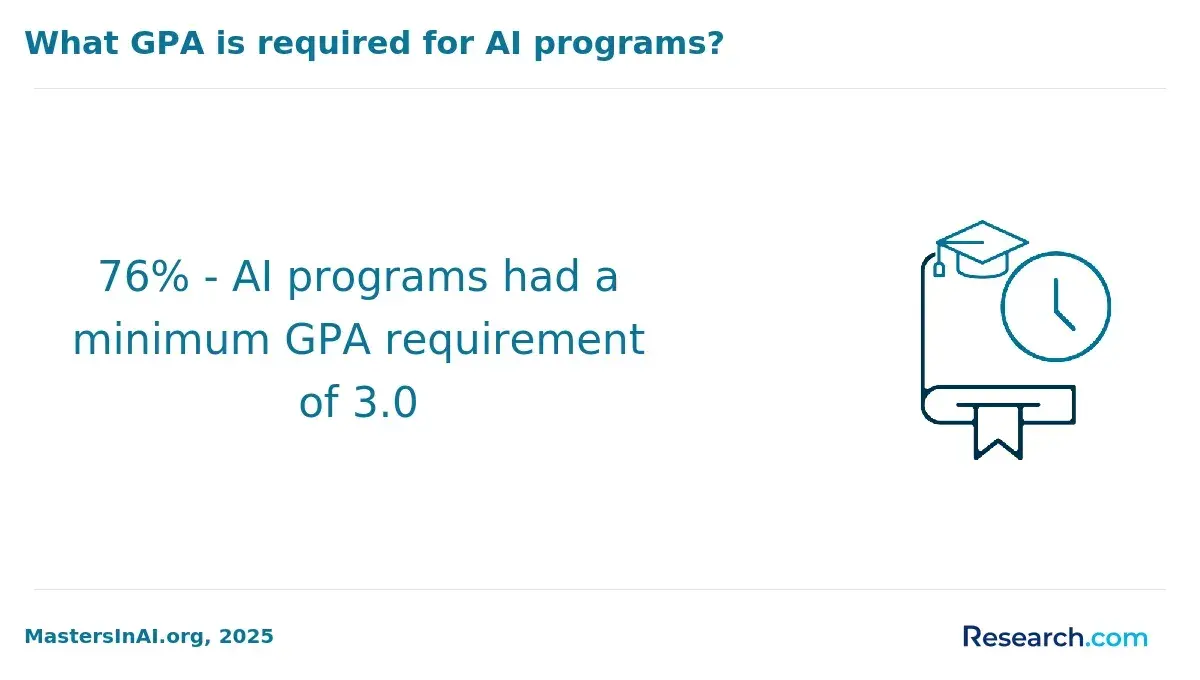
Strong programming skills in Python, Java, or C++ are essential for AI system architecture course prerequisites, as these languages are widely used for AI model development and integration. A solid grasp of data structures and algorithms supports designing efficient AI systems.
Mathematics proficiency, including linear algebra, calculus, probability, and statistics, is crucial to understand machine learning models and optimization techniques. For example, matrix operations are vital for neural network design, while probability helps with uncertainty modeling within AI architectures.
Essential skills for AI architecture training also involve foundational knowledge in machine learning or artificial intelligence. Familiarity with supervised and unsupervised learning, neural networks, and model evaluation metrics provides insight into how AI components interact architecturally. Additionally, experience with software engineering principles, cloud platforms, databases, API development, and version control like Git ensures scalable and maintainable AI designs.
Working professionals often benefit from prior AI engineering roles or system design projects. According to the 2024 Dice Tech Salary Report, U.S. professionals with AI architecture skills earn a median salary of $196,000, roughly 43% above the median tech salary.
Many programs require a bachelor's degree in computer science, engineering, or related fields. Some offer preparatory courses to help students meet prerequisites, including those transitioning via an accelerated cyber security program.
Are online or campus AI courses better for system architecture?
Online AI courses offer superior flexibility and provide immediate access to the latest system architecture concepts, which is essential given the fast-paced changes in AI technologies. Campus courses often follow more traditional curricula that may not align with current industry needs. Gartner's survey shows that 63% of enterprises have AI models in production, yet 45% of AI project failures stem from poor system architecture and integration. This highlights the importance of selecting courses that emphasize real-world architectural challenges and integration strategies.
Many best online AI system architecture courses include updated case studies, live labs, and simulations that replicate production environments. They often feature hands-on modules in microservices design or scalable AI pipelines, helping learners grasp complex architectural patterns. While campus vs online AI courses for system design debate often favors foundational theory in campus settings, these may lack practical deployment experience.
Working professionals particularly benefit from online learning as it allows them to balance current job demands with developing advanced skills in AI system architecture. Campus programs, meanwhile, provide focused mentorship and peer collaboration, which is valuable for newcomers to AI fields. Some hybrid models combine these benefits, offering flexibility alongside structured interaction.
Prospective students should assess courses for alignment with industry standards, inclusion of practical exercises on integrating AI models, and instructor expertise in large-scale deployments. For those interested in careers related to teaching AI skills, exploring paths to become AI trainers can be insightful.
What topics are covered in AI system architecture courses?
Courses in AI system architecture focus on essential skills for designing, deploying, and managing robust artificial intelligence platforms. Students study data pipelines, model training infrastructure, and the role of machine learning operations (MLOps) in automating workflows. Instruction covers scalable computing resources, including cloud and on-premise environments, to efficiently handle large datasets and ensure smooth AI service delivery for real-time inference and batch processing.
Key concepts include modular system design, separating data ingestion, feature engineering, model development, and deployment layers. Managing data storage with distributed databases and data lakes is emphasized to support scalability. Practical training often includes containerization and orchestration tools like Kubernetes to facilitate continuous updating and monitoring of AI models.
Risk management, system reliability with failover mechanisms, and data validation are important topics. Security, particularly protecting sensitive data and preventing tampering, equips students to build trustworthy AI systems. Case studies cover applications in natural language processing, computer vision, and recommendation engines.
A 2024 McKinsey Global Survey highlights that while 72% of organizations implemented AI use cases, only 13% have strong in-house expertise in AI system architecture and MLOps, underscoring the industry need for skilled professionals. These courses provide both theoretical foundations and hands-on experience to prepare students for this demand.
How long do AI system architecture courses usually take?
AI system architecture courses vary in length from a few weeks to several months, depending on their depth and format. Short courses, typically 4 to 8 weeks, focus on foundational topics like neural network design, essential hardware, and cloud infrastructure for AI deployment. These are perfect for professionals seeking a quick introduction or skill boost.
More extensive programs lasting 3 to 6 months often offer certifications or academic credits. They cover advanced subjects such as scalable AI system design, integrating large language models (LLMs), and optimizing performance. These courses frequently include hands-on projects to enhance practical understanding.
Self-paced or part-time options provide flexibility, with completion times ranging from 2 to 12 months, accommodating working professionals balancing education and careers.
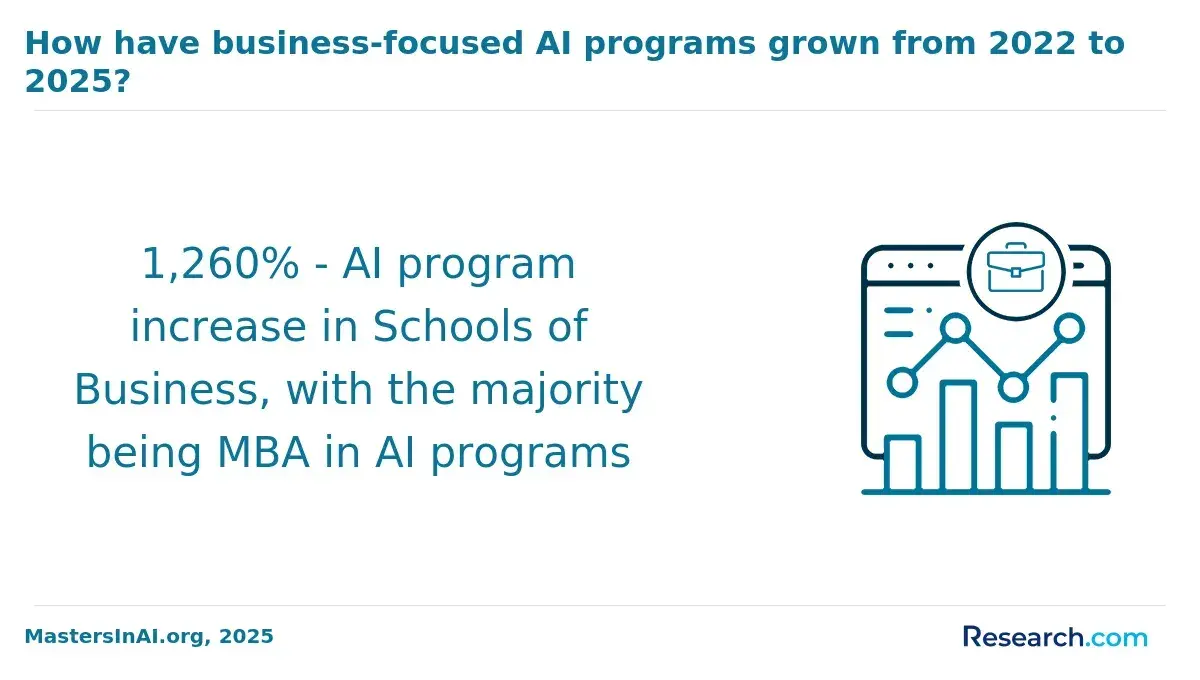
Online AI and LLM courses have surged, with enrollments exceeding 6 million globally and offerings increasing by 410% between 2022 and 2025, according to Class Central.
When choosing a course, consider:
- Whether the pace aligns with your workload and learning preferences
- The balance between theory and practical skills
- The value of credentials, including recognized certifications or university affiliations
- Access to current content reflecting rapid advances in AI system design
Selecting a course length that matches your career goals and skill needs is key to effective learning and job market preparation.
How much do AI system architecture courses cost?
The cost of AI system architecture courses in 2026 varies significantly based on provider, content depth, and format. Entry-level online classes on platforms like Coursera or edX range from $50 to $300 for individual course access or certification. More advanced options, such as professional certificate programs and bootcamps focusing on system design and infrastructure, typically fall between $1,000 and $5,000, reflecting their practical, hands-on approach.
University courses or specialized master's programs that include AI architecture fundamentals often exceed $10,000. These programs offer comprehensive curricula, expert instructors, and access to advanced labs or cloud computing resources, preparing students for technical roles in AI infrastructure teams.
Industry data support the rising demand for expertise in this field. According to IDC's Worldwide AI Spending Guide 2025, global spending on AI software, hardware, and services will surpass $601 billion by 2028. Over 45% of that total is devoted to AI infrastructure and platforms, underscoring the value of advanced system architecture skills.
Working professionals may benefit from employer subsidies for such courses, recognizing the strategic importance of scalable AI infrastructure. Self-funded learners should carefully evaluate course rigor, industry recognition, and career support to maximize their investment.
Which credentials help in AI system architecture careers?
Credentials that advance careers in AI system architecture include specialized certifications and advanced degrees emphasizing both foundational and applied knowledge. Relevant qualifications typically combine master's degrees in computer science or AI engineering with professional certifications like Microsoft Certified: Azure AI Engineer Associate, Google Cloud Professional Machine Learning Engineer, and AWS Certified Machine Learning - Specialty.
These certifications focus on skills essential for designing scalable AI models, cloud-native deployment, and system integration. Practical course-based credentials often cover distributed systems, cloud infrastructure, and AI model lifecycle management. Certifications involving hands-on experience with Kubernetes, Docker, and cloud services help professionals design architectures that optimize compute resources efficiently.
Complementary experience validated by certifications in AI ethics, data engineering, and DevOps is critical for addressing the complexities of AI pipelines that include data ingestion, model training, testing, and CI/CD workflows. Industry data from an AWS and Accenture report highlights that enterprises adopting cloud-native AI architectures reduce compute costs by 27% and accelerate model deployment by 32% compared to legacy systems.
Prospective professionals should seek credentials blending theory with real-world projects to demonstrate proficiency in cloud platforms and system design best practices. This multidisciplinary expertise is vital to meet employer expectations in AI system architecture careers.
What jobs can AI system architecture training lead to?
Training in AI system architecture equips professionals for vital roles designing, implementing, and managing complex AI frameworks. Key positions include AI architects who ensure solutions are scalable and high-performing, and machine learning engineers who depend on solid architectures to integrate models into operations.
AI system architects also play a crucial role in governance and risk management, creating protocols to mitigate security risks and ensure compliance. According to IBM's 2024 Cost of a Data Breach report, organizations without formal AI architecture and governance face data breach costs averaging $640,000 higher, highlighting the importance of expertise in this area.
Other roles include AI infrastructure engineers and cloud AI specialists who develop and maintain the hardware and software environments essential for reliable AI performance. Consulting roles demand system architecture knowledge to customize AI adoption strategies aligned with business goals and regulations. Additionally, research positions in academic and industrial labs use architecture skills to develop innovative AI frameworks.
Careers in AI system architecture blend technical design, security governance, operational deployment, and strategic consulting. Graduates support system resilience, safeguard deployments, and ensure AI technologies comply with organizational standards and industry regulations.
How do you choose a reputable AI architecture program?
Evaluating AI system architecture programs involves examining curriculum depth, hands-on experience, and alignment with current industry standards. Strong programs cover essential topics such as system design, data integration, security protocols, and scalable infrastructure, often incorporating real-world projects and case studies across varied technology stacks.
Successful AI initiatives benefit from multidisciplinary collaboration. A study by MIT Sloan Management Review and BCG shows that teams with a dedicated AI architect role combined with IT, data, security, and business experts are 3.1 times more likely to move projects from pilot stages to full deployment. This underscores the need for programs that train students to work effectively across functional boundaries.
Look for programs led by faculty with proven leadership in AI architecture within corporate or research environments. Quality curricula should also address emerging trends such as cloud-native architectures, ethical AI practices, and compliance with data protection laws.
Flexible delivery, including part-time or hybrid formats, supports working professionals. Industry-recognized certifications upon completion add value. Additionally, reviewing alumni success helps gauge a program's impact in launching careers in AI system architecture roles.
Other Things You Should Know About Artificial Intelligence
When selecting an AI course on system architecture in 2027, consider course content relevance, instructor expertise, hands-on opportunities, and alignment with industry trends. Courses should cover fundamentals, advanced topics like scalability and security, and practical applications using current technologies.
AI system architecture directly affects a model's performance by determining how data flows, how models are deployed, and how resources are allocated. A well-designed architecture optimizes processing speed, reduces latency, and improves the accuracy and reliability of AI applications across different environments.
Hardware is a fundamental component of AI system architecture as it influences computational power, energy efficiency, and real-time processing capabilities. Specialized hardware such as GPUs and TPUs are commonly used to accelerate deep learning tasks and enable complex model training and inference.
Explainability is essential in AI system architecture to ensure transparency and trustworthiness of AI decisions. Incorporating explainable AI techniques helps developers and users understand how models make predictions, which is crucial for regulatory compliance and gaining user confidence.
References
- How long will the course take? https://www.elementsofai.com/faq/how-many-hours-will-the-course-take
- Top 10 Architectural AI Courses On PAACADEMY | PAACADEMY https://paacademy.com/blog/top-10-architectural-ai-courses-on-paacademy
- How Much Does It Cost to Build an AI System - Diatom Enterprises https://diatomenterprises.com/blog/how-much-does-it-cost-to-build-an-ai-system/
- AI Architecture & Design/AI Architect (Complete Course/Bundle) https://store.arcitura.com/products/ai-architect
- Artificial Intelligence (AI) Systems Architecture and Governance Training Course https://glomacs.com/training-course/ai-systems-architecture-and-governance
- From Prompt Engineer to AI Architect: 7 Training Paths to Advance Your AI Career https://www.dice.com/career-advice/from-prompt-engineer-to-ai-architect-7-training-paths-to-advance-your-ai-career
- AI System Architecture Essential Guide for Engineers https://zenvanriel.com/ai-engineer-blog/ai-system-architecture-essential-guide-engineers/
- DelftX: AI in Architectural Design: Introduction | edX https://www.edx.org/learn/design/delft-university-of-technology-introduction-to-ai-in-architectural-design
- AI System Design: A Complete Guide (2026) https://www.systemdesignhandbook.com/guides/ai-system-design/
- Top Skills You Need to Become an AI Architect - HRDC Claimable IT Training and Certification | Trainocate Malaysia https://trainocate.com.my/top-skills-you-need-to-become-an-ai-architect/