2027 Best Udacity AI Courses for AI Governance

Co-Founder and Chief Data Scientist
Organizations increasingly face challenges managing complex ethical, legal, and societal impacts of AI systems. Without proper governance, these risks can lead to biased outcomes, regulatory penalties, and loss of public trust. Professionals from non-technical backgrounds often struggle to find accessible, credible education that bridges technical knowledge with policy and oversight skills.
This article examines top Udacity AI courses designed to equip learners with essential AI governance expertise. It highlights flexible programs that foster responsible AI deployment and decision-making, guiding readers to align their career transitions with industry demands for ethical and transparent AI solutions.
Key Things You Should Know
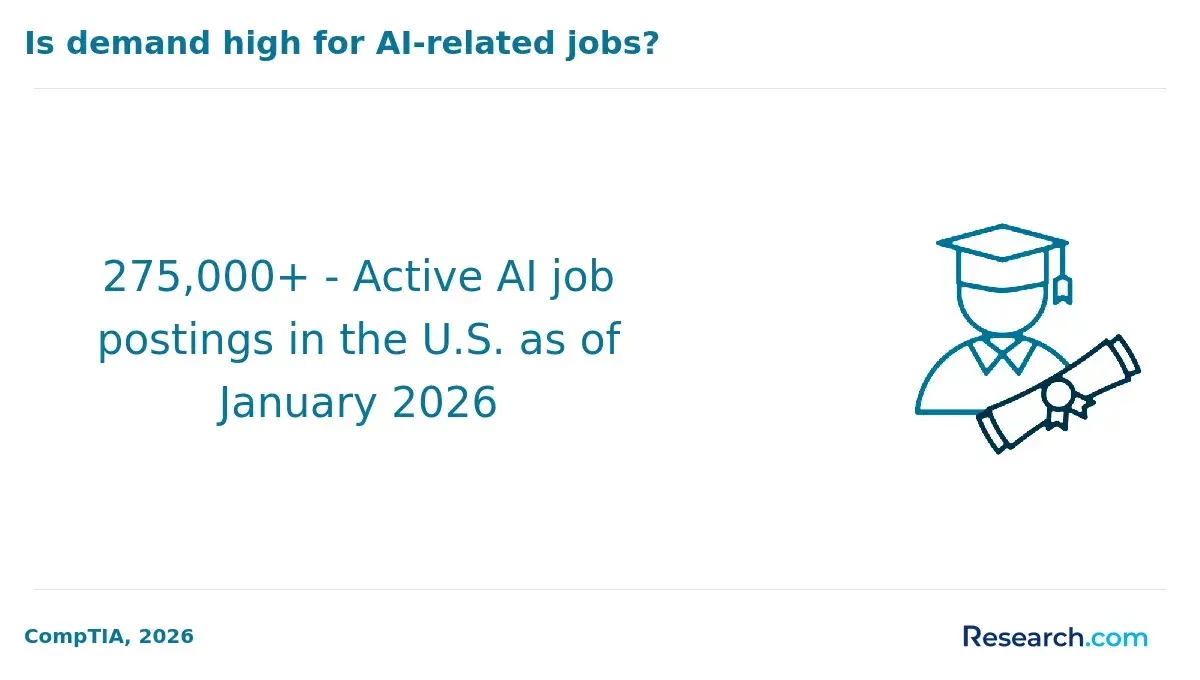
- Udacity's 2026 AI Governance courses emphasize ethical AI design, aligning with the growing 65% industry demand for professionals skilled in responsible AI deployment.
- Curriculums integrate up-to-date regulatory frameworks such as the EU AI Act and U.S. federal guidelines, preparing students for global compliance challenges.
- Hands-on projects in AI bias mitigation and transparent model auditing enhance practical skills, critical for careers in AI governance and risk management.
Advance Your Career with AI Online Courses
Artificial Intelligence: Implications for Business Strategy
This program provides an introduction to Artificial Intelligence and their implications for business strategy. Earn an official digital certificate.

Oxford Artificial Intelligence Programme
Explore this Oxford Artificial Intelligence programme offered in a flexible learning environment and explore topics like machine learning, automation, and robotics.

Implementing Agentic AI: Building Your Organizational Playbook
This online MIT Agentic AI course offers a practical approach to deploying AI agents in your organization, including a custom playbook. 3 weeks, exclusive launch price.

AI Adoption: Driving Business Value and Impact
This online MIT AI Adoption: Driving Business Value and Impact offers practical frameworks to close the gap between AI potential and business reality.

Artificial Intelligence in Pharma and Biotech
Discover the applications and limitations of artificial intelligence in pharma and biotech with this MIT online short course.

Which Udacity AI courses are best for learning AI governance and risk management today?
Udacity's AI courses for governance and risk management stand out with programs like AI for Business Leaders and AI Ethics and Governance. The AI for Business Leaders nanodegree focuses on responsible AI deployment aligned with organizational goals, addressing compliance and ethical decision-making challenges. Meanwhile, the AI Ethics and Governance program dives deeper into frameworks for risk management, including regulatory standards, bias detection, transparency, and accountability.
These courses respond to pressing industry needs; the IBM Global AI Adoption Index 2024 revealed that 73% of organizations experienced significant AI risks, yet only 17% had comprehensive governance frameworks in place. Udacity's Data Privacy and Security courses complement governance training by emphasizing data protection and system security, essential for compliance with laws such as GDPR and CCPA.
The practical, project-based approach prepares learners to tackle real-world challenges like algorithmic bias and unfair outcomes. For professionals seeking leadership roles in AI ethics committees or regulatory compliance teams, combining these programs provides comprehensive preparation.
Those exploring pathways into AI governance may also consider reviewing the data science undergraduate rankings to understand intersecting skills in data science that often support governance expertise.
Overall, these offerings represent some of the best Udacity programs for learning ai governance today, equipping students and professionals with skills vital for managing AI risks effectively.
Advance Your Career with AI Online Courses
Artificial Intelligence: Implications for Business Strategy
This program provides an introduction to Artificial Intelligence and their implications for business strategy. Earn an official digital certificate.
Oxford Artificial Intelligence Programme
Explore this Oxford Artificial Intelligence programme offered in a flexible learning environment and explore topics like machine learning, automation, and robotics.
Implementing Agentic AI: Building Your Organizational Playbook
This online MIT Agentic AI course offers a practical approach to deploying AI agents in your organization, including a custom playbook. 3 weeks, exclusive launch price.
How do Udacity AI governance courses compare with university and bootcamp programs?
Udacity's AI governance courses offer a practical alternative to traditional university programs and bootcamps, emphasizing flexible, self-paced learning tailored to busy professionals. This design allows immediate application of concepts in regulatory and governmental contexts, addressing current compliance and ethical challenges.
When considering how Udacity AI governance courses compare to university programs, the key distinction is in focus: universities prioritize theoretical foundations with longer timelines and often higher costs, while Udacity blends ethics, risk assessment, and policy impact into a concise curriculum suited for governance roles.
Differences between Udacity AI governance and bootcamp training are notable. Bootcamps emphasize rapid technical skills acquisition but usually lack the depth in governance and public policy that Udacity delivers through real-world scenarios including data privacy laws and AI bias mitigation.
Udacity's project-based assessments and partnerships with organizations benefit professionals seeking immediate skill application and recognition. Enrollment data shows over 50% of its AI and data ethics students come from government, policy, and regulated industries, reflecting workforce demand and adaptability unmatched by many universities.
For those exploring educational options in artificial intelligence, including the balance of depth and speed, it's important to compare offerings such as Udacity alongside more comprehensive academic routes or bootcamps. Detailed information about affordability and options is available through online AI degree programs.
What should you look for when choosing a Udacity AI course for governance skills?
When evaluating Udacity AI courses for governance skills in North America, focus on curriculum relevance, practical experience, and coverage of emerging governance topics. Courses should address essential areas such as AI governance frameworks, ethics, risk management, and compliance regulations, which are vital for overseeing AI system deployment responsibly.
Hands-on projects or simulations play a crucial role, enabling learners to apply governance principles through real-world tasks like auditing algorithms for bias or assessing data privacy impacts. These practical exercises help translate theoretical knowledge into effective governance strategies within business or policy environments.
Recent governance trends including AI explainability, accountability, and regulatory compliance in sectors like healthcare and finance should also be included. Industry data reveal strong demand for specialized, up-to-date skills, with a 2024 OECD report noting significant growth in non-degree AI and data governance programs compared to traditional university degrees.
Additional factors include instructor expertise in AI ethics or policy, manageable course length, and access to mentorship or peer support. Confirm that Udacity's offerings integrate popular tools for fairness and transparency audits, preparing students for practical governance roles. Key aspects of choosing effective AI governance training involve this blend of theoretical depth and applied learning.
For those exploring broader educational opportunities in technology fields, game design courses online offer an alternative path with practical skills development.
What AI governance topics and tools do Udacity's leading AI courses actually cover?
Udacity's courses in AI governance focus on ethical AI design, regulatory compliance, risk management, and transparency in algorithmic decision-making. They emphasize practical tools and methodologies for AI policy implementation in online learning environments, including AI impact assessments, bias detection techniques, and audit protocols that ensure AI systems adhere to evolving legal and ethical standards.
Students gain expertise in complying with global regulations such as GDPR and the European Union's emerging AI Act. Core modules cover governance frameworks like NIST's AI Risk Management Framework and ISO standards, equipping learners with actionable strategies for building accountable AI solutions.
Hands-on training in explainability and interpretability tools-such as SHAP and LIME-enables students to clarify decisions made by black-box models. Additionally, data governance practices focus on privacy-preserving methods, provenance tracking, and responsible data handling, vital for effective AI deployment.
Advanced lessons incorporate case studies highlighting governance successes and failures across sectors like healthcare and finance, preparing students to systematically assess AI impact and mitigate risks. This holistic approach aligns with the increasing demand for skilled professionals in AI oversight roles.
Reflecting this demand, global spending on AI governance, risk, and compliance platforms is projected to grow from approximately $4.3 billion to $11.3 billion by 2029, with a 21.1% compound annual growth rate according to MarketsandMarkets. For those interested in expanding their expertise in complementary fields, exploring cybersecurity courses online can provide valuable synergies with AI governance frameworks and ethical considerations in Udacity courses.
Are Udacity AI governance courses accredited, and how are they viewed by employers?
Udacity's AI governance courses are part of their Nanodegree programs, which are industry-recognized but not formally accredited by regional or national education bodies. While these courses don't provide traditional academic credit, they focus on practical skills endorsed by leading technology companies, making them attractive to employers in the AI ethics and governance space.
Employers, especially in tech and companies prioritizing ethical AI, value the hands-on curriculum these courses offer. Certifications can enhance resumes by showcasing expertise in AI ethics, compliance, and regulation-areas growing in importance as governance frameworks evolve.
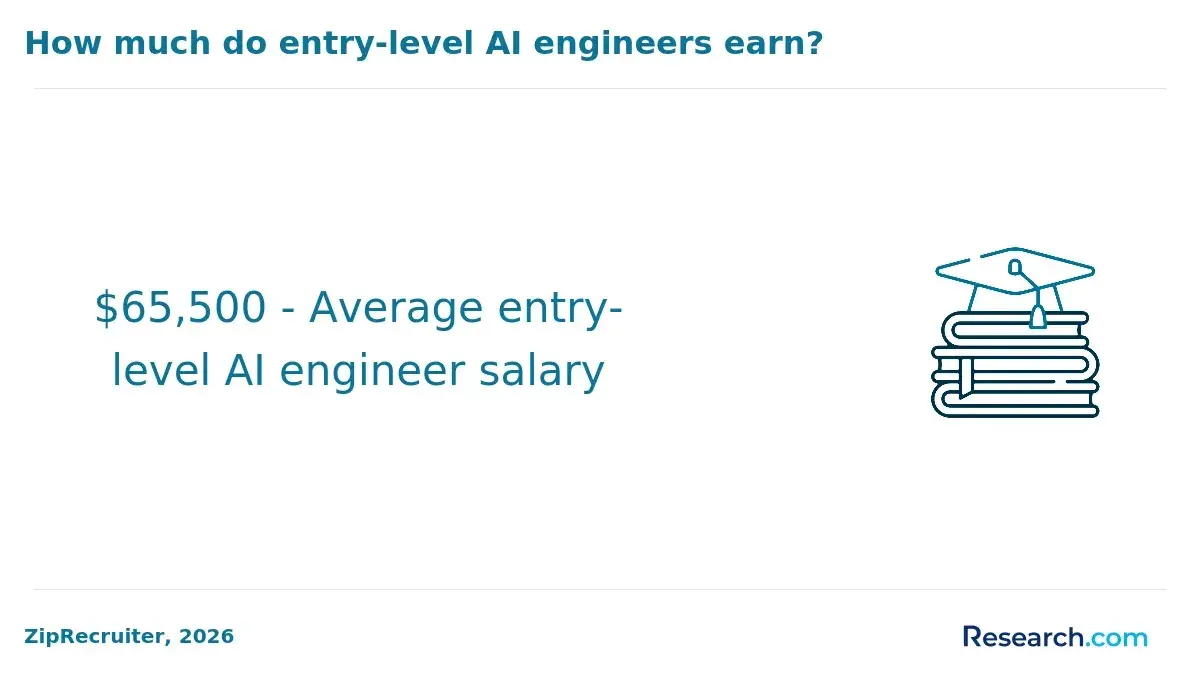
AI governance roles typically offer competitive salaries. Data from labor market analytics reveals these positions command median salaries around $168,000, approximately 24% higher than general AI and machine learning roles at $135,000. This highlights the premium employers place on governance skills.
Professionals considering a career shift should combine Udacity credentials with real-world project experience or legal and compliance knowledge to increase job prospects and career growth. This approach provides targeted learning without the extensive time or cost of formal degrees, helping learners efficiently build career-relevant skills.
What background, prerequisites, and technical skills are recommended before starting these courses?
Completing Udacity AI courses centered on AI governance demands a strong foundation in computer science and technical skills. Students should be comfortable with programming languages like Python and have a grasp of data structures, algorithms, and basic machine learning concepts. Statistical knowledge, particularly in probability, is important to understand risk assessment and model evaluation. A familiarity with ethical frameworks and technology regulations also enhances comprehension of AI governance challenges.
Professionals with backgrounds in legal, policy, or risk management roles will benefit from supplementing their expertise with technical training to fully engage with AI-specific governance issues. Knowledge of data privacy laws such as GDPR or CCPA supports understanding compliance modules, while cloud computing and data security experience add practical value for secure AI deployment.
Demand for AI governance expertise is growing rapidly. According to the Deloitte State of Generative AI in the Enterprise, 2nd Edition, 79% of large enterprises urgently seek more internal expertise in AI governance, ethics, and regulatory compliance, with 44% citing skills gaps as a barrier to scaling generative AI.
Prospective students should ensure they possess at least intermediate programming skills, foundational statistical knowledge, and awareness of tech policy environments before enrolling. Supplementary coursework in ethics or law and hands-on data science practice strengthen the problem-solving ability crucial for AI governance roles.
How long do Udacity AI governance pathways take, and what do they cost overall?
Udacity's AI governance nanodegree programs typically take between 3 to 6 months to finish, depending on the learner's prior experience and weekly commitment. These pathways cater to working professionals and recent graduates looking to build expertise in AI compliance, ethics, and risk management. The AI Governance Nanodegree usually involves hands-on projects and expert feedback, often extending the learning to around six months for deeper mastery.
More dedicated weekly hours can speed up completion.
Costs average about $399 per month, leading to a total investment between $1,200 and $2,400. This fee includes personalized project reviews and career services, differentiating Udacity's approach from other platforms that offer only self-paced learning without individualized support.
Significant regulatory changes heighten the demand for specialized training in this area. According to the Capgemini Research Institute report on the EU AI Act, 85% of affected EU companies plan to increase their investment in AI governance training shortly after enforcement. U.S. professionals aiming to remain competitive should consider these programs crucial for compliance and strategic AI use.
Which careers can Udacity AI governance learners pursue, and what do these roles involve?
Careers in AI governance encompass roles such as AI governance analyst, compliance officer, AI ethics specialist, and risk manager. These professionals develop and enforce AI policies that uphold ethical, legal, and operational standards. For instance, AI governance analysts assess AI systems for bias, transparency, and accountability within organizations. Compliance officers create frameworks to meet regulatory demands, while ethics specialists focus on societal and human rights implications of AI technologies. Risk managers work to identify and mitigate vulnerabilities like AI errors or privacy breaches.
These roles require a blend of AI technical knowledge with expertise in law, policy, and ethics. Collaboration with data scientists, legal experts, and business leaders is key to embedding effective AI governance frameworks. According to McKinsey, only 10% of organizations have fully operational AI governance across business units, highlighting growing demand for professionals who can bridge technology and governance.
Industries vary in AI governance focus: finance addresses fairness in credit scoring and fraud detection; healthcare ensures privacy and ethical AI diagnostics; public sector roles center on data protection and algorithmic accountability. Additional career options include AI policy advisor and regulatory affairs manager, reflecting evolving AI regulations.
- Ensuring AI compliance with emerging laws and policies
- Establishing ethical AI frameworks and bias mitigation strategies
- Designing and auditing AI risk management processes
- Communicating AI governance standards to stakeholders
What salary ranges and job outlook can AI governance professionals expect in the U.S.?
AI governance roles in the U.S. offer competitive salaries ranging from about $90,000 to over $160,000 annually, varying by experience, position, and sector. Entry-level roles such as AI ethics analysts or compliance officers typically start between $90,000 and $110,000.
Mid-career professionals like AI governance managers or policy advisors usually earn between $120,000 and $140,000, while senior experts, including directors of AI governance or chief ethics officers, can see salaries exceeding $160,000, especially in technology and finance industries.
The demand for skilled AI governance professionals remains high, fueled by a critical shortage of qualified talent. According to the World Economic Forum's Global Risks Report 2024 and Future of Jobs insights, 64% of surveyed organizations report lacking adequate in-house expertise for managing AI ethics, safety, and regulatory compliance. This shortage drives increased interest in developing specialized knowledge of AI governance frameworks and ethical risk management.
Key specializations that boost career prospects include emerging AI regulations, bias mitigation strategies, and interdisciplinary skills in law and data science. Employers highly value candidates with formal training from programs like those offered by Udacity, which help build credentials in AI governance best practices.
Building a strong portfolio featuring risk assessments, policy development work, or compliance audits can significantly enhance your competitiveness in this evolving field.
How can Udacity AI governance training support certifications and ongoing professional development?
Udacity's AI governance training offers specialized curricula designed to meet the evolving demands of professionals in this fast-growing field. These courses develop practical expertise in regulatory compliance, ethical AI design, risk assessment, and policy implementation, aligning with certification standards from leading bodies in data privacy, AI ethics, and risk management.
Continuous skill development is essential due to swift regulatory changes and technological advancements in AI governance. Udacity's modular format enables learners to stay current without enrolling in lengthy degree programs, benefiting working professionals who need to integrate new concepts such as explainability, fairness audits, and bias mitigation into their workflows.
Completing these courses also provides hands-on projects, like designing governance frameworks and conducting ethical impact assessments, which enhance career portfolios essential for advancement or recertification. Expert mentorship and a supportive learning community further reinforce sustained professional growth.
The World Economic Forum's "Future of Jobs Report 2025" highlights AI governance and ethics roles as some of the fastest-growing globally, projecting a 30-35% increase from 2023 to 2027. This underscores the importance of ongoing education through platforms like Udacity to remain competitive and certified in responsible AI deployment.
Other Things You Should Know About Artificial Intelligence
Ethical challenges in artificial intelligence governance include ensuring fairness, preventing bias, maintaining transparency, and upholding accountability. AI systems often reflect the data and assumptions they are trained on, which can perpetuate societal inequalities if not carefully managed. Addressing these issues requires robust policies and continuous oversight to protect individual rights and public trust.
In 2027, the top Udacity AI Governance course offers insights into regulatory frameworks, ethical AI deployment, and risk management for AI applications. The curriculum comprehensively covers policy implications and equips learners with essential governance strategies to handle data-driven technologies responsibly.
Yes, AI governance plays a key role in reducing algorithmic bias by implementing standards for diverse data sets, regular auditing, and transparency in AI model development. It ensures that fairness and inclusiveness are prioritized throughout the AI lifecycle. Without governance, biased decisions can lead to discrimination and harm, especially in sensitive fields like hiring or lending.
Governance provides the structured framework needed for the responsible deployment of artificial intelligence systems. It defines the ethical boundaries, risk assessments, and compliance measures required before AI tools are put into use. This oversight helps organizations avoid negative consequences and align AI functions with societal values and legal requirements.
References
- AI Governance Professional Certification | CertiProf https://certiprof.com/products/ai-governance-certification-iso-42001
- AI Governance and the Public Good | Udacity https://www.udacity.com/course/AI-governance-and-the-public-good--cd13383
- How to Become an AI Governance Expert: What Skills You Need and Where to Learn Them - AI Governance Library, Articles, Ressources https://aigouvernance.com/how-to-become-an-ai-governance-expert-what-skills-you-need-and-where-to-learn-them/
- Salary and Jobs Report 2025-26: Privacy, AI Governance and Digital Responsibility | IAPP https://iapp.org/resources/article/salary-survey-summary
- Top Online Master's in AI Degrees Compared https://www.nexford.edu/insights/top-online-masters-in-ai-degrees-compared
- Market Analysis of 146 AI Governance Job Postings https://axialsearch.com/insights/ai-governance-jobs/
- Common Bootcamp Prerequisites | ComputerScience.org https://www.computerscience.org/bootcamps/resources/common-bootcamp-prerequisites/
- Best AI Risk Management Certifications & Courses (2026) - Mindgard https://mindgard.ai/blog/best-ai-risk-management-certifications
- An AI governance certification will boost your career | The Corporate Governance Institute https://www.thecorporategovernanceinstitute.com/insights/guides/an-ai-governance-certification-will-boost-your-career/
- AI Governance Course: What to Look For https://thecasehq.com/ai-governance-course-what-to-look-for/