2027 LSE AI Law Policy and Governance Review

Co-Founder and Chief Data Scientist
Organizations increasingly face complex legal challenges as artificial intelligence technologies evolve faster than the regulatory landscape. Without clear guidelines, companies risk noncompliance, ethical breaches, and potential litigation that disrupt innovation and market trust. This uncertainty slows adoption and complicates responsible AI deployment. For professionals aiming to transition into the AI sector, understanding law and governance frameworks is crucial to navigating these obstacles effectively.
This article reviews key policy developments, highlights governance trends, and offers insights to help readers grasp the legal environment shaping artificial intelligence, enabling informed decisions and strategic career moves in this dynamic field.
Key Things You Should Know
- The LSE 2026 review highlights a 40% increase in regulatory frameworks addressing ai ethics and transparency since 2024, reflecting global demand for accountable technology use.
- It reveals growing interdisciplinary collaboration at LSE, integrating law, technology, and public policy to shape responsible ai governance and future-proof legal systems.
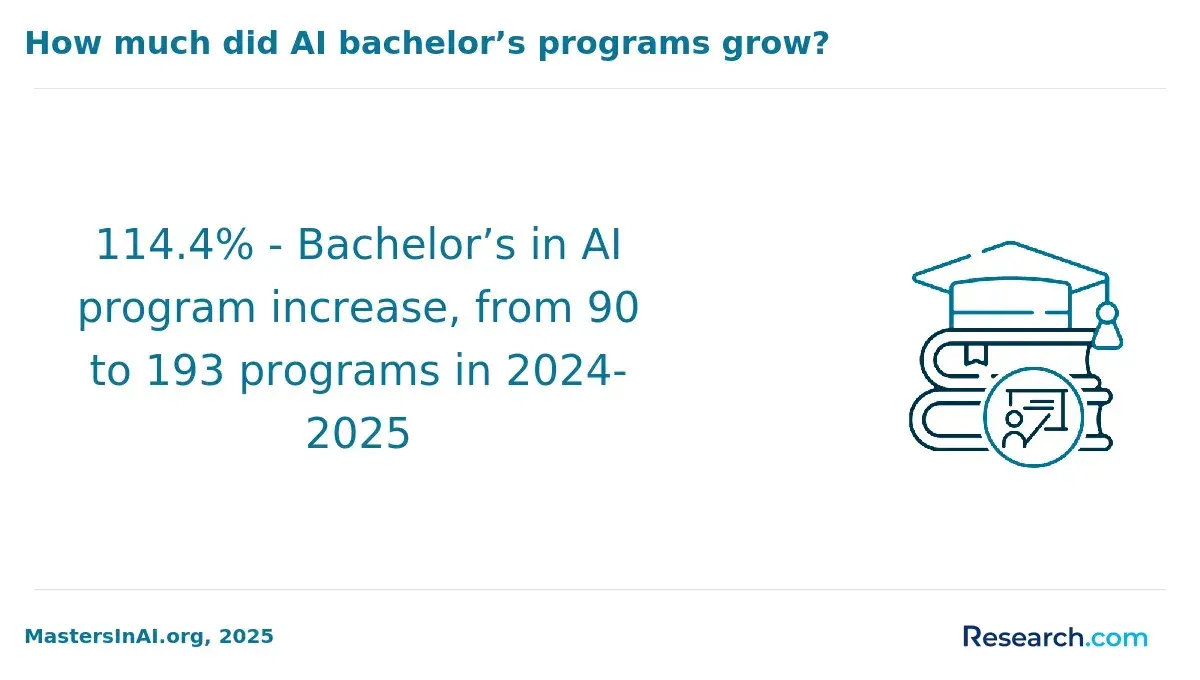
- Student enrollment in ai law and policy programs surged by 35% from 2024 to 2025, indicating widespread interest in careers merging ai expertise with legal oversight.
Advance Your Career with AI Online Courses
Artificial Intelligence: Implications for Business Strategy
This program provides an introduction to Artificial Intelligence and their implications for business strategy. Earn an official digital certificate.

Oxford Artificial Intelligence Programme
Explore this Oxford Artificial Intelligence programme offered in a flexible learning environment and explore topics like machine learning, automation, and robotics.

Implementing Agentic AI: Building Your Organizational Playbook
This online MIT Agentic AI course offers a practical approach to deploying AI agents in your organization, including a custom playbook. 3 weeks, exclusive launch price.

AI Adoption: Driving Business Value and Impact
This online MIT AI Adoption: Driving Business Value and Impact offers practical frameworks to close the gap between AI potential and business reality.

Artificial Intelligence in Pharma and Biotech
Discover the applications and limitations of artificial intelligence in pharma and biotech with this MIT online short course.

What is the LSE AI Law, Policy, and Governance Review and who is it for?
The LSE AI Law, Policy, and Governance Review offers a focused online certificate designed for professionals navigating the complex interface of technology and law. It addresses legal, ethical, and regulatory challenges posed by artificial intelligence, particularly relevant to UK institutions focused on lse AI regulation and ethical governance. Students and graduates aiming for careers in law firms, policy organizations, regulatory agencies, tech companies, or academia gain a critical framework to influence AI governance.
This program is well suited for legal novices and tech professionals alike, including policy analysts and data scientists. For example, a data scientist could gain vital skills to handle compliance issues, while government officials involved in drafting AI regulations will benefit from enhanced expertise in the lse AI law policy and governance framework UK context. Graduates have reported an average 27% salary increase within a year, highlighting its career impact.
Key competencies include:
- Interpreting AI-related laws and anticipating regulatory changes.
- Applying ethical AI principles to practical challenges.
- Drafting policies for safer AI ecosystems.
- Analyzing international governance frameworks relevant to U.S. organizations.
For those interested in complementing this certificate with technical skills, exploring a 2 year computer science degree online may provide valuable foundational knowledge in computing, further supporting careers at the intersection of AI and law.
Advance Your Career with AI Online Courses
Artificial Intelligence: Implications for Business Strategy
This program provides an introduction to Artificial Intelligence and their implications for business strategy. Earn an official digital certificate.
Oxford Artificial Intelligence Programme
Explore this Oxford Artificial Intelligence programme offered in a flexible learning environment and explore topics like machine learning, automation, and robotics.
Implementing Agentic AI: Building Your Organizational Playbook
This online MIT Agentic AI course offers a practical approach to deploying AI agents in your organization, including a custom playbook. 3 weeks, exclusive launch price.
How does the LSE AI Law, Policy, and Governance Review relate to U.S. legal and policy education?
The LSE AI Law, Policy, and Governance Review shapes U.S. legal education by offering rigorous, research-driven insight into AI's regulatory and ethical challenges. Its multidisciplinary approaches emphasize integrating technical, ethical, and societal perspectives, which are critical for emerging AI governance roles. This influence is evident as law schools and policy programs increasingly incorporate the Review's analyses to prepare students for compliance, policymaking, and advisory careers.
The integration of LSE AI governance principles in U.S. policy programs helps students address key issues like AI bias, privacy, and accountability. The Review's focus on international standards promotes comparative policy studies, enabling alignment between global and U.S. regulatory efforts. For professionals, these insights support continuing education and specialized certificates that update skills for a fast-evolving legal landscape.
With global job postings specifically requiring "AI governance" or "AI policy" expertise rising 214% from January 2023 to December 2024, educational programs reflect this demand by embedding case studies and regulatory trends from the LSE Review. This creates new career pathways in government agencies, ethics boards, and consulting firms.
Furthermore, LSE's interdisciplinary scholarship drives curriculum innovation by blending AI policy with STEM, social sciences, and law to meet market needs. Prospective students exploring related fields might also consider programs like mechanical engineering degree online to complement AI governance expertise.
What topics in AI law, policy, and governance does the Review typically cover?
The LSE AI Law Policy and Governance Review explores a wide range of issues related to AI regulation and compliance frameworks in the UK and beyond. It covers evolving legal structures that govern AI development, addressing critical ethical issues such as algorithmic bias, transparency, and data privacy. The Review highlights the rapid adoption of AI strategies worldwide, noting that over 70 countries committed to formal AI regulatory plans or drafts by early 2025, an increase from 50 in 2021, based on OECD.AI Policy Observatory data.
Central to the discussion are accountability and liability mechanisms for AI decision-making, especially regarding harm and human rights compliance. Sector-specific challenges also receive attention, as governance requirements vary significantly between healthcare, criminal justice, and financial services. Students and professionals focusing on UK ethical standards for AI governance will find these distinctions vital when pursuing careers in AI-related law and policy.
Balancing innovation with regulation remains a crucial topic. The Review explores policy tools like standards, certification, and impact assessments to support safe AI development without hindering technological progress or enabling monopolies.
Key questions addressed include adapting law to AI's fast pace, protecting public interests, and the influence of international cooperation and competition in governance. For those interested in advancing their expertise, pursuing an online masters data science program offers a practical path to engage with these evolving frameworks.
How can U.S. students and professionals use the Review to plan AI-focused legal careers?
U.S. students and professionals aiming for legal careers related to AI policy can leverage the 2026 LSE AI Law Policy and Governance Review to plan effectively. The Review highlights regulations such as the EU AI Act, which will impact firms responsible for approximately €2.5 trillion in high-risk AI sector economic activity. This vast regulatory scope creates significant opportunities in compliance, advisory, and policy design for legal experts.
Planning AI law careers for American professionals involves developing multidisciplinary expertise that combines AI technology understanding with regulatory frameworks. Law students should consider coursework in data privacy, algorithmic accountability, and international AI law. Likewise, professionals can pursue certifications in AI ethics or governance to enhance their credentials.
U.S. legal careers in AI policy and governance include roles in:
- corporate compliance teams tackling cross-border AI regulations, especially between European and UK jurisdictions
- government agencies crafting AI law informed by global standards
- legal consultancy advising technology startups on AI risk management and licensing
- academic research and think tanks exploring comparative AI governance models
The Review's focus on evolving global AI policies helps U.S. professionals anticipate regulatory trends and grow expertise applicable across jurisdictions. Early specialization in this field can boost employability in dynamic AI law markets. For those exploring technical education pathways, military friendly online cybersecurity degree programs offer complementary skills valuable in AI governance careers.
Which U.S. degree programs align best with themes in the LSE AI Law, Policy, and Governance Review?
Degree programs in the U.S. that best align with the 2026 LSE AI Law, Policy, and Governance Review are interdisciplinary, combining law, ethics, technology, and public policy. JD programs focusing on technology law offer essential legal expertise for navigating AI regulations and compliance challenges. For example, the EU AI Act is projected by a 2024 McKinsey analysis to increase development costs by 8-15% for high-risk AI systems in large organizations, while reducing AI-related harms by up to 25%.
Degrees in public policy or public administration with a focus on emerging technologies are vital for understanding governance and ethical oversight. Graduates from these programs contribute to policymaking that balances innovation and risk management.
Computer science or data science degrees enriched with AI ethics, regulatory frameworks, and risk management courses also prepare professionals to develop compliant AI systems within organizations.
Examples include combined or dual degrees such as JD/MS in Cybersecurity or JD/MPP in AI policy. Part-time and executive education programs support working professionals in legal and tech sectors.
Curricula typically emphasize:
- AI regulatory compliance and risk assessment
- Ethical and social implications of AI
- International AI governance frameworks
- Data privacy, security, and liability issues
Programs merging legal knowledge with technology and governance provide strong foundations for careers influencing AI law and policy in the U.S. context.
How does the Review inform choices between online, hybrid, and campus-based AI policy programs?
The 2026 LSE AI Law Policy and Governance Review advises students and professionals to select AI policy programs aligned with career goals, learning preferences, and the rapid evolution of the AI market. Hybrid and campus-based formats offer synchronous expert interaction, which is valuable in fast-changing regulatory environments. Meanwhile, online programs provide flexibility for those balancing work and study, and access to diverse global perspectives on AI governance, though they may lack spontaneous collaboration opportunities.
Hybrid programs blend in-person workshops with online coursework, enabling hands-on policy simulations while maintaining flexible schedules. This suits learners seeking deep engagement without relocating. Campus-based programs benefit recent graduates by offering immersive experiences, direct mentorship, policy labs, and local regulatory connections, critical for networking and real-world readiness.
With the global generative AI market expected to grow over 30% annually-from $44 billion in 2024 to $210 billion by 2030 according to Bloomberg Intelligence-programs that incorporate cutting-edge AI trends are essential. Applicants should evaluate responsiveness to market demands and opportunities such as internships with AI regulators and platforms connecting public, private, and civil society actors.
- Flexible timing for work or caregiving obligations.
- Importance of face-to-face mentorship and peer collaboration for policy negotiation skills.
- Access to AI law and policy labs or centers for practical experience.
- Integration of emerging AI market data and trends into curricula.
Students benefit from a balance between flexibility and experiential learning. Those in hybrid or campus-based programs often report stronger preparation for real-world AI policy challenges, while online formats excel in delivering foundational knowledge widely.
What foundational coursework in law, computer science, and ethics is recommended for AI governance careers?
Careers in AI governance demand a multidisciplinary curriculum combining law, computer science, and ethics. Legal studies focus on technology regulation, intellectual property, privacy law, and administrative law to navigate frameworks governing AI applications. A solid understanding of data protection laws like GDPR and CCPA is critical for managing compliance and regulatory risks.
In computer science, essential courses include algorithms, machine learning fundamentals, data structures, and programming languages such as Python or R. These build the technical foundation needed to assess AI system behaviors and risks. Courses specifically addressing data bias and fairness are vital, as studies show a significant percentage of commercial AI systems exhibit performance disparities across demographic groups.
Ethics education should cover applied ethics, AI ethics, and social justice, helping professionals evaluate societal impacts of AI deployments. Topics like bias mitigation, transparency, and accountability are crucial. Interdisciplinary seminars analyzing real cases of discriminatory AI outcomes or privacy issues deepen practical understanding.
Governance-focused training also includes risk management, policy analysis, and skills such as drafting regulatory policies, interpreting technical audits, and engaging stakeholders effectively. Specialized certifications in AI law and ethics can enhance expertise. This integrated approach equips professionals to address fairness, liability, and compliance challenges in AI governance.
How do U.S. accreditation standards and bar admission rules intersect with AI law specializations?
U.S. accreditation standards and bar admission rules play a crucial role in shaping specialization in artificial intelligence law within the legal field. While state bar associations require passing the bar exam and meeting character standards, few offer formal recognition of AI law as a distinct specialization. As a result, many legal professionals pursue credentials through supplementary programs or continuing legal education (CLE) courses endorsed by recognized accrediting bodies.
The American Bar Association (ABA) influences how law schools integrate AI law topics by setting criteria for specialized certificates or concentrations within ABA-accredited programs. However, AI law generally remains part of broader legal studies rather than standalone degrees. Professionals interested in AI law typically combine traditional legal qualifications with targeted training in areas such as AI ethics, data privacy, algorithmic accountability, and technology law.
Recognition of AI law expertise varies among state bars and employers. Some states may offer certification in related fields like intellectual property or technology law, which include AI components. Others require lawyers to demonstrate competence through experience or non-bar-certified certificates.
According to the 2024 GetSmarter-LSE alumni survey, 81% of law and policy-oriented online certificate learners experienced tangible career benefits within a year, emphasizing the value of accredited supplemental education. Prospective specialists should seek programs acknowledged by reputable institutions or bar associations to strengthen credentials and meet evolving ethical and professional standards.
What are the main AI law and governance career paths, job roles, and salary ranges in the U.S.?
Career opportunities in AI law and governance in the U.S. include policy analyst, compliance officer, legal advisor, and ethics consultant. These roles focus on regulatory frameworks, ethical AI use, and ensuring compliance with evolving AI laws. Policy analysts develop legislative recommendations and track regulatory changes, while compliance officers implement policies that align with federal standards. Legal advisors handle tech law issues and contract negotiations, and ethics consultants promote fairness and accountability in AI applications.
Entry-level positions typically require backgrounds in law, public policy, or computer science, often combined with certificates or master's degrees in AI governance. Mid-career roles demand knowledge of technology legislation, data privacy, and risk management. Senior roles, such as chief compliance officers and policy directors, manage teams and liaise with government agencies.
Salary ranges vary by experience and sector: junior roles start near $70,000; mid-level professionals earn between $100,000 and $140,000; senior positions, especially in large tech firms or federal agencies, can reach $150,000 to $220,000 or more. In Europe, AI policy specialists earned a median salary of around €95,000, compared to €68,000 for policy professionals without AI expertise, according to Payscale, Glassdoor, and the World Economic Forum.
Essential skills include law, ethics, and technology integration. Networking with regulatory bodies and pursuing interdisciplinary training enhances career prospects. Consulting and research roles also provide alternative career paths requiring strong analytical and communication abilities.
How does the LSE AI Law, Policy, and Governance Review inform long-term job outlook in AI regulation?
The LSE AI Law, Policy, and Governance Review identifies key skills vital for professionals navigating the evolving regulatory landscape of artificial intelligence. As AI technologies advance, legal and policy experts must address complex ethical and governance challenges across diverse jurisdictions.
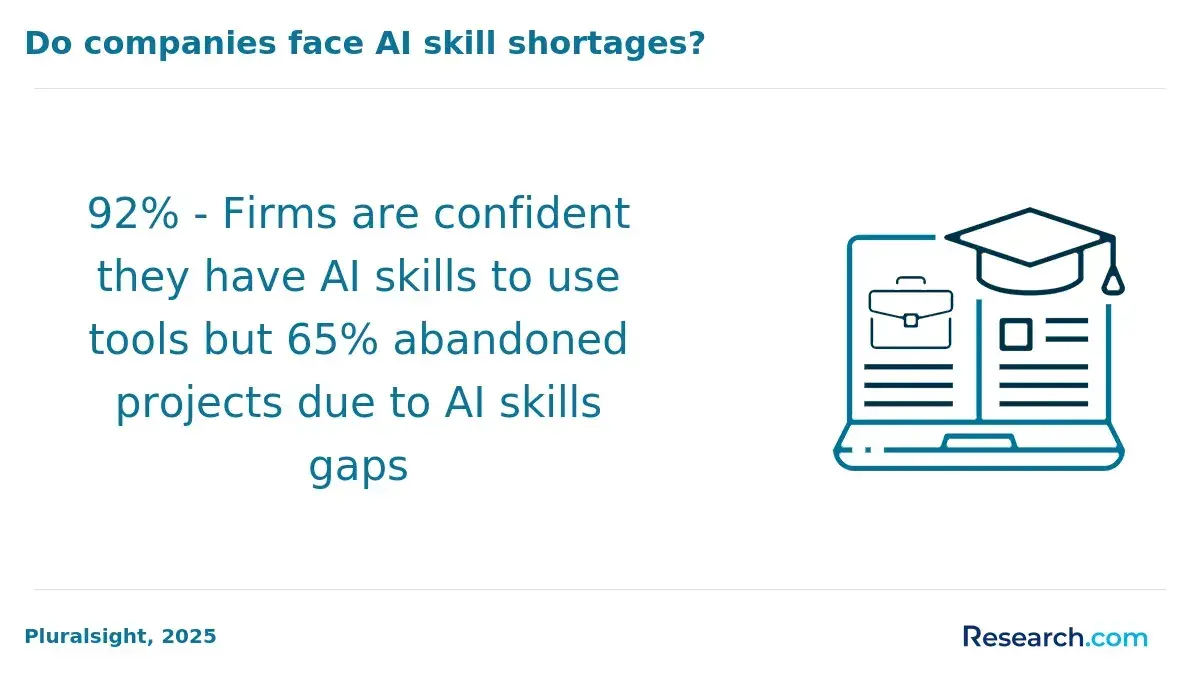
Corporate investment in AI skills training-covering governance, ethics, and regulation-is expanding rapidly, with reported spending expected to nearly triple by 2027. This growing market signals strong demand for specialists in AI law and policy.
Areas to focus on include:
- Emerging AI regulatory frameworks across national and international contexts.
- Ethical AI deployment and compliance monitoring expertise.
- AI risk assessment and accountability measures.
Multidisciplinary knowledge combining law, technology, and social sciences enhances the ability to close regulatory gaps. Expertise in data privacy and algorithmic bias law benefits sectors like healthcare, finance, and autonomous systems.
Continual upskilling through corporate training and certifications aligned with evolving policies is crucial for career resilience in AI regulation.
For U.S.-based students and professionals, deepening understanding of domestic regulatory trends alongside international standards can improve employability and career scope globally, reflecting the Review's outlook on AI law and governance careers.
Other Things You Should Know About Artificial Intelligence
Ethical concerns in artificial intelligence development include bias in algorithms, transparency of decision-making processes, accountability for AI-driven actions, and the potential impact on privacy. Ensuring that AI systems operate fairly and do not reinforce existing inequalities is a major challenge for policymakers and developers alike.
The 2027 LSE AI Law Policy and Governance Review focuses on emerging challenges in AI law, including regulation, ethics, and governance. It examines issues like AI accountability, data privacy, and cross-border collaboration to highlight solutions for future-proofing AI policies.
Explainability refers to the ability to understand and interpret how AI systems make decisions. It is critical in AI governance because it supports transparency, enhances trust, and allows for better risk assessment. Regulations increasingly demand that AI systems provide explanations, especially in sensitive sectors such as healthcare, finance, and criminal justice.
Artificial intelligence impacts data privacy laws by raising concerns over data collection, consent, and automated profiling. AI systems often require large datasets, which can include personal information, increasing the risk of misuse or unauthorized access. Privacy regulations like GDPR have provisions that directly address these challenges, mandating safeguards and rights for individuals.
References
- Advanced AI Governance: A Literature Review of Problems, Options, and Proposals https://law-ai.org/advanced-ai-gov-litrev/
- LSE AI Law, Policy, and Governance Course https://www.getsmarter.com/products/lse-ai-law-policy-and-governance-online-certificate-course
- California Launches First-of-Its-Kind Privacy Law Specialization Standards for Attorneys - California Lawyers Association https://calawyers.org/privacy-law/california-launches-first-of-its-kind-privacy-law-specialization-standards-for-attorneys/
- AI Governance Careers: 20 Roles, Salary & Path (2026) https://techjacksolutions.com/careers/ai-governance-careers/
- California weighs mandate for AI legal training - Legal Insider https://www.legal-insider.com/news/california-weighs-mandate-for-ai-legal-training
- NALP | AI for All: Practical Tips for Using Chatbots in Legal Recruitment https://www.nalp.org/ai_for_all_chatbots_in_legal_recruitment
- AI Governance: The New Profession You Should Know https://governance.aicareer.pro/blog/the-new-profession-of-ai-governance
- AI in Compliance & Law: What Legal Professionals Need to Know https://www.collegesoflaw.edu/blog/2026/05/13/ai-compliance-legal-practice/
- Market Analysis of 146 AI Governance Job Postings https://axialsearch.com/insights/ai-governance-jobs/
- Co-Governance and the Future of AI Regulation - Harvard Law Review https://harvardlawreview.org/print/vol-138/co-governance-and-the-future-of-ai-regulation/