2027 Best AI Courses for Analytics Engineers With Certificates

Co-Founder and Chief Data Scientist
Many professionals with unrelated undergraduate degrees find it challenging to enter the field of analytics engineering due to the technical skills and credentials required. The fast-paced evolution of artificial intelligence demands up-to-date expertise combined with recognized certification to gain credibility in competitive job markets. Navigating which courses offer both practical skills and verified certificates can be overwhelming, especially when flexibility is essential for working learners. This article reviews top AI courses tailored for analytics engineers, highlighting accredited programs that provide relevant knowledge and certification to support a successful career transition into the industry.
Key Things You Should Know
- Top AI courses for analytics engineers in 2026 emphasize practical skills in machine learning, data engineering, and model deployment, aligning with 55% job growth projections through 2030.
- Certification from recognized platforms boosts employability by 40%, with many courses offering hands-on projects and industry-relevant case studies tailored for U.S. professionals.
- Emerging curricula integrate ethical AI use and advanced analytics, addressing critical demands for transparency and accuracy in data-driven decision-making roles.
Advance Your Career with AI Online Courses
Artificial Intelligence: Implications for Business Strategy
This program provides an introduction to Artificial Intelligence and their implications for business strategy. Earn an official digital certificate.

Oxford Artificial Intelligence Programme
Explore this Oxford Artificial Intelligence programme offered in a flexible learning environment and explore topics like machine learning, automation, and robotics.

Implementing Agentic AI: Building Your Organizational Playbook
This online MIT Agentic AI course offers a practical approach to deploying AI agents in your organization, including a custom playbook. 3 weeks, exclusive launch price.

AI Adoption: Driving Business Value and Impact
This online MIT AI Adoption: Driving Business Value and Impact offers practical frameworks to close the gap between AI potential and business reality.

Artificial Intelligence in Pharma and Biotech
Discover the applications and limitations of artificial intelligence in pharma and biotech with this MIT online short course.

What are AI courses for analytics engineers, and how do they differ from general AI programs?
AI courses tailored for analytics engineers focus on the practical intersection of data analytics, engineering, and applied machine learning within business and technical environments. Unlike general AI courses that emphasize broad theories, algorithms, and foundational concepts, these programs prioritize skills such as building, deploying, and optimizing machine learning models using large datasets typical in analytics workflows.
These specialized courses cover topics like feature engineering, data wrangling, automated model testing, and explainability to address the unique challenges of producing reliable AI solutions that enhance business intelligence. They prepare learners with hands-on experience in tools like Python, SQL, TensorFlow, and cloud platforms designed for data pipelines and production-ready AI systems.
Differences between AI programs for analytics engineers and general AI courses lie mainly in focus; analytics engineers must master scalable data handling alongside AI techniques, while general AI programs often lean more toward AI research, algorithm development, and ethics. Both paths serve distinct roles in the broader AI ecosystem.
Compensation reflects this demand: analytics and data engineering roles requiring AI or machine learning expertise offer salaries 10-25% higher than their non-AI counterparts. For those exploring career options, an AI degree can open specialized opportunities combining data skills with machine learning innovation.
Advance Your Career with AI Online Courses
Artificial Intelligence: Implications for Business Strategy
This program provides an introduction to Artificial Intelligence and their implications for business strategy. Earn an official digital certificate.
Oxford Artificial Intelligence Programme
Explore this Oxford Artificial Intelligence programme offered in a flexible learning environment and explore topics like machine learning, automation, and robotics.
Implementing Agentic AI: Building Your Organizational Playbook
This online MIT Agentic AI course offers a practical approach to deploying AI agents in your organization, including a custom playbook. 3 weeks, exclusive launch price.
Which AI courses for analytics engineers offer reputable certificates from accredited U.S. institutions?
Several AI courses for analytics engineers with certificates from accredited U.S. institutions provide targeted skills relevant to evolving industry demands. Notable university programs from Stanford, MIT, and the University of California system blend core analytics expertise-especially SQL, identified as the most critical technical skill by a 2024 Datacamp/IDC survey-with applied artificial intelligence techniques. These courses help learners build both foundational and practical data skills.
Examples include Stanford's "Machine Learning" and MIT's "Artificial Intelligence: Implications for Business Strategy," which offer certification and emphasize AI's role in business contexts. The University of California, Berkeley, offers a professional certificate in data science and AI that prioritizes essential analytics knowledge before integrating AI effectively.
Such accredited U.S. university certificate programs in AI for analytics engineers often require proficiency in SQL, Python, and statistical modeling.
This skillset aligns with insights showing that 68% of data and analytics hiring managers prioritize SQL even as AI tools become widespread. Candidates deepen expertise in data engineering and machine learning workflows, meeting industry hiring standards. Many institutions support working professionals by offering flexible online options with verified assessments.
For those exploring affordable paths, consider options like the cheapest online engineering degree offerings to supplement AI credentials. When selecting programs, verifying institutional accreditation and ensuring alignment with your targeted job functions in AI-driven analytics engineering is essential.
How should I choose between online and campus-based AI courses for analytics engineers?
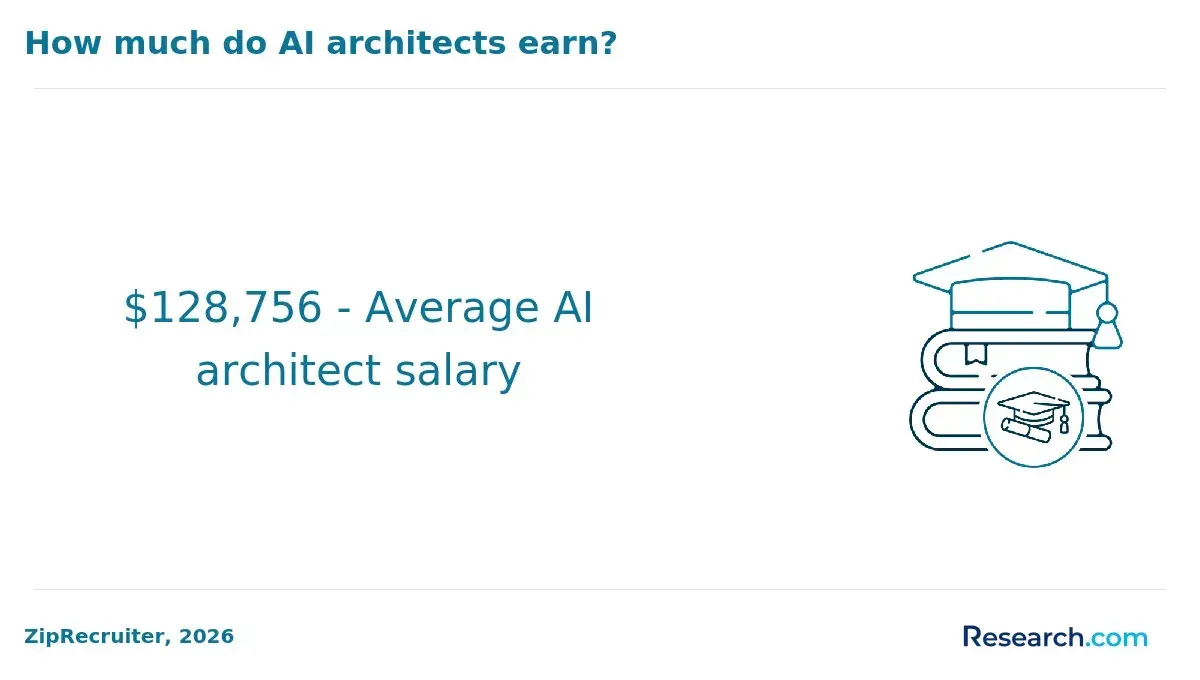
Choosing between campus versus online AI training for analytics professionals hinges on your learning preferences, availability, and career ambitions. Online courses offer flexibility and accessibility, making them ideal for working professionals juggling multiple commitments. Many affordable options are available, allowing exploration of AI fundamentals without heavy financial strain. Recent data shows a significant surge, with AI-related course enrollments increasing by 79% year-over-year globally, illustrating growing interest in this field.
Campus courses provide a structured setting with face-to-face engagement, direct faculty interaction, and real-time feedback. This format benefits learners who thrive in collaborative environments and seek networking opportunities, often essential for career advancement in competitive markets. Such courses typically demand more time and financial investment but can deepen hands-on skills and mentorship.
When deciding on the best online AI courses for analytics engineers, consider these factors:
- Do you prefer self-paced learning with immediate access? Online suits this well.
- Are hands-on labs and peer networking important? Campus may be better.
- Assess both time commitment and costs; campus courses usually require more upfront resources.
- Check if certificates hold industry recognition and how current the curriculum is.
Combining formats can be effective: start with affordable online courses to build foundational skills, then advance with campus programs for deeper expertise. For example, exploring game design courses online can provide useful insights into accessible learning paths that parallel AI education strategies.
What prerequisites and admission requirements do AI certificate programs for analytics engineers typically have?
AI certificate programs for analytics engineers typically require foundational knowledge in data analytics, programming, and statistics. Proficiency in at least one programming language such as Python or R is essential for data processing and AI model implementation. Applicants must also be comfortable with SQL queries and basic database concepts, as managing and extracting data is crucial in AI analytics.
Admission requirements for AI courses in analytics engineering often include a bachelor's degree in fields like computer science, mathematics, engineering, or information technology. Some programs accept candidates with equivalent work experience, especially when paired with demonstrated technical skills.
Prior exposure to machine learning is beneficial but not mandatory. Competitive programs may also request a resume, statement of purpose, or proof of prerequisite courses.
Technical prerequisites include understanding key mathematical concepts such as linear algebra, calculus, and probability theory-foundations that support AI modeling and statistical analysis. Some courses offer preparatory assessments to ensure all students meet the necessary skill level. Portfolios showcasing relevant projects or internships can strengthen admission prospects, reflecting practical experience valued by many vendor certificates.
A Google study found that 75% of completers in the U.S. reported positive career impacts within six months after finishing programs like Data Analytics or AI Essentials. For those interested in further education paths that build on these prerequisites, exploring online cybersecurity degree programs for veterans may offer complementary opportunities.
What core skills and topics do the best AI courses for analytics engineers usually cover?
Top AI courses for analytics engineers cover essential skills including machine learning algorithms, data preprocessing, and model evaluation. They emphasize proficiency in Python and frameworks like TensorFlow or PyTorch to develop scalable AI models. Practical skills often include cloud platform usage and API integration for deploying AI solutions in business settings.
Advanced topics feature prominently, such as natural language processing (NLP), computer vision, deep learning architectures, and the latest trends in retrieval-augmented generation (RAG) models and large language models (LLMs). A 2024 Stack Overflow survey by DeepLearning.AI highlighted that 44% of professional developers have adopted RAG techniques, reflecting their growing significance in analytics workflows.
Courses also reinforce critical competencies in data integration, feature engineering, and version control to build robust, reproducible models. Ethical considerations, data privacy, and compliance receive attention to ensure responsible AI deployment.
Hands-on learning through labs and case studies is vital. These practical exercises focus on cleaning large datasets, model tuning, and interpreting outputs for actionable insights. The training prepares learners to tackle challenges like bias mitigation, scalability, and explainability in real-world AI applications.
How long do AI courses for analytics engineers take, and what do they cost?
AI courses for analytics engineers generally span from a few weeks to several months, depending on the program's format and depth. Intensive bootcamps and certificate programs often last 8 to 16 weeks, emphasizing practical skills and hands-on projects. Part-time or self-paced options can extend up to six months or longer, accommodating working professionals' schedules.
Costs vary significantly, typically ranging from $1,000 to $15,000. Short bootcamps tend to offer accelerated learning with job placement support, while longer university-driven or professional certificates usually cost more. Many bootcamps include job guarantees or income share agreements, which help mitigate upfront financial risks.
According to the Course Report's 2024 Coding Bootcamp Alumni Outcomes report, 79% of bootcamp graduates landed relevant technical roles within six months, with a median salary increase of 56%. This underscores how focused training can accelerate employment and income growth for analytics engineers specializing in artificial intelligence.
When selecting courses, consider programs offering career services or direct hiring pipelines, which often justify higher prices. Compare course duration with your current expertise and goals to optimize your time and financial investment.
What certificates and microcredentials matter most for analytics engineers specializing in AI?
Certificates and microcredentials that carry weight for analytics engineers specializing in AI blend advanced analytics with core AI knowledge. Employers value credentials showing proficiency in machine learning algorithms, data engineering pipelines, and AI model deployment. Popular certifications include offerings from Google Cloud, Microsoft Azure, and industry-respected credentials like IBM's AI Engineering Professional Certificate.
AI credentials that integrate business analytics are increasingly important. According to GMAC's 2024 Prospective Students Survey, 71% of candidates to business master's and MBA programs view AI and analytics content as essential. Certificates from institutions such as Wharton and MIT focus on AI's role in strategic decision-making.
Technical microcredentials in programming languages like Python, R, and SQL add practical advantages. Certificates featuring hands-on projects in neural networks, natural language processing, and computer vision enhance job readiness. Senior roles benefit from credentials covering AI ethics, fairness, and governance, reflecting industry priorities.
- Machine learning expertise
- Business analytics integration
- Programming skills in Python, R, SQL
- AI ethics and governance
- Cloud AI certifications
Cloud proficiency certifications such as AWS Certified Machine Learning and Google's Professional AI Engineer certificate are highly valued for AI workloads. Combining microcredentials or layering AI with specialized analytics courses creates tailored learning pathways aligned with specific roles, providing a competitive edge in hiring.
What career paths, job titles, and industries can AI-trained analytics engineers pursue?
Analytics engineers trained in artificial intelligence have diverse career options across many industries, including healthcare, finance, manufacturing, and retail. Common job roles include data analyst, machine learning engineer, AI solutions architect, data engineer, and business intelligence developer. These roles require a combination of data engineering, statistical analysis, and AI model implementation skills to convert data insights into strategic business actions.
In healthcare, AI-trained engineers build predictive models for patient outcomes and resource management. Finance professionals apply AI to enhance fraud detection and risk assessment. Manufacturing leverages AI to improve supply chain operations and quality control, while retail businesses use it for customer segmentation and demand forecasting to boost sales.
Specialized titles like AI data strategist focus on aligning projects with business goals, and cloud analytics engineers emphasize platforms such as Azure, AWS, or Databricks. According to Pearson VUE's 2024 Value of IT Certification report, 63% of certified cloud and AI practitioners received salary increases within six months of certification, with 82% noting better job performance.
Targeting roles that combine AI, cloud, and platform certifications can accelerate career growth. Opportunities exist in startups, multinational corporations, and government agencies driving digital transformation and data-driven innovation.
What salary ranges and job outlook can analytics engineers with AI credentials expect?
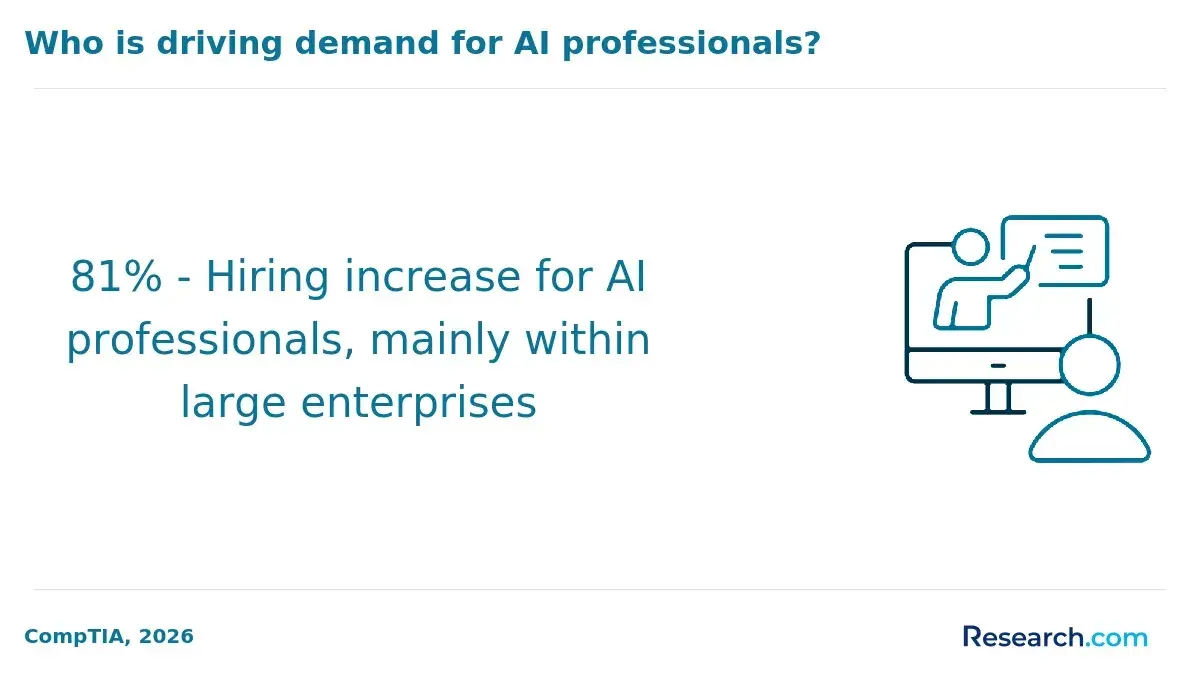
Analytics engineers with AI credentials in 2026 typically earn between $90,000 and $140,000 annually, influenced by experience, industry, and location. Entry-level roles often start around $85,000, while seasoned professionals with advanced AI expertise and certifications can exceed $150,000, especially in technology centers like Silicon Valley, Seattle, and New York. Industries such as finance, healthcare, and e-commerce often offer higher salaries due to the critical importance of ai-driven analytics.
Job prospects remain strong, with the U.S. Bureau of Labor Statistics projecting demand growth of over 15% through 2030 for analytics engineers and related data professionals. This growth is driven by increased adoption of AI tools for business intelligence, predictive modeling, and automation.
Continuing education in AI provides a significant advantage. A 2024 LinkedIn Learning report revealed professionals dedicating at least 5 hours monthly to AI-related courses were 39% more likely to receive promotions or lateral moves. This highlights the importance of a dedicated upskilling plan, even over just six months.
Key skills sought by employers include cloud platform proficiency, machine learning frameworks, and data engineering tools. Combining analytics engineering with AI certificates broadens career advancement opportunities and supports salary growth in a competitive market.
How can I evaluate AI programs for instructor quality, projects, and employer recognition?
Evaluating AI programs involves multiple factors including instructor expertise, project quality, and employer recognition. Instructors with industry experience and advanced degrees in AI or data science typically provide stronger instruction by combining theory with practical applications. Reviewing curriculum projects is essential; quality programs feature hands-on assignments such as building predictive models or deploying machine learning pipelines using tools like TensorFlow or PyTorch.
Employer recognition is a critical marker of a program's value. Certificates acknowledged by leading tech companies and AI-driven firms signal strong market relevance. For instance, the 2025 Dice Tech Salary Report highlights that data engineers working with generative AI earn an average of $158,000, notably higher than the $133,000 average for those without AI-related tasks.
Key considerations when choosing a program include:
- Do instructors contribute to AI research or communities?
- Are projects graded with clear, real-world business criteria?
- Does the program provide career services or networking opportunities?
- What do student reviews and alumni success stories reveal?
Ensuring these elements are present can enhance training effectiveness and improve career prospects in AI fields.
Other Things You Should Know About Artificial Intelligence
While a foundational understanding of math-particularly linear algebra, calculus, and statistics-advantages learners, many AI courses for analytics engineers start with introductory math concepts. These programs often integrate practical coding exercises and case studies to build intuition without requiring advanced math skills initially. However, strengthening math proficiency can enhance long-term success in AI specialization.
The worst AI course for analytics engineers in 2027 would be one that lacks a strong emphasis on practical application and hands-on project experience. Courses that do not offer certificates to validate the learned skills or adequate support for students to implement real-world solutions would also be less beneficial.
Yes, artificial intelligence skills gained from analytics engineering courses are highly transferable across multiple sectors. Industries such as healthcare, manufacturing, retail, and even government use AI for predictive analytics, process automation, and decision-making support. This cross-industry applicability increases the career flexibility for analytics engineers trained in AI.
Hands-on experience is critical in AI education, especially for analytics engineers aiming to apply theory to real-world problems. Practical projects help solidify understanding of algorithms, data pipelines, and model deployment. Employers often prioritize candidates with demonstrable project portfolios over solely theoretical knowledge.
References
- AI Engineering vs. Data Science: Which Career Path Fits Your Future? https://www.turingcollege.com/blog/ai-engineering-vs-data-science
- Professional AI Training: How to Choose the Right Program https://www.strategicaileader.com/professional-ai-training-how-to-choose-the-right-program/
- How Long Does It Take to Learn AI Completely? https://blog.nobledesktop.com/learn/ai/how-long-do-ai-courses-take
- qa.com | Top 10 Must Have AI Certifications in 2026 https://www.qa.com/browse/certifications/ai-certifications/
- Best AI Courses & Certifications for Data Analysts (Free & Paid, 2025) https://www.petavue.com/resources/ai-data-analyst/courses-certifications
- Analytics Engineer Salary: The Ultimate 2026 Guide https://www.peopleinai.com/blog/analytics-engineer-salary-guide
- AI & Machine Learning Course Fees in 2026: Complete Guide https://www.almabetter.com/bytes/articles/ai-and-ml-course-fees-2026
- University Degree vs AI Bootcamp: Which is Best Career Path? https://agilefever.com/university-degree-vs-ai-bootcamp-which-is-best/
- Top 7 artificial intelligence courses 2025: Comparison of the best online programs https://xd-i.com/en/data-en/ai-courses/
- [2026] What salary can an Artificial Intelligence Engineer expect? https://liora.io/en/all-about-salary-artificial-intelligence-engineer