2027 Best Agentic AI Courses for Functional Leaders

Co-Founder and Chief Data Scientist
Leaders in various industries face mounting pressure to integrate agentic AI solutions to drive innovation and efficiency. Many functional leaders without a technical background struggle to identify credible, flexible programs that bridge this knowledge gap swiftly. The challenge lies in finding accredited courses tailored to professionals seeking to pivot into AI without disrupting their current roles.
This article examines the best agentic AI courses designed for functional leaders aiming to gain practical expertise. It highlights programs that balance accessibility, rigor, and relevance to ensure learners can confidently apply AI principles in business environments.
Key Things You Should Know
- Agentic AI courses for functional leaders prioritize practical skills in autonomous decision-making, with 65% of programs updated in 2025 to include real-world business applications.
- These courses emphasize leadership strategies integrating agentic AI tools, enhancing team efficiency by up to 40% according to 2024 industry surveys.
- Top programs combine AI ethics and governance training, addressing critical knowledge gaps as 78% of executives express concern over AI accountability.
Advance Your Career with AI Online Courses
Artificial Intelligence: Implications for Business Strategy
This program provides an introduction to Artificial Intelligence and their implications for business strategy. Earn an official digital certificate.

Oxford Artificial Intelligence Programme
Explore this Oxford Artificial Intelligence programme offered in a flexible learning environment and explore topics like machine learning, automation, and robotics.

Implementing Agentic AI: Building Your Organizational Playbook
This online MIT Agentic AI course offers a practical approach to deploying AI agents in your organization, including a custom playbook. 3 weeks, exclusive launch price.

AI Adoption: Driving Business Value and Impact
This online MIT AI Adoption: Driving Business Value and Impact offers practical frameworks to close the gap between AI potential and business reality.

Artificial Intelligence in Pharma and Biotech
Discover the applications and limitations of artificial intelligence in pharma and biotech with this MIT online short course.

What are agentic AI courses for functional leaders?
Agentic AI training programs for functional leaders are designed to equip managers and executives with the knowledge to deploy and oversee autonomous AI systems that operate with minimal human input. These programs highlight the strategic challenges leaders face when integrating agentic AI into various business functions, focusing on decision-making frameworks, risk mitigation, and ethical governance.
Core elements of functional leadership courses in agentic AI development include:
- Understanding fundamental differences between agentic AI and traditional AI models
- Scaling AI-powered automation across operational and strategic areas
- Assessing AI system performance, transparency, and reliability
- Ensuring regulatory compliance and ethical oversight for autonomous agents
- Managing organizational change to support workforce adaptation alongside AI implementations
For example, supply chain leaders can leverage agentic AI to automatically monitor and manage inventory or predict disruptions, while marketing executives might use it to dynamically optimize customer targeting and campaign execution. These courses focus on practical deployment and oversight rather than programming, offering leaders tools to align AI adoption with corporate goals and ethical standards.
Functional leaders exploring these topics can benefit from pursuing a credible online computer science degree to deepen technical understanding and leadership skills. Mastery of agentic AI usage offers a competitive advantage, as companies successfully scaling autonomous AI systems show significantly higher returns on investment compared to those in piloting phases.
Advance Your Career with AI Online Courses
Artificial Intelligence: Implications for Business Strategy
This program provides an introduction to Artificial Intelligence and their implications for business strategy. Earn an official digital certificate.
Oxford Artificial Intelligence Programme
Explore this Oxford Artificial Intelligence programme offered in a flexible learning environment and explore topics like machine learning, automation, and robotics.
Implementing Agentic AI: Building Your Organizational Playbook
This online MIT Agentic AI course offers a practical approach to deploying AI agents in your organization, including a custom playbook. 3 weeks, exclusive launch price.
Which skills do functional leaders need for agentic AI?
Functional leaders developing agentic ai leadership skills for functional managers must blend technical, strategic, and interpersonal competencies to maximize ai's benefits. A solid grasp of ai concepts helps leaders understand how ai agents automate workflows, analyze data, and support decision-making without deep coding knowledge. This foundation fosters clearer communication with technical teams and ensures informed decisions.
Strategic skills are essential for identifying processes where agentic ai can drive notable improvements, such as customer operations, marketing, and software engineering. Setting measurable goals related to productivity, efficiency, and growth enables leaders to track ai success. A 2024 BCG global survey found that enterprises using ai agents in these functions experienced a 30-50% boost in productivity.
Operational skills include managing collaboration across data scientists, developers, and business units, as well as leading change management to facilitate ai adoption. Strong problem-solving helps address issues like data quality and misaligned automation outcomes. Additionally, proficiency in data literacy allows leaders to interpret ai-generated insights accurately while ensuring alignment with organizational goals.
Awareness of ethics and governance is vital to mitigate risks involving bias, transparency, and privacy. Practical methods include establishing feedback loops to optimize ai agents' performance and adjusting resources based on metrics. Such essential competencies for functional leaders in agentic ai adoption help secure measurable ROI and sustainable integration.
Prospective professionals aiming to enhance these skills may explore a mechanical engineering degree online to strengthen their technical and analytical foundation.
What should an agentic AI course curriculum include?
An agentic AI course curriculum essentials for functional leaders must combine technical knowledge with practical skills to boost AI literacy effectively. Deloitte's State of Generative AI in the Enterprise report reveals that 72% of business leaders see a major gap in non-technical AI skills, including use-case identification and governance. To address this, training programs should highlight these strategic areas alongside basic AI concepts.
Key components of agentic AI training programs in leadership typically include:
- Identifying and evaluating impactful AI use cases tailored to distinct business functions.
- Governance frameworks focused on ethics, compliance, risk, and accountability.
- Fundamental AI and machine learning principles to understand capabilities without coding demands.
- Change management techniques to support organizational adaptation to AI.
- Data literacy emphasizing quality, bias detection, and privacy concerns.
- Hands-on projects using agentic AI tools to simulate AI-driven decisions.
For example, a supply chain leader would learn to leverage agentic AI for inventory optimization, while marketing leaders might focus on AI-enhanced customer segmentation. Incorporating cross-functional case studies enables skill transfer across teams. Those interested in advancing their AI expertise may also consider pursuing a data science degree online to deepen their understanding.
Ultimately, curricula should prepare leaders to manage AI initiatives balancing innovation with governance, supporting scalable and ethical adoption aligned with business goals.
Are online or campus agentic AI courses better?
Online agentic AI courses versus campus programs reveal notable differences in flexibility, content freshness, and practical focus. For functional leaders aiming to swiftly embed AI into business processes, online formats offer faster updates and practical skill-building tools like interactive case studies and real-time simulation environments. IDC projects that by 2026, more than 60% of large enterprises will deploy AI agents or co-pilots in critical roles, highlighting the need for agile, relevant training that online courses excel at providing.
The best agentic AI training options for functional leaders emphasize hands-on learning with cloud-based AI platforms, enabling immediate application of concepts in process automation or supply chain agent deployment. Campus programs may offer academic depth and valuable networking but often lag in adapting to rapid developments or delivering continuous, career-friendly learning.
Examples of online micro-credentials targeting industry-specific needs in AI agent development and ethics make these courses highly relevant for professionals prioritizing integration over academic research. However, campus programs remain beneficial for those pursuing formal degrees or hardware-intensive research labs. For accelerated career pathways in related fields, consider programs like the cyber security fast track program, which exemplifies rapid skill acquisition online.
Ultimately, the evolving AI landscape drives demand for training that aligns with immediate industry adoption, making online agentic AI courses an effective choice for leaders managing transformational change.
What admissions requirements apply to these programs?
Agentic AI courses targeting functional leaders typically require applicants to have a solid foundation in business or technical disciplines, often holding a bachelor's degree in fields like business administration, engineering, or computer science. Many programs expect relevant professional experience, usually three to five years in leadership or managerial roles, ensuring candidates can effectively integrate AI skills into strategic decisions.
Specific prerequisites vary: some courses demand prior knowledge of data analytics, programming, or AI principles, while others provide preparatory modules for less technical backgrounds. Admissions processes may include a statement of purpose highlighting the applicant's career goals with AI, interviews, or professional recommendations to evaluate leadership potential and motivation.
Standardized tests such as the GRE or GMAT are rarely mandatory but might be requested for competitive executive AI certificates. International applicants often need to demonstrate English language proficiency through tests like TOEFL or IELTS. Additionally, programs assess candidates' availability for intensive coursework, especially in hybrid or accelerated formats.
LinkedIn's 2024 Workplace Learning Report shows professionals who added AI and automation skills had a 25% higher chance of promotion within 24 months than peers, underscoring the value of rigorous admissions criteria to select those ready to leverage AI advantages effectively.
How long do agentic AI courses usually take?
Agentic AI courses designed for functional leaders vary significantly in duration, typically spanning from a few days to several weeks based on course depth. Intensive bootcamp-style options usually last 3 to 5 days and cover foundational knowledge and practical frameworks for team leadership and strategic decision-making. More in-depth programs extend to 4 to 8 weeks, often part-time, and incorporate case studies, project work, and governance principles essential for responsible AI adoption in organizations.
Short courses highlight core concepts such as agentic AI capabilities, ethics, and basic management strategies. However, those aiming to shape organizational policy and AI governance find extended programs valuable for covering risk assessment, compliance, and cross-functional coordination. For instance, an 8-week course may include weekly sessions of 3 to 4 hours, providing time for complex topic mastery and peer engagement.
Research from IBM's 2024 AI Governance Survey shows organizations with formal AI governance training for business leaders are 2.6× more likely to achieve "high" or "very high" ROI from AI initiatives. This evidence supports investing time in well-structured courses rather than relying solely on informal learning or brief tutorials.
Leaders should evaluate their current understanding, organizational needs, and scheduling constraints to select appropriate course length. Flexible pacing options help balance comprehensive content with time limitations, ensuring practical and strategic outcomes for professionals adopting agentic AI.
How much do agentic AI courses cost?
Agentic AI courses vary significantly in cost based on depth, provider, and delivery format. Basic online programs aimed at functional leaders typically cost between $200 and $800, while certificate courses from recognized institutions range from $1,200 to $3,500. Executive-level workshops focused on strategic AI adoption often exceed $3,000 and can reach $7,000 or more.
Subscription-based platforms offer monthly access to multiple AI courses, usually priced from $50 to $150, ideal for sustained learning. In-person or live virtual boot camps that emphasize agentic AI for leaders command premium fees, often surpassing $10,000, especially when offered by leading business schools or AI research centers.
Research by Accenture highlights that firms adopting a hybrid learning approach-combining internal training with vendor-led education-reduce AI deployment times by an average of 40%, demonstrating a clear economic benefit despite higher initial fees.
For functional leaders, it is important to balance course costs with the speed of deployment and workforce readiness. Lower-cost options may lack customization, whereas higher-priced programs often integrate tailored case studies and hands-on projects to accelerate organizational AI adoption.
What certifications can functional leaders earn?
Functional leaders can enhance their expertise in agentic AI applications and leadership through various certifications designed to align AI strategies with business goals. Popular credentials include Certified Artificial Intelligence Leader (CAIL), AI Project Management Professional, and AI in Business Strategy, which equip leaders to foster AI adoption across functions like operations, marketing, and HR. According to the 2024 Microsoft-LinkedIn Work Trend Index, 75% of AI power users work outside IT and engineering, highlighting the need for strong AI leadership in diverse roles.
Certifications such as CAIL emphasize AI governance, ethical use, and strategic integration, helping leaders manage AI's risks while maximizing benefits. AI Project Management programs blend traditional methods with AI-specific workflows to prepare professionals for overseeing AI projects effectively.
Other specialized certificates target marketing and HR professionals, teaching applications such as automated customer insights and talent analytics for immediate workplace relevance.
Many programs require only basic technical familiarity, focusing more on leadership, decision-making, and cross-functional collaboration. This approach reflects the reality that most AI innovation drivers are non-technical experts who add value by interpreting AI outputs contextually.
When selecting a certification, prioritize those offering real-world case studies, practical scenarios, and accreditation from reputable institutions or business schools to ensure meaningful career impact.
Which jobs can agentic AI training support?
Agentic AI training is essential for professionals in leadership roles that span decision-making, strategic innovation, and operational management across diverse sectors. Functional leaders such as product managers, business analysts, supply chain coordinators, and marketing managers gain critical skills by mastering agentic AI. These roles require interpreting AI-generated insights, managing AI-powered workflows, and integrating autonomous systems into complex business operations.
Examples include product managers automating customer feedback analysis to prioritize development, supply chain managers using AI for logistics forecasting, and marketing leaders designing adaptive campaigns that adjust in real time to consumer behavior shifts. Emerging roles like AI project manager and AI integration specialist benefit from agentic AI by bridging technical and strategic functions.
Training in agentic AI prepares leaders to address challenges such as defining AI accountability, ensuring ethical automation, and managing human-AI collaboration. It also helps professionals anticipate risks related to autonomous decision-making and establish governance frameworks. These competencies support career growth, allowing functional leaders to expand their responsibilities or shift into AI oversight roles.
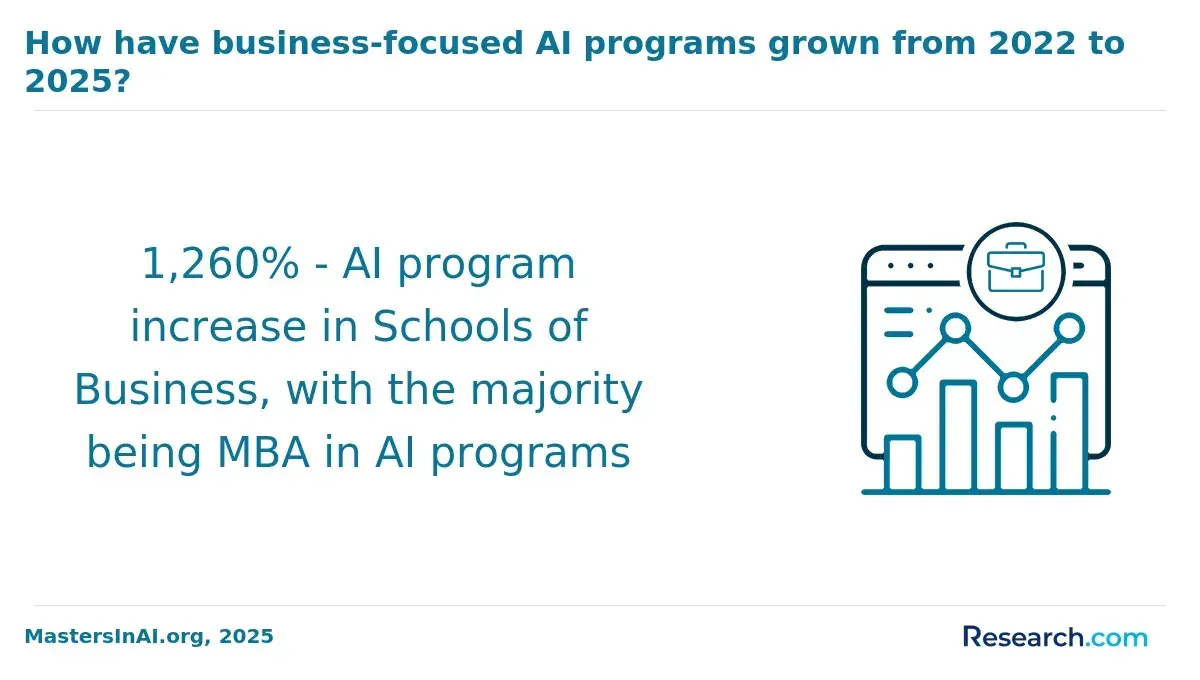
According to Coursera's Learner Outcomes survey, 77% of business-focused AI learners experienced career advancements like promotions or job changes within six months of completing AI-focused courses. This data highlights the tangible benefits of mastering agentic AI in roles requiring strategic leadership and AI-driven operations.
What salaries and job outlook do these roles have?
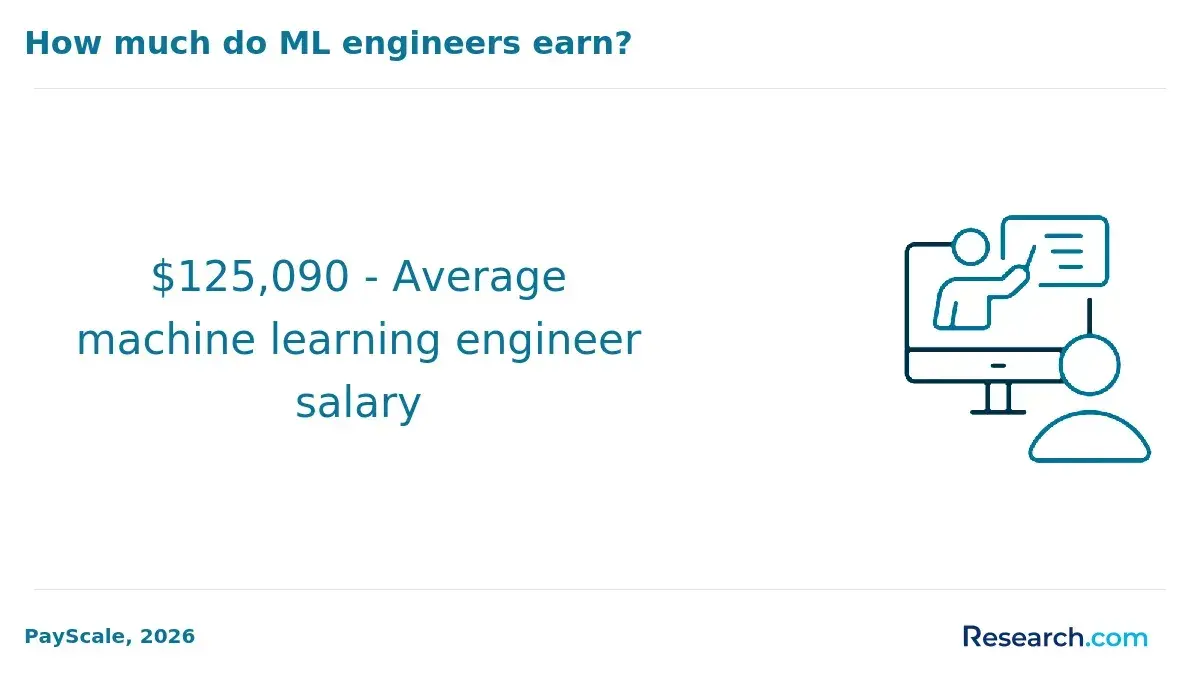
Agentic AI roles for functional leaders in the United States typically offer salaries from $120,000 to $180,000 annually, influenced by industry, location, and experience. For example, AI product managers see median salaries near $140,000, while AI-driven strategy leads can earn upwards of $170,000. Those combining AI expertise with domain-specific knowledge-such as supply chain or finance-are often compensated even higher, reflecting their vital role in advancing AI adoption.
The demand for these professionals is strong, driven by organizations seeking leaders who can translate AI capabilities into actionable business outcomes. According to the edX Enterprise survey, companies with leaders who complete role-aligned AI programs are 1.8× more likely to scale AI initiatives beyond the pilot stage within a year. This highlights the strategic value of functional leaders equipped with targeted AI skills.
Functional leaders skilled in agentic AI fill a critical gap by combining technical and business acumen. Responsibilities often include overseeing AI project delivery, managing cross-functional teams, and ensuring ethical use. As businesses rely more on agentic AI to automate decision-making and boost efficiency, demand for these leaders grows. Candidates with formal, role-specific training hold a clear advantage over those with general AI knowledge alone.
Other Things You Should Know About Artificial Intelligence
Functional leaders taking agentic AI courses in 2027 face the ethical concern of ensuring AI decisions align with human values. This involves training AI systems to recognize and respect diverse cultural perspectives while avoiding biases that could impact fairness in business operations.
Artificial intelligence enhances decision-making by analyzing large data sets quickly and identifying patterns beyond human capability. It supports predictive analytics, automation of routine tasks, and real-time insights, enabling leaders to make more informed strategic choices. However, human judgment remains critical to interpret AI outputs effectively.
Organizations often face challenges such as data quality issues, lack of skilled personnel, and integration difficulties with existing systems. Resistance to change and unclear ROI can also impede adoption. Successful implementation requires clear objectives, adequate training, and strong leadership commitment.
Functional leaders can stay updated by engaging in continuous education through workshops, courses, and industry conferences. Following reputable research and reports, participating in professional networks, and collaborating with AI experts also help maintain current knowledge. Staying informed enables leaders to strategically leverage AI technologies.
References
- 10 Must-Have Leadership Certifications to Boost Your Business Skills https://www.skillsoft.com/blog/leadership-certifications
- Agentic AI Jobs in 2026: Skills, Careers & Industry Demand https://online.iitkgp.ac.in/blog/agentic-ai-jobs
- AI Automation & Agents for Leaders and Decision Makers Programme - INPD https://inpd.co.uk/course/agentic-ai-for-business-programme
- 7 valuable certifications for IT leaders https://enterprisersproject.com/article/2019/4/7-IT-certifications-for-leaders
- Agency is the Leadership Skill Required to Thrive in the Agentic AI Era | Splunk https://www.splunk.com/en_us/blog/ciso-circle/leadership-in-agentic-ai-era.html
- Generative & Agentic AI Certification Course Online | BITS Pilani Digital https://bitspilani-digital.edu.in/certification/generative-ai-agentic-ai-course
- Top 7 Professional Certifications in Management | Be Pioneer https://bepioneer.edu.sa/en/blog/professional-certifications-in-management
- Admissions Criteria https://ed.wum.edu.pl/pl/admissions-criteria
- Cost Guide: Agentic AI Deployment – Pricing and Planning https://www.gravitee.io/blog/cost-guide-agentic-ai-deployment-pricing-and-planning
- Introduction to Agentic AI https://cognitiveclass.ai/courses/introduction-to-agentic-ai