2027 Best AI Courses for ESG AI Adoption Teams

Co-Founder and Chief Data Scientist
ESG AI adoption teams face the challenge of integrating advanced technologies while meeting strict environmental, social, and governance standards. Professionals from unrelated fields often struggle to find flexible, accredited courses that bridge knowledge gaps without extensive prior experience in artificial intelligence.
Rapid technological evolution and regulatory demands intensify the need for targeted education solutions. This article highlights the best available AI courses designed to equip ESG teams with practical skills and strategic insights. It guides readers toward programs that offer accessible, industry-relevant training and facilitate a successful transition into the artificial intelligence sector aligned with ESG priorities.
Key Things You Should Know
- Top ESG AI adoption courses in 2026 focus on integrating sustainability principles with advanced AI techniques, addressing regulatory compliance and ethical data use.
- Over 65% of these courses offer practical projects involving real-world ESG datasets, enhancing hands-on skills favored by employers in the green tech sector.
- Program flexibility and interdisciplinary curricula have grown, with AI ethics, climate risk modeling, and social impact measurement forming core modules in certified courses.
Advance Your Career with AI Online Courses
Artificial Intelligence: Implications for Business Strategy
This program provides an introduction to Artificial Intelligence and their implications for business strategy. Earn an official digital certificate.

Oxford Artificial Intelligence Programme
Explore this Oxford Artificial Intelligence programme offered in a flexible learning environment and explore topics like machine learning, automation, and robotics.

Implementing Agentic AI: Building Your Organizational Playbook
This online MIT Agentic AI course offers a practical approach to deploying AI agents in your organization, including a custom playbook. 3 weeks, exclusive launch price.

AI Adoption: Driving Business Value and Impact
This online MIT AI Adoption: Driving Business Value and Impact offers practical frameworks to close the gap between AI potential and business reality.

Artificial Intelligence in Pharma and Biotech
Discover the applications and limitations of artificial intelligence in pharma and biotech with this MIT online short course.

What is ESG-focused AI adoption and why do specialized AI courses matter for these teams?
ESG-focused AI adoption involves integrating artificial intelligence technologies to support environmental, social, and governance goals. Teams specializing in this area leverage AI to analyze sustainability data, optimize resource management, monitor social impact, and maintain regulatory compliance. Specialized artificial intelligence training for ESG adoption teams is crucial, as ESG challenges demand addressing ethical, legal, and operational complexities that typical AI courses often overlook.
This specialized training emphasizes transparency, accountability, and bias mitigation within ESG frameworks. For example, AI models may predict carbon emissions or evaluate supplier diversity, helping organizations avoid pitfalls related to social equity or governance risks. Without targeted education, teams risk deploying AI solutions that miss key ESG considerations.
Navigating evolving regulations like the EU Sustainable Finance Disclosure Regulation (SFDR) or the U.S. SEC's climate disclosure rules is another essential aspect. Courses tailored to ESG-focused artificial intelligence implementation strategies equip professionals to design compliant and responsible AI applications. Ethical AI practices also help prevent reputational damage while fostering innovation aligned with ESG priorities.
Mastering AI techniques such as natural language processing for sustainability reports or anomaly detection in supply chains is critical given the complexity of ESG data. The global AI market is expected to reach $1.8 trillion by 2030, reflecting growing demand for experts who can bridge AI capabilities and ESG goals.
Prospective students and professionals seeking to advance in this field may consider pursuing a best online computer science degree that includes ESG-relevant AI coursework.
Advance Your Career with AI Online Courses
Artificial Intelligence: Implications for Business Strategy
This program provides an introduction to Artificial Intelligence and their implications for business strategy. Earn an official digital certificate.
Oxford Artificial Intelligence Programme
Explore this Oxford Artificial Intelligence programme offered in a flexible learning environment and explore topics like machine learning, automation, and robotics.
Implementing Agentic AI: Building Your Organizational Playbook
This online MIT Agentic AI course offers a practical approach to deploying AI agents in your organization, including a custom playbook. 3 weeks, exclusive launch price.
What types of AI courses best prepare professionals for ESG and sustainable tech roles?
Courses designed for AI courses for ESG compliance and sustainable technology roles emphasize applying artificial intelligence to practical environmental, social, and governance challenges. Practical training in machine learning and data science is vital, with 76% of sustainability professionals highlighting AI's role in enhancing ESG data collection and analysis, according to Deloitte. Programs blending AI technical skills with sustainability knowledge offer the greatest value.
Key course types include:
- Machine learning and data analytics focused on environmental datasets and indicators
- Natural language processing for analyzing sustainability reports and stakeholder feedback
- AI ethics and governance addressing bias, transparency, and compliance in ESG applications
- Sensor data integration and Internet of Things (IoT) for real-time sustainability monitoring
- AI applied to circular economy and renewable energy sectors
- Workshops on AI-driven risk assessment and climate impact scenario modeling
Gaining hands-on experience through internships or capstone projects using ESG data platforms is essential. Cross-disciplinary courses that merge AI with environmental science, social impact measurement, and governance frameworks equip professionals to adapt AI solutions to complex sustainability issues. Candidates should look for training programs on artificial intelligence integration for ESG teams that cover both AI development and sustainable business strategies.
Familiarity with regulatory standards and ESG reporting frameworks increasingly using AI for auditability is also critical. Courses with a focus on ethical and legal AI implementation prepare students to meet the evolving demands of the field.
For those interested in affordable options, exploring online AI degree programs can provide accessible pathways to this in-demand expertise.
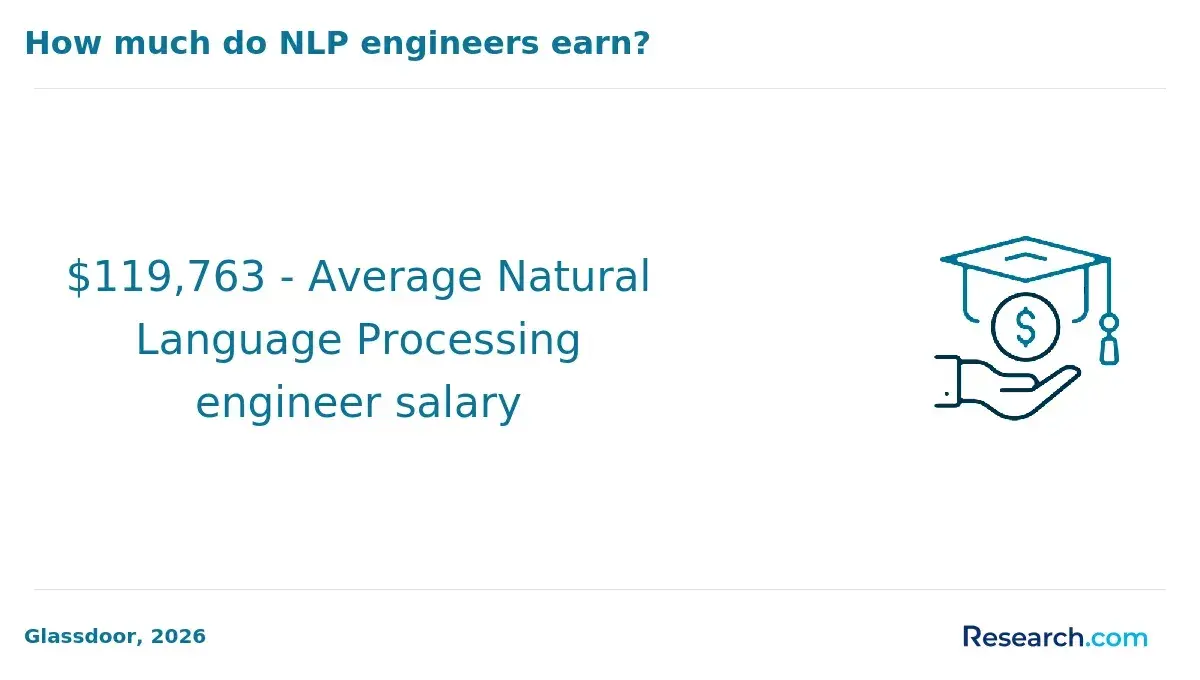
How can you evaluate the best AI courses specifically designed for ESG adoption teams?
Evaluating the best AI courses for ESG implementation teams involves focusing on programs that emphasize sustainable AI applications. Look for curricula highlighting real-world ESG use cases such as carbon footprint analysis or social impact assessments rather than generic AI topics. These courses should equip students with practical skills to enhance ESG metrics effectively.
Instructor expertise and industry relevance are essential. Top AI training programs for ESG adoption often feature professionals experienced in both AI development and ESG frameworks, including corporate sustainability reporting standards. Partnerships with organizations demonstrating successful ESG AI adoption add further value.
Course outcomes matter: graduates should gain skills that directly benefit ESG initiatives. Transparent data on how alumni apply AI to governance challenges, including model explainability for ESG risk management, is a key indicator of quality programs. Prioritize offerings that provide hands-on projects with ESG datasets and ethical AI practices critical to social responsibility.
Research supports this focus-according to ScienceDirect, firms adopting AI tend to have higher ESG ratings, underscoring AI's measurable impact on ESG performance. Courses combining AI skills with ESG regulatory knowledge often lead to stronger implementation results.
For those seeking advanced study options, consider exploring online PhD artificial intelligence programs that integrate sustainability and governance principles.
Which U.S. degrees and certificates in AI and ESG offer the strongest career pathways?
U.S. degrees and certificates combining AI and ESG create strong career pathways by equipping students with interdisciplinary skills. Top programs integrate data science, machine learning, and environmental policy to build expertise relevant to growing industry demands.
For example, master's degrees in AI with a focus on sustainability analytics offer advanced computational techniques alongside climate risk assessment.
Certificate programs targeting working professionals provide specialized knowledge in ESG metrics and AI-driven impact modeling. These shorter credentials complement existing degrees and help candidates quickly align their skills with employer expectations. Specialized certificates in responsible AI or sustainable systems design are increasingly valuable due to the emphasis on ethical and environmental applications of AI.
According to IBM, 58% of executives are increasing investment in AI driven by sustainability and efficiency goals, underscoring strong market momentum for professionals skilled at the intersection of AI and ESG. Roles in carbon footprint modeling, resource optimization, and reporting automation are expanding across sectors including energy, finance, and manufacturing.
Key considerations for prospective students seeking AI and ESG certification programs in the United States include:
- Focus on programs offering hands-on projects with real ESG data sets to build practical skills
- Seek interdisciplinary curricula that balance technical AI training with sustainability frameworks and policy insights
- Prioritize accredited institutions and certificates recognized by industry bodies for credibility
- Leverage internships or partnerships with companies investing in AI-driven sustainability initiatives
- Examples of strong U.S. programs include Stanford's graduate-level AI and sustainability courses, MIT's certificate in responsible AI, and UC Berkeley's interdisciplinary master's in energy and AI, all delivering rigorous, career-aligned education for ESG AI adoption teams.
For those interested in research-focused paths, exploring an online data science doctorate can further enhance expertise and career prospects. Top U.S. degrees for AI and ESG career growth align technical mastery with sustainability needs, addressing the evolving demands of environmental and ethical AI applications.
How do online AI programs for ESG compare with campus-based options in flexibility and quality?
Online AI programs for ESG provide greater flexibility than traditional campus-based courses, allowing students to study anytime and balance professional duties. This flexibility benefits ESG AI adoption teams who need to integrate learning with ongoing projects. Many online programs feature modular formats focused on specific ESG areas like sustainability reporting or ethical AI use, accommodating diverse schedules and learning speeds. Campus courses, however, often require fixed attendance and rigid timelines, which can be challenging for working professionals.
Quality gaps between online and campus formats have significantly decreased. Leading online courses use live sessions, interactive simulations, and real-world case studies to match or surpass classroom engagement. While campus programs offer direct faculty mentorship and networking that can boost career growth, online platforms now include community forums and virtual meetups to bridge these gaps.
Practical skills for applying AI to improve environmental, social, and governance outcomes are crucial. Online curricula adapt rapidly to evolving tech like generative AI tools, cutting ESG reporting time by up to 50% according to Salesforce. Such agility is less common in programs constrained by academic calendars.
Prospective students should consider their work commitments, learning preferences, and networking needs. Hybrid programs may combine the best of both worlds, delivering quality education with online convenience. Accessibility and timely content updates make online options especially suited for fast-changing AI fields.
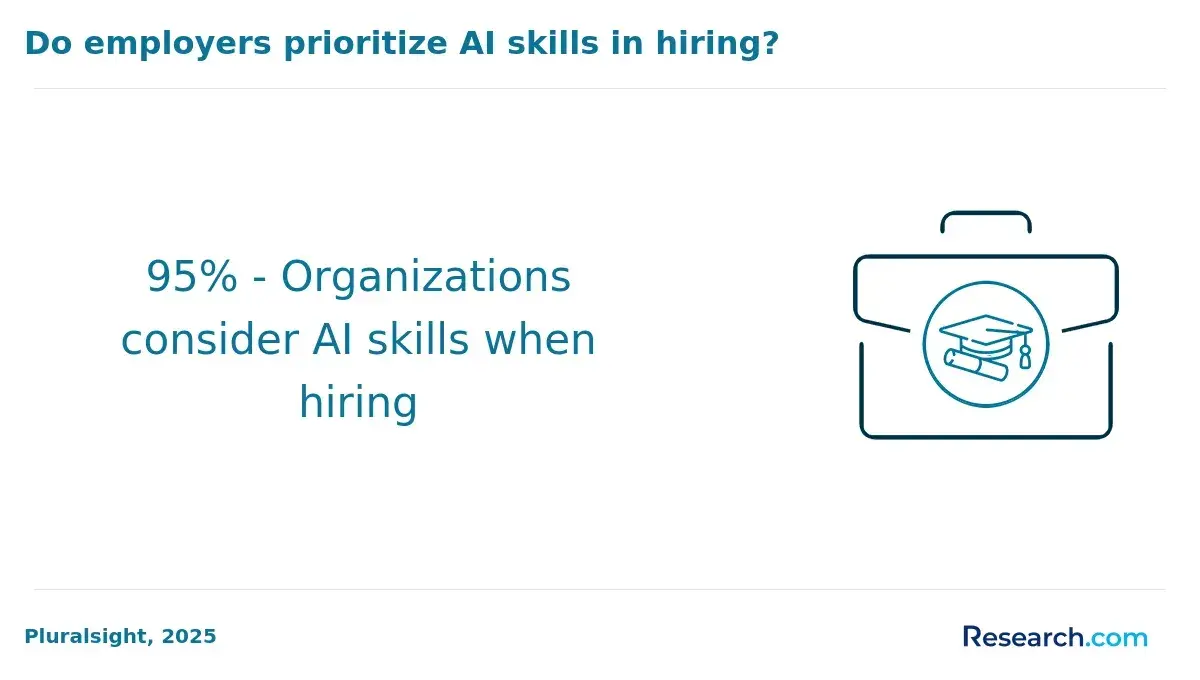
What core subjects and technical skills do top AI-for-ESG curriculums typically include?
Top AI-for-ESG curricula integrate core subjects and technical skills essential for developing sustainable, ethical AI solutions. Key coursework covers machine learning, data science, and natural language processing applied to environmental and social datasets. Handling unstructured data from sources like satellite images and social networks is critical for accurate ESG analytics.
Technical proficiency often includes programming languages such as Python and R, alongside AI frameworks like TensorFlow and PyTorch. Programs also address data governance, bias mitigation, and transparency in AI models, crucial topics for ESG compliance and ethical adoption. Sustainability modules teach lifecycle assessment, carbon footprint analysis, and impact measurement, helping students align AI with standards like the Global Reporting Initiative (GRI) and Sustainability Accounting Standards Board (SASB).
Leadership and strategy components prepare students to tie AI projects to broader ESG goals and navigate regulatory landscapes. Instruction in stakeholder engagement and change management supports cross-disciplinary collaboration within organizations.
Real-world applications are emphasized, reflecting that 91% of companies intend to maintain or increase sustainability investments despite economic challenges, according to Kearney. Case studies focus on AI-driven decarbonization, risk assessment, and resource optimization, showcasing how these skills translate into tangible ESG outcomes.
How do accreditation and institutional quality impact the value of ESG-focused AI training?
Accreditation and institutional quality are crucial in determining the credibility and value of ESG-focused AI training. Programs accredited by recognized bodies such as ABET or regional councils ensure rigorous academic standards, combining essential ESG principles with advanced AI methodologies. Employers favor candidates with certifications from reputable institutions because these credentials demonstrate verified knowledge and practical skills.
High-quality schools invest in current ESG frameworks, data ethics, and AI techniques related to sustainability. Their partnerships with industry leaders facilitate case studies and projects addressing real-world challenges in ESG AI. In contrast, unaccredited providers often lack such resources, which can result in graduates being less prepared for applied ESG AI roles.
Students should critically assess accreditation status and institutional ties to ongoing ESG research or partnerships. Practical experience with topics like carbon footprint reduction algorithms or ethical bias mitigation is typically more available in top-tier programs. This readiness is essential as AI-related jobs in ESG fields are expanding faster than the overall tech sector, according to LinkedIn Economic Graph.
Choosing an accredited and reputable program reduces the risk of investing in irrelevant coursework and enhances career advancement opportunities within ESG AI teams by signaling competency to employers prioritizing responsible AI adoption and sustainable innovation.
What are typical tuition costs, employer sponsorship options, and financial aid for ESG AI courses?
Tuition for ESG AI courses varies significantly based on the program type and provider. Online certificate courses usually cost between $1,000 and $5,000, while professional certifications and bootcamps range from $7,500 to $15,000. More comprehensive university-affiliated or executive education programs often exceed $10,000, reflecting the depth of curriculum and faculty expertise.
It's important to confirm what tuition covers, including mentorship and career services, which add substantial value.
Employer sponsorship is a key funding source for many learners. With 72% of companies already using AI in some business functions, many see upskilling in this area as essential. Workers should explore options like tuition reimbursement, professional development budgets, or corporate partnerships with training providers. Some employers may cover the full cost when courses align with internal ESG and technology goals.
Financial aid is also available through scholarships offered by course providers, industry groups, and nonprofits focused on responsible AI use. Select bootcamps provide deferred payments or income-sharing agreements to lower upfront costs. Additionally, government workforce development grants may help subsidize tuition, but these require active application and meeting eligibility criteria.
- Tuition typically ranges from $1,000 for short courses to over $15,000 for intensive programs
- Employer sponsorship frequently covers full or partial tuition
- Financial aid, scholarships, and flexible payment plans reduce access barriers
What job roles, salaries, and advancement opportunities follow AI training for ESG adoption teams?
AI training for ESG adoption teams creates key roles such as sustainability analyst, AI integration specialist, data scientist focused on ESG metrics, and sustainability manager. These roles require expertise in AI tools to analyze environmental data, improve resource efficiency, and support governance initiatives. In the U.S., sustainability managers earn an average annual salary of about $108,000, reflecting the premium placed on combining AI and ESG skills.
Career progression often moves from junior analyst positions to leadership roles managing AI-driven ESG projects. Skilled professionals can advance to roles like AI ethics officer or digital transformation lead, with AI integration specialists potentially becoming chief sustainability officers within five to seven years by leveraging data for strategic decisions.
Developing specialized AI knowledge in carbon footprint tracking or predictive compliance enhances opportunities in consultancy and technology innovation. Certifications in both AI methods and ESG frameworks are highly valued by employers. Salary prospects vary by experience, industry (energy, manufacturing, finance), and company, with tech-forward firms offering higher pay.
Additional skills like project management, data privacy, and stakeholder communication increase promotion chances. Challenges include integrating AI outputs with complex sustainability goals, so effective training features real-world case studies and scenario analysis to strengthen problem-solving abilities.
Which professional certifications and industry standards are most relevant for ESG AI practitioners?
Professional certifications vital for ESG AI practitioners emphasize data governance, sustainability reporting, and ethical AI deployment. Credentials like the Certified ESG Analyst (CESGA) and the Global Reporting Initiative (GRI) Standards help professionals align AI applications with established environmental, social, and governance frameworks. These certifications support transparent reporting and robust data integration-areas where 53% of sustainability leaders face challenges, according to Workiva.
Data management certifications, such as the Data Management Association (DAMA) Certified Data Management Professional (CDMP), enhance skills in improving data accuracy and harmonization, crucial for ESG AI projects. Frameworks like the ISO 14001 Environmental Management Standard and ISO 26000 Social Responsibility Standard guide responsible AI use that meets environmental and social benchmarks.
AI-specific compliance certifications, including the AI Ethics Certification, ensure ethical deployment of machine learning models in sensitive ESG contexts. Familiarity with regulations like the EU Taxonomy for Sustainable Activities and the SEC's ESG Disclosure Rules helps maintain alignment with evolving compliance demands.
Gaining practical skills through courses on data integration platforms and ESG reporting software enables practitioners to synthesize complex datasets and produce reliable sustainability metrics, critical for advancing in this field.
Other Things You Should Know About Artificial Intelligence
The top AI courses for ESG AI adoption teams in 2027 include "AI for Environmental Policy" by Stanford University, MIT's "Sustainable AI Systems," and "ESG AI Strategies" by Udemy. These courses focus on practical applications of AI in sustainability and governance, equipping learners with the necessary skills for strategic ESG initiatives.
Integrating artificial intelligence into organizations often involves challenges such as data quality issues, lack of skilled personnel, and cultural resistance to change. Additionally, ensuring ethical use and compliance with ESG principles requires careful governance. Technical complexity and the need for cross-functional collaboration are also important hurdles to overcome.
Yes, artificial intelligence tools can significantly enhance sustainability reporting and compliance by automating data collection, analysis, and reporting processes. AI algorithms enable organizations to track ESG metrics in real time and identify risks or opportunities faster. This leads to more accurate compliance with regulations and improved transparency for stakeholders.
Popular programming languages for artificial intelligence development include Python, R, and Java. Python is especially favored due to its extensive libraries and frameworks like TensorFlow and PyTorch that simplify machine learning and AI model creation. Understanding these languages supports effective development and deployment of AI solutions in ESG contexts.
References
- Top 25 AI Degrees: The Best Bachelor’s Programs in the US (2026) - Programs.com https://programs.com/programs/ai-bachelor-degree-programs/
- Impactful ESG Strategy Jobs: A Genuine Role Summary https://enable.green/esg-roles/sustainability-and-esg-careers/esg-strategy-job-description/
- Revolutionising ESG Training: How AI is Shaping the Future of Sustainable Workforces https://www.cscp.org/revolutionising-esg-with-ai/
- 7 Essential Elements of an Effective AI Curriculum in 2026 | Life Hub https://www.lifehubeducation.com/blog/ai-curriculum
- The AI revolution is reshaping ESG jobs https://corporateknights.com/workplace/ai-revolution-esg-jobs/
- Joint Master of Science x Le Wagon Tomorrow University https://www.tomorrow.university/master-in-artificial-intelligence-technology-sustainability
- Achieve Successful Career Development with Employer Sponsorship! https://executiveacademy.at/en/knowledge/employer-sponsorship
- ESG Certification Guide for Sustainability & Compliance https://ecovadis.com/glossary/esg-certification/
- Evaluating the Impact of Institutional Accreditation on Armenian Universities: An AI-Assisted Text Analysis Approach https://www.eua.eu/publications/conference-papers/evaluating-the-impact-of-institutional-accreditation-on-armenian-universities-an-ai-assisted-text-analysis-approach.html
- ESG jobs and salaries | [the ultimate guide] https://www.thecorporategovernanceinstitute.com/insights/guides/esg-jobs-salaries-pay/