2027 Best FutureLearn AI Courses for Business Leaders

Co-Founder and Chief Data Scientist
Business leaders often struggle to harness artificial intelligence effectively due to the rapid evolution of technology and lack of tailored educational resources. This gap slows digital transformation and limits competitive advantage in dynamic markets. Many executives lack the time or access to traditional advanced degrees that align with their goals and schedules.
This article examines the best FutureLearn AI courses designed specifically for business professionals. It highlights flexible, accredited programs that build practical skills, enabling leaders to integrate AI strategies confidently and drive innovation in their organizations.
Key Things You Should Know
- FutureLearn's 2026 AI courses for business leaders emphasize practical skills in AI integration, enhancing decision-making efficiency by up to 40% according to recent industry reports.
- Courses focus on ethical AI deployment, reflecting 72% of companies prioritizing responsible AI to mitigate bias and comply with emerging U.S. regulations.
- Enrollment data shows a 30% yearly increase in professionals upskilling through FutureLearn, driven by AI's projected $15.7 trillion contribution to the global economy by 2030.
Advance Your Career with AI Online Courses
Artificial Intelligence: Implications for Business Strategy
This program provides an introduction to Artificial Intelligence and their implications for business strategy. Earn an official digital certificate.

Oxford Artificial Intelligence Programme
Explore this Oxford Artificial Intelligence programme offered in a flexible learning environment and explore topics like machine learning, automation, and robotics.

Implementing Agentic AI: Building Your Organizational Playbook
This online MIT Agentic AI course offers a practical approach to deploying AI agents in your organization, including a custom playbook. 3 weeks, exclusive launch price.

AI Adoption: Driving Business Value and Impact
This online MIT AI Adoption: Driving Business Value and Impact offers practical frameworks to close the gap between AI potential and business reality.

Artificial Intelligence in Pharma and Biotech
Discover the applications and limitations of artificial intelligence in pharma and biotech with this MIT online short course.

What makes FutureLearn AI courses valuable for business leaders compared with other platforms?
FutureLearn business leader AI training advantages lie in its blending of academic rigor with practical business applications. Unlike many programs focused solely on technical skills, FutureLearn emphasizes how AI connects to strategy, risk management, and innovation. This approach helps leaders tackle challenges such as optimizing operations and enhancing customer experience through AI.
Comparing FutureLearn AI courses for business executives reveals their collaboration with top universities and industry experts, ensuring content covers current research and real-world use cases. Executives learn about AI ethics, regulatory compliance, and data governance-critical decision-making areas often missing from more technical programs. The courses offer flexible pacing, ideal for busy professionals, featuring interactive case studies across sectors like finance and healthcare to help assess AI's return on investment accurately.
According to the McKinsey Global Survey on AI, 2025, 78% of organizations now employ AI in at least one function, up from 55% in 2023. FutureLearn equips leaders not only to adopt AI but also to manage workforce adaptation and change. Its peer forums foster community engagement, allowing leaders to share strategies and deepen understanding beyond video lectures.
For those exploring what is applied artificial intelligence, FutureLearn offers a well-rounded education that balances theory with business-driven applications.
Advance Your Career with AI Online Courses
Artificial Intelligence: Implications for Business Strategy
This program provides an introduction to Artificial Intelligence and their implications for business strategy. Earn an official digital certificate.
Oxford Artificial Intelligence Programme
Explore this Oxford Artificial Intelligence programme offered in a flexible learning environment and explore topics like machine learning, automation, and robotics.
Implementing Agentic AI: Building Your Organizational Playbook
This online MIT Agentic AI course offers a practical approach to deploying AI agents in your organization, including a custom playbook. 3 weeks, exclusive launch price.
Which FutureLearn AI courses are best for executives, founders, and non-technical managers?
FutureLearn offers AI courses ideally suited for business executives, founders, and non-technical managers who need to leverage AI strategically. These programs focus on AI literacy, leadership integration, and practical applications over technical coding. One standout course, "Artificial Intelligence: Implications for Business Strategy," explores how AI creates competitive advantages through real-world case studies and decision-making frameworks tailored for senior leaders.
Another key course, "AI for Business Leaders," highlights ethical AI adoption, risk management, and regulatory compliance, helping executives craft AI strategies aligned with organizational values without requiring technical skills. "Leading Digital Transformation with AI" addresses challenges such as workforce adaptation and fostering an innovation culture by combining AI fundamentals with change management principles.
Demand for futurelearn artificial intelligence training for non-technical managers is surging. According to LinkedIn's 2025 Work Change Report, AI skills are growing by 140% year-over-year in business job listings. Business leaders must understand AI's strategic possibilities and limitations to guide innovation and manage cross-functional teams effectively.
Key focus areas include:
- Interpreting AI-driven data insights for improved decision-making
- Integrating AI tools into existing business models
- Addressing ethical issues and bias in AI systems
- Building cross-department collaboration around AI projects
Those seeking a broader STEM background alongside AI leadership skills may also consider an online mechanical engineering degree, which can complement AI expertise with technical foundations.
For executives aiming to stay competitive, choosing courses with strong leadership and ethics perspectives is essential to confidently steer AI initiatives and mitigate risks.
How do FutureLearn AI business courses compare to university degrees and certificates in AI?
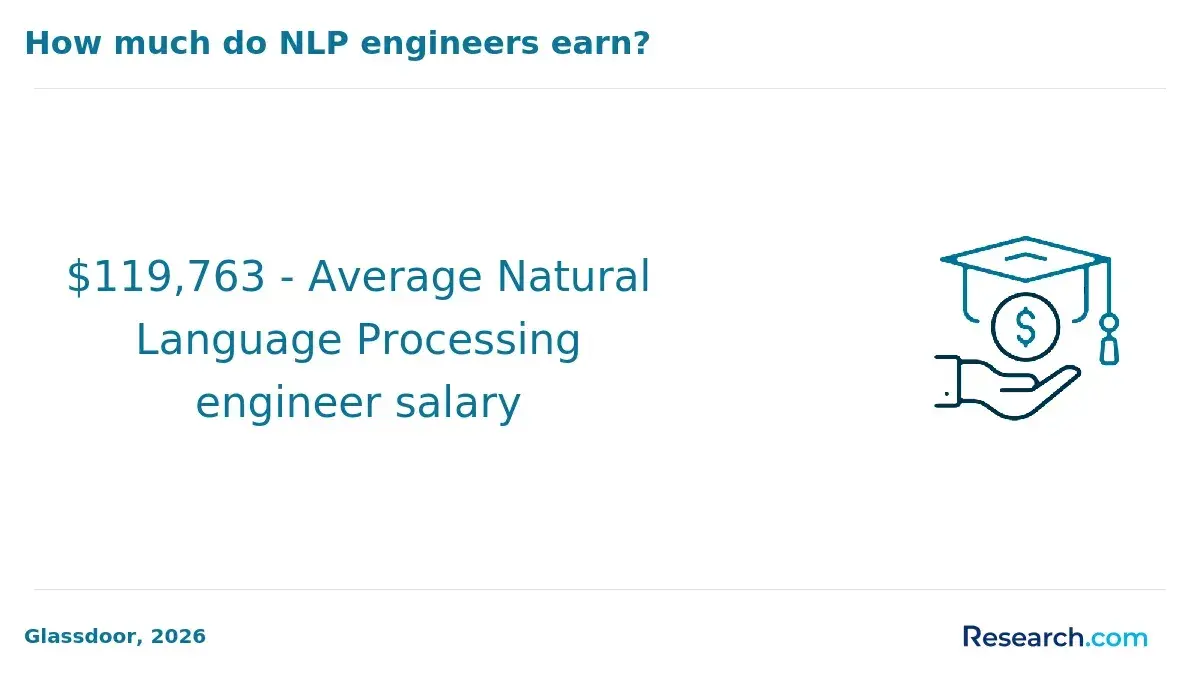
FutureLearn AI business courses offer a flexible and targeted alternative to traditional university AI degrees. Unlike lengthy degree programs, these courses usually span weeks to months, allowing business leaders to quickly gain specific AI skills relevant to strategic decisions and operational improvements. This flexibility is ideal for professionals who seek practical, actionable knowledge rather than extensive theoretical training.
The benefits of FutureLearn AI certificates over traditional university qualifications include a strong focus on business integration and real-world applications. For example, a CEO exploring AI solutions for supply chain optimization can learn to assess vendors and investments effectively without delving into technical algorithm design, which university programs typically emphasize. These courses also provide continuous learning modules to keep pace with fast-evolving AI trends, adding competitive value.
PwC's 2025 AI economics update projects AI could contribute up to $15.7 trillion to the global economy by 2030, underscoring the importance of AI competency among business leaders. FutureLearn's case study approach aligns with this economic impact, making it highly relevant.
University programs are more suited for those pursuing advanced development or research roles. They offer deeper theoretical and technical training but less emphasis on strategic business use. For those interested, exploring an online master in data science can provide a complementary option.
The FutureLearn AI business courses versus university AI degrees comparison highlights a practical, business-focused education pathway tailored for executives and managers aiming to integrate AI effectively.
What AI skills do business leaders need, and how do FutureLearn courses teach them?
Business leaders benefit from a balanced mix of technical understanding, strategic insight, and ethical awareness to effectively leverage AI. FutureLearn business leader AI skills development focuses on key areas such as data literacy, AI-driven decision-making, and responsible AI deployment. These courses enable leaders to interpret AI outputs without delving into coding, promoting integration of AI solutions that enhance operations and customer engagement.
Core skills taught include:
- Understanding machine learning principles to critically evaluate AI tools
- Data analysis and visualization techniques that support evidence-based strategies
- Ethical frameworks for AI to ensure compliance and public trust
- Change management skills to drive AI adoption within organizations
FutureLearn courses emphasize real-world applications, from automating routine tasks to improving predictive analytics. Case studies explore how AI optimizes supply chain management and marketing campaigns. For example, modules on generative AI demonstrate time-saving benefits-Microsoft's Work Trend Index found employees using generative AI save an average of 14 minutes per day, gains that multiply at leadership levels.
Additionally, the platform integrates collaborative projects and scenario-based learning to refine AI strategy formulation. This prepares leaders for challenges including data privacy and workforce reskilling. For professionals interested in broader tech skills, FutureLearn also connects to opportunities like cybersecurity courses online. Altogether, FutureLearn courses teach artificial intelligence for business use by combining practical and ethical insights, positioning leaders to boost productivity and competitiveness.
How are FutureLearn AI programs structured, and how long do they typically take to finish?
FutureLearn's ai programs cater to busy professionals and business leaders, typically lasting between 3 and 8 weeks. These courses offer a flexible, self-paced design, allowing learners to balance their studies with work and personal commitments. Each week consists of learning modules featuring video lectures, case studies, quizzes, and practical assignments to enhance hands-on understanding of ai concepts in business settings.
Courses usually start with foundational content covering basic ai terminology and real-world applications, then move into focused topics such as machine learning, data analytics, or ai strategy. For instance, a foundational course may require 3-4 hours per week over 3 weeks, while advanced specializations can take up to 8 weeks with 5-6 hours weekly.
Many learners choose to audit courses for free or opt to pay for certificates, which confirm mastery by completing graded components within the course timeframe. While content typically remains accessible for months after completion, deadlines for active participation are fixed.
This modular and flexible approach addresses the ai skills gap noted by the World Economic Forum's Future of Jobs Report 2025, which forecasts 44% of workers will experience skills disruption within five years. Business leaders can thus develop crucial ai capabilities while managing daily responsibilities, helping to future-proof careers and organizations alike.
What are the admission requirements and prerequisites for FutureLearn AI courses for professionals?
FutureLearn AI courses offer broad accessibility with minimal formal admission requirements, generally requiring only basic English proficiency. Prerequisites depend on course complexity and usually include foundational knowledge in data analysis, programming, or business concepts.
Entry-level courses designed for business leaders often do not demand coding experience but assume familiarity with data-driven decision-making. More advanced programs in machine learning or deep learning may require prior experience with Python or statistics. Some courses include short preparatory modules to help bridge skill gaps before tackling core AI material.
Non-technical professionals can find courses labeled "for business professionals" that emphasize AI applications, strategy, and ethics without focusing on programming or mathematics. Providers typically list recommended skills on enrollment pages to help applicants select appropriate courses.
Completing AI courses can enhance career prospects significantly. The CompTIA AI Skills Demand Report 2025 highlights that workers with AI skills earn a median salary premium of 25% over their peers, emphasizing the value of upskilling in AI for strategic advantage.
When considering enrollment, prospective students should review course descriptions carefully to ensure alignment with their knowledge and goals. Connecting with course mentors or community forums can clarify readiness and expectations before committing.
How much do FutureLearn AI courses cost, and what funding or employer support is available?
FutureLearn AI courses typically range from $39 to $99 per month, varying by course length, complexity, and certification options. Many are subscription-based, granting access for several months. Specialized business AI courses often have one-time fees exceeding $200, especially those offering professional certificates or micro-credentials endorsed by industry partners. This flexible pricing helps FutureLearn remain competitive and accessible for working professionals.
Employer support is common, with many companies using professional development budgets to subsidize costs. Businesses aiming to integrate AI into their strategies may cover monthly subscriptions or full fees, classifying them as tax-deductible training expenses. Some employers also partner with FutureLearn for bulk access or group discounts, facilitating broader employee participation.
Financial aid directly from FutureLearn is limited but sometimes available for select learners facing hardship. Additionally, federal or state workforce development grants in the U.S. might cover costs if courses align with approved retraining initiatives. Prospective students should explore employer tuition reimbursement plans, especially in sectors increasingly adopting AI tools. Notably, 61% of CEOs in the IBM CEO Study 2025 already use AI agents for strategic decisions, highlighting growing organizational support.
Another option is accessing FutureLearn AI courses through partnerships with universities or public institutions, which may offer subsidized enrollment. This approach reduces personal financial burdens for business leaders seeking AI proficiency.
How do FutureLearn AI credentials support career advancement for managers and aspiring leaders?
FutureLearn AI credentials equip managers and aspiring leaders with practical skills aligned to today's business priorities. These credentials demonstrate mastery of AI concepts, tools, and applications essential for strategic decision-making and innovation leadership. According to Deloitte's 2025 State of AI in the Enterprise survey, 74% of organizations increased AI spending over the prior year, highlighting AI as a board-level priority. Verified AI expertise positions leaders to influence key investment and operational decisions.
Courses integrate real-world case studies and project-based learning, helping managers apply AI theory to actionable strategies. For example, credentials in AI-driven customer analytics assist in optimizing marketing efforts, while credentials emphasizing AI ethics prepare leaders for compliance and governance challenges. These specialized skills can distinguish candidates during promotions or hiring.
Key benefits of these credentials include:
- Enhanced ability to lead cross-functional teams deploying AI solutions
- Improved skill in interpreting AI-generated insights for business outcomes
- Stronger credibility collaborating with technical experts and stakeholders
- Readiness to identify AI risks and implement ethical frameworks
FutureLearn's flexible online format supports busy professionals in advancing credentials without disrupting their work. This combination of relevant expertise and formal credentialing helps managers become competitive candidates for senior roles in AI-driven business environments.
How do FutureLearn AI courses align with industry standards, certifications, and ethical AI practices?
FutureLearn AI courses are designed in partnership with leading universities and professional organizations, aligning closely with industry standards such as the IEEE AI Ethics Guidelines and ISO standards for AI governance. This ensures that business leaders receive practical, compliant education relevant to sectors like finance and healthcare.
Certification pathways often prepare learners for credentials from recognized bodies including the AI Institute and the Data Science Council of America (DASCA). Completing courses in AI strategy and data science management helps professionals meet requirements for advanced roles in the job market.
Ethical AI is a key component throughout these programs, covering responsible data usage, bias mitigation, transparency, and accountability. These modules follow principles set by the Global Partnership on AI and emphasize compliance with privacy laws like GDPR and CCPA.
Flexible online learning supports busy professionals, evidenced by the 2025 Coursera Learner Outcomes Report showing 77% of learners achieve positive career results after earning professional certificates. FutureLearn's up-to-date content adapts quickly to evolving industry standards, helping students stay current.
Prospective students can find actionable knowledge, recognized certifications, and strong ethical frameworks that prepare them for leadership in AI-driven environments.
How should business leaders choose the right FutureLearn AI course for their goals and experience?
Business leaders should choose FutureLearn AI courses that match their expertise and strategic goals. Beginners benefit from foundational courses covering ai basics and business applications. Intermediate learners seeking to implement ai strategies might focus on data-driven decision making or ai-enhanced workflows. Advanced professionals can pursue specialized courses in ai integration, ethics, or leadership.
Select courses, even in other courses like engineering degrees online, relevant to your industry: finance leaders may gain from predictive analytics modules, while marketing professionals should opt for ai courses addressing customer behavior analysis. Hands-on projects and case studies are valuable for gaining practical experience needed for successful ai adoption.
Consider course duration and format based on your schedule. Short, intensive programs work well for those needing quick insights, whereas longer courses offer deeper skill development. Recent market trends support this focus; Gartner projects that 30% of enterprises will leverage ai-augmented decision intelligence in core workflows by late 2025, rising from under 10% in 2023. This shift highlights the importance of courses centered on strategic decision making and operational efficiency.
Also verify instructor expertise and course reviews. Courses led by experienced instructors with industry backgrounds enhance learning quality. Prioritize those blending theory with practical business applications for actionable knowledge suitable for leadership roles.
Other Things You Should Know About Artificial Intelligence
Business leaders often encounter challenges such as data quality and availability, integration with existing systems, and resistance to change within the organization. Additionally, understanding the ethical implications and ensuring transparency in AI decision-making processes are critical hurdles. Addressing these issues requires a clear strategy and cross-functional collaboration.
Success in artificial intelligence initiatives is typically measured through key performance indicators (KPIs) such as improved operational efficiency, cost reduction, increased revenue, or enhanced customer satisfaction. Leaders should also track model accuracy, deployment speed, and user adoption rates. Continuous monitoring ensures that AI solutions deliver tangible business value.
Ethical considerations include ensuring fairness, avoiding bias in AI models, maintaining data privacy, and securing informed consent when using personal data. Leaders must also consider the social impact of AI decisions and comply with relevant regulations. Promoting transparency and accountability is essential for responsible AI use.
In 2027, some of the top FutureLearn AI courses for business leaders include "AI for Business: Demystifying Artificial Intelligence," "Leading in the Age of AI," and "Ethical AI for Business." These courses offer valuable insights into leveraging AI within corporate strategies and maintaining ethical considerations.
References
- Ultimate Guide: How to Choose the Right AI Training Course to Boost Your Career - ONLC https://www.onlc.com/blog/how-to-choose-ai-training-courses/
- AI Master Course Guide | Careers, Curriculum & Benefits https://futurense.com/blog/ai-master-course
- 4 Certifications That Triple Your Value in the Age of AI https://blog.iil.com/4-certifications-that-triple-your-value-in-the-age-of-ai/
- Four AI Upskilling Strategies for Business Leaders https://www.jff.org/blog/four-ai-upskilling-strategies-business-leaders/
- 10 best AI business courses for those who lead in 2026 | The Jotform Blog https://www.jotform.com/ai/ai-courses-for-business-leaders/
- Suggested learning for Executives and Sr Business Leaders? https://community.deeplearning.ai/t/suggested-learning-for-executives-and-sr-business-leaders/315474
- What Are the Best AI Training Courses for Business Leaders? - Top Gun Ventures https://topgunventures.com/news_and_insights/its-time-for-business-leaders-to-up-skill-themselves-on-artificial-intelligence/
- Future-Proof Your Career In 2026: AI Skills & Certifications https://agilemania.com/future-proof-career-ai-skills
- Government Funding for Courses and Training in Artificial Intelligence https://ducodigitaltraining.com/blog/government-funding-for-courses-and-training-in-artificial-intelligence
- FutureLearn AI Courses – Online Course Providers in ONLINE* | SeriousTeachers https://www.seriousteachers.com/GlobalLinks/9643/futurelearn-ai-courses