2027 Best AI Model Governance Courses Online

Co-Founder and Chief Data Scientist
Organizations increasingly face risks from poorly governed AI systems that can lead to compliance failures, ethical breaches, and operational inefficiencies. Professionals transitioning into the AI field require governance expertise to ensure responsible deployment of these technologies. This need becomes urgent as regulations tighten and public scrutiny grows. A solid understanding of AI model governance helps mitigate risks and supports strategic decision-making. This article explores top-tier online courses designed to equip learners with practical skills in AI governance, offering a flexible, accredited pathway for those aiming to pivot into the AI industry confidently and competently.
Key Things You Should Know
- AI model governance courses in 2026 emphasize ethical frameworks, regulatory compliance, and transparency to address rising concerns over bias and accountability in AI systems.
- Recent studies show that programs offering hands-on tools for model auditing and risk assessment improve job placement rates by 15% among graduates.
- Top courses integrate cross-disciplinary content, combining AI, data privacy law, and business strategy, reflecting industry demand for well-rounded governance professionals.
Advance Your Career with AI Online Courses
Artificial Intelligence: Implications for Business Strategy
This program provides an introduction to Artificial Intelligence and their implications for business strategy. Earn an official digital certificate.

Oxford Artificial Intelligence Programme
Explore this Oxford Artificial Intelligence programme offered in a flexible learning environment and explore topics like machine learning, automation, and robotics.

Implementing Agentic AI: Building Your Organizational Playbook
This online MIT Agentic AI course offers a practical approach to deploying AI agents in your organization, including a custom playbook. 3 weeks, exclusive launch price.

AI Adoption: Driving Business Value and Impact
This online MIT AI Adoption: Driving Business Value and Impact offers practical frameworks to close the gap between AI potential and business reality.

Artificial Intelligence in Pharma and Biotech
Discover the applications and limitations of artificial intelligence in pharma and biotech with this MIT online short course.

What is AI model governance and why are online courses important for learning it?
AI model governance involves the policies and controls that ensure AI models function ethically, legally, and securely. This system addresses risks such as bias, privacy breaches, and security issues while promoting transparency and accountability. Strong governance frameworks clearly define roles, monitor AI performance, and enforce compliance with both regulatory and organizational standards.
The importance of online ai model governance courses lies in their ability to deliver practical training on these best practices. These courses cover essential topics like ethical considerations, risk management, regulatory compliance, data quality, and transparency techniques. They enable learners to audit AI models effectively and create thorough documentation to meet legal requirements.
With significant gaps in AI governance expertise among professionals, online education offers accessible, flexible solutions tailored to evolving AI landscapes. This format suits working professionals and graduates aiming to improve career readiness through case studies and applied frameworks. For those looking to expand their skills in this area, exploring accelerated computer science programs can provide complementary knowledge relevant to AI governance.
Courses typically cover:
- Ethical considerations and risk management.
- Compliance with emerging AI regulations.
- Methods for ensuring data quality and security.
- Techniques for transparency and explainability in AI models.
These programs prepare learners to meet employer expectations in finance, healthcare, technology, and other sectors where governance is increasingly required for responsible AI deployment.
Advance Your Career with AI Online Courses
Artificial Intelligence: Implications for Business Strategy
This program provides an introduction to Artificial Intelligence and their implications for business strategy. Earn an official digital certificate.
Oxford Artificial Intelligence Programme
Explore this Oxford Artificial Intelligence programme offered in a flexible learning environment and explore topics like machine learning, automation, and robotics.
Implementing Agentic AI: Building Your Organizational Playbook
This online MIT Agentic AI course offers a practical approach to deploying AI agents in your organization, including a custom playbook. 3 weeks, exclusive launch price.
What types of AI model governance courses can you take online in the U.S.?
Online courses for AI model governance compliance in America cover essential topics such as ethics, risk management, transparency, and accountability in AI systems. Programs range from foundational courses introducing legal and ethical frameworks to advanced offerings focused on auditing AI models, bias mitigation, and policy creation. Many also explore practical governance challenges in sectors like healthcare, finance, and autonomous systems.
Available course types include:
- AI ethics and policy courses that develop responsible AI strategies aligned with regulatory standards.
- Technical governance courses training students to evaluate AI models for fairness, robustness, and explainability.
- Compliance and risk management programs emphasizing data privacy, AI audits, and regulatory reporting.
- Sector-specific governance courses, such as healthcare AI compliance or financial AI risk assessment.
These AI model governance certification programs in the U.S. focus on practical skills like designing governance frameworks, implementing auditing tools, and producing transparency reports. Flexible certificate options enable professionals to combine theory with hands-on projects. Graduates often gain expertise in tools such as model cards and documentation standards that enhance accountability.
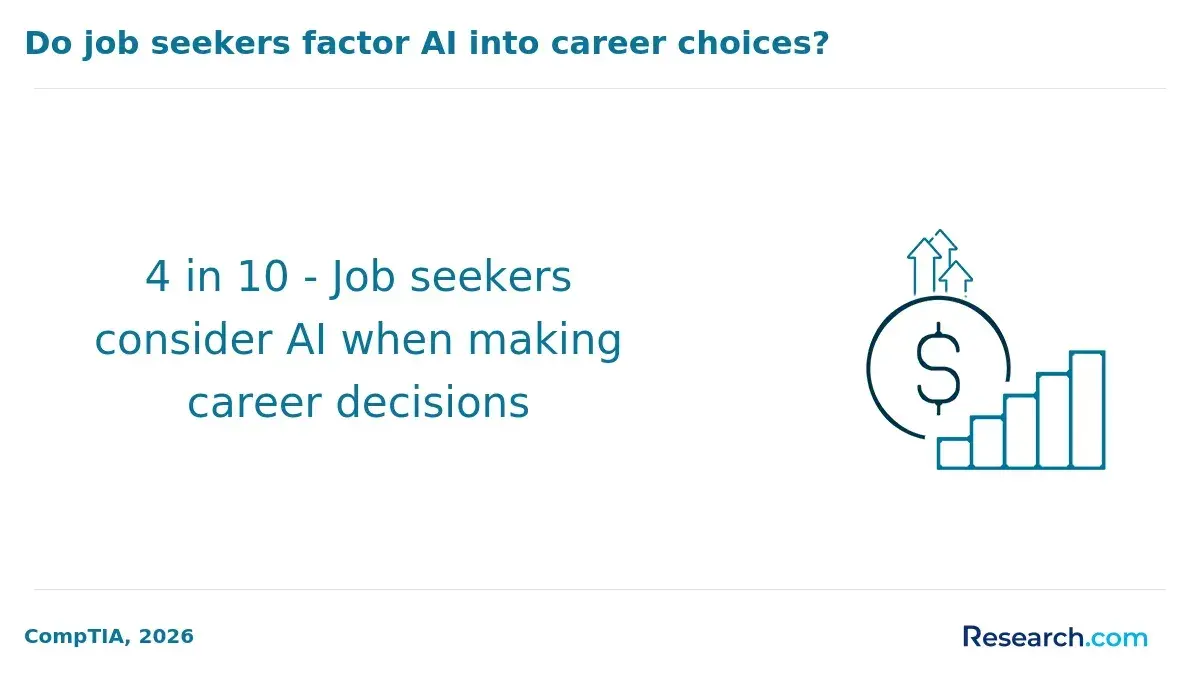
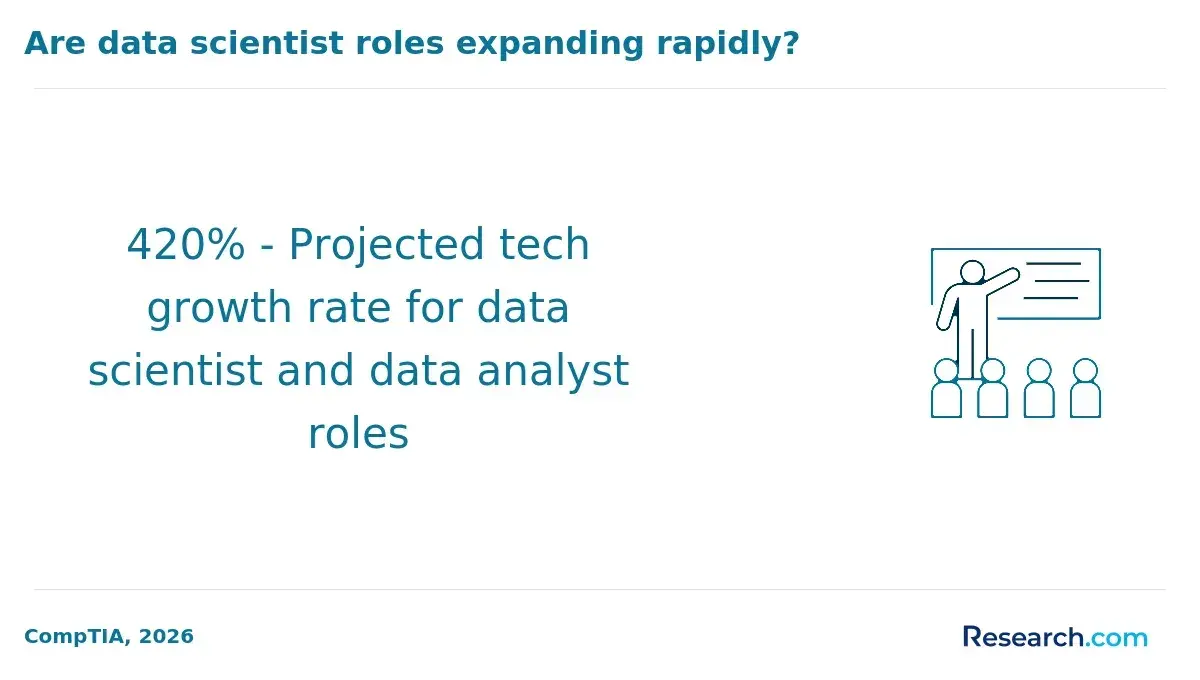
Demand for AI governance specialists is growing rapidly. The World Economic Forum's Future of Jobs Report 2024 forecasts a 40% global increase in such roles from 2023 to 2028, creating about one million new jobs. Prospective students should consider opportunities like the cheapest online industrial engineering degree programs as a complementary pathway to build technical skills supporting governance expertise.
How do you choose the best online AI model governance course for your goals?
Choosing the best online ai model governance courses for career growth involves evaluating your current skills, goals, and how well the course content addresses real-world challenges like risk management, ethical AI use, and regulatory compliance. A 2024 Deloitte survey of 2,800 executives found that 57% cited "lack of ai risk and governance skills" as the single biggest internal barrier to scaling AI-outweighing data quality and technology issues.
When exploring how to select top ai model governance courses online, consider these factors:
- Comprehensive curriculum covering policy design, audit techniques, and bias mitigation.
- Case studies or simulations involving regulations such as GDPR and CCPA.
- Instruction by recognized experts with verifiable credentials in AI governance.
- Flexible pacing and formats for working professionals or full-time students.
- Alignment with your target role, whether governance analyst, compliance officer, or auditor.
Look for courses that provide practical tools and templates ready for organizational use. Technical tracks may focus on model monitoring systems, while policy-focused ones highlight governance committees and reporting protocols. Alumni outcomes and endorsements by industry bodies can signal the course's effectiveness in boosting your career.
Prospective students may also find value in exploring data science masters online programs to complement governance skills and enhance employability in AI-related fields.
What accreditation and institutional quality factors matter for AI model governance programs?
Accreditation standards in the US for AI model governance programs are crucial to ensuring educational quality and industry relevance. Prospective students should seek courses accredited by recognized regional or national bodies like the Higher Learning Commission or the Accrediting Council for Continuing Education & Training. These accreditations confirm that curricula comprehensively address risk management, legal frameworks, compliance regulations, and ethical AI use, all essential for effective governance. Institutional quality metrics for AI governance education also matter; universities or platforms with expertise in technology, law, and data privacy often offer multidisciplinary approaches that simulate real-world environments.
Since 72% of organizations assign AI governance responsibilities to cross-functional teams-including legal, risk, compliance, privacy, and security experts-programs must cater to diverse professional roles beyond just data scientists. Flexible curricula that address regulatory compliance and operational risk mitigation are important. Certifications recognized by organizations such as the International Association of Privacy Professionals (IAPP) enhance program value by aligning with industry standards.
Faculty expertise and strong industry partnerships improve the relevancy and depth of case studies, guest lectures, and hands-on learning opportunities. Quality programs include real-world projects, scenario analyses, and regulatory updates to prepare students for evolving governance challenges. For those seeking related fields, exploring cyber security courses can also be beneficial.
What topics and skills are usually covered in AI model governance course curricula?
AI model governance courses cover essential topics to prepare students for designing, implementing, and monitoring responsible AI systems. Central subjects include regulatory compliance frameworks such as GDPR and HIPAA, helping learners navigate complex legal environments. Ethical concerns like bias detection, fairness, transparency, and accountability form a crucial part of the curriculum. Practical risk assessments focus on model validation, stress testing, and ongoing performance monitoring to ensure AI systems operate as intended.
Technical skills taught include data governance, secure data handling, and maintaining traceability throughout model development. Students also learn how to create audit trails and thorough documentation essential for both external audits and internal controls. Governance frameworks incorporate lifecycle management, covering continuous model updates, version control, and impact analysis. Communication skills receive emphasis, enabling professionals to convey technical findings clearly to stakeholders and regulatory bodies.
Advanced modules may address emerging challenges such as adversarial attacks, generative AI risks, and robustness under uncertain data inputs. Case studies on governance successes and failures demonstrate real-world applications. Analysis by the Boston Consulting Group highlights that regulated industries-especially finance, healthcare, and retail-drive 68% of enterprise AI governance hiring demand despite representing only 40% of total AI adoption. This focus is reflected in courses preparing students with scenario-based learning and exercises tailored to high-stakes AI oversight environments.
How do online AI model governance courses compare with campus-based and bootcamp options?
Online AI model governance courses offer flexible learning for professionals and students nationwide without relocating or pausing careers. These courses cover essential topics such as regulatory compliance, algorithmic fairness, and risk management, with curricula frequently updated to match evolving industry standards. Campus-based programs provide more academic depth, combining AI governance with law, ethics, and data science, suitable for those seeking a rigorous theoretical foundation and institutional credentials. However, these programs involve significant time and financial investment.
Bootcamps focus on intensive, skills-driven training to rapidly build practical expertise within weeks to months, emphasizing current tools and frameworks used in AI governance roles. When choosing a program, consider:
- Budget and time: Online courses range from free to multi-thousand-dollar certifications; campus programs often exceed $30,000 plus living expenses; bootcamps typically cost $10,000-$20,000.
- Career objectives: Campus degrees carry credential weight for managerial or research roles; bootcamps fast-track technical skills; online courses support entry-level to advanced specialization.
- Networking: Campus and bootcamps offer direct peer and instructor interaction, which is more limited online.
The 2024 IAPP Privacy and Data Protection Salary Survey reports that U.S.-based professionals handling AI governance earn a median salary of $198,000-about 28% higher than privacy professionals without AI responsibilities. This underscores the value of focused training across formats for advancing careers in this growing field.
What are typical admission requirements, time commitment, and costs for these courses?
Admission requirements for AI model governance courses typically call for a bachelor's degree in technology, computer science, law, or business. However, some programs welcome professionals with extensive experience in data science, compliance, or ethics even without formal degrees. Familiarity with AI concepts and regulatory frameworks can strengthen admission chances, particularly for certificate and microcredential options. Short courses usually have minimal prerequisites, making them accessible for beginners or those seeking targeted updates.
Time commitments vary by course type: short courses often require 5-20 total hours, fitting for busy professionals. Certificates and microcredentials generally span 3-6 months with 5 to 10 hours weekly devoted to study, assignments, and projects. Self-paced programs offer flexibility but demand strong self-discipline. Full-time immersive courses typically last 8-12 weeks and are suited for learners who can dedicate consistent daily hours.
Costs range widely, from free or low-cost audit options in short courses ($50-$300 for certificates) to $500-$2,500 for professional certificates and microcredentials. High-profile institutions and specialized programs may exceed these ranges. Financial aid is often available to qualifying students.
A 2024 Coursera learner outcomes study revealed that 76% of professionals completing a job-aligned AI or AI governance certificate gained tangible career benefits, such as promotion or pay increase, within 12 months. This underscores the value of structured certifications despite variable admissions and time commitments.
What careers can AI model governance training lead to, and in which industries?
AI model governance training equips professionals for roles focused on ethical, compliant, and effective AI deployment. Key positions include AI governance analyst, responsible AI officer, model risk manager, compliance specialist, and data privacy consultant. These experts monitor AI systems for bias, transparency, performance, and regulatory compliance.
Demand spans multiple industries: finance requires model risk managers to meet Federal Reserve guidelines; healthcare prioritizes AI ethics officers to safeguard patient privacy and fairness; technology firms appoint responsible AI officers to oversee widely used products; and government agencies employ analysts to develop and enforce AI policies.
Corporate investment underscores this trend. According to Microsoft's Work Trend Index, 79% of organizations plan to invest more in AI skills, with 62% emphasizing responsible AI and governance training.
The training covers essential skills such as risk assessment, ethical auditing, and regulatory knowledge. Governance professionals mitigate risks including biased outputs, lack of explainability, and security threats. Graduates also find opportunities in consulting and contribute to AI ethics boards, shaping policy and accountability.
What salary ranges and job outlook can AI model governance professionals expect?
AI model governance professionals in the U.S. have starting salaries between $85,000 and $110,000 annually. Mid-career roles typically earn from $120,000 to $160,000, while senior positions, particularly in regulatory compliance leadership or policy development, can exceed $180,000. These figures reflect strong demand as organizations aim to avoid regulatory penalties and reputational risks.
The job outlook remains robust due to evolving AI regulations like the EU AI Act. Non-compliance can result in fines of up to 7% of global annual turnover, surpassing even GDPR penalties. This underscores the importance of expertise in ethical AI design, audit, risk management, and compliance frameworks.
AI governance jobs vary across industries such as technology, finance, regulatory agencies, and consulting firms. Roles include analysts, compliance officers, and specialists who guide firms on compliance. Data scientists skilled in governance command higher salaries by addressing both technical and ethical AI challenges.
Professionals can increase employability by earning certifications combining AI ethics, legal frameworks, and risk management. In-depth knowledge of regulations like the EU AI Act and the U.S. Algorithmic Accountability Act is especially valuable. Employers prioritize candidates who translate governance requirements into actionable AI model controls.
Are there relevant certifications or professional standards for AI model governance specialists?
Certifications and professional standards for AI model governance specialists are becoming essential for career growth and credibility. Programs like the Certified AI Governance Professional (CAIGP) and offerings from the International Association of Privacy Professionals (IAPP) emphasize ethical AI deployment, data privacy, and security-key components in AI governance.
Globally recognized standards from institutions such as the IEEE and ISO/IEC provide frameworks that enhance transparency, auditability, and responsible AI design. These guidelines help specialists evaluate AI risks and comply with evolving regulations, including GDPR and the AI Act.
Gartner forecasts that by 2027, organizations with formal AI governance will reduce AI failures by 80% and boost AI-driven business value by over 60%, underscoring the value of these credentials in shaping AI strategy and oversight roles.
For those pursuing AI governance certification, key learning areas include:
- Establishing processes for AI transparency and explainability
- Implementing security and audit controls
- Aligning with regulatory frameworks effectively
Such competencies prepare professionals to address practical governance challenges, ensuring safer, more trustworthy AI systems. These certifications are crucial for anyone aiming to lead in the complex field of AI governance.
Other Things You Should Know About Artificial Intelligence
In 2027, top AI model governance courses include offerings from Coursera, edX, and Udacity, featuring institutions like Stanford University and MIT. These courses cover essential topics such as ethical considerations, compliance, and risk management in AI to ensure responsible deployment and oversight.
Explainability refers to the ability to understand and interpret how an AI model makes decisions. It is crucial for governance because it enables stakeholders to verify that models comply with regulations and ethical standards. Transparent models also help build trust among users and allow for easier identification of errors or biases.
Data quality is fundamental to effective AI model governance since the accuracy and fairness of AI outputs depend on the input data. Poor data quality can lead to unreliable models that may produce biased or incorrect results. Governance frameworks often include protocols for data validation, cleaning, and monitoring to maintain high standards.
Several regions have started developing legal frameworks to regulate AI use, focusing on safety, transparency, and accountability. Examples include the European Union's AI Act and guidelines from the U.S. Federal Trade Commission. These laws aim to ensure responsible AI deployment and protect users from potential harms.
References
- The AI Legal Specialist: A Juridically Autonomous Professional Profile for AI Governance https://arxiv.org/html/2606.12415v1
- The Best AI Governance Platforms in 2026 | Splunk https://www.splunk.com/en_us/blog/learn/ai-governance-platforms.html
- An AI governance certification will boost your career | The Corporate Governance Institute https://www.thecorporategovernanceinstitute.com/insights/guides/an-ai-governance-certification-will-boost-your-career/
- AI model governance: What it is and why itâs important | Collibra https://www.collibra.com/blog/ai-model-governance-what-it-is-and-why-its-important
- Artificial Intelligence Governance Essential Guide https://www.menaexecutivetraining.com/post/everything-you-need-to-know-about-artificial-intelligence-governance
- AI Governance in Higher Education: Policies That Enable Innovation https://feedbackfruits.com/blog/ai-governance-higher-education
- Redefining "Proactive QA" in the AI Era: a student-driven policy model within international AI Governance frameworks https://www.eua.eu/publications/conference-papers/redefining-proactive-qa-in-the-ai-era-a-student-driven-policy-model-within-international-ai-governance-frameworks.html
- New Use of Artificial Intelligence Accreditation Policy and Procedures - Middle States Commission on Higher Education https://www.msche.org/2025/07/02/new-use-of-artificial-intelligence-accreditation-policy-and-procedures/
- AI Governance Careers: 20 Roles, Salary & Path (2026) https://techjacksolutions.com/careers/ai-governance-careers/
- High School Classes Required for College Admission - National Association for College Admission Counseling (NACAC) https://www.nacacnet.org/high-school-classes-required-for-college-admission/