2027 Best AI Courses for Ecommerce AI Adoption Teams

Co-Founder and Chief Data Scientist
Companies adopting artificial intelligence in ecommerce often struggle to find teams with the right skills to implement and manage AI tools effectively. This skills gap can delay projects, increase costs, and limit the potential benefits of AI-driven insights and automation. Finding accessible, accredited courses that provide practical knowledge tailored to ecommerce contexts is essential for organizations aiming to stay competitive.
This article highlights top-quality AI courses designed for ecommerce AI adoption teams, focusing on flexible learning paths and relevant content to help professionals quickly acquire the expertise needed to lead successful AI initiatives in their businesses.
Key Things You Should Know
- Top AI courses for ecommerce teams focus on practical skills like machine learning integration, boosting operational efficiency by up to 40% according to 2025 industry reports.
- Customized curricula increasingly include data ethics and customer privacy, reflecting a 35% rise in compliance-related training since 2024.
- Programs emphasize cross-disciplinary collaboration, essential as 78% of ecommerce AI projects in 2025 involved multi-department teams improving innovation outcomes.
Advance Your Career with AI Online Courses
Artificial Intelligence: Implications for Business Strategy
This program provides an introduction to Artificial Intelligence and their implications for business strategy. Earn an official digital certificate.

Oxford Artificial Intelligence Programme
Explore this Oxford Artificial Intelligence programme offered in a flexible learning environment and explore topics like machine learning, automation, and robotics.

Implementing Agentic AI: Building Your Organizational Playbook
This online MIT Agentic AI course offers a practical approach to deploying AI agents in your organization, including a custom playbook. 3 weeks, exclusive launch price.

AI Adoption: Driving Business Value and Impact
This online MIT AI Adoption: Driving Business Value and Impact offers practical frameworks to close the gap between AI potential and business reality.

Artificial Intelligence in Pharma and Biotech
Discover the applications and limitations of artificial intelligence in pharma and biotech with this MIT online short course.

What are AI courses for ecommerce adoption teams and who should take them?
AI courses for ecommerce adoption teams provide focused training to help professionals implement and optimize artificial intelligence technologies in ecommerce settings. These ecommerce artificial intelligence training programs for business teams emphasize practical uses like customer behavior analysis, inventory optimization, personalized marketing, and chatbot deployment. They often include foundational AI concepts, machine learning basics, data analytics, and ecommerce-specific AI tools.
Such courses are vital for ecommerce managers, marketing specialists, data analysts, and IT staff tasked with driving AI adoption. For instance, marketing managers learn AI-powered customer segmentation to boost conversion rates, while data analysts develop skills for AI-based demand forecasting. Technical teams gain insights into deploying AI models that align with business objectives.
Structured AI education significantly impacts business outcomes. According to McKinsey's Global AI Survey, organizations investing in these programs are 2.3 times more likely to see notable EBIT improvements from AI. Choosing the right program depends on team roles-leadership may focus on strategy and project management, while developers and data scientists often need deep technical skills. Both are essential to tackle integration challenges, data quality, and scaling AI solutions effectively.
For those exploring further education in related fields, options such as the cheapest master in data science may provide affordable pathways to enhance competencies aligned with AI adoption.
Advance Your Career with AI Online Courses
Artificial Intelligence: Implications for Business Strategy
This program provides an introduction to Artificial Intelligence and their implications for business strategy. Earn an official digital certificate.
Oxford Artificial Intelligence Programme
Explore this Oxford Artificial Intelligence programme offered in a flexible learning environment and explore topics like machine learning, automation, and robotics.
Implementing Agentic AI: Building Your Organizational Playbook
This online MIT Agentic AI course offers a practical approach to deploying AI agents in your organization, including a custom playbook. 3 weeks, exclusive launch price.
Which types of AI programs best prepare ecommerce teams for real-world implementation?
AI courses for ecommerce implementation teams are most effective when they combine technical training with specific business knowledge about ecommerce operations. Programs focusing only on coding or general machine learning often fall short in preparing teams to apply AI to real-world tasks like inventory management, customer analysis, and KPI optimization. According to a 2024 Accenture study, 68% of executives found that AI training without ecommerce context produces "little to no measurable impact" on adoption outcomes.
Strong AI training programs for ecommerce adoption include hands-on experience with real ecommerce datasets, enabling learners to build models for pricing optimization, personalized marketing, and demand forecasting. They also cover CRM systems, supply chains, and digital storefront operations to ensure practical, scalable solutions.
These programs often offer specialized tracks, such as AI-driven recommendation engines, fraud detection, or chatbot development for ecommerce support. Many combine AI with data analytics to enhance decision-making using customer metrics and sales trends. Emphasis on cross-functional collaboration prepares AI professionals to work effectively with marketing, operations, and IT teams.
Prospective students should consider programs endorsed by ecommerce platforms or industry leaders that provide case studies and internships, delivering applied experience. Certification in ecommerce AI tools like TensorFlow Extended (TFX) or Google Cloud AI solutions offers credible proof of expertise. For those seeking further advancement, the best online masters in artificial intelligence include options tailored for professionals looking to specialize in ecommerce and AI integration.
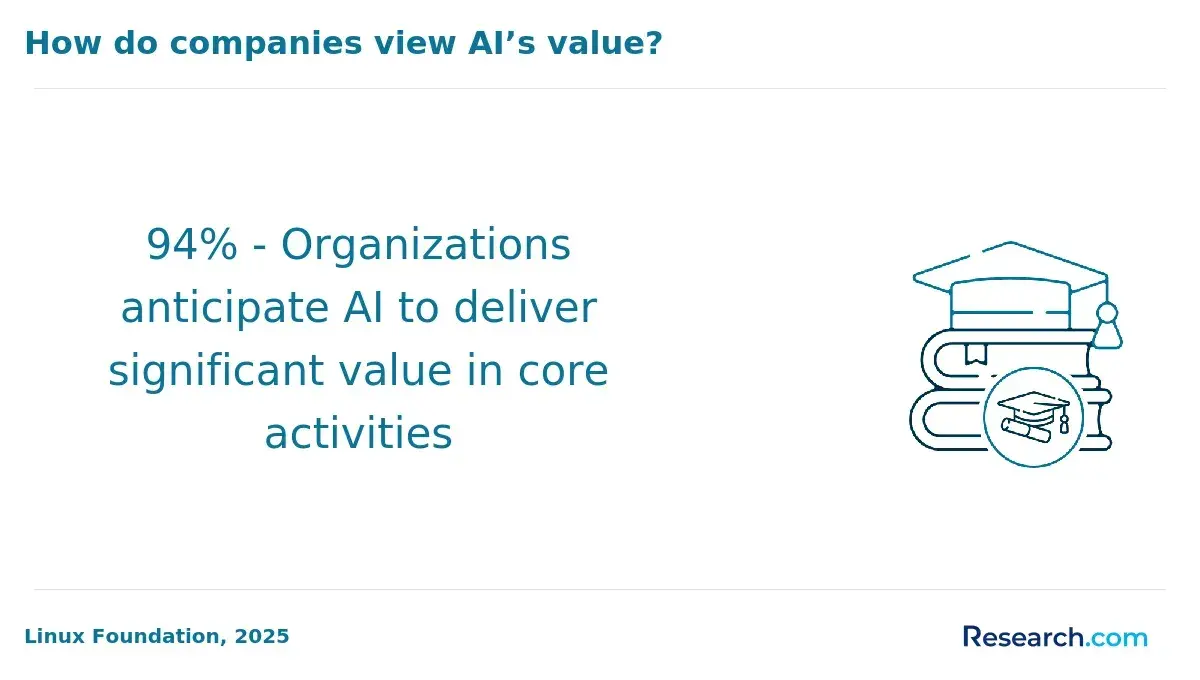
How do online AI courses for ecommerce compare with campus and bootcamp options?
Online AI courses for ecommerce teams offer accessibility, cost-efficiency, and flexibility that campus programs and bootcamps often lack. Unlike multi-year campus programs with high tuition, online courses provide modular lessons suited for working professionals and non-technical stakeholders. Bootcamp AI training advantages for ecommerce adoption include rapid skill acquisition and hands-on coding, but their rigid schedules and technical focus limit broader team engagement.
Salesforce's 2024 State of IT report highlights that 81% of business leaders see non-technical employees who complete foundational AI courses online become significantly more engaged and effective in AI adoption projects. This engagement supports a 29% faster rollout of AI initiatives. Online learning allows ecommerce teams to progress at their own pace, revisit complex topics, and balance education with work duties.
Campus-based AI programs emphasize deep theoretical knowledge, which can overwhelm ecommerce professionals who need practical applications. Bootcamps focus on coding skills but rarely address strategic AI uses in ecommerce operations, marketing, or supply chain management.
Effective online AI courses cover ecommerce-specific use cases, such as customer personalization, inventory optimization, and automated advertising. These courses often include vendor-neutral introductions and targeted product management modules, essential for non-technical teams.
Employers aiming for rapid team development should opt for curated online programs featuring interactive content and real-world ecommerce projects. Continuous upskilling is crucial in AI's evolving landscape. More specialized career paths may benefit from campus or bootcamp options, but these lack scalability for broad ecommerce adoption. Those interested in related fields can explore a game design degree for additional opportunities in tech education.
What degrees, certificates, and microcredentials support AI careers in ecommerce?
Degrees in ecommerce artificial intelligence often emphasize technical expertise in computer science, data science, software engineering, and information systems. Specialized master's programs in AI or machine learning provide the depth needed to build ecommerce AI solutions like demand forecasting models and recommendation engines.
Certificates and microcredentials for AI careers in ecommerce offer practical, flexible training beneficial for working professionals. These credentials commonly cover machine learning, natural language processing, and AI ethics, helping learners quickly develop industry-relevant skills. Platforms like Coursera and edX deliver microcredentials that combine project-based learning with tools related to AI deployment, data engineering for ecommerce, and cloud AI services.
Employers increasingly seek candidates who demonstrate verified abilities in both AI technical skills and business strategy. Microcredentials focused on AI for business analytics and ecommerce digital transformation provide key insights for teams tasked with operationalizing AI effectively.
According to Gartner's research on AI engineering, organizations with strong upskilling for data and machine learning engineers are 3.1 times more likely to scale AI pilots successfully. This highlights the importance of programs offering hands-on experience with data pipelines, cloud computing, and ecommerce platform integration.
For those interested in related fields, consider a cyber security course to complement AI skills and boost career prospects in ecommerce environments.
How can I verify accreditation and program quality for ecommerce-focused AI training?
Accreditation is a crucial factor when evaluating ecommerce-focused artificial intelligence training programs. Look for accreditation from recognized bodies like the Accreditation Council for Business Schools and Programs (ACBSP) or regional accreditors such as the Higher Learning Commission (HLC). This ensures the curriculum meets established educational standards and that credits may transfer.
Review course content to confirm coverage of ecommerce-specific ai topics, including personalization algorithms, customer data analytics, and ai-driven marketing automation. Programs connected to industry certifications or partnerships with leading platforms like Shopify or Salesforce often reflect updated content and practical relevance.
Instructor expertise matters. Verify faculty qualifications by checking academic credentials, industry experience, and research involvement. Trainers engaged in ecommerce ai projects provide valuable real-world perspectives beyond academic theory.
Consider graduate outcomes such as completion rates, job placement statistics, and alumni feedback to gauge program effectiveness.
Third-party reviews and rankings from trusted educational sources can further guide your choice.
According to a Deloitte Digital report, marketing teams trained in ai personalization achieved a 37% higher average revenue uplift from personalization initiatives compared to untrained teams, underscoring the benefits of focused training in this area.
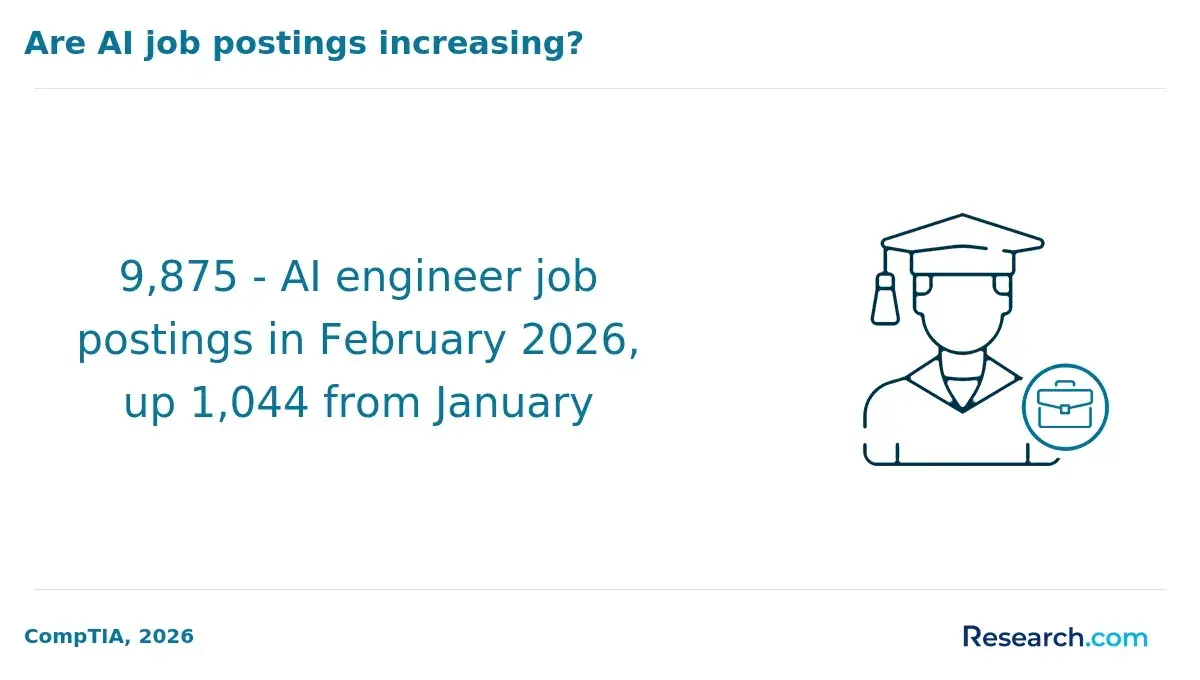
What core topics and tools do top AI ecommerce courses typically cover?
Top AI ecommerce courses equip professionals with essential skills in demand forecasting, inventory optimization, and supply chain analytics, which are critical for minimizing stockouts and excess inventory. Retailers using AI-driven demand forecasting have seen a 35% drop in stockouts and a 20% reduction in excess inventory, according to Capgemini Research Institute.
These programs focus on machine learning techniques tailored for ecommerce data, including time series forecasting and classification algorithms that improve demand prediction accuracy. They provide hands-on experience with Python libraries like TensorFlow, PyTorch, and scikit-learn, as well as data visualization tools such as Tableau and Power BI, which enhance model building and business intelligence reporting.
Additional course modules cover natural language processing to analyze customer behavior, AI-based pricing strategies, and chatbot deployment to boost customer engagement. Case studies demonstrate AI applications in inventory automation and supply chain routing.
Students also explore ethical AI use and data privacy, addressing challenges in consumer data management. Training often includes cloud platforms like AWS and Microsoft Azure to support scalable AI solutions.
By blending theoretical knowledge with practical tool usage, these courses enable ecommerce professionals to reduce forecasting errors and supply chain delays, making AI adoption measurable and effective across retail operations.
What are the typical admission requirements, timelines, and costs for these AI programs?
Admission requirements for AI courses aimed at ecommerce teams often include a bachelor's degree in fields like computer science, information technology, or business analytics. Some programs accept professional experience as a substitute, especially for certificate and bootcamp formats. Basic knowledge of programming languages such as Python and familiarity with data analysis tools are typical prerequisites. Applicants may also need to submit a statement of purpose detailing their motivation and relevant background.
Enrollment timelines vary widely. Many programs feature flexible start dates throughout the year, particularly online options designed for working professionals. Traditional university courses usually follow academic calendars with fall or spring semester starts. Certificate programs and bootcamps generally last 6 weeks to 6 months, while full-time advanced degrees take 1 to 2 years to complete.
Costs differ significantly depending on program type and institution. Online certificates and bootcamps typically range from $1,500 to $7,000. Master's degrees focused on artificial intelligence or data science in ecommerce fields can cost between $20,000 and $60,000. Payment plans, scholarships, and employer tuition assistance are often available. Prospective students should confirm whether fees cover access to specialized tools and real-world projects.
Training support teams to collaborate with AI agents has shown measurable benefits. According to Zendesk's 2024 CX Trends report, companies investing in such education achieved a 30% reduction in first-response time and a 24% increase in customer satisfaction, highlighting the value of well-structured AI programs for ecommerce professionals.
What AI-driven roles can ecommerce professionals pursue after completing these courses?
Ecommerce professionals skilled in AI-driven technologies can pursue diverse roles that blend technical expertise with business strategy. Positions such as AI product managers focus on integrating AI features into digital retail platforms, while ecommerce analytics leads specialize in analyzing consumer behavior through machine learning to optimize sales.
Other key opportunities include AI-driven marketing specialists who use predictive analytics for targeted campaigns and AI operations managers who oversee AI system deployment across ecommerce infrastructures. AI adoption consultants play a crucial role in guiding businesses through change management processes, addressing common challenges like employee resistance to new technologies.
Ecommerce fraud analysts utilize AI to detect and prevent transactional fraud, a growing concern in online sales. Customer experience designers leverage natural language processing (NLP) and recommendation algorithms to enhance site personalization. Roles blending AI proficiency with organizational change skills are increasingly valuable, aligning with findings from PwC's 2024 Global AI Jobs Barometer, which highlights a 45% higher likelihood of successful AI adoption when training is paired with structured change management.
Technical knowledge in programming AI tools, interpreting AI insights, and communicating effectively to non-technical stakeholders is essential. Job titles such as AI solutions architect and AI transformation strategist signify the growing demand for professionals who balance AI expertise with strong business acumen to drive measurable ecommerce performance improvements.
What salary ranges and job outlook can ecommerce AI specialists expect in the U.S.?
Ecommerce AI specialists in the U.S. earn between $80,000 and $140,000 annually, with variations based on experience, location, and skills. Entry-level positions typically start around $80,000 to $100,000, while experienced professionals and managers can command $120,000 to $140,000 or more. Salaries are notably higher in tech hubs like San Francisco, New York, and Seattle due to market demands and living costs.
The job outlook remains strong as businesses rapidly adopt AI tools to improve sales, customer experiences, inventory management, and personalized marketing. According to LinkedIn's 2024 Future of Work report, professionals with AI skills and ecommerce certifications enjoy a 47% higher promotion or role expansion rate within two years compared to peers without these credentials.
Key skills sought by employers include machine learning algorithms, natural language processing, data analytics, and AI-driven recommendation engine integration. Common roles include AI analyst, machine learning engineer for ecommerce, and AI product manager. Those combining deep ecommerce knowledge with AI expertise are particularly valuable.
To enhance career prospects, pursuing targeted AI education and certifications focusing on implementation within ecommerce frameworks is highly beneficial. Upskilling through tailored courses aligns professionals with industry demands, helping secure higher salaries and faster career growth.
How should ecommerce teams choose the right AI course for their size, tech stack, and goals?
Choosing the right ai course for ecommerce teams depends on team size, existing technology, and business goals. Small teams with limited resources benefit from foundational courses focused on practical tools like automated product recommendations or inventory forecasting on platforms such as Shopify or Magento. Larger teams with dedicated data science staff can explore advanced topics including machine learning models, natural language processing, and custom ai deployment linked to proprietary systems.
Technology stacks heavily influence course selection:
- Cloud-based teams gain from courses on AWS, Azure, or Google Cloud ai services to improve integration and adoption.
- Teams using legacy systems might require programs on API integration and incremental ai tool embedding.
Aligning business goals sharpens focus, for example:
- Enhancing customer experience favors courses on conversational ai and customer analytics.
- Supply chain optimization suits predictive analytics and demand forecasting courses.
According to IDC's 2024 report, retailer spending on ai upskilling is rising rapidly, reflecting urgent demand for updated curricula that cover generative AI and practical use cases. Learners should also consider course format, such as self-paced versus instructor-led, and certification credibility.
Effective decisions come from matching course content to operational challenges and asking if the course fits current tools and supports ai adoption goals. This approach supports sustainable ecommerce AI transformation and skill development aligned with industry needs.
Other Things You Should Know About Artificial Intelligence
Artificial intelligence in ecommerce often struggles with understanding complex human emotions and contextual nuances in consumer behavior. While AI excels at data analysis and pattern recognition, it can be limited by biased training data and lack of transparency in decision-making processes. These limitations can affect personalized recommendations and customer interactions.
AI is revolutionizing customer service by enabling chatbots and virtual assistants to handle common inquiries instantly and 24/7. This reduces response time and improves customer satisfaction while freeing human agents to tackle more complex issues. Additionally, AI-powered sentiment analysis helps businesses better understand customer feedback for continuous improvement.
In 2027, top courses for ecommerce AI adoption include "AI for Business Strategies" by edX, "Ecommerce AI Integration" by Coursera, "Machine Learning for Retail" at Udacity, and "AI Applications in Ecommerce" by LinkedIn Learning. These programs offer updated insights on AI tools and hands-on projects relevant to ecommerce needs.
Success is typically measured using key performance indicators such as increased sales, improved customer retention, and reduced operational costs. Analytics tools track customer engagement with AI features like personalized recommendations and chatbots. Regular evaluation helps ecommerce teams optimize AI models and align outcomes with business goals.
References
- Generative AI Applications: 16 Real-World Examples | RTB House https://www.rtbhouse.com/blog/16-examples-of-generative-ai-applications
- 16 Best AI Tools for Ecommerce to Use in 2025 https://www.polaranalytics.com/post/ai-tools-for-ecommerce
- Best AI for Ecommerce: Top Tools to Enhance Your Online Store | Peel Insights https://www.peelinsights.com/post/best-ai-tools-for-ecommerce
- Ecommerce AI: Top Trends & Strategies for 2026 https://www.salesforce.com/commerce/ai/ecommerce/
- Online Certificates for Job-Ready Skills | Grow with Google https://grow.google/certificates
- University Degree vs AI Bootcamp: Which is Best Career Path? https://agilefever.com/university-degree-vs-ai-bootcamp-which-is-best/
- AI Application Development in 2026: Cost & Timeline https://www.s3corp.com.vn/insights/ai-application-development
- AI in E-Commerce: How HR Can Thrive in the Future of Work - Tribulant Blog https://tribulant.com/blog/ecommerce/the-role-of-ai-in-e-commerce-evolution-preparing-hr-for-the-future-of-work/
- AI (Artificial Intelligence) Courses, Tools, and Training https://bootcampdigital.com/ai-artificial-intelligence/