2027 Best Generative AI Courses for Innovation Leaders

Co-Founder and Chief Data Scientist
Innovation leaders often face the challenge of quickly mastering generative ai technologies to drive strategic growth without abandoning current responsibilities. The rapid evolution of tools and techniques demands targeted learning that fits into busy schedules while remaining rigorous and accredited. Traditional degree programs rarely address the immediate needs of professionals pivoting from unrelated fields.
This article evaluates the best generative ai courses designed for working individuals seeking practical skills and recognized credentials. It will guide readers through flexible, high-quality educational options that empower strategic adoption of generative ai in their organizations.
Key Things You Should Know
- Generative AI courses in 2026 emphasize hands-on projects with real-world datasets, preparing innovation leaders to apply advanced models like GPT-5 and diffusion techniques effectively in industry settings.
- Enrollment in generative AI programs grew 40% from 2024 to 2025, reflecting rising demand for skills in natural language processing, computer vision, and creative AI across sectors.
- Top courses integrate ethics and AI governance, addressing risks such as bias and misinformation, with 78% of programs including modules on responsible AI deployment and regulatory compliance.
Advance Your Career with AI Online Courses
Artificial Intelligence: Implications for Business Strategy
This program provides an introduction to Artificial Intelligence and their implications for business strategy. Earn an official digital certificate.

Oxford Artificial Intelligence Programme
Explore this Oxford Artificial Intelligence programme offered in a flexible learning environment and explore topics like machine learning, automation, and robotics.

Implementing Agentic AI: Building Your Organizational Playbook
This online MIT Agentic AI course offers a practical approach to deploying AI agents in your organization, including a custom playbook. 3 weeks, exclusive launch price.

AI Adoption: Driving Business Value and Impact
This online MIT AI Adoption: Driving Business Value and Impact offers practical frameworks to close the gap between AI potential and business reality.

Artificial Intelligence in Pharma and Biotech
Discover the applications and limitations of artificial intelligence in pharma and biotech with this MIT online short course.

What makes a generative AI course ideal for innovation and digital transformation leaders?
An ideal generative AI course for innovation and digital transformation leaders focuses on practical AI literacy tailored to strategic business applications. It equips leaders with conceptual knowledge and hands-on skills to leverage generative AI in driving innovation, improving decision-making, and streamlining operations. Emphasizing digital transformation skills in generative AI training, these programs provide practical exposure to real-world AI tools and case studies, empowering leaders to implement AI solutions effectively rather than relying solely on theoretical understanding.
Such courses often address common challenges like integrating AI systems across departments, managing AI-driven change, and aligning AI initiatives with larger business objectives. Training on AI governance, ethical AI use, and risk mitigation helps leaders maintain responsible adoption. Learning how to critically evaluate AI-generated outputs is vital for ensuring accuracy and relevance in creative or data-intensive environments.
According to IBM's 2024 Global AI Adoption Index, 42% of enterprises cite leaders' lack of AI skills as a significant barrier to AI adoption. This highlights the need for fostering AI fluency as a core leadership competency, alongside cross-functional communication skills that enable effective collaboration with AI specialists and diverse teams. For those seeking to enhance their careers with AI expertise, exploring the top US colleges for data science can provide additional pathways to mastering these essential skills.
Advance Your Career with AI Online Courses
Artificial Intelligence: Implications for Business Strategy
This program provides an introduction to Artificial Intelligence and their implications for business strategy. Earn an official digital certificate.
Oxford Artificial Intelligence Programme
Explore this Oxford Artificial Intelligence programme offered in a flexible learning environment and explore topics like machine learning, automation, and robotics.
Implementing Agentic AI: Building Your Organizational Playbook
This online MIT Agentic AI course offers a practical approach to deploying AI agents in your organization, including a custom playbook. 3 weeks, exclusive launch price.
How do generative AI programs for innovation leaders differ from general AI courses?
Generative AI training programs for innovation leaders focus on strategic application and business transformation rather than technical foundations found in general AI classes. These specialized programs emphasize integrating generative AI tools into organizational workflows, preparing leaders to manage AI adoption, cross-functional teams, and align AI initiatives with corporate goals.
Differentiating innovation leadership AI courses from general AI classes includes:
- Business-centric curricula that enhance decision-making around generative AI deployment.
- Evaluation of generative AI tools and APIs in enterprise contexts.
- Risk management, governance, and compliance specific to generative AI.
- Leadership skills to foster innovation culture and cross-department collaboration.
Unlike courses focused on building generative models, innovation leadership programs combine case studies and workshops on stakeholder communication and change management. These elements are critical as Gartner forecasts 80% of large enterprises will adopt generative AI-enabled applications by 2026, demanding leaders who translate technical capability into strategic advantage.
Those seeking generative AI training programs for innovation leaders should prioritize courses offering practical leadership tools over purely technical skills. Additionally, professionals exploring related educational options may find value in an online mechanical engineer degree to complement their technical understanding alongside leadership expertise.
What types of degrees, certificates, and executive programs cover generative AI for innovation?
Degrees, certificates, and executive programs focused on generative AI for innovation cater to diverse professional goals. Specialized master's degrees in artificial intelligence, machine learning, or data science often include courses on generative AI methods like natural language processing and generative adversarial networks. These programs deliver strong technical foundations alongside applied innovation frameworks, preparing graduates to lead AI-driven transformations.
For professionals pursuing targeted upskilling, generative AI certification programs for innovation leaders offer focused curriculums covering model deployment, ethics, and innovation management. Such certificates, available through universities and industry platforms, include options like Generative AI and Innovation Strategy or AI Product Management, equipping learners to manage projects integrating AI tools.
Executive degrees in generative AI and innovation management provide short, intensive training for business leaders and decision-makers. These programs emphasize strategic understanding of AI's role in shaping business models and competitive advantage, often featuring case studies and hands-on AI workshops to support effective adoption.
A 2024 Deloitte survey reveals that 73% of organizations are increasing investments in AI skills and training, highlighting AI and generative AI as top priorities. This trend is fueling growth in executive and corporate programs tailored for AI innovation leadership.
Individuals should consider goals such as technical expertise, applied innovation, or strategic leadership when choosing among degrees, certificates, or executive programs. Factors like program duration, hands-on learning, and industry relevance impact their effectiveness. For those interested in creative tech fields, programs like masters in game design offer related pathways combining innovation and AI development.
How should innovation leaders compare online, hybrid, and on-campus generative AI programs?
Innovation leaders weighing online, hybrid, and on-campus generative AI programs must consider factors tied to their unique learning goals and professional contexts. Online generative AI training options provide flexibility, allowing working professionals to upskill without disrupting work schedules. This approach suits those juggling time zones, family, or travel, while accessing a global array of instructors. However, online formats demand strong self-discipline and may limit real-time peer networking.
Hybrid programs combine online convenience with periodic in-person sessions, offering hands-on experiences and structured networking. This format benefits those seeking peer engagement and access to specialized labs or workshops. McKinsey & Company's 2024 research shows organizations reskilling in generative AI can experience productivity gains of 3-5% and innovation cycles that accelerate up to 30%.
On-campus programs provide immersive environments ideal for individuals prioritizing mentorship, team projects, and institutional facilities. These require significant time and geographic commitment but foster discipline and immediate feedback, often enhancing career opportunities through stronger recruitment connections. Prospective students interested in an accelerated cyber security degree can also explore similar evaluation factors when choosing generative AI programs.
What core topics and skills are taught in generative AI courses for innovation strategy?
Generative AI courses for innovation strategy teach leaders to leverage AI technologies like GPT, diffusion models, and variational autoencoders to drive business growth. These models enable new content creation that fuels innovation in product development, marketing, and customer engagement.
Core skills focus on integrating generative AI into business processes for use cases such as automated brainstorming, rapid prototyping, and personalized marketing. Leaders also gain expertise in ethical considerations, data privacy, and bias mitigation to ensure responsible AI use. Risk assessment and regulatory compliance are essential parts of the curriculum to navigate adoption challenges.
Hands-on experience with AI frameworks develops technical literacy, enabling innovation leaders to collaborate effectively with data scientists and engineers. Scenario analysis teaches anticipation of AI's impact on workflows and organizational structures. Training also covers innovation management methods like agile and design thinking adapted to AI-driven environments. Leaders learn to measure AI project ROI and build cross-functional teams to lead AI initiatives successfully.
According to LinkedIn's 2024 Future of Work report, professionals with generative AI skills attract 21% more recruiter interest and are 29% more likely to advance into AI leadership or strategy roles. This underscores the value of mastering generative AI in today's competitive job market.
Which admission requirements and professional experience do generative AI leadership programs expect?
Applicants to generative AI leadership programs typically need a bachelor's degree in fields like computer science, engineering, data science, or business analytics. Some programs accept equivalent professional experience, especially for mid-career professionals. Admissions often require demonstrated skills in programming languages such as Python or R, plus foundational understanding of machine learning concepts. Candidates usually submit resumes, academic transcripts, and personal statements outlining their AI leadership goals.
Professional experience expectations generally range from three to five years in technology, product management, or innovation roles where AI plays a significant part. Leadership experience managing AI projects or teams, such as overseeing AI integration or digital transformation efforts, is highly valued. Familiarity with AI ethics, data privacy, and governance also strengthens applications.
Executive education tracks may welcome professionals from sectors like finance, healthcare, or manufacturing, provided they can connect AI applications to business outcomes. Prior training in emerging technologies or case study work further bolsters candidacy. Many programs offer hybrid or part-time options to accommodate working leaders balancing upskilling with job responsibilities.
According to PwC's 2024 Global CEO Survey, 70% of CEOs prioritize AI upskilling in their top three initiatives, reflecting a growing demand for leaders prepared to implement generative AI strategically rather than focusing solely on technical expertise.
How long do generative AI programs for innovation leaders take, and what do they cost?
Generative AI programs tailored for innovation leaders generally last between four and eight weeks, striking a balance between deep technical understanding and strategic application. These courses fit the busy schedules of working professionals. For instance, MIT Sloan's Generative AI for Business executive program spans six weeks and is delivered fully online, making it accessible for remote learners and executives.
The cost of executive-level generative AI courses typically ranges from $3,000 to $8,000. MIT Sloan's six-week course is priced at $4,600, representing a mid-tier investment for specialized executive education. This cost aligns with proven value; according to MIT's survey, 88% of attendees applied their generative AI knowledge to impactful initiatives within six months after finishing the program.
Shorter boot camps or certificate courses often cost less but may lack the depth and strategic focus necessary for leadership roles. Longer programs that extend beyond three months can exceed $10,000 but generally include additional benefits such as leadership coaching and extensive project work. A six-week, $4,600 program like MIT Sloan's offers a solid benchmark: an affordable, manageable timeframe paired with real-world outcomes, ideal for innovation leaders seeking actionable skills without lengthy absences from their roles.
How can learners verify accreditation and program quality for generative AI studies in the U.S.?
U.S. learners can verify generative AI program quality by checking accreditation through recognized bodies like ABET, the Higher Learning Commission (HLC), or other regional accreditors approved by the U.S. Department of Education. Institutional accreditation is crucial, while programmatic accreditation in computer science or engineering adds credibility. Prospective students should also evaluate faculty expertise, course content relevance, and industry partnerships. Programs linked to established research departments or technology firms often offer more current and practical AI training.
Reviewing syllabi is important to ensure coverage of key topics such as machine learning architectures, ethical AI design, and hands-on work with large language models. Experiential learning opportunities like capstone projects or internships with industry sponsors provide valuable real-world experience, aligning with employer expectations. Graduate outcomes and job placement rates in innovation and R&D roles reflect a program's effectiveness. National ranking publications and independent AI education reviews can serve as helpful resources.
According to a Boston Consulting Group study, 61% of large companies use generative AI in R&D or innovation, with "AI-leading" companies showing 2.5 times greater innovation performance. Questions to ask when evaluating programs include accreditation status, instructors' research or industry activity, curriculum updates reflecting rapid AI advancements, and the nature of partnerships with technology firms. These factors clarify program rigor and relevance in a growing job market.
What careers, leadership roles, and industries can generative AI innovation training lead to?
Generative AI innovation training equips professionals for diverse roles across multiple industries, emphasizing the critical nature of AI integration. In technology, positions like AI product managers, machine learning engineers, and AI strategists rely heavily on expertise in generative models to build and scale solutions effectively. Leadership roles, including chief AI officers and innovation directors, steer organizations through AI adoption while addressing ethical deployment challenges.
Industries such as healthcare, finance, manufacturing, and media are transforming through generative AI. Healthcare leaders leverage AI for diagnostics and personalized treatments, requiring comprehensive knowledge of regulatory standards and ethical use. Finance professionals utilize AI to enhance risk assessment, fraud detection, and customer personalization, demanding strong compliance skills. Manufacturing sectors focus on AI-driven automation and quality control, while media industries use it for innovative content creation and marketing strategies.
Training also covers roles dedicated to data privacy, AI ethics boards, and regulatory compliance teams due to increasing scrutiny of AI implementations. Governance and transparency challenges make education in AI risk management, policy development, and ethical frameworks essential. According to KPMG's 2024 Global Tech Report, 79% of technology leaders see a shortage of AI governance skills as a significant risk, highlighting the urgent need for specialized training in these areas.
What salary ranges and job outlook can innovation leaders expect with generative AI expertise?
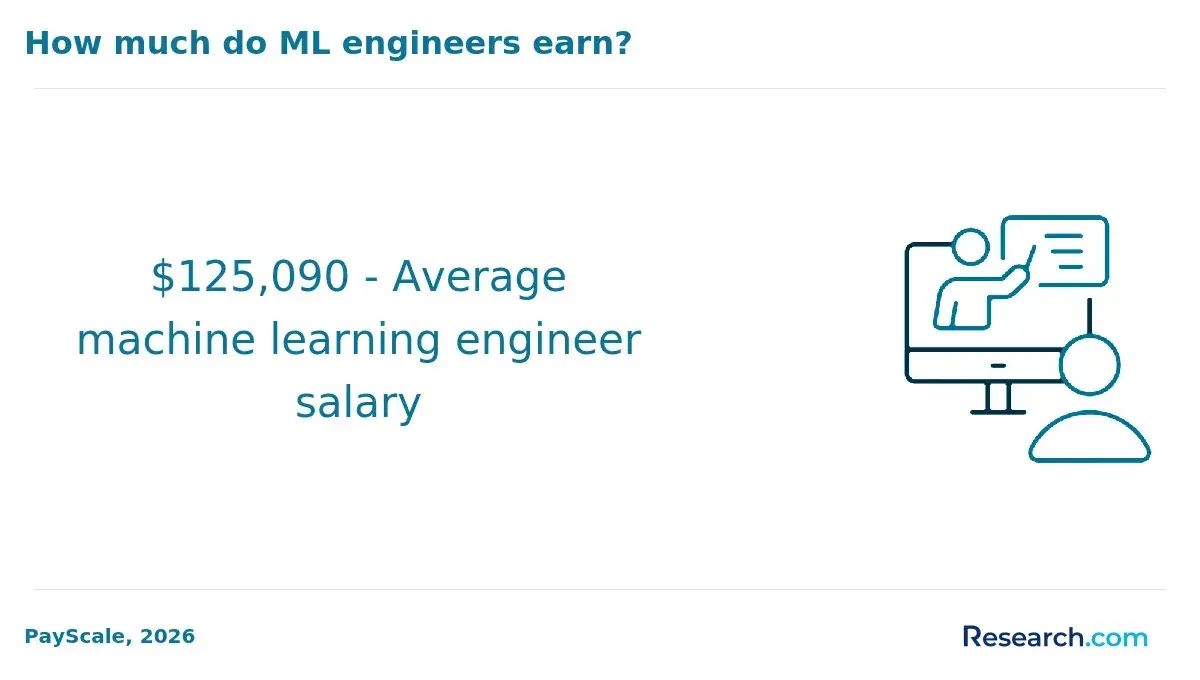
Innovation leaders skilled in generative AI see strong job prospects and competitive salaries in the United States. Median annual pay for roles involving generative AI typically ranges from $120,000 to $180,000. Senior managers or directors focusing on integrating generative AI into strategic planning can earn over $200,000, particularly in tech-driven sectors like software, healthcare, and finance.
The demand for generative AI expertise among managers and executives is growing rapidly. According to the World Economic Forum's 2024 Future of Jobs report, generative AI and applied AI are among the top 10 fastest-growing skills, with expected demand increasing more than 30% by 2028. Job titles benefiting from this trend include AI product managers, innovation strategists, and digital transformation leaders.
These professionals often oversee AI-generated solutions or innovation pipelines across diverse industries such as automotive, retail, and telecommunications. To improve market value, candidates should emphasize both technical skills in generative AI and competencies in change management and ethical AI deployment.
Certifications that blend AI knowledge with leadership or project management abilities can boost employment chances and salary potential. Adoption of generative AI remains emerging, creating opportunities for leaders who can bridge technical teams and business goals. Strong communication skills to convey AI capabilities to stakeholders often lead to higher compensation reflecting strategic impact.
Other Things You Should Know About Artificial Intelligence
Innovation leaders must address issues such as bias in AI models, data privacy, and transparency in decision-making processes. It is essential to ensure that generative AI systems do not perpetuate harmful stereotypes or produce misleading information. Ethical AI deployment requires continuous monitoring, accountability, and adherence to established guidelines.
Generative AI enhances creativity by providing novel outputs and ideas that humans may not generate independently. It can automate routine tasks, allowing employees to focus on strategic problem-solving and innovation. However, human oversight remains critical to evaluate and refine AI-generated content effectively.
Challenges include integrating AI tools with existing workflows, managing data quality, and addressing the skills gap among team members. Resistance to change and unclear objectives can also hinder adoption. Successful implementation requires clear strategies, training, and leadership commitment.
In 2027, top courses for innovation leaders include Stanford University's "Generative AI for Leaders," MIT's "Innovating with AI," and Coursera's "Advanced Generative AI Techniques." These programs focus on real-world applications, ethics, and cutting-edge technologies, making them invaluable for leaders looking to harness AI for organizational progress.
References
- The Hidden Costs of GenerativeAI and How to Control Them https://www.truefoundry.com/blog/cost-of-generative-ai
- Trusted AI resources for higher education professionals and students | Genio https://genio.co/blog/trusted-ai-resources-higher-education-professionals-students
- Use Cases for Generative AI in Workforce Development https://www.jff.org/idea/use-cases-for-generative-ai-in-workforce-development/
- 10 AI & Machine Learning Exec Ed Courses For 2024 https://poetsandquantsforexecs.com/news/10-ai-machine-learning-exec-ed-courses-for-2024/
- Generative AI Leader Certification | Google Skills https://www.skills.google/paths/1951
- Top 10 AI certifications and courses for 2025 https://www.techtarget.com/whatis/feature/10-top-artificial-intelligence-certifications-and-courses
- AI’s Role in Shaping Future Work & Strategy https://www.techclass.com/resources/learning-and-development-articles/next-frontier-thought-leadership-on-ais-role-in-work-enterprise-strategy
- Generative AI might cost you more than you think | Okoone https://www.okoone.com/spark/technology-innovation/generative-ai-might-cost-you-more-than-you-think/
- Digital Transformation and AI Explained | edX https://www.edx.org/resources/what-is-digital-transformation-and-ai
- Leadership with AI | ISB Online Executive Programme https://online-er.isb.edu/leadership-with-ai/index.php