2027 Best AI Courses for HR Professionals Managing AI Adoption

Co-Founder and Chief Data Scientist
Human Resources professionals often struggle to manage the rapid adoption of artificial intelligence within their organizations. Challenges include understanding AI's implications, addressing workforce concerns, and integrating new technologies with existing policies. Without proper education, HR managers risk ineffective AI strategies that hinder both employee experience and organizational growth.
This article reviews top courses tailored for HR professionals aiming to build expertise in navigating AI adoption. It highlights flexible, accredited programs designed to equip learners with the skills necessary to lead successful AI integration and support workforce transformation confidently and competently.
Key Things You Should Know
- AI courses for HR professionals in 2026 emphasize practical skills in AI adoption, with 68% of programs incorporating real-world case studies to improve organizational decision-making.
- Understanding ethical AI deployment is central, with 73% of courses covering bias mitigation, privacy concerns, and compliance with evolving US regulations.
- Enrollment in HR-focused AI courses grew 42% between 2024 and 2025, reflecting rising demand for expertise in managing AI-driven workforce transformations.
Advance Your Career with AI Online Courses
Artificial Intelligence: Implications for Business Strategy
This program provides an introduction to Artificial Intelligence and their implications for business strategy. Earn an official digital certificate.

Oxford Artificial Intelligence Programme
Explore this Oxford Artificial Intelligence programme offered in a flexible learning environment and explore topics like machine learning, automation, and robotics.

Implementing Agentic AI: Building Your Organizational Playbook
This online MIT Agentic AI course offers a practical approach to deploying AI agents in your organization, including a custom playbook. 3 weeks, exclusive launch price.

AI Adoption: Driving Business Value and Impact
This online MIT AI Adoption: Driving Business Value and Impact offers practical frameworks to close the gap between AI potential and business reality.

Artificial Intelligence in Pharma and Biotech
Discover the applications and limitations of artificial intelligence in pharma and biotech with this MIT online short course.

What are the best AI courses for HR professionals managing adoption?
For HR professionals managing AI adoption, the best ai courses for hr professionals managing adoption emphasize practical integration, ethical standards, and AI-driven talent management strategies. Leading programs like the "AI for HR Professionals" certificates offered by top universities and industry bodies teach alignment of AI tools with business goals, recruitment automation, and effective team training in AI usage.
Key learning includes data literacy to accurately interpret AI outputs, change management to ensure smooth technology adoption, and compliance with evolving AI ethics guidelines. Courses focusing on generative AI applications in candidate screening or employee engagement provide directly applicable skills to current HR challenges. This focus on practical skills and ethical awareness is vital for successful AI deployment.
A 2024 IBM Institute for Business Value study indicates 51% of organizations have implemented generative AI in talent processes, with another 35% planning to adopt within a year. This trend highlights the urgent need for top ai training programs for hr managers adopting new technologies to remain competitive and effective.
Recommended providers include platforms like Coursera and LinkedIn Learning, which collaborate with universities and corporations, plus professional certificates from SHRM and HRCI that now integrate AI modules. Additionally, courses with case studies, tool demonstrations, and frameworks for managing AI bias are especially valuable.
Effective programs also teach communication skills essential for explaining AI benefits and limitations to stakeholders-critical for leading AI-driven change without compromising trust or legal compliance. For those exploring career options, consulting resources on artificial intelligence career paths provides insightful guidance.
Advance Your Career with AI Online Courses
Artificial Intelligence: Implications for Business Strategy
This program provides an introduction to Artificial Intelligence and their implications for business strategy. Earn an official digital certificate.
Oxford Artificial Intelligence Programme
Explore this Oxford Artificial Intelligence programme offered in a flexible learning environment and explore topics like machine learning, automation, and robotics.
Implementing Agentic AI: Building Your Organizational Playbook
This online MIT Agentic AI course offers a practical approach to deploying AI agents in your organization, including a custom playbook. 3 weeks, exclusive launch price.
Which AI skills do HR professionals need first?
HR professionals must build essential AI skills to integrate artificial intelligence into workforce management effectively. Key competencies for managing AI adoption in HR include a solid understanding of AI concepts like machine learning, natural language processing, and predictive analytics. This foundation allows HR leaders to assess AI tools accurately and oversee their deployment.
Data literacy is critical for analyzing AI-driven workforce insights, such as employee sentiment and attrition risk scores. HR professionals need to interpret dashboards, recognize data limitations, and identify potential algorithmic biases to make informed decisions.
Ethical AI management plays a vital role in avoiding discriminatory outcomes and ensuring compliance with privacy laws and organizational values. Familiarity with ethical frameworks and legal standards helps mitigate risks in hiring and performance evaluation processes.
Change management skills enable HR to lead workforce transitions prompted by AI adoption, including reskilling employees and managing resistance to automation. These skills address the broader organizational impact of technology shifts.
Deloitte's Human Capital Trends report reveals 77% of organizations see "building workforce AI fluency" as a top HR gap, yet only 21% offer structured AI learning paths for HR. Addressing this gap with focused training programs is urgent for HR professionals today.
For those interested in expanding their technical expertise supporting these AI skills, exploring a mechanical engineering program online may provide valuable knowledge applicable to AI-driven innovation in workforce solutions.
How do you choose an accredited AI training program?
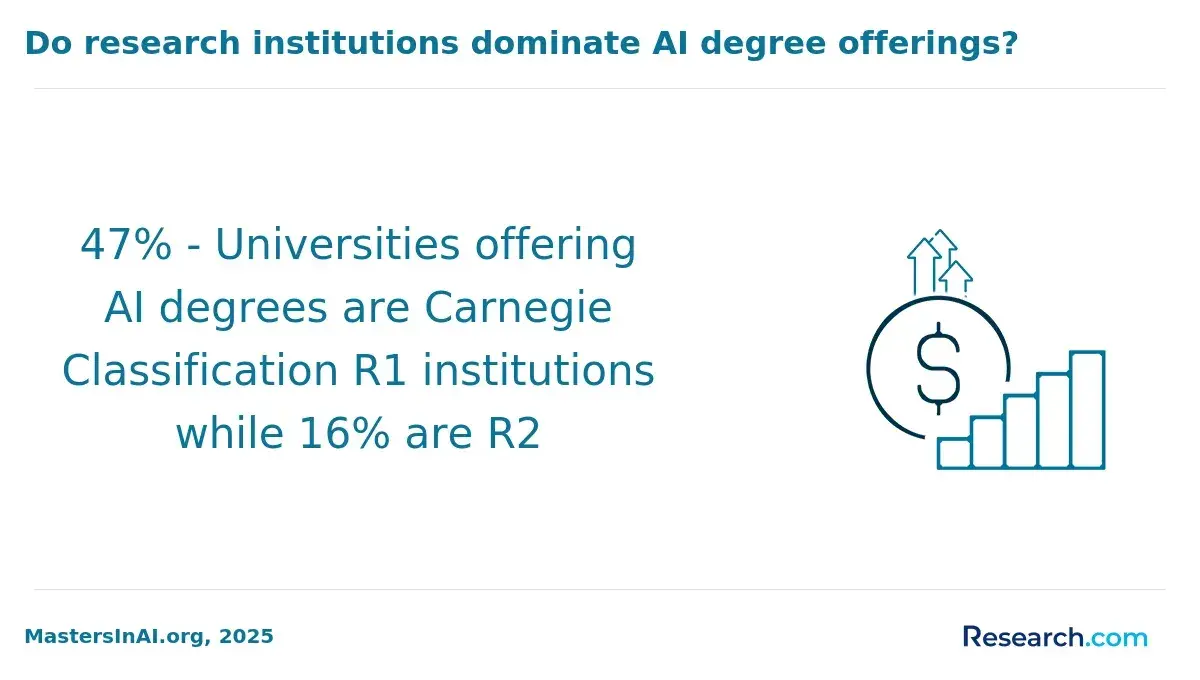
Choosing accredited ai training programs for HR professionals involves verifying formal recognition by education authorities. Accreditation ensures that courses meet quality standards through a comprehensive curriculum, qualified instructors, and proper assessment methods. Regional bodies like the Middle States Commission on Higher Education or endorsements from organizations such as the Association for Talent Development are reliable markers.
Look for certification courses aligned with industry-recognized frameworks to enhance employment prospects. The best ai certification courses for managing adoption in HR often include practical projects or case studies on real HR scenarios, building experience in integrating predictive analytics, bias mitigation, and automation into HR processes.
Curriculum relevance is crucial, particularly in areas like ai ethics, governance, and compliance, which are increasingly important for HR roles. Customized training tailored to HR professionals ensures practical applicability and up-to-date knowledge.
Review alumni outcomes for career advancement and wage growth. PwC's AI Jobs Barometer shows that workers in roles exposed to ai who took formal ai literacy training saw 25% higher wage growth over five years compared to those without training. Post-course support, including mentorship and access to AI communities, helps maintain ongoing learning.
For those considering further education, exploring programs like a PhD in artificial intelligence USA can provide deep expertise and leadership opportunities in this evolving field.
Should HR professionals take online or campus AI courses?
HR professionals adopting ai face a choice between online courses for hr professionals adopting ai and campus AI training based on their schedules, learning preferences, and career goals. Online formats offer flexibility, enabling working professionals to study alongside job duties. These courses often include instructor-led live sessions and interactive projects that promote real-world skills without location limits.
Campus vs online ai training for hr managers presents different learning environments. Campus courses provide structured settings with hands-on workshops, group work, and immediate feedback, ideal for those who prefer face-to-face interaction and networking. Such programs suit HR professionals involved in collaborative AI integration within organizations.
Focus on programs emphasizing AI-driven people analytics, as McKinsey's State of AI in HR survey reveals companies using these approaches are 1.9 times likelier to excel in talent acquisition and retention. Practical course content may cover data ethics, AI models in HR, and policy frameworks online, or on-campus case studies and simulations tailored to organizational AI adoption.
Hybrid models blend the flexibility of online with in-person benefits. Prospective students looking for accelerated options might also explore a fastest online cyber security degree to complement their AI skills.
Choosing between campus and online depends largely on whether immediate application and professional networking or flexible, self-paced skill development aligns better with your development plan.
What topics are covered in AI courses for HR?
AI courses for HR professionals cover essential topics for effectively managing AI integration in human resources. These programs address foundational technologies like machine learning, natural language processing, and generative AI models, helping HR experts assess tools for recruiting, onboarding, and employee engagement.
Practical applications include automating candidate screening, enhancing diversity and inclusion through algorithmic fairness, and optimizing workforce planning with predictive analytics. Ethical challenges such as bias mitigation, data privacy, and transparency in AI-driven decisions are also a key focus.
HR professionals learn to streamline talent acquisition by automating routine tasks and personalizing candidate communication. Training often incorporates change management strategies to support staff during AI transitions, fostering trust and productivity. Additionally, compliance with legal frameworks-such as guidelines from the Equal Employment Opportunity Commission-is emphasized.
Hands-on projects with AI-powered HR software enable learners to apply their skills in real-world settings, enhancing their ability to analyze AI outputs and refine algorithms aligning with organizational goals.
LinkedIn's Future of Recruiting report notes that 70% of recruiting professionals now use or experiment with generative AI, with 85% expecting AI skills to become critical soon. These statistics highlight the growing need for HR professionals to master AI capabilities, limitations, and governance to remain effective and compliant in evolving roles.
What are the admission requirements for AI training programs?
Admission criteria for ai training programs designed for HR professionals typically combine educational background, work experience, and technical skills. Most programs require at least a bachelor's degree in fields like business, human resources, or information technology. Advanced certificates or master's programs may also ask for prior HR experience or familiarity with data analytics to ensure practical application of ai in workforce management.
Technical prerequisites often include basic computer skills and introductory knowledge of data science or programming languages such as Python. Some programs emphasize hands-on ai application and may require proficiency in Excel, statistical software, or foundational courses in ai or machine learning. For instance, a certificate focused on ai-powered performance management might request previous coursework in analytics to enhance learning outcomes.
Applicants usually need to submit a professional resume and sometimes letters of recommendation that highlight their HR roles or interest in ai adoption. Program directors seek candidates with a clear understanding of HR challenges and motivation to leverage ai for solutions.
Research from Gartner shows a 24% boost in employee performance and a 19% decrease in turnover in organizations using ai-augmented tools, underscoring the value of relevant experience and practical ai knowledge in admissions.
Prepare by demonstrating educational credentials, HR or data analytics experience, and foundational ai concepts relevant to workforce management.
How long do AI courses for HR professionals usually take?
AI courses for HR professionals vary widely in duration and depth, accommodating differing roles and learning goals. Short introductory courses, typically lasting 4 to 8 hours, provide foundational knowledge of AI concepts and ethical issues, helping HR staff understand AI's influence on recruitment, performance management, and employee engagement.
More in-depth programs, spanning 2 to 6 weeks, focus on practical skills like addressing algorithmic bias, data privacy, AI governance, and change management. For example, courses devoted to AI ethics and compliance often distribute 12 to 20 hours of learning over several weeks, enabling participants to grasp complex legal frameworks and risk management strategies.
Longer executive or certification programs lasting 3 to 6 months combine live sessions, case studies, and hands-on projects. These are intended for senior HR leaders such as CHROs responsible for implementing AI initiatives at an organizational scale. The World Economic Forum's 2024 Human-Centric AI report highlights that 61% of CHROs worry about algorithmic bias, yet only 26% have governance frameworks, emphasizing the value of extended, governance-focused education.
Many courses now offer hybrid formats mixing self-paced modules with live instruction to accommodate busy professionals. When selecting a program, consider your specific HR role, the AI technologies involved, and the governance level required for effective oversight.
How much do AI courses for HR professionals cost?
AI courses for HR professionals in 2026 vary significantly in cost based on course depth, provider, and credential type. Entry-level courses usually range from $200 to $500, covering essential AI topics like recruitment automation and workforce analytics. More comprehensive certification programs or diplomas from accredited providers typically cost between $1,000 and $3,500 and include advanced subjects such as AI ethics, change management, and strategic adoption tailored for HR leaders.
Short workshops or bootcamps lasting several days commonly cost $600 to $1,200. Self-paced online platforms may offer monthly subscriptions from $30 to $100, providing continuous access to updated coursework and practical HR-focused scenarios. Employers often subsidize these education expenses, recognizing the reported 13% average salary increase linked to AI certification according to SHRM's 2024 State of AI in HR survey.
Corporate training packages designed for HR teams can exceed $5,000, reflecting customized curricula and consulting support for smooth AI integration. When selecting courses, consider factors beyond price, such as course content, industry recognition, hands-on learning, and additional costs like study materials and platform fees. Aligning education choices with specific job roles and career goals ensures better professional growth.
What jobs can HR professionals get after AI training?
HR professionals with ai training can expand their career opportunities by taking on roles that integrate ai tools into talent management and organizational development. Common positions include AI talent acquisition specialist, HR data analyst, and workforce transformation manager. These roles focus on optimizing recruitment, analyzing employee data, and leading change initiatives with ai technologies.
HR business partners who understand ai serve as crucial links between technical teams and human resources functions. They ensure smooth ai integration while addressing workforce concerns about automation. Additionally, AI ethics compliance officers shape policies that promote fair use of ai in hiring and employee management processes.
The 2024 UPCEA and Lightcast workforce education report highlights that 64% of employers show significant preference for candidates holding university-issued microcredentials in AI or data for HR over those without such qualifications. This demand reflects how specialized ai skills elevate HR roles by blending domain knowledge with technical proficiency.
Key job titles also include workforce analytics consultant, talent management strategist with an AI focus, and AI-enabled learning and development coordinator. These roles require interpreting AI-generated insights and designing programs to boost retention and productivity.
HR professionals who build expertise in AI governance, data privacy, and automation strategy are well-positioned for leadership roles in managing the human impact of ai adoption within organizations.
What salary and job outlook apply to AI-savvy HR roles?
HR professionals in the U.S. with skills in artificial intelligence typically earn between $80,000 and $130,000 annually, influenced by experience, education, and organization size. Specialized roles like AI-focused HR analysts or talent acquisition experts who utilize AI tools generally receive salaries at the higher end of this spectrum. Growing AI integration in recruitment, workforce management, and employee engagement fuels a strong job outlook in this field.
A study by IBM revealed that HR specialists dedicating at least 40 hours a year to AI and analytics upskilling are 2.3 times more likely to earn promotions within two years compared to those with limited AI training. This underscores how proficiency in AI not only increases salary potential but also accelerates career growth.
The demand for AI-capable HR roles is especially high in sectors relying on data-driven decisions, including predictive talent analytics, AI-enhanced employee platforms, and automated compliance. Key skills include natural language processing for resume screening and AI-powered workforce planning.
Career advancement is aided by certifications in AI applications in HR, machine learning, and data analytics for human capital management. Familiarity with tools such as Workday Prism Analytics and AI integrations in applicant tracking systems further boosts employability.
Geographic regions like tech hubs and finance sectors tend to offer higher compensation for AI-fluent HR professionals. Focused coursework in artificial intelligence prepares candidates to meet evolving strategic talent management expectations in AI-driven workplaces.
Other Things You Should Know About Artificial Intelligence
In 2027, some of the top courses include "AI for HR Professionals" at Coursera, "Managing AI and Data for Human Resources" from edX, and "AI Adoption Strategies for HR Leaders" on LinkedIn Learning. These courses provide valuable insights into leveraging AI effectively within HR functions.
Artificial Intelligence can personalize employee experiences by analyzing feedback and performance data, helping HR identify engagement trends. However, overreliance on AI might reduce human interaction, which is crucial for a positive workplace culture. Effective integration balances AI tools with meaningful human communication to support employee morale.
AI can assist in promoting diversity and inclusion by removing unconscious bias from recruitment and evaluation processes through objective data analysis. It can highlight diversity gaps and suggest strategies for improvement. Nonetheless, it requires careful oversight to avoid perpetuating existing biases encoded in training data.
Key challenges include data privacy concerns, integrating AI tools with legacy systems, and a lack of technical expertise among HR staff. Change management is also critical, as employees may resist AI-driven changes. HR professionals must ensure proper training and communicate clearly to facilitate smooth AI adoption.
References
- Future-Proofing Your HR Career From AI Risk - 55 Jobs Ranked https://www.hrmorning.com/news/future-proofing-your-hr-career/
- Introducing Our New "AI in HR" Certificate Course JOSH BERSIN https://joshbersin.com/2024/02/introducing-our-new-ai-in-hr-certificate-course/
- Course Outline: The Use of Artificial Intelligence in Human Resources Management - Geneve Institute of Business Management https://geneveinstitute.com/en/post/3335/course-outline-the-use-of-artificial-intelligence-in-human-resources-management/
- Professional AI Training: How to Choose the Right Program https://www.strategicaileader.com/professional-ai-training-how-to-choose-the-right-program/
- Artificial Intelligence for HR | Certificate Program https://www.aihr.com/courses/artificial-intelligence-for-hr-certification/
- What are the requirements for completing the Introduction to AI and Building AI courses? https://www.elementsofai.com/ie/faq/what-are-the-requirements-for-completing-the-introduction-to-ai-and-building-ai-courses
- AI in HR Online Training Course | myHRfuture https://www.myhrfuture.com/introduction-to-ai-in-hr-course
- (25) Top AI Human Resources Jobs | Murray Resources https://murrayresources.com/25-top-ai-human-resources-jobs/
- 10 Best AI Courses for HR Professionals 2025 | Recruiters LineUp https://www.recruiterslineup.com/best-ai-courses-for-hr-professionals/
- Best AI courses for hr professionals in 2026 https://www.upskillist.com/blog/best-ai-courses-for-hr-professionals/