2027 Best AI Courses for Production AI Applications

Co-Founder and Chief Data Scientist
Many professionals with unrelated undergraduate degrees face challenges when transitioning into production AI roles due to a lack of practical training tailored for real-world applications.
The complexity of integrating AI models into existing systems often leads to project delays and reduced effectiveness. Finding courses that balance foundational theory with hands-on experience is essential for career pivoters aiming to thrive in this competitive market.
This article will review the best AI courses designed specifically for production applications, offering guidance on how to select flexible, accredited programs that enhance practical skills and improve job readiness in the field.
Key Things You Should Know
- Top AI courses for 2026 emphasize practical skills in production AI, with 68% of programs incorporating real-world projects to boost job readiness.
- Courses increasingly cover ethical AI deployment and model robustness, addressing rising industry demand for responsible AI solutions.
- Data from 2024 shows enrollment in AI specialization programs has grown 42%, reflecting increased workforce demand for expertise in scalable AI applications.
Advance Your Career with AI Online Courses
Artificial Intelligence: Implications for Business Strategy
This program provides an introduction to Artificial Intelligence and their implications for business strategy. Earn an official digital certificate.

Oxford Artificial Intelligence Programme
Explore this Oxford Artificial Intelligence programme offered in a flexible learning environment and explore topics like machine learning, automation, and robotics.

Implementing Agentic AI: Building Your Organizational Playbook
This online MIT Agentic AI course offers a practical approach to deploying AI agents in your organization, including a custom playbook. 3 weeks, exclusive launch price.

AI Adoption: Driving Business Value and Impact
This online MIT AI Adoption: Driving Business Value and Impact offers practical frameworks to close the gap between AI potential and business reality.

Artificial Intelligence in Pharma and Biotech
Discover the applications and limitations of artificial intelligence in pharma and biotech with this MIT online short course.

What are the best AI courses for learning real-world production AI applications?
Mastering real-world production AI applications requires courses that bridge theory with practical deployment skills.
The best AI courses for real-world production applications emphasize end-to-end workflows, covering data engineering, model development, optimization, and scalable deployment in cloud or edge environments. Programs like Stanford's CS224N and MIT's 6.S191 provide strong foundations but often need supplements with production-focused content.
Top AI training programs for practical deployment highlight practical use cases such as recommendation systems, fraud detection, and predictive maintenance. For instance, Deeplearning.AI's TensorFlow Developer Professional Certificate trains students to build production-level machine learning pipelines using TensorFlow Extended (TFX). AWS's Machine Learning Specialty and Google's Professional Machine Learning Engineer certifications offer vital hands-on cloud deployment experience.
Effective courses also address monitoring, model retraining, bias mitigation, and compliance—critical challenges in production AI. Data shows that in 2024, 49% of companies adopting AI report over 25% of their EBIT comes from AI, a significant rise from 30% in 2021 (McKinsey State of AI 2024). This underscores the importance of production-grade AI expertise more than ever.
Evaluating courses for curriculum depth in MLOps tools, containerization, and integrating AI into business feedback loops ensures readiness to meet industry demands. Students can also explore career prospects and artificial intelligence degree salary insights to align education with goals.
Advance Your Career with AI Online Courses
Artificial Intelligence: Implications for Business Strategy
This program provides an introduction to Artificial Intelligence and their implications for business strategy. Earn an official digital certificate.
Oxford Artificial Intelligence Programme
Explore this Oxford Artificial Intelligence programme offered in a flexible learning environment and explore topics like machine learning, automation, and robotics.
Implementing Agentic AI: Building Your Organizational Playbook
This online MIT Agentic AI course offers a practical approach to deploying AI agents in your organization, including a custom playbook. 3 weeks, exclusive launch price.
How do production-focused AI courses differ from general AI and machine learning classes?
Production-focused artificial intelligence training programs emphasize scalability, deployment, and real-world applications over purely theoretical foundations and algorithm study. Unlike general AI and machine learning courses, these specialized programs teach operationalizing models within complex software systems, addressing engineering challenges at scale.
Topics commonly covered include model versioning, continuous integration and deployment (CI/CD) for AI pipelines, latency and throughput optimization, monitoring models in production, and managing data drift. Students also learn to deploy models on cloud platforms, manage APIs for AI services, and maintain robustness against unpredictable inputs.
This approach makes the curriculum more engineering-oriented, requiring knowledge of DevOps tools and best practices in software engineering alongside machine learning.
Applied AI and machine learning course differences become clear in the emphasis on job readiness. Production AI courses often simulate enterprise environments involving collaboration across teams, data governance compliance, and cost-efficiency optimization.
Graduates gain practical skills such as troubleshooting failed models, automating retraining, and integrating AI components into legacy systems, which are typically not part of foundational AI classes.
Demand for these skills is rising rapidly, with a 59% year-over-year growth in AI/ML engineer jobs globally (LinkedIn Jobs & Global Talent Trends 2024). Candidates trained in production AI workflows can bridge the gap between experimental models and business-critical solutions.
Those interested in complementing such programs might explore online mechanical engineering degrees as an additional pathway to advance their tech careers.
What types of degrees and certificates prepare you for production AI roles?
Degrees in computer science with a focus on production AI systems typically require a bachelor's degree in computer science, software engineering, or data science. These programs provide core skills in programming, algorithms, data structures, and statistics, which are essential for developing and deploying AI solutions in real-world settings.
For advanced career paths, a master's degree or graduate certificate in artificial intelligence, machine learning, or data engineering can significantly boost opportunities. Such programs prioritize hands-on work with AI frameworks, model optimization, and scalable infrastructure vital for production-ready AI applications.
Certifications for applying AI in enterprise environments are increasingly valued by employers. Recognized credentials from providers like AWS, Google Cloud, and Microsoft Azure validate cloud AI competencies and deployment skills. Practical experience through internships or project-based courses is also crucial, given the complexities of integrating AI models into robust software systems.
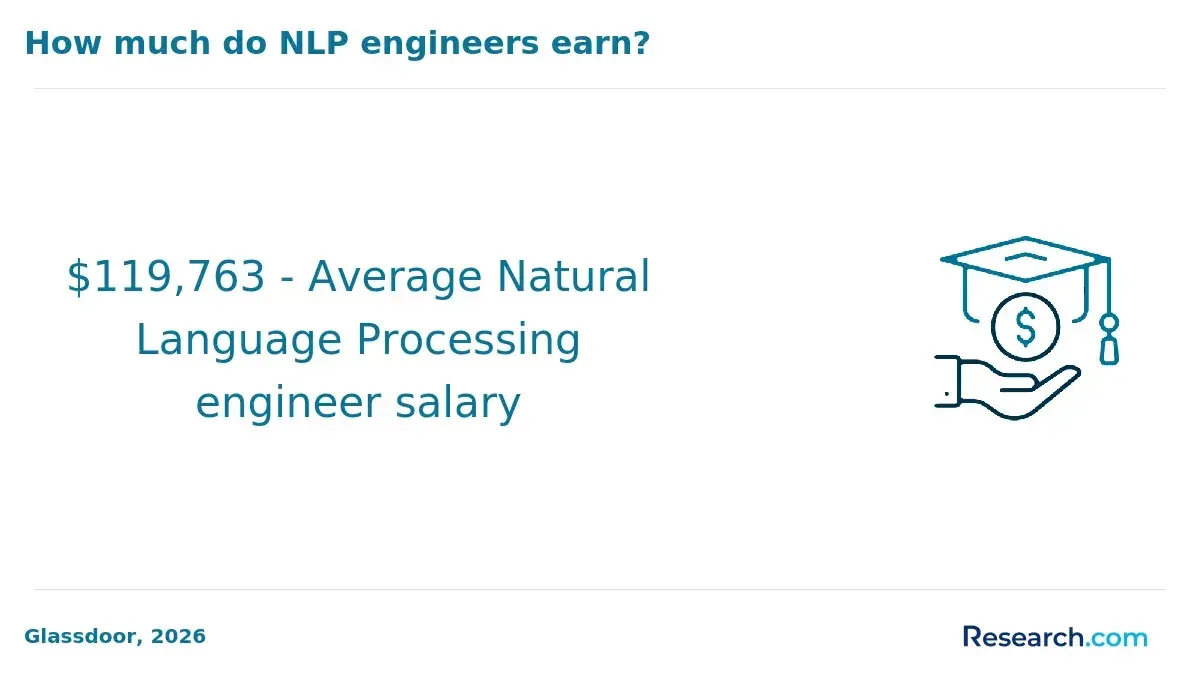
Production AI roles command high salaries, with median advertised earnings for AI engineers in the U.S. surpassing $140,000 and top earners above $190,000. This remuneration reflects both the technical demands and strategic business importance of these positions.
Prospective students should explore affordable cybersecurity programs as complementary fields that strengthen the security aspects of AI deployments.
How should you choose between online and on-campus AI programs for production work?
Choosing between online and on-campus artificial intelligence programs for production depends on your learning preferences, career objectives, and schedule flexibility.
Online courses offer adaptable pacing, ideal for working professionals needing to balance study with job demands. They emphasize practical skills for quickly deploying AI solutions in real-world settings, which is a key benefit of online versus on-campus AI courses for practical applications.
On-campus programs provide immersive experiences, hands-on lab work, and access to campus resources, fostering deeper theoretical understanding crucial for research and development roles. These programs also support face-to-face collaboration, valuable for mastering advanced concepts and building a professional network.
- Time availability: Online programs suit those with irregular schedules, while on-campus attendance requires fixed commitments.
- Learning style: If you thrive in live discussions and group projects, on-campus may be better.
- Career focus: On-campus often delves into theory and lab work; online targets practical production AI skills.
- Reskilling urgency: A survey found many CEOs feel pressure to adopt generative AI faster than workforce reskilling allows; online programs offer quicker access to relevant education.
For those exploring a cybersecurity online degree, the decision process similarly balances flexibility and hands-on experience.
What core skills and coursework do top production AI programs typically include?
Top production AI programs focus on key skills needed for deploying AI solutions at scale. These include foundational machine learning methods, deep learning architectures, and natural language processing. Practical knowledge of data engineering principles such as building data pipelines and managing scalable storage is essential for handling large volumes of real-world data.
Students are trained in both model development and deployment, learning to use containerization tools like Docker and orchestration platforms such as Kubernetes. Familiarity with cloud providers, including AWS, Azure, or GCP, prepares learners to build and maintain AI services on managed infrastructure efficiently.
Programs integrate robust software engineering practices like version control, CI/CD (continuous integration and continuous deployment), and comprehensive testing to ensure stable model deployment and updates. Increasingly, curricula incorporate security aspects such as data privacy protection and bias mitigation to meet real-world demands.
Hands-on experience through project-based courses simulating business scenarios helps prepare students for enterprise adoption; by early 2025, 60% of enterprises had generative-AI use cases active or in pilot phases, up from 15% in 2023 (Gartner Generative AI in the Enterprise 2025).
Additional focus areas often include explainability techniques, AI ethics, and regulatory compliance. Some programs also offer specialized tracks in reinforcement learning, computer vision, or conversational AI to suit specific production roles.
What accreditation and industry standards should production AI courses and schools meet?
AI courses and schools must adhere to key accreditation and industry standards, ensuring graduates acquire skills relevant for real-world deployment.
Accreditation from recognized bodies such as ABET or regional agencies guarantees academic rigor and curriculum relevance. Equally crucial is alignment with industry standards like ISO/IEC 27001 for information security and ISO/IEC 38505 for governance of IT and AI systems, confirming that students learn secure and compliant AI deployment practices.
Emphasis on MLOps frameworks is essential since they play a critical role in practice. According to the Deloitte State of AI in the Enterprise 2024, 73% of organizations with mature AI achieved a 25% or greater reduction in time-to-production by investing in MLOps and deployment tooling. Courses should therefore include methodologies such as continuous integration/continuous deployment (CI/CD), model monitoring, and version control.
Training on ethical AI standards and model lifecycle management from entities like IEEE or the Partnership on AI is also vital. This prepares learners to handle bias, transparency, and compliance issues effectively.
Engagement with industry certifications, including the TensorFlow Developer Certificate and AWS Certified Machine Learning, further enhances curriculum credibility and employability.
Prospective students should ensure programs provide hands-on projects deploying AI in cloud and containerized environments. Without these practical components, graduates may struggle in production roles. Transparent curriculum mapping to established standards and verifiable outcomes supports informed decision-making.
Top Firm Initiatives That Would Encourage Daily GenAI Usage

What are typical admission requirements and program lengths for production AI training?
Admission to production AI training programs typically requires foundational programming skills, such as experience with Python or Java, alongside a basic grasp of machine learning concepts. Many programs expect candidates to hold a bachelor's degree in STEM fields like computer science, engineering, or mathematics.
Advanced courses often mandate prior exposure to AI or machine learning topics, and some also look for knowledge in data structures, algorithms, and statistics. While work experience in IT or software development can strengthen an application, it is not always mandatory.
Program durations vary widely, from intensive bootcamps lasting 8 to 16 weeks to part-time options that extend six months or longer. Certificate programs targeting deployment and scalability of AI models generally last 3 to 6 months, combining practical projects with cloud platform training. Master's degrees in AI or data science usually cover 1 to 2 years, integrating theoretical foundations with hands-on experience in cloud environments.
Over 70% of new generative-AI workloads in 2024 are deployed on AWS, Azure, or Google Cloud, per the IDC Worldwide AI and Generative AI Systems Spending Guide 2024.
Consequently, proficiency in these leading cloud platforms is essential for production AI roles. Students can expect training modules on cloud infrastructure, container orchestration, and model monitoring to prepare them for scalable real-world AI applications.
How much do production AI programs cost, and what financial aid options are available?
Production AI programs typically cost between $500 and $5,000 or more, depending on the provider, course depth, and certification availability. Online platforms like Coursera and edX offer specialization tracks or professional certificates ranging from $500 to $2,000. More intensive bootcamps with hands-on projects and mentorship often range from $3,000 to $5,000.
Financial assistance is widely available to make these programs more affordable. Need-based scholarships can cover up to 100% of tuition for qualifying students facing financial hardship. Employers may offer tuition reimbursement for AI courses relevant to job roles. Many platforms also allow auditing of courses for free access to materials without certification.
Flexible payment plans help learners spread out costs, while veterans and active military personnel may access discounts or benefits through programs like the GI Bill or SkillsFuture initiatives. Grant opportunities from nonprofit foundations focused on technology education can further lower barriers for working professionals and students targeting careers in production AI.
The demand for generative AI training has soared, with enrollment increasing over 1,500% from 2023 to 2024. This rise reflects strong interest in affordable courses covering AI for software development and large language model applications, according to the Coursera Global Skills Report 2024.
What careers, job titles, and industries can you pursue with production AI training?
Production AI training prepares professionals for impactful roles like AI engineer, machine learning engineer, data scientist, natural language processing (NLP) specialist, and AI product manager. These careers focus on deploying, optimizing, and scaling AI models that address real-world business challenges.
Key industries such as finance, healthcare, automotive, retail, and technology rely heavily on production AI expertise. For instance, financial firms use AI engineers to build fraud detection systems, while healthcare improves diagnostic accuracy through AI.
Automotive companies integrate AI for autonomous driving, and retailers enhance customer experience with personalized recommender systems developed by machine learning engineers.
The training emphasizes skills in model deployment, real-time data processing, and maintaining AI system reliability amid changing conditions. Candidates learn to work with cloud infrastructure, containerization, and continuous integration/continuous deployment (CI/CD) pipelines. Hands-on experience with tools like TensorFlow Serving, Kubernetes, and monitoring frameworks is essential to thrive in these roles.
Accessibility to production AI education has greatly improved. Over 40% of the top-rated AI engineering and large language model (LLM) courses on platforms like Coursera, edX, and Udemy cost under $50 or are free, making practical, affordable training widely available to ambitious students and working professionals.
What salary ranges and job outlook can you expect in production AI careers?
Salaries for careers in production AI vary significantly based on experience, role, and industry, yet they consistently rank among the highest in tech. Entry-level AI engineers deploying real-world solutions typically earn between $90,000 and $120,000 annually.
Mid-level professionals with solid deployment experience often command salaries from $130,000 to $180,000. Senior specialists in high-demand areas such as finance, healthcare, and autonomous systems may earn $200,000 or more.
The job outlook for those skilled in production AI is notably strong. According to the Hired State of Software Engineers + AI Skills 2024 report, candidates with at least one AI application deployed are 2.5× more likely to receive a job offer than those with only theoretical machine learning knowledge. This underscores the premium placed on practical AI experience in hiring decisions.
Demand is fueled by rapid AI integration into business operations, requiring experts who can move models from research into scalable production environments. Common roles include Machine Learning Engineer, AI DevOps Specialist, and AI Product Manager. Candidates with combined coding skills, cloud infrastructure familiarity, and workflow automation expertise are highly sought after.
Building a project portfolio on platforms like AWS or Azure for scalable deployments is critical. Experience in real-time data processing and model monitoring boosts employability and salary potential, especially in industries like autonomous vehicles, robotics, and fintech that offer abundant opportunities for production AI professionals.
Other Things You Should Know About Artificial Intelligence
Deploying AI in production often involves challenges such as data quality issues, model scalability, and integration with existing systems. Ensuring robust monitoring and maintenance to detect model drift and performance degradation is also critical. Additionally, addressing explainability and compliance with ethical standards can be difficult but essential in real-world deployment.
Production AI applications require stability, scalability, and consistent performance, while experimental AI models focus on research and proof-of-concept results. Production models must handle real-time data, meet latency and reliability requirements, and comply with operational standards, unlike experimental models that often run in controlled environments.
In 2027, top AI courses for mastering data engineering in production applications include the "Data Engineering on Google Cloud" by Coursera and "Big Data Technologies" by edX. These programs offer hands-on projects and comprehensive modules on modern tools like Apache Beam and Google Cloud Big Data services.
Ethics play a crucial role in AI development and deployment to prevent biases, protect user privacy, and ensure transparency. Ethical AI systems foster trust and compliance with legal regulations, making them essential for sustainable and responsible production AI applications.
References
- AI Development Cost Estimation: Pricing Structure, Implementation ROI https://www.coherentsolutions.com/insights/ai-development-cost-estimation-pricing-structure-roi
- Best Colleges to Study Artificial Intelligence https://www.collegeadvisor.com/resources/study-artificial-intelligence/
- AI pricing: how much does AI cost in 2025? | Future Processing https://www.future-processing.com/blog/ai-pricing-is-ai-expensive/
- AI Courses vs Bootcamps in 2026: What’s Best for Your Career https://agilefever.com/ai-courses-vs-bootcamps-which-one-to-choose/
- Best AI courses in 2026 https://www.pluralsight.com/resources/blog/ai-and-data/best-ai-courses
- AI Certificate vs. Degree: Which One Is Right for You - IABAC https://iabac.org/blog/ai-certificate-vs-degree-which-one-is-right-for-you
- Machine learning vs. AI: Differences, career paths, and how to start | edX https://www.edx.org/resources/artificial-intelligence-vs-machine-learning-explainer-learning-tips
- Best AI Certifications to Boost Your Career in 2026 – Dataquest https://www.dataquest.io/blog/best-ai-certifications/