2027 Best AI Roadmap Building Courses for Managers

Co-Founder and Chief Data Scientist
Managers often face challenges when tasked with leading AI initiatives without a clear roadmap or prior technical expertise. Without structured guidance, investments in artificial intelligence projects risk misalignment with business goals, delays, and inefficient resource use. This knowledge gap hinders strategic decision-making and slows adoption of AI-driven solutions, affecting competitive advantage.
Identifying courses that offer practical frameworks, flexible pacing, and accredited credentials can bridge this divide, empowering managers to lead confidently. This article reviews top AI roadmap building courses that help managers acquire the essential skills to design, implement, and oversee artificial intelligence strategies effectively.
Key Things You Should Know
- Top AI roadmap building courses for managers in 2026 emphasize practical skills fostering strategic decision-making and cross-functional team leadership amid increasing AI adoption.
- Data from 2025 shows 72% of managers report improved project success rates after completing AI roadmap courses that integrate ethical considerations and emerging AI trends.
- Most programs now blend AI fundamentals, risk management, and implementation strategies, addressing the growing demand for leaders who can navigate complex AI transformations effectively.
Advance Your Career with AI Online Courses
Artificial Intelligence: Implications for Business Strategy
This program provides an introduction to Artificial Intelligence and their implications for business strategy. Earn an official digital certificate.

Oxford Artificial Intelligence Programme
Explore this Oxford Artificial Intelligence programme offered in a flexible learning environment and explore topics like machine learning, automation, and robotics.

Implementing Agentic AI: Building Your Organizational Playbook
This online MIT Agentic AI course offers a practical approach to deploying AI agents in your organization, including a custom playbook. 3 weeks, exclusive launch price.

AI Adoption: Driving Business Value and Impact
This online MIT AI Adoption: Driving Business Value and Impact offers practical frameworks to close the gap between AI potential and business reality.

Artificial Intelligence in Pharma and Biotech
Discover the applications and limitations of artificial intelligence in pharma and biotech with this MIT online short course.

What is an AI roadmap building course for managers?
Courses in ai roadmap development for managers equip business leaders with essential skills to design and implement strategic plans that align artificial intelligence initiatives with organizational goals. These managerial courses on artificial intelligence strategy help leaders evaluate technology options, manage resources effectively, and anticipate deployment challenges.
Key areas covered include:
- Assessing organizational readiness and infrastructure for AI integration
- Understanding AI capabilities and limitations across industries
- Creating implementation timelines and project milestones
- Managing risks, including ethical and regulatory issues
- Fostering collaboration between technical and non-technical teams
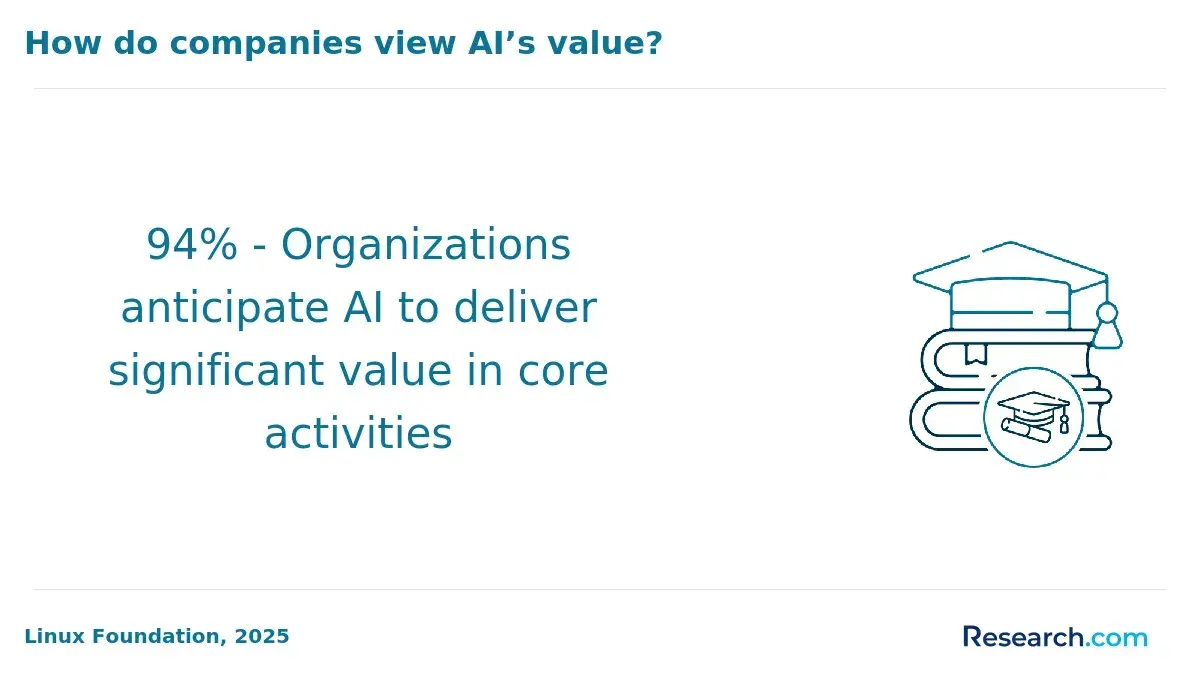
These programs help managers overcome practical challenges such as interpreting technical jargon, selecting the right AI tools, and securing stakeholder buy-in. With a 2024 McKinsey survey reporting that 65% of organizations regularly use generative AI and 44% apply it for decision-making support, mastering AI strategy is increasingly vital.
Graduates gain confidence leading AI transformation from planning through execution, accelerating value creation and reducing uncertainty. Those interested in furthering their technical background may consider programs like a 2-year computer science degree online to complement their strategic skills.
Advance Your Career with AI Online Courses
Artificial Intelligence: Implications for Business Strategy
This program provides an introduction to Artificial Intelligence and their implications for business strategy. Earn an official digital certificate.
Oxford Artificial Intelligence Programme
Explore this Oxford Artificial Intelligence programme offered in a flexible learning environment and explore topics like machine learning, automation, and robotics.
Implementing Agentic AI: Building Your Organizational Playbook
This online MIT Agentic AI course offers a practical approach to deploying AI agents in your organization, including a custom playbook. 3 weeks, exclusive launch price.
Which AI courses help managers build strategy roadmaps?
Several ai strategy roadmap courses for managers focus on creating effective strategic plans to guide organizational adoption. Programs like "AI for Business Leaders" emphasize integrating AI into business strategy, governance, and operations. These courses provide frameworks to identify AI opportunities, establish realistic milestones, and align initiatives with company goals.
Best ai roadmap building programs for business leaders also address risk management, ethical concerns, and resource allocation-key areas for managerial decision-making. Participants learn to assess AI readiness, define success metrics, and balance quick wins with long-term innovation. Practical formats often include case studies and workshops to help executives design roadmap phases and communicate AI vision across teams.
Many offerings include specialized micro-credentials in AI governance or product management to complement broader strategy education. Managers facing challenges like unclear AI impact or siloed teams benefit from modular courses that teach using AI-enabled decision tools for monitoring progress and adjusting strategies dynamically.
Gartner projects that by 2026, organizations effectively applying AI-enabled decision tools will outperform peers by 25% in key operational metrics, highlighting the growing demand for these skills. Interested professionals seeking affordable options might explore the cheapest online master's mechanical engineering programs as part of a tech-forward career path.
What should managers learn in AI roadmap training?
Managers involved in AI strategy development for managers must master aligning AI initiatives with core business goals. This involves identifying valuable AI use cases such as automating customer service, improving supply chains, or enhancing product recommendations. Prioritizing these use cases by evaluating ROI, feasibility, and ethical implications is essential for effective AI roadmaps.
Key skills for building effective AI roadmaps include a solid grasp of foundational AI concepts like machine learning, natural language processing, and data analytics. These enable managers to communicate fluently with technical teams and stakeholders. Additionally, understanding data governance, privacy laws, and bias mitigation supports the responsible deployment of AI systems.
Strategic abilities such as change management, resource allocation, and phased adoption plans are crucial. Managers should establish feedback loops and measurable success metrics to monitor and adjust implementations. Assessing organizational readiness and technology infrastructure can prevent common pitfalls.
Financial literacy helps justify AI-related budgets and manage cost-benefit tradeoffs, including ongoing operations. Collaboration skills foster cross-functional teams that blend AI expertise with domain knowledge, increasing project success rates. According to a LinkedIn-Microsoft Work Trend Index report, professionals listing AI skills on their profiles are 2.3x more likely to receive recruiter InMails, and this rises to 3x for product and business roles, highlighting the premium on AI literacy.
For those considering advanced education to deepen expertise, pursuing an online PhD in AI offers a structured path to gain comprehensive knowledge and leadership ability in this transformative field.
Are online or campus AI courses better for managers?
Online AI courses offer managers greater flexibility and access to diverse content than traditional campus programs. They fit busy schedules and provide up-to-date materials from experts worldwide. Platforms like Coursera and edX feature the best AI roadmap courses for managerial roles, often designed in modular formats to suit project timelines. This flexibility supports ongoing learning essential for developing clear AI strategies amid rapidly evolving technologies.
Campus AI courses excel in immersive, interactive learning that encourages collaboration and networking. These programs typically include case studies, group projects, and direct faculty engagement, deepening understanding of AI implementation and organizational challenges. Institutions such as MIT and Stanford integrate AI roadmapping with hands-on workshops in their executive MBA programs, ideal for managers who value applied skills and strong peer connections.
Managers choosing between formats should consider priorities such as networking, schedule flexibility, and budget. Real-time industry connections tend to favor campus courses, while cost-efficiency and time management often lean toward online options. Mastery of AI strategy matters, as IBM's 2024 Global AI Adoption Index reports that 43% of high-performing companies attribute revenue growth to clear AI roadmaps, compared to just 18% among low performers. For those balancing education with other commitments, exploring cybersecurity programs online for veterans can offer insight into flexible, career-focused online study options.
What topics are covered in AI roadmap courses?
Courses designed for managers targeting AI readiness cover a wide array of essential topics that prepare leaders to embed artificial intelligence into their organizational strategies. Core content includes technologies like machine learning, natural language processing, and computer vision, alongside methods to evaluate an enterprise's preparedness and align AI efforts with business goals and customer demands. Emphasis is placed on practical knowledge in data governance, ethical AI practices, and risk management to address challenges such as bias and privacy compliance.
Instruction often extends into AI project management, teaching how to create cross-functional teams, set achievable timelines, and measure AI-driven results. Strategic planning is also key, helping managers spot AI use cases with significant impact and ready infrastructures for scalable solutions. Financial aspects, including budgeting for AI adoption and vendor assessment, provide crucial insights for cost-efficient implementation.
Case studies from healthcare, finance, and manufacturing illustrate hurdles and factors for success. Additionally, managers gain skills in change management and communication to lead AI transformation within organizations effectively.
What admission requirements do AI manager courses have?
Admission standards for AI manager courses generally require a bachelor's degree in fields like business, engineering, computer science, or related areas. Professional experience, especially in technology management or roles involving data-driven decision-making, often strengthens an application. Leadership in cross-functional teams managing technology projects is frequently valued.
Technical prerequisites depend on course level: entry programs may only favor familiarity with data analytics or basic AI concepts, while advanced courses might require experience with machine learning frameworks, Python programming, or data interpretation skills. Institutions often allow candidates without strong technical backgrounds to enroll if they complete preparatory or foundational AI training modules.
Standardized tests are uncommon but may be used by some competitive programs to assess quantitative reasoning or problem-solving abilities. Typical application materials include a resume, letters of recommendation, and a statement of purpose focusing on managerial goals linked to AI adoption and strategy.
A Deloitte survey reveals a growing trend in executive AI education, with 57% of organizations launching dedicated programs for managers, up from 34% previously, highlighting expanding recognition of managerial roles in AI deployment. Successful applicants combine relevant academic credentials, leadership experience, and technical knowledge or a clear commitment to develop it.
How long do AI roadmap courses for managers take?
AI roadmap courses for managers vary in length from 4 to 12 weeks, reflecting differences in depth and delivery format. Short programs, typically lasting 4 to 6 weeks, focus on foundational ideas and strategic frameworks, making them ideal for busy professionals seeking a concise overview. Longer courses of 8 to 12 weeks often include hands-on projects and case studies, providing in-depth training for those who want to confidently lead AI initiatives within their organizations.
Many programs offer flexible pacing options, allowing participants to complete coursework asynchronously over a span of up to three months. This flexibility benefits working managers who need to balance training with ongoing job responsibilities. Alternatively, intensive bootcamp-style courses condense learning into 1 to 2 weeks of full-time study, designed for executives looking for rapid immersion but requiring significant upfront time commitment.
Choosing the appropriate course length depends on organizational goals. Managers leading enterprise-wide AI implementations may find longer, project-focused training more valuable, while those managing smaller teams could prefer shorter, strategic overviews.
According to Capgemini's 2024 "State of AI in Business" study, enterprises with a documented AI roadmap are 1.8 times more likely to rate their AI initiatives as successful or very successful. This highlights the importance of investing sufficient time in AI roadmap education to enhance business outcomes.
How much do AI roadmap building courses cost?
AI roadmap building courses vary widely in cost, influenced by factors such as course depth, provider reputation, and format. Entry-level options often cost between $200 and $500, targeting managers who need foundational knowledge through short workshops or online modules. More comprehensive programs designed for mid- to senior-level managers typically range from $1,000 to $4,000 and are offered by well-known institutions or specialized training providers.
Executive-level or certificate courses, which include personalized coaching, case studies, and strategic frameworks, often exceed $5,000. Price differences generally reflect course length, the complexity of content, and additional resources like mentorship, project work, or access to AI tools. Self-paced online courses tend to be more affordable, while live instruction or in-person formats command higher fees. Corporate training packages and group discounts may also reduce costs for organizations investing in team development.
The investment can be worthwhile. PwC's 2024 Global CEO Survey reports that 54% of CEOs plan to increase AI-related training budgets, highlighting the strategic value of quality programs. Investing $2,000-$3,000 in a course may enhance leadership agility and decision-making effectiveness. Managers should select training aligned with their industry and leadership goals to maximize ROI. Overall, expect to pay a few hundred dollars for basic exposure up to several thousand dollars for deeper, applied knowledge essential for guiding AI initiatives.
What jobs use AI roadmap building skills?
AI roadmap building is a critical skill for professionals who blend technology strategy with leadership. Product managers rely on it to align AI development timelines with business goals, ensuring initiatives meet market demands and regulations. Technology strategists and innovation managers use these skills to prioritize projects based on potential ROI and resource availability.
Data governance officers and compliance managers increasingly adopt roadmap techniques to oversee risk and ensure ethical AI use. An Accenture 2024 responsible-AI study shows 88% of organizations plan to implement formal AI governance frameworks by 2026, yet only 27% of managers fully understand AI risk and compliance. These roles design roadmaps that embed ethical guidelines, audit trails, and transparency into AI systems.
AI program managers and project leads coordinate cross-functional teams, manage dependencies, and track milestones using roadmap approaches. Their work integrates AI capabilities with IT infrastructure and maintains agility amid rapid advancements. Executive roles such as Chief AI Officers and Chief Technology Officers draw on roadmap expertise to shape long-term AI adoption strategies, assessing trends and regulatory factors to steer investment and workforce planning.
Key challenges in AI roadmap building include anticipating ethical risks, aligning stakeholders, and balancing innovation speed with compliance. Mastery of these skills helps professionals meet growing governance demands as organizations increasingly formalize AI oversight.
How do you choose a reputable AI course?
Choosing a reputable artificial intelligence course involves evaluating quality, relevance, and practicality. Verify the institution's credibility by checking accreditation and industry recognition. Courses from established universities or well-known platforms like Coursera and edX tend to maintain rigorous standards. Ensure the curriculum addresses managerial uses of artificial intelligence, including strategy, ethics, and business integration-not just coding and technical skills.
Consider course duration and format in relation to your professional schedule. According to Coursera's 2024 Global Skills Report, short modular programs under 20 hours are increasingly popular for busy professionals, with a 76% growth in AI course enrollments among business learners. Such focused courses efficiently deliver essential knowledge without overwhelming time commitments.
Evaluate instructor qualifications and real-world experience to ensure practical insights. Review learner feedback and completion rates to assess engagement and satisfaction. Look for courses offering case studies or projects that apply artificial intelligence concepts to management challenges.
Compare pricing carefully while seeking transparency and possible financial aid options. Confirm if ongoing support or alumni networks are accessible for continuous learning. Finally, verify that certification is recognized in the industry, which can support career advancement.
Other Things You Should Know About Artificial Intelligence
The 2027 AI roadmap building courses address challenges by providing managers with up-to-date insights on technology integration, data management, and change management strategies. They also emphasize ethical considerations and offer case studies to showcase real-world applications, equipping managers with practical tools to overcome obstacles in AI strategy implementation.
Ethical considerations are vital in AI management because AI systems can impact privacy, fairness, and transparency. Managers must ensure that AI applications do not perpetuate biases or discriminate against certain groups. Developing frameworks for responsible AI use helps maintain trust with customers and stakeholders while complying with regulations.
Yes, managers without deep technical expertise can lead AI projects by focusing on strategy, resource allocation, and cross-team collaboration. Building a strong team of AI specialists and fostering continuous learning enables effective project oversight. Communication skills and understanding business implications of AI are often more critical than coding skills.
Continuous learning is essential as AI technologies and best practices evolve rapidly. Managers must stay updated on new algorithms, tools, and ethical standards to adapt their roadmaps effectively. Ongoing education helps anticipate market shifts and integrate innovations that sustain competitive advantage.
References
- AI workshop for management: AI strategy & leadership https://roover.de/en/services-academy/ai-workshop-management/
- AI/ML Basics for Tech Managers: A Beginner's Guide https://www.mariogerard.com/ai-ml-basics-for-tech-managers/
- Becoming an AI Product Manager - Where to start? - Introductions - DeepLearning.AI https://community.deeplearning.ai/t/becoming-an-ai-product-manager-where-to-start/814292
- 11 Best AI Certifications in 2025 to Deepen Your Technical Knowledge | DigitalOcean https://www.digitalocean.com/resources/articles/ai-certifications
- The AI Boom In Executive Education: What You Can Study Right Now At The World's Top B-Schools https://poetsandquantsforexecs.com/exec-ed/the-ai-boom-in-executive-education-what-you-can-study-right-now-at-the-worlds-top-b-schools/
- AI for Managers https://esmt.berlin/executive-education/analytics-ai-programs/ai-managers
- Build Your AI Strategy and Roadmap https://www.infotech.com/research/ss/build-your-ai-strategy-and-roadmap
- AI Engineer Roadmap https://roadmap.sh/ai-engineer
- AI for Business Leaders & Managers - 1 Day Training https://agilemania.com/ai-for-managers-leaders
- 15 Best AI for Business Courses [2026 June] [MIT | Kellogg | Oxford] https://digitaldefynd.com/ai-for-business-courses/