2027 Best AI Courses for Renewable Energy Teams

Co-Founder and Chief Data Scientist
Renewable energy teams often face challenges integrating advanced technologies that optimize resource management and forecasting. The rapid evolution of artificial intelligence demands specialized skills that traditional energy professionals may lack. This gap slows innovation and reduces competitiveness in a vital sector striving for sustainability.
Tailored AI education can bridge this divide, enabling teams to harness data analytics, machine learning, and predictive modeling effectively. This article explores top AI courses designed to provide flexible, accredited pathways for professionals transitioning from unrelated fields, helping them acquire the expertise needed to accelerate renewable energy solutions and drive impactful change.
Key Things You Should Know
- AI courses for renewable energy teams in 2026 focus on integrating machine learning models to optimize energy forecasting, boosting efficiency by up to 25% according to 2025 industry studies.
- The top programs emphasize practical skills in data analytics, grid management, and sustainable technology deployment, aligning with the 18% annual growth in green energy jobs.
- Many courses offer interdisciplinary training combining AI with environmental science, preparing professionals for evolving regulatory standards and innovations in clean energy solutions.
Advance Your Career with AI Online Courses
Artificial Intelligence: Implications for Business Strategy
This program provides an introduction to Artificial Intelligence and their implications for business strategy. Earn an official digital certificate.

Oxford Artificial Intelligence Programme
Explore this Oxford Artificial Intelligence programme offered in a flexible learning environment and explore topics like machine learning, automation, and robotics.

Implementing Agentic AI: Building Your Organizational Playbook
This online MIT Agentic AI course offers a practical approach to deploying AI agents in your organization, including a custom playbook. 3 weeks, exclusive launch price.

AI Adoption: Driving Business Value and Impact
This online MIT AI Adoption: Driving Business Value and Impact offers practical frameworks to close the gap between AI potential and business reality.

Artificial Intelligence in Pharma and Biotech
Discover the applications and limitations of artificial intelligence in pharma and biotech with this MIT online short course.

What are the best AI courses for renewable energy professionals and technical teams?
Renewable energy professionals seeking the best AI training programs for renewable energy teams benefit from courses that focus on advanced data analytics, predictive modeling, and operational optimization tailored to clean energy systems. These top artificial intelligence courses for renewable energy professionals often cover machine learning integration with energy market dynamics, grid management, and smart sensor deployment.
For example, programs addressing AI-driven wind turbine efficiency or solar panel fault detection help enhance asset management and reduce downtime.
Practical training in energy forecasting and grid load balancing equips teams to manage the rapid expansion of renewable capacity, projected to grow by approximately 4,600 GW globally by 2030-the equivalent of the current capacities of China, the EU, and Japan combined, per the International Energy Agency.
Recommended curriculum features include:
- Machine learning fundamentals focused on time-series data analysis for energy production and consumption patterns
- Applications of deep learning for equipment fault diagnosis and predictive maintenance
- Integration of AI with Internet of Things (IoT) devices for real-time monitoring and control in energy grids
- Training on AI tools supporting energy storage optimization and demand response strategies
- Case studies on AI-enabled policy and decision-making tools impacting renewable project development
Leading providers often partner energy or engineering faculties with data science departments, offering hands-on projects using real energy datasets to prepare learners for field challenges. This approach addresses operational inefficiencies and scalability needs in renewables effectively.
Investing in these targeted AI courses ensures teams can leverage emergent technologies to meet growing capacity demands sustainably. Those considering further education might explore a 2 year computer science degree online to build foundational skills supporting AI expertise in energy sectors.
Advance Your Career with AI Online Courses
Artificial Intelligence: Implications for Business Strategy
This program provides an introduction to Artificial Intelligence and their implications for business strategy. Earn an official digital certificate.
Oxford Artificial Intelligence Programme
Explore this Oxford Artificial Intelligence programme offered in a flexible learning environment and explore topics like machine learning, automation, and robotics.
Implementing Agentic AI: Building Your Organizational Playbook
This online MIT Agentic AI course offers a practical approach to deploying AI agents in your organization, including a custom playbook. 3 weeks, exclusive launch price.
How can AI skills specifically enhance careers in the renewable energy sector?
AI skills play a crucial role in advancing renewable energy project management by enabling professionals to optimize energy generation, distribution, and maintenance processes. Expertise in machine learning allows engineers to create predictive models that forecast solar and wind output more accurately, reducing dependence on fossil fuel backups and enhancing grid stability.
For instance, the U.S. Department of Energy reports AI-driven forecasting can reduce solar curtailment by up to 30% in grid-integrated renewable systems, highlighting clear efficiency gains.
Advanced AI skills for sustainable energy careers include data analytics to monitor extensive datasets from sensors and weather stations, detecting faults before they escalate. This predictive maintenance lowers downtime and operating costs while fostering innovation in battery management systems to extend energy storage lifespan and improve performance.
AI applications in renewable energy project management also involve automating grid operations to balance supply and demand dynamically across distributed energy resources. This supports smarter microgrid designs and electric vehicle integration, while also enabling advanced climate modeling essential for site selection and long-term project success.
Fluency in programming languages like Python and familiarity with frameworks such as TensorFlow or PyTorch are increasingly required. Skills in neural networks, reinforcement learning, and time series analysis empower professionals to develop AI tools tailored to meet sector-specific challenges.
Careers utilizing these competencies include energy data scientist, smart grid analyst, and predictive maintenance engineer. Those interested in enhancing their qualifications might explore the cheapest online civil engineering degree as a pathway to acquiring necessary technical foundations.
What types of AI programs exist for renewable energy teams (short courses, certificates, degrees)?
AI education for renewable energy teams comes in various formats, from short courses to full degree programs, tailored to different levels of expertise and time availability. Short courses in AI applications for sustainable energy teams typically last days to weeks and focus on practical skills like machine learning fundamentals, data analytics, and energy forecasting.
These are ideal for professionals seeking quick, targeted knowledge without long-term commitment.
Certificate programs provide a more in-depth study, usually spanning several months. They cover core AI concepts alongside specialized subjects such as predictive maintenance and energy management optimization. Certificates often include hands-on projects with real-world renewable energy datasets, making ai certificate programs for renewable energy professionals a valuable credential to enhance career prospects without the duration of a degree.
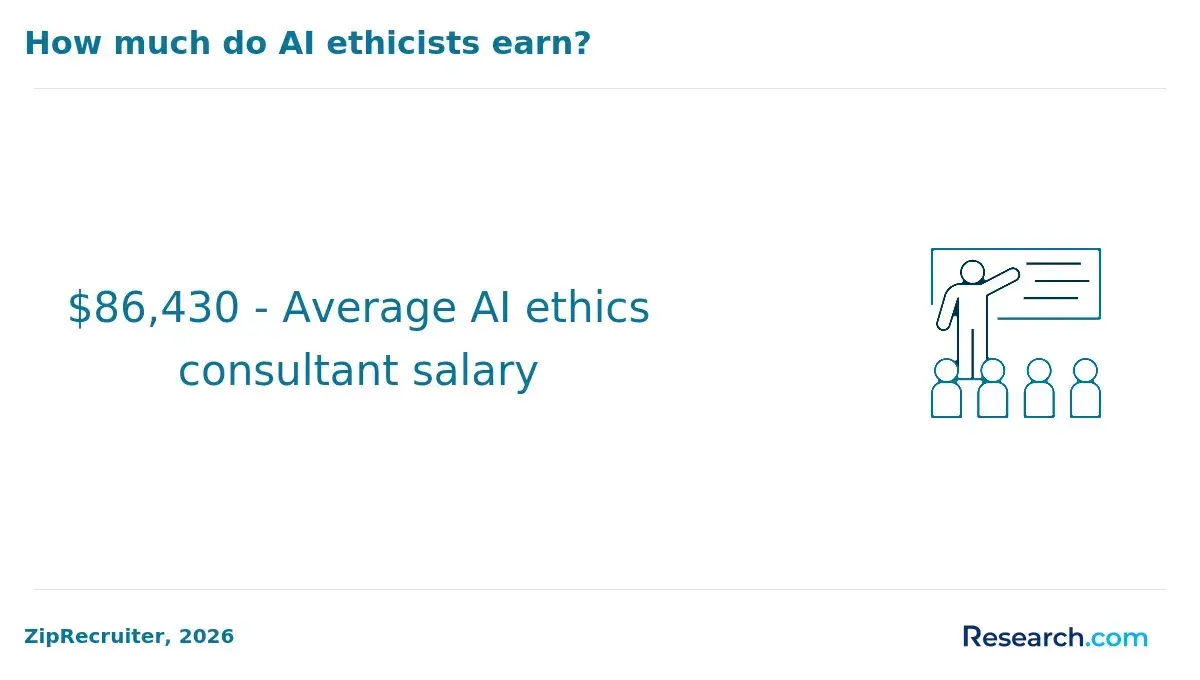
Degree programs, including bachelor's, master's, and doctoral levels, offer comprehensive AI education integrated with renewable energy engineering and environmental science. These programs are suited for those aiming at leadership or research roles, covering advanced topics like AI ethics, big data processing, and system integration tailored to solar, wind, or smart grid technologies.
Prospective students interested in deeper research might explore options such as an online PhD AI.
Organizations prioritize predictive maintenance powered by AI, as studies show maintenance cost reductions of 10% to 40% and downtime decreases by up to 50%. Training that includes this focus enables teams to deploy AI algorithms predicting equipment failures, boosting uptime and lowering operational costs. Evaluating programs based on curriculum relevance, practical AI tools, and the right balance of theory and application is essential for success.
How do you choose an accredited AI program that's relevant to renewable energy work?
Selecting the best accredited AI courses for renewable energy professionals involves examining program accreditation, curriculum relevance, and industry ties. Look for institutions accredited by the U.S. Department of Education or the Council for Higher Education Accreditation (CHEA) to ensure academic quality and credentials that employers value.
Programs should offer specialized coursework focused on renewable energy applications such as AI-driven wind, solar, or grid optimization technologies. Key topics include predictive maintenance, sensor data analytics, and energy management systems. Research by Deloitte highlights that advanced analytics can boost wind turbine availability by 10% to 20% through early fault detection and improved maintenance scheduling.
Hands-on learning with real-world renewable energy datasets or collaborations with energy companies is essential. Interdisciplinary programs combining machine learning, data science, and energy engineering better equip students for complex challenges.
Consider faculty expertise and research output; instructors actively involved in renewable energy AI projects bring current insights and networking opportunities. Alumni success and industry connections also demonstrate program relevance and career support.
For those seeking how to select AI programs aligned with renewable energy careers, exploring tailored curricula and verified outcomes is critical. Potential students, including military veterans, might also find value in exploring an online electrical engineering bachelor degree for veterans as a related pathway into this growing field.
What should the curriculum of an AI course for renewable energy teams include?
An AI curriculum tailored for renewable energy professionals must combine foundational knowledge with practical applications to meet industry needs. Key subjects include machine learning algorithms, data preprocessing, and model evaluation, all illustrated through renewable energy datasets. Time series forecasting is particularly crucial for predicting energy generation and demand.
Specialized focus on solar and wind energy analytics enhances predictive accuracy. For example, AI-based solar forecasting can improve day-ahead predictions by 20% to 30%, reducing balancing costs and dispatch errors, as reported by the National Renewable Energy Laboratory. Training involves developing and deploying models using real solar plant data.
The course should also integrate sensor data from distributed energy resources and IoT devices, teaching anomaly detection and fault diagnosis to boost reliability. Optimization algorithms aid in managing energy storage and grid load balancing, allowing teams to apply AI in operational decisions. Practical labs emphasize Python programming and frameworks like TensorFlow or PyTorch, with hands-on renewable energy projects.
In addition, understanding energy policy, regulatory frameworks, and cybersecurity challenges for AI-managed renewable systems is vital to address operational limits and infrastructure risks.
This balanced curriculum prepares renewable energy teams to confidently implement AI-driven solutions effectively.
How do online AI courses for renewable energy compare with campus-based and hybrid options?
Online AI courses focused on renewable energy offer unmatched flexibility, especially for working professionals and remote students. These programs regularly update their curriculum to reflect rapidly evolving industry trends, such as AI applications in battery dispatch optimization. For instance, BloombergNEF highlights that AI-driven control systems can boost storage asset revenue by 10% to 20% in renewable-heavy grids, demonstrating the value of specialized online training.
Campus-based programs provide rich hands-on experiences, including laboratory work and direct faculty interaction. This setting is ideal for students who prefer a structured environment and want to build networks within renewable energy research communities. However, these programs often lag due to slower curriculum updates influenced by institutional approval processes.
Hybrid learning models blend online coursework with occasional in-person labs or workshops, delivering a balance between flexibility and practical skill development. Despite their benefits, hybrid programs are less widespread and may require commuting, which can reduce convenience for some.
Key considerations when choosing a course format include:
- Continuous curriculum updates in online courses aligned with industry best practices.
- Hands-on project focus in campus programs aiding real-world skill acquisition.
- Hybrid options offering a middle ground, useful when physical lab access is essential.
- Work commitments and geographic location heavily influencing suitability.
Cost is also a factor, with online courses generally offering lower tuition and no relocation fees, making them more accessible.
What are typical admission requirements, time to completion, and costs for these AI programs?
Admission to AI programs focused on renewable energy often requires a bachelor's degree in engineering, computer science, environmental science, or related STEM fields. Applicants typically need prior coding experience, especially in Python, and a solid foundation in statistics or machine learning. Advanced courses may require professional experience or completion of basic AI fundamentals to prepare for specialized energy system topics.
Many part-time and online programs cater to working professionals, emphasizing skills assessments over strict academic prerequisites to provide flexible enrollment.
Program lengths vary widely based on format and intensity. Short certificate courses and boot camps usually last 3 to 6 months and concentrate on core AI methods for renewable energy applications, such as predictive analytics and energy load forecasting. Comprehensive master's degrees or specialized diplomas extend over 1 to 2 years of full-time study, including theoretical work and practical projects or internships in the energy sector.
Hybrid formats allow part-time study over 12 to 24 months, making them accessible for professionals balancing work and education.
Costs can range significantly by institution and delivery method:
- Online certificates generally cost between $1,000 and $5,000
- University master's programs may range from $20,000 to over $60,000
- Free or low-cost MOOCs offer entry-level learning but often lack accreditation and mentorship
Given that AI-related job postings have grown over three times faster than the overall postings since 2018, according to LinkedIn's 2025 Work Change report, investing in credible AI education tailored to renewable energy can substantially boost career opportunities.
What jobs can AI-trained renewable energy professionals pursue, and what salaries can they expect?
AI-trained professionals in renewable energy fill various specialized roles, reflecting the growing use of AI to optimize this sector. Common positions include energy data analysts who enhance grid performance, AI system developers working on predictive maintenance tools, and renewable energy project managers leveraging AI for better resource allocation. Experts in AI-driven smart grid management focus on automation and real-time fault detection to improve efficiency.
Salaries vary depending on experience and role. Entry-level positions often start near $70,000 annually. Mid-level AI engineers and data scientists within renewable firms typically earn between $100,000 and $130,000, while senior AI integration strategists can make more than $150,000. Geographic location and company size play significant roles in salary differences, with major metropolitan areas and top energy companies offering higher compensation.
Successful applications of AI combine technical expertise with knowledge in electrical engineering, environmental science, or software development. For example, AI-enabled predictive maintenance helps reduce downtime and energy losses, boosting profitability. According to McKinsey & Company, companies utilizing AI fully in renewable operations can increase operating profits by 20% to 30%.
Future opportunities will focus on improving wind and solar farm efficiency, forecasting energy demand, and optimizing battery storage. AI professionals in this field should be prepared for cross-disciplinary collaboration, integrating AI insights with sustainability objectives.
What industry-recognized AI or energy analytics certifications benefit renewable energy teams most?
Industry-recognized certifications play a crucial role in enhancing the skills of renewable energy teams, especially in applying artificial intelligence to energy systems. The Certified Energy Manager (CEM) from the Association of Energy Engineers and the AI For Energy Specialist Certificate from leading institutions are among the top credentials. The CEM certification focuses on energy analytics, efficiency, and management, enabling professionals to integrate AI-driven solutions that optimize renewable energy generation and improve grid performance.
The AI For Energy Specialist Certificate equips teams with expertise in machine learning algorithms, predictive analytics, and automation tailored for renewable energy challenges. This training is vital for handling extensive energy datasets, forecasting demand, and managing smart grids. According to the International Energy Agency, combining utility-scale grid digitalization with AI monitoring and automation can reduce system outages by 30% to 50%.
Other valuable certifications include the Certified Renewable Energy Professional (REP) and the Data Science for Energy Professionals, which focus on renewable technologies and big data analytics. These credentials enhance interdisciplinary skills, merging domain knowledge with AI tools.
Renewable energy teams aiming to advance their careers should target certifications that blend practical AI techniques with energy-specific analytics. Such qualifications support predictive maintenance, improve grid resilience, and help employers identify candidates capable of deploying AI-enhanced renewable systems for sustainable energy delivery.
How can employers upskill entire renewable energy teams with AI training and funding support?
Employers looking to upskill renewable energy teams with artificial intelligence training should adopt structured, scalable strategies that align with industry needs. Start by conducting a skills gap analysis to identify essential AI competencies such as data analysis and predictive maintenance. Training programs should be tailored to specific roles, with engineers focusing on machine learning applications and project managers on AI-driven decision-making.
Use a blend of online courses, bootcamps, and workshops from reputable providers specializing in AI for renewable energy. Prioritize programs offering hands-on experience with real-world data and simulations. Partnering with universities or technology firms can help create customized curricula that fit company workflows.
Employers should also consider government grants and incentives designed to support digital transformation in the energy sector. Examples include funding from the U.S. Department of Energy and state programs promoting workforce development with AI skills. Allocating budgets for employee certifications on specialized AI tools ensures validated skill sets.
Continuous learning methods such as regular refresher sessions and cross-functional projects help embed AI fluency into daily operations. Developing "AI champions" who mentor peers and foster innovation is another effective approach.
Recent data from RatedPower shows over 90% of renewable-energy workers recognize how digitalization and automation enhance their jobs, highlighting the pressing need for comprehensive AI training initiatives.
Other Things You Should Know About Artificial Intelligence
In 2027, leading AI courses like "AI Applications in Renewable Energy" by Stanford Online and "Renewable Energy and AI" by Coursera focus on integrating AI technologies with renewable energy systems. These courses cover machine learning, data analysis for energy forecasting, and optimizing grid management to enhance renewable energy utilization. --- **Question** How does artificial intelligence improve predictive maintenance in renewable energy systems? **Answer** Artificial Intelligence enhances predictive maintenance in renewable energy systems by analyzing data to predict equipment failures before they occur. This proactive approach extends the lifespan of machinery, reduces downtime, and minimizes maintenance costs by anticipating issues through machine learning algorithms. --- **Question** Can artificial intelligence support integration of renewable energy into existing power grids? **Answer** Yes, AI can support the integration of renewable energy into existing power grids by optimizing energy flow, predicting demand, and managing energy storage. AI algorithms help balance supply and demand, ensuring a stable and reliable energy distribution even with fluctuating renewable energy inputs. --- **Question** What are the challenges in implementing artificial intelligence solutions within renewable energy teams? **Answer** Challenges in implementing AI solutions within renewable energy teams include the need for expertise in both AI technologies and energy systems, data management issues, and ensuring cost-effectiveness. Addressing these challenges involves training, strategic data utilization, and aligning AI with business objectives in the renewable energy sector.
Artificial intelligence enhances predictive maintenance by analyzing sensor data to identify patterns indicating equipment wear or failure. This allows renewable energy operators to schedule maintenance proactively, reducing downtime and costs. AI-driven predictive tools also improve the lifespan and efficiency of wind turbines, solar panels, and other assets.
Yes, artificial intelligence supports renewable energy integration by optimizing grid operations and balancing supply and demand in real time. AI algorithms forecast renewable generation variability and recommend adjustments to maintain grid stability. This helps accommodate intermittent energy sources like solar and wind without compromising reliability.
Challenges include limited access to high-quality data and a shortage of professionals with both renewable energy and AI expertise. Integrating AI tools into legacy systems can also be complex and costly. Moreover, organizations need to invest in ongoing training and infrastructure to fully realize AI's benefits.
References
- Industrial AI for technical professionals in the energy sector | AI training course https://www.dnv.com/training/industrial-ai-for-technical-professionals-in-the-energy-sector/
- Jobs of the Future: The Growing Demand for Green Energy - The Renewable Energy Institute https://www.renewableinstitute.org/jobs-of-the-future-the-growing-demand-for-green-energy/
- Top 10: Energy Certifications | Energy Magazine https://energydigital.com/top10/top-10-energy-certifications
- AI in Energy | Your Guide https://www.enverus.com/industry-guides/what-you-should-know-about-ai-for-energy/
- Advanced AI applications for integrating and managing renewable energy https://mercury-training.com/c/16073.html
- Four AI Upskilling Strategies for Business Leaders https://www.jff.org/blog/four-ai-upskilling-strategies-business-leaders/
- Artificial intelligence based hybrid solar energy systems with smart materials and adaptive photovoltaics for sustainable power generation - Scientific Reports https://www.nature.com/articles/s41598-025-01788-4
- Present and Future of AI in Renewable Energy Domain : A Comprehensive Survey https://arxiv.org/html/2406.16965v1
- AI and Renewable Energy: 2 Courses for Sustainability Careers https://sustainability-academy.org/ai-and-renewable-energy-courses/
- Bachelor in Management and Artificial Intelligence https://www.kozminski.edu.pl/en/programs/undergraduate-programs-bachelor/bachelor-management-and-artificial-intelligence