2027 Best AI Data Governance Courses Online

Co-Founder and Chief Data Scientist
Organizations increasingly rely on artificial intelligence to make critical decisions, yet many struggle to manage data responsibly and comply with evolving regulations. Poor data governance can lead to costly errors, security breaches, and damaged reputations. Professionals from unrelated fields often find it challenging to acquire the specific skills needed to oversee AI-driven data systems effectively. This article explores the best online courses focused on AI data governance, highlighting flexible, accredited options designed to help individuals pivot careers and master the essential frameworks and tools required to ensure ethical, secure, and compliant AI data management.
Key Things You Should Know
- Top AI data governance courses in 2026 emphasize practical skills in data ethics, compliance with evolving regulations, and mastering AI-driven data quality tools, aligning precisely with industry needs.
- Enrollment in these programs surged by over 40% since 2024, reflecting growing demand as 78% of U.S. companies prioritize AI governance to mitigate data risks and ensure transparency.
- Leading courses integrate hands-on labs with real-world datasets and cover frameworks like GDPR and CCPA, preparing students for roles in data stewardship and AI risk management.
Advance Your Career with AI Online Courses
Artificial Intelligence: Implications for Business Strategy
This program provides an introduction to Artificial Intelligence and their implications for business strategy. Earn an official digital certificate.

Oxford Artificial Intelligence Programme
Explore this Oxford Artificial Intelligence programme offered in a flexible learning environment and explore topics like machine learning, automation, and robotics.

Implementing Agentic AI: Building Your Organizational Playbook
This online MIT Agentic AI course offers a practical approach to deploying AI agents in your organization, including a custom playbook. 3 weeks, exclusive launch price.

AI Adoption: Driving Business Value and Impact
This online MIT AI Adoption: Driving Business Value and Impact offers practical frameworks to close the gap between AI potential and business reality.

Artificial Intelligence in Pharma and Biotech
Discover the applications and limitations of artificial intelligence in pharma and biotech with this MIT online short course.

What is AI data governance and why does it matter for AI and data careers?
AI data governance shapes the management of data quality, privacy, and compliance throughout the AI lifecycle, crucial for ensuring reliable and ethical AI systems. Poor data quality directly harms model performance; a recent global survey found that 73% of organizations linked AI failures to data issues. The importance of AI data governance in data science careers cannot be overstated-it underpins trust, transparency, and accountability in AI-driven processes.
Career growth in AI and data fields benefits from mastering governance best practices, such as data audit trails, validation checks, and access controls. These reduce risks like biased algorithms and privacy breaches. Professionals in data engineering, machine learning, and AI ethics should prioritize governance to align AI initiatives with legal standards such as GDPR and CCPA.
Key components include:
- Data quality management to prevent inaccuracies and inconsistencies.
- Privacy and security measures to protect sensitive information.
- Policy enforcement to meet regulations like GDPR and CCPA.
- Documentation and traceability to enable accountability.
Understanding AI data governance prepares individuals to navigate large, diverse datasets used in training and deployment phases. It enhances collaboration with compliance officers and data scientists, strengthening ethical AI development. Prospective students aiming to excel in this space may explore a data science major ranking to find programs that integrate these critical governance principles.
Advance Your Career with AI Online Courses
Artificial Intelligence: Implications for Business Strategy
This program provides an introduction to Artificial Intelligence and their implications for business strategy. Earn an official digital certificate.
Oxford Artificial Intelligence Programme
Explore this Oxford Artificial Intelligence programme offered in a flexible learning environment and explore topics like machine learning, automation, and robotics.
Implementing Agentic AI: Building Your Organizational Playbook
This online MIT Agentic AI course offers a practical approach to deploying AI agents in your organization, including a custom playbook. 3 weeks, exclusive launch price.
What defines the best online AI data governance courses and who are they for?
The best online AI data governance certification programs blend technical skills with practical knowledge of regulatory standards. They focus on core topics such as data privacy laws, ethical AI use, data quality, and risk management. Students gain insights into important frameworks like GDPR, CCPA, and emerging AI-specific regulations to ensure compliance and ethical data handling.
Top AI data governance courses for professionals often include hands-on projects, compliance workshops, and case studies demonstrating real-world governance policies within AI systems. These programs are ideal for data scientists, compliance officers, AI developers, IT professionals, and business managers responsible for AI ethics and data strategy.
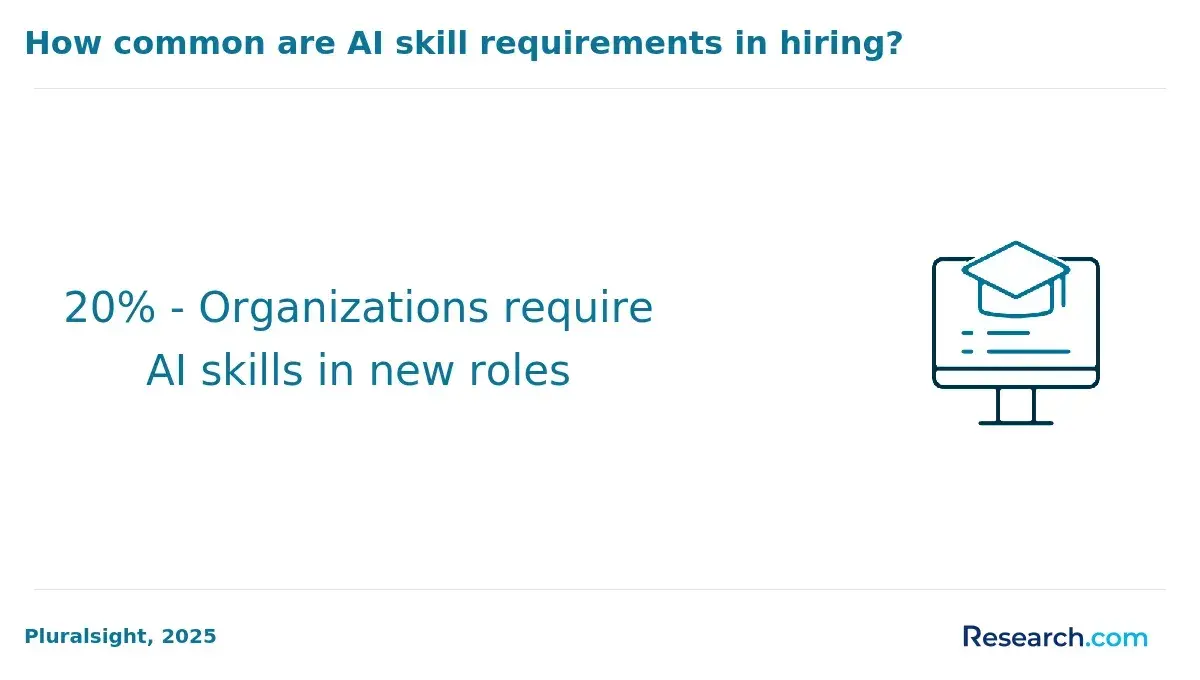
Market demand for expertise in this area is strong, with the global data governance market expected to grow significantly by 2030 due to AI advancements and tightening regulations. Quality courses integrate legal, technical, and ethical perspectives without being overly theoretical, offering mentorship and industry insights.
Key factors for choosing a program include instructor expertise, relevance to current laws like HIPAA and FCA, certification value, and practical exercises. U.S.-focused programs address state-level privacy laws alongside international standards, preparing students for diverse regulatory environments.
For those researching affordable options, AI degrees online offer a pathway to specialized knowledge and career advancement in this evolving field.
How do online AI data governance programs compare with campus-based options?
Online AI data governance courses versus campus programs show distinct advantages depending on student needs. Online programs offer flexible, up-to-date curricula that quickly adapt to industry demands, such as data lineage and metadata management, areas identified by 61% of organizations in a Gartner survey as critical skill gaps. These courses benefit working professionals by providing asynchronous learning and access to expert instructors worldwide, ideal for rapid upskilling.
Campus-based education provides structured environments with face-to-face interaction, fostering networking and immediate faculty access through seminars and workshops. Many offer hands-on labs simulating real-world AI governance challenges, appealing to learners who value direct mentoring and collaborative projects. However, campus programs often require physical presence, which can limit accessibility for remote or full-time professionals.
- Online courses use advanced digital platforms, enabling personalized pacing and up-to-date AI governance tools.
- Campus programs focus on comprehensive theory and research exposure alongside networking.
- Hybrid models combine live interaction with online flexibility but are still less common.
Students should consider their learning style and career goals when choosing. For those interested in fast certification with current case studies, online options may be preferable. Others aiming for a deep dive into AI ethics and governance frameworks might lean towards campus master's programs. Both formats strive to close the Gartner-identified skill gaps to prepare graduates for evolving AI governance roles demanding technical and regulatory expertise.
For related fields, exploring game design schools online can also offer insights into flexible online education models.
What prerequisites and admission requirements do AI data governance courses typically have?
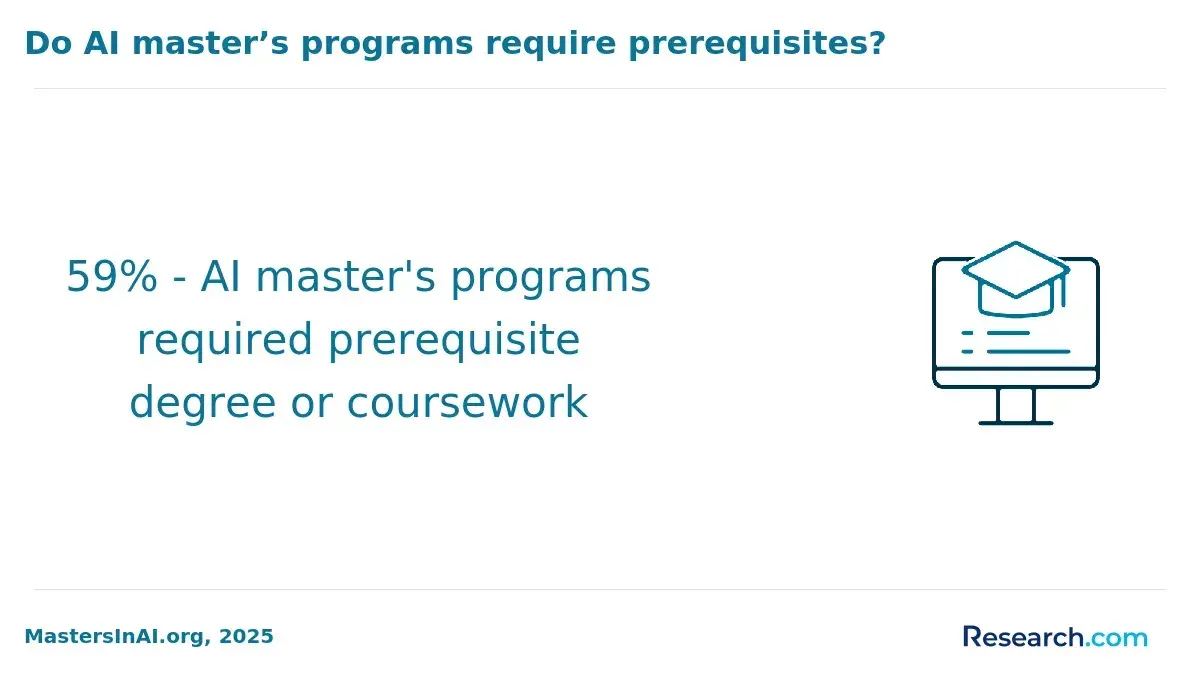
AI data governance certification programs often expect applicants to have a solid foundation in data management, computer science, or information systems. Admission criteria for online AI data governance courses typically include a bachelor's degree in related fields such as computer science, data analytics, business administration, or information technology. Additionally, professional experience in governance, compliance, or data analytics roles strengthens candidacy.
Prerequisites for AI data governance certification programs may also require familiarity with programming languages like Python or SQL, knowledge of database systems, and regulatory frameworks such as GDPR or HIPAA. Candidates should demonstrate understanding of metadata management, risk assessment, and governance frameworks applied to AI systems.
- Proof of relevant prior education
- Experience in data-related roles
- Basic proficiency in AI concepts and data security
Some advanced courses demand entrance exams or portfolios illustrating past project work in AI or data governance. Online platforms may provide self-assessment tools to ensure students meet necessary technical skills. Professionals pursuing further training in this field can justify these prerequisites with career impact, as data governance roles in the U.S. command an average compensation 28% higher than general data management positions, according to the EDM Council Data Management Salary Benchmark Report.
Prospective students seeking tailored programs might explore a veteran friendly online cybersecurity degree as part of a broader technology education path.
What topics and skills are covered in a typical AI data governance course curriculum?
AI data governance courses provide essential knowledge for managing AI systems with responsibility and compliance. Core topics focus on data privacy laws like GDPR and CCPA, ensuring legal standards in data processing. Ethical AI principles are central, covering fairness, bias reduction, transparency, and accountability in deploying AI models.
Students learn data quality management, including cleansing, validation, and lineage tracking, safeguarding data integrity throughout the AI lifecycle. Risk assessment methods address threats such as adversarial attacks and data poisoning specific to AI technologies. Courses also review regulatory frameworks and industry standards, helping learners stay abreast of evolving laws and policies.
Governance frameworks tailored to AI cover policy development and auditing processes that align with organizational goals. Practical components often include case studies and labs focused on AI monitoring tools and governance documentation. Advanced subjects may explore algorithmic accountability, model interpretability, and forming AI ethics committees within organizations.
Gartner projects that by 2025, 80% of large enterprises will have specialized AI governance policies, up from 20% in 2023-demonstrating increasing industry demand. Professionals typically pursue these courses to navigate challenges like compliance during AI updates, managing decentralized data, and mitigating reputational risks linked to unethical AI use.
How long do AI data governance courses take, and what do they cost?
AI data governance courses vary widely in length and credential level, from short 4 to 10-hour programs focused on basic regulatory compliance and ethical frameworks to extensive certificate and postgraduate options lasting several months or years. Short courses suit professionals needing a quick update, while longer programs incorporate hands-on projects, case studies, and leadership training. Master's-level courses often dive deeply into technical policy and AI model auditing, extending up to 1 or 2 years.
Costs differ depending on format and provider:
- Online short courses typically cost between $100 and $600
- Professional certificates range from $1,000 to $3,000
- University diplomas or academic programs can exceed $20,000
With 76% of organizations implementing formal AI governance frameworks, demand for practical, well-structured courses is rising. Working professionals should balance course duration and pricing to align with career goals-whether seeking entry-level understanding or advanced leadership roles. Modular pricing and financial aid may offer flexibility.
Evaluating course content against evolving industry standards and regulatory requirements is essential. Practical experience through labs or case analysis often justifies higher fees and better prepares learners for enterprise-wide governance challenges.
How can students verify accreditation and program quality for AI data governance training?
Verifying accreditation is essential when selecting AI data governance training. Students should confirm that the course provider holds recognized accreditation from bodies such as the Accrediting Council for Continuing Education & Training (ACCET) or regional accreditors. Legitimate programs also appear in the U.S. Department of Education's database or the Council for Higher Education Accreditation (CHEA) registry.
Assessing curriculum alignment with current legal and technical standards is critical. Courses that incorporate compliance with the EU AI Act and cover topics like regulatory requirements, data privacy, ethical AI, and risk management offer practical, updated training. Prospective learners can review syllabi to ensure these areas are addressed.
Additional quality indicators include reviews, testimonials, and measurable outcomes, such as certification rates and employment statistics. Industry-recognized certifications from organizations like ISACA or the Data Governance Professionals Organization (DGPO) provide valuable external validation.
Hands-on components such as case studies, simulations, and real-world projects help build readiness for compliance challenges. The expertise of instructors with backgrounds in AI governance, data ethics, or legal fields further enhances program quality.
Following the EU AI Act's passage, 41% of EU enterprises plan to increase investment in AI data governance and compliance training within 12 months, according to IDC Europe. This trend highlights the importance of selecting accredited programs aligned with evolving global standards.
What entry-level and advanced careers can AI data governance training lead to?
Careers in AI data governance offer roles ranging from entry-level to advanced positions focused on data integrity, compliance, and ethical AI deployment. Early-career jobs such as Data Governance Analyst, Compliance Coordinator, and Junior Data Steward involve monitoring data quality, enforcing governance policies, and supporting regulatory adherence.
Advanced roles, including AI Governance Manager, Chief Data Officer, and AI Ethics Specialist, require overseeing enterprise-wide governance programs that align AI practices with legal standards and organizational values. These professionals lead teams, design governance frameworks, and drive upskilling initiatives to embed responsible AI use across organizations.
A significant number of large companies plan to upskill a third of their workforce in data and AI governance, especially in sectors like finance, healthcare, and technology. This demand highlights opportunities for those with credentials focused on transparency and accountability in AI applications.
Key skills accelerating career growth include knowledge of regulatory frameworks such as GDPR and CCPA, AI risk assessment techniques, and data ethics. Proficiency with data lineage tools and governance automation boosts employability. Continuous learning remains essential as governance standards and AI technologies evolve rapidly.
What salary ranges and job outlook can AI data governance professionals expect?
AI data governance roles in the U.S. offer salaries typically ranging from $85,000 to $150,000 annually, influenced by location, experience, and employer type. Entry-level positions in smaller firms or government agencies may start near $70,000, while senior roles in large tech companies or financial institutions can exceed $160,000.
Job growth in this sector is strong, fueled by increasing demand in healthcare, finance, and technology industries. Regulatory requirements and corporate investments in trustworthy AI frameworks are key drivers.
Popular roles include data governance analyst, AI compliance officer, and governance program manager. These positions require a blend of technical, legal, and strategic expertise. Proficiency in data privacy laws, risk assessment, and AI ethics enhances compensation and job stability.
Professional development through certifications in AI governance frameworks and data compliance can improve hiring prospects and starting salaries for career changers and recent graduates.
Employers look for individuals skilled at translating complex regulations into actionable policies ensuring dataset accuracy, bias mitigation, and transparency. Strong communication paired with technical knowledge helps advancement toward leadership roles focused on enterprise-wide AI governance strategy.
The 40% year-over-year enrollment rise in online data governance courses, as reported by Coursera's Global Skills Report, highlights growing market demand and awareness of this evolving field.
Are there industry certifications or standards that strengthen AI data governance credentials?
Industry certifications such as the Certified Information Privacy Professional (CIPP) by the International Association of Privacy Professionals (IAPP) offer in-depth training on AI data handling and governance. Similarly, the AI Governance Professional Certificate focuses on ethical AI deployment, transparency, and risk management. These certifications emphasize both compliance with regulations like GDPR and CCPA and practical skills in AI data accountability.
Standards like ISO/IEC 38507 provide specific governance guidelines for AI systems, promoting responsible AI use, data integrity, and ongoing monitoring. Aligning with such frameworks enhances professionals' credentials by incorporating internationally recognized best practices.
According to Gartner's Emerging Tech Impact Radar for AI Governance, 75% of organizations will implement AI transparency, trust, and security strategies by 2027, up from 30% in 2023. This growth underscores the importance of certified expertise in meeting employer demands for verified skills in managing AI systems securely and ethically.
For career advancement, practitioners should pursue certifications that combine technical knowledge, ethics, and regulatory compliance. Employers increasingly prefer candidates skilled in AI governance frameworks and standards, helping them navigate the evolving legal and operational landscape of AI data management.
Other Things You Should Know About Artificial Intelligence
In 2027, online AI data governance courses offer flexibility, allowing learners to study at their own pace. They provide up-to-date material relevant to current industry standards, enhance understanding of data privacy and security, and prepare individuals for diverse roles in the growing AI field.
Artificial intelligence significantly affects data privacy by enabling extensive data collection and analysis, often in real time. AI-driven tools can identify patterns and personal information that may not have been obvious otherwise. As a result, organizations must implement robust privacy policies and compliance measures, such as anonymization and data minimization, to safeguard user data in AI applications.
Online courses in artificial intelligence update frequently to reflect the rapidly evolving field but may vary in how current their content is. Top programs often incorporate the latest research, tools, and case studies into their curriculum. However, students should verify that courses offer recent materials and opportunities for hands-on experience to stay aligned with industry demands.
Beyond technical expertise, artificial intelligence professionals benefit from critical thinking, problem-solving, and communication skills. Understanding ethical implications and developing interdisciplinary collaboration abilities are also important. These skills enable professionals to design responsible AI systems and effectively work with diverse teams and stakeholders.
References
- Data governance is non-negotiable for AI successâhereâs why | Collibra https://www.collibra.com/blog/understanding-the-importance-of-data-governance-in-the-age-of-ai
- AI Governance Certification 2026: Top Options + Alternative https://blog.exceeds.ai/best-ai-governance-certifications-2026/
- EU AI Act | Online Training, Exam, Certificate of Completion https://www.artificial-intelligence-act.com/Artificial_Intelligence_Act_Trained_Professional_(AIActTPro).html
- What is AI data governance? A Practical Guide https://www.k2view.com/ai-data-governance/
- What is data governance for AI, and why does it matter? https://toloka.ai/blog/what-is-data-governance-for-ai-and-why-does-it-matter/
- Data Governance, Privacy & Integrity in Artificial Intel... https://oxford-management.com/course/data-governance-and-privacy-in-ai-systems
- Pathway to AI governance in 5 simple steps https://www.datagalaxy.com/en/blog/a-pathway-to-ai-governance-5-steps/
- Article 10: Data and Data Governance https://artificialintelligenceact.eu/article/10/
- 2026 Data Privacy and AI Governance Salary Guide | Barclay Simpson https://www.barclaysimpson.com/salary-guides/2026-data-privacy-and-ai-governance-salary-guide/
- AI Governance Professional Certification | CertiProf https://certiprof.com/products/ai-governance-certification-iso-42001