2027 Best AI Pilot Measurement Courses for Managers

Co-Founder and Chief Data Scientist
Managers tasked with overseeing AI pilot projects often struggle to measure success effectively due to unclear metrics and evolving technologies. Without proper training, they risk misinterpreting data, leading to flawed decisions that can stall innovation and waste resources. As AI integrations become more complex, the demand for targeted education in assessing pilot outcomes grows. This article reviews the best AI pilot measurement courses designed for managers aiming to enhance their evaluation skills. It highlights flexible, accredited programs that equip professionals with practical tools to accurately track, analyze, and optimize AI initiatives for meaningful business results.
Key Things You Should Know
- AI pilot measurement courses for managers in 2026 emphasize practical skills in evaluating AI project effectiveness, with 72% of programs offering hands-on assessments and real-world simulations.
- Curricula increasingly focus on ethical AI governance and risk management, reflecting a 45% rise since 2024 to address biases and compliance challenges.
- Enrollment in specialized AI management courses grew by 30% in 2025, driven by demand for leaders capable of integrating AI strategies into business operations.
Advance Your Career with AI Online Courses
Artificial Intelligence: Implications for Business Strategy
This program provides an introduction to Artificial Intelligence and their implications for business strategy. Earn an official digital certificate.

Oxford Artificial Intelligence Programme
Explore this Oxford Artificial Intelligence programme offered in a flexible learning environment and explore topics like machine learning, automation, and robotics.

Implementing Agentic AI: Building Your Organizational Playbook
This online MIT Agentic AI course offers a practical approach to deploying AI agents in your organization, including a custom playbook. 3 weeks, exclusive launch price.

AI Adoption: Driving Business Value and Impact
This online MIT AI Adoption: Driving Business Value and Impact offers practical frameworks to close the gap between AI potential and business reality.

Artificial Intelligence in Pharma and Biotech
Discover the applications and limitations of artificial intelligence in pharma and biotech with this MIT online short course.

What is an AI pilot measurement course for managers and who should enroll?
An AI pilot measurement course for managers equips professionals with the skills to design, implement, and evaluate pilot projects involving artificial intelligence technologies within organizations. These courses emphasize assessing AI pilot performance through key performance indicators (KPIs), data analysis, and making informed decisions about scaling AI initiatives. Training covers tracking model accuracy, operational impacts, user adoption, and adherence to ethical standards.
Managers involved in AI project evaluation courses for business leaders typically include middle and senior managers in IT, operations, product development, and analytics departments. These individuals bridge technical AI knowledge with business strategy, ensuring that AI efforts align with organizational goals and compliance requirements.
With Gartner projecting that by 2026, 80% of organizations will have deployed generative AI APIs or applications, effective management of AI pilots is essential to avoid wasted resources and missed opportunities.
Participants often learn to:
- Understand AI pilot frameworks and success criteria
- Implement measurement tools to quantify ROI and efficiency
- Manage cross-functional teams for alignment and compliance
- Identify risks like algorithmic bias and data privacy issues early
Practical workshops may include interpreting AI outputs, setting benchmarks, and stakeholder communication to justify AI investments. For those interested in strengthening technical foundations alongside management skills, pursuing a computer science accelerated degree can be a strategic step forward.
Advance Your Career with AI Online Courses
Artificial Intelligence: Implications for Business Strategy
This program provides an introduction to Artificial Intelligence and their implications for business strategy. Earn an official digital certificate.
Oxford Artificial Intelligence Programme
Explore this Oxford Artificial Intelligence programme offered in a flexible learning environment and explore topics like machine learning, automation, and robotics.
Implementing Agentic AI: Building Your Organizational Playbook
This online MIT Agentic AI course offers a practical approach to deploying AI agents in your organization, including a custom playbook. 3 weeks, exclusive launch price.
How do AI pilot measurement courses help managers evaluate and scale AI initiatives?
AI pilot measurement courses for managers to assess project impact equip leaders with frameworks to link pilot outcomes directly to key performance indicators such as customer retention, operational efficiency, and revenue growth. This structured approach reduces ambiguity and ensures pilots are judged by measurable goals rather than vague expectations. Scaling AI initiatives through pilot evaluation training for leaders emphasizes interpreting trial data to identify bottlenecks and scalability risks early on, for example, by tracking model accuracy alongside cost metrics to decide when larger investments are justified.
The ability to conduct cross-departmental value analyses bridges technical outputs and business impacts, helping managers craft data-driven business cases for AI expansion. Rigorous evaluation also factors in governance and risk assessments related to ethical, privacy, and compliance concerns that may affect scale-up efforts. Case studies often illustrate how industries tailor pilot metrics according to strategic priorities.
According to the MIT Sloan Management Review & Boston Consulting Group "The State of AI in Business" report, organizations linking AI pilots to business KPIs achieve a 3.5x greater return on investment than those remaining in the pilot stage. This underscores how successful scaling depends on measurable pilot outcomes that drive stakeholder buy-in and efficient resource allocation.
Professionals exploring educational options to build these competencies should consider cost-effective pathways, such as pursuing an online engineering degree cost that aligns with emerging industry demands.
What types of AI pilot measurement programs do U.S. universities and training providers offer?
U.S. universities and training providers offer specialized AI pilot measurement certification programs in U.S. universities designed to assess the business value and operational effectiveness of AI initiatives. These programs typically cover three core areas: metric selection and design, performance evaluation frameworks, and impact analysis methodologies. Students learn to identify key performance indicators (KPIs) aligned with business goals like cost reduction, process optimization, and customer engagement.
Courses focusing on metric selection emphasize data-driven decision-making, helping managers choose measurable outcomes such as accuracy, latency, and return on investment (ROI). Many programs teach creating balanced scorecards that integrate technical AI metrics with business results to ensure cross-departmental alignment.
Performance evaluation frameworks include methods like A/B testing and control group analysis. They also cover continuous monitoring tools essential for tracking AI models' real-world performance. Despite 79% of companies increasing AI investments, only 24% systematically measure AI project business value, highlighting the need for quality training courses for managers in artificial intelligence pilot evaluation.
Impact analysis methodologies translate raw AI outputs into actionable business insights. Case studies illustrate how to assess AI's influence on revenue and operational efficiency, aiding in robust business case development.
Many programs tailor learning for roles such as product managers, data analysts, and executives. Hands-on labs with real datasets and simulations build practical skills crucial for accurate AI outcome measurement and strategic decision-making. Prospective students interested in advancing their AI expertise might consider exploring options like a PhD in AI online.
How do online AI pilot measurement courses compare to campus and hybrid options for managers?
Online AI pilot measurement courses for managers offer unmatched flexibility, especially for working professionals balancing multiple responsibilities. Unlike campus options that require fixed attendance or hybrid models demanding partial on-site presence, these online courses allow asynchronous learning tailored to demanding schedules. However, hybrid and campus formats still hold advantages in hands-on collaboration, immediate feedback, and mentorship opportunities essential for practical skill development.
Comparing hybrid and online AI pilot measurement training for managers reveals that while curriculum quality and instructor expertise have improved across all modes, engagement remains a challenge in purely online settings. Interactive simulations and real-time AI tools integrated into coursework help address this, which is crucial given that poor data quality costs organizations an estimated $12.9 million per year on average, according to Gartner's 2024 Data Quality Market Guide.
Managers weighing options should consider:
- The need for flexible pacing versus preference for direct interaction
- Whether their organization supports remote training
- Access to AI-specific software and data sets for practice
- Desire to network within their industry or with faculty
For those exploring further professional education, especially in cybersecurity alongside AI, numerous accredited options exist. For example, see cybersecurity courses online that complement AI training with vital security skills.
Ultimately, online courses excel in accessibility and scalability, while campus and hybrid models better serve experiential learning and peer mentorship-both critical in mastering AI pilot measurement in complex managerial environments.
What core skills and topics are covered in AI pilot measurement curricula for managers?
AI pilot measurement curricula for managers focus on skills vital to advancing AI adoption through effective evaluation. Central to these programs is interpreting pilot data using both quantitative and qualitative methods. This includes designing key performance indicators (KPIs) aligned with business goals and conducting statistical analyses to verify outcomes and identify biases in the data.
Financial assessment is another core area where managers learn to quantify AI's return on investment (ROI) and cost-benefit ratios to build strong business cases. Research indicates that companies capable of measuring AI's financial impact are 2.7x more likely to boost AI investment significantly the next year, underscoring the value of financial modeling and communication skills in this role.
Risk management training addresses operational risks, data privacy, and ethical issues in AI pilots. Managers develop techniques for detecting model drift and monitoring performance stability. Equally important are change management and stakeholder engagement strategies, which ensure pilot findings translate into well-informed, organization-wide decisions.
Practical exercises typically involve case studies and simulations across industries like healthcare, finance, and manufacturing. These experiences expose managers to common challenges such as data limitations and system integration complexities, preparing them to convert pilot results into actionable insights for scalable AI deployment.
What admission requirements and prior experience do AI pilot measurement programs expect from managers?
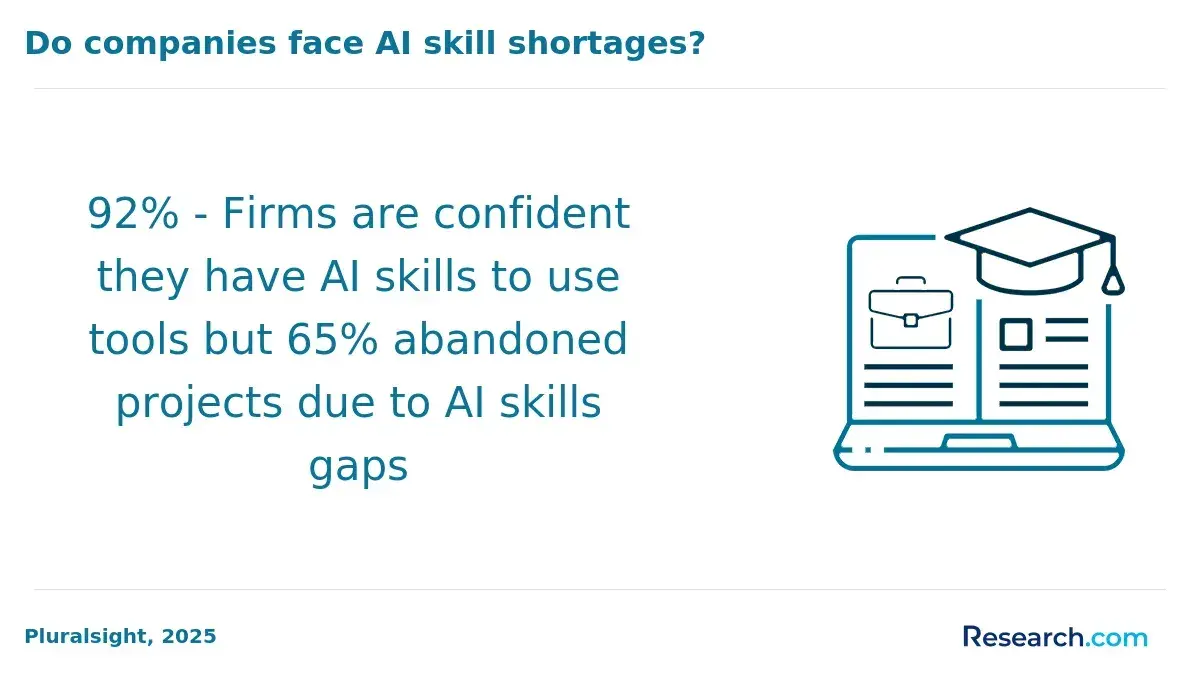
AI pilot measurement programs for managers typically require candidates to have a strong foundation in technology management, analytics, or related business disciplines. Applicants usually hold at least a bachelor's degree in fields like business administration, information systems, engineering, or data science. Many programs mandate three to five years of managerial or project leadership experience involving technology initiatives to ensure candidates can contextualize AI pilot metrics within strategic and operational frameworks.
Advanced programs often expect demonstrable experience in AI-related projects such as data analysis, process automation, or digital transformation. Candidates may need to provide case studies or examples showcasing their involvement in AI deployments or their readiness to lead workforce changes. While certifications in data analytics or AI fundamentals can enhance an application, they are rarely strict requirements.
Key skills sought include proficiency in interpreting performance indicators, risk assessment, and evaluating workforce impacts-critical for managing the shifts AI adoption triggers. According to the World Economic Forum Future of Jobs Report 2025, only 18% of organizations feel "very prepared" to handle workforce changes from AI, despite 72% anticipating significant role shifts soon. This gap highlights why programs prioritize candidates delivering actionable insights on AI pilot effectiveness and human capital transformation.
Additional strengths include practical experience with cross-functional teams, change management, and AI ethics. Some programs also require essays or interviews to assess critical thinking and leadership skills in evolving AI environments.
How long do AI pilot measurement courses take to complete and what do they cost?
AI pilot measurement courses vary from brief workshops lasting 4 to 8 hours to more in-depth programs spanning 2 to 6 weeks. Short sessions focus on foundational concepts and bias detection metrics, while longer formats often cover model evaluation, ethical considerations, and pilot implementation in greater detail.
Costs reflect course depth and provider reputation. Entry-level workshops usually range from $200 to $500, suitable for managers seeking an overview. Mid-tier courses with certifications and practical case studies typically cost between $1,200 and $3,000. Advanced programs from recognized institutions or those offering personalized coaching can exceed $4,000.
Organizations face significant challenges in monitoring AI pilots effectively. Only 35% of organizations using AI maintain a formal process for detecting bias and unintended consequences, as reported by IBM's 2024 Global AI Adoption Index. This highlights the critical need for managers to develop skills in AI measurement and oversight to mitigate risks.
Practical course components often include:
- Training on bias metrics like demographic parity and equal opportunity
- Hands-on use of AI audit tools and dashboards
- Guidance on interpreting pilot results for scaling
- Strategies for stakeholder feedback integration and regulatory compliance
These courses provide actionable insights essential for responsible AI governance in the rapidly evolving AI landscape.
What careers, roles, and responsibilities can AI pilot measurement training prepare managers for?
AI pilot measurement training equips managers to maximize the impact and efficiency of AI initiatives within organizations. These professionals include AI program managers, product owners, operations leads, and performance analysts. Their core responsibility is to design, implement, and monitor pilot projects that evaluate AI solutions before full-scale deployment.
Key skills developed include establishing key performance indicators (KPIs), interpreting data from AIAI models, and ensuring alignment between AI capabilities and business goals. For instance, AI program managers use pilot measurement techniques to create dashboards tracking accuracy, scalability, and user impact-tools that high-performing organizations rely on to drive data-driven decisions, as highlighted by the PwC AI Business Survey.
Training also covers addressing challenges such as bias detection, model drift, and integration risks common during pilot phases. Managers learn to coordinate cross-functional teams, comprising data scientists, engineers, and business analysts, to refine AI tools iteratively. In fields like finance and healthcare, these skills enhance compliance, efficiency, and customer experience.
AI pilot measurement experts often contribute to AI governance and ethical oversight by developing frameworks that ensure transparency and accountability, supporting compliance with evolving regulations, and fostering stakeholder trust.
Overall, this training prepares managers to lead AI projects through rigorous evaluation, risk mitigation, and strategic alignment, making them valuable assets in AI-driven industries.
What salary ranges and promotion opportunities exist for managers skilled in AI pilot measurement?
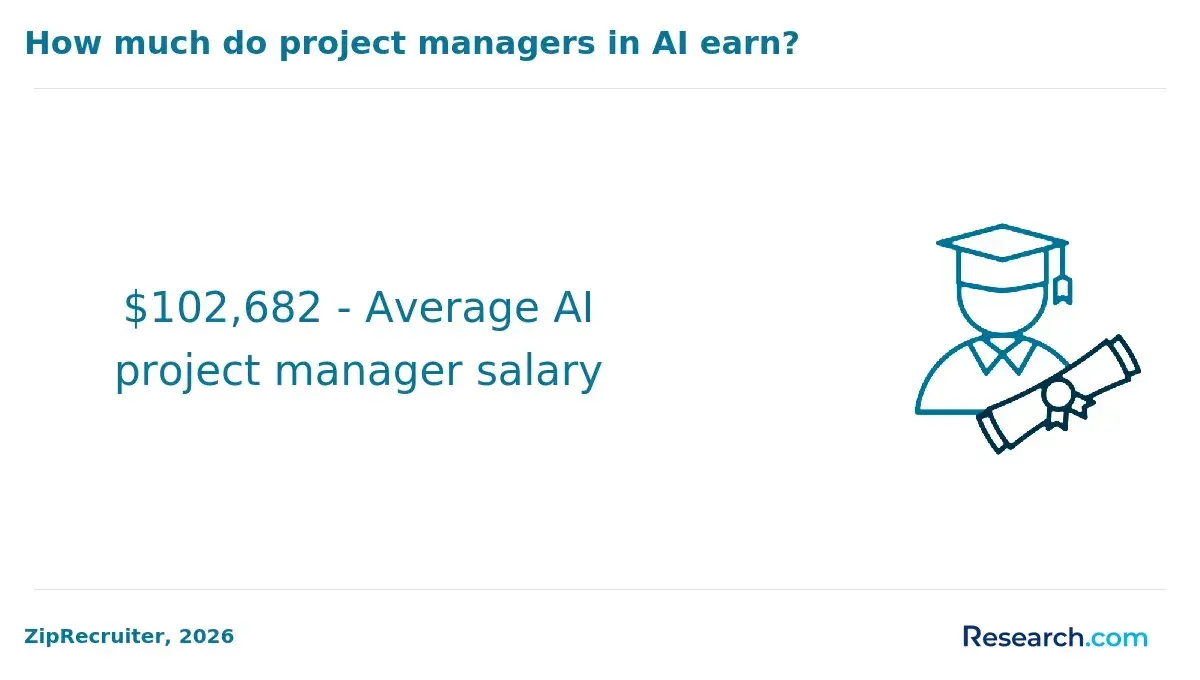
Managers skilled in AI pilot measurement in the United States can expect salaries between $95,000 and $160,000 annually, depending on experience and industry. Entry-level positions start near $95,000, while senior managers and directors with proven success in scaling AI pilots often earn above $140,000. Expertise in defining, tracking, and analyzing AI initiative success metrics is highly valued and commands this premium compensation.
Advancement opportunities typically include roles such as AI program lead, director of data strategy, or chief analytics officer. These positions involve increasing responsibility for enterprise-wide AI integration and rely on a demonstrated record of tangible AI pilot success. According to McKinsey's 2024 The Economic Potential of Generative AI update, 64% of companies that achieve at least a 20% EBIT improvement consistently run controlled pilots with clear success metrics before scaling.
Key practical skills for managers include:
- Designing controlled pilot experiments
- Setting KPIs aligned with business goals
- Conducting iterative performance analysis
Those who can show measurable EBIT uplift through AI pilot programs strengthen their position for higher pay and career growth. Employers across tech, finance, and manufacturing sectors highly value these competencies. Prospective candidates should pursue training that emphasizes metric-driven pilot design and cross-functional collaboration to boost both salary potential and promotion prospects. Strong proficiency in AI pilot measurement lays the groundwork for leadership roles in AI-driven organizations.
How can managers choose reputable, accredited AI pilot measurement courses and avoid low-quality options?
Managers exploring accredited AI pilot measurement courses should verify accreditation by respected bodies like regional higher education commissions or professional organizations such as AAAI and IEEE. Accreditation confirms adherence to educational standards and guards against outdated or substandard content.
Evaluate course instructors' expertise in AI strategy, data science, and pilot program management. Quality programs reveal instructor credentials and include practical case studies, linking learning objectives to real-world measurement frameworks rather than purely theoretical concepts.
Consider learner feedback, completion rates, alumni networks, and partnerships with companies active in AI pilot projects. These factors indicate relevance and industry impact. Compare tuition costs and course duration to the comprehensiveness of content to avoid overpaying for superficial programs.
Demand for leaders with AI and data literacy skills is expected to grow 40% by 2030, accompanied by a 20-40% wage premium over comparable roles, according to LinkedIn's 2025 Global Skills & Salary Trends report. This emphasizes the importance of selecting courses that lead to measurable career growth.
Assessment methods should prioritize real-world problem solving through practical assignments, case analyses, and pilot project simulations tailored to your industry. These elements prepare managers to lead AI implementation and evaluation successfully.
Other Things You Should Know About Artificial Intelligence
AI is a fast-evolving field, so managers should regularly engage with industry reports, academic journals, and professional networks focused on AI developments. Participating in conferences, webinars, and continuous education programs helps keep their skills and knowledge current. Collaborating with AI experts and cross-functional teams also provides practical insights into emerging trends.
Data quality is fundamental to the success of AI pilots because AI models rely on accurate, complete, and relevant data to produce reliable results. Poor data can lead to faulty AI outputs, misinterpretations, and failed implementations. Managers should prioritize data governance practices, including cleansing, validation, and secure management of data throughout AI projects.
Yes, the skills developed in AI pilot measurement are highly transferable and valuable across various industries such as healthcare, finance, manufacturing, and retail. Understanding how to evaluate AI effectiveness, measure impact, and scale solutions is relevant to any sector adopting AI technologies. This versatility enhances managers' career opportunities and supports organizational innovation.
References
- AI skills tools package https://www.gov.uk/government/publications/ai-skills-for-the-uk-workforce/ai-skills-tools-package
- AI Pilot Projects: What to Know Before You Start https://kanerika.com/blogs/ai-pilot/
- The Business of AI: Strategies for Leaders- Online | London Business School https://www.london.edu/lbs-online/the-business-of-ai-strategies-for-leaders
- Why your AI pilot cohort matters more than the tool https://weareaiinstitute.com/insights/who-you-put-in-your-ai-pilot-matters
- AI Pilot Program Design and Management | Hyperios https://hyperios.ai/ai-pilot-program-design-management
- Starting an AI Pilot Project - AIvionex https://aivionex.com/courses/starting-an-aviation-ai-pilot-project/
- Ultimate Guide: How to Choose the Right AI Training Course to Boost Your Career - ONLC https://www.onlc.com/blog/how-to-choose-ai-training-courses/
- The Best AI Training Courses for HR, Managers, and Employees in 2026 | Article | Lattice https://lattice.com/articles/ai-training-courses-for-every-team
- How long will the courses take? https://www.elementsofai.lu/faq/how-long-will-the-courses-take-1
- The AI Pilot Program: Testing Before Committing to Full-Scale Implementation https://www.businessplusai.com/blog/the-ai-pilot-program-testing-before-committing-to-full-scale-implementation