2027 Best LLM Courses Online for Professionals

Co-Founder and Chief Data Scientist
Many professionals with unrelated undergraduate degrees struggle to find flexible, credible pathways for transitioning into the artificial intelligence industry. The rapid evolution of this field often leaves them uncertain about which programs offer practical skills and recognized accreditation. Balancing work commitments with further education adds another layer of complexity. Selecting the right LLM course can bridge this gap, equipping learners with relevant expertise while accommodating their schedules. This article reviews the best online LLM courses designed for professionals aiming to pivot into artificial intelligence, offering clear guidance to help make informed decisions and advance their careers effectively.
Key Things You Should Know
- Top LLM courses in 2026 integrate practical AI applications with legal theory, reflecting a 40% rise in demand for AI-focused legal expertise since 2024.
- Flexible online formats enable professionals to balance study and work, with over 65% of students in 2025 opting for part-time or hybrid LLM programs.
- Emerging topics like AI ethics, data privacy, and algorithmic accountability dominate curricula, addressing evolving regulatory challenges in technology law.
Advance Your Career with AI Online Courses
Artificial Intelligence: Implications for Business Strategy
This program provides an introduction to Artificial Intelligence and their implications for business strategy. Earn an official digital certificate.

Oxford Artificial Intelligence Programme
Explore this Oxford Artificial Intelligence programme offered in a flexible learning environment and explore topics like machine learning, automation, and robotics.

Implementing Agentic AI: Building Your Organizational Playbook
This online MIT Agentic AI course offers a practical approach to deploying AI agents in your organization, including a custom playbook. 3 weeks, exclusive launch price.

AI Adoption: Driving Business Value and Impact
This online MIT AI Adoption: Driving Business Value and Impact offers practical frameworks to close the gap between AI potential and business reality.

Artificial Intelligence in Pharma and Biotech
Discover the applications and limitations of artificial intelligence in pharma and biotech with this MIT online short course.

What are the best online LLM courses for professionals?
Top accredited LLM courses for career advancement offer practical training in natural language processing, prompt engineering, and AI model integration. Prestigious institutions such as Stanford University, MIT, and the University of Edinburgh provide specialized tracks tailored for industries like legal tech, finance, and healthcare. These programs often include hands-on projects like fine-tuning models and creating conversational agents to ensure skills translate directly to professional settings.
Working professionals seeking the best online LLM programs for working professionals may benefit from platforms like Coursera and edX, which deliver certified courses designed for flexible learning without interrupting careers. Choosing between self-paced and cohort-based formats depends on individual preferences-cohorts foster networking and mentorship, while self-paced courses allow for better schedule management alongside full-time jobs.
Investing in LLM skills is financially rewarding. According to the World Economic Forum's Future of Jobs report and OECD analysis, those with AI and automation expertise see up to a 25% wage premium and an average 15-20% salary increase. This highlights the strong return on investment of comprehensive training in this field.
When selecting a program, evaluate factors such as targeted industry applications, instructor expertise, hands-on exercises, and recognized certification. For an additional resource on comparable data-focused degrees, consult the data science major ranking.
Advance Your Career with AI Online Courses
Artificial Intelligence: Implications for Business Strategy
This program provides an introduction to Artificial Intelligence and their implications for business strategy. Earn an official digital certificate.
Oxford Artificial Intelligence Programme
Explore this Oxford Artificial Intelligence programme offered in a flexible learning environment and explore topics like machine learning, automation, and robotics.
Implementing Agentic AI: Building Your Organizational Playbook
This online MIT Agentic AI course offers a practical approach to deploying AI agents in your organization, including a custom playbook. 3 weeks, exclusive launch price.
What is an LLM course in artificial intelligence?
An LLM course in artificial intelligence offers specialized legal education focusing on the challenges posed by AI technologies. These advanced programs explore regulatory frameworks, ethical issues, intellectual property rights, privacy laws, and compliance matters related to machine learning and AI systems. Professionals in law, technology policy, or compliance roles can gain critical skills to navigate an evolving legal landscape shaped by AI's rapid development.
Advanced artificial intelligence LLM programs for working professionals typically cover topics such as data governance, algorithmic accountability, international AI treaties, and the legal implications of generative AI. Practical training may include drafting AI-related contracts or advising on liability issues in autonomous systems. Courses might also address GDPR's influence on AI deployment or legal strategies to combat bias in machine learning algorithms.
The global generative AI market is expected to reach approximately $356 billion by 2030 with a CAGR of 33-35%, fueling demand for legal experts versed in LLM technology. Career paths include regulatory agencies, corporate legal teams, consulting, and AI development firms. Prospective students searching for LLM courses in artificial intelligence for professionals online should consider curriculum relevance, faculty expertise, and access to interdisciplinary resources.
To explore options for such education, consider reviewing programs through an online AI degree platform that highlights affordability and flexibility for working professionals.
How do online LLM courses compare with campus programs?
Online LLM courses versus traditional campus programs offer distinct benefits, especially for working professionals seeking flexibility. These programs allow students to balance studies with jobs or personal commitments through an asynchronous format that removes commuting and relocation costs. The curriculum in many online LLM programs often matches or surpasses that of campus courses, frequently emphasizing emerging fields like generative AI and prompt engineering. Interactive virtual labs and updated content enhance practical learning experiences.
Campus programs, however, provide valuable networking opportunities and direct interaction with faculty and peers, which can be helpful for mentorship and collaborative research. Online students must proactively engage in virtual communities to develop similar professional connections. The benefits of online LLM programs for professionals include rapid skill acquisition and immediate application in the workplace.
Career data reinforce the value of expertise gained from these courses. Job listings requiring knowledge of generative AI or large language models report salaries about 47% above average, with prompt engineering roles offering compensation up to $300,000 annually, according to LinkedIn and Indeed. This highlights the growing market demand and high earning potential for these skills.
When choosing between formats, consider your preferred learning style and career objectives. Professionals looking for flexible and accelerated education may find online LLM programs advantageous. For additional educational options in related fields, such as cybersecurity, explore this cybersecurity online degree.
What admission requirements do LLM programs usually have?
Admission requirements for LLM programs in the US, including many online options, typically mandate a first law degree such as a Juris Doctor (JD) or Bachelor of Laws (LLB) from an accredited institution. These professional eligibility criteria for LLM courses in North America ensure applicants have a foundational legal background. Some programs accept foreign law degrees or equivalent experience, often requiring credential evaluations. Academic transcripts showing strong performance, usually with a minimum GPA around 3.0, are standard, though competitive concentrations like artificial intelligence law may demand higher standards.
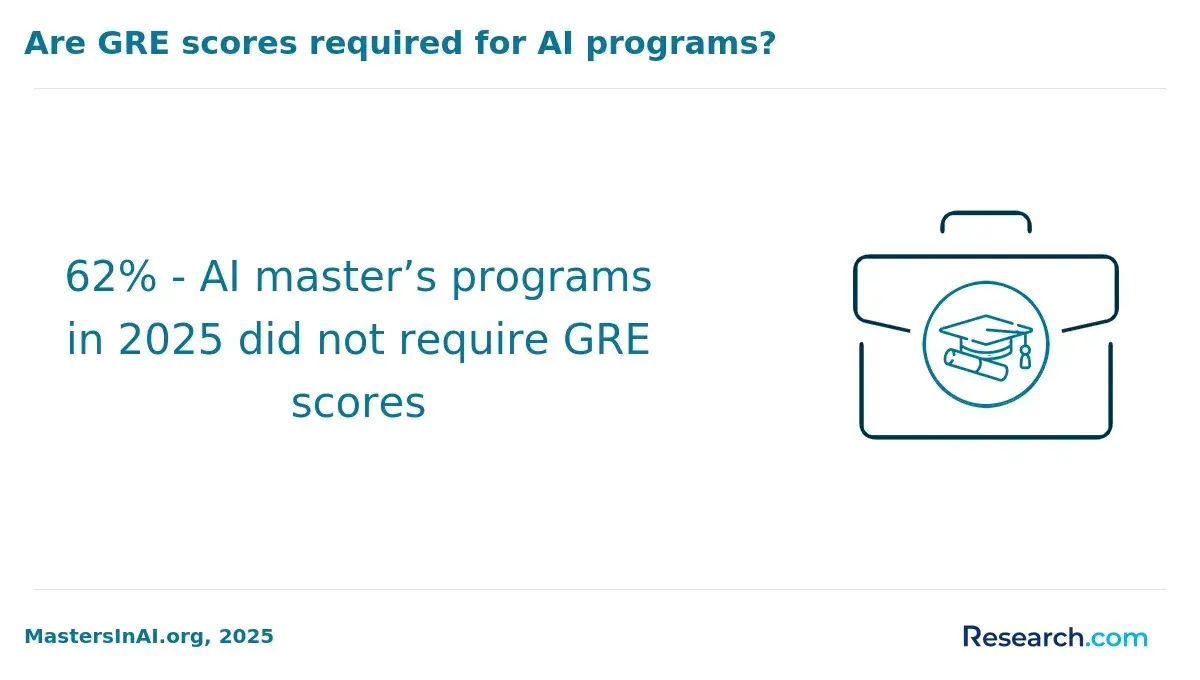
Applicants must often submit personal statements that outline their career goals and motivation. Letters of recommendation from academic or professional supervisors provide insight into their legal aptitude. Standardized test requirements like the LSAT or GRE are less common but may still apply in select programs. International applicants must demonstrate English language proficiency through exams such as TOEFL or IELTS.
Work experience expectations vary; certain executive LLM tracks require two to five years of relevant legal or industry experience, reflecting the growing demand driven by emerging tech fields. Enterprises increasingly adopt generative AI and LLM technologies-McKinsey reports 75% of large companies currently pilot or deploy these, with over 60% expecting widespread AI use soon. Showing familiarity with technology law or AI integration can enhance applications. Those interested in related advanced studies might explore options like the online PhD in data science for further specialization.
What accreditation should an online AI program have?
Accreditation from recognized regional or national bodies is essential for online AI programs to ensure quality education and credibility. In the U.S., agencies like the Middle States Commission on Higher Education (MSCHE) and the Higher Learning Commission (HLC) confirm programs meet high academic standards. Employers and graduate schools often prefer candidates from accredited institutions because these credentials reflect verified learning outcomes and institutional accountability.
Additional specialized accreditation, such as from ABET (Accreditation Board for Engineering and Technology), reinforces a program's alignment with industry and technical standards. This is especially important for careers in AI development, data science, or software engineering.
Accreditation also affects transfer credits, licensing eligibility, and employer acceptance. When choosing a program, look for clear institutional accreditation combined with endorsements from relevant AI or computer science societies. Programs integrating current generative AI tools can deliver measurable benefits; a GitHub-Microsoft-Harvard study showed these teams increased productivity by 30-50% on coding and documentation tasks.
Be cautious of programs lacking recognized accreditation-even if they offer innovative AI content. Such certifications may have limited industry value and impact career growth. Verify accreditation status early by consulting official databases or accreditor websites to confirm legitimacy and scope.
What topics are covered in LLM course curricula?
LLM course curricula equip professionals with skills spanning natural language processing basics, data annotation, and large language model training. Practical topics include prompt engineering, model fine-tuning, and addressing ethical concerns in AI applications.
Courses demonstrate how to integrate LLMs into existing workflows, automating tasks like text generation, summarization, translation, and sentiment analysis. Risk management covers bias mitigation, data privacy, and regulatory compliance. Advanced offerings explore multimodal models combining text with images or audio for wider use cases.
Hands-on projects using frameworks such as PyTorch and TensorFlow help build deep expertise in model architectures and optimization. Industry case studies from consulting, healthcare, and finance highlight domain-specific challenges, showing applications like legal document drafting and customer service automation.
Research by BCG reveals that knowledge workers trained in LLM tools complete tasks 25% faster and deliver work 40% higher in quality than peers without training. These results underscore the value of targeted educational programs.
Overall, these curricula blend technical mastery with strategic deployment, preparing learners to innovate responsibly and solve complex business problems with generative AI technologies.
How long do online LLM courses take to complete?
Online LLM courses vary widely in duration, typically lasting from 6 months to 2 years depending on the program design and student pace. Many part-time options target working professionals, offering flexible schedules that can extend to 18-24 months. Conversely, full-time bootcamps or intensive courses can be completed in as little as 3 to 6 months. For instance, certificate programs specializing in AI applications within law usually require 6 to 12 months, striking a balance between depth and practical skills.
The course format greatly influences completion time. Asynchronous courses allow learners to progress at their own pace, which suits professionals balancing work commitments. Synchronous classes follow a set timeline, while modular formats break down content into shorter segments for incremental skill building.
Research highlights the value of these programs in career advancement. A global report by Coursera and edX found that professionals completing intensive online AI and machine learning courses saw average salary increases of 23-27% within a year. This shows that shorter, focused online programs deliver substantial benefits similar to in-person courses but at about one-third the cost.
When choosing a program, evaluate curriculum relevance, time commitment, and alignment with your career goals. Shorter courses offer quick skill upgrades, while longer options provide comprehensive knowledge. Balancing duration and quality ensures the best return on investment.
How much do online LLM courses cost?
Online LLM courses for professionals vary widely in cost, typically ranging from $500 to $5,000, influenced by program length, depth, and the reputation of the institution. Short, skill-focused courses from platforms like Coursera and edX usually cost between $500 and $1,200 and can be completed in weeks or a few months. More comprehensive professional certificates or advanced programs, which often include mentorship or career services, typically range from $2,000 to $5,000.
Course fees also vary based on features such as flexible deadlines, one-on-one support, or access to industry tools. Many programs allow free auditing, with payment required only for certification, a smart option for learners prioritizing skill acquisition without formal credentialing.
Employers increasingly value intermediate-level LLM credentials. Data from Coursera's 2024 Global Skills Report reveals that 58% of working adults completing these courses applied new skills at their jobs within three months, and 36% experienced promotions, role changes, or new jobs within six months.
Choosing courses aligned with specific career goals or industries often justifies higher fees due to better skill application. Flexible payment methods, employer sponsorship, and scholarships can also reduce costs for students.
What careers can you pursue after an LLM in AI?
An LLM specializing in AI opens pathways across legal, corporate, and policy sectors, focusing on issues like AI regulation, ethics, and compliance. Graduates often work on data privacy, algorithmic bias, and intellectual property challenges linked to AI technologies. Legal counsel roles in tech companies require navigating AI's evolving regulatory landscape to ensure compliance with emerging standards.
Beyond law firms, graduates frequently serve as compliance officers or policy advisors in corporations deploying generative AI and machine learning systems. These professionals draft internal guidelines, liaise with regulators, and conduct risk assessments, with demand growing in industries such as finance, healthcare, and telecommunications.
Government agencies and nonprofit organizations also recruit LLM graduates to shape AI legislation and ethical frameworks. Public policy analysts and technology governance experts balance innovation with societal safeguards. Many graduates become educators or consultants, training others on AI legal risks and compliance issues.
Employers value candidates combining legal expertise with a technical understanding of AI systems. Corporate investment in AI and generative AI training has surged, reflecting strong demand for professionals skilled in the complex legal environment surrounding AI.
- Experience with AI use cases and regulatory developments enhances employability.
- Roles include intellectual property law focused on AI innovations.
- Contract negotiation involving AI-generated content is a growing field.
- Opportunities exist in AI audit and transparency initiatives.
What salaries and job outlook follow an LLM in AI?
Graduates with an LLM specializing in AI command competitive salaries and face a rapidly expanding job market. Roles involving AI oversight, integration, and prompt engineering rank among the fastest-growing sectors, driven by the increasing automation of nearly 30% of working hours in advanced economies by 2030, according to the McKinsey Global Institute's "Generative AI and the Future of Work" update.
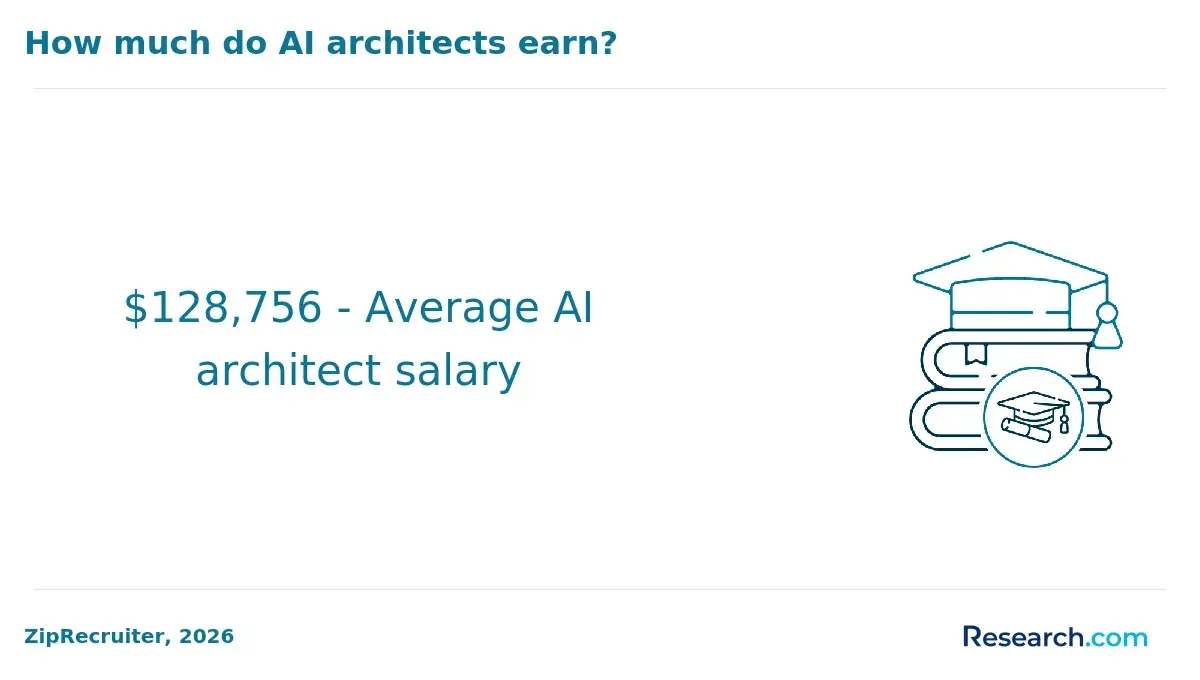
U.S. salary surveys show AI-focused legal professionals earn between $90,000 and $150,000 annually, with senior roles exceeding $180,000. Common positions include compliance officers handling AI regulation, legal technologists advising on AI risks, and contract specialists drafting AI data frameworks.
Key job market trends:
- Growth of AI governance teams in law firms and corporations.
- Demand for experts in AI policy and intellectual property law.
- Emerging careers in prompt engineering, influencing AI and legal data interface.
- Need for legal advisors in ethical AI deployment consultancies.
Mastery of AI legal frameworks combined with hands-on AI tool experience greatly enhances employability. Certification in AI compliance and familiarity with data privacy laws related to AI offer practical advantages in hiring.
Other Things You Should Know About Artificial Intelligence
Ethical concerns in artificial intelligence include bias in algorithms, privacy issues, and the potential for job displacement. There is also debate about AI decision-making transparency and accountability, especially in critical areas like law and healthcare. These concerns require careful regulation and ethical guidelines as AI becomes more integrated into society.
Artificial intelligence systems often rely on large datasets, which can include sensitive personal information. This raises the risk of unauthorized data access, misuse, and breaches. Protecting data privacy in AI applications demands strong security measures, clear consent protocols, and compliance with data protection regulations such as GDPR and CCPA.
In 2027, the best online LLM courses for professionals include the University of Edinburgh's LLM Innovation, Technology, and the Law, Harvard University's online LLM program, and the online Master of Laws at the University of Law. These courses offer flexibility, cutting-edge curriculum content, and expert faculty for advancing legal careers.
Artificial intelligence can automate many repetitive and routine tasks, but it is unlikely to replace all human jobs entirely. Instead, AI often augments human work, leading to the creation of new roles requiring oversight, creativity, and complex decision-making. Workers need to adapt by developing skills that complement AI technologies.
References
- Towards the Terminator Economy: Assessing Job Exposure to AI through LLMs https://arxiv.org/html/2407.19204v1
- Online LLM: Top Programs, Specializations & Career Benefits https://thelegalschool.in/blog/online-llm
- How Long Does It Take to Get a Law Degree Online? - St Francis School of Law https://stfrancislaw.com/blog/how-long-does-it-take-to-get-a-law-degree-online/
- The Foundational AI Exposure Study https://www.punku.ai/blog/gpts-are-gpts-an-early-look-at-the-labor-market-impact-potential-of
- Top Budget LL.M.s in Europe | LLM GUIDE https://llm-guide.com/lists/top-10-budget-llms-in-europe
- LLM Full Form: Courses List, Subjects, Colleges [2026] https://collegevidya.com/blog/llm-full-form-master-of-laws/
- LLM Master of Laws (General) Online https://www.law.ac.uk/study/postgraduate/law/llm-master-of-laws-general/online/
- LLM in Legal Practice | Prepare For The SQE And Gain a Masters https://www.collegalpractice.com/our-programmes/developing-legal-professionals-programme/llm-in-legal-practice
- Blogs https://www.leoglobaloverseas.com/blogdetails/ai-career-pathways-from-msc-to-industry-roles
- How Long Does It Take to Get a LLM Degree? | ValidGrad.com https://validgrad.com/blog/how-long-does-it-take-to-get-a-llm-degree-the-timeline-reality-check-every-legal-professional-needs/