2027 Best Agentic AI Courses for Business Leaders

Co-Founder and Chief Data Scientist
Business leaders often struggle to leverage artificial intelligence effectively due to a lack of specialized knowledge and practical skills. This gap hinders strategic decision-making and the integration of AI-driven solutions that could transform operations and competitiveness. Finding accredited, flexible courses that align with demanding schedules and varied backgrounds remains a challenge for professionals seeking to pivot into AI-related roles. This article explores top agentic AI courses tailored for business leaders, highlighting programs designed to bridge this expertise gap and empower decision-makers to harness AI's full potential in their organizations.
Key Things You Should Know
- Agentic AI courses in 2026 focus on strategic decision-making, empowering business leaders to harness autonomous AI for competitive advantages, with 65% of executives prioritizing AI leadership skills.
- These programs emphasize ethical AI governance and risk management, addressing concerns cited by 72% of companies about AI implementation challenges in corporate environments.
- Integration of real-world case studies and hands-on projects reflects a 40% increase in employer demand for graduates proficient in agentic AI applications across diverse industries.
Advance Your Career with AI Online Courses
Artificial Intelligence: Implications for Business Strategy
This program provides an introduction to Artificial Intelligence and their implications for business strategy. Earn an official digital certificate.

Oxford Artificial Intelligence Programme
Explore this Oxford Artificial Intelligence programme offered in a flexible learning environment and explore topics like machine learning, automation, and robotics.

Implementing Agentic AI: Building Your Organizational Playbook
This online MIT Agentic AI course offers a practical approach to deploying AI agents in your organization, including a custom playbook. 3 weeks, exclusive launch price.

AI Adoption: Driving Business Value and Impact
This online MIT AI Adoption: Driving Business Value and Impact offers practical frameworks to close the gap between AI potential and business reality.

Artificial Intelligence in Pharma and Biotech
Discover the applications and limitations of artificial intelligence in pharma and biotech with this MIT online short course.

What is agentic AI and why does it matter for current and aspiring business leaders?
Agentic AI represents a new class of artificial intelligence systems that autonomously make decisions and take actions to achieve defined goals without ongoing human input. For business leaders, recognizing the impact of agentic AI on leadership strategies is crucial as it transforms AI from a passive assistant into an active partner in business processes. These systems optimize complex operations like supply chains, personalize customer interactions in real time, and manage financial assets, enabling quicker, data-driven decisions.
Despite significant interest, a recent study showed that while 69% of CEOs believe generative AI will be vital for competitiveness within three years, only 28% have the necessary in-house skills for broad adoption. This skills gap underscores the importance of expertise in agentic ai applications for business leaders to drive digital transformation confidently and effectively.
- Incorporate autonomous AI tools into workflows to boost efficiency and reduce costs.
- Foster innovation by utilizing AI agents that learn and adapt independently.
- Address ethical and governance challenges unique to autonomous AI to mitigate risks.
Business leaders with agentic AI knowledge are better equipped to implement scalable solutions, anticipate and respond to market changes, and sustain a competitive edge. Developing these skills allows leaders to align AI's autonomous strengths with organizational goals. Prospective students and professionals interested in these evolving career paths may explore advancements by reviewing the data science major ranking to find programs that emphasize practical AI applications and leadership.
Advance Your Career with AI Online Courses
Artificial Intelligence: Implications for Business Strategy
This program provides an introduction to Artificial Intelligence and their implications for business strategy. Earn an official digital certificate.
Oxford Artificial Intelligence Programme
Explore this Oxford Artificial Intelligence programme offered in a flexible learning environment and explore topics like machine learning, automation, and robotics.
Implementing Agentic AI: Building Your Organizational Playbook
This online MIT Agentic AI course offers a practical approach to deploying AI agents in your organization, including a custom playbook. 3 weeks, exclusive launch price.
What types of agentic AI courses are best for business leaders and managers?
Agentic AI courses tailored for business leaders focus on strategy, governance, and the implementation of autonomous AI systems within organizations. These courses guide leaders through designing agentic workflows, managing multi-agent collaboration, and aligning AI decision-making with corporate objectives. Understanding both the technical capabilities and limitations of agentic AI empowers managers to foster innovation while ensuring ethical and operational control.
Practical agentic AI training for managers often includes modules on AI strategy development, risk management, and regulatory compliance relevant to AI agents. Real-world case studies covering autonomous agents in supply chain management, customer service, and financial decision-making help translate theory into actionable business insights. Executive programs combine AI fundamentals with leadership approaches to oversee AI teams and promote cross-functional cooperation.
Hands-on experience with agentic AI platforms, simulation environments, and scenario planning deepens understanding of AI behavior and system optimization. Business managers gain skills in evaluating AI agent performance and designing adaptive feedback loops that align AI actions with evolving business goals. For those exploring educational opportunities related to engineering disciplines, a mechanical engineer degree can complement AI knowledge in technical fields.
The projected market growth reinforces urgency: the global market for AI agents and multi-agent systems is expected to reach $54.5 billion by 2030, growing at a 37% compound annual growth rate from 2024-2030 (Grand View Research). Specialized agentic AI courses are essential for career advancement and strategic impact in this rapidly evolving landscape.
How can business leaders evaluate and compare top agentic AI programs in the U.S.?
Business leaders comparing top agentic artificial intelligence training programs for U.S. executives should focus on key criteria to align learning with strategic goals. Curriculum relevance is essential-look for courses prioritizing practical agentic AI applications in business, including autonomous decision-making and operational improvements. Hands-on projects or case studies that mimic real-world deployment better prepare leaders to implement effective solutions.
Faculty expertise and industry ties are also crucial. Programs led by instructors with direct experience deploying autonomous AI systems and institutions partnered with leading AI firms offer unmatched insights and networking opportunities.
Measurable outcomes matter significantly. Alumni results showing tangible business impact, such as an 8-12% productivity increase and 5-7% revenue growth within 12 months, underscore a program's value. Such data-backed success metrics help validate the return on investment of agentic AI courses in the U.S.
Flexible delivery formats, including online or hybrid options with modular content, accommodate busy professionals' schedules, increasing access and sustained engagement. Accreditation and endorsements from recognized AI or business education bodies further ensure quality and industry recognition.
For those seeking expanded education in related fields, consider exploring online masters in data science to complement agentic AI skills and deepen understanding of advanced analytics technologies.
What should you look for in accreditation and institutional quality for agentic AI training?
Accreditation standards are a key factor when choosing an agentic AI course accreditation standards in business education. Ensure the institution holds recognized accreditation from credible agencies, including regional accreditors in the U.S. or specialized tech education bodies. This guarantees programs maintain academic rigor and regularly update content. Look for offerings from universities or professional organizations specializing in AI governance, risk, and ethics to build solid knowledge foundations.
Strong institutional quality benchmarks for agentic AI training programs involve partnerships with industry leaders or research centers. These collaborations embed the latest compliance frameworks and real-world risk scenarios into the curriculum. Given that 73% of enterprises using generative AI reported significant privacy, security, or IP issues while only 30% had formal governance policies, such focused training is critical.
When evaluating programs, check for comprehensive modules addressing legal frameworks, ethical challenges, and ongoing faculty research output in AI risk management. Faculty actively engaged in AI governance discussions tend to ensure curriculum relevance. Also, consider student outcomes like job placement and leadership roles, since these reflect the program's efficacy in preparing future AI leaders.
For those seeking foundational skills that combine flexibility with solid academic support, you might explore a reputable computer science degree online, which can complement agentic AI expertise and enhance career prospects.
How do online, hybrid, and on-campus agentic AI courses differ for working professionals?
Online, hybrid, and on-campus agentic AI courses differ mainly in flexibility, interaction, and immersion-key factors for working professionals managing busy schedules. Online programs offer the greatest flexibility, allowing learners to study asynchronously from anywhere. This suits those unable to pause their careers or commute but requires discipline and may reduce real-time feedback and collaboration. Such courses typically use video lectures and discussion boards, limiting immediate answers on complex AI topics.
Hybrid courses balance flexibility and engagement by mixing online learning with scheduled in-person or live virtual sessions. This format benefits professionals seeking direct interaction with instructors and peers without full campus attendance. For example, bi-weekly on-campus workshops combined with online tasks can enhance practical skills in agentic AI while accommodating work commitments.
On-campus courses deliver immersive environments ideal for professionals who can dedicate focused time off work. These programs provide intensive face-to-face instruction, hands-on labs, and networking vital in agentic AI fields. As nearly 80% of enterprises have deployed or piloted generative AI or agent-like use cases, such settings drive rapid skill development aligned with industry demands.
Choosing the right format depends on workload, learning preferences, and career aims. Hands-on campus or hybrid models support leadership skills and strong networks, while online modules emphasize convenience and immediate applicability. Professionals prioritizing business-context AI often find online study most practical.
- Online courses maximize flexibility but require self-discipline.
- Hybrid programs blend remote access with direct interaction.
- On-campus options offer immersive networking and labs.
What core skills and topics do the best agentic AI courses for executives typically cover?
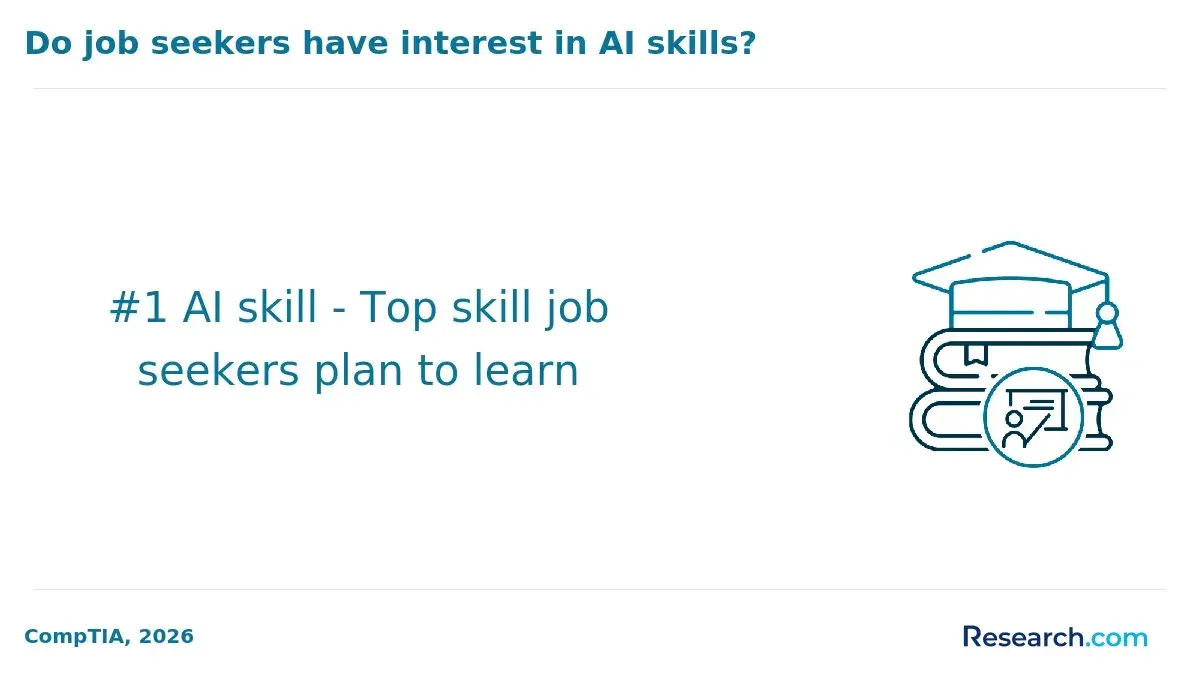
Top agentic ai courses for executives focus on essential skills that help leaders design, deploy, and scale autonomous ai-driven systems. These programs cover agentic ai architectures like multi-agent collaboration and reinforcement learning, enabling systems to make complex decisions with minimal human input. Executives learn how to integrate ai agents into business workflows across marketing, customer operations, and software development.
Key topics include strategic ai management, such as assessing ai readiness, selecting relevant use cases, and measuring performance through key indicators. Risk management and the ethical challenges of autonomous ai deployment are also critical, guiding leaders to balance innovation with compliance and governance.
Technical literacy often covers ai model training basics, data management, and real-time decision frameworks, equipping executives to collaborate effectively with ai experts and make sound investment choices.
Hands-on projects, case studies, and simulations deepen practical understanding by addressing challenges like aligning agentic ai with corporate goals, managing teams, and accelerating value delivery. Over 60% of companies piloting agentic ai report measurable impact within six months, mainly in marketing efficiency, customer engagement, and software development, according to the McKinsey Global Survey on AI 2024.
What are the typical admission requirements and time commitments for agentic AI programs?
Admission to agentic AI programs typically requires a bachelor's degree in business, computer science, engineering, or related fields. Many also prefer candidates with two to five years of professional experience in leadership, technology management, or strategy roles. Executive-format courses often request a statement of purpose outlining strategic interest in agentic AI, along with letters of recommendation. Some programs include a technical assessment or prerequisite coursework in data science or programming fundamentals. The emphasis remains on a balanced mix of technical knowledge and leadership potential to bridge the gap between AI capabilities and organizational strategy.
Time commitments vary by format:
- Full-time intensive programs usually span three to six months with daily sessions and practical projects.
- Part-time and executive education courses stretch over six months to a year, requiring 6 to 10 hours weekly.
- Hybrid and online models blend asynchronous content with live interactions for flexibility and rigor.
Deloitte's State of AI in the Enterprise 2024 shows that 85% of boards expect leadership to articulate a clear generative-ai strategy, but only 41% believe executives have sufficient AI literacy. This underscores the need for courses that combine strategic frameworks with agentic AI skills.
Prospective students should prioritize programs that develop both conceptual clarity and actionable leadership capabilities to close the executive ai gap effectively.
How much do leading agentic AI courses cost and what financing options are available?
Agentic AI courses designed for business leaders usually range from $1,000 to $5,000, influenced by program length, depth, and provider reputation. Short certificate programs or intensive workshops often cost between $1,200 and $3,000, while more extensive online or executive-level courses approach $4,500 to $5,000. These prices reflect targeted knowledge aimed at immediate business applications.
Financing is flexible, with many providers offering payment plans that split tuition into two to four interest-free installments, increasing accessibility. Employer sponsorship remains a widespread option, especially for executives, as organizations prioritize AI skills strategically. Scholarships and discounts are commonly awarded for early registration, veterans, or alumni.
Recent research from the GMAC "AI for Business Courses" report shows 72% of senior executives prefer non-degree AI programs for their quicker skill development and lower opportunity costs compared to traditional degrees. This has prompted many providers to tailor pricing and financing options to align with executive schedules and budgets.
Prospective students should confirm all costs, including materials or software fees, and verify refund policies. It's also important to assess whether courses include post-completion support or career services as part of their overall value.
What leadership roles, career paths, and salaries can agentic AI training help you reach?
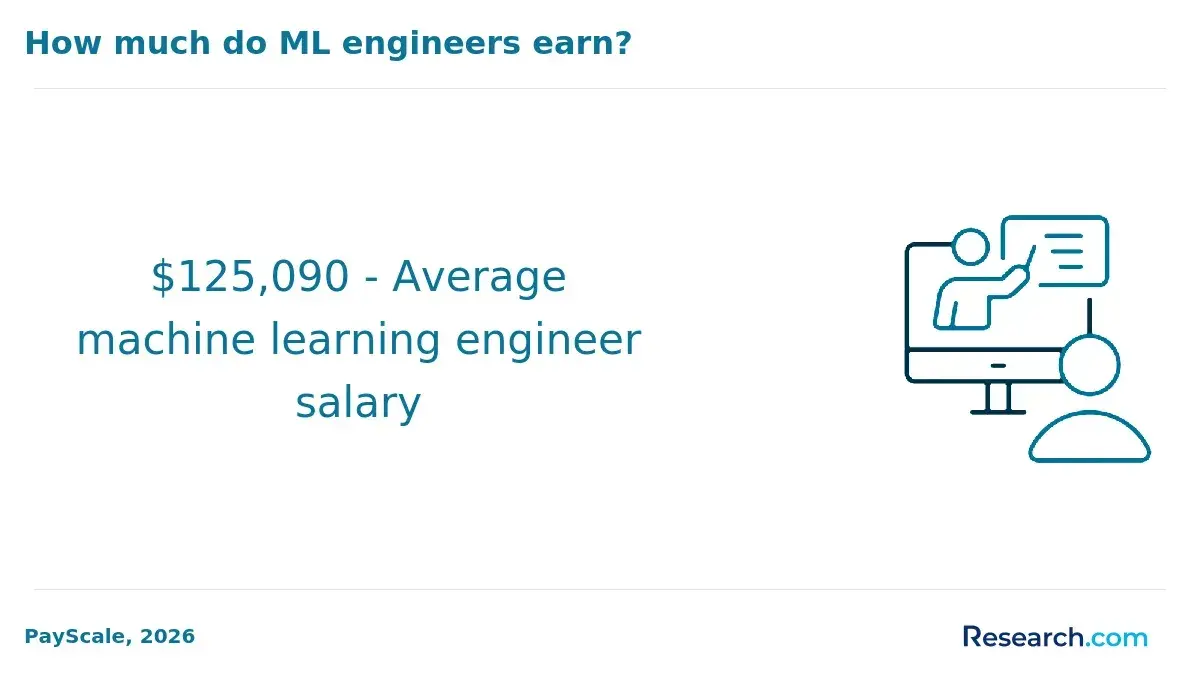
Agentic AI training creates valuable career opportunities in leadership, product management, strategy, and advanced consultancy roles. Graduates can pursue high-level positions such as Chief AI Officer, Director of AI Strategy, or AI Product Lead, responsible for driving AI innovation within organizations. Salaries for these roles typically range from $150,000 to over $300,000 annually, depending on the industry and location.
Mid-level professionals, including AI Project Managers and Data Science Leaders, also gain from this expertise. Their roles focus on managing AI initiatives, aligning them with business objectives, and translating AI capabilities into strategic outcomes. These professionals usually earn between $110,000 and $160,000, benefiting from enhanced skills to oversee autonomous AI systems and improve decision-making.
Agentic AI proficiency supports consulting careers by enabling AI transformation specialists to reduce dependence on external consultants. According to the Accenture "AI Skills for the C-Suite" study 2024, companies investing more than $500,000 annually in upskilling AI leaders spent 32% less on external consulting and reported 21% higher satisfaction in AI results.
Additional career paths include innovation managers and AI ethics officers focused on responsible AI deployment and sustainable innovation, with salaries ranging from $130,000 to $190,000. Overall, agentic AI training strengthens leadership across technical, strategic, and ethical areas, expanding career options with competitive pay.
How can business leaders choose a reputable, future-proof agentic AI course or certificate?
Selecting an agentic AI course or certificate program requires careful evaluation of offerings that emphasize practical, scalable applications of autonomous systems. Prioritize programs with up-to-date curricula featuring emerging agentic AI capabilities that are proven to enhance business performance. According to PwC's Global AI Study 2024, companies leading in agentic AI are 2.5× more likely to surpass industry revenue growth and 3× more likely to reduce operating costs by 10% or more.
Key criteria include:
- Curriculum relevance: Programs should incorporate real-world use cases, hands-on projects, and current autonomous AI tools.
- Faculty expertise: Instructors actively engaged in AI research or industry applications add significant value.
- Industry recognition: Certifications endorsed by technology firms or professional associations increase program credibility and marketability.
- Flexibility and updates: Frequent revisions to course content ensure alignment with the latest AI trends.
Effective courses balance theoretical knowledge with applied learning, using simulations or live enterprise projects to prepare leaders for agentic AI adoption. Evaluating alumni outcomes for measurable business impact can further identify high-quality programs. Accreditation status and partnerships with AI technology companies are also important to confirm access to cutting-edge resources and networks.
Other Things You Should Know About Artificial Intelligence
In 2027, top AI courses for business leaders include MIT’s Artificial Intelligence: Business Strategies and Applications, Stanford’s AI for Leaders, and INSEAD’s Executive Program in AI Technologies. These courses focus on strategic adoption, ethical AI implementation, and leveraging AI for business growth.
Integrating artificial intelligence typically requires significant organizational change, impacting workflows, roles, and culture. Leaders need to prepare employees through training and clear communication to facilitate a smooth transition. Successful AI adoption depends on aligning technology with business goals and managing resistance proactively.
A common misconception is that artificial intelligence can fully replace human judgment rather than augment it. AI is most effective when supporting decision-making rather than autonomously operating without oversight. Additionally, many overestimate AI's immediate impact, overlooking the time and data needed to achieve meaningful results.
Measuring ROI on AI projects involves tracking specific performance metrics such as cost savings, process efficiency, revenue growth, and customer satisfaction. Leaders should set clear objectives before implementation and use both quantitative data and qualitative feedback to assess AI's impact. Continuous monitoring helps refine AI tools to maximize business value over time.
References
- LLM Prompts and Answers - agentacademy.ai | AI Agent Online Training & Certification https://agentacademy.ai/llm-prompts-and-answers/
- Cost Guide: Agentic AI Deployment – Pricing and Planning https://www.gravitee.io/blog/cost-guide-agentic-ai-deployment-pricing-and-planning
- Free Agentic AI for Leaders Course ( 2026) - Great Learning https://www.mygreatlearning.com/academy/learn-for-free/courses/agentic-ai-and-leadership-transformation
- Agentic AI https://www.deeplearning.ai/courses/agentic-ai
- Introducing The AI Ops Assistant: An Agentic AI Built for Every Role Inside Your LMS | News & Insights | LearnWise https://www.learnwise.ai/news-insights/introducing-ai-ops-assistant-an-agentic-ai-built-for-every-role-inside-your-lms
- 7 free agentic AI training courses for business leaders | Process Excellence Network https://www.processexcellencenetwork.com/ai/articles/7-free-agentic-ai-training-courses-for-business-leaders/amp
- Cost of Agentic AI Implementation Explained in Detail https://www.acceldata.io/blog/enterprise-agentic-ai-implementation-price-cost-analysis
- How to Pick the Right Generative AI or Agentic AI Program Without Overpaying or Wasting Money https://dev.to/rahul_saxena_09/how-to-pick-the-right-generative-ai-or-agentic-ai-program-without-overpaying-or-wasting-money-20g1
- How can we best evaluate agentic AI? | Brookings https://www.brookings.edu/articles/how-can-we-best-evaluate-agentic-ai/
- MIT Professional Education Launches New Course on Applied Agentic AI for Organizational Transformation - Mass Tech Leadership Council https://www.mtlc.co/mit-professional-education-launches-new-course-on-applied-agentic-ai-for-organizational-transformation/