2027 Best Agentic AI Courses for Chief Digital Officers

Co-Founder and Chief Data Scientist
Chief Digital Officers increasingly face pressure to integrate agentic AI tools effectively within their organizations to drive innovation and maintain competitiveness. However, many struggle to identify trustworthy, flexible educational programs that provide practical skills tailored to digital leadership roles.
The rapid evolution of agentic AI demands continuous learning aligned with industry standards and strategic management needs. This article reviews top agentic AI courses designed specifically for executives seeking an accredited, career-focused pathway. It aims to guide readers through selecting programs that balance technical depth and leadership strategy to accelerate successful digital transformation initiatives.
Key Things You Should Know
- Agentic AI courses for Chief Digital Officers in 2026 emphasize strategic decision-making, blending AI autonomy with human oversight to enhance digital transformation leadership.
- More than 65% of CDOs in U.S. firms report upskilling in agentic AI significantly improves innovation and operational agility, reflecting a 20% rise since 2024.
- Top programs integrate practical labs on AI ethics, autonomous system governance, and real-time data utilization aligned with the latest industry standards and regulatory frameworks.
Advance Your Career with AI Online Courses
Artificial Intelligence: Implications for Business Strategy
This program provides an introduction to Artificial Intelligence and their implications for business strategy. Earn an official digital certificate.

Oxford Artificial Intelligence Programme
Explore this Oxford Artificial Intelligence programme offered in a flexible learning environment and explore topics like machine learning, automation, and robotics.

Implementing Agentic AI: Building Your Organizational Playbook
This online MIT Agentic AI course offers a practical approach to deploying AI agents in your organization, including a custom playbook. 3 weeks, exclusive launch price.

AI Adoption: Driving Business Value and Impact
This online MIT AI Adoption: Driving Business Value and Impact offers practical frameworks to close the gap between AI potential and business reality.

Artificial Intelligence in Pharma and Biotech
Discover the applications and limitations of artificial intelligence in pharma and biotech with this MIT online short course.

What is agentic AI and why does it matter for today's chief digital officers?
Agentic AI refers to autonomous systems capable of independently making decisions and executing tasks with minimal human intervention. Unlike traditional AI that processes inputs passively, agentic AI actively pursues goals and adapts to evolving environments. For chief digital officers (CDOs), integrating agentic artificial intelligence applications for chief digital officers into their digital transformation strategies is essential to improve operational efficiency and enhance competitive advantage.
These systems help automate complex workflows, optimize resources, and respond quickly to market changes without constant human oversight.
By 2027, one study predicts that 80% of enterprises will deploy agentic AI or autonomous agents in production, a significant increase from less than 5% in recent years. This surge underscores the importance of understanding agentic AI in digital transformation strategies to stay ahead.
Applications across industries include:
- Automated customer service agents are resolving queries without human input.
- Supply chain systems dynamically adjust inventory based on demand forecasts.
- Financial trading bots are performing real-time portfolio adjustments.
- CDOs face challenges such as selecting the right technologies, managing data governance, and addressing ethical issues like transparency and accountability.
Gaining specialized skills through targeted courses covering AI agent design, decision-making algorithms, and deployment strategies equips CDOs to lead AI initiatives that deliver measurable ROI and foster innovation.
For those pursuing expertise, exploring options such as the data science master rank programs can provide valuable educational pathways to develop these competencies.
Advance Your Career with AI Online Courses
Artificial Intelligence: Implications for Business Strategy
This program provides an introduction to Artificial Intelligence and their implications for business strategy. Earn an official digital certificate.
Oxford Artificial Intelligence Programme
Explore this Oxford Artificial Intelligence programme offered in a flexible learning environment and explore topics like machine learning, automation, and robotics.
Implementing Agentic AI: Building Your Organizational Playbook
This online MIT Agentic AI course offers a practical approach to deploying AI agents in your organization, including a custom playbook. 3 weeks, exclusive launch price.
What makes an agentic AI course especially valuable for chief digital officers?
An agentic AI course offers chief digital officers practical skills essential for designing, deploying, and governing autonomous AI systems that drive strategic digital transformation. These programs focus on developing expertise in AI agents capable of independent decision-making, a critical capability for CDOs managing complex ecosystems where automation must align with business goals and compliance requirements.
Incorporating key features of agentic AI training programs for digital leaders, such courses emphasize real-world applications like customer experience integration, supply chain optimization, and predictive analytics.
Such training also includes instruction on ethical AI governance and risk management, addressing executive concerns such as bias mitigation and transparency. Hands-on modules often involve coding and configuring AI agents on leading platforms, which empower CDOs to evaluate and guide technical teams effectively. Strategies for scaling AI agent implementations across enterprise systems help maximize ROI and operational agility, while insights into AI agent lifecycle management support sustained innovation.
- Emphasis on integrating agentic AI into key business functions and analytics.
- Ethical governance principles tailored for executive leadership.
- Hands-on technical experience with AI agent platforms.
- Enterprise-level scaling strategies for AI systems.
- Lifelong management of AI agent performance and monitoring.
Demand for skills related to agentic AI is surging; LinkedIn's 2025 Future of Work report noted job postings mentioning "AI agents" or "agentic AI" increased over 420% year-on-year between Q1 2024 and Q1 2025. This growth positions these skills as vital for CDOs aiming to lead digital evolution effectively. Access to current frameworks and industry case studies further adds measurable value.
Professionals interested in expanding their technical credentials may explore options among affordable programs, including those listed under engineering degrees online, to complement their agentic AI course benefits for chief digital officers.
How can chief digital officers identify the best agentic AI courses and providers?
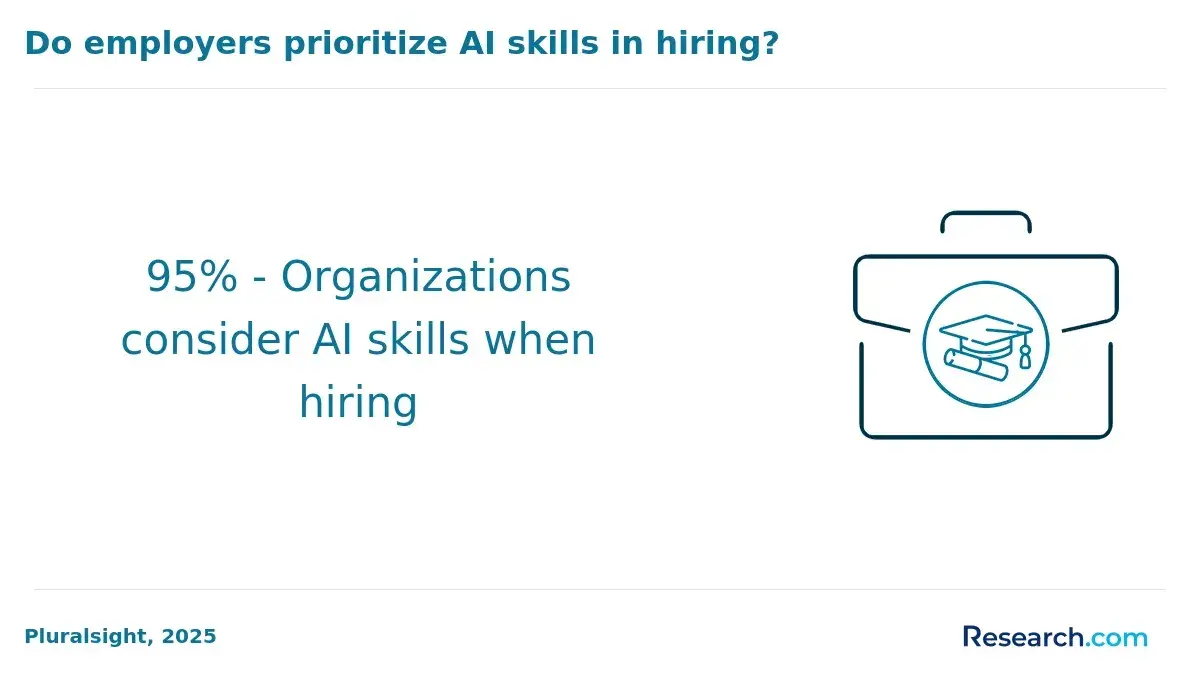
Chief digital officers (CDOs) seeking the best agentic AI courses for chief digital officers in North America should prioritize programs tailored for senior leadership that blend technical depth with strategic business applications. Effective courses focus on measurable outcomes, offering case studies, actionable frameworks, and executive scenarios rather than purely technical instruction.
Top-rated agentic AI course providers for chief digital officers typically share these key qualities:
- Curricula emphasizing agentic AI's role in digital transformation and decision-making.
- Experienced faculty with proven enterprise AI deployment credentials.
- Hands-on projects or simulations mirroring real-world C-suite challenges.
- Flexible modular or online formats suited for busy executives that maintain rigorous standards.
- Evidence of effectiveness, including post-course impact metrics and success stories.
BCG analysis shows companies with senior leaders completing agentic AI programs were 2.5x more likely to exceed 10% productivity gains in digital initiatives, underlining the value of focused AI education. Incorporating ethical and governance components further equips leaders to manage risks while leveraging opportunities effectively.
CDOs should also explore continuous learning and strong provider support ecosystems fostering peer networking and ongoing consultation to stay ahead in this evolving field. For those interested in related educational paths, consider exploring a reputable game design degree program.
What prerequisites and professional background are recommended before starting agentic AI training?
The recommended professional background for agentic AI courses emphasizes a strong foundation in technology, management, and digital strategy, especially for leadership roles like chief digital officers. Candidates typically need 3 to 5 years of experience in digital transformation, IT management, or data analytics to navigate the complex decision-making and implementation involved in agentic AI.
This experience helps ensure practical engagement with the systems rather than superficial understanding.
Technical literacy is crucial; learners should be comfortable with machine learning, natural language processing, and software development workflows. Familiarity with programming languages such as Python or R and experience with AI platforms or cloud computing services are often expected prerequisites for chief digital officers in agentic AI training.
This technical background empowers executives to critically assess algorithmic outcomes and vendor products, avoiding the pitfalls of treating AI as a black box.
Business acumen also plays a key role. Understanding how AI aligns with organizational goals, managing stakeholders, and mitigating risk are essential skills. Experience in project management or digital product ownership often provides a solid context for applying agentic AI technologies to real-world challenges.
Professional growth in strategic thinking, change management, and ethics is highly recommended. Given agentic AI's unique governance and accountability demands, exposure to AI ethics frameworks and compliance standards is increasingly important. Many aspiring leaders pursue further education through reputable data analytics masters programs to support these competencies and advance their careers.
Enrollment in executive-level programs focused on agentic AI or AI agents surged more than 700% between 2024 and early 2026, underscoring the rising demand for these skill sets at the leadership tier.
How do online, hybrid, and on-campus agentic AI programs compare for busy executives?
Chief digital officers (CDOs) can choose from online, hybrid, and on-campus agentic AI programs based on their schedules, budgets, and learning preferences. Online courses offer high flexibility, allowing busy executives to study asynchronously without disrupting their workflows. These programs usually cost under US$500, making them accessible for foundational learning or quick skill updates, though they may lack personalized coaching and in-person networking.
Hybrid programs combine digital content with occasional in-person sessions, balancing convenience with more direct engagement. These options typically range from US$3,000 to US$10,000 depending on the duration and institution. Hybrid formats suit those who want some face-to-face interaction alongside flexibility.
On-campus agentic AI programs, often hosted by top consultancies and business schools, deliver immersive experiences with expert mentorship and peer collaboration. These intense bootcamps cost between US$12,000 and US$25,000, reflecting their depth in leadership development and real-time strategic thinking. The time and financial investment can be considerable for busy professionals.
Key considerations include:
- Online courses for cost-efficiency and adaptability
- Hybrid formats for balanced learning and networking
- On-campus programs for deep immersion and expert coaching
Evaluating personal goals and available resources helps CDOs select the ideal program.
What core topics and hands-on projects are covered in leading agentic AI curricula?
Curricula for chief digital officers focusing on agentic AI merge foundational topics with practical projects to develop expertise in managing multi-agent systems. Key areas include system architecture, decision-making algorithms, autonomous workflow orchestration, reinforcement learning, and ethical challenges related to deploying autonomous AI. These subjects enable learners to create AI agents that either collaborate or compete to meet organizational objectives.
Practical projects typically involve:
- Building platforms that coordinate cross-functional business workflows.
- Implementing autonomous negotiation and resource sharing between AI agents within simulated business environments.
- Designing reinforcement learning models for adaptive agent behavior under changing operational conditions.
- Developing tools for explainability and auditability to ensure compliance with regulatory standards.
For example, a project may require creating an AI-driven supply chain where multiple agents optimize inventory, logistics, and demand forecasting while working together to reduce costs and delays. Other simulations test autonomous decision-making in areas like cybersecurity or customer service.
These courses also teach how to integrate agentic AI with digital transformation technologies such as robotic process automation, which is critical for chief digital officers leading enterprise implementations. A 2025 survey found that 63% of organizations have piloted or deployed multi-agent or agentic AI for workflow orchestration, emphasizing the importance of mastering both theory and application.
How long do agentic AI programs typically take, and what do they cost for executives?
Agentic AI programs for executives typically run between 6 and 12 weeks, balancing comprehensive learning with senior leaders' limited time. Shorter boot camps last 3 to 5 days and provide an overview, while longer formats such as 3-month executive certificates offer in-depth training in AI strategy, governance, and practical deployment.
Program costs vary considerably based on length, prestige, and format:
- Workshops: $2,000 to $5,000 for rapid familiarization
- Extended programs: $10,000 to $25,000 focusing on hands-on leadership skills
- Top-tier university executive education: often exceeding $30,000, reflecting tailored content and premium faculty expertise
Many programs include case study analyses, access to proprietary simulation tools, and networking opportunities-essential for Chief Digital Officers (CDOs) addressing skill gaps. A 2025 survey indicated that 71% of CDOs lack sufficient in-house expertise to govern agentic AI systems, highlighting these courses' importance.
Executives should prioritize curricula covering AI ethics, governance frameworks, and enterprise integration. Flexible, modular, or hybrid formats allowing asynchronous learning help accommodate busy schedules without compromising rigor.
For example:
- A 10-week program on agentic AI governance might cost around $15,000 with live sessions
- A 4-week intensive could be closer to $7,000 but requires full-time commitment
Choosing the right program depends on an executive's skill level and organizational needs.
How can chief digital officers evaluate accreditation, certificates, and microcredentials in agentic AI?
Chief digital officers seeking accreditation, certificates, and microcredentials in agentic AI must focus on recognition and relevance. Accreditation should come from respected institutions or industry bodies that confirm the program's rigor and alignment with AI governance standards. Certificates need to precisely outline competencies gained, highlighting governance frameworks, ethical AI use, and risk management.
Microcredentials should be stackable, enabling professionals to develop targeted expertise progressively in agentic AI systems.
Curriculum verification against recognized AI ethics and compliance standards is critical. Programs addressing transparency, accountability, and bias mitigation demonstrate readiness for real-world challenges. Prioritize courses with case studies or modules on managing agentic AI risks-BCG's 2025 Responsible AI survey found organizations deploying autonomous AI without formal governance were 3x more likely to encounter significant compliance or brand-risk incidents.
Key evaluation questions include:
- Is accreditation supported by industry leaders or independent regulators?
- Does the certificate detail measurable skills like AI risk assessment or governance design?
- Are microcredentials modular and relevant to CDO roles?
- Does the program include current regulatory and ethical guidelines?
- Is there emphasis on practical governance frameworks for agentic AI?
CDOs should also consider alumni success and employer recognition, as valid credentials correlate with stronger AI governance and reduced legal and reputational risks, elevating leadership in agentic AI management.
What career outcomes, leadership roles, and promotion pathways can agentic AI skills support?
Agentic AI skills empower professionals to advance into strategic leadership roles such as Chief Digital Officer (CDO), AI Product Manager, and Director of AI Innovation. Mastery of key frameworks like LangChain, LangGraph, and Azure AI agents-featured in over 60% of paid enrollments in Udemy's "AI Agents & Agentic AI" courses-enables leaders to drive enterprise-wide AI transformation and modernization.
These skills facilitate promotion pathways from technical roles, including AI developers and data scientists, to management by showcasing expertise in architecting autonomous AI systems that optimize business operations. Employers value leaders who understand the implications of agentic systems on risk, compliance, and operational efficiency, opening roles related to AI governance and ethical oversight.
Hands-on experience with agent architectures prepares candidates for digital strategy positions responsible for overseeing AI-driven product portfolios. Typical career outcomes include:
- Leading AI strategy initiatives to improve customer experience and automate workflows.
- Building cross-functional teams integrating AI agents within enterprise ecosystems.
- Influencing executive decision-making with measurable ROI from autonomous AI deployments.
- Managing relationships with cloud providers and AI platforms supporting agent technologies.
Promotion often depends on demonstrated impact, such as reducing operational costs by up to 30% or increasing automation accuracy by 25%. Demonstrating agentic AI expertise and aligning projects with business KPIs can accelerate leadership advancement in this dynamic field.
What salary impact and future job outlook can CDOs expect after advanced agentic AI training?
Chief Digital Officers (CDOs) with advanced training in agentic AI are poised to benefit from significant salary growth and improved job security. With up to 25% of digital operations-such as experimentation, analytics workflows, and campaign orchestration-being automated, CDOs skilled in managing these technologies gain a competitive edge. A 2025 report on AI for digital leaders found that 78% of CDOs expect this shift within three years, highlighting a growing skill gap.
Salary increases for CDOs mastering agentic AI typically range from 15% to 30%, influenced by industry and company size. Sectors like finance and technology see higher pay due to the complexity of AI integration. Employers value leaders who can optimize AI-driven processes to reduce costs and speed up decision-making.
Agentic AI expertise also opens pathways to:
- Roles in AI governance and digital transformation leadership
- Innovation management positions
- Responsibilities involving ethical AI deployment and data privacy compliance
Those without these competencies risk displacement as AI automates routine functions, shifting the CDO role toward strategic oversight. Advanced education prepares professionals to navigate cross-functional AI integration challenges, ensuring sustained career growth in an evolving digital landscape.
Other Things You Should Know About Artificial Intelligence
In 2027, top courses for Chief Digital Officers include those from MIT Sloan and Stanford Online. These programs integrate the latest advancements in Agentic AI technology, focusing on ethical AI implementation, data privacy, and AI-driven decision-making methodologies.
Artificial intelligence is revolutionizing digital industries by automating processes, enhancing data analytics, and enabling personalized customer experiences. It drives innovation in sectors like marketing, finance, and supply chain management, allowing chief digital officers to leverage AI for strategic advantage.
Organizations often encounter challenges including data quality management, integration with existing systems, and a shortage of skilled AI professionals. Ensuring ethical AI use and managing change across corporate culture are also significant hurdles during AI implementation.
Chief digital officers can stay current by engaging in continuous learning through advanced AI courses, attending industry conferences, and participating in specialized workshops. Following reputable AI research sources and collaborating with AI experts also helps maintain a competitive edge.
References
- Introduction to Agentic AI https://cognitiveclass.ai/courses/introduction-to-agentic-ai
- The Role of Agentic AI in National Skills and Community Programs https://rierino.com/blog/agentic-ai-national-skills-programs
- What is Agentic AI? Meaning, Use Cases & How It Works (2026) https://www.kore.ai/blog/what-is-agentic-ai
- Silicon Valley Certification Hub https://svch.io/press/
- Agentic AI vs Generative AI: Comparing Autonomy, Workflows, and Use Cases https://www.databricks.com/blog/agentic-ai-vs-generative-ai
- Agentic AI and the Transformation of Workforce Dynamics https://nri-na.com/agentic-ai-and-the-transformation-of-workforce-dynamics/
- Building Agentic AI Systems https://www.niit.com/india/course/building-agentic-ai-systems
- Cost of Agentic AI Implementation Explained in Detail https://www.acceldata.io/blog/enterprise-agentic-ai-implementation-price-cost-analysis
- AI Agent Development Cost in 2026 [+Team Calculator] https://softteco.com/blog/ai-agent-development-cost
- How Will Agentic AI Impact the Job Market? - Silicon https://www.silicon.eu/how-will-agentic-ai-impact-the-job-market-18096.html