2027 Best AI Courses for Security Leaders

Co-Founder and Chief Data Scientist
Security leaders face increasing pressure to defend against sophisticated cyber threats while managing rapid technological change. Many lack the specialized AI skills needed to implement advanced security solutions. This skills gap can leave organizations vulnerable and slow to adapt.
Traditional security training often overlooks practical AI applications critical to modern defense strategies. For professionals transitioning from unrelated fields, finding flexible, accredited courses that build AI expertise without requiring a complete career reset proves challenging.
This article explores top AI courses tailored for security leaders, helping readers identify programs that combine strong academic foundations with practical skills to enhance their cybersecurity leadership capabilities.
Key Things You Should Know
- Security leaders benefit from AI courses emphasizing threat detection and mitigation, with 72% of organizations adopting AI-driven cybersecurity tools by 2025.
- Top programs integrate hands-on learning with real-world case studies to address evolving cyber risks and regulatory compliance efficiently.
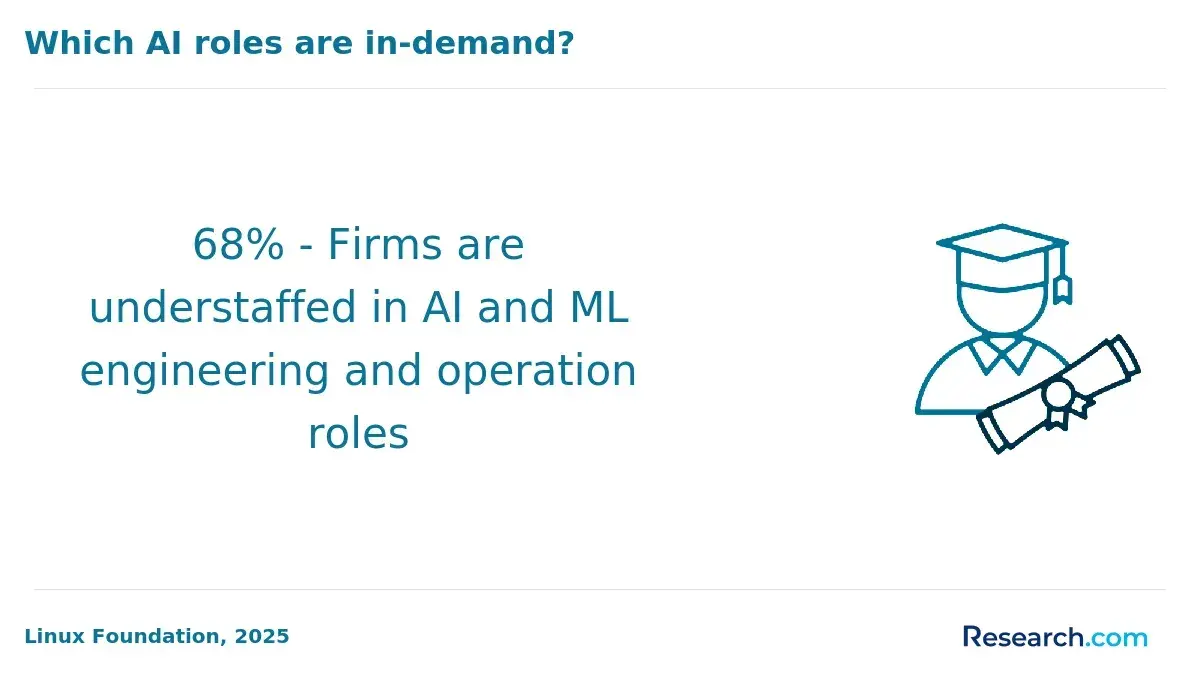
- AI expertise in security roles can boost salaries by up to 35%, reflecting increased demand for professionals skilled in machine learning and automated defense systems.
Advance Your Career with AI Online Courses
Artificial Intelligence: Implications for Business Strategy
This program provides an introduction to Artificial Intelligence and their implications for business strategy. Earn an official digital certificate.

Oxford Artificial Intelligence Programme
Explore this Oxford Artificial Intelligence programme offered in a flexible learning environment and explore topics like machine learning, automation, and robotics.

Implementing Agentic AI: Building Your Organizational Playbook
This online MIT Agentic AI course offers a practical approach to deploying AI agents in your organization, including a custom playbook. 3 weeks, exclusive launch price.

AI Adoption: Driving Business Value and Impact
This online MIT AI Adoption: Driving Business Value and Impact offers practical frameworks to close the gap between AI potential and business reality.

Artificial Intelligence in Pharma and Biotech
Discover the applications and limitations of artificial intelligence in pharma and biotech with this MIT online short course.

What do "AI courses for security leaders" cover, and who are they designed for?
AI cybersecurity training programs for security professionals emphasize integrating artificial intelligence into cybersecurity and risk management strategies. Core topics include threat detection algorithms, automated response systems, and the ethical implications of AI in security. Hands-on learning covers AI-driven anomaly detection, securing AI model development, adversarial AI tactics, and AI governance frameworks.
These advanced artificial intelligence courses for risk management leaders target mid- to senior-level professionals such as Chief Information Security Officers (CISOs), security architects, risk managers, and compliance officers. Participants gain skills to critically evaluate AI technologies, deploy AI-enabled defenses, and oversee AI operations within complex environments.
Curricula also address balancing AI innovation with transparency and trust, including techniques for explainable AI, helping leaders comprehend model decisions and comply with evolving AI ethics and security regulations. Gartner forecasts that by 2026 organizations adopting AI transparency and security measures will experience substantially greater AI integration and user acceptance.
Practical exercises often involve case studies on AI-driven threat intelligence, workshops on machine learning pipeline security, and simulations of AI-powered cyberattack responses. Security leaders learn to integrate AI with existing frameworks while managing AI-specific risks like data poisoning and model manipulation.
Students interested in expanding their expertise may explore data science undergraduate rankings to complement their understanding of these fields.
Advance Your Career with AI Online Courses
Artificial Intelligence: Implications for Business Strategy
This program provides an introduction to Artificial Intelligence and their implications for business strategy. Earn an official digital certificate.
Oxford Artificial Intelligence Programme
Explore this Oxford Artificial Intelligence programme offered in a flexible learning environment and explore topics like machine learning, automation, and robotics.
Implementing Agentic AI: Building Your Organizational Playbook
This online MIT Agentic AI course offers a practical approach to deploying AI agents in your organization, including a custom playbook. 3 weeks, exclusive launch price.
What skills should security leaders gain from the best AI-focused courses?
Security leaders must develop a specialized skill set to effectively manage AI-driven cybersecurity risk management techniques amid increasing threats to complex systems. Expertise in AI algorithms and models helps identify vulnerabilities and detect adversarial manipulations, such as attacks targeting machine learning frameworks. Risk management also extends to AI-specific issues like bias mitigation, model explainability, and ethical AI use.
Proficiency with AI-powered security tools, including automated threat detection and behavioral analytics, is essential for implementing proactive defense strategies. Equally important is knowledge of secure data handling techniques-encryption, anonymization, and secure architecture design-to protect the vast datasets AI systems depend on.
Security leaders must also hone communication and leadership skills tailored to AI projects, enabling collaboration among data scientists, engineers, and legal experts. This role demands translating complex AI concepts into practical security policies and governance frameworks that support regulatory compliance.
Spending on AI-centric systems is projected to reach $516 billion by 2027, with security and risk management growing rapidly. This evolving landscape increases demand for leaders skilled not only in technology but also in managing AI risks effectively. For those exploring paths in AI and engineering fields, programs like the cheapest online civil engineering degree can offer accessible routes to gain foundational skills relevant to AI environments.
Developing these essential skills for security leaders in AI environments positions professionals to address the nuances of cybersecurity in an AI-driven world.
How can security leaders choose reputable, accredited AI programs in the U.S.?
Security leaders identifying accredited AI programs for security professionals in the U.S. must verify institutional accreditation through recognized bodies like the Middle States Commission on Higher Education or the Western Association of Schools and Colleges. Accreditation guarantees curricula that meet rigorous academic and professional standards. Focus on programs specializing in AI security, with coursework in machine learning, cybersecurity, data privacy, and AI risk management.
Top criteria for choosing reputable AI courses for U.S. security leaders include faculty expertise and industry connections; programs led by instructors with real-world AI security experience or tech industry ties offer more relevant knowledge and networking. Executive-style or part-time formats suit working professionals balancing time constraints.
Look for hands-on projects, labs, or corporate partnerships that simulate actual AI security challenges. The best programs include emerging topics such as adversarial AI, AI governance, and AI ethics within security contexts. Prospective students should also consider placement support and alumni success, especially leadership roles and compensation in AI security.
According to Practical DevSecOps, Lead AI Security Architect roles earn $200,000-$280,000+ total compensation, with top firms' packages exceeding $300,000, emphasizing the value of quality AI security education. Programs integrating certifications like CISSP or CISM with AI elements enhance career advancement.
For those exploring advanced cybersecurity education, consider the cheapest online PhD in cyber security as a cost-effective option linked to your AI career goals.
What types of AI education pathways exist for security leaders (certificates, degrees, bootcamps)?
Security leaders seeking AI education pathways for security leaders can choose from certificates, degrees, and bootcamps that cater to different career stages and learning styles. Certificate programs emphasize core skills like AI risk management, governance, and technical fluency. These typically last a few months and focus on practical knowledge such as AI ethics, threat detection, and impacts on security frameworks, offering important credentials without the commitment of a full degree.
Degree programs, including bachelor's and master's degrees in cybersecurity, data science, or AI, deliver a comprehensive mix of theoretical and applied learning. These are suited for professionals aiming to master AI algorithms, data privacy laws, and strategic risk governance. Many universities have incorporated AI governance modules into their cybersecurity curriculum to meet growing multidimensional demands.
Bootcamps and intensive training deliver accelerated learning with hands-on projects like developing AI-driven intrusion detection systems or handling AI compliance risks. These are ideal for rapid skill acquisition driven by organizational needs. The World Economic Forum's Future of Jobs report highlights a significant skills gap: while 75% of organizations plan to adopt AI by 2029, only 41% feel prepared to address cybersecurity and data risks.
For those exploring how to become an AI trainer with no experience, targeted education programs can bridge knowledge gaps effectively and swiftly.
How do online, hybrid, and campus-based AI programs compare for working security professionals?
Online, hybrid, and campus-based ai programs present different advantages for security professionals balancing career growth with work demands. Online programs offer flexibility with self-paced learning and no commuting, ideal for those with dynamic schedules. However, they may lack real-time peer interaction and hands-on network security labs some find critical.
Hybrid formats combine online convenience with occasional in-person sessions, often on weekends or as intensive modules. This approach enables collaboration and access to physical resources like ai hardware or secure labs, benefiting those seeking deeper engagement while continuing full-time work. Hybrid programs typically require a greater time commitment than purely online options.
Campus-based studies immerse learners in a rich environment of real-time problem-solving and networking, often centered on cutting-edge research relevant to cybersecurity and ai governance. These programs are less suitable for many working professionals due to the need for leave or flexible hours.
Executive and short-format programs target experienced leaders aiming for rapid upskilling. Data shows that 82% of participants at MIT Sloan applied ai course concepts to strategic risk and governance within six months, highlighting the value of focused executive education.
Security leaders should consider career demands, available time, and preference for practical case studies and ethics integration when selecting an ai program.
What core topics and tools are included in leading AI courses for security leaders?
Leading ai courses for security leaders integrate core topics essential for managing ai risks and securing ai systems. These programs balance theoretical frameworks with practical applications, covering principles of ai governance, ethical considerations, and risk management methods based on vendor-neutral standards like NIST, ISO, and OWASP AI. Participants gain familiarity with frameworks such as NIST's AI Risk Management Framework (AI RMF) that help organizations implement effective controls.
Security leaders deepen skills in threat modeling and vulnerability assessment tailored to ai-powered systems, addressing unique risks like data poisoning, model inversion, and adversarial attacks. Privacy preservation techniques, including differential privacy and federated learning, support safeguarding sensitive data throughout ai workflows.
Tools central to these courses include ai auditing platforms, automated compliance assessment tools, and ai lifecycle management software. Hands-on experiences often involve real-world ai governance tools for documenting risk controls and tracking ai use cases at an enterprise level. NIST's AI Risk Management Framework adoption survey found organizations training on AI RMF saw a 30% increase in documented risk controls and a 22% reduction in untracked use cases within a year.
Courses also emphasize leadership development-translating technical risk insights into organizational policies through communication strategies that enable collaboration across legal, compliance, and IT teams. Case studies of ai incidents and mitigation highlight practical governance challenges. Together, these comprehensive elements equip security leaders to meet growing ai security governance demands with robust, standardized approaches.
What are typical admission requirements and required backgrounds for AI programs targeting security leaders?
Admission requirements for AI programs aimed at security leaders usually include a strong foundation in computer science, information security, or related technical fields. Candidates should demonstrate proficiency in programming languages like Python or Java, as well as familiarity with cybersecurity principles and network architectures. Many programs also expect prior experience in security operations, IT governance, or risk management to help contextualize AI applications in security roles.
Advanced courses, particularly those addressing AI security specializations such as red teaming or large language model (LLM) security, often require a bachelor's degree in STEM and several years of professional security experience. Relevant skills include threat modeling, penetration testing, and incident response. Certifications such as CISSP or CEH are preferred indicators of security expertise.
Analytical and problem-solving skills are often assessed through entrance exams or interviews to identify candidates capable of managing complex AI threat scenarios. Practical knowledge of machine learning and data analytics is increasingly essential due to rising generative AI security incidents.
Lakera's 2025 AI security trends report reveals a critical skills gap: 61% of organizations using generative AI experienced prompt-injection or model-abuse incidents, yet only 18% had staff formally trained in AI red teaming or LLM security. This highlights the importance of programs offering hands-on labs and real-world case studies to prepare professionals effectively.
How long do these AI programs take, and what tuition, fees, and funding options exist?
AI programs for security leaders vary in length from a few weeks to about a year. Bootcamp-style courses, often lasting 8 to 12 weeks, provide fast, practical skills for professionals juggling current roles. Part-time, online options require a 4-6 month commitment, while specialized certificates and degree programs typically take around one academic year.
Tuition costs differ significantly by program type and institution. Short courses usually range from $2,000 to $7,000, while comprehensive certificates and masterclasses often exceed $10,000. University-affiliated certificates can cost between $8,000 and $15,000, and degree programs often start at $20,000 or more, especially at prestigious universities. Additional fees for materials or technology may add several hundred dollars.
Funding is available through employer sponsorships, especially in regulated industries such as finance and national security, where AI risk expertise is vital. Scholarships, grants, and income share agreements that postpone tuition payments until after securing employment are also options.
A 2024 Deloitte survey found 54% of financial institutions use or test AI in high-risk areas like fraud detection, but only 26% offer formal AI security training. This gap highlights the urgent need for accessible, well-structured education programs with realistic timelines and costs to equip security leaders across industries.
What career outcomes, roles, and leadership opportunities can AI-trained security leaders expect?
AI-trained security leaders commonly progress into advanced roles like AI security architect, threat intelligence lead, or chief information security officer (CISO) with a focus on AI. These professionals are instrumental in developing AI-driven security frameworks that detect and respond to emerging cyber threats. Organizations increasingly require leaders who can integrate AI into DevSecOps pipelines, which allows for automated risk assessment and faster vulnerability response.
Leadership often involves managing teams that merge cybersecurity expertise with data science, ensuring AI ethics compliance, and directing AI-powered security incident response. These roles require strategic decision-making, policy influence, and aligning AI initiatives with organizational risk and regulatory standards. Many AI security leaders also lead innovation labs testing new AI security technologies.
Practical DevSecOps' 2025 salary analysis shows AI-certified security professionals, especially those holding credentials like CAISP, earn 15-20% more than peers with general certifications such as CISSP. This salary boost highlights market demand for advanced skills required to protect AI systems.
Candidates should pursue certifications and training in AI threat modeling, adversarial machine learning, and secure AI system design. Gaining hands-on experience with AI analytics tools, combined with strong leadership and communication skills, improves career prospects in this dynamic field.
What salaries and job outlook can AI-skilled security leaders anticipate in the coming years?
AI-skilled security leaders are in high demand as organizations face increasingly sophisticated AI-generated threats. Salaries for cybersecurity professionals with AI expertise typically range from $110,000 to $180,000 annually, with senior roles often exceeding $200,000 depending on experience and location. This premium reflects the scarcity of candidates qualified to manage complex AI risk environments.
The job outlook is strong across sectors like finance, healthcare, and government due to rapid AI adoption. Professionals skilled in AI-driven anomaly detection or automated response systems are especially sought after. The U.S. Bureau of Labor Statistics projects cybersecurity employment will grow 35% by 2031, with AI skills speeding this expansion.
Hands-on AI experience boosts confidence in managing risks-a key employer priority. A 2024 ISACA survey found 72% of cybersecurity leaders preferred programs with practical labs and real-world AI security scenarios. Graduates from such courses were nearly twice as likely to feel confident handling AI threats, which improves job performance and employability.
Specializing in AI auditing, adversarial machine learning defenses, or AI governance frameworks can help candidates stand out and advance into leadership roles. Combining targeted AI education with practical security applications enhances both marketability and salary potential.
Other Things You Should Know About Artificial Intelligence
Security leaders must understand that ethical considerations in artificial intelligence include fairness, transparency, and accountability. AI systems should avoid bias and ensure decisions are explainable to maintain trust. Additionally, safeguarding privacy and preventing misuse are key ethical priorities in security contexts.
Artificial intelligence enhances cybersecurity by enabling proactive threat detection and automated response to attacks. AI systems analyze large volumes of data faster than humans to identify unusual patterns or vulnerabilities. This shift allows security teams to focus on strategic decisions while AI handles routine monitoring and incident management.
In 2027, artificial intelligence enhances the role of security leaders by improving threat detection, streamlining security operations, and offering predictive analytics. AI tools enable leaders to implement proactive measures, optimizing the allocation of resources and minimizing response times to potential threats.
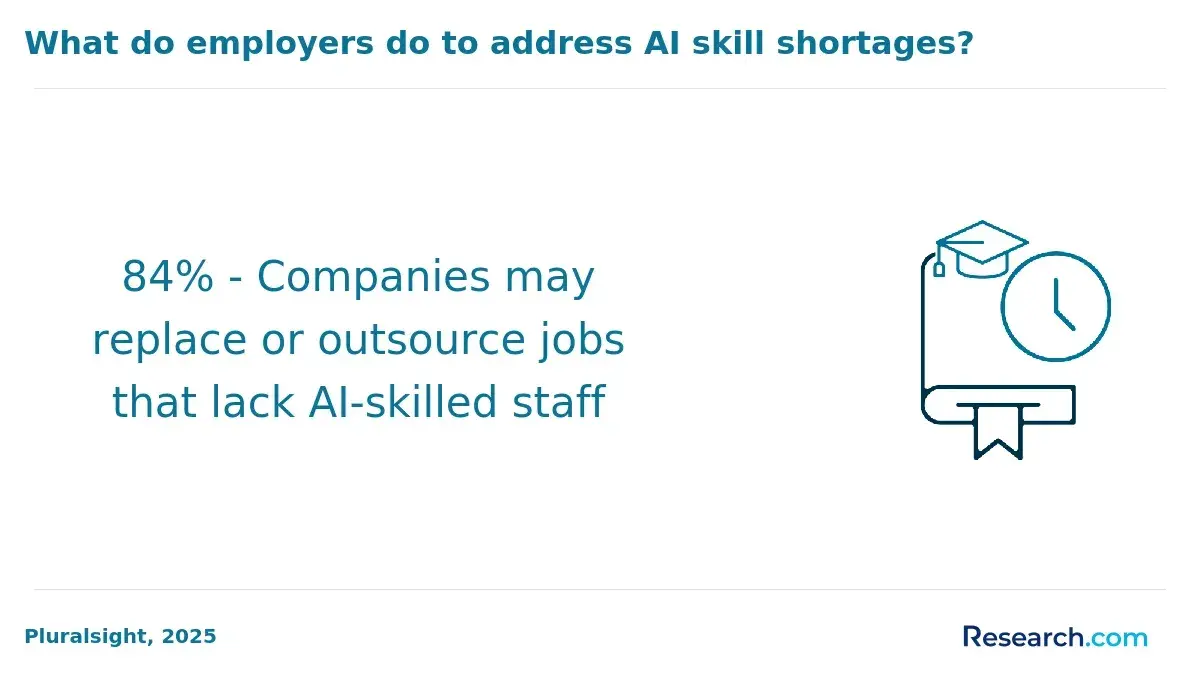
Implementing AI solutions presents challenges like data quality issues, integrating AI with existing security infrastructure, and managing false positives. Security leaders must also address the shortage of skilled AI professionals and ensure ongoing monitoring to adapt to evolving threats. Balancing innovation with regulatory compliance remains a critical concern.
References
- Top 7 Cybersecurity Skills Every Company Must Have in 2024 https://swisscyberinstitute.com/blog/top-7-cybersecurity-skills-every-company-must-have-2024/
- AI Safety Working Group | CSA https://cloudsecurityalliance.org/research/working-groups/ai-safety
- AAISM Certification | ISACA AI Security Management https://www.isaca.org/credentialing/aaism
- AI Security Careers - Plan your Career and Transition in 2025 https://techjacksolutions.com/ai-security-careers-hub/
- Best AI Security Certification in 2026 - Practical DevSecOps https://www.practical-devsecops.com/best-ai-security-certifications-2026/
- Cybersecurity vs Artificial Intelligence: Choosing the Right Career Path https://destcert.com/resources/cybersecurity-vs-artificial-intelligence-career/
- How much does it cost to get a PhD? A clear breakdown https://vinuni.edu.vn/how-much-does-it-cost-to-get-a-phd/
- AI and Cybersecurity Skills That Future-Proof Your Career https://thecanadiancollege.ca/ai-and-cybersecurity-skills-that-future-proof-your-career/
- The Cost Implications of AI in Postsecondary Education | HESA https://higheredstrategy.com/the-cost-implications-of-ai-in-postsecondary-education/
- AI Leadership Career Pathway - AISL Academy https://home.aisl-academy.com/ai-leadership-pathway/