2027 Best AI Agent Courses for Sales Workflow Automation

Co-Founder and Chief Data Scientist
Sales teams often struggle with repetitive tasks that drain time and reduce focus on client engagement. Automating these workflows using AI agents can drastically improve efficiency and accuracy, yet finding the right educational path remains challenging for professionals from unrelated fields. Without targeted training, integrating AI into sales processes risks costly mistakes and missed opportunities. This article explores the best AI agent courses tailored for sales workflow automation, highlighting flexible and accredited options designed to equip learners with practical skills. Readers will gain insights into selecting programs that enable a successful career pivot into the evolving field of Artificial Intelligence-driven sales automation.
Key Things You Should Know
- Sales workflow automation courses using AI agents grew 35% in enrollment in 2025, reflecting rising demand for skills that improve CRM efficiency and lead management.
- Key curricula emphasize integrating AI agents with popular sales platforms, boosting data-driven decision-making by up to 40% in pilot projects across industries.
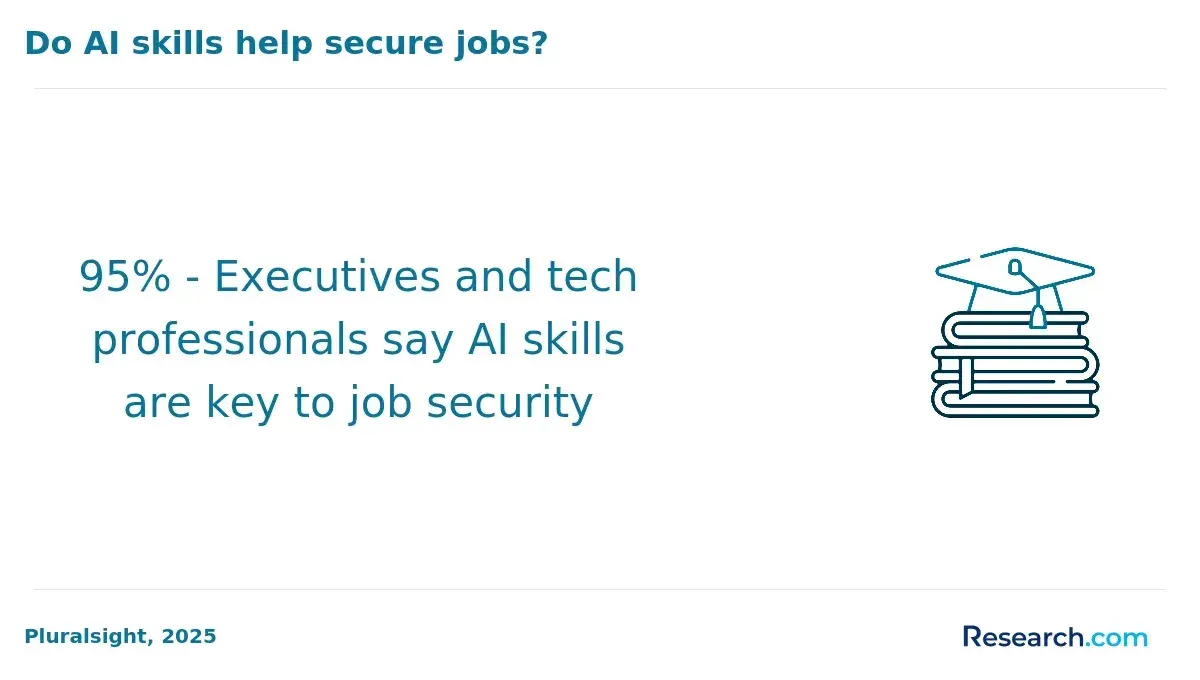
- Certification in AI-driven sales automation increasingly impacts job prospects, with 62% of employers favoring candidates with hands-on agent training in 2026.
Advance Your Career with AI Online Courses
Artificial Intelligence: Implications for Business Strategy
This program provides an introduction to Artificial Intelligence and their implications for business strategy. Earn an official digital certificate.

Oxford Artificial Intelligence Programme
Explore this Oxford Artificial Intelligence programme offered in a flexible learning environment and explore topics like machine learning, automation, and robotics.

Implementing Agentic AI: Building Your Organizational Playbook
This online MIT Agentic AI course offers a practical approach to deploying AI agents in your organization, including a custom playbook. 3 weeks, exclusive launch price.

AI Adoption: Driving Business Value and Impact
This online MIT AI Adoption: Driving Business Value and Impact offers practical frameworks to close the gap between AI potential and business reality.

Artificial Intelligence in Pharma and Biotech
Discover the applications and limitations of artificial intelligence in pharma and biotech with this MIT online short course.

What are the best AI agent courses for sales workflow automation?
Top online AI agent courses for sales automation focus on integrating generative AI tools to enhance lead management, customer engagement, and sales pipeline forecasting. Leading programs from Stanford Online, MIT Professional Education, Coursera, and Udacity emphasize hands-on projects that enable learners to build AI agents automating repetitive tasks and personalizing outreach within CRM platforms like Salesforce and HubSpot.
This training addresses critical challenges in sales workflows, including automating email follow-ups, qualifying leads without manual input, and efficiently generating sales reports. The best AI agent training programs for sales workflow offer modular learning formats suited to working professionals who want to embed AI into existing sales tools seamlessly.
According to McKinsey's global survey on generative AI, sales and marketing teams leveraging gen-AI achieve a median 5-15% revenue increase alongside a 10-20% reduction in time spent on sales activities. Such results highlight the practical benefits emphasized in these courses, which also stress ethical AI use and data privacy considerations.
Course examples include:
- Building AI chatbots for lead qualification
- Implementing machine learning models for sales forecasting
- Designing AI agent workflows to automate proposal generation
Students seeking to boost their career options might also explore degrees in AI, which provide foundational knowledge supporting advanced AI agent development and deployment in sales environments.
Advance Your Career with AI Online Courses
Artificial Intelligence: Implications for Business Strategy
This program provides an introduction to Artificial Intelligence and their implications for business strategy. Earn an official digital certificate.
Oxford Artificial Intelligence Programme
Explore this Oxford Artificial Intelligence programme offered in a flexible learning environment and explore topics like machine learning, automation, and robotics.
Implementing Agentic AI: Building Your Organizational Playbook
This online MIT Agentic AI course offers a practical approach to deploying AI agents in your organization, including a custom playbook. 3 weeks, exclusive launch price.
What skills do AI agent courses teach for sales automation?
AI agent courses designed for sales workflow automation develop AI sales automation skills essential for professionals aiming to create, implement, and manage AI-driven sales processes. These courses focus on designing effective workflows that integrate CRM platforms with AI tools to improve lead scoring, personalized outreach, and follow-up scheduling. Students gain proficiency in data analysis to interpret customer behavior patterns and sales metrics, optimizing automation strategies.
Core topics include natural language processing (NLP) techniques applied to chatbots and virtual assistants that handle customer inquiries and qualify leads autonomously. Sales pipeline automation is emphasized, covering repetitive tasks like data entry, order processing, and reporting. These effective workflows with AI agent training highlight technical skills such as using Salesforce, HubSpot, and AI-powered tools like Zapier or UiPath. Basic coding in Python or JavaScript is often taught to customize AI behaviors, along with API integration to connect diverse sales and marketing systems.
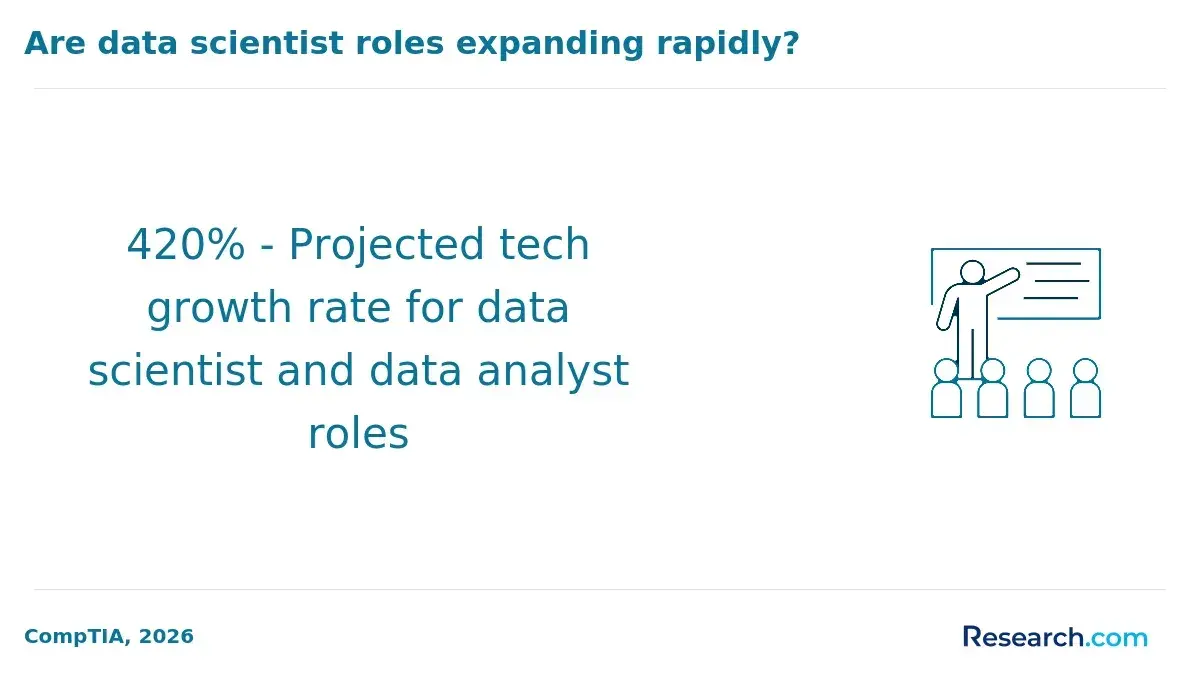
Soft skills development is also key, involving interpreting AI outputs for informed decision-making and ethical considerations in automated communications. Training stresses collaboration between AI agents and human sales teams for hybrid selling models. According to Gartner, by 2026, 65% of B2B sales organizations will shift from intuition-based methods to data-driven, hybrid selling relying heavily on AI and automation.
Professionals interested in further advancing their knowledge can explore an online artificial intelligence degree to deepen expertise in AI sales automation and workflow optimization.
How do online AI agent courses compare with in-person options?
Online AI agent courses offer notable advantages, especially in sales workflow automation training, due to their flexible scheduling. This flexibility is crucial for working professionals, enabling them to build automation skills without interrupting their careers. These online formats often update their content rapidly, keeping pace with the evolving AI landscape and equipping learners with the latest tools and techniques.
In contrast, in-person training provides hands-on mentorship, immediate feedback, and valuable networking opportunities with peers and instructors. This setting suits those who thrive in real-time collaboration and structured environments. However, such programs can be geographically limited and typically come with higher tuition fees reflecting infrastructure and staffing costs. This cost and flexibility comparison of AI agent education formats is a key factor for many students.
Hybrid programs that combine online study with periodic in-person workshops present a practical middle ground. For example, some courses offer online theory complemented by local labs for applying skills practically. This blend helps balance convenience with direct engagement.
Career prospects highlight the value of quality instruction: WBS Coding School's 2026 data shows junior AI automation specialists in Germany earning €48,000 to €60,000 annually, with freelancers earning more. U.S. learners can similarly advance by coupling education with real-world projects. Those interested may also explore online data science masters to deepen their expertise in related fields.
What prerequisites do AI agent courses usually require?
AI agent course prerequisites for sales workflow automation usually include foundational programming knowledge, data handling, and basic machine learning concepts. Students are often expected to have experience with at least one programming language, such as Python or JavaScript, which are essential for AI model integration and workflow scripting. Practical understanding of sales workflows and customer relationship management (CRM) software like Salesforce or HubSpot supports successful automation of tasks such as lead scoring and personalized outreach.
Essential skills needed for AI agent sales automation courses often include:
- Basic programming skills in Python or a similar language
- Familiarity with databases and APIs for connecting AI agents to sales platforms
- Introductory knowledge of machine learning principles and data analytics
- Understanding sales workflows and CRM tools
Advanced courses may require experience with natural language processing (NLP) or robotic process automation (RPA) to develop AI agents capable of more autonomous functions. Knowledge of cloud platforms like AWS, Azure, or Google Cloud can also be necessary to deploy sales automation agents effectively at scale.
These prerequisites ensure organizations benefit from AI agents, with reports showing up to a 30% increase in sales productivity and a 20% boost in lead conversion rates. Prospective students should assess their readiness against these skills and consider supplementary learning. For veterans or others interested in expanding their technical expertise, resources like electrical engineering degree online for veterans can offer additional education pathways related to technology and automation.
What should an AI agent sales automation curriculum include?
An AI agent sales automation curriculum must equip students with both technical expertise and practical skills to address real-world sales challenges. Key areas include machine learning fundamentals, natural language processing, and chatbot development focused on sales scenarios. Emphasis is placed on designing AI agents capable of qualifying leads, scheduling follow-ups, and personalizing customer interactions.
Training should also cover CRM integration techniques for smooth data exchange with major platforms like Salesforce and HubSpot. Workflow automation tools are integral to reducing manual tasks and enhancing sales efficiency.
Data analysis modules teach how to interpret sales metrics for predictive analytics, discover patterns, and optimize pipelines. Practical case studies using industry data enable learners to apply concepts effectively.
Ethics and regulatory compliance are equally important, with coverage of GDPR, CCPA, transparency, and bias mitigation to ensure responsible AI use.
Given that about 70% of organizations leveraging generative AI have implemented it in sales or marketing, curricula need to incorporate modern generative AI tools such as conversational agents and content generators.
Soft skills like change management and cross-functional collaboration support successful AI adoption in commercial teams. Hands-on projects and simulations further prepare students for enterprise deployment challenges.
How long do AI agent courses take to complete?
AI agent courses in sales workflow automation vary widely in length, typically from a few hours to several weeks. Introductory programs often span 4 to 8 hours, delivering foundational knowledge on how artificial intelligence applies to sales processes. More in-depth courses, which include hands-on projects and certifications, can last 4 to 6 weeks or longer and delve deeper into automation tools, integration strategies, and managing real-world sales data.
Many professionals choose short modular courses focused on CRM automation or AI chatbots, which can be completed in less than a day and sharpen specific skills efficiently. Conversely, comprehensive certification programs require a part-time commitment of 10-15 hours weekly over multiple weeks and teach advanced AI agent deployment and workflow optimization techniques.
When selecting a course, consider your experience level and career objectives. Beginners benefit from extended coursework that builds both technical and strategic expertise, while experienced sales managers often prefer concise, targeted training. Practical exercises or case studies are critical components that improve learning retention and real-world application.
Businesses implementing AI-driven sales automation report up to 40% reduction in manual administrative tasks for sales representatives, according to Automation Anywhere. Aligning course duration with career goals and desired impact on workflow efficiency can lead to measurable gains in productivity and sales capacity.
How much do AI agent courses for sales automation cost?
The cost of AI agent courses for sales automation varies significantly based on program format, depth, and location. European bootcamps focused on AI automation typically range between €7,500 and €9,800, with many being fully fundable through government upskilling vouchers. This funding strongly benefits U.S. professionals exploring comparable options domestically, where prices can be similar or higher.
Online AI courses and certifications from recognized platforms often cost from a few hundred to several thousand dollars. For example, introductory courses teaching AI integration with CRM systems usually range from $500 to $1,500. More comprehensive certifications that cover workflow automation and AI-driven analytics can exceed $3,000.
Immersive bootcamps offer accelerated learning and practical skills for sales automation but carry a premium price tag. Prospective students should consider funding options such as government subsidies, employer tuition reimbursement, or scholarships, which are increasingly available in AI-related fields.
- Cost correlates with training depth and credential value
- Government vouchers improve affordability, especially in Europe
- Comparing curricula and job placement rates is critical before investing
U.S. learners can benefit by evaluating both local and international courses. WBS Coding School's research highlights how funding accessibility can make premium European bootcamps competitively priced compared to U.S. alternatives, enhancing return on investment.
Which certifications help with AI sales workflow automation careers?
Certifications that effectively advance careers in AI sales workflow automation emphasize practical skills in AI integration, data analysis, and sales technology tools. Programs like Coursera's "AI agents and creator tools for sales professionals" focus on project-based learning, which leads to direct workplace application. Coursera's report highlights that learners completing all course projects are 2.3 times more likely to apply AI to key sales tasks such as prospecting, outreach, and follow-up within three months compared to partial completers.
Valuable certifications often cover automation platforms including Salesforce Einstein, HubSpot's AI tools, and Microsoft Dynamics 365 AI. These equip sales professionals to improve lead scoring, personalize customer interactions, and optimize workflows. Foundational courses such as IBM's Applied AI Professional Certificate or Google's Machine Learning Crash Course provide crucial knowledge for customizing AI within sales environments.
Choosing programs addressing real-world challenges-like automating routine tasks and interpreting AI insights for pipeline management-is essential. Validation through recognized certifications signals competence to employers and enhances practical skills, especially when integrated with popular CRM systems.
Top certifications blend AI fundamentals with sales-specific automation and project tasks, enabling measurable impact on sales efficiency and customer engagement. Prospective learners should prioritize credentials offering applied learning to meet industry demands for skilled AI sales automation professionals.
What jobs can you get after AI agent sales training?
Completing AI agent sales training opens pathways to specialized roles that optimize and automate sales workflows. Key positions include AI sales automation specialists, who design and deploy tools to streamline lead qualification and pricing proposals, and sales operations analysts who use data-driven automation to improve pipeline management and forecasting. AI-driven customer success managers also play a vital role by employing automated follow-ups and personalized outreach to enhance client retention.
Graduates may also work as sales technology consultants, advising companies on integrating AI to speed up sales cycles. Some professionals transition into AI product manager roles, overseeing the development of sales automation software customized to market needs. Additionally, business analysts with AI training can identify automation opportunities within existing sales processes.
Industry case studies, such as those from Automation Anywhere, show that building AI sales automations in areas like lead qualification and follow-ups can accelerate sales cycles by up to 25%. Employers prioritize candidates who understand full-cycle automation benefits and can implement diverse AI-driven solutions across complex sales environments.
Hands-on experience with workflow automation tools and CRM integration is essential. Demonstrated ability to measure AI impact on sales metrics further distinguishes job candidates, making AI agent sales training a strategic step for career advancement in the evolving sales technology landscape.
How do you choose a reputable AI agent course?
When selecting a reputable AI agent course, prioritize providers with strong credentials such as accredited universities, established online platforms, or recognized tech companies. Courses supported by industry leaders often feature updated content that aligns with current AI technologies used in sales automation, including natural language processing, predictive analytics, and CRM system integration.
Instructor expertise is critical; look for professionals with hands-on experience in AI-driven sales environments. Courses with case studies or projects simulating real-world sales scenarios help develop practical skills effectively.
Consider the quality of student outcomes and reviews. Authentic testimonials and data on employment or productivity improvements post-course demonstrate a program's value. Gartner forecasts that by 2028, AI agents will be integrated into 75% of B2B sales tech stacks, and sales professionals using these tools will achieve at least 10% higher quota attainment than those who do not.
Ongoing support and course updates matter, as AI sales technologies evolve rapidly. Programs offering forums, mentorship, or updated content add long-term value. Lastly, verify that the course provides certifications recognized by employers in AI and sales automation sectors to enhance career opportunities.
Other Things You Should Know About Artificial Intelligence
One common challenge is integrating AI tools with existing sales platforms and CRMs, which can require significant technical expertise. Data quality and availability also affect AI performance, as inaccurate or incomplete data leads to suboptimal automation outcomes. Additionally, securing buy-in from sales teams is critical since workflows often change, requiring adaptation and training.
AI agents can handle repetitive and data-driven sales tasks such as lead scoring, follow-ups, and personalized messaging but cannot fully replace human sales representatives. Complex negotiations, relationship-building, and nuanced decision-making still require human skills. AI is best used to enhance and support human efforts, not to substitute them entirely.
Future trends include increased use of natural language processing to enhance conversational AI agents and more advanced predictive analytics to anticipate customer needs. Integration of AI with other emerging technologies like augmented reality and blockchain is also anticipated to create more immersive and secure sales processes. Continuous improvement in AI explainability will help users trust automated decisions.
References
- Best AI courses for sales professionals in 2026 https://www.upskillist.com/blog/best-ai-courses-for-sales-professionals/
- 40 AI Agent Development Female Job Vacancies in Sales https://internshala.com/jobs-for-women/ai-agent-development-jobs-in-sales/
- Agentic AI https://www.deeplearning.ai/courses/agentic-ai
- Introduction to Agentic AI https://cognitiveclass.ai/courses/introduction-to-agentic-ai
- Top Tips for How to Break into AI Sales https://www.pipedrive.com/en/blog/how-to-break-into-ai-sales
- AI Agents and Automation Course | CIM https://www.cim.co.uk/learn-develop/training-development/training-courses/ai-agents-and-automation/
- How much does an AI agent cost? Your guide to 2026 https://www.bakedwith.com/en/blog/how-much-does-an-ai-agent-cost
- AI Agent Course: Free Online Training https://www.salesforce.com/uk/agentforce/ai-agent-course/
- Best AI Automation Courses 2026 | WBS CODING SCHOOL https://www.wbscodingschool.com/blog/best-ai-automation-course/
- Sales Automation. Cloud Based CRM System. Online Sales Management Software https://www.kommo.com/blog/ai-sales-agent/