2027 Best AI Courses for Legal Operations Teams

Co-Founder and Chief Data Scientist
Legal operations teams face increasing pressure to integrate advanced technologies for efficient contract analysis, risk management, and compliance monitoring. Many professionals lack targeted training to leverage artificial intelligence tools effectively, limiting their ability to streamline workflows and improve decision-making. This skills gap can delay digital transformation initiatives and reduce competitive advantage.
The article identifies top courses designed to equip legal operations teams with practical AI expertise. It details flexible, accredited programs that enable those from unrelated fields to build competence and lead AI-driven improvements in legal environments.
Key Things You Should Know
- AI courses for legal operations in 2026 emphasize practical skills in automation and data analytics, addressing a 40% increase in AI tool adoption by U.S. law firms since 2024.
- Most top programs offer interdisciplinary curricula combining AI ethics, legal tech, and project management, reflecting growing regulatory and compliance demands on legal teams.
- Completion of these courses correlates with a 25% higher employment rate in legal operations roles, highlighting their value for career advancement.
Advance Your Career with AI Online Courses
Artificial Intelligence: Implications for Business Strategy
This program provides an introduction to Artificial Intelligence and their implications for business strategy. Earn an official digital certificate.

Oxford Artificial Intelligence Programme
Explore this Oxford Artificial Intelligence programme offered in a flexible learning environment and explore topics like machine learning, automation, and robotics.

Implementing Agentic AI: Building Your Organizational Playbook
This online MIT Agentic AI course offers a practical approach to deploying AI agents in your organization, including a custom playbook. 3 weeks, exclusive launch price.

AI Adoption: Driving Business Value and Impact
This online MIT AI Adoption: Driving Business Value and Impact offers practical frameworks to close the gap between AI potential and business reality.

Artificial Intelligence in Pharma and Biotech
Discover the applications and limitations of artificial intelligence in pharma and biotech with this MIT online short course.

What are AI courses for legal operations teams and who should take them?
AI courses designed specifically for legal operations teams focus on applying artificial intelligence technologies to enhance legal department functions. These training programs on legal operations and artificial intelligence integration cover areas such as AI-driven contract analysis, e-discovery automation, legal research improvements, and workflow optimization using AI tools.
Participants typically include legal project managers, compliance officers, paralegals, in-house counsel, and IT professionals supporting legal teams. These courses offer hands-on training with generative AI models, natural language processing tools, and AI-powered contract management platforms. Such skills enable teams to tackle challenges like document review bottlenecks, risk detection, and regulatory compliance more efficiently.
A 2024 Gartner survey found 61% of corporate legal departments are already using or piloting generative AI tools, with 85% expecting AI to be embedded in most legal workflows by 2027. This underscores the critical need for legal operators to acquire AI capabilities to stay relevant and drive operational efficiency.
Those seeking to transform legal workflows, enhance accuracy, and reduce costs will benefit most from courses emphasizing practical case studies and tool demonstrations. Professionals interested in advancing their careers through an artificial intelligence degree will find these courses provide a relevant foundation for adopting AI in legal contexts.
Advance Your Career with AI Online Courses
Artificial Intelligence: Implications for Business Strategy
This program provides an introduction to Artificial Intelligence and their implications for business strategy. Earn an official digital certificate.
Oxford Artificial Intelligence Programme
Explore this Oxford Artificial Intelligence programme offered in a flexible learning environment and explore topics like machine learning, automation, and robotics.
Implementing Agentic AI: Building Your Organizational Playbook
This online MIT Agentic AI course offers a practical approach to deploying AI agents in your organization, including a custom playbook. 3 weeks, exclusive launch price.
How can AI training improve efficiency, risk management, and cost control in legal operations?
AI training significantly improves legal operations efficiency by streamlining workflows, enhancing risk assessment, and reducing costs. Legal teams skilled in AI tools can automate tasks such as document review, contract analysis, and compliance checks, accelerating processing speeds by up to 40%. This boost in productivity allows staff to concentrate on higher-value activities, creating tangible operational gains.
Incorporating AI's predictive analytics supports proactive risk management, a crucial aspect of cost control and risk management with AI in legal teams. For instance, trained professionals can use AI models to detect problematic contract clauses early, enabling renegotiation before disputes escalate.
Cost savings also arise from reducing manual labor and lessening dependence on outside counsel. AI-driven resource allocation and budgeting tools empower teams to forecast expenses more precisely, minimizing budget overruns and supporting better financial planning. The rising demand for AI talent in legal operations is evident; job postings requiring AI skills grew 73% versus just 18% for general legal roles.
Key practical skills include mastering contract lifecycle management, e-discovery, and compliance monitoring platforms, often supported by natural language processing to speed up information extraction and lower errors. Prospective students and professionals interested in enhancing their career with AI can explore affordable education options like the cheapest online master's in artificial intelligence to build these in-demand capabilities.
What types of AI courses are best for in-house legal operations professionals?
Legal operations teams gain the most from AI courses for legal operations teams that combine technical expertise with practical legal applications. Specialized training in AI-powered contract analytics, e-discovery automation, and legal workflow optimization equips professionals to manage legal tech tools more effectively. These courses focus on implementing AI solutions that reduce manual work and boost accuracy in document review, risk assessment, and compliance monitoring.
The best artificial intelligence training for in-house legal professionals also includes foundational courses on machine learning, natural language processing (NLP), and data management. This technical knowledge enables legal ops teams to work closely with data scientists and IT departments, ensuring AI tools are tailored to their organization's specific needs and seamlessly integrated into existing systems.
AI ethics, governance, and regulatory compliance training is equally important, addressing critical issues like data privacy, algorithmic bias, and adherence to legal standards. These topics are essential for law departments adopting AI responsibly.
Hands-on, case-based learning enhances understanding by simulating real-world legal challenges. According to a Thomson Reuters Institute report, law departments engaging in structured AI training achieved a median 17% reduction in external counsel spend within 12 months, underscoring AI's cost-saving potential.
Those looking to advance this expertise may consider pursuing a master of data science online to deepen their skills in AI and data analysis relevant to legal operations.
What skills and prerequisites are needed before enrolling in AI courses for legal ops?
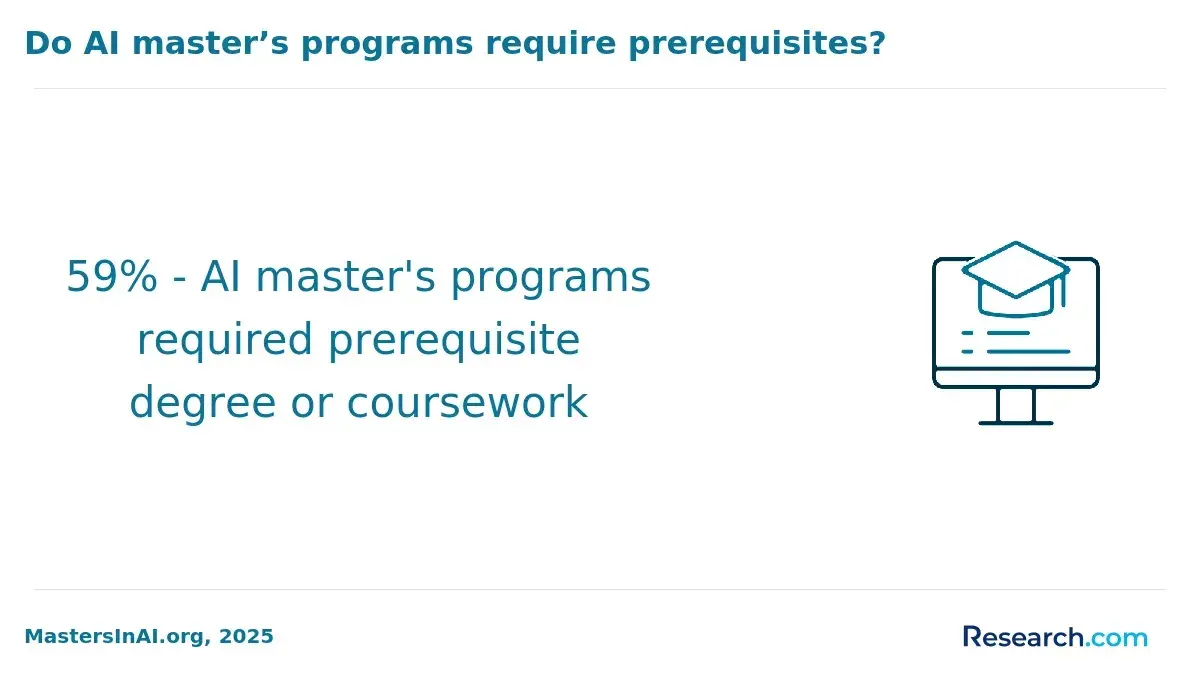
Candidates looking to enroll in legal ops artificial intelligence courses should have a solid foundation in legal processes and technology basics. Key prerequisites include familiarity with contract management, e-discovery, compliance workflows, and document review procedures. Proficiency in data analysis tools, spreadsheets, and introductory automation software is often required to engage effectively with AI in legal contexts. These AI skills required for legal operations professionals ensure smoother adoption and implementation.
Technical competencies such as knowledge of databases, basic programming logic like Python or SQL, and awareness of natural language processing concepts increase a learner's capability to work with AI-driven legal tools. Additionally, understanding privacy laws and ethical issues is crucial for deploying AI in regulated environments.
Practical experience managing legal projects, budgets, or vendor relationships helps contextualize AI solutions' value. Legal teams frequently ask how to select the right AI tools and measure their return on investment in workflows. Critical thinking and aligning with business goals are vital skills for interpreting AI outputs. The Corporate Legal Operations Consortium reports that departments investing a dedicated portion of their budgets in technology and AI upskilling allocate about 3.2% to training, often with case studies and scenario-based exercises addressing real legal data challenges.
When reviewing prerequisites for enrolling in legal ops artificial intelligence courses, prospective students should ensure programs cover vendor management, data security protocols, and change management frameworks. These prepare professionals to lead AI adoption while minimizing legal risks. For more insight into AI careers, see what does an AI trainer do.
How do online, hybrid, and on-campus AI programs for legal operations compare?
Choosing between online, hybrid, and on-campus programs in artificial intelligence for legal operations depends on priorities like flexibility, interaction, and practical experience. Online programs are highly accessible and designed for working professionals, offering asynchronous study options that help balance job demands while quickly integrating AI tools such as eDiscovery platforms into daily work without geographic or schedule constraints.
Hybrid programs blend online learning with in-person sessions, providing networking and hands-on workshops that enhance skills in areas like AI-powered contract analytics or document review. This format suits those needing both flexibility and interactive, experiential learning.
On-campus programs deliver a highly immersive experience with direct faculty access and peer collaboration. They benefit early-career professionals seeking deep training in AI applications for legal operations, including advanced data science techniques. Campus settings often grant immediate use of institutional legal technology resources and real-life case studies for comprehensive understanding.
According to an IDC 2024 study, organizations training legal staff on AI-powered review tools achieve a 44% reduction in first-level document review hours. This highlights the value of structured AI education in legal workflows.
Prospective students should weigh their career stage, learning preferences, and availability. Hybrid and on-campus programs promote interactive mastery of complex AI concepts, while online options focus on convenience and scalability.
What core topics and tools do top AI courses for legal operations typically cover?
Top courses in AI for legal operations focus on practical skills that help professionals streamline workflows, manage risks, and improve decision-making. Key areas include contract lifecycle management (CLM) automation, where learners apply AI-driven tools to enhance contract drafting, review, and approval processes. Using natural language processing (NLP) models, students analyze contract clauses to identify risks and propose negotiation strategies.
Data analytics and visualization are also central, enabling legal teams to track compliance, forecast outcomes, and interpret trends effectively. Training typically covers proficiency with leading platforms such as Kira Systems and Luminance, which automate tasks like due diligence and regulatory review, increasing accuracy and efficiency.
Strategic AI implementation is another vital topic. It teaches how to assess workflows, select appropriate AI tools, and guide legal departments through technological change. Contract automation training, supported by a 2024 World Commerce & Contracting survey, shows a 32% reduction in contract cycle times and a 21% boost in negotiated value when combined with CLM technology.
Risk management and ethical considerations surrounding AI use are included to prepare professionals for compliance and data privacy challenges. Some programs offer coding basics or AI customization skills, providing hands-on ability to adapt AI solutions for specific legal needs.
How long do AI courses for legal operations take, and what do they cost?
AI courses in legal operations range from brief workshops to in-depth certificate programs, catering to different professional needs. Short sessions lasting 4 to 12 hours focus on practical skills like contract analysis or document review automation, ideal for quick upskilling. More comprehensive programs typically extend over 6 to 12 weeks, covering areas such as AI workflow integration, data privacy, and strategic applications designed for legal teams.
Costs vary significantly: entry-level courses may be free or cost up to $300, while advanced certificates often range from $1,000 to $4,000. These programs usually offer mentoring and recognized credentials, with many employers subsidizing these investments to meet growing demand for AI proficiency.
Learning paths vary by role - legal operations managers might emphasize AI strategy and vendor evaluation, whereas paralegals focus more on tool utilization and data management. This customization supports effective workflow integration, aligning with the 73% of legal professionals who view generative AI as essential within three years.
Reported benefits include up to a 30% reduction in routine legal research time, demonstrating strong ROI. Key factors when choosing courses are instructor expertise, practical exercises, alignment with current legal tech trends, and flexible delivery options like asynchronous learning to suit busy schedules.
How can legal operations teams evaluate accredited, reputable AI programs and providers?
Legal operations teams must critically evaluate AI programs and providers by verifying accreditation from recognized educational institutions or legal and technology industry bodies. Such endorsements confirm program quality and curriculum rigor.
Course content should align with current legal operations challenges, emphasizing AI governance, data privacy, and compliance frameworks. Effective programs include modules on AI-driven contract analysis, regulatory risk management, and automation of compliance tasks.
Hands-on learning through case studies, simulations, and projects is essential to deepen practical understanding and validate provider competence. Faculty credentials matter-look for instructors with expertise bridging legal knowledge and AI technologies.
According to the IAPP and FTI Consulting's Privacy and Data Governance survey, 64% of organizations deploying AI in legal workflows have introduced new roles or training focused on AI governance and privacy risk management. This highlights the value of programs covering governance and privacy risk comprehensively.
- Is the program certified or recognized by legal or AI governing bodies?
- Does the curriculum address privacy laws like GDPR or CCPA in relation to AI?
- Are there hands-on components that simulate real-world legal operations scenarios?
- How current is the content concerning evolving AI regulations?
- What measurable career outcomes or support does the provider offer?
Cost comparisons should factor in the depth of instruction and support services. Some programs offer continuing education credits and integration with professional certifications, valuable for career growth in legal AI roles.
What career paths, roles, and salaries can AI-literate legal operations professionals expect?
Legal operations professionals skilled in artificial intelligence hold diverse roles such as legal operations manager, AI compliance specialist, contract analyst, and legal technologist. These positions harness AI-driven automation and analytics to boost efficiency and cut costs within legal departments.
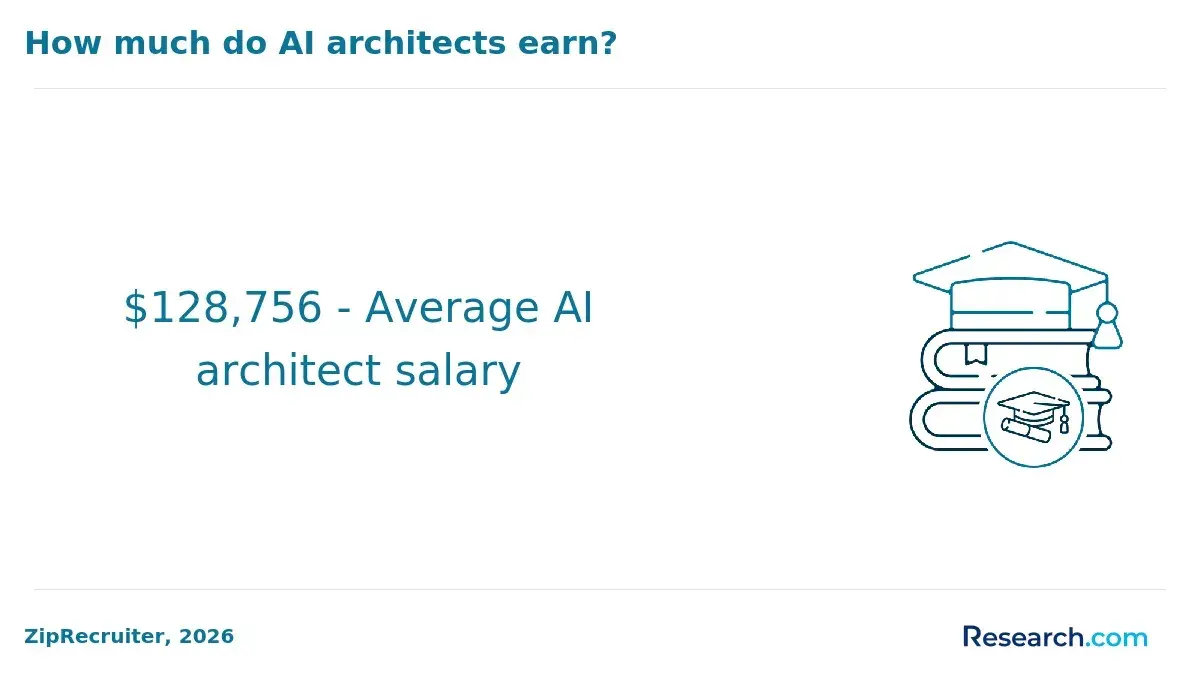
Salaries vary based on experience: entry-level roles start near $75,000 annually, mid-career professionals earn between $100,000 and $140,000, and senior experts or directors can surpass $160,000. Key responsibilities include optimizing workflows using no-code AI tools that expedite document review and legal research. A 2025 Itern.al analysis showed that legal teams trained on these no-code platforms achieved a 40% faster document review cycle and reduced legal research time by 50%, typically recovering ROI in 2-3 weeks.
Legal operations managers with AI skills often lead cross-functional teams and manage digital transformation projects. AI compliance specialists focus on regulatory adherence and ethical AI use, addressing growing privacy concerns. Contract analysts leverage AI to rapidly extract and analyze contract data, enhancing negotiation and risk assessment efforts.
Technical proficiency combined with legal knowledge is essential, including skills in data analytics, AI tool management, and project coordination. Practical experience with AI-driven legal software also strengthens career prospects.
Certifications and targeted training in AI applications for legal contexts improve competitiveness for both graduates and working professionals, emphasizing roles that reduce cycle times or compliance risks to demonstrate clear employer value.
Are there industry certifications or credentials in AI for legal operations, and are they worthwhile?
Certifications focusing on artificial intelligence in legal operations are becoming more prevalent but have yet to reach a universal standard. Various organizations provide specialized credentials that connect legal expertise with AI technology, covering areas such as AI-driven contract analysis, e-discovery automation, and risk management applications. These programs are designed to equip legal professionals with practical skills that enhance workflow efficiency and reduce manual processing.
Professionals who complete structured AI-for-legal courses have reported significant productivity improvements and higher adoption rates of AI tools within their teams, according to a 2025 market comparison by CompleteAI Training. This data highlights the real-world benefits of targeted AI education tailored to legal operations.
When evaluating certifications, legal operations teams should consider curriculum relevance, hands-on learning, and how well the program aligns with their AI strategy. Some credentials emphasize strategic planning and change management, while others focus on technical skills like coding and data analysis for compliance purposes.
- Certified Legal Operations Professional (CLOP) programs often include AI skills modules.
- Vendor certifications from AI software providers like Kira Systems or Luminance validate proficiency in specific platforms.
- University-affiliated micro-credentials offer broader AI literacy geared toward legal professionals.
Selecting certifications that blend legal operations knowledge with AI tool proficiency can lead to measurable productivity gains and are strategic for those pursuing leadership roles in technology-driven legal teams.
Other Things You Should Know About Artificial Intelligence
In 2027, top AI courses for legal operations teams include "AI for Legal Professionals" by Coursera, focusing on practical applications in legal contexts, and "AI in Legal Tech" by edX, which offers insights into the latest AI tools for contract management and compliance. These courses equip teams with the skills needed to harness AI in the legal industry effectively.
AI can augment but not replace human judgment in legal decision-making. While AI excels at processing large data sets and identifying patterns, it lacks the contextual understanding, ethical reasoning, and empathy necessary for nuanced legal decisions. Human oversight remains essential to validate AI-generated insights and apply them appropriately within legal frameworks.
AI streamlines contract management by automating tasks such as contract creation, review, and risk analysis. Natural language processing (NLP) enables AI to extract key clauses, flag unusual terms, and ensure compliance with company policies. This reduces turnaround time, minimizes errors, and enhances the efficiency of legal teams handling large volumes of contracts.
Legal operations professionals should cultivate critical thinking and data literacy to interpret AI outputs and make informed decisions. Strong communication skills are vital to collaborate with technical teams and explain AI findings to stakeholders. Understanding ethical considerations and maintaining a client-centric approach are also important to responsibly integrate AI in legal workflows.
References
- Is an Artificial Intelligence Certification Valuable For My Career? https://www.utsa.edu/pace/news/artificial-intelligence-certification-valuable-for-my-career.html
- AI, Legal Technology and Operations https://www.law-school.de/international/education/bucerius-summer-programs/legal-technology-and-operations
- Legal Operations Jobs: Exploring Careers | The Colleges of Law https://www.collegesoflaw.edu/blog/2023/11/30/legal-operations-jobs/
- 5 Brilliant AI Legal Operations Tools for 2022 https://blog.lexcheck.com/5-brilliant-ai-legal-operations-tools-for-2021-lc
- Impact of AI for Legal Ops: Types, Benefits & Risks - Sirion https://www.sirion.ai/library/contract-management/impact-ai-legal-ops/
- Generative AI for Legal Teams: How Small Departments Close the Capability Gap - Onit https://www.onit.com/blog/generative-ai-legal-teams/
- AI in Legal Operations: The 2026 Five-Layer Playbook â GC AI https://gc.ai/blog/ai-in-legal-operations
- 11 Best AI Certifications in 2025 to Deepen Your Technical Knowledge | DigitalOcean https://www.digitalocean.com/resources/articles/ai-certifications
- How legal teams can evaluate AI sources for trustworthiness https://www.glean.com/perspectives/how-legal-teams-can-evaluate-ai-sources-for-trustworthiness
- AI Prerequisites: What to Learn Before AI https://blog.nobledesktop.com/learn/ai/ai-prerequisites
- MastersInAI.org. (2025). 2025 AI Degree Report: The Landscape of AI Degrees in the United States. https://www.mastersinai.org/ai-degree-report