2027 Best AI Agent Courses for Support Operations Managers

Co-Founder and Chief Data Scientist
Support operations managers often struggle to integrate effective AI agents into their workflows due to rapidly evolving technologies and unclear training pathways. This knowledge gap can delay digital transformation and impact service quality. Identifying accredited, flexible courses tailored for managers without prior technical expertise remains a challenge. These courses are essential for gaining practical skills to optimize support systems using AI agents.
This article highlights top programs designed to equip professionals with the necessary tools to implement AI-driven solutions efficiently, enabling seamless career transitions and enhanced operational outcomes.
Key Things You Should Know
- AI agent courses for support operations managers prioritize practical skills in automating customer service workflows, improving response times by up to 40% according to 2025 industry studies.
- Most 2026 programs emphasize integrating AI tools with CRM software, reflecting a 35% annual growth in demand for professionals capable of managing these hybrid systems.
- Courses increasingly cover ethical considerations and data privacy, addressing regulatory changes that impact AI deployment in customer support environments across the U.S.
Advance Your Career with AI Online Courses
Artificial Intelligence: Implications for Business Strategy
This program provides an introduction to Artificial Intelligence and their implications for business strategy. Earn an official digital certificate.

Oxford Artificial Intelligence Programme
Explore this Oxford Artificial Intelligence programme offered in a flexible learning environment and explore topics like machine learning, automation, and robotics.

Implementing Agentic AI: Building Your Organizational Playbook
This online MIT Agentic AI course offers a practical approach to deploying AI agents in your organization, including a custom playbook. 3 weeks, exclusive launch price.

AI Adoption: Driving Business Value and Impact
This online MIT AI Adoption: Driving Business Value and Impact offers practical frameworks to close the gap between AI potential and business reality.

Artificial Intelligence in Pharma and Biotech
Discover the applications and limitations of artificial intelligence in pharma and biotech with this MIT online short course.

What are AI agent courses for support operations managers and who should take them?
AI agent training programs for support operations managers equip professionals with the skills to design, implement, and oversee AI-driven tools that enhance customer service workflows. Core topics include chatbot integration, automation of routine inquiries, AI analytics for continuous improvement, and balancing human-AI collaboration. These programs enable managers to reduce response times, boost customer satisfaction, and cut operational costs effectively.
Support operations managers, team leaders, and customer experience (CX) directors benefit greatly from the best AI courses for customer support team leaders to stay competitive in an evolving service landscape. Transitioning professionals from traditional contact center roles and those tasked with technology adoption strategies in support departments will find these courses invaluable for leadership in AI-empowered systems.
Key skills gained involve configuring AI tools for tier-one support, interpreting AI-generated data to spot service gaps, and creating escalation protocols that blend automation with human oversight. For instance, managers might deploy AI chatbots resolving up to 40% of inquiries automatically, allowing human agents to focus on more complex issues. Mastery of change management techniques ensures smooth AI integration and fosters employee acceptance.
According to Deloitte's Global Contact Center Survey, support leaders implementing AI agents and automation are 2.2 times more likely to exceed customer experience goals. For professionals aiming to advance their careers, pairing AI agent training with a computer science degree accelerated program can provide a robust technical foundation and leadership edge.
Advance Your Career with AI Online Courses
Artificial Intelligence: Implications for Business Strategy
This program provides an introduction to Artificial Intelligence and their implications for business strategy. Earn an official digital certificate.
Oxford Artificial Intelligence Programme
Explore this Oxford Artificial Intelligence programme offered in a flexible learning environment and explore topics like machine learning, automation, and robotics.
Implementing Agentic AI: Building Your Organizational Playbook
This online MIT Agentic AI course offers a practical approach to deploying AI agents in your organization, including a custom playbook. 3 weeks, exclusive launch price.
How can AI agent training improve support operations management and team performance?
AI agent training enhances support operations management by providing managers with skills to deploy and optimize intelligent automation tools that streamline workflows. Leveraging artificial intelligence training to boost team performance in support management allows teams to balance human judgment with automated insights, reducing repetitive tasks and improving efficiency. For instance, teams trained in AI chatbot use can manage higher ticket volumes without increasing headcount, directly impacting cost savings.
Managers learn to analyze AI performance metrics, adjust strategies, and integrate AI-driven copilots and autonomous workflows for faster issue resolution and more accurate classification. The growing demand for professionals skilled in managing AI tools reflects a 230% increase in job postings mentioning AI agents, copilots, or autonomous workflows in support roles, according to LinkedIn Economic Graph data.
Practical applications of AI agent training enhance support operations efficiency through:
- Implementing predictive analytics to anticipate support surges
- Customizing AI response models to reflect company policies
- Using AI to generate actionable insights from large datasets
- Training teams on ethical AI use and data privacy compliance
AI agent training bridges technical and managerial capabilities, empowering support managers to lead data-driven teams leveraging automation for better outcomes and competitive advantage. Prospective students interested in furthering their career in related fields might also explore a mechanical engineering program online as part of a broader technical education pathway.
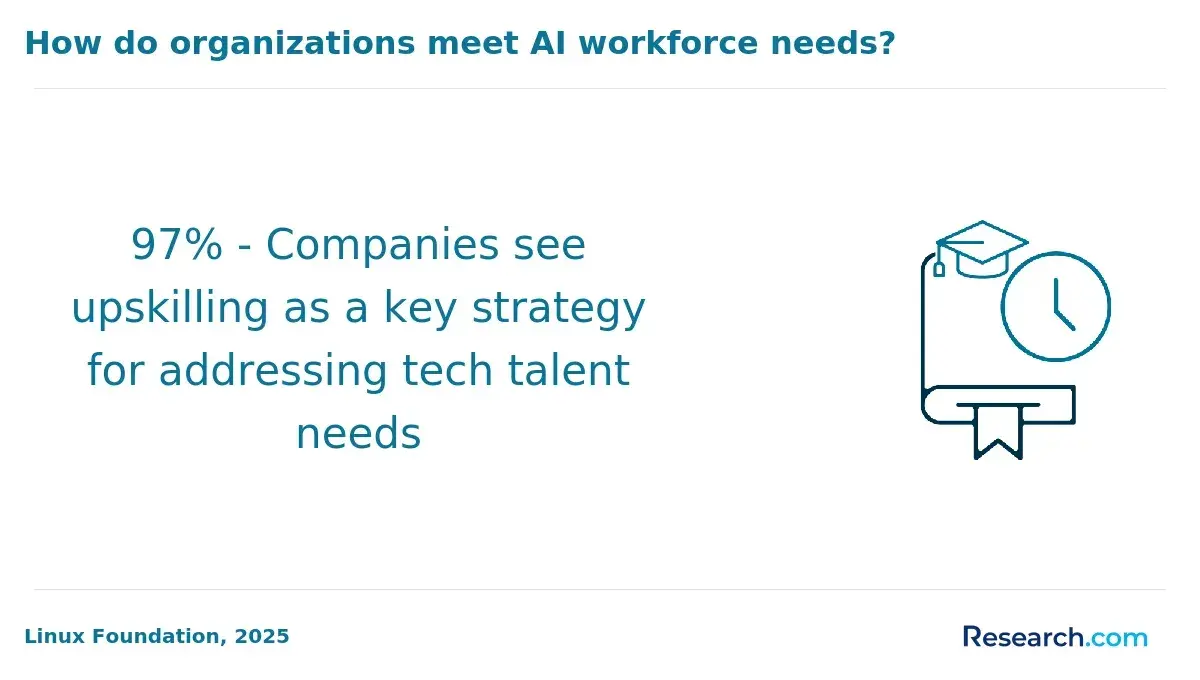
What types of AI agent programs and course formats are available for support operations leaders?
AI agent programs for support operations leaders are offered in various formats to suit different learning styles and job demands. Comprehensive certificate courses focus on AI-driven customer service technologies, covering virtual assistants, chatbots, and automation platforms while emphasizing implementation, data analysis, and performance optimization critical for managerial roles. Bootcamp-style programs provide hands-on, intensive training over a few weeks, enabling professionals to quickly develop skills in deploying AI agents that enhance customer engagement and reduce response times.
For those balancing work and study, online artificial intelligence courses for support management offer flexible, self-paced modules covering AI fundamentals, natural language processing, and ethical use of AI in customer operations. Blended learning options combine virtual instructor-led sessions with self-directed study, encouraging interaction and real-world problem solving. Industry-specific programs tailor AI agent education to sectors like telecommunications, retail, and finance, addressing compliance and multi-channel support challenges with practical case studies demonstrating a 30-45% reduction in cost-to-serve and maintained or improved customer satisfaction.
Popular course features include CRM software integration, AI ethics discussions, and training on key performance indicators to measure AI agent effectiveness. Support operations leaders benefit most from programs blending theoretical knowledge with applied learning to drive successful AI adoption. For individuals exploring careers in related fields, programs such as those for a video game designer offer additional paths in cutting-edge technology education.
What should you look for in an accredited, reputable AI agent course provider?
Accredited AI agent training programs for support operations managers should demonstrate strong practical expertise, especially in case routing, summarization, and suggested response technologies. According to Salesforce's 2024 AI for Service research, organizations using such AI solutions handle 28% more cases per hour on average. Choosing accredited AI agent course providers with proven success means the curriculum is regularly updated and meets rigorous standards set by recognized educational or industry bodies.
Course content must balance theory with hands-on training, including modules on AI fundamentals, natural language processing, and machine learning algorithms tailored to customer service contexts. Providers offering real-world projects or simulations help students develop skills directly applicable to managing AI agents that boost workflow efficiency and customer satisfaction.
When evaluating courses, consider instructor qualifications; leading programs are taught by professionals with real AI deployment experience in support operations. Look for flexibility and support such as:
- Online and asynchronous formats suitable for working professionals
- Access to mentors or AI labs for practical experimentation
- Technical support and community forums
Reputable courses often include assessments aligned with industry certifications, providing measurable proof of competence. Review student outcomes like job placement rates or testimonials from graduates who have successfully implemented AI agent solutions. Finally, ensure the program addresses ethics and data privacy regulations for AI use in customer support.
For those interested in career progression, resources on how to become an AI trainer provide valuable insights into salary and career paths in this evolving field.
What core skills and topics do AI agent courses for support operations typically cover?
Courses for support operations managers teaching ai agent integration emphasize essential skills for blending AI tools into customer service workflows. Central lessons cover the design and management of AI copilots that assist human agents by automating routine tasks such as ticket categorization, response suggestions, and data retrieval. Training often includes workflow automation techniques like setting triggers, configuring AI-driven routing, and optimizing escalation to boost efficiency and shorten response times.
Managers also gain proficiency in interpreting AI analytics dashboards and key performance indicators with a focus on natural language processing capabilities and limitations. This knowledge is vital for evaluating chatbot performance and improving customer interactions. Ethical issues and bias mitigation in ai algorithms are regularly part of the curriculum to promote fairness and regulatory compliance within support environments.
Technical instruction teaches configuring APIs and integrating AI platforms with existing CRM systems. Managers learn to monitor AI behavior, troubleshoot errors, and customize models based on industry or customer segment specifics. Soft skills training includes change management and team coordination strategies to ensure successful AI solution adoption while keeping agent engagement high.
These skills result in measurable benefits for support teams. According to a Forrester Total Economic Impact study, organizations using AI copilots and automated workflows report a 9-12 point lift in Net Promoter Score and up to 20% higher rates in upsell and conversions.
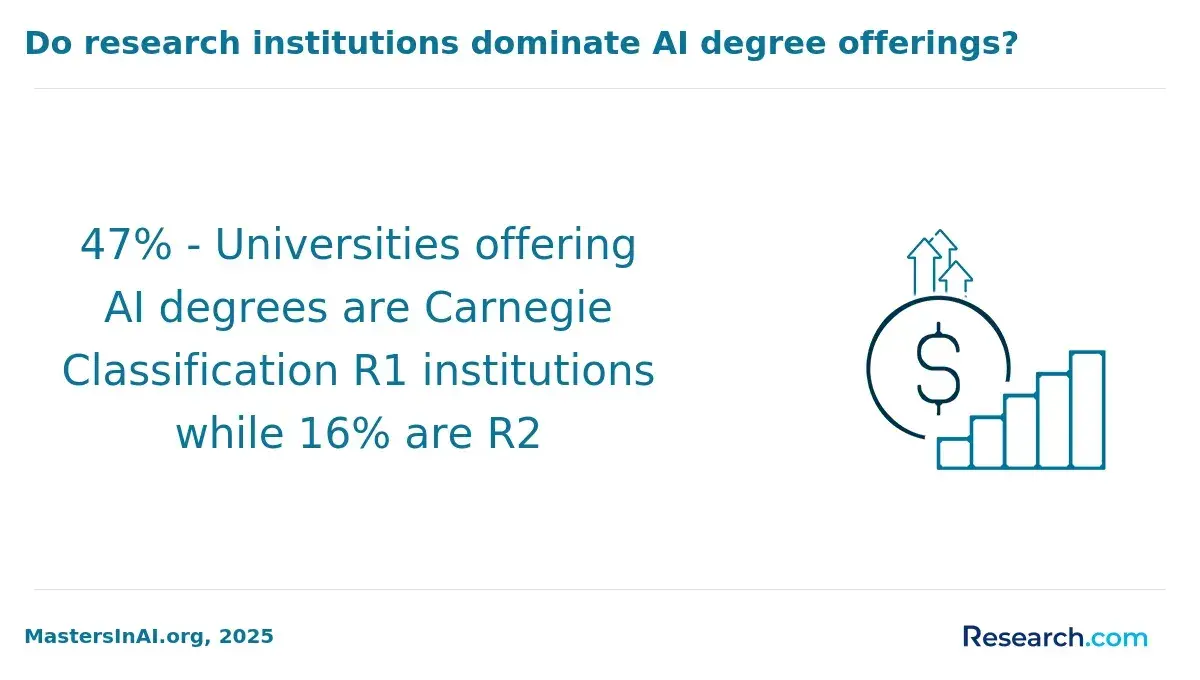
How do online AI agent courses compare with campus and hybrid options for working managers?
Online ai agent courses offer significant flexibility for support operations managers balancing work and study. These programs allow learners to progress individually, immediately applying skills like AI-driven customer interaction, automation workflows, and data analysis within their teams. Campus programs, by contrast, often require fixed schedules and longer commitments, which can be difficult for full-time professionals to manage.
Hybrid models blend online and in-person learning, providing some direct faculty interaction and networking while maintaining partial scheduling flexibility. However, commuting and synchronizing attendance with work can present challenges.
Each format's effectiveness depends on learners' goals and environments. Online courses commonly use interactive simulations, case studies, and real-time AI tools that reflect current industry practices. Campus programs may focus more on foundational theory and structured peer collaboration. Hybrid models attempt to balance these elements but vary widely by institution.
In a recent Gartner study, 74% of service and support leaders identified skill gaps in implementing AI, yet only 22% had formal AI training plans. This highlights the importance of accessible online courses for quick skill upgrading. Managers aiming to maintain career momentum benefit from the convenience of online learning, while those seeking immersive experiences might prefer hybrid or campus formats.
Key factors to consider include available time, preferred learning style, need for credentials, and access to mentorship or peer networks, all of which vary significantly by delivery method.
What are the typical admission requirements and tech prerequisites for AI agent programs?
Admission to AI agent programs designed for support operations managers typically requires a bachelor's degree in business administration, information technology, computer science, or related fields. Some advanced programs may favor candidates with a master's degree in management information systems or data science. Additionally, relevant work experience in support operations, customer service management, or IT project coordination is often essential to apply AI concepts effectively in real-world scenarios.
Applicants should demonstrate foundational technology skills, including proficiency in:
- Programming languages like Python or JavaScript used in automation scripting
- AI areas such as machine learning, natural language processing, and chatbot frameworks
- Cloud platforms such as AWS, Azure, or Google Cloud, and common automation tools utilized in support operations
- Customer relationship management (CRM) systems and workflow automation software
Programs may require coding assessments or project submissions to validate automation design skills. Some offer foundational courses to help those with less experience meet these technical prerequisites. Achieving mastery in AI automation and agent orchestration significantly enhances career opportunities. According to Robert Half and LinkedIn Talent Insights salary data, support operations managers with these skills earn 18-22% higher compensation on average than peers without them.
How long do AI agent courses for support operations take and what do they cost?
AI agent courses for support operations vary widely in length and depth. Accelerated programs often last 4 to 8 weeks, covering foundational skills such as natural language processing, automation frameworks, and ai-enabled customer interaction tools. More extensive certifications or diplomas can extend from 3 to 6 months, including advanced topics like agentic tooling integration, data analytics for customer experience, and practical project experience.
Costs depend on course complexity and provider. Online platforms typically offer skill-specific courses between $300 and $1,200. Higher-tier options from universities or specialized companies may range from $1,500 to over $4,000, with some premium programs including personalized coaching and career support pushing prices beyond $5,000. Free introductory courses exist but often lack applicability for professionals aiming to implement AI agents in support roles.
Customer service and CX organizations have increased AI and automation training budgets by 33% year-over-year, prioritizing AI-ops and agentic tooling, according to PwC's 2024 Global AI Jobs and Skills Survey. This budget growth enhances course availability tailored to leadership and operational roles.
To choose the right course, consider your goals carefully:
- Are you seeking rapid skill acquisition or deep expertise?
- Do you require hands-on certification recognized by industry?
- Does your role demand understanding deployment and integration versus conceptual knowledge?
Many providers offer modular paths that let learners start with short courses and expand into longer programs as needed, maximizing flexibility and investment efficiency.
What career outcomes, roles, and advancement paths can AI agent training open for managers?
Training in artificial intelligence (AI) agents opens diverse career paths for support operations managers, enabling them to lead AI-enhanced customer service teams with improved efficiency and satisfaction. Common roles after such training include AI support operations manager, AI integration strategist, and customer experience innovation lead. These positions focus on managing AI-driven workflows, chatbot performance, and aligning AI technologies with business goals. According to Salesforce's State of Service 5th Edition, by late 2024, 61% of service organizations adopted generative AI agents or copilots in support workflows, up from 23% in 2023.
Managers skilled in AI agent technologies often progress into strategic roles involving AI governance, data ethics, and enterprise-wide AI adoption. Expertise in AI model evaluation, prompt engineering, and workflow automation is highly valued for influencing product development and enhancing customer engagement. These roles require bridging technical teams with business units to optimize AI implementations.
Support operations managers benefit from AI upskilling by:
- Enhancing decision-making with AI-augmented data insights
- Leading AI-driven change management initiatives
- Developing innovative customer service models incorporating AI agents
These competencies help reduce response times, minimize human error, and tailor support experiences. Managers proficient in AI position themselves as vital leaders in transforming service organizations digitally, boosting their employability and career advancement opportunities.
Are there certifications or industry credentials that validate AI agent skills in support operations?
Certifications and industry credentials play a vital role in validating AI agent skills for support operations. These credentials, offered by recognized institutions, signal proficiency in integrating AI tools, managing AI-driven customer interactions, and optimizing workflows. For example, the Certified AI Support Specialist credential verifies expertise in deploying AI chatbots, virtual assistants, and automated ticketing systems. Other notable certifications include those from IBM Watson, Microsoft Azure AI, and Google Cloud AI, which demonstrate practical experience with leading AI platforms in support environments.
Typical certification content covers natural language processing (NLP), AI model training, ethical AI use, and customer engagement analytics. Combining AI credentials with project management or IT service management certifications such as ITIL or PMP further enhances strategic and operational capabilities.
Data from Accenture's AI in Customer Engagement survey reveals that 48% of companies without investments in AI skills risk losing deals or customers to competitors with advanced AI-driven services. This underscores the importance of validated AI expertise in support roles. Employers increasingly prioritize candidates demonstrating mastery of AI technologies through formal credentials.
- Credentials verify technical and operational AI knowledge.
- Complementary certifications improve career prospects.
- Market demand favors AI-skilled support professionals.
Professionals pursuing these certifications should focus on balancing technical AI skills with support-specific applications to maximize career advantages and stay competitive in evolving job markets.
Other Things You Should Know About Artificial Intelligence
Artificial intelligence systems in support operations often handle vast amounts of customer data, making privacy a critical concern. Organizations must implement strict data governance policies and comply with regulations like GDPR or CCPA to protect sensitive information. AI solutions should incorporate data anonymization and secure processing practices to mitigate risks.
While artificial intelligence can automate routine tasks and analyze data to assist decision-making, it is not designed to fully replace human managers. Human judgement remains essential for complex problem-solving, emotional intelligence, and strategic leadership. AI acts as a tool to augment manager capabilities rather than eliminate their roles.
Ethical use of artificial intelligence involves ensuring transparency, fairness, and accountability in automated decisions. Bias in training data can lead to unfair treatment of customers or employees, so regular auditing and ethical guidelines are necessary. Organizations should also prioritize explainability to maintain trust among users affected by AI-driven processes.
In 2027, top AI agent courses for support operations managers include "AI in Customer Service Management" by Coursera, "Support AI Strategies" from edX, and "AI-Driven Operations Management" offered by Udemy. These courses focus on integrating AI into support processes and enhancing decision-making skills for managers.
References
- Top 15 AI Agents Courses [Free & Paid] https://learnprompting.org/blog/ai-agents-courses
- 6 Strategic Ways AI Agents Enhance Operational Efficiency https://divverse.com/6-strategic-ways-ai-agents-enhance-operational-efficiency/
- AI agents: the emerging skill set you should add to your Salesforce resume - K2 University https://k2university.com/news/how-mastering-ai-agents-will-get-you-noticed-by-top-organizations/
- Best AI Training for Operations Teams (2026) https://iternal.ai/ai-training-for-operations
- How to write a good spec for AI agents https://addyosmani.com/blog/good-spec/
- 10 AI Agents Every Operations Team Needs in 2026 https://www.mindstudio.ai/blog/ai-agents-for-operations-teams
- AI Agents for IT Operations – A Guide for MSPs (2026) https://www.flamingo.run/blog/ai-agents-for-it-operations
- Top AI Agent Development Companies: Platforms, Services, and How to Choose | JADA | The JADA Squad https://www.jadasquad.com/blog/top-ai-agent-development-companies
- How much does an AI agent cost? Your guide to 2026 https://www.bakedwith.com/en/blog/how-much-does-an-ai-agent-cost
- Getting started with enterprise AI agents to boost employee productivity | MintMCP Blog https://www.mintmcp.com/blog/enterprise-ai-agents-employee-productivity