2027 Best AI Courses for Brand Teams Managing AI Adoption

Co-Founder and Chief Data Scientist
Brand teams often struggle to integrate AI technologies effectively due to a lack of targeted training and strategic guidance. Rapid advancements create a knowledge gap that hinders adoption and reduces competitive advantage. Without structured learning, teams risk misaligned AI initiatives that fail to deliver value.
This article explores the best AI courses designed specifically for brand professionals, highlighting flexible and accredited programs that address skill gaps and practical challenges. It aims to equip readers with actionable insights to select educational paths that accelerate AI adoption and enhance brand innovation.
Key Things You Should Know
- AI courses for brand teams emphasize practical integration strategies, with 65% of programs incorporating real-world case studies to enhance adoption skills in marketing and management.
- The latest curricula focus on ethical AI use and bias mitigation, reflecting a 42% rise in corporate demand for responsible AI practices since 2024.
- Enrollment in specialized AI programs for brand professionals increased by 38% in 2025, highlighting growing recognition of AI as a critical competency in brand management.
Advance Your Career with AI Online Courses
Artificial Intelligence: Implications for Business Strategy
This program provides an introduction to Artificial Intelligence and their implications for business strategy. Earn an official digital certificate.

Oxford Artificial Intelligence Programme
Explore this Oxford Artificial Intelligence programme offered in a flexible learning environment and explore topics like machine learning, automation, and robotics.

Implementing Agentic AI: Building Your Organizational Playbook
This online MIT Agentic AI course offers a practical approach to deploying AI agents in your organization, including a custom playbook. 3 weeks, exclusive launch price.

AI Adoption: Driving Business Value and Impact
This online MIT AI Adoption: Driving Business Value and Impact offers practical frameworks to close the gap between AI potential and business reality.

Artificial Intelligence in Pharma and Biotech
Discover the applications and limitations of artificial intelligence in pharma and biotech with this MIT online short course.

What are AI courses for brand teams and why are they critical for marketing leaders?
AI courses designed for brand teams in marketing equip professionals with practical skills to apply artificial intelligence tools in brand strategy, customer insights, content creation, and campaign optimization. These programs cover critical topics such as generative AI for creative content, predictive analytics for audience targeting, and AI ethics in marketing.
Marketing leaders benefit significantly from AI training, enabling data-driven decision-making and automating processes that enhance competitiveness in fast-evolving markets.
Adoption of generative AI is expanding rapidly, with 85% of marketing teams deploying the technology, up from 75% the previous year, emphasizing the urgent need for skilled personnel. Brand teams lacking AI proficiency risk falling behind competitors who leverage these technologies for greater personalization, efficiency, and innovation.
These courses address challenges like interpreting AI-generated data, integrating AI platforms with existing workflows, and mitigating bias in customer targeting. Training often includes hands-on experience with AI content generators, customer segmentation models, and chatbot design. Marketing leaders gain deeper insights to manage AI-driven projects effectively and align them with strategic business goals.
Practical applications include automating social media analytics and personalizing messaging at scale, helping brand teams increase ROI by improving campaign relevance and reducing manual effort. Many courses offer case studies that showcase successful AI adoption, providing benchmarks for innovation within organizations. For those interested, check the data science ranking to explore affordable education options.
Advance Your Career with AI Online Courses
Artificial Intelligence: Implications for Business Strategy
This program provides an introduction to Artificial Intelligence and their implications for business strategy. Earn an official digital certificate.
Oxford Artificial Intelligence Programme
Explore this Oxford Artificial Intelligence programme offered in a flexible learning environment and explore topics like machine learning, automation, and robotics.
Implementing Agentic AI: Building Your Organizational Playbook
This online MIT Agentic AI course offers a practical approach to deploying AI agents in your organization, including a custom playbook. 3 weeks, exclusive launch price.
Which types of AI courses best support brand teams managing enterprise-wide AI adoption?
Enterprise AI training programs for brand teams often combine technical knowledge, strategic application, and customer engagement techniques. Foundational AI literacy courses cover machine learning models, data structures, and ethics, equipping brand managers to collaborate with technical teams and judge project feasibility.
More advanced AI adoption courses for marketing departments focus on change management, risk evaluation, and cross-functional teamwork, helping leaders manage AI projects across varied departments.
Customer-centric AI instruction is vital, as 94% of marketers in 2025 reported enhanced personalization via AI, according to sas.com. These courses teach how to use AI tools for customer segmentation, targeted marketing, and dynamic content generation, directly boosting brand impact.
Hands-on workshops with real datasets and AI platforms build practical skills essential for troubleshooting and scaling initiatives. Scenario-based learning through case studies in industries like retail, healthcare, and finance reveals how AI adoption shapes branding strategies differently across sectors.
Executive programs tailored for non-technical managers emphasize aligning AI efforts with business objectives and measuring ROI, addressing common challenges in justifying AI investments. Certifications in AI project management and ethical AI use ensure regulatory compliance and public confidence.
For individuals exploring related educational paths, consider options such as the cheapest engineering degree online, which can complement ai expertise.
How do AI courses for brand teams differ from general AI or data science programs?
AI courses tailored for brand teams focus on practical strategies for managing AI adoption within marketing and branding contexts. These specialized programs differ significantly from traditional AI or data science education by prioritizing applications that enhance customer engagement, content creation, and campaign optimization rather than deep technical skills like algorithm development or coding.
Such courses emphasize how to integrate AI-driven insights into brand strategy, customer segmentation, and personalized marketing. For example, brand management professionals learn to leverage generative AI for copywriting, image generation, and social listening tools that monitor brand reputation effectively.
Practical case studies often address the unique challenges of ethical AI use in advertising, maintaining brand consistency across AI-generated content, and measuring AI-driven ROI. Brand teams gain foundational fluency in AI concepts, enabling better collaboration with technical experts without requiring advanced programming skills.
In contrast, general AI or data science programs are designed for roles developing AI systems and focus heavily on mathematics and engineering principles. They rarely address brand-specific KPIs or marketing workflows tailored to branding professionals.
Marketing leaders recognize the value of these courses, as 93% of CMOs report a clear return on investment from generative AI, highlighting the critical need for specialized AI adoption training for marketing and branding teams.
- AI adoption training for marketing and branding teams
- specialized AI courses for brand management professionals
Those interested in advancing their expertise might consider exploring an online PhD in artificial intelligence USA to gain a deeper understanding of AI technologies and their broader applications.
What curriculum topics should the best AI courses for brand teams cover?
The best AI curriculum topics for brand teams focus on equipping professionals with comprehensive skills to drive effective AI adoption. Central to this is data analysis and interpretation, as 91% of marketers in 2025 noted AI improved efficiency in handling large datasets. Training typically includes tools for data cleansing, visualization, and extracting actionable insights from complex data.
Key subjects for AI courses in brand management also cover AI fundamentals tailored for non-technical professionals. These include machine learning basics, natural language processing, and ethical AI use, enabling teams to collaborate effectively with technical experts and make strategic decisions.
Brand-focused AI curricula emphasize marketing technologies such as customer segmentation, sentiment analysis, and personalization algorithms. Incorporating practical case studies encourages real-world application. Risk management and AI governance modules teach how to identify bias, ensure privacy compliance, and manage reputational risks within regulatory frameworks.
Change management and integration strategies play a crucial role in preparing teams to lead AI adoption internally, manage workflows, and measure return on investment. Courses often incorporate hands-on projects or simulations to boost readiness.
Those interested in expanding their expertise might also explore related options like the best cybersecurity courses. In sum, an effective brand AI curriculum blends data skills, ethical governance, marketing applications, and organizational change management to unlock AI's potential in brand strategy.
How should brand leaders choose between online, hybrid, and on-campus AI programs?
Brand leaders choosing between online, hybrid, and on-campus ai programs should carefully evaluate their team's needs, learning styles, and schedule flexibility. Online programs offer exceptional convenience and accessibility, which is crucial since 66% of marketers worldwide used ai daily in 2025, with the U.S. leading at 74%. This format works well for professionals managing fast-paced projects who benefit from self-paced learning and immediate application.
Hybrid programs blend online lessons with occasional in-person sessions, offering flexibility alongside valuable face-to-face interaction. These programs attract teams focused on deeper collaboration, networking, and hands-on practice to better understand ai tools in real-world branding scenarios.
On-campus programs provide immersive experiences, ideal for those who favor structure, direct faculty access, and comprehensive resources. While offering thorough curriculum coverage and strong peer engagement, this option requires greater time and financial commitment.
Key questions for decision-makers include:
- Does the team need real-time collaboration or independent study?
- What time can be dedicated, considering work demands?
- Which skills are best learned through hands-on practice?
- Additionally, program reputation, faculty expertise, and alignment with industry standards are critical to maximizing learning outcomes and supporting effective AI adoption for brand growth.
Which U.S. institutions and providers offer reputable AI courses tailored to brand teams?
Several top U.S. universities, including Stanford University, Massachusetts Institute of Technology (MIT), and University of California, Berkeley, offer comprehensive AI programs tailored for brand teams. These programs blend AI fundamentals with marketing applications, emphasizing generative AI, data-driven customer insights, and ethical considerations in brand management.
Leading online platforms like Coursera and edX collaborate with established institutions to provide flexible, specialized courses. For instance, the University of Virginia's "AI for Marketing" specialization on Coursera focuses on practical skills for deploying AI tools in branding strategies and offers certification upon completion, meeting the growing demand for recognized credentials.
Corporate training providers such as General Assembly and LinkedIn Learning deliver hands-on AI courses aimed at marketing professionals. Their curricula highlight automation of marketing workflows, AI-driven analytics, and integration of AI platforms to optimize campaigns.
Certification remains essential. SAS reports that by 2025, 85% of marketing teams had deployed generative AI, underscoring the importance of accredited training programs that stay current with the latest AI advancements.
Key factors for brand teams choosing AI courses include:
- Relevance to marketing and branding tasks
- Access to real-world AI tools and case studies
- Accredited certificates or industry-recognized qualifications
- Flexible learning formats suited for working professionals
How can brand teams evaluate accreditation, certificates, and industry recognition for AI courses?
When evaluating accreditation, certificates, and industry recognition for AI courses, brand teams should prioritize several key factors. Confirming the accreditation status of the institution is crucial, as regional or national accreditation provides assurance that the program meets established educational standards. This accreditation backbone lends credibility to certificates when applied in professional environments.
Next, focus on the specific certificate offered. Credentials linked to major industry players like IBM, Microsoft, or Google AI often carry significant weight due to rigorous competency testing. These certifications demonstrate practical skills essential for brand management and AI adoption.
Consider industry recognition beyond formal certificates. Courses endorsed or developed in partnership with respected organizations such as the American Marketing Association or the Partnership on AI reflect current market relevance and practical value. Look for alumni success stories or case studies that showcase measurable results in AI initiatives.
Additionally, align certificates with your team's objectives. Vendor-neutral certificates provide broad applicability, while specialized credentials target particular platforms or tools relevant to your brand. Cross-referencing course content with internal AI strategies ensures the training meets market demands effectively.
Notably, 93% of CMOs report positive returns on investment from generative AI, according to SAS. This statistic underscores the importance of selecting validated AI training programs backed by credible certification to maximize impact on brand teams and justify training budgets.
What are typical admission requirements, program length, and costs for AI courses for marketers?
Admission requirements for AI courses aimed at marketers typically include a background in marketing or business, alongside basic skills in data analytics or digital tools. Many programs ask for at least a bachelor's degree or equivalent professional experience in marketing, communications, or related fields. While some advanced courses expect familiarity with programming languages like Python, entry-level options often provide introductory modules to help bridge knowledge gaps.
Course durations vary widely: short-term certificates usually last 6 to 12 weeks, ideal for professionals seeking quick skill enhancement. More comprehensive professional development or postgraduate certificates span 3 to 6 months with live sessions, projects, and assessments. Extensive degree programs combining AI with marketing strategies can last from 9 months up to 2 years.
Pricing is diverse-online certificates may start around $500, with full programs exceeding $5,000. Executive courses and specialized bootcamps often range from $8,000 to $15,000. Many employers subsidize these costs, acknowledging AI-trained marketers' impact on personalization, customer loyalty, and sales according to recent industry reports.
Affordable options include MOOCs and vendor-led trainings focused on real-time AI tool applications like marketing analytics and automation. Premium courses emphasize advanced generative AI and model interpretation, typically requiring prior technical knowledge.
What career outcomes, roles, and salary impacts can AI education have for brand professionals?
Brand professionals skilled in artificial intelligence are increasingly stepping into high-demand roles such as AI strategy managers, AI-enabled content marketers, and marketing data scientists. These positions leverage machine learning and generative AI to develop campaigns that boost customer engagement and ROI. Mastery of AI tools in content personalization, customer segmentation, and campaign automation positions professionals to lead AI adoption efforts within marketing teams.
Salary gains for brand specialists with AI expertise are significant, with industry surveys showing increases of 15% to 30% compared to peers without AI proficiency. This reflects a growing need for talent who can bridge brand strategy and AI technology effectively. However, adoption challenges persist; Gartner notes that 27% of CMOs reported limited or no use of generative AI in campaigns, indicating room for AI-educated professionals to make an impact.
Prospective learners should focus on programs offering training in predictive analytics, natural language processing, and AI-driven customer insights. Understanding AI ethics and data privacy further enhances employability in responsible AI roles. Graduates with this expertise are well-positioned to guide their organizations through the complexities of AI integration in branding and marketing.
How should organizations design a learning path to upskill entire brand teams in AI responsibly?
Effective AI learning paths combine foundational knowledge with role-specific applications to upskill brand teams responsibly. Start by assessing AI literacy across departments to tailor education efficiently. Core modules should include machine learning principles, ethical AI use, and data privacy to ensure a shared understanding.
Targeted tracks for marketing, content creation, and analytics help deepen expertise. Marketing teams benefit from training on generative AI tools that enhance personalization-85% of marketing teams deployed generative AI with 94% noting improved customer engagement, according to SAS. Analytics professionals need focused training on data interpretation and model validation for responsible AI use.
Practical case studies and hands-on projects turn theory into actionable skills. Cross-functional workshops encourage collaboration between technical and non-technical team members. Use periodic assessments combined with real-time feedback to monitor progress and reveal knowledge gaps.
Embedding ethical guidelines and transparency standards addresses bias and accountability concerns. Continuous learning through updated courses and access to AI thought leadership keeps pace with evolving technology.
Leverage internal champions and AI mentors to support peers and promote cultural change. This structured approach builds both competence and confidence for teams deploying AI tools responsibly and effectively.
Other Things You Should Know About Artificial Intelligence
Brand teams often encounter challenges such as data privacy concerns, integrating AI with existing workflows, and overcoming resistance to change within the organization. Additionally, understanding the ethical implications of AI use and maintaining transparency in AI-driven decisions are critical hurdles. Proper training and well-structured AI courses can help teams navigate these issues effectively.
In 2027, brand teams looking to manage AI adoption should consider courses like "AI for Everyone" by Andrew Ng, "AI Strategy" by MIT Sloan, and "AI for Business Leaders" by Udacity. These courses provide comprehensive insights into AI applications tailored for brand management and strategic execution.
Yes, brand teams without technical backgrounds can successfully learn and apply artificial intelligence when courses are tailored to their needs. Many programs focus on practical applications, avoiding deep technical jargon, and instead highlight how AI impacts marketing strategies and decision-making. This approach enables professionals from various functions to adopt AI confidently.
Ethical AI use is a fundamental component of responsible AI adoption within brand teams. Training programs stress the importance of fairness, accountability, and transparency in AI-driven campaigns and customer interactions. Understanding ethical guidelines helps prevent bias and fosters trust between brands and their audiences.
References
- Cost-Effective Ways to Upskill Your Team for AI https://www.helioshr.com/blog/cost-effective-ways-to-upskill-your-team-for-ai
- The Best AI Courses For Marketers And Content Creators Looking To Future-Proof Their Skills https://elearningindustry.com/advertise/elearning-marketing-resources/blog/best-ai-courses-for-marketers-and-content-creators-looking-to-future-proof-their-skills
- Best AI for Marketing Courses in 2025 (Ranked) https://cxl.com/blog/best-ai-marketing-courses/
- Artificial Intelligence (AI) Training in the US https://www.nobleprog.com/artificial-intelligence-ai-training
- AI Training & Certification for Employees: How HR Should Evaluate Providers | Sprad Blog https://sprad.io/blog/ai-training-certification-for-employees-how-hr-should-evaluate-providers
- AI Certifications | Compare Levels & Outcomes https://www.becomeaicertified.com/learning-solutions-for-individuals
- Digital Marketing with AI https://akademiata.pl/en/offer/bachelor/wroclaw-digital-marketing-with-ai/
- The Business of AI: Strategies for Leaders- Online | London Business School https://www.london.edu/lbs-online/the-business-of-ai-strategies-for-leaders
- AI Course for Marketing Teams — Content &… https://www.pertamapartners.com/insights/ai-course-for-marketing-teams
- The Marketing Jobs AI Can't Replace: 12 Future-Proof Career Paths https://www.academyofcontinuingeducation.com/blog/the-marketing-jobs-ai-can-t-replace-12-future-proof-career-paths
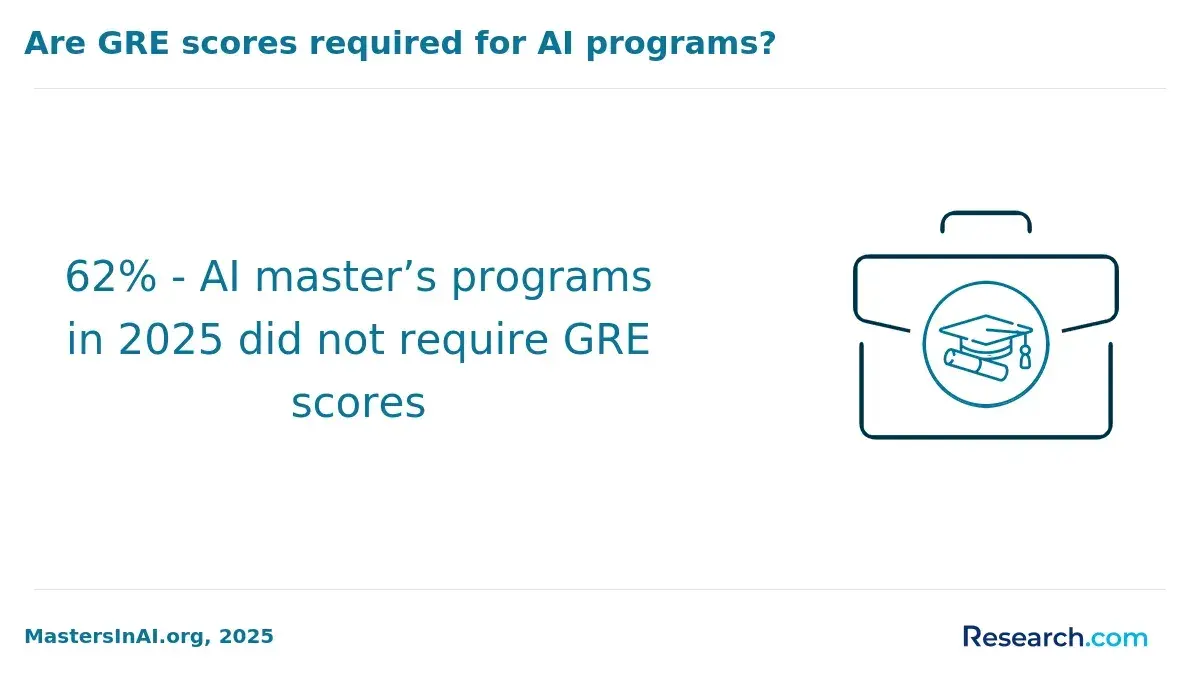
- George, K. (2025, October). CERP Pulse Survey: A Snapshot of 2025 Undergraduate Computing Enrollment Patterns. Center for Evaluating the Research Pipeline, Computing Research Association. https://cra.org/crn/2025/10/cerp-pulse-survey-a-snapshot-of-2025-undergraduate-computing-enrollment-patterns
- MastersInAI.org. (2025). 2025 AI Degree Report: The Landscape of AI Degrees in the United States. https://www.mastersinai.org/ai-degree-report