2027 Best AI Courses for Procurement Professionals With Certificates

Co-Founder and Chief Data Scientist
Procurement professionals often face the challenge of adapting to rapid technological changes without a background in artificial intelligence. This knowledge gap can hinder their ability to leverage AI tools for smarter supplier management, risk assessment, and cost reduction.
Finding flexible, accredited courses that provide practical skills and certification is crucial for career advancement and industry relevance. This article explores the best AI courses tailored to procurement professionals, highlighting programs that combine accessibility with recognized credentials to help individuals transition smoothly into AI-enhanced procurement roles.
Key Things You Should Know
- Top ai courses for procurement professionals emphasize practical skills in automation, risk management, and supplier analytics, reflecting a 28% industry growth in ai adoption by 2025.
- Most recognized programs offer certificates recognized by employers, enhancing career advancement opportunities in supply chain and procurement roles.
- Courses frequently update content to include ethical ai use and integration of ai tools, addressing procurement's evolving demands and compliance standards in 2026.
Advance Your Career with AI Online Courses
Artificial Intelligence: Implications for Business Strategy
This program provides an introduction to Artificial Intelligence and their implications for business strategy. Earn an official digital certificate.

Oxford Artificial Intelligence Programme
Explore this Oxford Artificial Intelligence programme offered in a flexible learning environment and explore topics like machine learning, automation, and robotics.

Implementing Agentic AI: Building Your Organizational Playbook
This online MIT Agentic AI course offers a practical approach to deploying AI agents in your organization, including a custom playbook. 3 weeks, exclusive launch price.

AI Adoption: Driving Business Value and Impact
This online MIT AI Adoption: Driving Business Value and Impact offers practical frameworks to close the gap between AI potential and business reality.

Artificial Intelligence in Pharma and Biotech
Discover the applications and limitations of artificial intelligence in pharma and biotech with this MIT online short course.

What do AI courses for procurement professionals cover, and who are they best suited for?
AI procurement training and certification benefits professionals by covering critical topics such as machine learning fundamentals, data analytics for demand forecasting, and risk management using predictive modeling. These courses also emphasize automation in procurement workflows and practical applications like spend analysis, supplier evaluation, and contract management, aiming to boost efficiency and cut costs.
They serve procurement managers, supply chain analysts, contract specialists, and vendor management experts seeking to enhance their skills with AI-driven insights. Individuals focused on digital transformation roles gain value, especially procurement leaders interested in AI-powered supplier risk assessment. These learners benefit from targeted modules on algorithm training and data interpretation.
Professionals without technical backgrounds can engage in courses that demystify AI concepts and focus on strategic decision-making, while those with technical expertise may explore advanced classes on algorithm development and system integration. Procurement professionals artificial intelligence skill development is key to leveraging these educational opportunities effectively.
A 2025 Deloitte CPO Survey highlights that procurement functions utilizing AI and advanced analytics achieve up to 3.2x higher ROI on digital investments compared to less mature peers. This underscores the tangible value of AI knowledge for measurable business outcomes.
Course participants often tackle real challenges like detecting fraudulent suppliers via anomaly detection or enhancing purchase order accuracy through natural language processing. These practical uses align closely with organizational goals.
Many interested professionals also consider pursuing an online computer science degree to deepen their AI expertise and career prospects.
Advance Your Career with AI Online Courses
Artificial Intelligence: Implications for Business Strategy
This program provides an introduction to Artificial Intelligence and their implications for business strategy. Earn an official digital certificate.
Oxford Artificial Intelligence Programme
Explore this Oxford Artificial Intelligence programme offered in a flexible learning environment and explore topics like machine learning, automation, and robotics.
Implementing Agentic AI: Building Your Organizational Playbook
This online MIT Agentic AI course offers a practical approach to deploying AI agents in your organization, including a custom playbook. 3 weeks, exclusive launch price.
How can AI skills enhance a procurement or supply chain career path?
AI skills significantly advance procurement careers by enhancing efficiency and strategic decision-making. Professionals mastering AI tools automate tasks like vendor selection, invoice processing, and demand forecasting, freeing time for higher-level responsibilities. According to McKinsey's research on agentic AI in procurement, organizations using AI agents report a 25-40% productivity boost, largely from automation benefits.
Artificial Intelligence applications in supply chain management include rapid data analysis, early risk detection, and optimized inventory control. For instance, AI-powered predictive analytics can forecast material shortages, enabling timely procurement adjustments that minimize costly delays. Natural language processing further improves contract review and compliance, reducing errors and legal risks.
Proficiency in AI-driven procurement software, such as robotic process automation platforms and AI-enabled ERP systems, is crucial for career growth. Employers seek candidates able to integrate these technologies and generate actionable insights through AI analytics. Furthermore, AI enables more advanced sourcing strategies using machine learning algorithms to identify top suppliers and reduce manual bias, fostering data-driven supplier management.
To develop AI skills for procurement career advancement, professionals should pursue courses covering data analytics, machine learning applications, and real-world supply chain scenarios. Many educational programs offer flexible options, including an engineering degree online, which can provide a strong foundation for these competencies.
What types of AI certificates for procurement exist, and how do they differ?
AI certificates for procurement professionals generally divide into foundational, specialized, and advanced categories. Foundational programs introduce AI concepts like data analytics, machine learning basics, and automation essential to procurement workflows. These usually require 20 to 40 hours of study, making them suitable for newcomers eager to learn AI's role in procurement.
Specialized certificates focus on targeted AI applications such as predictive analytics for demand forecasting, supplier risk evaluation, and AI-driven contract management. These programs typically involve 40 to 80 hours, equipping learners with practical skills for implementing AI solutions that enhance cost savings and supplier relationships.
Hands-on projects or case studies with AI procurement software are common features. This differentiation highlights key differences between procurement AI certificates, helping professionals choose based on their career goals.
Advanced certificates cater to those seeking leadership roles in strategic procurement transformation. They cover topics like AI ethics, integration with ERP systems, and managing AI-driven innovation, often requiring 80+ hours and culminating in capstone projects or research papers that demonstrate AI's impact on procurement outcomes.
Delivery formats vary, from university-affiliated programs emphasizing theory and research to vendor-specific credentials focused on proprietary tools and immediate job skills. For instance, certificates from recognized universities may hold more academic value, while vendor certifications offer quicker workplace applicability.
According to LinkedIn's Workplace Learning Report, professionals with AI certification programs for procurement professionals experience 25% higher recruiter engagement. For those seeking a broader range of affordable online degrees, exploring a game art degree online may also provide versatile skills in digital technology fields.
Which accredited universities and providers offer reputable AI courses for procurement?
Accredited universities such as Massachusetts Institute of Technology (MIT), Stanford University, and the University of Michigan offer ai courses with certification from top universities that cater specifically to procurement professionals. These programs often include applications like predictive analytics for supply chain management and automated negotiation tools that directly enhance procurement functions.
Coursera collaborates with leading institutions to provide accessible ai courses designed for procurement professionals aiming to improve their decision-making skills. For instance, the University of Washington's AI for Business Strategies course focuses on procurement decision processes, while Duke University offers AI specialization tracks covering data-driven purchasing and risk mitigation.
Other platforms like edX and Udacity partner with Harvard and Columbia to offer micro-credentials and professional certificates that emphasize AI integration in procurement workflows. These include hands-on use of machine learning models to improve supplier evaluation, spend analysis, and demand forecasting.
Professionals seeking short-term credentials should consider programs lasting three months or less, as Coursera's survey notes 77% of such learners report tangible career benefits like promotions or salary increases within a year. Pursuing best accredited AI programs for procurement professionals aligned with specific challenges such as supplier risk analysis or contract automation results in meaningful career advancement.
For those interested in advanced study options, exploring a data science doctorate online can further enhance expertise and open new career pathways.
How do online AI courses for procurement compare with campus and hybrid options?
Online ai courses provide procurement professionals with flexibility unmatched by traditional campus or hybrid formats. Unlike fixed-campus schedules requiring physical attendance, online options enable learners to manage work alongside study, essential for busy procurement managers aiming to immediately apply new skills and enhance project outcomes.
While campus programs offer valuable hands-on experiences and networking, their rigid timing can slow skill acquisition. Hybrid models combine in-person interaction with some online elements but may still involve commuting and scheduling challenges. For professionals needing rapid integration of ai into procurement strategies, online courses' instant availability and consistent access are beneficial.
These platforms often update content frequently to reflect cutting-edge ai technologies relevant to procurement, such as demand forecasting, supplier risk assessment, and automated contract analysis. Modular course designs let learners focus on specific ai applications, a targeted approach less feasible in broader campus curricula.
IMD's "Digital Business Transformation & AI" report notes that 68% of C-suite participants in ai executive programs launched at least one ai initiative within six months, illustrating education's practical impact. Prospective students should consider accreditation and certificate recognition, as campus diplomas may hold more institutional weight, but respected online programs gain growing recognition in procurement fields.
What core topics and tools are taught in leading AI procurement course curricula?
AI procurement courses focus on essential skills that help professionals harness technology effectively. Key topics include AI fundamentals like machine learning, natural language processing, and data analytics. These enable a deeper understanding of how AI predicts demand, optimizes supplier selection, and automates contract management.
Practical applications form a major part of the curriculum, emphasizing tools such as robotic process automation (RPA) and AI-driven spend analysis software. These tools help identify cost-saving opportunities and increase purchasing accuracy.
Risk management plays a vital role, covering evaluation of AI bias, regulatory compliance, and ethical standards. Case studies often demonstrate AI's role in vendor risk assessments and fraud detection. Data governance-focusing on data quality, integration, and security-is also prioritized as a foundation for successful AI deployment.
Courses address implementation challenges by teaching change management strategies to integrate AI within procurement workflows. Hands-on projects with Python or commercial AI platforms tailored for procurement offer practical experience. Tools like contract lifecycle management systems and AI-powered supplier performance dashboards are explored.
The OECD report on "AI in Public Procurement" highlights that 62% of central governments plan or pilot AI procurement tools by 2026, up from 29% in 2021. This shift underlines the growing demand for procurement professionals adept in AI to innovate and enhance efficiency across public and private sectors.
What are typical admission requirements, program length, and study workload expectations?
Admission to AI courses designed for procurement professionals typically requires a bachelor's degree in business, supply chain management, or related fields. However, some programs consider candidates with significant procurement or supply chain experience even without formal degrees.
Basic skills in data analysis and knowledge of procurement processes are frequently expected. Advanced courses may ask for prior experience with AI tools or programming languages like Python or R, but many entry-level courses include foundational modules to build these skills.
Program durations range from short certificate courses lasting 4 to 6 weeks to comprehensive programs extending up to 6 months. Flexible pacing options are common, allowing working professionals to balance study with full-time jobs. Weekly study requirements vary from 3 to 8 hours, with intensive bootcamps requiring daily commitment while self-paced formats offer more distributed learning schedules.
Effective course selection should consider realistic time commitments, modular content, and clear weekly targets. Features like progress tracking and peer forums help maintain engagement without overwhelming participants.
Practical applications often emphasize AI-enhanced supplier risk assessment and ESG monitoring. Companies using such AI tools reduce supply chain disruptions by 30% compared to manual methods, highlighting the value of courses that balance technical training with real-world industry uses, as demonstrated by the study.
How much do AI procurement certificate programs cost, and what funding options exist?
AI procurement certificate programs vary significantly in cost, typically ranging from $500 to $5,000 depending on factors like institution, course length, and content depth. Entry-level certificates from community colleges or online platforms generally fall between $500 and $1,200.
More comprehensive or university-affiliated programs can cost from $3,000 up to $5,000, often offering expert instruction and practical case studies. For instance, an 8-week online course focused on AI in procurement might charge about $800, while a multi-month certificate program through a major university could exceed $4,000.
Multiple funding options help reduce the financial burden, including employer sponsorship, federal financial aid, scholarships, and payment plans. Employer support is common since a 2024 KPMG global manufacturing survey found that 54% of large manufacturers invest in AI-enabled procurement, achieving 2-4% reductions in direct material costs. This makes tuition reimbursement or training budgets a valuable resource for working professionals.
Federal aid through FAFSA may be available for programs at accredited colleges, although many certificate-only courses are outside traditional financial aid eligibility. Scholarships targeting technology and supply chain sectors can also help offset expenses. Several providers offer installment plans, and discounts may apply for bundled programs or employer groups. Prospective students should explore all these funding avenues to optimize affordability.
What procurement roles, salaries, and job outlook can AI-certified professionals expect?
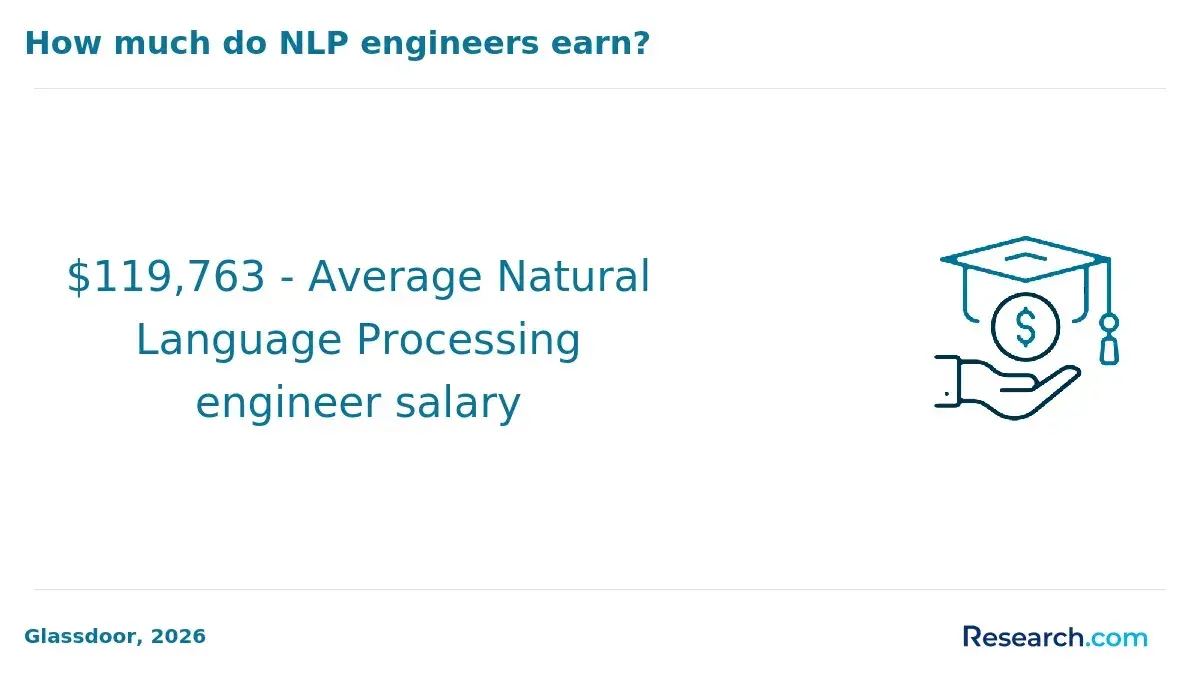
AI-certified procurement professionals qualify for roles such as AI procurement analyst, strategic sourcing manager with AI expertise, and supply chain optimization specialist. These positions demand skills in data analysis, predictive modeling, and automation tools integrated with procurement workflows. Salaries range from $70,000 to $120,000 annually, with entry-level AI procurement analysts starting near $70,000 and experienced strategic sourcing managers exceeding $110,000.
The job outlook for these professionals is strong and improving as organizations prioritize AI integration to cut costs and mitigate risks in supply chains. A 2024 IBM SkillsBuild and Burning Glass Institute analysis found that business professionals who earn practical AI certifications typically see an average salary increase of 11% within two years compared to those without certification. This highlights that AI credentials boost both employability and financial advancement.
Employers look for candidates blending procurement expertise with AI skills like machine learning model usage, natural language processing for contract analysis, and robotic process automation in order management.
- Faster career advancement
- Greater responsibility in AI-supported strategic decision-making
- Oversight of AI vendor relationships
AI-certified procurement experts gain measurable salary benefits and expanded career opportunities, demonstrating the growing importance of technological proficiency combined with traditional procurement knowledge.
How should professionals evaluate and choose the best AI procurement course with a certificate?
Professionals seeking AI procurement courses with certificates should focus on relevance, curriculum depth, and industry recognition. Priority should be given to courses emphasizing procurement-specific AI applications such as demand forecasting, supplier risk analysis, and contract management automation. Practical experience is vital; look for offerings that include hands-on projects with machine learning algorithms applied to supply chain data.
Accreditation matters-certificates from recognized universities or established organizations carry more weight with employers. The certificate should clearly detail completed competencies and include skill verifications or assessments to showcase verified expertise.
Course format and duration should align with individual schedules and learning preferences. Self-paced online options provide flexibility, while cohort-based programs foster networking and mentorship. Checking user reviews and alumni success rates, especially employment in procurement roles using AI, helps assess course impact.
Cost remains important but should be balanced against value. The World Economic Forum's Future of Jobs Report 2025 highlights a 33% growth in demand for AI and big data skills by 2028 among procurement specialists, underscoring career value. Additional considerations include comparing syllabi, verifying instructor credentials, and ensuring up-to-date AI applications.
An emphasis on ethical AI use and data privacy in procurement is increasingly essential amid evolving regulations and industry standards.
Other Things You Should Know About Artificial Intelligence
One common challenge is the steep learning curve in understanding complex algorithms and data analytics. Procurement professionals often need to build both domain knowledge and technical AI skills simultaneously, which can be demanding. Additionally, integrating AI concepts with real-world procurement scenarios to achieve practical results requires consistent practice and case studies.
In 2027, courses like "AI Strategy for Procurement Leaders" on Coursera and edX's "AI Implementation in Procurement" provide insights into how AI can be successfully integrated and leveraged in procurement operations. These courses focus on equipping professionals with strategic AI deployment skills.
Data quality is critical because AI systems rely on accurate, relevant, and up-to-date data to generate insights. Poor data quality can lead to erroneous predictions and flawed decision-making. Procurement professionals must prioritize clean and well-structured data to ensure AI tools deliver reliable and actionable outcomes.
Ethical use of AI in procurement includes transparency, fairness, and accountability in automated decisions. Bias in AI algorithms can distort supplier evaluations or contract awards, so it is important to monitor and mitigate such biases. Additionally, protecting sensitive procurement data and respecting privacy regulations are key ethical responsibilities.
References
- The Hackett Group: 64% of Procurement Leaders Say AI Will Transform Their Jobs https://www.thehackettgroup.com/the-hackett-group-procurement-leaders-say-ai-will-transform-their-jobs/
- Procurement Foundations to AI Innovations | NAEP https://www.naepnet.org/page/AISeries
- Professional AI Training: How to Choose the Right Program https://www.strategicaileader.com/professional-ai-training-how-to-choose-the-right-program/
- AI-Powered Procurement & Vendor Management | Queen’s College https://www.queenscollege.ca/ai-in-procurement-vendor-management-training/
- AI in Procurement (AIP) https://ism-india.org/elearning/course/AI-in-procurement/
- Artificial Intelligence (AI) in Procurement and Supply Chain Management Training Course https://glomacs.com/training-course/artificial-intelligence-ai-in-procurement-and-supply-chain-management
- Artificial Intelligence (AI) in Procurement and Supply C... https://oxford-management.com/course/artificial-intelligence-ai-in-procurement-and-supply-chain-management
- AI in Procurement and Supply Chain Management https://www.kgc.com/public-training-courses/ioscm/ai-in-procurement-and-supply-chain-management
- State of AI in Procurement in 2026 https://artofprocurement.com/blog/state-of-ai-in-procurement