2027 Best Responsible AI Courses Online

Co-Founder and Chief Data Scientist
Many professionals with unrelated undergraduate degrees face challenges entering the artificial intelligence field due to ethical concerns and technical skill gaps. Responsible AI development demands a clear understanding of fairness, transparency, and accountability to prevent biases and unintended consequences. Without targeted education, transitioning can lead to costly mistakes and limited career growth.
This article highlights top responsible AI courses designed for working adults seeking accessible, accredited options. It aims to help readers identify programs that build essential knowledge and skills for ethical AI implementation, enabling smooth career pivots into this rapidly expanding industry.
Key Things You Should Know
- Responsible AI courses in 2026 emphasize ethical frameworks, bias mitigation, and legal compliance, reflecting growing industry demand for trustworthy AI systems, with 68% of employers prioritizing these skills.
- Top programs integrate practical applications using real-world datasets, ensuring students develop hands-on expertise in fairness auditing and transparency techniques, essential for AI deployment in critical sectors.
- Certification from accredited providers increases employability by up to 40%, with many courses now offering flexible online formats, making responsible AI education accessible to working professionals nationwide.
Advance Your Career with AI Online Courses
Artificial Intelligence: Implications for Business Strategy
This program provides an introduction to Artificial Intelligence and their implications for business strategy. Earn an official digital certificate.

Oxford Artificial Intelligence Programme
Explore this Oxford Artificial Intelligence programme offered in a flexible learning environment and explore topics like machine learning, automation, and robotics.

Implementing Agentic AI: Building Your Organizational Playbook
This online MIT Agentic AI course offers a practical approach to deploying AI agents in your organization, including a custom playbook. 3 weeks, exclusive launch price.

AI Adoption: Driving Business Value and Impact
This online MIT AI Adoption: Driving Business Value and Impact offers practical frameworks to close the gap between AI potential and business reality.

Artificial Intelligence in Pharma and Biotech
Discover the applications and limitations of artificial intelligence in pharma and biotech with this MIT online short course.

What are the best responsible AI courses online?
Top responsible AI certification programs such as Stanford University's "Ethics, Public Policy, and Responsible AI," Harvard's "Building Ethical AI," and the University of Edinburgh's "Ethics of AI and Big Data" blend ethical theory with practical case studies. These courses equip learners to design AI systems that emphasize fairness, accountability, and transparency.
Practitioners seeking the best responsible artificial intelligence courses online should prioritize those offering hands-on projects involving real-world datasets, bias detection techniques, and auditing AI models. Coverage of data privacy laws such as GDPR and social impact analysis is essential. Certifications recognized by industry bodies enhance career prospects.
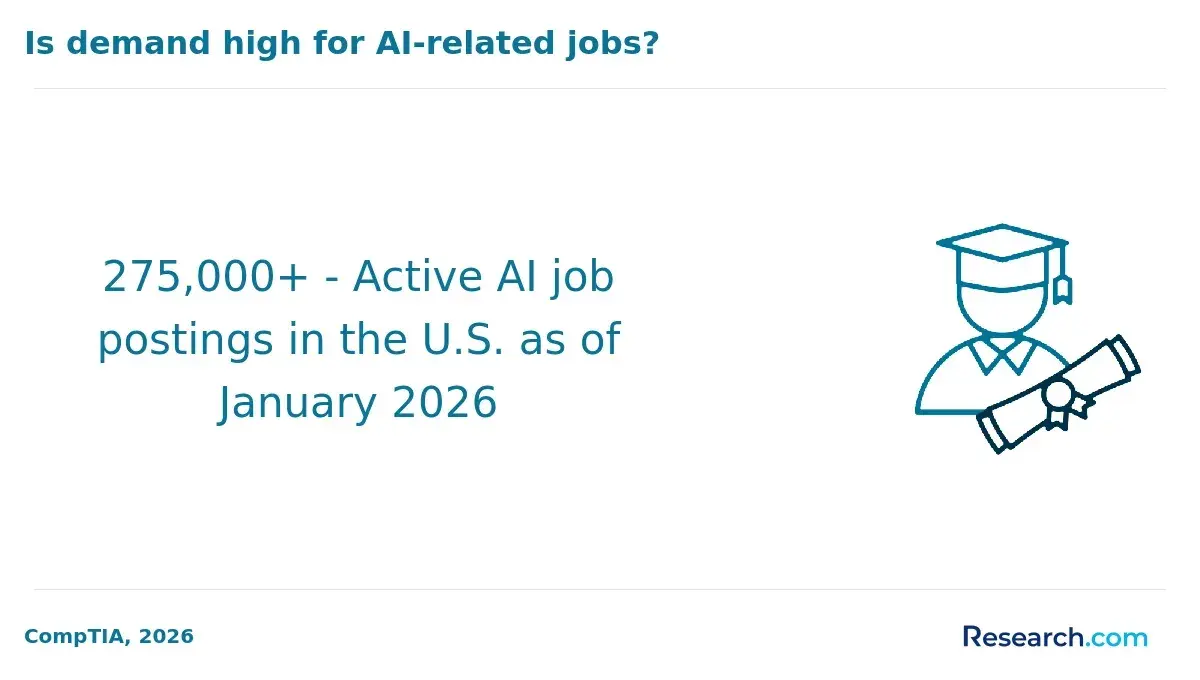
Demand for these skills is expanding rapidly as global AI spending is expected to reach $739 billion in 2026 with a compound annual growth rate of 35.8% from 2023 to 2026. This growth increases the need for experts fluent in both AI technology and its ethical frameworks.
Students and professionals should consider courses covering multiple dimensions including legal standards, stakeholder engagement, explainability methods, and AI governance structures. Employers in healthcare, finance, and government sectors increasingly value roles like AI ethics officer, AI compliance specialist, and data governance analyst.
For those exploring related educational opportunities, data science degrees offer complementary skills that enhance understanding of AI systems and responsible deployment.
Advance Your Career with AI Online Courses
Artificial Intelligence: Implications for Business Strategy
This program provides an introduction to Artificial Intelligence and their implications for business strategy. Earn an official digital certificate.
Oxford Artificial Intelligence Programme
Explore this Oxford Artificial Intelligence programme offered in a flexible learning environment and explore topics like machine learning, automation, and robotics.
Implementing Agentic AI: Building Your Organizational Playbook
This online MIT Agentic AI course offers a practical approach to deploying AI agents in your organization, including a custom playbook. 3 weeks, exclusive launch price.
What does a responsible AI course cover?
Responsible AI courses focus on core topics covered in responsible AI courses including fairness, transparency, accountability, and privacy principles. Students develop skills to identify and reduce bias in datasets and algorithms, preventing discriminatory outcomes in critical sectors such as healthcare, finance, and law enforcement. These programs also cover regulatory frameworks like GDPR and emerging AI-specific laws, ensuring learners understand compliance essentials.
Risk assessment and impact analysis are integral, with discussions on ethical challenges from autonomous vehicles to AI-driven hiring decisions. Practical components often include algorithmic audits and the application of fairness metrics. The curriculum extends to AI governance, emphasizing organizational roles, stakeholder engagement, and policy development to promote responsible innovation.
Growth in AI ethics and governance jobs (up 67% between 2022 and 2024) and median U.S. salaries exceeding $150,000 highlight the field's career potential. Many students benefit from combining theory with technical skills, such as explainable AI techniques, privacy-preserving machine learning, and secure data handling, preparing for roles in compliance, policy advising, and AI auditing.
Prospective learners seeking responsible ai ethics training online should also consider educational opportunities from cheapest engineering colleges to enhance affordability and access.
How do you choose a credible responsible AI program?
Evaluating responsible AI certification programs online involves several critical considerations. The curriculum should cover essential topics like fairness, transparency, accountability, privacy, and ethical governance, bridging the gap between theoretical AI ethics and practical application.
Instructor credentials matter. Programs led by recognized academics or industry experts, especially those linked to institutions advancing responsible AI research, generally offer more credibility. Including case studies or partnerships with organizations applying responsible AI frameworks is a strong indicator of quality.
Since only 10% of organizations have fully implemented responsible AI programs despite 79% deploying AI, hands-on projects or real-world simulations are vital. These practical experiences prepare students to tackle challenges in adopting ethical AI at an organizational level. This practical approach is a key feature of top courses for learning responsible AI ethics.
The program should align with recognized standards or regulations, such as the EU AI Act or NIST's AI risk management framework, ensuring relevance in policy-sensitive environments. Additionally, certification recognized by employers or AI professional organizations signals clear career pathways.
Prospective students seeking these credentials might also consider related fields, like cybersecurity. For example, a reputable cybersecurity online degree can complement AI ethics expertise in security-sensitive roles.
Are responsible AI courses offered as certificates or degrees?
Responsible AI certificate programs online are designed for professionals aiming to quickly gain practical skills in ethical frameworks, fairness, and governance. These certificate options typically last from a few weeks to several months and suit those who want to demonstrate competency without committing to a full degree. They often appear as part of broader data science or AI curriculums focused on compliance and applied knowledge.
Degree programs in responsible AI provide more in-depth education, combining technical, legal, and social perspectives across multiple semesters. Degrees such as bachelor's or master's in responsible AI, AI ethics, or AI governance prepare students for leadership roles, advanced research, or regulatory careers. Many universities now embed responsible AI topics within traditional AI degrees to meet growing workforce demands.
Regulatory pressures, like the upcoming EU AI Act affecting about 40% of global AI investment, intensify the need for specialists skilled in navigating ethical and legal standards.
When deciding between certificates and degrees, consider your career goals and time commitment. Employers value candidates who combine strong technical AI skills with responsible AI principles. For those exploring career pathways, resources on becoming an AI trainer offer useful insights.
Responsible AI degree courses available provide comprehensive interdisciplinary training for those targeting policy or governance roles.
What are the admission requirements for responsible AI programs?
Admission for responsible AI programs usually requires a bachelor's degree in a STEM field such as computer science, data science, engineering, or mathematics. Candidates with related degrees may qualify if they demonstrate strong skills in programming and statistics. Graduate programs often expect prior experience in machine learning, data ethics, or AI fundamentals. GRE scores might be required for master's level applicants, but these requirements are becoming more flexible.
Work experience in technology, data governance, compliance, or ethics-related roles significantly enhances applications, especially for executive or professional certificate programs. Many programs ask for a statement of purpose explaining candidates' motivations and career objectives. Letters of recommendation help assess commitment and aptitude.
English proficiency is mandatory for non-native speakers, generally proven through TOEFL or IELTS. Online courses provide more flexibility with fewer prerequisites, catering to beginners while allowing progression to advanced topics.
Organizations with mature responsible AI initiatives are 53% more likely to experience financial gains and 2.6× more likely to avoid major compliance issues, reports the IBM Institute for Business Value. Emphasizing compliance and risk management in admissions ensures that students gain practical skills to mitigate AI-related risks effectively.
How long do responsible AI courses take to finish?
Responsible AI courses generally take between 4 to 12 weeks, depending on content depth and delivery format. Shorter, introductory courses often last 4 to 6 weeks part-time, focusing on ethical AI principles, bias mitigation, and regulatory compliance. More comprehensive programs, extending to 8 to 12 weeks or longer, include hands-on projects, case studies, and advanced discussions on AI governance and accountability frameworks.
Course duration also varies by delivery method. Self-paced online courses offer flexibility, allowing learners to set their own pace. Instructor-led programs follow fixed schedules, which can be ideal for those who prefer structure. Professionals balancing work and study frequently find 6 to 8-week courses manageable without compromising learning quality.
According to the PwC Global CEO Survey 2024, 79% of CEOs are deploying or piloting generative AI, yet 61% report a lack of responsible AI skills internally. These courses efficiently address this gap by delivering actionable and focused education within that timeframe.
When choosing a course, consider:
- The balance of theoretical insights versus practical applications
- Flexibility and required time commitment
- Opportunities for project work or real-world case evaluations
Such factors ensure the program aligns well with your learning goals and schedule, helping you develop essential responsible AI skills.
How much do responsible AI courses cost?
Responsible AI courses show a broad range of costs, from free introductory options to advanced certifications costing several thousand dollars. Many platforms like Coursera, edX, and Udacity offer free auditing, but full access with graded assignments and certification typically costs between $40 and $300. University-affiliated programs offering professional certificates or specialized tracks usually range from $500 to $2,000, with some multi-course bundles on AI ethics priced at $1,200 or more.
Certification often plays a vital role in job market competitiveness, prompting many employers to prefer candidates with verified credentials. Advanced micro-credentials and nanodegrees, priced above $1,000, provide thorough content blending theory and case studies. Subscription models with monthly fees ranging from $30 to $80 enable flexible learning across various courses, supporting continuous professional development.
Free or low-cost courses serve well for initial exploration but may lack comprehensive curricula or recognized certificates needed for career growth. Supply has expanded significantly, with enrollments in AI ethics and responsible AI courses increasing over 260% from 2021 to 2024, giving learners diverse options tailored to budgets and goals.
Students should evaluate aspects including course duration, instructor reputation, certification importance, and current ethical AI content before investing. Balancing cost with career relevance ensures a better return on education investment.
Are online responsible AI courses better than campus programs?
Online responsible AI courses provide notable benefits in cost and flexibility compared to traditional campus programs. Tuition for self-paced online certificates ranges from $500 to $1,500, making them roughly 70-85% cheaper than in-person executive courses that can exceed $5,000 to $10,000, based on analyses from Emeritus and edX. This affordability expands access to working professionals and recent graduates eager to enter AI ethics without significant debt.
Flexibility is another advantage. Online learners can manage studies around work or personal life, unlike campus programs that enforce fixed schedules and attendance. This is especially valuable for those living outside major urban centers or balancing demanding careers.
Campus programs, however, offer stronger networking through face-to-face contact, campus resources, and live discussions helpful in complex ethical debates within AI. Online courses counterbalance this with virtual forums, live webinars, and peer collaboration to foster interaction.
When choosing between formats, consider your learning style, time constraints, and career objectives. Prioritizing affordability and convenience often favors online courses. Those seeking immersive environments and personal mentorship might prefer campus options. Both methods increasingly deliver rigorous, accredited content ensuring high-quality education.
What jobs can responsible AI training prepare you for?
Responsible AI training prepares professionals for roles ensuring ethical, fair, and transparent AI deployment across industries. Key positions include AI ethicist, responsible AI program manager, and AI compliance analyst. These roles address bias identification, algorithmic risk management, and aligning AI systems with legal and societal standards. Data scientists and machine learning engineers with responsible AI expertise are in demand for tackling fairness and accountability challenges during model development, notably in finance, healthcare, and government sectors.
Additional roles include AI risk officers monitoring system vulnerabilities and privacy officers protecting personal data under evolving regulations. Product managers with a focus on AI ethics bridge technical teams and policy requirements throughout the AI lifecycle.
Employers increasingly seek internal experts to implement governance frameworks and deliver AI ethics training. Gartner's Enterprise Responsible AI Adoption Survey, 2024, shows 54% of large enterprises have launched training programs in responsible AI and AI risk management, up from 27% in 2022, reflecting growing organizational commitment.
Careers also span legal advisory roles on AI regulation compliance and academic or policy research analyzing AI's societal impact. Professionals skilled in bias mitigation, transparency tools, and sustainable AI innovation stand out.
Graduates should focus on cross-disciplinary skills, combining ethics, law, and data science. Practical experience with bias detection and auditing tools enhances employability and readiness for evolving industry demands.
What salary and job outlook can responsible AI graduates expect?
Graduates of responsible AI courses often see significant career growth, with over 40% receiving promotions, role changes, or raises within a year, according to the Coursera Learner Outcomes Survey for AI Ethics & Responsible AI Specializations. Furthermore, 63% said these credentials improved their overall career prospects.
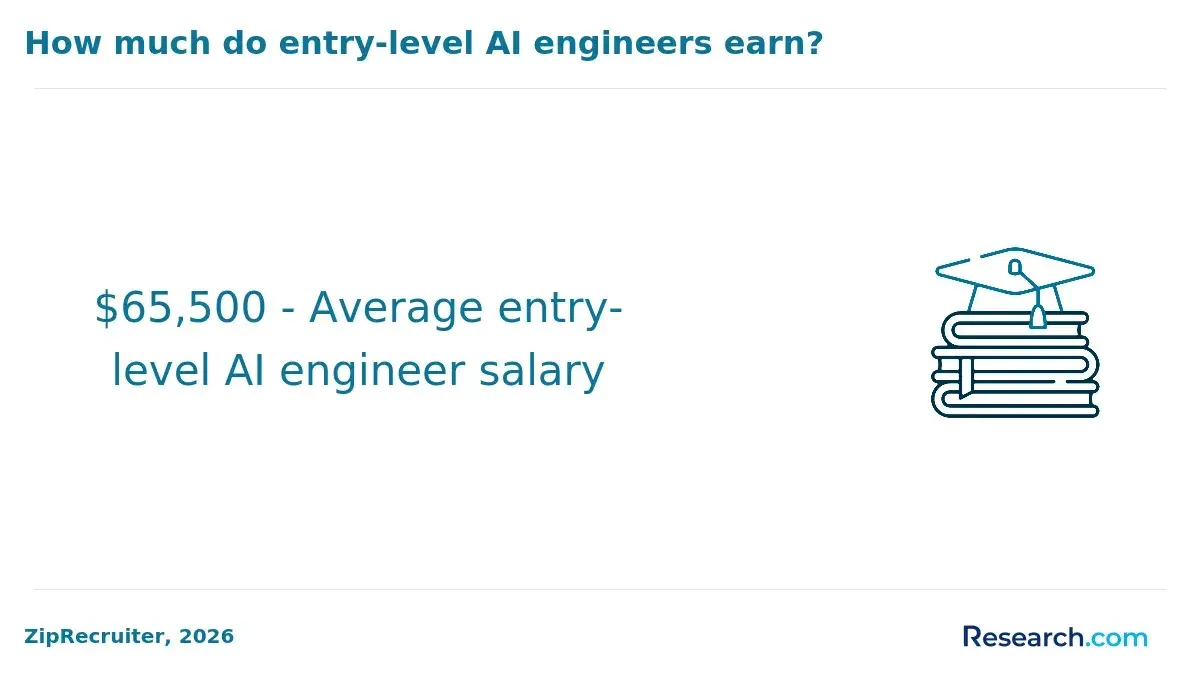
Responsible AI roles span diverse sectors, including technology, finance, healthcare, and government, emphasizing the creation of fair and transparent AI systems. Common job titles include AI ethics specialist, AI governance analyst, compliance officer, and responsible AI engineer. Entry-level salaries typically start near $90,000 annually, while seasoned professionals can earn $150,000 or more, depending on industry and location.
Employers prioritize skills in data privacy, bias mitigation, and regulatory compliance, fueling demand. Practical experience with responsible AI frameworks enhances employability by preparing professionals to navigate complex rules such as the EU AI Act. Reports from IDC and LinkedIn confirm increasing investments in AI governance, supporting a positive job outlook.
To maximize impact, certificates should cover legal frameworks, ethical design principles, and risk assessments. These competencies open opportunities in policy advisory, implementation teams, and auditing. Professionals aiming for growth benefit from hands-on knowledge and a clear understanding of emerging AI regulations.
Other Things You Should Know About Artificial Intelligence
In 2027, top Responsible AI courses online include Harvard University's "Responsible AI", Coursera's "AI Ethics and Society", and Stanford's "Ethics of AI". These courses cover topics like ethical AI design, bias minimization, and transparency, offering in-depth insights into developing AI responsibly.
Explainability refers to the ability to understand and interpret how an AI system makes decisions. It is crucial for trust, transparency, and debugging complex models. Developing explainable AI helps ensure systems behave predictably and align with ethical standards, which is a key focus in responsible AI education.
Data is fundamental to training AI models, as the quality and diversity of data directly affect the system's performance and fairness. Poor or biased data can propagate errors and lead to discriminatory outcomes. Responsible AI courses teach best practices for data collection, cleansing, and ethical use.
While AI systems can perform tasks independently, full autonomy is limited by current technology and ethical considerations. Human oversight remains essential to manage risks and ensure accountability. Responsible AI frameworks promote balanced collaboration between AI systems and human decision-makers.
References
- Course - Free Online Course: Introduction to Responsible AI https://www.globalcenter.ai/education/introduction-to-responsible-ai
- How long will the course take? https://www.elementsofai.com/faq/how-many-hours-will-the-course-take
- Responsible AI 2026: 6 Principles, Careers, Certifications & Salaries Guide https://k21academy.com/ai-ml/responsible-ai/
- The Stages of the Responsible AI Lifecycle https://www.ascendientlearning.com/blog/stages-of-responsible-ai-lifecycle
- Top AI Job Roles You Can Land with an AI Certification https://www.h2kinfosys.com/blog/top-ai-job-roles-you-can-land-with-an-ai-certification/
- Responsible AI courses — All Tech Is Human https://alltechishuman.org/rai-courses
- Best AI Ethics Courses for Responsible AI and Ethical Leadership - Emeritus Online Courses https://emeritus.org/blog/best-ai-ethics-courses/
- Coursera https://www.coursera.org
- 700+ Responsible AI Online Courses for 2026 | Explore Free Courses & Certifications | Class Central https://www.classcentral.com/subject/responsible-ai
- LIVE IT Training & Certification – 500+ Courses | Readynez https://www.readynez.com/en/blog/artificial-intelligence-career-guide-how-to-start-your-career-in-ai/