2027 Best AI Courses for People Operations Teams Managing AI Adoption

Co-Founder and Chief Data Scientist
People operations teams face mounting pressure to integrate artificial intelligence tools while ensuring ethical use and workforce adaptability. Without proper training, misaligned AI strategies can harm employee engagement and slow digital transformation. This challenge intensifies as organizations seek leaders who understand both technology and human factors.
Identifying the right AI courses can equip professionals with critical skills in AI adoption, change management, and ethical considerations. This article explores top AI courses designed specifically for people operations professionals, offering insights to help readers select effective programs that support responsible AI integration and workforce success.
Key Things You Should Know
- People operations teams require AI courses focusing on ethical AI adoption, with 72% of organizations citing trust-building as a top priority in 2025.
- Top AI courses emphasize data privacy, bias mitigation, and human-AI collaboration, essential for managing workforce transitions effectively.
- Recent studies show that 63% of HR professionals upgrading AI skills see measurable improvements in recruitment and retention outcomes within a year.
Advance Your Career with AI Online Courses
Artificial Intelligence: Implications for Business Strategy
This program provides an introduction to Artificial Intelligence and their implications for business strategy. Earn an official digital certificate.

Oxford Artificial Intelligence Programme
Explore this Oxford Artificial Intelligence programme offered in a flexible learning environment and explore topics like machine learning, automation, and robotics.

Implementing Agentic AI: Building Your Organizational Playbook
This online MIT Agentic AI course offers a practical approach to deploying AI agents in your organization, including a custom playbook. 3 weeks, exclusive launch price.

AI Adoption: Driving Business Value and Impact
This online MIT AI Adoption: Driving Business Value and Impact offers practical frameworks to close the gap between AI potential and business reality.

Artificial Intelligence in Pharma and Biotech
Discover the applications and limitations of artificial intelligence in pharma and biotech with this MIT online short course.

What are the best AI courses for people operations teams?
Top AI courses for people operations teams emphasize applying artificial intelligence to HR, talent management, and employee experience. Effective ai training programs for managing people operations focus on recruitment automation, performance analytics, and personalized employee development. Leading platforms like Coursera and edX offer courses featuring real-world case studies and data-driven decision-making frameworks.
Foundational courses such as "AI For Everyone" by Andrew Ng build essential AI literacy, helping teams grasp AI capabilities and limitations. Specialized courses like "People Analytics" use machine learning to optimize workforce planning and reduce bias, addressing key HR performance metrics.
Reskilling using AI tools improves job satisfaction and productivity; workers who receive AI reskilling report 1.4 times greater work enjoyment and 2.1 times better performance, according to the Microsoft & LinkedIn Work Trend Index. This highlights the importance of selecting programs that blend technical skills with change management to prepare People Ops leaders effectively.
Ideal training covers:
- Interpreting AI-driven insights for talent acquisition and retention
- Ethical AI use and bias mitigation in HR decisions
- Integrating automation to streamline routine administrative tasks
- Communicating AI benefits and managing employee adoption
People operations teams should balance technical AI skills with human-centered management to lead responsible AI adoption that improves employee engagement and organizational outcomes. Prospective students might also consider pursuing an online computer science degree to deepen their AI knowledge and career prospects.
Advance Your Career with AI Online Courses
Artificial Intelligence: Implications for Business Strategy
This program provides an introduction to Artificial Intelligence and their implications for business strategy. Earn an official digital certificate.
Oxford Artificial Intelligence Programme
Explore this Oxford Artificial Intelligence programme offered in a flexible learning environment and explore topics like machine learning, automation, and robotics.
Implementing Agentic AI: Building Your Organizational Playbook
This online MIT Agentic AI course offers a practical approach to deploying AI agents in your organization, including a custom playbook. 3 weeks, exclusive launch price.
How do people operations teams use AI in adoption work?
People operations teams leverage artificial intelligence for adoption by designing targeted training programs that build a consistent AI skill baseline among employees. IBM's Global AI Adoption Index shows that organizations with over 75% of their workforce trained in basic AI skills experience productivity boosts 2.5 times higher than those with limited training coverage. This highlights people operations' vital role in closing knowledge gaps and speeding AI fluency throughout the company.
Using AI tools to streamline people operations adoption processes involves:
- Evaluating workforce AI literacy to identify skill gaps and focus tailored learning efforts.
- Creating scalable education programs combining online modules, workshops, and real-world simulations.
- Collaborating with IT and data teams to embed AI tools into everyday work, clarifying their impact on roles.
- Tracking adoption metrics and employee feedback to refine training continuously.
- Supporting leadership in communicating AI's strategic value to encourage innovation.
Additionally, people operations help align departments by fostering a common language around AI capabilities and guiding managers to set realistic performance goals tied to AI integration. They address challenges such as job displacement fears, uneven skill levels, and ethics, ensuring responsible and inclusive adoption.
For individuals seeking to advance in this evolving field, pursuing an online AI degree can provide essential knowledge and skills to support organizations' AI transformation efforts.
Which AI skills do people operations professionals need?
People operations professionals require specific AI skills to lead managing AI adoption in HR teams effectively. Key competencies include applying generative AI for talent acquisition, employee engagement, and performance management. Expertise in people analytics helps interpret data-driven insights critical for workforce planning and retention.
Proficiency with AI-powered recruitment tools, such as automated resume screening and candidate matching algorithms, streamlines hiring processes. Equally important is knowledge of ethical AI use and bias mitigation to ensure fairness and compliance. Project management skills tailored to AI implementation also help coordinate cross-functional collaboration and oversee AI adoption outcomes.
Practical experience with AI platforms that integrate with HR information systems enables automation of routine tasks like payroll and benefits administration. Familiarity with natural language processing (NLP) technology enhances communication management and employee sentiment analysis. Training in AI change management supports people operations professionals in guiding staff through technology-driven transformations, addressing concerns, and building trust.
According to Gartner's Future of HR Survey, 64% of CHROs view generative AI as a key enabler of HR transformation, yet only 19% report their HR teams have adequate AI skills. This highlights a significant gap in workforce readiness and the importance of role-specific AI education for people operations professionals to foster innovation.
For those interested in advancing their expertise, exploring specialized educational paths such as video game programs can provide valuable AI and technical foundations relevant across industries.
Are online AI courses better than campus options?
Online AI courses provide greater flexibility and more current content compared to traditional campus programs, often making them a better fit for people operations teams managing ai adoption. These courses are adaptable to specific industry requirements and usually reflect the latest ai advancements, whereas many campus programs may not update as rapidly.
Trust is essential in ai education. Only 24% of employees believe their company's ai training is unbiased and technically sound, but this trust jumps to 58% when the training involves collaboration with external accredited experts, according to Deloitte's 2024 Human Capital Trends report. Whether online or campus-based, the involvement of reputable providers boosts program credibility significantly.
Benefits of online ai training for people operations teams include partnerships with recognized universities or certified organizations that enhance trustworthiness. Campus offerings may allow for stronger networking and hands-on labs useful for skill-building, but they often lack the agility to refresh materials quickly. Additionally, online courses' asynchronous format supports continuous learning alongside busy work schedules.
Scalability and customization are key factors for people operations leaders. Online learning platforms typically offer analytics, adaptive paths, and integration with corporate LMS systems, simplifying adoption and tracking. In contrast, campus courses are less scalable for large or diverse employee groups. For those considering these options, exploring affordable and credible computer science degrees can also be valuable.
What should an AI course curriculum include?
An ai course curriculum for people operations teams managing AI adoption must address both technical skills and human factors to ensure smooth integration. Essential topics include machine learning basics, natural language processing, and automation tools tailored to HR workflows. This foundational knowledge helps people ops professionals communicate effectively with technical teams and understand AI's potential and limitations.
Change management training is vital, covering strategies to overcome organizational resistance, design employee training, and develop communication plans for diverse groups. According to McKinsey's 2024 State of AI in the Enterprise report, companies with formal change-management capabilities are 3.5 times more likely to achieve or surpass ai project ROI targets, highlighting the value of this skill set.
Data ethics and privacy are also crucial, with emphasis on regulatory compliance like GDPR and techniques to reduce bias. People operations staff need to audit ai systems for fairness and transparency to build trust and meet legal standards.
Practical modules often include case studies on ai-driven recruitment, performance management, and employee engagement, paired with hands-on exercises using popular ai HR software platforms. Measuring adoption through metrics and KPIs enables data-driven progress evaluation.
Lastly, leadership and strategic planning prepare people ops teams to align ai initiatives with broader business objectives, ensuring sustainable success.
What admission requirements do AI courses usually have?
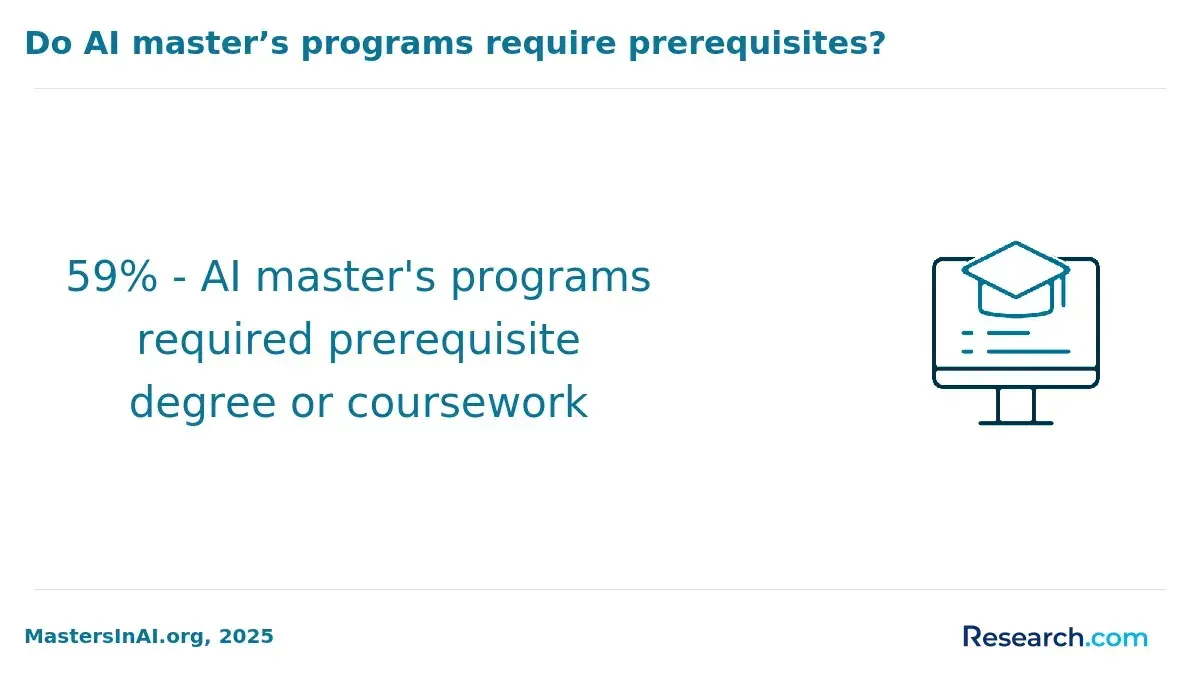
Admission to AI courses tailored for people operations teams typically requires a blend of education, work experience, and foundational skills. Candidates often need a bachelor's degree in fields like business, human resources, or IT to engage effectively with both technical and organizational aspects. Advanced programs may also require prior knowledge in data analytics, programming, or AI fundamentals, demonstrated through certifications or prerequisite coursework.
Many programs prefer mid-level professionals with 2 to 5 years of experience in HR or people management, ensuring learners can apply AI in real-world contexts. Executive education courses might ask for a professional profile or letter of intent detailing AI-related goals. Some entry-level courses waive work experience but still expect basic technical literacy.
Technical skill requirements vary widely: some courses accept beginners, while others demand familiarity with data tools, machine learning, or automation platforms. Placement tests or preparatory modules are common to tailor learning to participants' skill levels.
- Formal qualifications plus demonstrated interest through essays or interviews often play a role in admissions.
- Employers report that frontline managers trained in AI and automation improve team productivity by 22% and employee engagement by 21%, according to the Boston Consulting Group's AI at Work Study.
These results reinforce the value of selecting candidates capable of applying AI concepts to people operations. For those exploring AI education options, understanding these varied admission standards can guide decisions and career planning.
Employer Confidence in Online vs. In-Person Degree Skills, Global 2024

How long do AI courses for people operations teams take?
AI courses for people operations teams vary significantly in length based on their complexity and focus. Introductory courses, which provide a foundational understanding of AI tools in HR, generally last 4 to 8 hours. More comprehensive programs designed to develop practical skills and strategic insights often range from 20 to 40 hours over several weeks. These longer courses frequently include case studies, hands-on projects, and assessments tailored for HR leaders managing AI adoption.
Specialized training on compliance, ethics, and responsible AI use tends to be shorter, around 2 to 6 hours. This is critical, as 59% of organizations facing AI-related regulatory or reputational challenges lacked formal training on AI ethics or responsible use for people leaders, according to the PwC 2024 Global AI Business Survey. Integrating concise ethics modules into broader learning plans addresses this urgent need.
Blended learning models are common for organizations aiming to certify or deeply embed AI into HR workflows. These might include a series of micro-courses completed over 3 to 6 months to allow application of concepts in real time. Delivery formats vary, with self-paced online courses offering flexibility and instructor-led sessions providing weekly 1 to 2-hour guidance.
Choosing AI education should consider role demands, time availability, and strategic goals. Quick orientation courses work well for teams needing fast awareness, while multi-week programs support deeper expertise and compliance mastery.
How much do AI courses for people operations teams cost?
AI courses for people operations teams vary widely in cost and format, ranging from free introductory classes to premium certificates priced up to several thousand dollars. Entry-level online courses typically cost between $0 and $200, offering foundational knowledge suitable for beginners. More advanced programs, such as university-affiliated certificates or specialized boot camps, often fall between $1,000 and $5,000, depending on their depth and duration.
Corporate training options commonly feature customizable packages, priced according to team size and training hours. These usually include at least 20 hours of AI-focused learning per employee, a threshold linked to meaningful skill development. The IBM 2024 Global AI Skills Report highlights that organizations providing this level of training often achieve a median 3.3x return on investment through efficiency boosts and cost savings.
Costs fluctuate based on delivery method, instructor expertise, and practical components like hands-on projects or AI tool integration. Self-paced, asynchronous courses tend to be more affordable but require strong learner discipline. By contrast, live sessions with personalized feedback generally carry higher fees but can accelerate mastery.
Additional expenses may include necessary software, hardware, or time off work for training. Exploring employer-sponsored programs or negotiating group rates can help reduce financial burdens. Prioritizing courses with measurable outcomes and industry-recognized credentials maximizes return on investment in AI education.
Which certifications help people operations teams manage AI adoption?
Certifications designed for people operations teams to manage AI adoption effectively emphasize strategy, ethics, and human-centric tech management. Key options include the AI for Everyone Certificate, which builds foundational AI knowledge tailored to HR and operational leaders, focusing on interpreting AI insights to enhance workforce planning and decision-making.
The Certified Artificial Intelligence Practitioner (CAIP) certification delivers in-depth knowledge of ai implementation and governance, essential for ethical management and regulatory compliance. Meanwhile, the SHRM's People Analytics Specialty Credential equips HR professionals with skills to use ai-driven analytics for talent management and employee engagement, supporting data-driven ai adoption strategies.
Other programs like the MIT Sloan Artificial Intelligence: Implications for Business Strategy course prepare executives to integrate ai initiatives with company culture and strategy. According to the LinkedIn 2024 Workplace Learning Report, employees with ongoing ai learning through courses and communities are 39% less likely to feel overwhelmed and 47% more likely to be excited about ai's impact.
Effective certifications cover ai ethics, change management, and practical applications, helping address employee resistance, skill gaps, and ethical concerns. They also foster continuous learning cultures, vital for workforce readiness amid evolving ai adoption.
How do you choose a reputable AI course provider?
When selecting a reputable ai course provider for people operations teams, prioritize those offering specialized courses for HR professionals. Focus on practical applications such as talent management, workforce planning, and employee engagement. Verify instructors' credentials and industry experience to ensure alignment with current workplace demands.
Accreditation and partnerships with respected industry organizations or academic institutions often indicate course quality and up-to-date content. Programs that provide certifications recognized by professional bodies can enhance your resume and career prospects.
A blended training approach, combining internal learning with external ai courses and certificates, often yields better outcomes. The Josh Bersin Company's 2024 HR Technology and Skills Research shows that high-performing organizations are 1.8 times more likely to adopt this method, improving training effectiveness.
Evaluate course flexibility, including options for online access, self-paced learning, and integration with company workflows. Providers offering cohort-based models or live sessions add value through networking and real-time support.
Key curriculum elements to compare include ethics in ai, bias mitigation, legal compliance, as well as technical skills like machine learning fundamentals and ai-driven analytics. These areas prepare professionals to manage the human impact of ai adoption effectively.
Reviews and case studies from peers in similar roles are useful for assessing measurable improvements in team capabilities and actionable skills that enable successful ai strategy execution.
Other Things You Should Know About Artificial Intelligence
Continuous learning is crucial for teams managing AI adoption as it ensures they stay updated on evolving technologies and best practices. By engaging in ongoing education, such as current AI courses, people operations teams can improve their strategies, enhance decision-making, and foster a culture of innovation.
Success can be measured by evaluating improvements in recruitment efficiency, employee engagement, and process automation. Key performance indicators (KPIs) such as reduced time-to-hire, increased retention rates, and cost savings provide tangible metrics. Regular feedback from employees about AI tools also helps assess their efficacy.
Common challenges include resistance to change from employees, lack of AI literacy, and integration difficulties with existing systems. People operations teams often need to manage cultural shifts and provide adequate training. Overcoming data quality issues and privacy concerns also requires careful planning.
References
- University Degree vs AI Bootcamp: Which is Best Career Path? https://agilefever.com/university-degree-vs-ai-bootcamp-which-is-best/
- 5 Essential Automation and Artificial Intelligence Skills for HR Professionals https://www.alliedonesource.com/5-essential-automation-and-artificial-intelligence-skills-for-hr-professionals
- AI Academy | AI for HR https://academy.smarterx.ai/courses/ai-academy-ai-for-hr
- Introduction to AI for HR https://shop.cipd.org/product
- A Complete 4-Year Course Plan for an Artificial Intelligence Undergraduate Degree https://www.mihaileric.com/posts/complete-artificial-intelligence-undergraduate-course-plan/
- Best AI courses for hr professionals in 2026 https://www.upskillist.com/blog/best-ai-courses-for-hr-professionals/
- 8 Best AI in HR Certification Programs in 2026 https://www.aihr.com/blog/best-ai-in-hr-certification-programs/
- HR Chief | How AI is Already Impacting People Operations and Recruiting https://www.hrchief.com/articles/artificial-intelligence-people-operations-recruiting
- AI in ITSM course https://www.peoplecert.org/landing-pages/AI%20ITSM
- Understanding AI: AI tools, training, and skills https://ai.google/learn-ai-skills/