2027 Best AI Governance Courses for Ecommerce Marketing Teams

Co-Founder and Chief Data Scientist
Marketing teams in ecommerce face rising challenges managing the ethical use and compliance of AI-driven tools. Unchecked algorithms can lead to bias, privacy violations, and regulatory risks that jeopardize brand reputation and customer trust. Teams lacking governance knowledge struggle to implement effective safeguards while maintaining innovation speed.
Staying ahead requires understanding AI governance frameworks tailored to marketing applications in ecommerce environments. This article presents top courses designed to equip professionals with practical skills and compliance strategies, helping teams adopt AI responsibly and strategically to enhance performance while mitigating risks.
Key Things You Should Know
- AI governance courses in 2026 focus on ethical use, data privacy, and compliance, addressing ecommerce's increasing reliance on AI-driven marketing personalization.
- Recent studies show 68% of ecommerce marketers prioritize AI governance training to reduce bias and enhance trust in automated decision-making systems.
- Top-ranked courses integrate real-world case studies, guiding teams to implement AI strategies aligned with evolving US regulatory frameworks and consumer protection laws.
Advance Your Career with AI Online Courses
Artificial Intelligence: Implications for Business Strategy
This program provides an introduction to Artificial Intelligence and their implications for business strategy. Earn an official digital certificate.

Oxford Artificial Intelligence Programme
Explore this Oxford Artificial Intelligence programme offered in a flexible learning environment and explore topics like machine learning, automation, and robotics.

Implementing Agentic AI: Building Your Organizational Playbook
This online MIT Agentic AI course offers a practical approach to deploying AI agents in your organization, including a custom playbook. 3 weeks, exclusive launch price.

AI Adoption: Driving Business Value and Impact
This online MIT AI Adoption: Driving Business Value and Impact offers practical frameworks to close the gap between AI potential and business reality.

Artificial Intelligence in Pharma and Biotech
Discover the applications and limitations of artificial intelligence in pharma and biotech with this MIT online short course.

What are AI governance courses for ecommerce marketing teams?
AI governance training for ecommerce marketing teams aims to equip professionals with the skills needed to navigate ethical, legal, and operational challenges associated with AI technology in marketing. These programs focus on ensuring responsible use of AI by teaching frameworks to comply with data privacy laws, avoid bias, and maintain transparency in customer interactions.
The growing use of generative AI in marketing workflows underscores the importance of such courses. A notable survey found that 72% of global marketing leaders intend to expand their use of generative AI, while 61% acknowledge their organizations lack formal governance frameworks for responsible AI use in customer-facing roles. This gap poses risks including loss of consumer trust and regulatory penalties.
Ethical AI management courses for online retailers commonly include:
- Ethical AI principles applied to advertising algorithms
- Policies for data usage and consent management
- AI audit and monitoring for marketing campaigns
- Compliance with regulations such as GDPR and CCPA
- Case studies on AI misuse and mitigation techniques
Mastering these topics helps teams reduce liability and improve AI-driven customer engagement quality. Balancing automation with human oversight ensures AI aligns with brand values and customer expectations. Professionals looking to lead AI initiatives will find critical frameworks for sustainable, ethical innovation in ecommerce marketing. For those considering advancing their technical skills alongside governance expertise, a one year computer science degree can provide a valuable foundation.
Advance Your Career with AI Online Courses
Artificial Intelligence: Implications for Business Strategy
This program provides an introduction to Artificial Intelligence and their implications for business strategy. Earn an official digital certificate.
Oxford Artificial Intelligence Programme
Explore this Oxford Artificial Intelligence programme offered in a flexible learning environment and explore topics like machine learning, automation, and robotics.
Implementing Agentic AI: Building Your Organizational Playbook
This online MIT Agentic AI course offers a practical approach to deploying AI agents in your organization, including a custom playbook. 3 weeks, exclusive launch price.
Which accreditation matters for AI training programs?
Accreditation for AI governance certification for ecommerce marketing is vital to ensure ethical governance, data privacy, and industry compliance. Recognized certifications from organizations such as the International Association for Privacy Professionals (IAPP) or those aligned with the Digital Marketing Institute's standards confirm curricula cover essential risk management, regulatory frameworks, and brand safety topics. These accreditations help mitigate data misuse and bias, which are critical in ecommerce marketing environments.
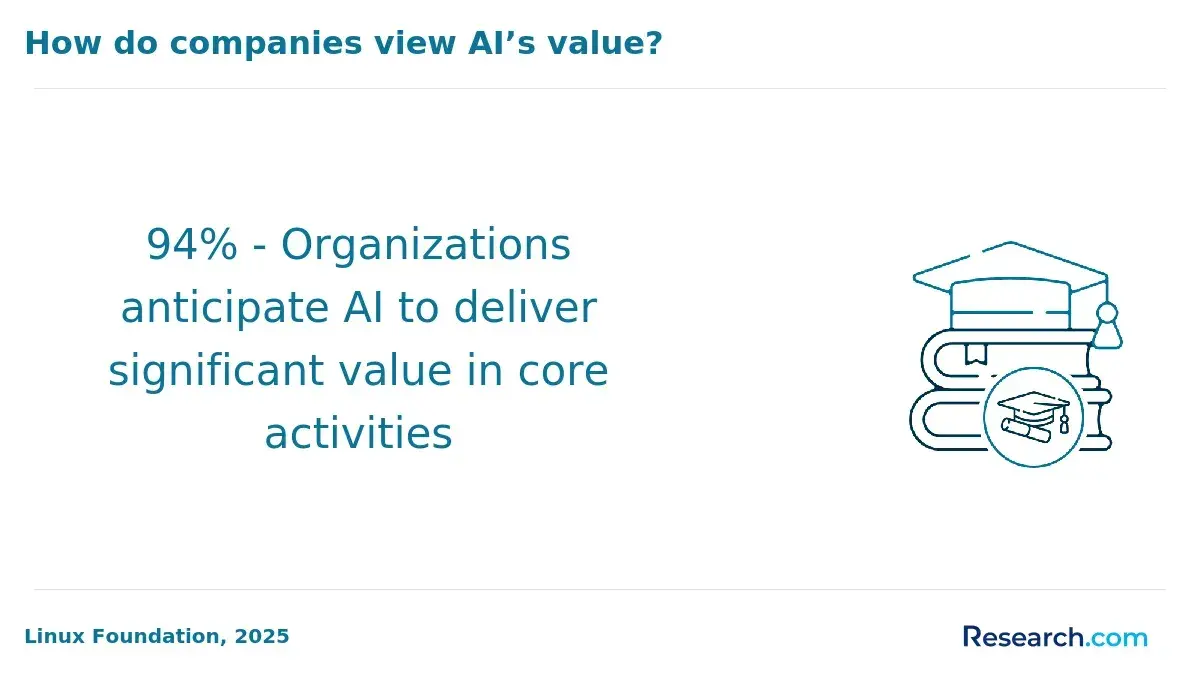
Employers value accreditations demonstrating knowledge of privacy laws like GDPR and CCPA, along with transparent AI decision-making practices. According to the Cisco data privacy benchmark report, 91% of organizations believe the absence of proper AI governance causes loss of customer trust, while 69% have limited AI tools due to privacy concerns. Thus, accredited AI training programs in ecommerce marketing that emphasize risk and compliance mastery are indispensable.
Programs offering practical assessments on AI ethics and compliance add significant value. Certifications with case studies on AI applications in ecommerce-such as navigating third-party data vendors or legally compliant customer targeting automation-provide hands-on skills. Seek programs that stay updated with evolving policies and AI regulations to maintain relevance.
For those interested in related fields, exploring options like an online mechanical engineer degree might complement technical skill development in AI-driven sectors.
Are online AI governance courses better than campus programs?
Online AI governance courses offer significant benefits for ecommerce teams, especially in adapting quickly to fast-changing AI regulations and technologies. These courses provide flexible pacing, which is essential for marketing professionals who need immediate, relevant knowledge. This contrasts with campus programs, which often maintain fixed academic timetables and may lag in delivering up-to-date, practical ecommerce insights.
In ecommerce marketing, campus vs online AI governance training debates often highlight how online platforms continuously update content to tackle emerging issues like consumer data privacy and ethical AI practices. A recent Salesforce consumer survey found that 80% of customers are more willing to share data with companies that clearly communicate AI use and protection, yet 59% believe transparency remains inadequate. Online courses focus on compliance strategies aligned with such consumer expectations, making them highly topical.
The variety of course formats in online learning-from brief modules on customer consent to detailed governance frameworks-supports diverse learning goals, unlike campus offerings that may lack such customization. While campus programs may excel in networking and accredited certification, many find the cost-effectiveness and immediacy of online options preferable.
Professionals interested in related fields might also explore an online game design degree as an example of accessible, flexible digital education that suits today's evolving career landscapes.
What topics do AI governance courses cover?
AI governance frameworks for ecommerce marketing teams focus on addressing ethical, transparent, and effective AI applications. A major topic covers bias, fairness, and ethical targeting in advertising algorithms. These courses teach how to detect, measure, and mitigate unintended biases in AI models-critical as a report from the World Economic Forum shows that nearly 60% of companies using AI in marketing encounter bias, yet only about one-third actively apply formal processes to manage it.
Compliance and ethical challenges in AI deployment are also covered, with training on data privacy regulations like GDPR and CCPA. Teams learn responsible data handling and consumer consent management practices. Transparency in AI decision-making is emphasized through explainability techniques, making algorithmic operations clearer for marketers and customers alike.
Risk management education helps prepare teams to identify potential harms such as discriminatory ad targeting or reputational risks. Students explore frameworks for continuous monitoring and auditing to maintain ethical standards. Additional topics include integrating AI ethics into marketing strategies, conducting impact assessments, and developing governance policies involving legal, technical, and marketing stakeholders.
These comprehensive courses equip professionals to deploy AI responsibly while enhancing performance and trust. For those interested in expanding their technical skill set alongside ethical knowledge, exploring the best online electrical engineering degree programs for veterans can provide a valuable foundation in AI technologies applied to ecommerce marketing.
What admission requirements do these courses usually have?
AI governance courses for ecommerce marketing teams often require a bachelor's degree in marketing, business, computer science, or a related discipline. Many also expect two to five years of professional experience in digital marketing or ecommerce to ensure participants understand AI's strategic role in real-world contexts. Technical skills such as familiarity with data analytics and basic programming (often Python or R) are commonly requested to help learners navigate topics like algorithmic bias and data privacy. Some programs include preparatory modules for those without a technical background.
Legal and ethical competencies are increasingly prioritized. For instance, a 2024 Adobe study revealed that 76% of marketing and creative leaders worry about copyright or IP issues from AI-generated content, and 68% say such concerns slow broader AI adoption in campaigns. Many courses test applicants' knowledge of intellectual property law or offer resources to build that expertise.
Application materials usually include a statement of purpose detailing the candidate's interest in AI governance and ecommerce marketing, which helps customize the curriculum. Letters of recommendation or evidence of relevant certifications, such as in data privacy or digital marketing, may also be required.
Admission criteria strike a balance between academic credentials, hands-on marketing experience, and understanding of AI ethics and IP to prepare students for governance challenges in ecommerce marketing.
How long do AI governance courses usually take?
AI governance courses vary in length, ranging from a few hours to several weeks depending on the program's depth and format. Short workshops or certificate classes usually span 4 to 12 hours, ideal for busy ecommerce marketing teams needing foundational knowledge swiftly. More comprehensive professional development programs extend from 4 to 6 weeks, allowing detailed study of risk management, ethical guidelines, and vendor evaluation.
Many programs offer modular designs, enabling participants to learn at their own pace. For instance, a 6-week course might feature weekly sessions on bias mitigation, compliance standards, and AI tool evaluation tailored to ecommerce marketing. Employers aiming to train teams efficiently often blend brief introductory modules with advanced sessions to sustain ongoing governance proficiency.
Vendor management remains crucial in ecommerce marketing AI governance. According to a Gartner survey, 73% of CMOs increased their spending on AI-enabled martech tools, but only 35% have standardized governance or risk-assessment checklists for AI vendors. This gap emphasizes the need for training that balances speed with thoroughness.
Choosing a course duration should align with organizational goals. Shorter courses suit immediate skills upgrades, while longer programs are better for building robust governance frameworks. Practical components, such as case studies or risk-assessment exercises, often require extra commitment but improve real-world readiness.
How much do AI governance courses cost?
AI governance courses for ecommerce marketing teams vary widely in price, typically from $500 to $3,000 depending on length, depth, and provider. Shorter online workshops or modules usually cost $500 to $1,000 and are suited for teams seeking foundational knowledge and practical strategies. More comprehensive certificate programs or multi-week immersive courses can exceed $2,500, covering compliance, ethical AI use, risk management, and impact assessment in detail.
For corporate or enterprise-level training, customized sessions often range from $5,000 to $20,000. These are tailored to address an organization's specific AI applications, regulatory concerns, and marketing strategies, sometimes featuring tiered pricing based on participant numbers to support scalability for larger teams.
Free or low-cost introductory courses exist but generally lack the depth to build strong competency in managing AI risks or maximizing ROI. Research shows organizations with solid AI governance and training programs are 43% more likely to achieve significant or transformational ROI in marketing and sales.
Important factors to consider when selecting a course include:
- Relevance of course content to ecommerce marketing and AI use cases
- Industry recognition and certification value
- Availability of ongoing support or advanced modules
- Practical elements such as case studies or project work
Prioritizing high-quality programs focused on risk reduction and productivity gains can justify the investment and build competitive advantage within AI-driven marketing environments.
What jobs use AI governance skills in ecommerce marketing?
AI governance skills play a critical role in ecommerce marketing positions that manage data ethics, compliance, and the strategic use of AI tools. Key roles include AI governance managers who develop policies to ensure algorithms meet ethical and legal standards. Marketing data analysts with governance expertise focus on data integrity and bias mitigation in AI-driven consumer insights. Product managers leverage AI governance knowledge to align technology with broader business and compliance goals.
Leadership positions such as AI strategy directors coordinate cross-functional teams, including marketing, IT, and legal departments, to implement AI governance frameworks. These leaders ensure AI-powered marketing campaigns comply with company policies and regulations. Customer experience managers also apply these skills to monitor fairness and transparency in personalized marketing efforts.
Practical experience in AI governance councils is increasingly valuable: a Deloitte global AI governance study reveals 62% of top-performing AI organizations have cross-functional councils with marketing or customer experience leaders, compared to 23% among lower-performing firms. This shows a rising demand for marketers skilled in AI governance to collaborate across departments.
Further career opportunities include compliance auditing and risk management, focusing on consumer data protection and preventing algorithmic discrimination. Skills in AI policy, risk assessment, and ethical AI use are essential for advancing in ecommerce marketing careers shaped by AI governance requirements.
What salary can AI governance training support?
AI governance training supports salaries ranging from $70,000 to over $150,000 annually, varying by role and experience. Entry-level ecommerce marketing analysts specializing in AI governance typically earn between $70,000 and $90,000. Mid-level professionals responsible for integrating AI guardrails into marketing workflows and ensuring compliance generally make $95,000 to $120,000. Senior roles, such as AI governance managers or strategists who lead AI adoption and risk mitigation, can command salaries exceeding $150,000.
Companies embedding AI guardrails directly into ecommerce marketing workflows are 2.5 times more likely to scale AI use cases successfully, according to a McKinsey survey. This drives demand for professionals skilled in AI governance.
Key factors influencing salary include certification level, hands-on experience with AI risk frameworks, and familiarity with ecommerce marketing platforms. Practical skills in automating AI guardrails boost earning potential. Those aiming to maximize salary growth should pursue roles specifying AI governance within digital marketing strategies.
Experts in AI governance often transition into related fields such as compliance, data privacy, or AI ethics, usually alongside salary increases. Ecommerce teams benefit from reduced risks of costly compliance failures and data breaches when hiring governance specialists, justifying premium compensation.
- Entry-level analysts: $70,000-$90,000
- Mid-level professionals: $95,000-$120,000
- Senior managers/strategists: $150,000+
How do you choose a reputable AI governance course?
When selecting a reputable AI governance course, prioritize institutions with strong credentials such as established universities, respected research centers, or industry-recognized organizations. It's important these courses involve experts experienced in AI ethics, compliance, and governance frameworks, particularly those relevant to ecommerce marketing.
Evaluate the curriculum for comprehensive coverage of regulatory compliance, ethical AI deployment, risk management, and accountability. Look for practical case studies addressing data privacy standards and bias mitigation in AI-powered advertising to gain skills applicable to real-world business needs.
Industry recognition matters. Programs endorsed by professional bodies or offering certificates valued by employers improve your job prospects. The World Economic Forum's 2024 Future of Jobs report highlights a 30-35% growth in AI governance roles by 2028, with marketing and sales driving demand.
Flexible course formats such as part-time or online options accommodate working professionals. Intensive short programs provide foundational knowledge quickly, whereas longer courses offer deeper expertise.
Review alumni outcomes to assess practical value. Successful job placements in ecommerce or related sectors, along with independent reviews, indicate course effectiveness. Reach out to past students when possible.
Other Things You Should Know About Artificial Intelligence
AI governance establishes policies and frameworks that ensure the ethical use of customer data within ecommerce marketing. It mandates transparent data collection practices, consent management, and adherence to privacy laws like GDPR and CCPA. This oversight helps prevent data misuse and builds consumer trust in AI-driven marketing strategies.
Key ethical challenges include bias in AI algorithms, data security risks, and lack of transparency in automated decision-making. AI governance courses teach how to identify and mitigate these issues to ensure fair customer targeting and compliance with legal standards. Addressing these challenges helps ecommerce teams maintain accountability in AI applications.
In 2027, several AI governance courses emphasize balancing personalization with privacy, such as those offered by Coursera and edX. They cover regulatory frameworks, consent management, and ethical AI deployment to ensure customer data is handled responsibly.
Continuous monitoring allows ecommerce teams to track AI system performance and detect potential ethical or operational issues early. It ensures that AI models remain compliant with governance standards and adapt to changing regulations and business needs. This ongoing oversight reduces risks associated with AI deployment in marketing.
References
- The AI Marketing Governance Framework Enterprise Teams Actually Use https://www.averi.ai/blog/the-ai-marketing-governance-framework-enterprise-teams-actually-use
- AI Governance Course: What to Look For - The Case HQ Online https://thecasehq.com/ai-governance-course-what-to-look-for/
- blog.cfte.education: Verifying that you are not a robot... https://blog.cfte.education/best-generative-ai-in-marketing-courses/
- AI in Marketing Career Path: Skills, Strategy & Roadmap to Future-Proof Growth https://cxl.com/b2b-marketing-career-guide/ai-in-marketing-career-guide/
- An AI governance certification will boost your career | The Corporate Governance Institute https://www.thecorporategovernanceinstitute.com/insights/guides/an-ai-governance-certification-will-boost-your-career/
- Subject requirement (A-G) https://admission.universityofcalifornia.edu/admission-requirements/first-year-requirements/subject-requirement-a-g.html
- AI governance salary calculator - gaicc.org https://gaicc.org/tools/ai-governance-salary-calculator/
- AI Training for Marketers (2026) — Content, Campaigns & AI Ads https://iternal.ai/ai-training-for-marketing-teams
- Market Analysis of 146 AI Governance Job Postings https://axialsearch.com/insights/ai-governance-jobs/
- Frontier AI Governance Course | BlueDot Impact https://bluedot.org/courses/ai-governance