2027 Best AI Transformation Offices Courses Online

Co-Founder and Chief Data Scientist
Many professionals with unrelated undergraduate degrees face challenges breaking into the artificial intelligence industry due to lack of specialized education and flexible learning options. Traditional degree programs may demand significant time and financial investment, creating barriers for working individuals seeking career pivots.
Without a clear pathway, understanding which courses provide practical skills and recognized accreditation can be overwhelming. This article reviews top online AI transformation offices courses designed to offer flexibility, industry relevance, and credible credentials. It aims to help prospective learners identify optimal programs that facilitate effective entry and advancement in the competitive AI field.
Key Things You Should Know
- Top AI transformation office courses in 2026 emphasize practical skills in machine learning, data engineering, and AI strategy, reflecting a 40% growth in industry demand since 2024.
- Most courses offer flexible online formats with hands-on labs, enabling students and professionals to quickly apply AI tools in various business sectors.
- Certification from leading platforms boosts career prospects, with a 65% increase in AI-related job placements reported among graduates within six months.
Advance Your Career with AI Online Courses
Artificial Intelligence: Implications for Business Strategy
This program provides an introduction to Artificial Intelligence and their implications for business strategy. Earn an official digital certificate.

Oxford Artificial Intelligence Programme
Explore this Oxford Artificial Intelligence programme offered in a flexible learning environment and explore topics like machine learning, automation, and robotics.

Implementing Agentic AI: Building Your Organizational Playbook
This online MIT Agentic AI course offers a practical approach to deploying AI agents in your organization, including a custom playbook. 3 weeks, exclusive launch price.

AI Adoption: Driving Business Value and Impact
This online MIT AI Adoption: Driving Business Value and Impact offers practical frameworks to close the gap between AI potential and business reality.

Artificial Intelligence in Pharma and Biotech
Discover the applications and limitations of artificial intelligence in pharma and biotech with this MIT online short course.

What is an AI transformation office and why are professionals taking online courses now?
An AI transformation office is a specialized team within organizations that plans, coordinates, and accelerates the adoption of artificial intelligence technologies across multiple business units. Its role is to ensure AI initiatives are strategically aligned, optimize resources, and create measurable business value instead of isolated projects.
Professionals pursuing online AI transformation office courses gain expertise in managing complex programs, developing governance frameworks, and addressing AI's operational and ethical issues.
According to McKinsey's global AI survey, organizations that have scaled AI enterprise-wide are 2.6 times more likely to generate at least 20% of EBIT from AI. This growing demand drives interest in courses highlighting the benefits of online AI transformation office courses, which prepare learners to:
- Design AI implementation roadmaps balancing innovation with risk
- Foster collaboration among data science, IT, and business units
- Measure AI's financial and operational impacts with data
- Manage compliance, ethics, and change during AI adoption
Transitioning into AI transformation office roles and responsibilities often requires shifting from pilot project tasks to broader enterprise strategy and stakeholder engagement. Business analysts and project managers can increase their influence by understanding AI's technical and integration challenges.
Flexible online training stays current with the evolving AI landscape, supporting professionals who aim to lead AI-driven change. Those interested in applied artificial intelligence jobs will find these skills increasingly valuable for advancement.
Advance Your Career with AI Online Courses
Artificial Intelligence: Implications for Business Strategy
This program provides an introduction to Artificial Intelligence and their implications for business strategy. Earn an official digital certificate.
Oxford Artificial Intelligence Programme
Explore this Oxford Artificial Intelligence programme offered in a flexible learning environment and explore topics like machine learning, automation, and robotics.
Implementing Agentic AI: Building Your Organizational Playbook
This online MIT Agentic AI course offers a practical approach to deploying AI agents in your organization, including a custom playbook. 3 weeks, exclusive launch price.
What types of online AI transformation office courses are available for managers and leaders?
Online AI transformation leadership courses for office managers offer focused training that equips business leaders with skills to drive digital transformation through artificial intelligence.
These programs cover areas such as AI strategy formulation, leadership in AI adoption, data-driven decision-making, ethics and risk management, and technical overviews designed for non-engineers.
- AI strategy formulation courses teach leaders how to set AI-driven goals, evaluate organizational readiness, and develop governance frameworks.
- Leadership in AI adoption courses focus on managing change, culture shifts, and workforce reskilling.
- Data-driven decision-making programs emphasize interpreting AI analytics to support operational and strategic decisions.
- Ethics and risk management modules cover compliance, bias reduction, and regulatory issues.
- Technical overviews for non-engineers promote cross-functional collaboration through foundational machine learning understanding.
Many online artificial intelligence training programs for business leaders tailor content to specific industries like finance or healthcare, helping leaders apply AI within domain-specific workflows and regulations.
Flexible pacing, case studies, and simulations simulate real-world challenges. Demand for these skills is growing rapidly, reflected in a 65% increase in job postings requiring AI transformation or strategy expertise. Prospective learners should assess programs based on curriculum relevance and instructor expertise to match their organizational goals.
Those interested may explore the best online master's in artificial intelligence for comprehensive AI education options.
How do I choose the best online AI transformation office course for my career goals?
Identify your specific career goals before selecting any of the best online AI transformation office training programs. Whether your aim is to lead AI-driven projects, develop strategic frameworks, or manage AI integration, these objectives should shape the course content and skills you prioritize.
For professionals seeking leadership roles in AI deployment, look for courses that emphasize AI governance, change management, and business transformation principles.
When evaluating top AI transformation courses for career growth, focus on curricula aligned with current industry demands. Important topics include AI ethics, data strategy, machine learning applications, and emerging technologies. Programs featuring hands-on projects or real-world case studies cultivate practical skills necessary for success in the workplace.
Instructor credentials also matter. Experienced industry experts and academic leaders with proven AI implementation backgrounds provide authoritative guidance and relevant insights. Additionally, verify if the course offers recognized certifications that enhance professional profiles and career prospects.
Course format and duration are important factors to consider. Flexible, self-paced, or blended models accommodate working professionals, while intensive bootcamps or cohort-based programs suit those needing rapid upskilling. Cost should be balanced with quality since expensive programs aren't always better, and very low-cost options might lack depth or current content.
Deloitte's State of AI in the Enterprise report highlights that AI leaders are 3.5 times more likely to achieve over 10% annual revenue growth through AI initiatives. Focus on courses that clearly link knowledge to measurable business impact.
For additional guidance on affordable education paths, consider exploring data science degrees relevant to this field.
What should I look for in accreditation and institutional quality for AI transformation programs?
Accredited AI transformation certification programs play a vital role in enhancing the value of your credentials and career opportunities.
Seek programs recognized by established accreditors like the Accreditation Board for Engineering and Technology (ABET) or regional bodies such as the Higher Learning Commission. These accreditations ensure curricula are aligned with strict academic criteria and evolving industry demands.
Top-rated institutional quality for AI training often comes from schools connected to technology hubs or research centers, providing students with hands-on experience through projects, internships, and faculty engaged in active AI work. Choosing a program affiliated with industry leaders can significantly improve access to practical insights beyond theoretical knowledge.
Since Gartner notes that 40% of large enterprises maintain centralized AI transformation teams, programs offering a mix of technical and business courses, covering AI strategy, data governance, change management, ethics, machine learning, and data analytics, are essential for understanding both technology and organizational impact.
Program flexibility and support services matter for student success, including career counseling, mentorship, and modern learning platforms. Faculty expertise is equally critical; prioritize those programs with instructors experienced in enterprise AI deployment or consulting, and with clear faculty credentials.
For those exploring affordable education options, an online computer science degree can serve as a solid foundation for AI specialization and career advancement.
How do online AI transformation office courses compare with campus-based and executive formats?
Online AI transformation office courses offer greater flexibility than campus-based and executive formats, making them ideal for working professionals and graduates managing busy schedules.
Unlike campus programs, which require physical presence and fixed times, online courses let learners advance at their own pace and revisit challenging content. Executive programs tend to be intensive and short, usually lasting a few days, while online courses spread learning over weeks, helping retention through spaced repetition.
Campus-based courses provide valuable direct interaction with instructors and peers, supporting deeper networking and collaboration, beneficial for students new to AI concepts or those who prefer guided learning. Executive programs target senior professionals aiming for rapid leadership skill development but may not cover as much breadth as longer online options.
The World Economic Forum's Future of Jobs Report 2025 projects that 44% of workers' core skills will be disrupted by AI and digital technologies within five years. This rising demand for reskilling highlights the value of many online programs, which update content regularly and incorporate case studies and simulations relevant to AI transformation offices.
Choosing the right format depends on needs:
- Online courses suit those needing schedule flexibility and broad exposure to evolving AI tools.
- Campus programs fit students seeking face-to-face interaction.
- Executive formats serve experienced professionals seeking concentrated leadership training.
Overall, online courses provide scalable, current training essential for adapting workforce skills amid rapid AI disruption.
What core skills and topics do top AI transformation office courses usually cover?
Top AI transformation office courses cover essential skills to lead AI-driven projects effectively. These programs focus on developing AI strategy by aligning technology with business goals to create comprehensive transformation roadmaps. A strong emphasis is placed on data governance and ethics, ensuring participants understand how to manage data responsibly and address regulatory and bias concerns.
Technical knowledge is crucial, with training in machine learning algorithms, natural language processing, and AI model evaluation. These skills enable managers to collaborate proficiently with technical teams and assess project viability.
Change management tailored for AI adoption is also key-students learn strategies to facilitate organizational shifts and cultural acceptance of new AI initiatives.
Risk assessment and compliance topics prepare students to tackle AI-specific challenges like model inaccuracies, cybersecurity threats, and legal liabilities. Leadership and communication courses focus on explaining complex AI concepts to stakeholders and promoting interdisciplinary collaboration.
Additionally, many courses include frameworks to measure AI return on investment and performance metrics to prove the value of AI projects to executives. Real-world case studies and projects in fields such as healthcare automation, financial services, and supply chain optimization enhance practical problem-solving skills.
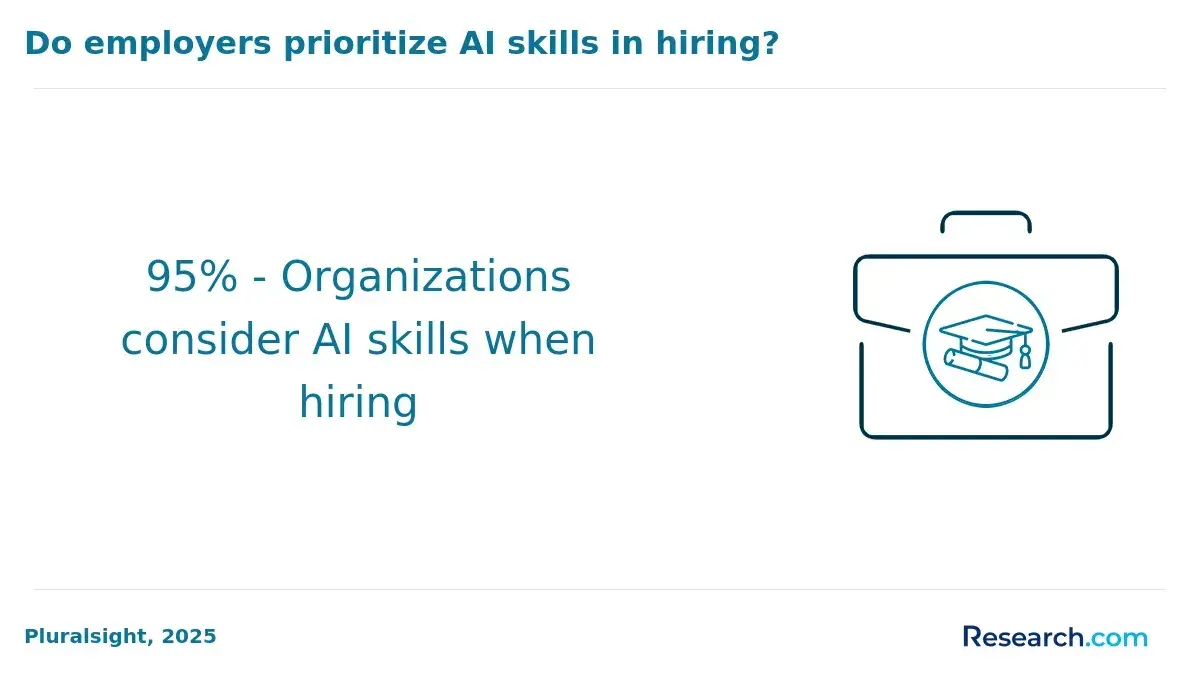
According to PwC's 2024 Global AI Jobs Barometer, managerial roles with AI expertise earn a 17% average wage premium over similar positions without AI skills.
What are the typical admission requirements for AI transformation office certificates and programs?
Admission to AI transformation office certificates and programs typically requires a bachelor's degree in fields like computer science, engineering, business administration, or information systems.
Candidates often need two to five years of relevant experience, especially in project management, digital strategy, or analytics roles. Many programs look for proficiency in data analysis, programming, or digital transformation concepts, with some offering bridging courses for non-technical professionals.
Application components can include a written statement of career goals, letters of recommendation, and occasionally standardized test scores like the GRE, though the latter is uncommon except in some executive education tracks. Online programs tend to have fewer barriers, sometimes requiring just proof of prior education or experience.
Harvard Business School Online data highlights that 24% of learners in digital transformation and AI-related programs experienced an average salary increase of $20,466 after completion. This reflects the growing value of applicable skills and relevant experience in admissions and career advancement.
Emphasizing leadership skills, strategic thinking, or proficiency with AI tools varies by program. Applicants can improve their chances by preparing a detailed CV that showcases project impact and clear learning objectives.
How long do AI transformation office courses take, and what do they typically cost?
AI transformation office courses vary widely in length and depth, from short programs lasting 4 weeks with 20 to 40 hours of instruction to more intensive offerings exceeding 100 hours.
Shorter courses generally cover foundational topics such as AI strategy, governance, and change management. Longer programs delve deeper into areas like AI ethics, project management, data integration, and detailed organizational transformation.
Costs depend on the institution and curriculum. Basic certificate programs are usually priced between $500 and $2,000. More advanced bootcamps or university-led courses can range from $3,000 to $7,000, while executive-level training designed for senior leaders often exceeds $10,000.
Financing options and employer sponsorships are common, reflecting findings from IBM's 2024 Global AI Adoption Index that indicate 61% of high-performing organizations increase AI training budgets, compared to 27% of others.
Choosing the right program involves matching your career stage and goals. Early-career individuals often benefit from shorter, affordable courses to build foundational knowledge, while mid-career professionals focused on AI adoption may prefer longer, project-intensive training emphasizing practical transformation skills.
Balancing time commitments is crucial for working professionals to complete courses without disrupting job duties.
Effective programs often include real-world case studies or capstone projects simulating AI deployment across industries. Comparing course curricula against personal goals ensures both cost-effectiveness and skill relevance.
What careers can AI transformation office training lead to, and where do graduates work?
AI transformation office training equips professionals for roles such as AI project manager, AI business consultant, AI strategy analyst, and AI operations lead. These positions are vital for guiding organizations through the integration of AI tools, ensuring they align with strategic goals while addressing challenges like ethical use and data governance.
Graduates typically work in diverse sectors including technology, finance, healthcare, and government. For instance, AI project managers at tech companies handle product development lifecycles, while consultants in financial institutions refine algorithms for fraud detection.
Healthcare employers use AI strategy analysts to enhance diagnostics and patient care, and public agencies focus on AI policy or managing AI-enabled services.
Key skills from this training include managing cross-functional teams, selecting effective AI platforms, and responsibly scaling AI solutions. Additionally, professionals learn to act as liaisons between technical and non-technical departments, a critical capability for successful AI adoption.
According to TechTarget's 2024 review, there is a more than 50% increase in AI and AI-leadership certifications offered by leading vendors and universities since 2022. This surge highlights growing employer demand for specialized expertise in AI strategy and leadership.
What salaries and job outlook can AI transformation office professionals expect in the U.S.?
Professionals in AI transformation offices in the U.S. command competitive salaries, with median annual pay ranging from $110,000 to $160,000. Senior leaders often earn more than $200,000, influenced by experience and company size. Entry-level roles start near $85,000, reflecting the specialized skills required in AI technology, governance, and compliance.
The demand for these roles is strong and growing. By 2030, industry data expect over 75% of enterprises to have an AI steering committee or transformation office, highlighting the need for experts who bridge AI strategy and operational implementation. Career growth includes advancement into enterprise AI governance, risk management, and innovation leadership positions.
Key skills include ethical AI understanding, regulatory compliance expertise (such as familiarity with the EU AI Act and U.S. guidelines), and cross-functional coordination. Strong project management and communication abilities are essential to translating complex AI technologies into tangible business value while managing risks effectively.
For those entering or advancing in this field, focusing on continuous learning in both technical AI domains and governance structures enhances opportunities. Organizations increasingly formalize AI governance as part of enterprise strategy, ensuring robust career pathways for skilled professionals.
Other Things You Should Know About Artificial Intelligence
In 2027, top AI Transformation Office courses available online include offerings from platforms like Coursera, edX, and Udacity. Notable courses cover AI strategy formulation, AI ethics, and AI-driven business transformations, often in collaboration with leading universities and tech companies.
Artificial intelligence can support and enhance human decision-making but is unlikely to replace it entirely in the near future. AI excels at processing large datasets and identifying patterns, but complex judgment calls that require emotional intelligence and ethical reasoning still depend on humans.
Artificial intelligence is widely used across industries including healthcare for diagnostics, finance for fraud detection, manufacturing for predictive maintenance, and retail for personalized marketing. Its ability to automate tasks and analyze big data makes it valuable in optimizing operations and improving customer experiences.
Along with technical AI skills, it is important to develop critical thinking, data literacy, and domain-specific knowledge. Communication skills are also essential for explaining AI insights to diverse stakeholders. Combining these skills helps maximize AI's impact in organizational settings.
References
- Top AI Skills of 2025 That Will Define 2026 and Beyond https://www.lifelonglearningsg.org/resources/articles/top-ai-skills
- Applications of Artificial Intelligence for Business https://www.ubalt.edu/schools-and-colleges/merrick-school-of-business/academics/explore-all-programs/cert-artificial-intelligence-business-applications/index.cfm
- The AI Boom In Executive Education: What You Can Study Right Now At The World's Top B-Schools https://poetsandquantsforexecs.com/exec-ed/the-ai-boom-in-executive-education-what-you-can-study-right-now-at-the-worlds-top-b-schools/
- Leading AI transformation: Essential skills for modern leaders | News | Warwick Business School https://www.wbs.ac.uk/news/leading-ai-transformation-essential-skills-for-modern-leaders/
- AI Business Transformation Online Courses and Training - Skillsoft https://www.skillsoft.com/subject/ai-business-transformation-14b116b2-a7c5-42da-8220-04a2099bc722
- AI transformation program for organizatiions https://triangility.com/ai-transformation-program/
- AI - Artificial Intelligence | London Business School https://www.london.edu/executive-education/ai
- How Long Does AI Transformation Take? The Phase-by-Phase Timeline for Mid-Market Enterprises https://aiassemblylines.com/post/long-ai-transformation-take-mid-market-timeline-guide