2027 Best AI Courses for Supervised and Unsupervised Learning

Co-Founder and Chief Data Scientist
Many professionals with non-technical backgrounds face challenges breaking into the ai field, especially when choosing between supervised and unsupervised learning paths. The abundance of courses and varied teaching quality add to the confusion, delaying career transitions and skill acquisition. Selecting an accredited program that balances flexibility with rigor is crucial for those aiming to pivot effectively.
This article examines top online and hybrid courses focused on supervised and unsupervised learning. It aims to help readers identify credible programs that build relevant expertise while accommodating busy schedules and diverse academic histories.
Key Things You Should Know
- Supervised and unsupervised learning remain foundational in AI education, with 68% of top courses in 2025 emphasizing hands-on projects and real-world datasets.
- Emerging 2026 courses integrate ethical AI and model interpretability, reflecting industry demand for transparent and responsible algorithm design.
- Tuition and certification rates vary, but 74% of learners report improved job prospects within six months post-completion, highlighting career impact across levels.
Advance Your Career with AI Online Courses
Artificial Intelligence: Implications for Business Strategy
This program provides an introduction to Artificial Intelligence and their implications for business strategy. Earn an official digital certificate.

Oxford Artificial Intelligence Programme
Explore this Oxford Artificial Intelligence programme offered in a flexible learning environment and explore topics like machine learning, automation, and robotics.

Implementing Agentic AI: Building Your Organizational Playbook
This online MIT Agentic AI course offers a practical approach to deploying AI agents in your organization, including a custom playbook. 3 weeks, exclusive launch price.

AI Adoption: Driving Business Value and Impact
This online MIT AI Adoption: Driving Business Value and Impact offers practical frameworks to close the gap between AI potential and business reality.

Artificial Intelligence in Pharma and Biotech
Discover the applications and limitations of artificial intelligence in pharma and biotech with this MIT online short course.

What are the best AI courses to learn supervised and unsupervised learning in the U.S.?
Leading AI courses in the U.S. for mastering supervised and unsupervised learning are offered by top institutions emphasizing both practical skills and theoretical knowledge. Stanford University's CS229 delivers comprehensive coverage of supervised methods such as support vector machines, neural networks, and decision trees, along with unsupervised techniques like clustering. This course is renowned for its depth in foundational algorithms.
Massachusetts Institute of Technology (MIT) provides "Machine Learning with Python: from Linear Models to Deep Learning," balancing hands-on projects with core statistical concepts. Students explore classification, regression, dimensionality reduction, and clustering using accessible tools such as scikit-learn.
Prospective learners searching for a more flexible option can consider platforms like Coursera, where the University of Washington's "Machine Learning Specialization" breaks down supervised topics such as gradient boosting and deep learning as well as unsupervised methods including k-means and hierarchical clustering.
Many data scientists and engineers prioritize courses featuring real-world datasets and applications, including anomaly detection in cybersecurity and customer segmentation for marketing analytics—areas where supervised and unsupervised models enhance decision-making.
Demand for machine learning engineer roles, requiring expertise across both learning types, has surged 21× since 2019, according to LinkedIn's Global Future of Work Report 2024.
Students seeking the best AI courses for supervised and unsupervised learning in the U.S. should carefully evaluate curricula for a balanced blend of theory, coding, and case studies. Those interested in accelerating their education may explore a computer science accelerated degree to support a fast-paced entry into the field of AI.
Top universities offering AI-supervised and unsupervised learning programs in America continue to adapt their offerings to meet evolving industry needs and technological advances.
Advance Your Career with AI Online Courses
Artificial Intelligence: Implications for Business Strategy
This program provides an introduction to Artificial Intelligence and their implications for business strategy. Earn an official digital certificate.
Oxford Artificial Intelligence Programme
Explore this Oxford Artificial Intelligence programme offered in a flexible learning environment and explore topics like machine learning, automation, and robotics.
Implementing Agentic AI: Building Your Organizational Playbook
This online MIT Agentic AI course offers a practical approach to deploying AI agents in your organization, including a custom playbook. 3 weeks, exclusive launch price.
How do supervised and unsupervised learning differ, and why do they matter for AI careers?
Supervised and unsupervised learning are two core approaches in artificial intelligence, differing mainly in whether labeled data is used for training. Supervised learning utilizes datasets with input-output pairs, allowing models to map features to specific targets. This approach is valuable in applications such as image classification, speech recognition, and fraud detection, where outcomes are known. For instance, a supervised model can learn to distinguish spam emails by training on data labeled as "spam" or "not spam."
Unsupervised learning works with unlabeled data, aiming to uncover hidden patterns or data structures without explicit labels. It is frequently applied to clustering, anomaly detection, and dimensionality reduction. An example is segmenting customers based on purchasing behavior without predefined categories. Understanding the differences between supervised and unsupervised learning in AI careers is essential for choosing the right algorithms and preparing data appropriately.
Expertise in supervised versus unsupervised learning is important for AI career growth, as employers value skills in predictive modeling and adaptive systems. Specializing in both areas unlocks diverse opportunities across industries like healthcare, finance, and technology, where large-scale data analysis is critical.
The global AI market is expected to grow rapidly, enhancing demand for professionals skilled in these learning methods. Individuals seeking education in related fields might explore options such as an online mechanical engineering bachelor degree, which can provide a strong foundation in analytical and technical skills relevant to AI and machine learning.
What types of degrees and certificates cover supervised and unsupervised learning?
Degrees and certificates covering supervised and unsupervised learning primarily fall within computer science, data science, and machine learning disciplines. Bachelor's programs often introduce fundamental algorithms such as regression and classification for supervised learning, alongside unsupervised methods like clustering and dimensionality reduction. Advanced graduate degrees focus on optimizing these algorithms and applying them to real-world problems.
Professional certificate programs and bootcamps offer targeted training for working professionals seeking to enhance their skills. These programs emphasize practical, project-based learning on popular frameworks for supervised and unsupervised learning, including neural networks, support vector machines, k-means clustering, and principal component analysis. Such certifications can accelerate career growth in machine learning roles and serve as valuable credentials.
Specialized data science programs also provide certifications for supervised and unsupervised learning techniques, emphasizing statistical methods, feature engineering, evaluation metrics for supervised models, and exploratory data analysis vital for unsupervised learning. Applicants should look for programs integrating hands-on projects with real datasets, as practical experience is highly regarded by employers.
According to Glassdoor's AI Jobs & Salaries report, US machine learning engineers earn a median base salary of $167,000, more than twice the median pay of overall US workers, highlighting the value of mastering these skills. For those interested in related fields, exploring a video game development degree can also provide a strong foundation in computational techniques and design.
Top Firm Initiatives That Would Encourage Daily GenAI Usage

How can I compare online vs. campus AI programs focused on machine learning?
Comparing online machine learning programs vs. campus courses involves considering flexibility, costs, and learning environment. Online options suit working professionals by offering flexible schedules and access to diverse instructors and peers worldwide. However, they may lack hands-on lab sessions and immediate face-to-face mentorship. Campus programs provide immersive learning with in-person collaboration, dedicated labs, and stronger networking opportunities within a localized academic community, benefiting students who prefer direct access to faculty expertise.
Cost differences also play a role. Online courses generally have lower tuition and no relocation expenses, while campus programs may involve higher fees and living costs but offer more comprehensive facilities. Accreditation and curriculum rigor are essential; learners should ensure programs cover core supervised and unsupervised learning techniques aligned with industry needs.
The rapid enterprise adoption of supervised learning is notable—McKinsey's 2024 State of AI report shows 72% of high-performing companies now use these models across at least three business functions, up from 44% in 2020. Programs focused on practical applications and real-world datasets better prepare students for this market.
When evaluating differences between online and campus AI learning options, consider capstone projects, internships, and industry partnerships. Campus programs often excel in direct industry connections, whereas online courses provide virtual labs and collaboration platforms. Reviewing alumni outcomes and placement rates reveals program effectiveness in machine learning careers. For a deeper look at advanced options, check out this online data science PhD.
What core courses and topics should a quality AI program include in this area?
A quality artificial intelligence program focused on supervised and unsupervised learning must include foundational courses covering algorithms, data handling, and applied techniques. Key topics include statistical learning theory to understand model generalization, regression methods, and classification algorithms such as decision trees, support vector machines, and neural networks for supervised learning.
For unsupervised learning, clustering methods like k-means and hierarchical clustering, along with dimensionality reduction techniques such as principal component analysis, are essential.
Practical skills in data preprocessing, feature engineering, and model evaluation are vital. Students should gain hands-on experience with tools and frameworks like Python, scikit-learn, and TensorFlow, working on large, complex datasets to tackle challenges like noisy and incomplete data common in real-world scenarios.
Advanced topics such as semi-supervised learning, anomaly detection, and reinforcement learning prepare students for cutting-edge AI applications. Ethical considerations and bias mitigation are also critical to responsible AI development.
According to Coursera's 2024 Impact Report, enrollments in AI and machine learning courses have surged by over 60%, emphasizing the growing demand for comprehensive programs that balance theory and applied practice. Prospective students should seek well-rounded education to prepare for data-driven roles in both industry and research.
What admission requirements and prerequisites do AI programs typically have for these courses?
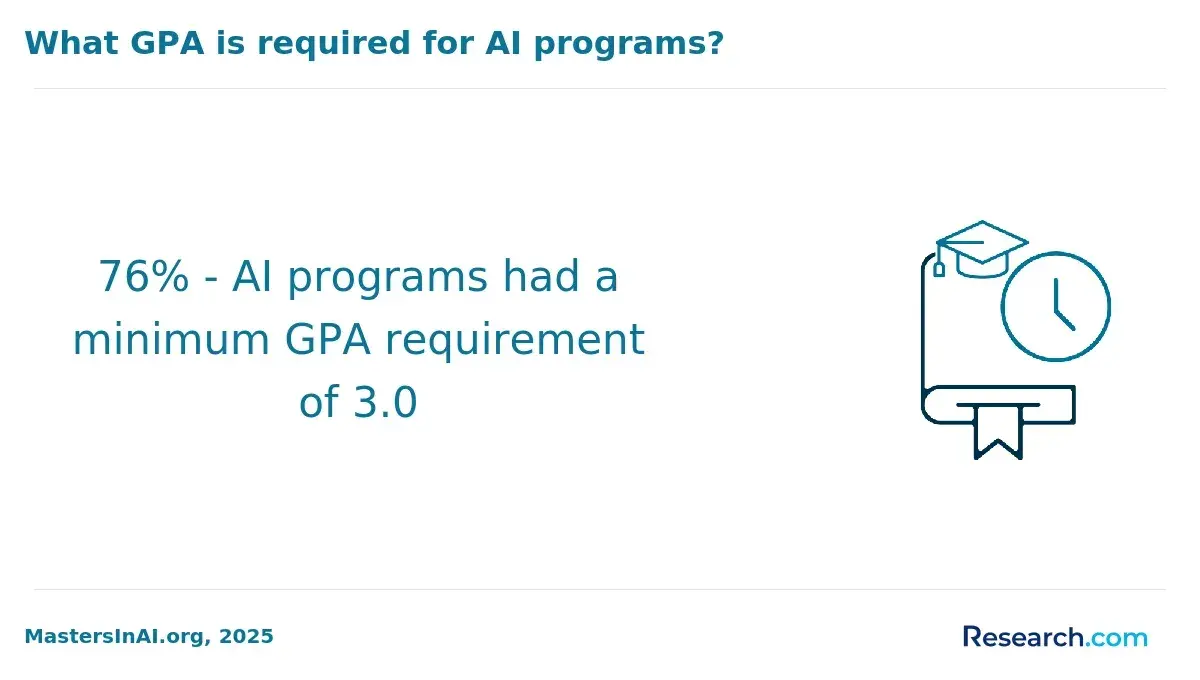
Admission to AI courses often requires a strong background in mathematics and programming. Key subjects include linear algebra, calculus, probability, and statistics. Proficiency in programming languages like Python or R is essential, as these are primary tools for machine learning implementation.
Many programs expect familiarity with fundamental machine learning concepts, with prerequisites such as algorithm design and data structures. Advanced courses may demand knowledge of neural networks and deep learning frameworks.
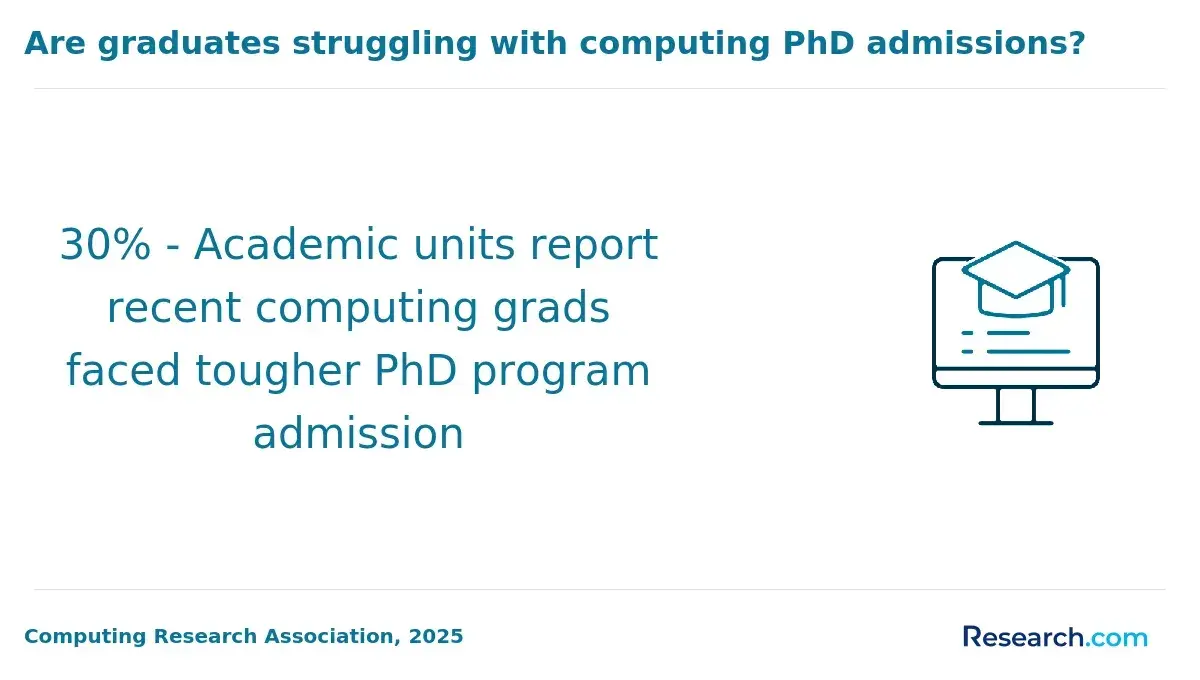
For graduate-level enrollment, a bachelor's degree in computer science, engineering, mathematics, or a related discipline is common. Some professional programs accept candidates from non-technical fields if they complete preparatory coursework.
Applicants benefit from practical experience analyzing data and working with real-world datasets. Since supervised learning dominates production—82% of production AI use cases involve supervised learning techniques such as fraud detection and recommendation systems—hands-on skills are critical.
Admissions may include assessments of quantitative skills and technical aptitude. Demonstrating competence through projects, internships, or open-source contributions can enhance one's application.
How long do AI programs take and what do supervised learning and unsupervised learning courses cost?
AI courses vary widely in length and cost depending on the focus and delivery method. Supervised learning programs typically last from 8 to 16 weeks for intensive bootcamps, while part-time online certifications can require 3 to 6 months. Unsupervised and self-supervised learning courses often take similar or longer times due to their complexity and extensive hands-on projects.
Pricing reflects these differences. Entry-level supervised learning courses start around $300 for short online formats. More comprehensive professional certificates or university offerings span $1,000 to $4,000. Advanced unsupervised learning courses, especially those that teach cutting-edge self-supervised pretraining techniques, generally cost between $1,500 and $5,000.
Leading bootcamps may charge about $2,000 for a 12-week supervised learning track, including mentorship and project work. University programs that cover unsupervised techniques and foundation models often run a full semester with fees exceeding $3,000.
A Stanford HAI AI Index report highlights that self-supervised and unsupervised pretraining now use over 90% of the compute for state-of-the-art foundation models, replacing traditional supervised approaches. This trend elevates the importance—and cost—of these advanced courses.
Students should consider program depth, instructor expertise, and hands-on learning when evaluating options, as practical experience greatly improves career prospects in this rapidly evolving field.
What careers use supervised and unsupervised learning, and what skills do employers expect?
Careers involving supervised and unsupervised learning cover diverse sectors such as healthcare, finance, marketing, and technology. Professionals like data scientists, machine learning engineers, AI researchers, and business analysts develop predictive models for patient outcomes, fraud detection, customer segmentation, and automating complex workflows.
Employers prioritize candidates skilled in building and validating supervised models (classification and regression) and unsupervised techniques like clustering and dimensionality reduction.
Crucial skills include proficiency in programming languages such as Python or R, and familiarity with key libraries like TensorFlow and scikit-learn. Deep knowledge of statistical methods and experience with evaluation metrics—accuracy, precision, recall, and silhouette scores—are essential. Handling imbalanced datasets and feature engineering also enhance a candidate's qualifications.
According to Deloitte's AI Talent survey, 54% of organizations struggle to find candidates with practical skills in model evaluation and unsupervised methods, making hands-on project experience or internships vital for demonstrating expertise.
Beyond technical ability, employers seek professionals who can interpret AI results to inform strategic decisions and communicate findings effectively to non-technical stakeholders.
Certifications and coursework focused on real-world applications of supervised and unsupervised learning offer a competitive edge. Candidates who combine strong problem-solving skills with practical experience are best positioned to meet today's demand in the AI job market.
What salary ranges and job outlook can I expect with AI and machine learning training?
Completing targeted training in AI and machine learning significantly boosts salary potential and job security. Analysis shows that specialized online AI/ML certificates, typically priced under $2,000, often lead to median salaries over $120,000. For many learners, this means a payback period of less than three months, demonstrating clear economic value.
Salaries vary by experience and role: entry-level positions like machine learning engineers or data analysts start around $90,000 to $110,000 annually. Mid-level professionals with one to three years of experience can earn between $120,000 and $150,000. Senior roles, including AI researchers and senior data scientists, frequently command $160,000 to $200,000+, especially in tech hubs such as Silicon Valley and New York.
Demand for AI and machine learning specialists remains strong, with a projected 15% growth rate in related computer and information research roles through 2031. Key industries include healthcare, finance, automotive, and government.
To improve employability, candidates should focus on certificate programs with hands-on projects emphasizing real-world applications. Combining skills in supervised and unsupervised learning enables work on tasks like classification, regression, clustering, and anomaly detection. Familiarity with tools such as Python, TensorFlow, and cloud platforms further enhances job readiness.
Overall, AI and machine learning education offers lucrative opportunities backed by strong industry demand and competitive salaries, making focused credentialing a smart investment.
How do I verify accreditation and choose a reputable AI program in the United States?
Verify that the AI program is accredited by a recognized regional or national body approved by the U.S. Department of Education or the Council for Higher Education Accreditation (CHEA). Accreditation from organizations such as the Higher Learning Commission or the Middle States Commission on Higher Education ensures the program meets rigorous academic standards and qualifies for federal financial aid.
Assess whether the curriculum includes both supervised and unsupervised learning methods, practical projects, access to machine learning libraries, and exposure to real datasets. Programs led by faculty active in AI research or maintaining industry partnerships typically offer enhanced educational value.
Consider the format—online, in-person, or hybrid—and confirm it fits your schedule and preferred learning style. Structured learning is key: a Udemy Business trends report shows professionals completing 40+ hours of formal AI/ML coursework achieved a 47% higher task automation rate after six months compared to those studying independently.
Evaluate alumni outcomes and career support like internships, mentorship, or AI employer networking. Check reviews on trusted education platforms and seek advice from industry experts or academic advisors. Transparent tuition, clear admissions criteria, and scholarship availability are additional markers of a reputable program.
Other Things You Should Know About Artificial Intelligence
In 2027, some of the best online courses for learning supervised and unsupervised AI techniques include Stanford University's "Machine Learning Specialization" on Coursera, "Deep Learning Specialization" by Deeplearning.ai, and MIT's "Introduction to Computational Thinking and Data Science" on edX. These courses offer comprehensive coverage and practical insights.
Data quality is critical for both supervised and unsupervised learning since AI models rely on accurate, relevant, and clean data to make predictions or identify patterns. Poor-quality data can lead to biased or inaccurate models, reducing the effectiveness of AI systems. Ensuring thorough data preprocessing and validation is essential in any AI course or project.
Certain AI algorithms, especially those in unsupervised learning, can adapt and improve over time through continuous input and feedback, a process known as online learning or reinforcement learning. However, most AI systems still require periodic human supervision to adjust parameters, correct errors, or provide new training data. Fully autonomous adaptation remains an area of active research.
Ethical considerations include issues like data privacy, bias, transparency, and accountability. AI developers must ensure that models do not perpetuate discrimination or violate user privacy. Many AI programs now incorporate ethics courses to teach responsible development and deployment practices within the technology.
References
- Top 26 Careers in AI and Machine Learning: Roles, Salaries, Skills, and 2026 Outlook - AscendurePro https://ascendurepro.com/careers-in-ai-and-machine-learning/
- AI & Machine Learning Course Fees in 2026: Complete Guide https://www.almabetter.com/bytes/articles/ai-and-ml-course-fees-2026
- AI Machine Learning https://www.ucsc-extension.edu/pre-college/ai-machine-learning
- Artificial Intelligence (AI) for Quality Control & Manuf... https://oxford-management.com/course/artificial-intelligence-ai-for-quality-control-manufacturing-analytics
- 7 Best Machine Learning Courses for 2025 (read this first) https://www.learndatasci.com/best-machine-learning-courses/
- Responsible AI Institute — Trustworthy AI Certification and Governance https://www.responsible.ai/
- Artificial Intelligence Certification | AI Certification | USAII® https://www.usaii.org/artificial-intelligence-certifications
- Machine Learning Specialization https://www.deeplearning.ai/specializations/machine-learning