2027 Best Imperial College London Executive AI Courses

Co-Founder and Chief Data Scientist
Professionals from diverse fields often face challenges when attempting to transition into the artificial intelligence sector without formal training. The rapid evolution of AI technologies demands up-to-date knowledge and skills, creating barriers for those seeking relevant education alongside their current commitments. Many find it difficult to identify credible programs that offer both flexibility and academic rigor necessary for career advancement.
This article explores Imperial College London's executive AI courses designed to bridge this gap. It examines the structure, accreditation, and practical benefits of these programs, helping prospective students make informed decisions about leveraging AI education to pivot their careers successfully.
Key Things You Should Know
- Imperial College London's executive AI courses in 2026 emphasize practical skills with 40% of content dedicated to real-world AI applications and leadership in technology-driven sectors.
- Courses integrate interdisciplinary approaches, combining AI fundamentals with ethics, regulation, and business strategy, addressing growing industry demand for holistic AI expertise.
- International professionals benefit from flexible hybrid learning formats, boosting enrollment by 25% since 2024, reflecting increased global interest in advanced AI executive education.
Advance Your Career with AI Online Courses
Artificial Intelligence: Implications for Business Strategy
This program provides an introduction to Artificial Intelligence and their implications for business strategy. Earn an official digital certificate.

Oxford Artificial Intelligence Programme
Explore this Oxford Artificial Intelligence programme offered in a flexible learning environment and explore topics like machine learning, automation, and robotics.

Implementing Agentic AI: Building Your Organizational Playbook
This online MIT Agentic AI course offers a practical approach to deploying AI agents in your organization, including a custom playbook. 3 weeks, exclusive launch price.

AI Adoption: Driving Business Value and Impact
This online MIT AI Adoption: Driving Business Value and Impact offers practical frameworks to close the gap between AI potential and business reality.

Artificial Intelligence in Pharma and Biotech
Discover the applications and limitations of artificial intelligence in pharma and biotech with this MIT online short course.

What Imperial College London executive AI courses are available and who are they designed for?
Imperial College London executive artificial intelligence programs in the UK cater to mid- to senior-level managers, executives, and technical leaders aiming to implement AI technologies strategically within their organizations. Their AI for Leaders course addresses strategic AI implications, data-driven decision-making, and ethical issues, suitable for executives across finance, healthcare, and manufacturing sectors. For technically skilled professionals with less management experience, there is an AI for Practitioners course focused on machine learning models, data science tools, and AI applications in real-world projects.
Specialized short courses emphasize AI's integration into business practices, covering natural language processing, computer vision, and AI product development. These shorter sessions are designed for professionals in product management, innovation, and strategy roles who seek practical knowledge without deep coding expertise. Imperial College Business School reports that 92% of executive education participants experienced a positive career impact within 12 months of completing these courses, highlighting their value.
These programs serve a wide range of learners-from business leaders looking to leverage AI strategically to technical experts developing leadership skills. Those exploring advanced degrees in AI will find Imperial's executive education options align well with diverse career objectives and backgrounds.
Advance Your Career with AI Online Courses
Artificial Intelligence: Implications for Business Strategy
This program provides an introduction to Artificial Intelligence and their implications for business strategy. Earn an official digital certificate.
Oxford Artificial Intelligence Programme
Explore this Oxford Artificial Intelligence programme offered in a flexible learning environment and explore topics like machine learning, automation, and robotics.
Implementing Agentic AI: Building Your Organizational Playbook
This online MIT Agentic AI course offers a practical approach to deploying AI agents in your organization, including a custom playbook. 3 weeks, exclusive launch price.
How do Imperial's executive AI programs compare with U.S. MBA and master's options in AI?
Imperial College London's executive AI courses vs US MBA programs reveal clear differences in focus and delivery. Imperial emphasizes applied technical skills alongside strategic business insight, blending AI expertise with leadership training tailored for executives and managers. This approach contrasts with many U.S. master's degrees, which often concentrate more on theoretical foundations or broader computer science topics.
The comparison of Imperial executive AI courses and US master's degrees highlights Imperial's practical orientation. Courses frequently involve collaboration with industry partners and real-world case studies, offering students hands-on experience. U.S. MBA programs with AI electives may include data analytics but usually lack the depth of AI-specific technology and ethics training seen at Imperial.
Imperial's programs are designed to be flexible and condensed, ideal for working professionals needing to quickly enhance AI capabilities. U.S. master's degrees typically require full-time study, which can be less feasible for mid-career learners. These executive courses prepare professionals to lead AI adoption effectively in their organizations.
With AI and big data skills growing in demand-projected to rise 30% globally by 2030 according to the World Economic Forum-these programs align with evolving workforce needs. For those exploring technical education options, also consider mechanical engineering programs online as a complementary field.
Are Imperial College London's executive AI courses accredited and recognized in the United States?
Imperial College London's executive AI courses do not hold formal accreditation equivalent to U.S. regional or national educational bodies. Offered through Imperial Executive Education, separate from degree-granting programs, these courses focus on professional development and provide certificates of completion rather than accredited degrees recognized by U.S. Department of Education standards. U.S. students considering these programs should be aware of this distinction.
Despite the lack of formal accreditation, these programs enjoy strong recognition in the U.S. corporate and professional sectors. Employers value their rigor and practical impact, especially for upskilling in AI-driven decision-making and strategy. For instance, the "AI for Business Transformation" course demonstrated an average 13% improvement in participants' data-driven decision quality six months post-completion, as reported in Imperial Executive Education Outcomes 2025.
For those interested in academic progression or professional licensure in the U.S., verification with local institutions or licensing boards is essential. However, many working professionals find Imperial's executive AI course accreditation in the US suitable for career advancement due to its emphasis on applied knowledge that delivers immediate workplace benefits. Prospective students can also explore advanced degrees such as an online PhD artificial intelligence for accredited academic pathways.
Understanding the US recognition of Imperial College London executive artificial intelligence programs helps learners make informed choices about their education and career goals in AI-driven fields.
What are the typical admission requirements for Imperial's executive AI and AI leadership programs?
Imperial College London's executive AI and AI leadership programs demand a strong professional and academic background. Typically, applicants must hold a bachelor's degree or equivalent in fields such as computer science, engineering, mathematics, or business. Most also require a minimum of five years' relevant work experience, especially involving technology, data analytics, or leadership roles.
Admissions committees prioritize candidates who can demonstrate skills in managing complex AI projects or leading digital transformation initiatives. For AI leadership courses, evidence of strategic decision-making and managerial responsibilities is essential. Applicants with significant hands-on experience in AI, even without formal training, may be considered. English proficiency is mandatory for non-native speakers, with minimum scores on tests like IELTS or TOEFL specified per program. Some courses request a statement of purpose outlining career goals related to AI and leadership.
Imperial's admission process can include interviews to assess commitment and potential impact in AI environments, along with references or employer endorsements for more competitive programs. According to Emeritus' 2024 Global Learner Outcomes Report, 84% of learners completing the Professional Certificate in Machine Learning and Artificial Intelligence reported positive career outcomes within 12 months, such as promotions or new roles.
For U.S. professionals preparing to enter these programs or seeking foundational qualifications, pursuing a computer science online degree can provide valuable groundwork.
What formats do these executive AI courses use (online, hybrid, in-person) and how flexible are they?
Imperial College London delivers executive AI courses designed to fit various professional lifestyles through fully online, hybrid, and in-person formats. Online offerings include live-streamed lectures and interactive workshops, enabling global participation without geographic limits. Hybrid courses blend online learning with in-person sessions on Imperial's London campus, providing flexibility for busy professionals while preserving valuable face-to-face experiences. In-person options focus on immersive learning with direct faculty interaction and networking opportunities.
These courses prioritize flexibility, often featuring asynchronous modules that let participants study at their own pace outside scheduled live sessions. This setup benefits working professionals in North America who want to advance their skills without long work absences. Many programs use a modular approach, allowing learners to pause and resume coursework as needed to accommodate work or travel commitments.
The Financial Times Executive Education Rankings place Imperial College Business School among the top 35 globally for open-enrolment executive programs, reflecting the school's strong quality and relevance. When choosing a format, students should consider their balance between live interaction and asynchronous learning to match their personal schedules and preferences.
What core topics, tools, and real-world projects are covered in Imperial's executive AI curriculum?
Imperial College London's executive AI curriculum offers a comprehensive blend of technical skills and strategic insights. The program covers machine learning algorithms, natural language processing, computer vision, and data ethics, focusing on neural networks, deep learning, and reinforcement learning techniques applicable across industries.
Students gain hands-on experience with data processing, model validation, and scalable deployment strategies. Key tools such as Python, TensorFlow, PyTorch, and cloud platforms like AWS and Azure are integrated into practical sessions. This enables participants to build and optimize AI models using large real-world datasets.
Project work is central, with challenges including predictive maintenance for manufacturing, customer sentiment analysis in retail, and computer vision applications in healthcare diagnostics. These projects require applying data preprocessing, model selection, and interpretability methods to reinforce theoretical knowledge.
The curriculum also emphasizes AI project management, ethical implications, and regulatory compliance to prepare executives for effective leadership in AI initiatives, balancing innovation with risk management.
A LinkedIn Learning Workforce Report highlights that professionals who enhance their profiles with AI and machine learning skills achieve a median salary increase of 18% within two years compared to peers without these skills. This underscores the career value of combining technical expertise with practical experience in AI.
How long do Imperial executive AI programs take to complete, and what do they cost?
Imperial College London offers executive AI programs designed for professionals, typically lasting 8 to 12 weeks. The Professional Certificate in Machine Learning and AI, for instance, can be completed in about two to three months, making it manageable for those balancing careers and study. This accelerated format enables participants to quickly acquire key AI competencies while maintaining their work commitments.
Tuition generally ranges from £5,000 to £7,000 (approximately $6,200 to $8,700 USD). Fees cover expert instruction, hands-on case studies, and access to advanced AI tools. While financial aid or employer sponsorship may be available, prospective students should consider this as a significant investment in their career progression.
The programs target experienced professionals, with 57% having over eight years in the workforce and 41% holding senior or director-level positions, according to Imperitus (Emeritus). This indicates a focus on executives aiming to blend AI expertise with leadership skills.
Applicants should be ready for a demanding schedule emphasizing practical application alongside theory. Those with limited data science or computing experience might find the pace challenging. Conversely, seasoned technology or management professionals are well-positioned to maximize the benefits within the program's timeframe and structure.
What AI-related leadership roles and career paths can graduates of Imperial's executive AI courses pursue?
Graduates of Imperial College London's executive AI courses possess a strong combination of technical expertise and strategic leadership skills, enabling them to excel in roles such as AI product manager, AI strategy consultant, chief data officer, and head of machine learning. These positions focus on integrating AI into business operations while aligning with organizational goals and compliance requirements.
Additional career opportunities include AI transformation leader, driving organizational change through AI adoption, and innovation manager, leveraging AI technologies to create new products or services. Many graduates advance to executive leadership roles like chief AI officer or director of AI research, especially in sectors such as finance, healthcare, and manufacturing.
With the growing importance of AI ethics and governance, professionals trained to address challenges like data privacy, algorithmic bias, and regulatory compliance are increasingly sought after. Imperial's courses emphasize leadership skills to manage these complex issues effectively.
According to the McKinsey's 2024 State of AI in the Enterprise survey, 72% of organizations successfully adopting AI rely on online or hybrid executive training-formats used by Imperial-to reskill leaders and technical staff, facilitating remote and global AI project management.
Executives equipped by these programs can:
- Lead cross-functional AI projects bridging data science with business strategy.
- Develop AI-driven business models enhancing operational efficiency.
- Implement AI governance frameworks mitigating ethical risks.
- Translate AI capabilities into competitive advantage within regulated industries.
What salary ranges and job outlook can U.S. professionals expect after executive AI upskilling?
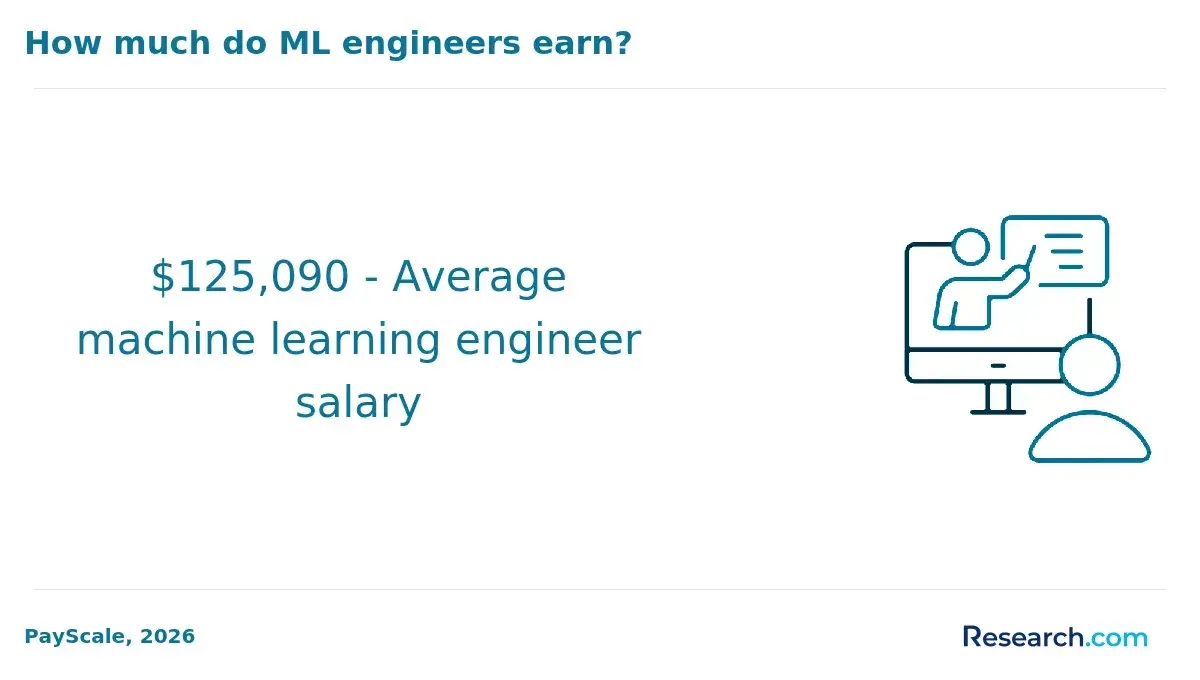
Professionals completing executive AI courses in the U.S., such as those offered by Imperial College London, can expect significant salary increases and robust job prospects. Entry-level positions in AI and machine learning generally start between $90,000 and $120,000 annually. Those with executive education at the mid-level can earn from $130,000 to $180,000. Senior roles, including AI project leads, strategists, or chief AI officers, often exceed $200,000 depending on industry and location.
Demand for executive-trained AI professionals continues to grow across finance, healthcare, and technology sectors. Employers seek candidates who combine technical AI expertise with strategic leadership skills to integrate AI effectively in core business operations. Emerging roles include AI ethics advisors, automation architects, and AI product managers, reflecting the evolving AI landscape.
Employer investment in AI education is increasing. A 2024 Executive Education Council survey found 61% of UK executives attending short AI and digital courses had tuition partly sponsored by their employers, up from 47% in 2021. This trend extends to U.S. markets, showing stronger corporate commitment to developing AI talent. Upskilling through executive courses improves competitiveness, enabling transitions into higher-responsibility positions with greater strategic influence in AI-driven organizations.
How should U.S. learners choose between Imperial and American institutions for executive AI training?
U.S. professionals evaluating executive AI training options at Imperial College London versus American institutions should focus on alignment with their organisation's specific AI use-cases. According to Gartner's 2025 report on AI talent development, companies that tailor education around clear AI applications are 2.4 times more likely to succeed in scalable deployment. This highlights the importance of selecting programs with strong practical relevance instead of broad theoretical overviews.
American institutions typically emphasize domestic industry trends and regulatory knowledge, benefiting those in sectors such as finance or healthcare. In contrast, Imperial's executive courses often prioritize cutting-edge research and global AI applications, appealing to learners targeting multinational roles or international business environments.
Key factors to consider include:
- Curriculum relevance: Are courses focused on your specific industry needs, like natural language processing for finance or computer vision in manufacturing?
- Faculty expertise: Do instructors combine practical experience with academic excellence?
- Flexibility: Are delivery methods suitable for busy professionals, offering hybrid or fully online formats?
- Networking: Will you engage with global executives or mainly local peers?
Cost and length also differ; Imperial's programs tend to be premium-priced and shorter, supporting rapid upskilling, whereas American options may provide longer, federally supported paths with recognized executive certificates. U.S. learners should carefully weigh these factors to choose AI education that best supports their deployment goals and career ambitions.
Other Things You Should Know About Artificial Intelligence
Succeeding in Imperial College London's 2027 Executive AI courses requires analytical thinking, problem-solving abilities, and a basic understanding of machine learning principles. Professionals should also be adept at critical thinking and open to learning new technologies and methodologies tailored for executive-level application.
Imperial College London integrates ethical considerations by addressing the societal and moral impacts of AI within its curriculum. Topics include bias in algorithms, privacy concerns, and the responsible deployment of AI technologies. This ensures learners understand the importance of developing AI systems that are transparent, fair, and aligned with regulatory standards.
Yes, many of Imperial's executive AI courses are designed to accommodate professionals from non-technical backgrounds by focusing on strategic and leadership aspects of AI. The programs often start with foundational principles and gradually introduce technical components, making them accessible for managers, consultants, and other business professionals seeking to lead AI initiatives.
Industry collaboration is a key feature of Imperial College's AI executive programs, providing students with real-world insights and networking opportunities. Partnerships with leading technology firms and access to cutting-edge research help ensure the curriculum reflects current industry trends and challenges. This connection enhances practical learning outcomes and career relevance for participants.
References
- Strategic AI Leadership Programme - Corndel https://www.corndel.com/course/strategic-ai-leadership-programme
- Executive and Professional Education https://www.imperial.ac.uk/lifelong-learning/for-individuals/executive-professional-education/
- Advancing Artificial Intelligence Education for American Youth https://www.whitehouse.gov/presidential-actions/2025/04/advancing-artificial-intelligence-education-for-american-youth/
- Information session on Imperial College Business School's Digital Transformation Leadership Information sessions | Emeritus Online Courses https://emeritus.org/program-information-sessions/imperial-college-business-schools-digital-transformation-leadership/
- Imperial Professional Certificate in Machine Learning and Artificial Intelligence https://execed-online.imperial.ac.uk/professional-certificate-ml-ai
- Imperial Business School https://www.gogradia.com/university/imperial-business-school
- Choosing the Right AI Course for Business Leaders https://www.tsa-bildung.de/en/blog/choosing-the-right-ai-course-for-business-leaders
- Custom programme: Navigating Strategic Leadership in the AI Era https://henleynordic.com/executive-programmes/navigating-strategic-leadership-in-the-ai-era
- Choosing the Best Training Format: Virtual, In-Person, or Hybrid? https://educate360.com/blog/virtual-in-person-or-hybrid-how-to-pick-the-right-format-and-the-right-partner/
- The Future of MBAs: From the Switch of Employer’s Perception to AI Redefinition and the Emergence of Hybrid Programs https://www.europeanbusinessreview.com/the-future-of-mbas-from-the-switch-of-employers-perception-to-ai-redefinition-and-the-emergence-of-hybrid-programs/