2027 Best AI Courses for Operations Managers Using Generative AI

Co-Founder and Chief Data Scientist
Operations managers often struggle to integrate generative AI into existing workflows due to a lack of specialized training. This gap limits their ability to enhance efficiency, automate repetitive tasks, and improve decision-making. As generative AI rapidly evolves, professionals need flexible, accredited courses that fit their schedules and provide practical, applicable skills.
Without clear guidance, many miss opportunities to leverage these powerful tools effectively. This article reviews top courses tailored for operations managers seeking to master generative AI, helping readers identify programs that align with their career goals and facilitate a successful transition into this advancing field.
Key Things You Should Know
- Operations managers using generative AI courses in 2026 gain skills to optimize workflows, improving efficiency by up to 40% according to 2025 industry studies.
- Top courses emphasize practical applications of generative AI tools like GPT-4 and Diffusion Models for decision-making and automation in supply chain management.
- Enrollment in AI-focused operations management programs increased 35% since 2024, reflecting strong industry demand for professionals skilled in AI integration.
Advance Your Career with AI Online Courses
Artificial Intelligence: Implications for Business Strategy
This program provides an introduction to Artificial Intelligence and their implications for business strategy. Earn an official digital certificate.

Oxford Artificial Intelligence Programme
Explore this Oxford Artificial Intelligence programme offered in a flexible learning environment and explore topics like machine learning, automation, and robotics.

Implementing Agentic AI: Building Your Organizational Playbook
This online MIT Agentic AI course offers a practical approach to deploying AI agents in your organization, including a custom playbook. 3 weeks, exclusive launch price.

AI Adoption: Driving Business Value and Impact
This online MIT AI Adoption: Driving Business Value and Impact offers practical frameworks to close the gap between AI potential and business reality.

Artificial Intelligence in Pharma and Biotech
Discover the applications and limitations of artificial intelligence in pharma and biotech with this MIT online short course.

What is generative AI for operations managers, and why are specialized courses important?
Generative AI applications for operations managers significantly enhance decision-making and workflow efficiency by automating complex tasks such as report generation, demand forecasting, and supply chain optimization. These AI models generate new content and data insights that help managers anticipate operational challenges and improve resource allocation.
For operational leadership, the importance of specialized generative AI courses cannot be overstated, as they equip managers to integrate AI tools effectively while addressing ethical, compliance, and system compatibility issues.
A recent IBM Institute for Business Value survey revealed a gap between the expected automation of workforce tasks and the preparedness of operations leaders to manage these changes, emphasizing the need for training in AI literacy, change management, and data-driven decision-making.
Tailored courses guide managers in identifying which tasks AI can augment or replace, understanding AI limitations and risks, leading AI adoption, and aligning AI initiatives with business goals.
Fostering these skills helps operations managers drive measurable performance improvements while mitigating risks and overcoming resistance during workforce transitions. Prospective students and professionals interested in advancing their careers through AI education can explore programs such as a data science degree, which offers foundational knowledge essential for mastering generative AI in operational roles.
Advance Your Career with AI Online Courses
Artificial Intelligence: Implications for Business Strategy
This program provides an introduction to Artificial Intelligence and their implications for business strategy. Earn an official digital certificate.
Oxford Artificial Intelligence Programme
Explore this Oxford Artificial Intelligence programme offered in a flexible learning environment and explore topics like machine learning, automation, and robotics.
Implementing Agentic AI: Building Your Organizational Playbook
This online MIT Agentic AI course offers a practical approach to deploying AI agents in your organization, including a custom playbook. 3 weeks, exclusive launch price.
Which types of AI courses are best for current and aspiring operations managers?
Operations managers aiming to leverage generative AI benefit most from practical courses focused on process automation, data-driven decision-making, and supply chain optimization. Training that emphasizes hands-on experience with AI tools for predictive analytics and workflow automation delivers tangible skills to boost operational efficiency. Particularly valuable are programs covering AI integration with enterprise resource planning (ERP) systems, helping streamline manufacturing and customer operations.
For those exploring the best AI courses for operations managers, foundational knowledge in machine learning alongside generative AI concepts is essential. This foundation enables managers to critically assess AI-driven insights and outputs. Modules on natural language processing, for example, enhance customer service workflows by automating inquiries, while clustering and forecasting techniques support inventory and demand planning.
Generative AI training programs for operations leaders should also include case studies from operations-heavy industries and capstone projects simulating real-world AI deployments. Skills in ethical AI use and risk mitigation further empower managers to oversee compliant, sustainable implementations.
Recommended course topics include:
- AI applications in supply chain management
- Workflow automation and robotic process automation (RPA)
- Data analytics and visualization for operational insights
- Foundations of machine learning and generative AI models
- AI strategy and governance tailored to operations
According to McKinsey's "The economic potential of generative AI" update, this technology could add $2.6-$4.4 trillion in annual productivity gains globally, with operations-heavy sectors contributing around 40% of that value. Prospective students seeking comprehensive education may consider exploring online AI degrees that emphasize these practical skill areas.
How do AI certificates, bootcamps, and graduate degrees in AI compare for operations careers?
AI certificate programs vs bootcamps for operations managers offer distinct pathways to enhance skills with generative AI. Certificates provide focused, skill-specific training that can be completed in weeks or months, ideal for rapid upskilling without intensive theory. For example, certificates on AI-driven process automation can quickly improve supply chain efficiency.
Bootcamps deliver immersive, hands-on learning over several months, combining project work with foundational knowledge. They suit professionals transitioning careers or integrating AI quickly across operational functions, emphasizing practical deployment and collaboration with data scientists.
Graduate degrees in AI compared to certificates and bootcamps for operations careers offer a comprehensive understanding of AI theory, research opportunities, and strategic leadership preparation.
These programs target professionals aiming for technical mastery and high-level roles that require advanced analysis and ethical considerations, though they involve significant time and financial commitments.
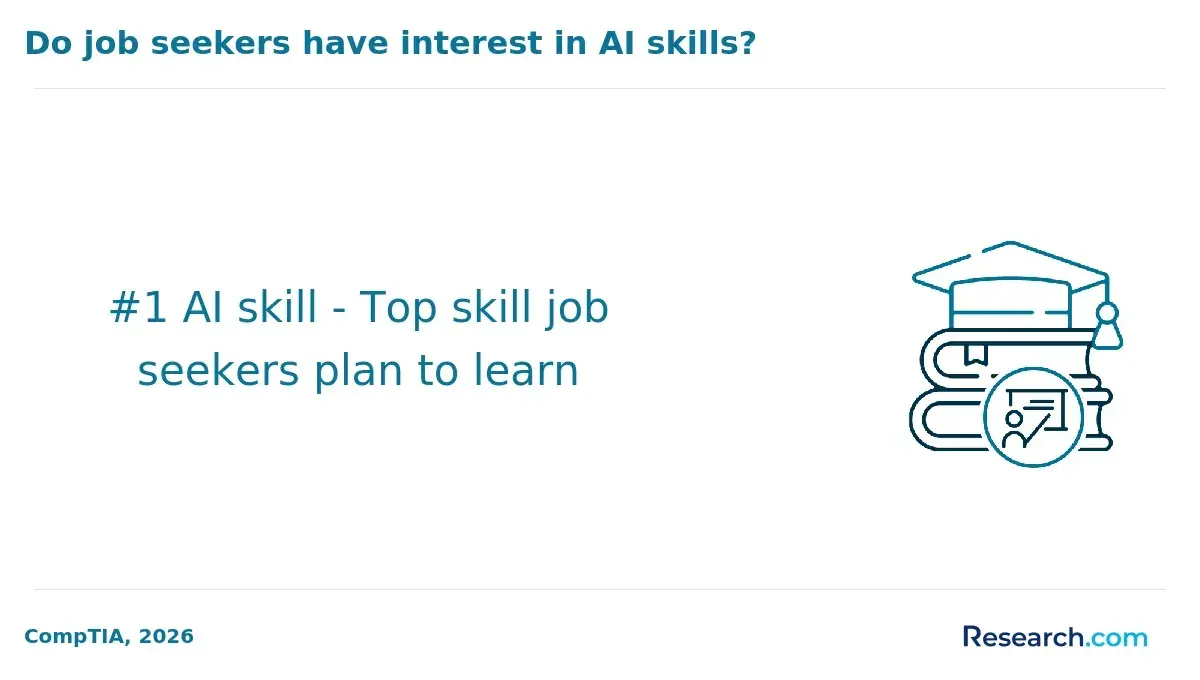
LinkedIn's Workplace Learning Report highlights a 160% increase in enrollments for AI and automation courses among operations and program management professionals, reflecting urgent demand for diverse learning formats.
Deciding which education path suits you depends on career goals, time, and current expertise:
- Certificates for short-term, specific skill enhancement.
- Bootcamps for practical, fast-paced AI integration experience.
- Graduate degrees for deep technical mastery and broader strategic impact.
For professionals exploring affordable options, reviewing online cyber security degrees can provide useful insights into comparable flexible and cost-effective programs in tech education.
What core skills and topics do the best AI courses for operations managers cover?
Courses on generative AI for operations leaders cover essential skills like machine learning and natural language processing to help managers assess AI's capabilities and limitations. They emphasize practical applications such as process automation, predictive analytics, and decision optimization, enabling operations managers to integrate AI into workflows to boost efficiency and reduce errors.
This focus on effective skills for operations managers in generative AI prepares them to use technology for strategic planning and risk management.
Data literacy is another key topic in generative AI courses for operations leadership. Training includes data collection best practices, cleaning, and interpreting AI outputs. Managers also learn about data ethics and governance, ensuring responsible AI adoption that complies with regulations.
Additionally, understanding user experience and change management equips leaders to guide smooth AI implementations and drive staff engagement.
Leadership skills in communication and collaboration are woven into these programs, helping managers clearly convey AI benefits to teams and stakeholders. Financial acumen focused on AI investments, including cost-benefit analysis and ROI, is often part of the curriculum. A recent report noted learners completing shorter AI-focused professional certificates showed higher promotion rates, highlighting the value of targeted, applicable skills.
Those exploring education pathways may also consider a computer science bachelor degree online to build foundational technical expertise complementary to AI leadership training.
How do online AI courses for operations compare with campus and hybrid program formats?
Online AI courses for operations managers offer unmatched flexibility and practical application compared to campus and hybrid formats, which usually have fixed schedules and longer commitments. These online programs let professionals balance upskilling with current job duties, promoting quicker adoption of new concepts. They often emphasize cloud-based tools and real-time generative AI, while campus programs cover these topics more theoretically.
Campus programs create immersive, face-to-face environments ideal for complex problem-solving and networking but may struggle to keep pace with rapid AI advancements. Hybrid formats combine online flexibility with in-person mentorship, though they can require more time and resources.
Practical results underscore these differences. For instance, MIT Sloan's "AI in Operations" executive program showed that 71% of participants implemented an AI-enabled process improvement within 12 months, achieving a median 15% efficiency gain. This suggests many online and executive programs focus on measurable, application-driven outcomes.
Key factors to consider include:
- Schedule flexibility and pacing
- Access to real-time AI tools and case studies
- Networking and mentorship opportunities
- Cost relative to expected efficiency improvements
What accreditation and quality standards should AI courses for operations managers meet?
AI courses tailored for operations managers must maintain strict accreditation and quality benchmarks to ensure relevant, actionable skills. Accredited programs recognized by bodies like ABET, AACSB, or regional higher education commissions confirm that the curriculum, instructors, and assessments meet established standards.
Courses should focus on sector-specific content to address operational challenges unique to industries such as manufacturing, logistics, or utilities. Deloitte's 2024 "AI in Asset-Intensive Industries" report highlights that sector-specific AI training makes operations leaders 2.3 times more likely to scale AI pilots successfully than those taking generic programs.
Effective curricula typically include:
- Hands-on modules covering generative AI tools and their operational impact
- Case studies based on real-world operational scenarios
- Ethics, governance, and risk management frameworks for AI deployment in operations
Transparency regarding instructor expertise and up-to-date course content aligned with evolving AI technologies is crucial. Partnerships with industry leaders and advisory boards enhance course quality. Verified certificates or micro-credentials tied to recognized standards help professionals demonstrate their knowledge and advance careers.
Prospective students should evaluate courses by asking:
- Is the course accredited by a reputable agency?
- Does it include sector-specific case studies and outcomes?
- Are instructors proven experts in AI applications for operations?
- Does it provide verifiable credentials upon completion?
Meeting these criteria significantly boosts an operations manager's ability to apply generative AI effectively, turning training investment into measurable value.
What are typical admission requirements, program length, and costs for these AI programs?
Admission to AI programs for operations managers typically requires a bachelor's degree in business, engineering, computer science, or a related discipline. Many programs prefer candidates with at least two years of relevant professional experience.
Advanced courses might ask for prior knowledge in statistics, programming, or data analysis. However, numerous bootcamps and certificate programs accept applicants without technical backgrounds, focusing on practical, hands-on learning instead.
Program lengths differ by format: bootcamps usually last 4 to 12 weeks offering intense project-based training; certificate courses span 3 to 6 months and combine videos, assignments, and live sessions; while master's degree programs can take 1 to 2 years part-time to accommodate working professionals.
Costs vary widely depending on the program type and provider: bootcamps range from $2,000 to $8,000; certificate programs cost between $3,000 and $12,000; master's degrees often exceed $30,000.
According to the PwC 2024 Global AI Jobs Barometer, operations managers with AI skills see an average salary increase of 18% within three years. Evaluating program length and cost against career objectives and skill gaps is essential when choosing the right learning path.
What job roles, industries, and career pathways can AI-trained operations managers pursue?
AI-trained operations managers hold roles such as process improvement analysts, supply chain coordinators, workflow automation specialists, and data-driven decision-makers. By leveraging generative AI tools, they optimize efficiency, reduce costs, and improve operational workflows across industries like manufacturing, logistics, healthcare, retail, and finance. These professionals drive smoother production planning, predictive maintenance, demand forecasting, and customer service automation.
Career progression often leads to positions like AI strategy consultants, operations directors with AI oversight, and digital transformation leads. Skills in prompt engineering, data analytics, and AI-driven automation prepare them to lead technology adoption. For example, a healthcare operations manager might use generative AI to design patient flow systems that minimize wait times by analyzing real-time data and automating scheduling.
The World Economic Forum's 2024 Future of Jobs report highlights "AI and big data" and "analytical thinking" as top employer priorities. Notably, 61% of companies expect operations staff to acquire AI prompt-engineering and workflow automation skills by 2028, increasing demand for technical AI expertise beyond traditional management.
Industries embracing digital transformation, such as e-commerce supply chains, financial compliance automation, and manufacturing predictive logistics, offer prime opportunities. Practical generative AI expertise differentiates candidates, equipping them to solve complex operational challenges effectively.
- Process improvement analyst
- Supply chain coordinator
- Workflow automation specialist
- AI strategy consultant
What salary ranges and job outlook can operations managers expect after AI upskilling?
Operations managers with skills in generative AI can expect notable salary increases and enhanced career opportunities. The U.S. Bureau of Labor Statistics reports that median annual wages for operations managers are around $100,000. By integrating AI expertise, salaries often increase by 10% to 20% or more, with some professionals in manufacturing or automation earning above $120,000.
Job prospects improve significantly as AI adoption accelerates in supply chain management, logistics, and production planning. Roles for operations managers with generative AI knowledge are growing faster than average, with a projected 6% increase through 2032 compared to 5% overall. Companies seek managers who can lead AI-driven digital transformation initiatives, making AI proficiency essential.
A 2024 report from Training Industry reveals organizations investing at least 20% of their learning budgets on digital and AI skills gain a 27% higher return on training investments, translating into better productivity and job security for AI-capable managers.
Candidates should focus on AI courses covering data analytics, machine learning, and workflow automation. Employers value those who can implement solutions that cut costs and boost efficiency, making such managers indispensable in today's workforce.
How can operations managers choose a reputable, career-aligned generative AI course provider?
Operations managers selecting a generative AI course should ensure the curriculum directly addresses operational challenges, focusing on process optimization, decision-making, and automation. Providers partnered with leading AI technology vendors or offering recognized certifications typically maintain high credibility and relevance.
Instructor qualifications matter significantly; courses taught by professionals with hands-on experience in deploying AI solutions within operations bring practical insights beyond theory.
Look for programs that include applied training using modern AI tools such as process mining, natural language generation, and AI-driven forecasting. Inclusion of project work or case studies from industries aligned with your career enhances skill applicability.
Support structures like mentorship, networking opportunities, and access to post-course resources contribute to long-term career growth. Providers connected to professional operations or AI communities help learners stay updated and connected.
According to a 2024 Accenture study, companies investing in systematic AI training reduced process cycle times by 36%, compared to only a 12% improvement for firms using AI tools without comprehensive training.
By prioritizing courses with thorough skill development, practical application, and career support, operations managers can ensure their AI education delivers measurable business impact.
Other Things You Should Know About Artificial Intelligence
In 2027, operations managers frequently use generative AI tools like ChatGPT for streamlined communication, and automated systems such as TensorFlow for predictive analytics. They rely on AI-driven inventory management platforms like Synapse to optimize stock levels and demand forecasting.
Ethical concerns revolve around data privacy, algorithmic bias, and transparency. Operations managers must ensure AI systems use data responsibly, avoid reinforcing biases in decision-making, and maintain clear explanations for AI-driven actions to promote accountability and trust within organizations.
AI often automates routine tasks, allowing staff to focus on higher-value activities, but can also lead to workforce restructuring. Operations managers should plan for reskilling and upskilling employees to adapt to new roles that emphasize oversight and collaboration with AI technologies.
References
- Key Skills You’ll Learn in AI Training Course & How to Apply Them https://www.infotech.edu.sg/blog/key-skills-you-gain-in-ai-training-course-and-where-to-apply-them/
- Best AI Courses for Businesses in 2025 https://www.upskillist.com/blog/best-ai-courses-for-businesses/
- Transforming Operations Management with Generative AI https://www.simplivlearning.com/virtual-classroom/transforming-operations-management-with-generative-ai/
- AI - Artificial Intelligence | London Business School https://www.london.edu/executive-education/ai
- AI Courses Online: Expert Training with Live Support https://vdci.edu/topics/ai-classes-bootcamps-online
- Artificial Intelligence (AI) for Quality Control & Manuf... https://oxford-management.com/course/artificial-intelligence-ai-for-quality-control-manufacturing-analytics
- Top 20 Predictions from Experts on AI Job Loss https://aimultiple.com/ai-job-loss
- Operations and Quality Management Courses https://globalmanagementacademy.com/operations-and-quality-management-courses/
- Generative AI for Operations & Supply Chain Certification Course (Online) - Bombay Chamber https://bombaychamber.com/event/generative-ai-for-operations-supply-chain-certification-course-online/
- Best AI Courses in Germany 2026 – Bootcamps, Funding & Career Paths https://www.wbscodingschool.com/blog/blog-best-ai-courses/