2027 Best AI Courses for Employee Experience Teams With Certificates

Co-Founder and Chief Data Scientist
Employee experience teams face increasing pressure to leverage AI to enhance workplace satisfaction and operational efficiency. However, many professionals struggle to find flexible, credible courses that provide practical skills and recognized certificates to validate their expertise. This gap can hinder career advancement and the ability to implement effective AI-driven solutions. This article highlights the best AI courses designed specifically for employee experience teams, emphasizing accredited programs that offer valuable certification. It aims to guide professionals in selecting the right training pathways to successfully pivot into AI roles and improve workforce outcomes.
Key Things You Should Know
- Top AI courses in 2026 emphasize practical applications for employee experience teams, integrating machine learning, natural language processing, and sentiment analysis to improve workplace engagement.
- Certification completion rates exceed 65% in 2025 programs, reflecting strong demand for credentialed expertise that enhances resumes and career growth in HR technology roles.
- Employers increasingly prefer candidates skilled in AI-driven analytics tools, with 72% valuing certified professionals who can leverage AI to optimize employee satisfaction and productivity.
Advance Your Career with AI Online Courses
Artificial Intelligence: Implications for Business Strategy
This program provides an introduction to Artificial Intelligence and their implications for business strategy. Earn an official digital certificate.

Oxford Artificial Intelligence Programme
Explore this Oxford Artificial Intelligence programme offered in a flexible learning environment and explore topics like machine learning, automation, and robotics.

Implementing Agentic AI: Building Your Organizational Playbook
This online MIT Agentic AI course offers a practical approach to deploying AI agents in your organization, including a custom playbook. 3 weeks, exclusive launch price.

AI Adoption: Driving Business Value and Impact
This online MIT AI Adoption: Driving Business Value and Impact offers practical frameworks to close the gap between AI potential and business reality.

Artificial Intelligence in Pharma and Biotech
Discover the applications and limitations of artificial intelligence in pharma and biotech with this MIT online short course.

What are the best AI courses for employee experience teams?
Top ai training programs with certificates for employee experience professionals emphasize practical skills in machine learning, natural language processing, and data analytics tailored to HR. Courses like Coursera's "AI For Everyone" by Andrew Ng provide foundational AI literacy, essential for non-technical teams managing employee engagement and onboarding. Wharton's "People Analytics" course focuses on data-driven talent management strategies that align closely with improving workforce outcomes.
Advanced pathways, such as MIT's "Artificial Intelligence: Implications for Business Strategy," offer team leaders strategic insights to integrate AI effectively within organizations. These programs often include certificates that validate competence and enhance credibility among employers focused on AI-driven employee experience improvements.
Employee experience teams urgently need these skills. A 2024 Gallup study found only 23% of employees strongly agreed that leadership communicated clear AI adoption plans, highlighting a readiness gap. Specialized training helps close this divide, empowering professionals to lead successful AI transformations in HR.
Practical application is key; projects such as AI-based sentiment analysis in surveys or chatbots for employee support provide hands-on experience. Ethical AI use and addressing algorithmic bias are critical components to mitigate risks within employee experience initiatives. Professionals interested in accelerated learning may explore a fast track computer science degree to deepen their technical expertise and expand their ability to harness AI technologies in workforce management.
Advance Your Career with AI Online Courses
Artificial Intelligence: Implications for Business Strategy
This program provides an introduction to Artificial Intelligence and their implications for business strategy. Earn an official digital certificate.
Oxford Artificial Intelligence Programme
Explore this Oxford Artificial Intelligence programme offered in a flexible learning environment and explore topics like machine learning, automation, and robotics.
Implementing Agentic AI: Building Your Organizational Playbook
This online MIT Agentic AI course offers a practical approach to deploying AI agents in your organization, including a custom playbook. 3 weeks, exclusive launch price.
Which AI certifications help employee experience professionals most?
AI certifications that benefit employee experience professionals emphasize core AI literacy, practical data analysis, and applications within business workflows. According to IBM's 2025 Global AI Adoption Index, 51% of organizations using AI have integrated generative AI into their operations, making foundational AI knowledge vital for EX teams. These certifications help teams support, design, and optimize AI-driven employee engagement tools effectively.
Some of the best AI certification courses for employee experience teams include:
- IBM AI Fundamentals Certificate: Introduces essential AI concepts like machine learning and natural language processing, crucial for understanding generative AI's role in employee workflows.
- Microsoft Certified: Azure AI Fundamentals: Focuses on AI services and integration, valuable for EX specialists managing AI-enabled platforms such as chatbots and virtual assistants.
- Google Professional Data Engineer: Covers data management and AI data workflows, important for analyzing employee experience metrics enhanced by AI insights.
Choosing certifications with a strong practical business focus and data literacy equips professionals to bridge technical and organizational needs, ensuring AI tools align with employee expectations and company objectives. Additionally, specialized courses on ethical AI use and human-centered design prepare teams to navigate AI's impact on workplace culture responsibly.
Those interested in advancing their qualifications might also explore online engineering degrees that can complement AI skills and support career growth in tech-driven environments.
Are online AI courses better than campus programs for HR teams?
Online AI courses offer HR teams focused on employee experience greater flexibility, enabling professionals to gain skills without disrupting their work. This adaptability is crucial given daily HR challenges like using AI to personalize employee journeys. Workday reported that 75% of employees want more personalized career and learning recommendations, highlighting the need for timely AI expertise.
These courses often integrate the latest AI applications relevant to HR faster than traditional campus programs and include practical case studies addressing issues such as biased hiring algorithms and automating feedback analysis. For instance, courses might show how to design AI models that tailor development programs to individual employees, linking learning directly to daily HR functions. This practical orientation makes online ai courses versus campus programs for HR especially valuable for teams prioritizing actionable skills and efficiency.
Campus programs still excel in delivering in-depth theory and networking but may lack immediate real-world application. Online courses frequently offer industry-recognized certificates, enabling HR professionals to validate their expertise quickly. However, online learning can miss in-person mentorship and peer interaction, essential for nuanced discussions on AI ethics. Hybrid models can help bridge this gap.
For professionals seeking specialized skills, comparing options including related fields like cybersecurity degrees can also add value.
What topics do AI courses cover for employee experience work?
AI courses designed for employee experience teams focus on essential topics that support effective AI integration in workplace environments. Core subjects include fundamentals of AI and machine learning to help employees grasp how AI systems operate and make decisions. These programs also emphasize AI-driven data analytics to better analyze employee feedback and workplace behavior, improving engagement and productivity.
Natural language processing (NLP) plays a key role by enabling automated sentiment analysis and communication tools that enhance employee interactions. Ethical AI use and data privacy are crucial, with training addressing compliance with laws like GDPR and reducing bias in AI systems affecting hiring or promotions. Such topics form part of a comprehensive employee experience AI course curriculum.
Practical applications cover automating repetitive HR tasks such as scheduling, performance reviews, and personalized learning recommendations. Teams learn to work with AI-enabled platforms that streamline workflows, minimize errors, and boost responsiveness. AI change management skills are also taught to help lead organizational transformation and manage workforce adaptation to new technologies.
Collaboration between humans and AI is a focus, promoting hybrid models that balance automation with human judgment. According to LinkedIn's 2024 Workplace Learning Report, 89% of learning and development professionals prioritize AI skills, reflecting increased training budgets and demand for these capabilities.
These courses align closely with broader workforce development trends, similar to how veterans pursue specialized education pathways such as a cybersecurity degree online for veterans, highlighting the importance of tailored, practical training in emerging fields.
What are the admission requirements for AI training programs?
Admission requirements for ai training programs differ by institution and course level but typically include foundational knowledge in fields such as business, human resources, data science, or computer science. Most programs expect applicants to hold a bachelor's degree, although some advanced courses also require experience or certification in data analytics or programming languages like Python or R.
Entry-level courses often waive formal degree requirements and instead focus on demonstrated interest or prerequisite modules in machine learning or statistics. Part-time and online formats offer flexibility, catering to working professionals seeking to enhance skills without formal academic credentials.
Technical proficiency is essential due to hands-on work with ai tools and workforce analytics platforms. Applicants may need to provide transcripts, prior coursework proof, or project portfolios. Some programs require a statement of purpose or an interview to evaluate motivation and alignment with program goals.
Employers sponsoring employee enrollment usually manage admissions, while self-funded learners should carefully review prerequisites to ensure readiness. These criteria align with the growing role of ai in employee experience teams. According to a 2025 Deloitte Human Capital Trends update, 74% of executives highlighted the critical importance of people analytics and ai insights for decision-making.
How long do AI certificate programs usually take to finish?
AI certificate programs vary in length based on their depth, format, and audience. Most last from a few weeks up to several months. Short courses tailored for working professionals typically take 4 to 8 weeks, with part-time study averaging 3 to 6 hours weekly. These are well suited for employee experience teams aiming to quickly enhance skills without leaving their roles. For instance, a 6-week focused course on AI ethics or privacy governance often awards a certificate upon completion.
More comprehensive certificates that offer technical and strategic insights last from 3 to 6 months. These include project work, assessments, or capstone exercises to showcase practical skills relevant to HR, customer engagement, or internal process improvements. Such programs fit those seeking a solid foundation in AI application.
Advanced certificate tracks blending multiple AI domains or targeting managerial roles can extend up to 12 months. Modular delivery adds flexibility for working professionals. This extended format addresses evolving governance needs highlighted in the 2025 Cisco Data Privacy Benchmark Study, which found 60% of organizations updated privacy practices due to generative AI. Employee experience teams need to stay current on compliance and ethical AI use.
When selecting a program, evaluate if the time commitment fits your job and learning goals. Employers often prefer certificates completed in under six months, signaling readiness to apply AI effectively in the workplace.
How much do AI courses for employee experience teams cost?
AI courses designed for employee experience (EX) teams come with a wide range of pricing depending on the course provider, depth, and certification value. Entry-level online programs generally cost between $50 and $200, offering foundational insights suitable for professionals beginning to explore AI applications within employee engagement.
More advanced certificate programs, such as those found on Coursera and edX, typically range from $400 to $1,200 and provide recognized qualifications that enhance expertise in AI and machine learning related to EX roles.
Corporate training solutions aimed at EX teams often start in the several thousands, reaching beyond $10,000 for highly customized packages. These are especially valuable for organizations addressing communication inefficiencies highlighted by Microsoft's 2024 Work Trend Index, which shows employees spend 60% of their time on emails, chats, and meetings. AI skills can significantly reduce this overload by improving automation and communication strategies.
Some universities and industry bodies offer hybrid models including in-person workshops and online learning, with prices usually falling between $2,000 and $5,000. When selecting courses, it is important to consider curriculum relevance to EX tasks, certification credibility, and practical AI skills applicable to employee engagement analytics.
Which jobs can AI training prepare employee experience teams for?
AI training empowers employee experience teams with specialized roles that enhance workforce management, talent mobility, and career growth. Key positions include Talent Development Analysts who leverage AI-driven analytics to identify skills gaps and predict workforce demands. Learning and Development Coordinators use AI to tailor training programs aligned with individual career paths. Workforce Experience Managers apply AI-powered sentiment analysis to capture real-time feedback, improving engagement strategies.
AI also supports internal mobility specialists in creating algorithms for personalized job rotations and promotion recommendations, which boost employee retention. A Workday survey found 68% of employees would stay longer if employers provided transparent career paths through personalized AI recommendations. Other vital roles include Employee Data Analysts extracting insights from complex datasets and Automation Specialists deploying AI chatbots to reduce routine HR tasks.
Diversity and Inclusion Officers utilize AI to identify biases in hiring and promotion, contributing to fairer workplaces. Change management consultants with AI expertise help organizations adapt during digital transformations. These roles demand both AI literacy and skills in ethical application, data interpretation, and technology integration.
Professionals trained in AI shape adaptive, transparent, and employee-focused workplaces that meet organizational goals and staff expectations. Learning AI competencies can greatly enhance career prospects in human resources and workforce development fields.
What salaries can AI-skilled employee experience professionals expect?
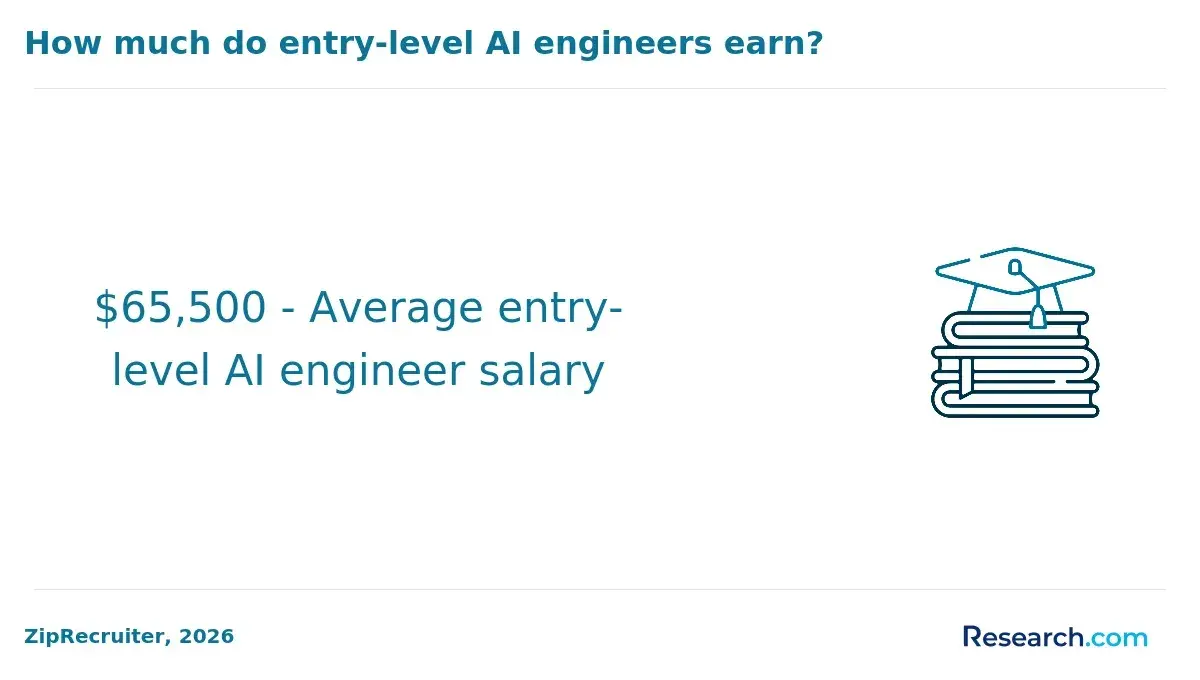
AI-skilled employee experience (EX) professionals in the U.S. earn salaries ranging from approximately $75,000 to over $140,000 annually, influenced by experience, industry, and role complexity. Entry-level roles focusing on AI integration in HR analytics typically start near $75,000, while senior positions driving strategic AI use for workforce optimization command salaries above $130,000. For instance, AI specialists developing predictive models to enhance employee engagement may earn between $90,000 and $120,000, whereas EX analytics managers with advanced AI expertise often exceed $140,000.
Organizations investing in AI training for EX teams see measurable business benefits, which correlates with higher salaries in this field. Deloitte's 2025 workforce research highlights that companies with strong people analytics capabilities are 2.5 times more likely to report improved business outcomes from HR initiatives, including training. This underlines the value placed on professionals who transform complex data into actionable workforce strategies.
Practitioners seeking higher salaries should focus on mastering AI tools that optimize talent acquisition, employee retention, and performance management. Combining AI proficiency with HR knowledge makes candidates especially attractive. Certifications and continuous education further demonstrate commitment and can elevate compensation into the upper tiers.
How do you choose a reputable AI course for HR teams?
Selecting a reputable AI course tailored for HR or employee experience (EX) teams involves several key criteria. Prioritize programs that offer recognized certification from accredited universities or leading tech organizations, as this enhances professional credibility. Course content should specifically address AI applications in HR, including talent acquisition algorithms, employee engagement analytics, and workforce planning, to ensure practical relevance for EX professionals.
Assess instructor expertise and student reviews to verify the quality and applicability of the course material. Experienced instructors with a background in AI implementation for HR provide valuable insights. Flexible scheduling options, such as self-paced or modular courses, are ideal for working professionals balancing job responsibilities and continuous learning.
Industry trends highlight the importance of upskilling in AI for HR. According to the World Economic Forum's 2025 Future of Jobs report, 39% of core skills will change by 2030, underscoring the need for cutting-edge knowledge in AI-driven EX analytics and automation.
Look for programs offering practical resources like case studies, hands-on projects, and networking opportunities, which enhance real-world application and collaboration. Finally, consider affordable pricing and transparent refund or transfer policies to protect your investment.
Other Things You Should Know About Artificial Intelligence
Ethical considerations include ensuring transparency in AI decision-making, avoiding bias in algorithms, and protecting employee data privacy. Employee experience teams must evaluate how AI impacts fairness and trust within the workplace. Establishing clear policies and involving diverse perspectives during AI deployment helps maintain ethical standards.
Yes, AI skills learned through targeted courses can often be applied immediately in employee experience roles. Practical knowledge such as using AI platforms for sentiment analysis or automating HR workflows allows professionals to enhance efficiency quickly. However, some applications may require additional organizational integration efforts.
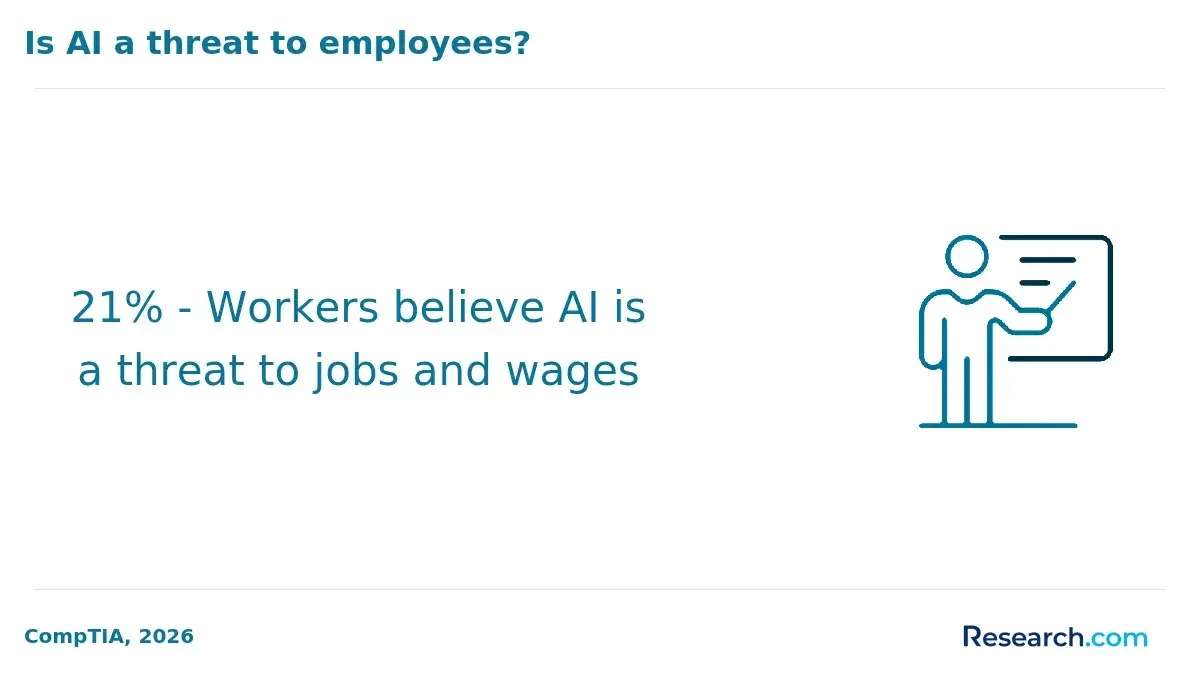
Challenges include managing resistance to change among staff, integrating AI with existing systems, and ensuring accurate data for training algorithms. Employee experience teams must also address concerns about job displacement due to automation. Ongoing training and clear communication are essential to overcoming these obstacles.
References
- The Future of Work is Personal: How AI is Reshaping Employee Experience https://www.shrm.org/enterprise-solutions/insights/future-of-work-is-personal-how-ai-is-reshaping-employee
- Employers willing to pay ‘premium’ for AI-skilled workers, survey finds https://www.highereddive.com/news/employers-pay-more-ai-skills/700920/
- The Best AI Training Courses for HR, Managers, and Employees in 2026 | Article | Lattice https://lattice.com/articles/ai-training-courses-for-every-team
- AI Training for Employees: How to Get & Stay Ahead of the Curve https://guild.com/education-benefits/ai-employee-training
- 10 Best AI Courses for HR Professionals in 2025 https://www.hrlineup.com/best-ai-courses-for-hr-professionals/
- Artificial Intelligence for HR | Certificate Program https://www.aihr.com/courses/artificial-intelligence-for-hr-certification/
- AI Training for Employees: A 6-Week Program for HR in DACH | Sprad Blog https://sprad.io/blog/ai-training-for-employees-how-hr-can-upskill-the-workforce-without-overwhelming-them
- The role of AI and automation in enhancing the employee experience https://www.aspect.com/resources/the-role-of-ai-enhancing-employee-experience
- 8 Best AI Courses to Train Employees & Boost Efficiency https://eloomi.com/resource/article/best-ai-courses/
- AI Courses & Certifications https://www.intel.com/content/www/us/en/developer/topic-technology/artificial-intelligence/training/overview.html