2027 Best AI Governance Courses for Transformation Officers

Co-Founder and Chief Data Scientist
Transformation officers increasingly face challenges governing AI systems amid rapid technological advances and evolving regulatory landscapes. Many lack a structured framework to assess AI risks, ensure ethical compliance, and drive responsible innovation within their organizations. Without specialized knowledge, decision-makers struggle to balance opportunity with accountability, risking costly setbacks or reputational harm.
This article highlights top governance courses designed to equip professionals with practical skills in AI oversight, policy development, and risk management. It offers guidance on selecting programs that provide flexible, accredited paths ideal for career pivots into the dynamic field of AI governance.
Key Things You Should Know
- AI governance courses in 2026 emphasize ethical frameworks, regulatory compliance, and risk management to prepare transformation officers for responsible AI deployment.
- Programs increasingly integrate practical case studies, with 67% of courses offering hands-on projects to develop real-world governance skills.
- Demand for AI governance expertise grew 45% between 2024 and 2025, reflecting industry prioritization of transparency and accountability in AI systems.
Advance Your Career with AI Online Courses
Artificial Intelligence: Implications for Business Strategy
This program provides an introduction to Artificial Intelligence and their implications for business strategy. Earn an official digital certificate.

Oxford Artificial Intelligence Programme
Explore this Oxford Artificial Intelligence programme offered in a flexible learning environment and explore topics like machine learning, automation, and robotics.

Implementing Agentic AI: Building Your Organizational Playbook
This online MIT Agentic AI course offers a practical approach to deploying AI agents in your organization, including a custom playbook. 3 weeks, exclusive launch price.

AI Adoption: Driving Business Value and Impact
This online MIT AI Adoption: Driving Business Value and Impact offers practical frameworks to close the gap between AI potential and business reality.

Artificial Intelligence in Pharma and Biotech
Discover the applications and limitations of artificial intelligence in pharma and biotech with this MIT online short course.

What is AI governance and why do transformation officers need specialized courses?
AI governance frameworks for transformation officers are essential for guiding the ethical, transparent, and compliant deployment of artificial intelligence technologies in organizations. Specialized courses on AI governance for business transformation provide transformation officers with in-depth knowledge of regulatory requirements like GDPR and emerging AI laws, enabling them to implement strategies that manage risks related to bias, privacy, and accountability.
These courses cover critical skills such as risk assessment methodologies, data governance best practices, and ethical AI design principles. Transformation officers learn to address challenges including stakeholder mistrust and unclear AI accountability by establishing ethics guidelines, audit mechanisms, and continuous monitoring protocols.
Examples of practical training include case studies on AI failures and corrective actions, which enhance an organization's ability to leverage AI responsibly and foster sustainable innovation. With AI adoption expanding rapidly, transformation officers with these competencies become invaluable in aligning AI initiatives with corporate goals while mitigating operational and ethical risks.
The U.S. Bureau of Labor Statistics predicts 35% employment growth for data scientists over the next decade, reflecting the increasing demand for AI-adjacent governance expertise in corporate teams. Students interested in this field can explore the most affordable data science master's programs to gain relevant skills and knowledge.
Advance Your Career with AI Online Courses
Artificial Intelligence: Implications for Business Strategy
This program provides an introduction to Artificial Intelligence and their implications for business strategy. Earn an official digital certificate.
Oxford Artificial Intelligence Programme
Explore this Oxford Artificial Intelligence programme offered in a flexible learning environment and explore topics like machine learning, automation, and robotics.
Implementing Agentic AI: Building Your Organizational Playbook
This online MIT Agentic AI course offers a practical approach to deploying AI agents in your organization, including a custom playbook. 3 weeks, exclusive launch price.
What types of AI governance courses are best for transformation and innovation leaders?
AI governance certification programs for transformation leaders emphasize practical frameworks, regulatory compliance, and ethical considerations crucial for strategic decision-making. These courses integrate AI governance within organizational structures and provide expertise in risk management, accountability models, and compliance with laws like the EU AI Act and U.S. regulatory standards.
High-value programs blend technical AI knowledge with policy and ethics, enabling innovation officers to address risks related to bias, privacy, and transparency. For example, certifications such as the IAPP AI Governance Professional (AIGP) offer comprehensive curricula, with exam costs ranging from $550 to $750.
The best AI governance courses for innovation and transformation officers commonly include modules on:
- AI risk assessment methodologies tailored to innovation pipelines
- Developing internal AI ethics committees and governance frameworks
- Aligning AI initiatives with organizational transformation goals
- Stakeholder communication and building trust through transparency
Leading courses provide case studies on AI failures and mitigation strategies, focusing on algorithmic bias and data privacy breaches. Emphasizing real-world application through scenario analysis and policy drafting helps prepare leaders for complex AI project challenges.
Given the fast-evolving nature of AI regulation and technology, regularly updated courses and certifications validated by recognized bodies are essential for demonstrating expertise and meeting both organizational and regulatory demands efficiently. Prospective students may also consider exploring affordable AI degrees to complement governance training.
How can transformation officers evaluate the best AI governance programs for their goals?
Transformation officers assessing ai governance programs prioritize those aligned with organizational transformation goals, such as risk mitigation, regulatory compliance, or ethical oversight. Top programs offer comprehensive frameworks covering ai auditing, bias detection, and model assurance, often including hands-on case studies or simulations to develop actionable skills beyond theory. This approach matches well with current criteria for selecting top ai governance courses for transformation goals.
Evaluating credential value is essential; look for industry-recognized certifications like the ISACA AI Auditing Certificate, which is priced between $459 and $549 and evidences growing demand for expertise in ai risk and model assurance. Such credentials support governance roles focused on compliance and ethical oversight.
Faculty expertise and program affiliations also matter. Leading courses partner with respected industry bodies and feature instructors with verified backgrounds in ai ethics, law, and technology governance, ensuring curricula stay updated with evolving regulations.
Flexibility in delivery-online or hybrid options-is vital for working professionals. Modular structures allow customization to sector-specific governance challenges. Comprehensive regulatory coverage should include frameworks such as GDPR and the U.S. Algorithmic Accountability Act, equipping officers to navigate complex legal landscapes confidently.
Post-certification support, like alumni networks and continuous learning modules, helps sustain governance excellence in fast-evolving ai environments. For those exploring specialized education, options like a game design degree show how targeted programs can cater to industry demands.
What degrees, certificates, or executive programs offer AI governance training in the U.S.?
U.S. institutions provide various ai governance degree programs in the U.S. that integrate specialized modules in data ethics, AI policy, and technology management, often within computer science or public policy disciplines. Prestigious universities like Carnegie Mellon and Stanford offer these tracks as part of their master's curricula, ensuring strong academic foundations in AI governance.
Professional development also includes executive certificates for ai governance training in the United States, designed for working professionals navigating regulatory and ethical AI challenges. Notable among these is the PECB ISO/IEC 42001 Lead Auditor certification, which costs around $600 and validates expertise in aligning AI governance with international management standards.
Short-term executive education programs from leading business schools such as MIT Sloan and Wharton concentrate on AI ethics, risk management, and governance policies. These programs target senior leaders seeking impactful, condensed learning experiences without pursuing a full degree. Additionally, interdisciplinary executive certificates blending law, technology, and ethics address AI's complex regulatory landscape.
For those interested in practical skills, bootcamps on AI auditing and algorithmic accountability emphasize transparency and governance controls. When choosing programs, accreditation, curriculum relevance, and compliance integration remain key decision factors. For a career path in this evolving field, consider learning more about what is an AI trainer and related roles.
How do online AI governance courses compare with campus and hybrid formats?
Online ai governance courses offer unmatched flexibility for professionals balancing careers and education. These courses typically feature asynchronous learning, allowing students to study on their own schedule without commuting. This saves time and reduces expenses compared to campus programs, which require physical attendance, fixed schedules, and often additional costs like housing and transportation.
Hybrid formats provide a compromise by combining in-person sessions with online learning, appealing to those who want some face-to-face interaction alongside remote study options.
Cost is a critical factor: for instance, the EXIN AI Compliance Professional (AICP) exam costs about $390, making it an affordable entry point into ai governance. Many online certificate programs share similar or lower fees compared to campus degrees, which may cost several thousand dollars. This affordability enables many professionals to earn credentials without taking substantial time off work or incurring heavy debt.
Campus programs, however, offer immersive experiences and networking opportunities often unavailable online. Institutional prestige and access to hands-on projects are also compelling reasons to choose on-site or hybrid options for some learners.
When deciding on a format, consider your learning preferences, budget, and schedule. Online courses often represent the most efficient and cost-effective route for acquiring practical ai governance skills and advancing your career.
What core topics and skills are covered in leading AI governance course curricula?
Leading AI governance courses cover crucial topics and skills necessary for transformation officers managing AI implementation and compliance. These programs emphasize ethical frameworks addressing bias, fairness, transparency, and accountability to promote responsible AI use. Legal and regulatory compliance is a major focus, particularly understanding evolving standards such as the EU AI Act and U.S. federal guidelines, helping professionals navigate complex legal environments.
Risk management strategies train participants to identify, assess, and mitigate AI-related risks including data privacy breaches and operational failures. Technical literacy features prominently, with coursework on AI model fundamentals, data governance, and validation methods to enable effective collaboration with technical teams. Additionally, strategic alignment skills ensure AI initiatives support organizational goals while maintaining governance quality.
Practical frameworks for AI audit and monitoring are often included, equipping learners to implement ongoing oversight. Leadership and change management components address human factors and organizational challenges, such as bias in decision-making or workforce impacts.
For example, bundled learning options provide comprehensive coverage; one provider offers access to 29 courses for $499/month or $2,499/year, underscoring the value of broad specialization. This approach benefits professionals seeking extensive skills beyond isolated topics in ai governance courses.
What are typical admission requirements and prerequisites for AI governance programs?
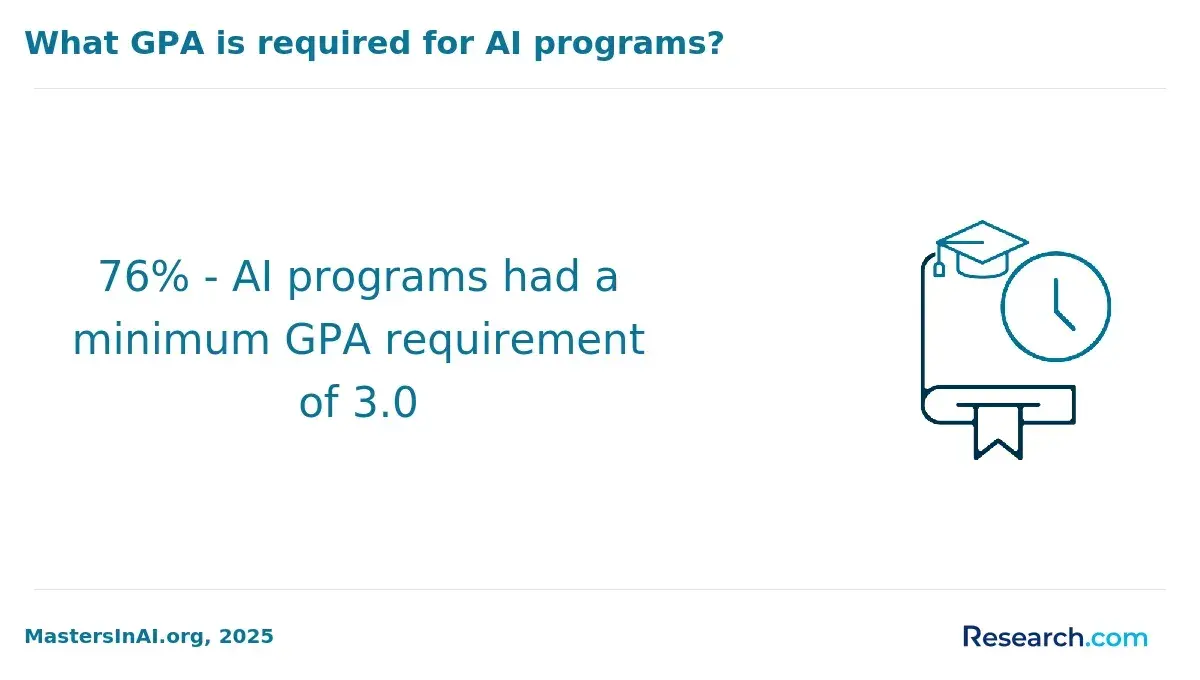
Admission to AI governance programs typically requires a bachelor's degree in fields such as computer science, law, business, or public policy. Many institutions favor applicants with foundational knowledge of AI technologies or relevant experience in governance, compliance, or ethics. Advanced certificates or degrees often ask for 2-5 years of professional experience, especially in risk management, regulatory affairs, or technology strategy.
Prerequisites commonly include demonstrated understanding of data privacy laws, cybersecurity, and ethical frameworks related to AI use. Applicants may need to provide a statement of purpose, prior coursework evidence in technology policy or ethics, and occasionally letters of recommendation highlighting analytical capabilities and professionalism.
The International Association of Privacy Professionals (IAPP) offers the AI Governance Professional (AIGP) credential, reflecting the growing specialization in AI governance frameworks and compliance. This credential emphasizes both technical AI knowledge and legal-regulatory expertise essential for prospective students.
Working professionals without formal degrees might qualify through verified experience reviewed via interviews or portfolios. Flexible entry criteria apply to online or hybrid programs but still require foundational knowledge, such as algorithmic fairness, risk assessment, or policy development.
Common admission requirements include:
- Bachelor's degree in relevant disciplines
- 2-5 years of related professional experience for advanced programs
- Knowledge of compliance, governance, or AI ethics
- Supporting documents like statements of purpose and recommendations
How long do AI governance courses take, and what do they cost to complete?
AI governance courses vary in duration, typically requiring 10 to 40 hours to complete depending on their depth and delivery. Introductory or refresher programs, often part-time, usually take one to two weeks, while more comprehensive certificate courses or professional diplomas can span up to three months. These longer programs cover case studies, compliance frameworks, and ethical decision-making essentials.
Cost is influenced by the provider and credential level, ranging widely. Many platforms such as Coursera and edX offer free or low-cost access to course materials, generally between $0 and $300 but without certification. Professional certificates from accredited institutions usually sit between $1,000 and $5,000. Executive education programs affiliated with universities may charge $3,000 to $7,000, reflecting their intensive content and expert faculty involvement.
DataCamp emphasizes AI governance training focused on aligning ethics, compliance, and business goals, showing how governance roles are evolving from technical oversight to driving enterprise transformation. Selecting courses that integrate this perspective can better prepare learners for current and future challenges.
For working professionals, choosing courses depends on career aims:
- Shorter, focused courses under $1,500 are ideal for immediate skill application.
- Longer, accredited programs offer strategic insights and formal certification for leadership ambitions.
What roles, salaries, and career paths can AI governance training unlock for officers?
AI governance training prepares professionals for key roles like AI Compliance Officer, Responsible AI Program Manager, and Data Ethics Lead, all focused on ensuring AI systems comply with legal and ethical standards. These roles require managing adherence to evolving regulations, developing monitoring frameworks, and overseeing operational risks. Salaries in this field typically range between $90,000 and $160,000 annually, varying by experience and industry.
Most careers begin in areas such as data analytics, IT governance, or risk management before advancing into AI-specific oversight. Senior leadership positions-such as Chief AI Ethics Officer or AI Risk Director-play critical roles in shaping organizational strategies and policies that govern AI use. These positions demand in-depth knowledge of AI models, ethical challenges, and regulatory environments.
Training programs, like Penn's AI Strategy and Governance, emphasize critical skills in managing large datasets, which are vital for responsible data analysis and maintaining transparency. Professionals must also gain hands-on experience with frameworks including GDPR, Fairness, Accountability, and Transparency (FAI), and algorithmic audits.
Effective governance experts act as bridges between technical AI teams and executive leadership, handling issues like bias detection, model explainability, and stakeholder communication to transform ethical considerations into actionable business policies.
Are there recognized standards or certifications for AI governance and responsible AI leaders?
Standards and certifications play a critical role in supporting responsible ai leadership and governance. Frameworks like the IEEE's Ethically Aligned Design and the ISO/IEC 38507 standard establish essential principles focused on accountability, transparency, and risk management. Certifications such as the Certified AI Governance Professional (CAIGP) demonstrate expertise in aligning ai strategies with ethical and regulatory demands.
Specialized credential programs address the needs of transformation officers and ai leaders overseeing governance. Notable offerings include the ACM Certification in Responsible AI, which emphasizes ethical model building, bias reduction, and compliance protocols, and the AI Ethics Certification by the Responsible AI Institute, which combines governance frameworks with practical industry case studies.
These certifications target core challenges in ai leadership, including fairness in automated decision-making, regulatory compliance, governance committee establishment, system monitoring, and stakeholder engagement. Peer collaboration is vital: industry reviews highlight 16 Slack channels dedicated to ai governance and responsible ai practice, enabling community knowledge-sharing and real-time problem-solving.
Prospective students should verify the relevance of certifications to current job market requirements, seek programs blending theory with applied governance scenarios, and engage actively with professional communities to stay informed about evolving standards.
Other Things You Should Know About Artificial Intelligence
In 2027, top AI governance courses for transformation officers include MIT's AI Governance and Ethics, Oxford's AI in Finance, and Stanford's AI Policy and Governance. These programs focus on blending technical, ethical, and managerial skills to adeptly handle AI-driven changes in organizations.
AI governance plays a vital role in identifying and mitigating risks associated with AI deployment, such as operational failures, legal non-compliance, and reputational damage. Effective governance frameworks help organizations anticipate technological risks and align AI development with regulatory requirements, reducing potential liabilities.
Key skills for AI governance professionals include a strong understanding of AI technologies, data ethics, regulatory knowledge, and risk assessment. Competencies in interdisciplinary communication and policy formulation are also important to bridge the gap between technical teams and organizational leadership.
AI governance is continuously adapting to advancements such as explainable AI, federated learning, and autonomous systems. New guidelines and standards are being developed to address the complexities introduced by these technologies, emphasizing transparency, safety, and ethical considerations in AI lifecycle management.
References
- AI Governance Professional Certification | CertiProf https://certiprof.com/products/ai-governance-certification-iso-42001
- An AI governance certification will boost your career | The Corporate Governance Institute https://www.thecorporategovernanceinstitute.com/insights/guides/an-ai-governance-certification-will-boost-your-career/
- AI Governance Training for Board Members | AI Strategy & Risk Oversight - Council for Corporate Transformation https://www.changethecompany.com/ai-governance-training-for-board-members-ai-strategy-amp-risk-oversight/
- AI Governance Certifications HUB - AI Governance Library, Articles, Ressources https://aigouvernance.com/certifications/
- AI Transformation is a Problem of Governance: Enterprise Solutions https://evinent.com/blog/ai-transformation-is-a-problem-of-governance
- Top AI Governance Certifications To Earn In 2026 (Complete Guide) https://certempire.com/top-ai-governance-certifications/
- AI strategy versus AI governance https://roover.de/en/ai-strategy-versus-ai-governance/
- Artificial Intelligence for Corporate Governance https://www.corpoladder.com/courses/artificial-intelligence-for-corporate-governance
- AI Governance Mastery Series https://cgi.org.uk/qualifications-training/training-courses/ai-governance-mastery-series/