2027 Best AI Procurement Strategy Courses for Managers

Co-Founder and Chief Data Scientist
Managers often face challenges selecting the right procurement strategy courses that integrate evolving AI technologies, especially when lacking a technical background. This gap can hinder effective decision-making and competitive advantage in rapidly shifting markets. Identifying flexible and accredited programs that balance managerial skills with AI procurement expertise is critical. The abundance of options, varied course formats, and uncertain industry relevance complicate this further, creating confusion and risk.
This article explores top courses designed for managers seeking to master AI procurement strategies, guiding readers toward informed choices that enhance career growth and operational impact.
Key Things You Should Know
- Courses in 2026 emphasize practical procurement strategies integrating AI tools, with 72% of managers reporting improved negotiation outcomes through AI-driven data analytics.
- Top programs combine AI ethics, risk management, and contract automation, reflecting a 45% growth in demand for compliance-focused procurement skills since 2024.
- Flexible online formats dominate, supporting professionals' upskilling amid a projected 35% increase in AI procurement roles within U.S. organizations by 2027.
Advance Your Career with AI Online Courses
Artificial Intelligence: Implications for Business Strategy
This program provides an introduction to Artificial Intelligence and their implications for business strategy. Earn an official digital certificate.

Oxford Artificial Intelligence Programme
Explore this Oxford Artificial Intelligence programme offered in a flexible learning environment and explore topics like machine learning, automation, and robotics.

Implementing Agentic AI: Building Your Organizational Playbook
This online MIT Agentic AI course offers a practical approach to deploying AI agents in your organization, including a custom playbook. 3 weeks, exclusive launch price.

AI Adoption: Driving Business Value and Impact
This online MIT AI Adoption: Driving Business Value and Impact offers practical frameworks to close the gap between AI potential and business reality.

Artificial Intelligence in Pharma and Biotech
Discover the applications and limitations of artificial intelligence in pharma and biotech with this MIT online short course.

What is an AI procurement strategy course for managers and who should consider it?
AI procurement strategy training for managers equips professionals with vital skills to integrate artificial intelligence into sourcing, supplier evaluation, and contract management. These programs emphasize leveraging AI-driven data analytics, automating repetitive procurement tasks, and using predictive insights to improve supplier performance and risk mitigation. Managers develop strategies that align AI capabilities with organizational goals, boosting cost efficiency and decision-making.
Courses focused on the best management courses on artificial intelligence procurement are crucial for procurement leaders and supply chain managers aiming to lead digital transformation efforts. With 65% of procurement leaders expecting AI and automation to significantly impact sourcing and supplier management within three years, mastering AI procurement strategies ensures a competitive edge.
Such training is especially valuable for those managing manual contract reviews, inefficient supplier selection, or forecasting challenges. Programs vary, ranging from technical AI applications like machine learning for spend analysis to strategic implementation and organizational readiness, often featuring case studies on supplier lead time reductions and cost savings through automation.
Professionals without technical backgrounds benefit by gaining confidence to collaborate effectively with data scientists and IT teams. Graduates entering procurement roles can accelerate career growth in AI-enabled environments. Those interested in expanding their technical expertise may also explore accelerated computer science programs to complement their procurement knowledge.
Advance Your Career with AI Online Courses
Artificial Intelligence: Implications for Business Strategy
This program provides an introduction to Artificial Intelligence and their implications for business strategy. Earn an official digital certificate.
Oxford Artificial Intelligence Programme
Explore this Oxford Artificial Intelligence programme offered in a flexible learning environment and explore topics like machine learning, automation, and robotics.
Implementing Agentic AI: Building Your Organizational Playbook
This online MIT Agentic AI course offers a practical approach to deploying AI agents in your organization, including a custom playbook. 3 weeks, exclusive launch price.
How can AI procurement strategy training help managers advance their careers and leadership roles?
AI procurement strategy training builds essential leadership development through AI procurement training that enables managers to drive digital transformation within supply chains. By mastering AI tools and data-driven decision-making, managers can optimize sourcing, reduce costs, and mitigate risks, positioning themselves as key contributors to their organizations' success.
Managers completing such certification often develop expertise in predictive analytics, vendor management automation, and strategic sourcing frameworks. These skills help improve contract negotiations, supplier evaluations, and procurement insights in real time. For instance, AI-driven demand forecasting can prevent overstock or stockouts, providing demonstrable business value to senior leadership.
Research from Ivalua highlights that top procurement organizations investing in AI achieve returns three times greater than those that underinvest. This underscores how AI procurement strategy certification for career growth offers a competitive advantage. Professionals with formal training are more likely to secure leadership roles by delivering measurable ROI and fostering innovation.
Key career benefits include:
- Increased influence in strategic decision-making through actionable AI insights
- Enhanced ability to lead cross-functional teams adopting AI technologies
- Stronger credentials for promotion to chief procurement officer or director-level positions
- Expanded professional network via AI-focused training cohorts and industry connections
Those considering an advanced education path may explore AI degree programs designed to deepen expertise in this evolving field. Ultimately, AI procurement strategy training equips managers with the skills required to lead agile, tech-enabled procurement functions in today's competitive business landscape.
What types of AI procurement strategy programs are available, from short courses to graduate certificates?
AI procurement strategy certification programs vary widely in format and depth, from brief short courses to comprehensive graduate certificates. Short courses usually last a few days to weeks and focus on practical skills like AI vendor evaluation, ethical sourcing, and implementation approaches.
These are suited for managers wanting quick, actionable insights to improve procurement decisions without a lengthy commitment. For instance, a 2-week course might teach AI tools designed to enhance supplier selection and contract negotiation, aligning with McKinsey's data cited by Ivalua showing agentic AI can increase procurement efficiency by 25%-40%.
Mid-length certificate programs, often spanning several months, blend strategic procurement theory with AI applications. They include case studies, hands-on projects, and modules on managing AI-enabled procurement platforms. These courses are ideal for professionals aiming to grasp AI's role in predictive analytics and risk management to reduce supply chain disruptions.
Graduate certificates in AI procurement management offer an advanced curriculum comparable to partial graduate degrees. Covering topics like data governance, AI ethics, automation, and change management, these typically require 12-18 credit hours over about one year. They train professionals to lead digital transformation initiatives and develop AI-aligned procurement strategies compliant with evolving regulations.
These programs are available online or in hybrid formats at many universities and professional organizations, accommodating working professionals' schedules. Choosing the right program depends on prior knowledge, availability, and career goals. Those interested may also explore areas like game design degree online for a different technology-driven field.
How do online AI procurement courses compare with on-campus and hybrid formats for busy managers?
Online AI procurement courses offer busy managers unmatched flexibility, eliminating commuting time and allowing asynchronous engagement with course materials. This flexibility supports the benefits of online AI procurement training for busy managers, making it easier to balance professional demands. According to research from MIT Sloan Management Review and Boston Consulting Group, only 14% of companies realize tangible AI value at scale, highlighting the need for practical, time-efficient learning that improves implementation skills.
These courses often feature modular content and interactive platforms that help develop core competencies such as vendor evaluation, contract negotiation, and integration planning through video lessons and case-study simulations. In comparison, on-campus courses require fixed schedules, which can limit access for full-time workers. Hybrid models strike a balance by combining face-to-face interaction with digital learning, but still demand campus visits that may disrupt workflows.
Considering time constraints, online courses scale more effectively across organizations, training multiple managers simultaneously. They also foster global networking opportunities, broadening perspectives on procurement challenges in AI deployment. When weighing the comparative effectiveness of on-campus versus hybrid AI procurement courses, the latter provides mentorship but with added time demands.
For professionals seeking economical, effective skill-building tied to enterprise impact, robust online offerings are superior. Some learners might explore an accelerated cyber security degree online as a complementary path in technology-focused careers.
What should managers look for in accreditation and institutional quality for AI procurement programs?
When evaluating AI procurement education programs, accreditation from respected bodies such as ABET, AACSB, or regional agencies is crucial, as it reflects high academic and operational standards. Equally important is assessing the institution's expertise in digital transformation and AI applications, since this impacts course quality and relevance.
Programs connected to universities or organizations recognized for leadership in technology and AI research tend to offer curricula aligned with industry best practices. Institutions partnering with AI think tanks or tech companies often provide updated case studies and real-world procurement scenarios, preparing managers for practical challenges effectively.
Look for courses that combine cross-functional skills such as AI ethics, vendor negotiation, and risk management. Faculty with industry certifications or hands-on experience in AI and supply chain management significantly enhance the learning experience.
A strategic approach to AI investments is vital. According to Deloitte, organizations with mature digital capabilities achieve a 3.2X ROI on generative AI versus roughly 1.5X for less mature ones. Programs that develop this strategic thinking help improve investment outcomes and organizational maturity.
Flexible delivery options, curriculum updates, and strong alumni networks support continuous learning and networking, key factors for managers operating in the fast-changing AI procurement landscape.
What core topics and skills are typically covered in AI procurement strategy course curricula?
AI procurement strategy courses cover essential skills for integrating artificial intelligence technologies into purchasing processes. Core topics include AI-driven spend analysis, which automates categorization, supplier normalization, and anomaly detection to identify cost-saving opportunities. These capabilities help uncover duplicate payments and contract leakage beyond manual methods, maximizing ROI.
Procurement data management is emphasized, teaching how to collect, clean, and analyze vendor and spend data to support informed decisions. Managerial areas such as vendor evaluation and risk assessment incorporate predictive analytics and automated supplier scoring models, adding an AI perspective. Ethics and compliance training prepares managers to address regulatory challenges and avoid bias in algorithms.
The curriculum also covers AI solution implementation, focusing on integration with existing procurement systems and change management practices. Contract lifecycle management is enhanced by AI tools for automated contract review and performance tracking, improving contract governance.
Case studies illustrate AI's impact on supplier negotiation and demand forecasting, enabling supply chain optimization and responsiveness. Strategic leadership training aligns AI capabilities with organizational goals and performance metrics, ensuring managers are ready for AI-driven procurement challenges.
What are common admission requirements and professional prerequisites for AI procurement courses?
Admission to AI procurement courses generally requires a bachelor's degree in business, supply chain management, information technology, or related disciplines. Candidates often need 2-3 years of experience in procurement, sourcing, or vendor management to ensure they have a solid understanding of procurement fundamentals before tackling AI applications. Some advanced programs may additionally require familiarity with data analysis or basic programming to effectively engage with AI software.
Professional certifications like Certified Professional in Supply Management (CPSM) or Certified Supply Chain Professional (CSCP) can improve prospects, though they are not typically mandatory. Institutions often favor applicants with experience in strategic roles such as risk assessment, as AI procurement emphasizes optimizing supplier evaluation and continuous risk monitoring.
Applicants might need to submit a statement of purpose outlining their career objectives related to AI-driven procurement or complete skills assessments evaluating analytical abilities. Demonstrating active participation in digital transformation or procurement automation initiatives can also strengthen an application.
AI-powered supplier onboarding and risk monitoring are emerging as crucial trends, allowing procurement teams to track supplier risks in real time rather than relying on periodic reviews. This demands a strong grasp of dynamic risk factors and relevant technological frameworks for ongoing evaluation.
How long do AI procurement strategy programs take and what do they typically cost?
AI procurement strategy programs vary in length, typically lasting from a few days to several months, depending on their format and depth. Short workshops or certificate courses often run 1 to 4 weeks and focus on rapid upskilling for current AI procurement challenges. More comprehensive executive programs or university-affiliated certificates can span 3 to 6 months, usually offered part-time to accommodate working professionals, and cover topics such as AI vendor evaluation, contract negotiation, and integrating generative AI tools.
Costs differ widely based on program duration, provider reputation, and included resources. Shorter courses usually range from $1,000 to $3,000, while longer executive or university-level programs can cost between $4,000 and $12,000. Tiered pricing plans may offer mentorship or tailored project work, raising costs but improving practical learning outcomes. Corporate training packages often provide customized pricing depending on the solutions offered.
With only 28% of procurement teams currently deploying generative AI in production, curricula often include phased implementation strategies and pilot projects to support real-world application. Prospective students should ensure programs address AI governance, ethical procurement, and vendor risk management, which are crucial for effective AI deployment.
Hybrid models combining online modules and live sessions offer flexibility for busy managers while maintaining rigorous content. Evaluating program length, cost, and curriculum focus helps identify options aligned with career goals and organizational readiness for AI adoption.
What job roles, industries, and salary ranges can AI procurement training prepare managers for?
AI procurement training equips managers for roles like AI project managers, procurement analysts focused on AI technologies, vendor relationship managers, and strategic sourcing leaders. These positions are common in tech-driven sectors such as information technology, manufacturing, healthcare, finance, and consulting. Skilled AI procurement managers effectively connect technical teams and suppliers, ensuring the best AI tools are selected and implemented.
Salary ranges reflect industry and experience differences. Entry-level roles start near $70,000 annually, while seasoned managers in top tech or finance firms can earn over $150,000 per year. In healthcare and manufacturing, strategic sourcing leaders with AI expertise typically earn between $120,000 and $140,000, showing strong demand for skills managing complex vendor ecosystems.
Industries adopting AI at a rapid pace drive demand for specialized procurement knowledge. Financial services emphasize AI-driven analytics and risk management tools, requiring procurement managers familiar with AI capabilities and compliance. Healthcare focuses on AI for diagnostics and patient data, demanding expertise in regulations and ethics.
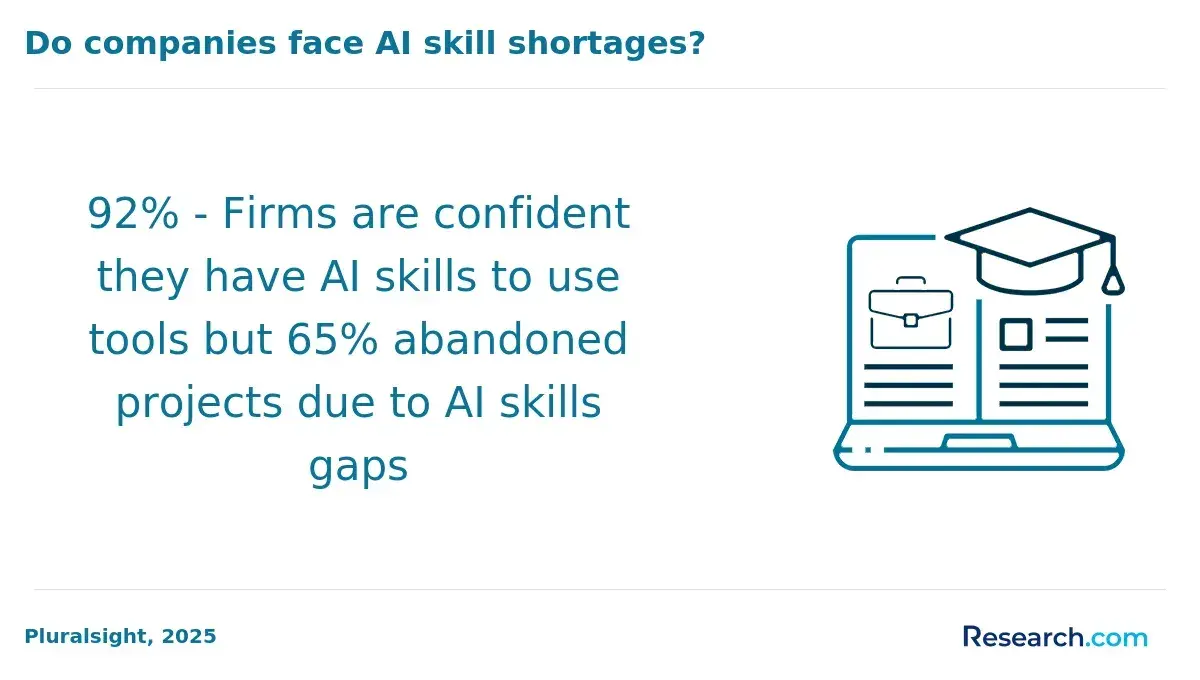
The AI skills gap is significant: 42% of employers cite lack of skills as the biggest barrier to AI adoption, per the World Economic Forum. This gap includes procurement roles that evaluate vendors, negotiate contracts, and oversee AI product lifecycles. Training merges AI knowledge with procurement best practices, creating valuable professionals across sectors.
Are there recognized certifications or professional standards related to AI procurement strategy for managers?
Certifications for AI procurement strategy targeting managers are emerging but remain specialized and evolving. Notable credentials like the Certified AI Procurement Specialist (CAIPS), offered by industry bodies and technology management associations, validate expertise in sourcing, vendor evaluation, and ethical AI adoption. These programs emphasize practical skills such as contract negotiation for AI solutions, risk assessment of AI vendors, and compliance with changing legal frameworks.
Frameworks from organizations like IEEE and NIST guide trustworthy AI deployment but currently do not provide direct certifications for procurement strategy. Managers should use these standards to ensure ethical, transparent AI purchasing practices.
As McKinsey forecasts that by 2030 up to 30% of U.S. work hours may be automated by AI, procurement strategy has become vital to workforce planning. Certifications integrating AI's operational impact and scalable, responsible solution sourcing are increasingly important.
Prospective students and professionals should seek credentials that offer:
- Alignment with purchasing life cycle stages specific to AI technologies
- Emphasis on ethical, risk-aware acquisition
- Recognition by industry or government entities
- Hands-on procurement strategy simulations involving AI vendors
Such qualifications showcase mastery of AI procurement challenges, influencing organizational competitiveness and compliance in an automation-driven economy.
Other Things You Should Know About Artificial Intelligence
Ethical considerations in AI procurement involve evaluating the fairness, transparency, and accountability of the AI systems being acquired. Managers must ensure these systems do not perpetuate bias or discrimination and comply with applicable laws and industry standards. This requires assessing vendor practices, data sources, and automated decision-making processes before procurement.
Vendor management in AI procurement includes evaluating vendor reliability, technology compatibility, and support services. Managers should establish clear performance metrics and service-level agreements specific to AI capabilities to maintain control and quality. Ongoing collaboration with vendors helps in adapting AI systems to evolving business needs and regulatory environments.
Measuring AI procurement success involves tracking key performance indicators such as cost savings, operational efficiency, and accuracy improvements delivered by the AI system. Managers should also assess user adoption rates and alignment with strategic goals. Regular evaluation enables timely adjustments and maximizes the return on investment from AI solutions.
References
- American Certified Supply Chain Artificial Intelligence (AI) Professional – AC-SCAI® | LEAP Training https://www.leap-globe.training/en/certifications/aapscm/american-certified-supply-chain-artificial-intelligence-ai-professional-ac-scai
- AI-Powered Procurement & Vendor Management | Queen’s College https://www.queenscollege.ca/ai-in-procurement-vendor-management-training/
- AI Governance in Higher Education: A Practical Framework for Institutions in 2026 | Guides | LearnWise https://www.learnwise.ai/guides/ai-governance-in-higher-education
- Certified AI Procurement and Vendor Evaluation Professional https://thecasehq.com/courses/certified-ai-procurement-and-vendor-evaluation-professional/
- Artificial Intelligence (AI) in Procurement and Supply C... https://oxford-management.com/course/artificial-intelligence-ai-in-procurement-and-supply-chain-management
- AI Course for Procurement Teams — Sourcing &… https://www.pertamapartners.com/insights/ai-course-for-procurement
- AI Procurement in Higher Education and the Risk of Bias at Scale https://changinghighered.com/ai-bias-procurement-framework-higher-education/
- AI for Procurement | Short Course | Irish Management Institute https://www.imi.ie/programme/ai-for-procurement/
- Beyond the Buzzwords: A Practical Guide to AI Procurement with Model Clauses and GDPR https://www.eipa.eu/blog/beyond-the-buzzwords-a-practical-guide-to-ai-procurement-with-model-clauses-and-gdpr/
- Artificial Intelligence (AI) in Procurement and Supply Chain Management Training Course https://glomacs.com/training-course/artificial-intelligence-ai-in-procurement-and-supply-chain-management